Predicting How the Miami Heat's Biggest Offseason Decisions Will Shake out
Damn near every team in the NBA experienced terrible health-related luck during the 2014-15 season, none less timely than Chris Bosh’s season-ending blood clot that effectively ended what could’ve been a promising playoff run for the Miami Heat.
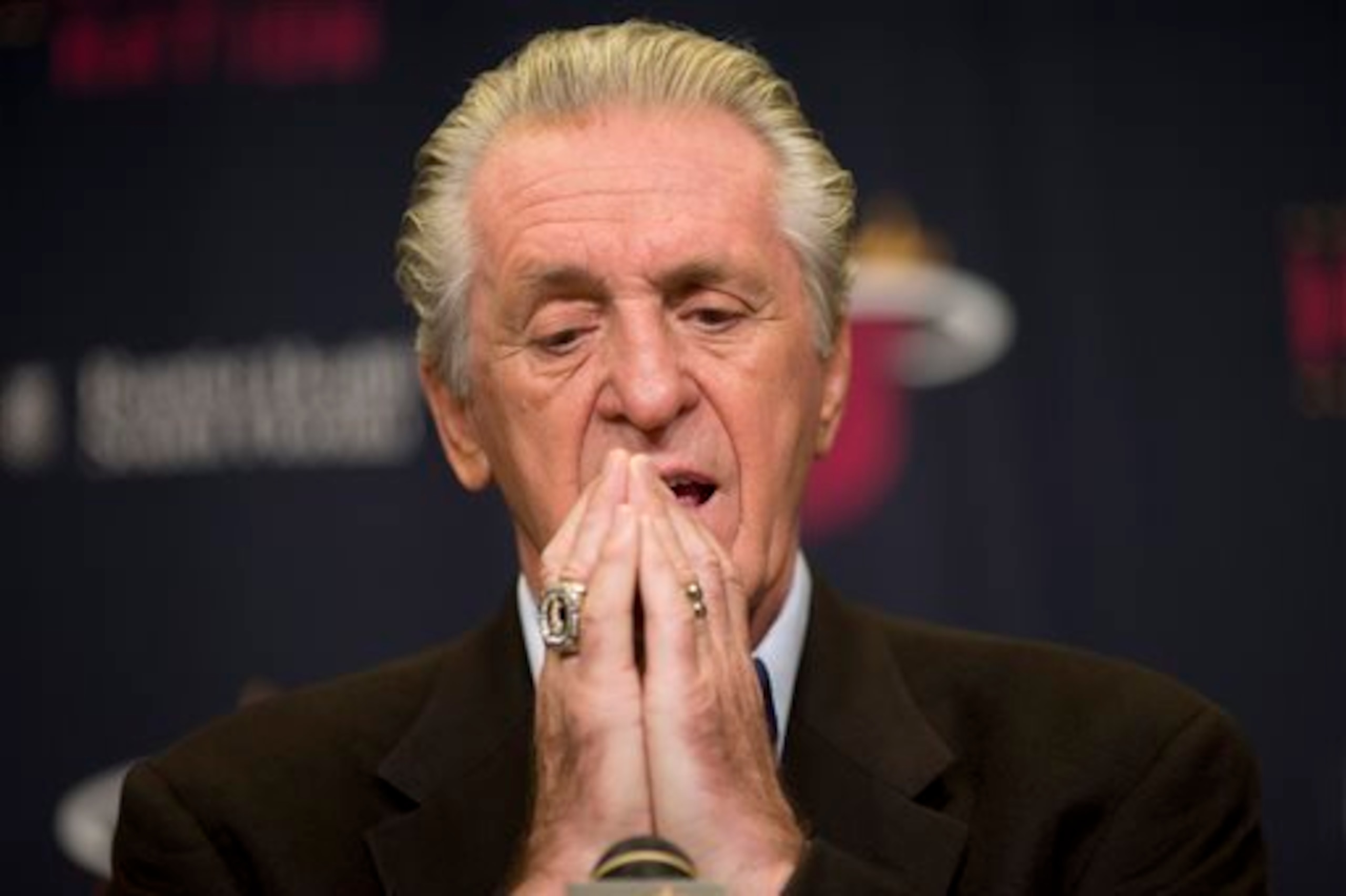
Official news broke just days later that Heat president Pat Riley dealt four players and two first-round draft picks in a three-team swap to acquire Goran Dragic’s speedy All-NBA talent.
Miami was 22-30 at the trade deadline, and in a weak Eastern Conference, the pieces were in place for a sprint toward the crown. Dragic would join Bosh, Luol Deng, Hassan Whiteside and Dwyane Wade to form one of the most complete and formidable starting fives in the entire league.

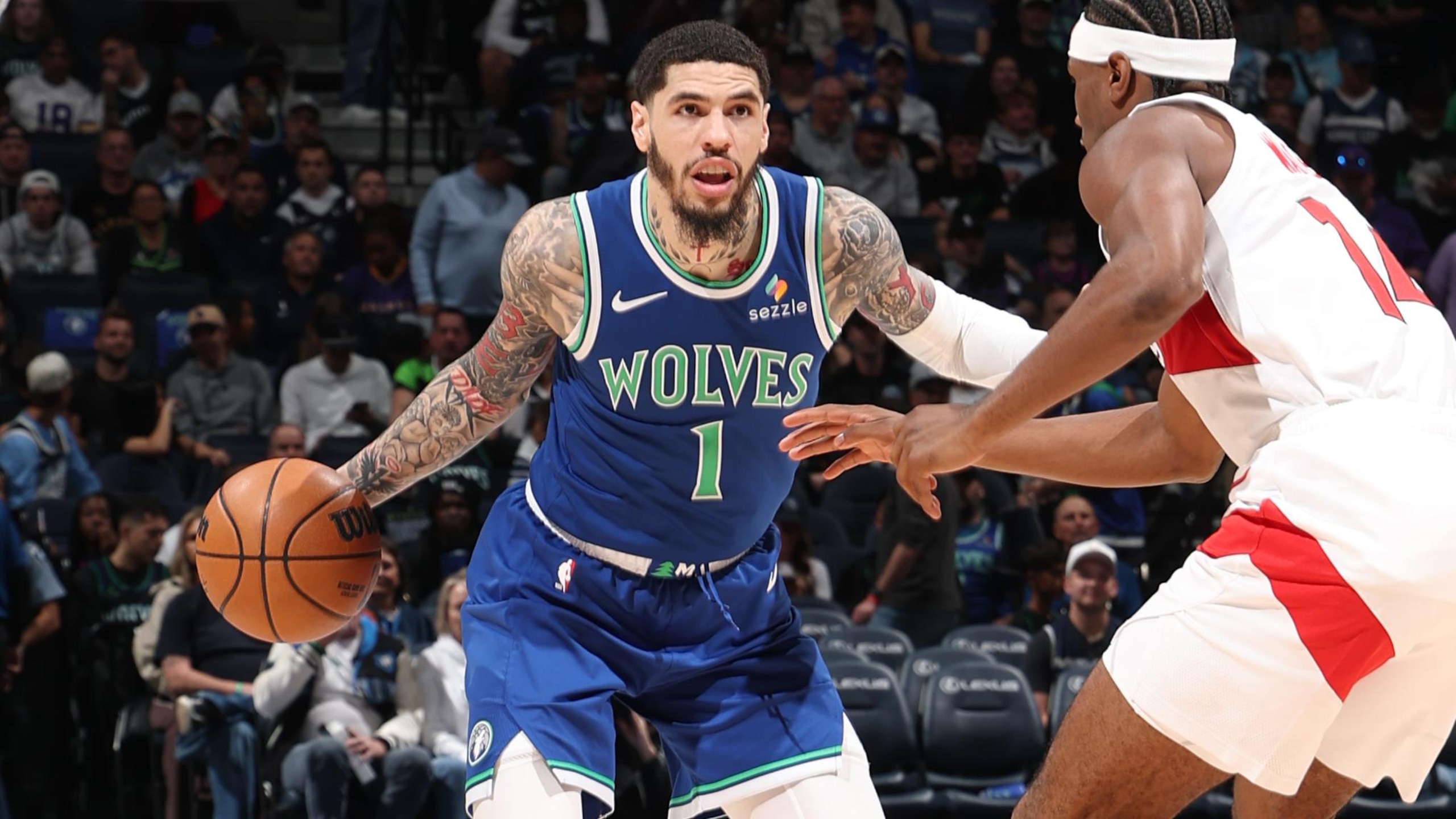
But it wasn’t meant to be. Bosh played zero seconds of basketball after the trade deadline and the Heat went 15-15 down the stretch, failing to make the playoffs for the second time since 2003.
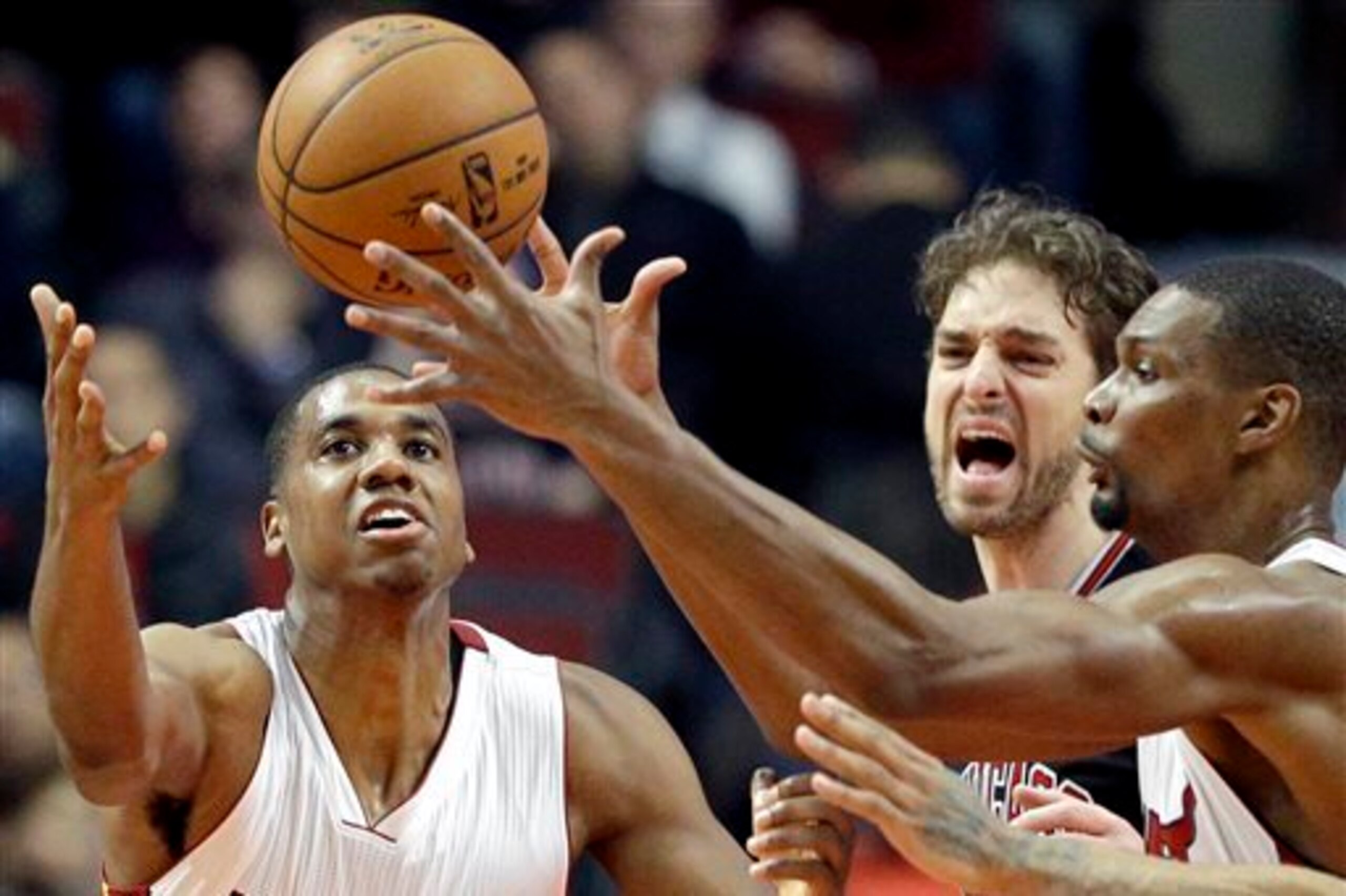
Basketball heartache bleeds into a critical summer.
The moves Miami makes over the next few weeks will ultimately reveal what it can and can’t do the following year, when the salary cap is expected to explode to $89 million, according to DraftExpress' Jonathan Givony.
For now, the future is in limbo, dangling by three player options beneath the shadow of Whiteside’s potential max contract in 2017.
Dragic ($7.5 million), Deng ($10.15 million) and Wade ($16.12 million) can all opt out of their contracts. If Miami is to strike legitimate fear in the hearts of any team in the East next season, it can’t afford to lose any of them.
But if they do opt out, merely re-signing them isn’t a solution. These players aren’t young, and their best days are behind them. Long-term contracts can crush Miami’s flexibility, and with no first-round picks in 2016, 2018 and 2021 to restock the roster, Riley sits in front of a hazy future—the exact thing he's known for keeping at bay.

We’ll begin with Dragic, Miami’s top priority this summer.
In 26 games with the Heat last season, the 29-year-old averaged 16.6 points and 5.3 assists per game. His usage percentage and player efficiency rating hovered around career-average marks, but he only shot 32.9 percent from behind the three-point line.
Miami was outscored by 2.7 points per 100 possessions when Dragic played, a deficit that nearly doubled whenever he shared the floor with Wade.
But watching him go to Los Angeles, New York, Houston, Dallas or wherever else is not an option. Riley recently told reporters, "If he doesn't sign, my a-s is going to be in that [media] seat next year and I'll be writing about it.”
Dragic is a mad genius in the open floor, a whirling, efficient and relentless attacker who’s as effective at the rim as any player his size.
Indiana Pacers point guard George Hill shot 69.5 percent in the restricted area last year, the only player 6’4” or shorter besting Dragic’s 69.1 percent in a Heat jersey (minimum two attempts per game).
Miami has Dragic’s Bird rights, and a five-year max contract will be offered.
The Palm Beach Post’s Jason Lieser offered his take on why Dragic is a good fit:
"Heat coach Erik Spoelstra wants to play quicker going forward, and Dragic looks like the ideal engine for that high-speed machine. Miami was the second-slowest offense in the NBA last season at 93.7 possessions per game and sped up to ninth-slowest after Dragic’s arrival. The Heat need a full training camp with him at point to fully rev it up.
“There’s no question I want to play faster next year and play with pace,” Spoelstra said.
And you, Dragic?
“I want to play a little bit faster than we did, but you need to practice like that from the beginning of the season,” he said. “You cannot start playing like that overnight.”
"
A five-year max contract in Miami is roughly $108 million of candy free of state income tax. A max contract elsewhere equals one fewer season and about $28 million less in guaranteed money.
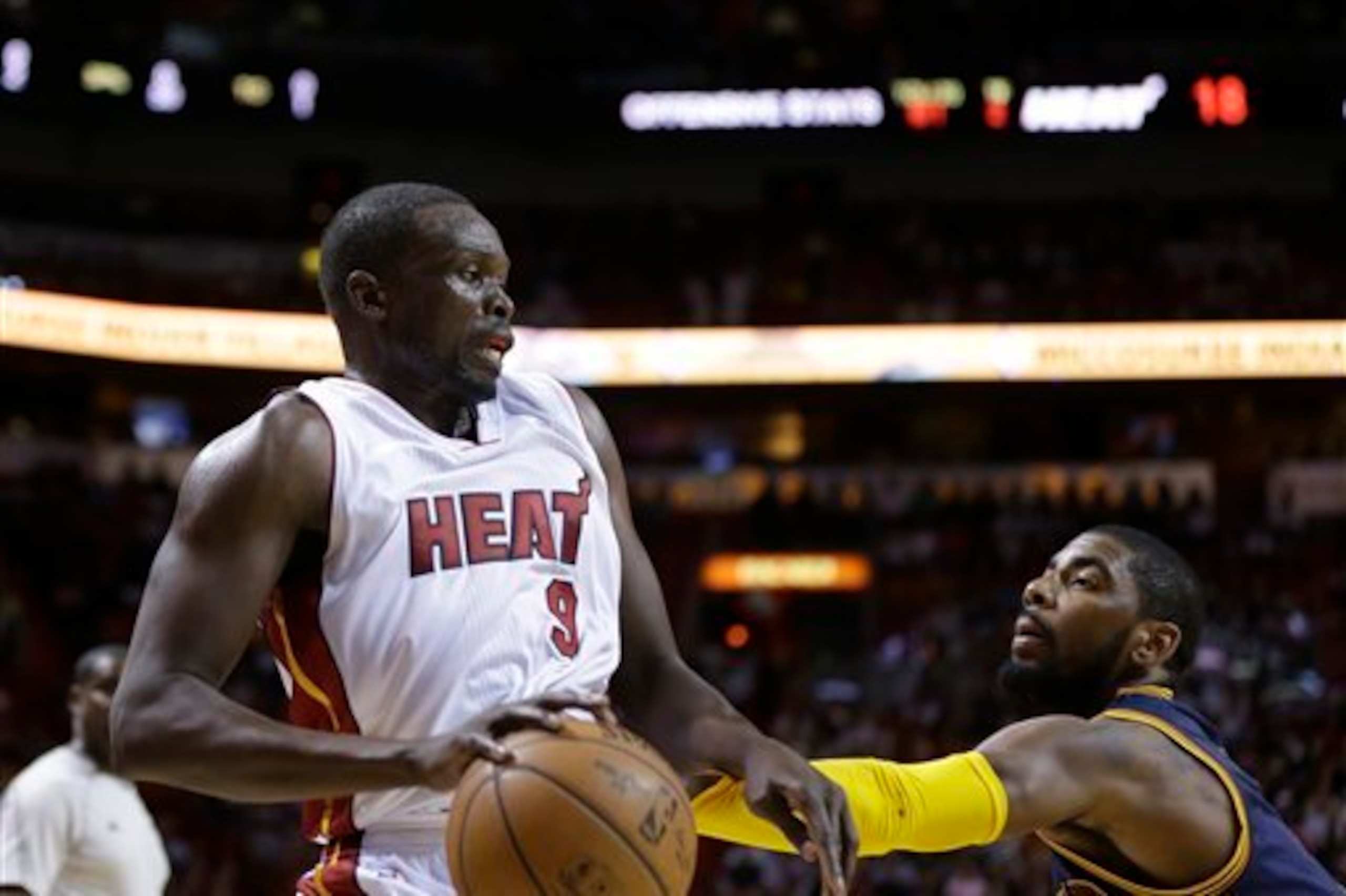
Dragic, it’d seem, is as safe to re-sign with his current team as any potential unrestricted free agent short of LeBron James.
But Deng and Wade are a different story. The oldest 30-year-old on earth, Deng had an efficient debut season with the Heat, posting the highest true shooting percentage and fifth-highest three-point rate of his career.
It’s possible he opts out, thinking this is his last chance for long-term security. Or he could follow fellow swingman Jeff Green and opt in, taking $10.15 million in 2016 and then diving into a boiling-hot pool the following summer.
He’d be a year older, sure, but that’s why it’s a risk.
Riley’s doors won’t be open for a three- or four-year deal if he opts out, and it's unclear which teams would be willing to add him with a steep contract. Deng's timeline doesn't mesh with cap-space-hoarding, rebuilding teams, and no contenders will offer more than his player option.
Whiteside’s deal next summer makes cap space a very precious thing. Miami only has his early Bird rights, which are useless given how cheap Whiteside’s current contract is.
Instead, roughly $21 million (a max contract) worth of cap space must be used. If Bosh and Dragic earn approximately $44 million combined in 2017, that leaves just $45 million—not including Josh McRoberts’ $5.78 million and money owed to this year’s 10th overall pick—to spend on Wade, Whiteside and, you know, the rest of a basketball team.
These are tough times, and if Wade, who turns 34 next January, opts out with the intention of securing the final multiyear deal of his career—or even recouping the $11 million he lost last July—he’ll be sorely disappointed.
Miami could offer a one-year, $22 million max, but doing so would shove it way over the luxury tax, something owner Micky Arison barely avoided this season after a few straight years of dancing with the devil.
It's doubtful he wants to pay a hefty bill for a team that probably won't compete for a title.
There's speculation Wade could leave Miami, as was created when he referred to his tenure in the past tense on national television, and it's possible. But if he does opt out, the Heat will probably offer him a two-year deal with a player option in 2017.
If the Heat bring back Dragic, Wade and Deng, have perfect health, embrace a faster pace and watch their first-round pick hit the ground running, they just might make the Eastern Conference Finals next season. Might.
But after that, things are dicey.
This team will have very little financial flexibility once Whiteside gets his next contract, and a total rebuild is realistically in the pipeline—with Bosh fetching the necessary draft picks and young pieces to make it worthwhile.
Either way, Miami's current core has a one- or two-year window as a borderline fringe contender in a conference where LeBron still looks invincible. The Heat aren't very close to a championship.
In the meantime, Riley has a lot of work to do this summer. After that looms a storm.
All statistics are courtesy of Basketball-Reference.com or NBA.com unless otherwise noted. Contract information courtesy of HoopsHype.
Michael Pina is an NBA writer who lives in Los Angeles. Follow him on Twitter @MichaelVPina.

.jpg?w=2560 "Chiefs, Steelers Eye WR Trades")