

In the four decades since the Golden State Warriors last reached the NBA Finals in 1975, virtually everything about the league—from the shifting rules to the exploding media coverage to a growing global presence—has changed.
But, mostly, the shorts are different.
The Look
TOP NEWS

J-Dub, Wallace May Miss Entire Season
JB's Rep Denies Trade Rumor 🤨
Jokić Defends Ripping Fans 😳

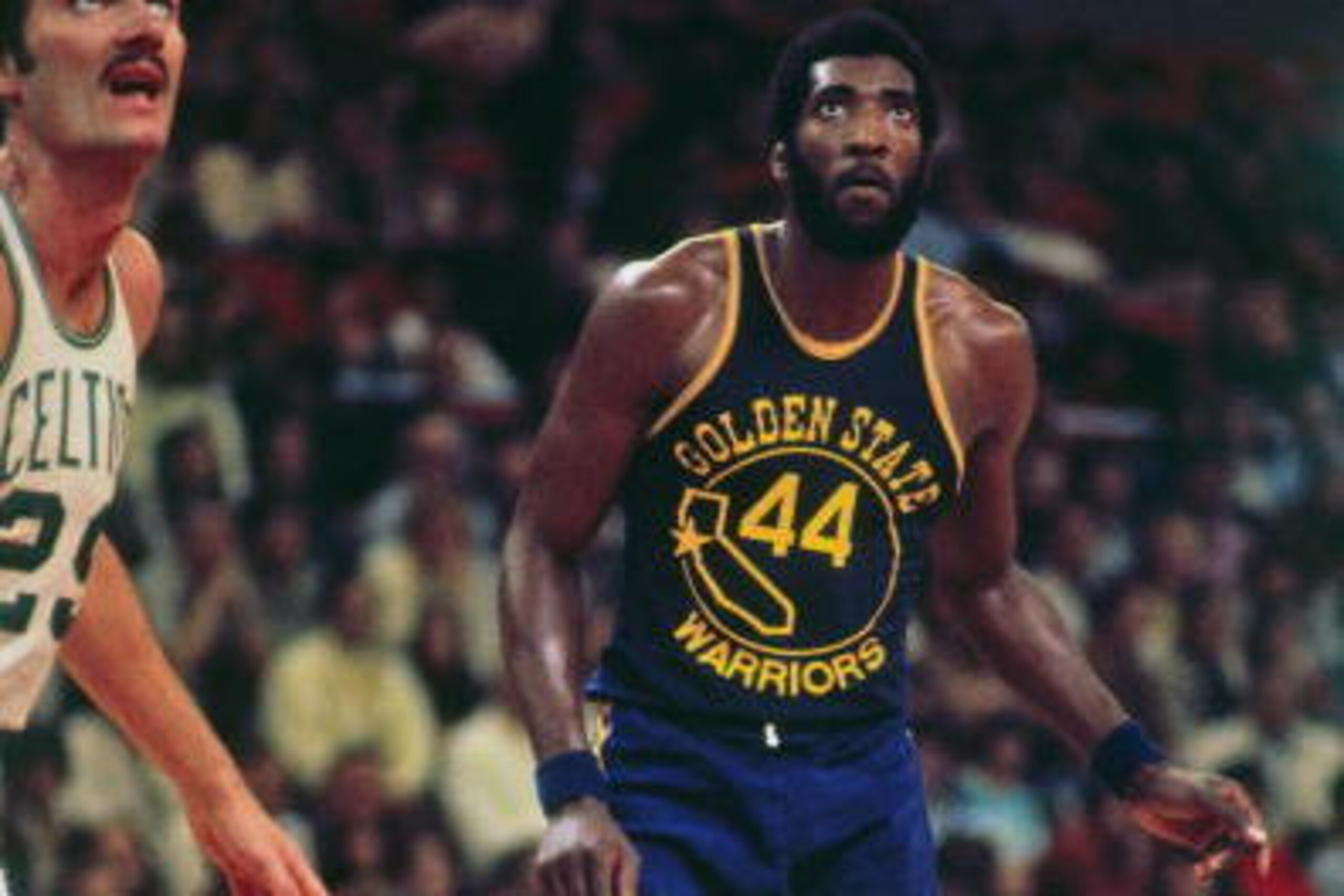
Rick Barry, the 1975 Finals MVP, led the Warriors' last (only) championship team while sporting the form-fitting trunks of the day.
Followed by Butch Beard:
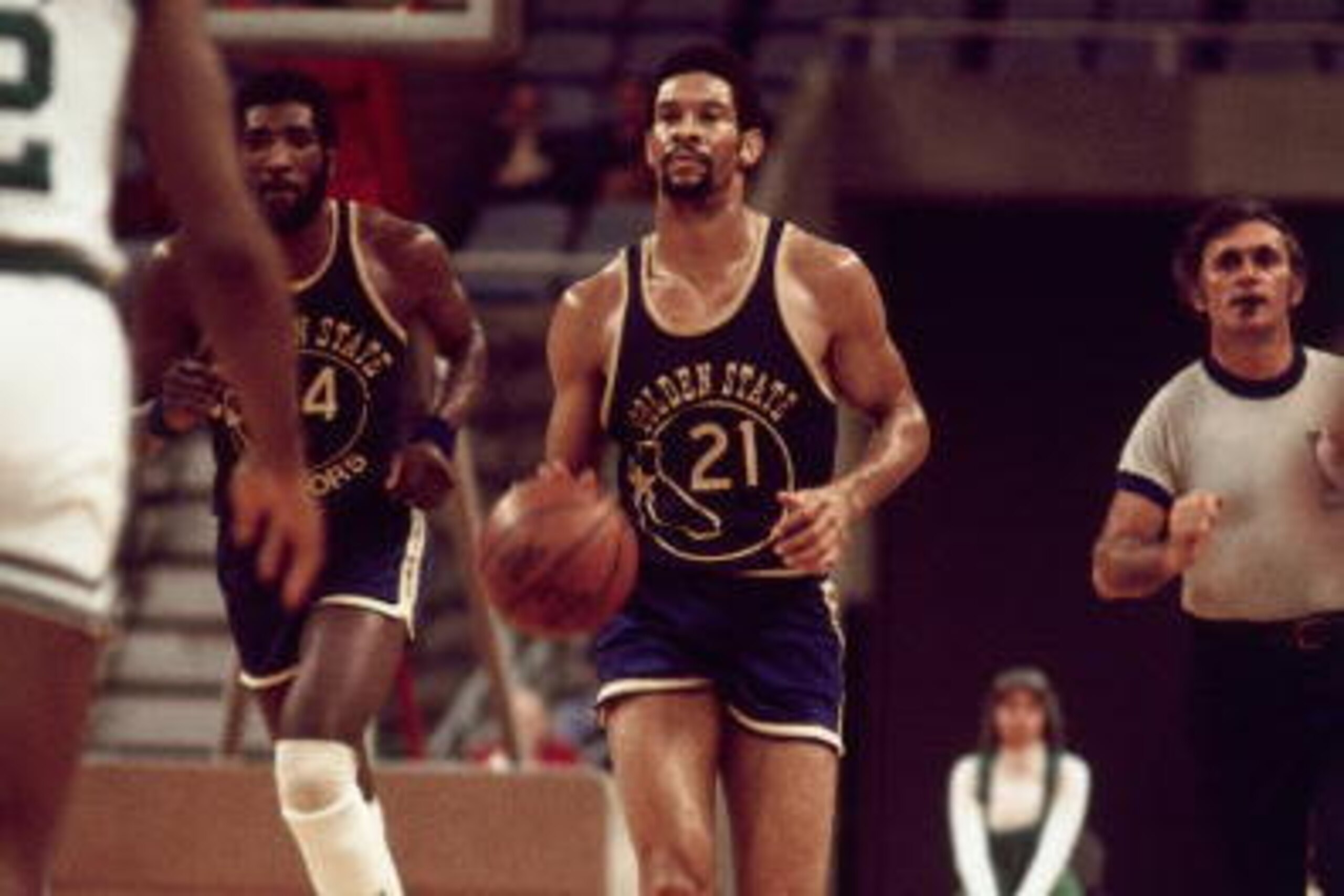
And Charles Johnson:

Here's Jamaal Wilkes:
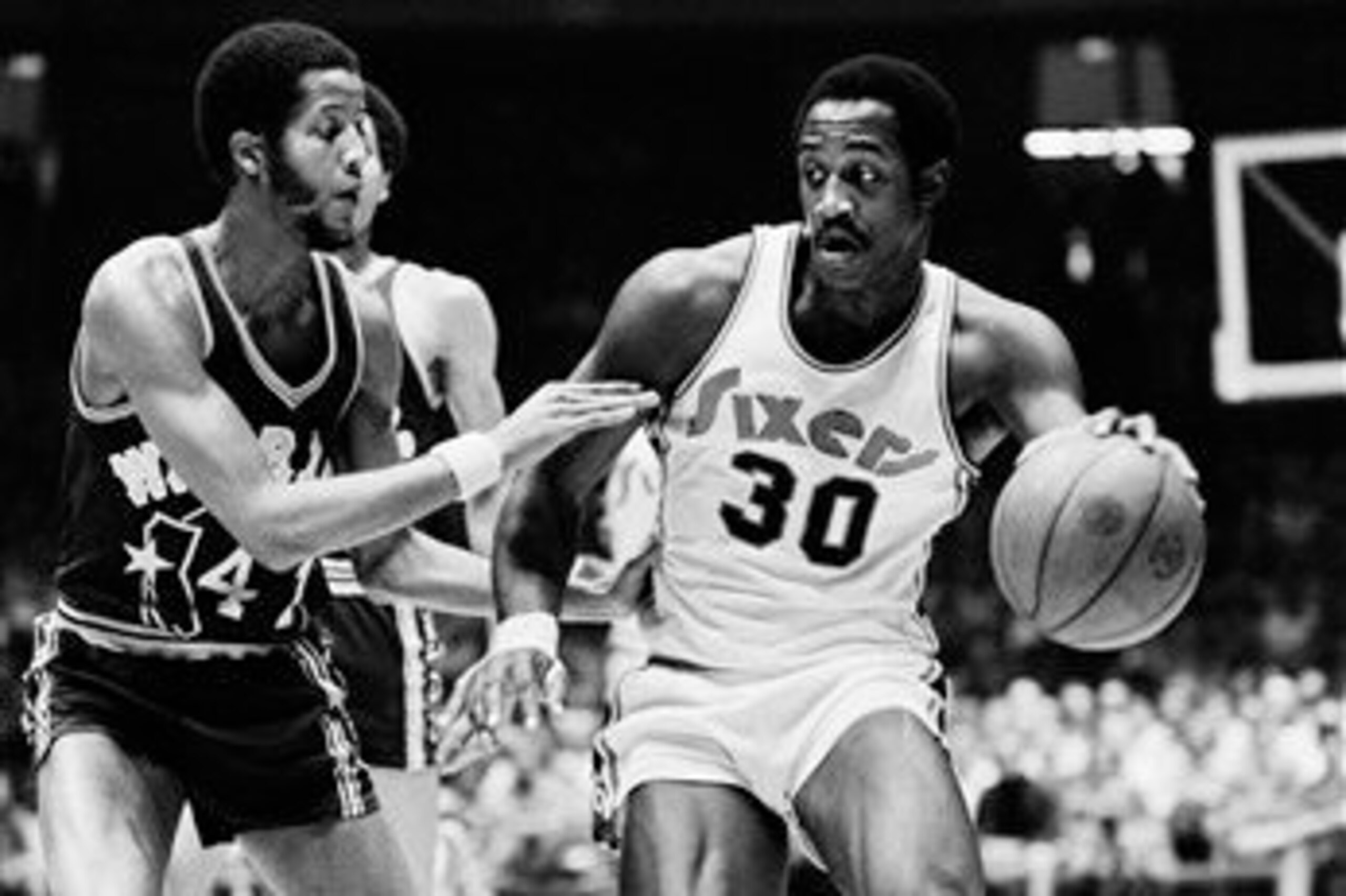
And finally, big man Clifford Ray:
This year's Warriors have a little more coverage from their attire:

The overall look hasn't changed substantially, maintaining blue and gold as the primary colors (with a forgettable foray into burnt orange in the 1990s) and swapping out the California outline for a more local nod to the Bay Bridge.
Clean and understated remains the rule for the Dubs' gear.
The Form
Striking changes show up in the Warriors' league-leading free-throw shooters.
Here's Barry flashing his 90.4 percent form in 1974-75:
He'd granny his way to accuracy rates above 90 percent in each of the next five seasons as well.
This year, Stephen Curry went with a more conventional approach in hitting an NBA-high 91.4 percent. Here he is taking down fellow foul-line marksman and Warriors head coach Steve Kerr in one of their practice contests:
That form's so perfect, it's almost boring.
The Roster
Also different: positional prototypes.
| PG: Stephen Curry | 6'3", 185 | PG: Charles Johnson | 6'2", 180 |
| SG: Klay Thompson | 6'7", 205 | SG: Butch Beard | 6'3", 185 |
| SF: Harrison Barnes | 6'8", 210 | SF: Rick Barry | 6'7", 205 |
| PF: Draymond Green | 6'7", 230 | PF: Jamaal Wilkes | 6'6", 190 |
| C: Andrew Bogut | 7'0", 245 | C: Clifford Ray | 6'9", 230 |
In Golden State's last championship run, the players' roles were well defined (Barry shot the ball, everyone else tried to track down misses so Barry could shoot again). The hybrid, switch-happy, positionless personnel today's Warriors possess was nowhere to be seen.
"It's paradoxical, but the Warriors are able to boast so much versatility because they have so many players that are similarly sized," ESPN.com's Ethan Sherwood Strauss explained. "Draymond Green, Harrison Barnes, Andre Iguodala, Klay Thompson and Shaun Livingston all fit a category of wing-sized athletes who defy basic categorization."
To be fair to the more structured, conventional 1974-75 Warriors, this year's version is unusual in its own time. There certainly weren't hybrid lineups like this 40 years ago, but there aren't many now either. Maybe in another 40 years, when every player on the roster is 6'7" and plays all five positions, we'll appreciate this bunch as trendsetters.
The Men in Charge
Franklin Mieuli was the Warriors' principal owner from 1962 until 1986, and he's been a Bay Area icon ever since.

The deerstalker hat ever present, Mieuli was a character. He was also the franchise's most successful owner until Joe Lacob and Peter Guber led a group that bought the team from Chris Cohan for $450 million in 2010.
Mieuli presided over a particularly successful span of nine playoff trips in 11 seasons, usually courtside, usually with pipe in hand and almost always smiling.
Lacob sits the sidelines at most home games now, and he's a little more intense.

And while he's the front office's most visible figure, Lacob knows he's built something great by committee.
""Look, a lot of people worked really hard," he told CSN Bay Area's Monte Poole before the playoffs began. "It's not just me. It's (general manager) Bob Myers and (executive board member and adviser) Jerry West and Kirk (Lacob, assistant GM) and all the basketball ops guys. It's our coaching staff, our business people, from Rick (Welts, president and COO) all the way on down."
"
Lacob has leveraged considerable brainpower in organizing one of the league's most wayward franchises. Mieuli, who died mere weeks before Lacob bought the Warriors, would be proud to see what's become of his team.
He'd probably prefer more hats, though.
The Line
This year's Warriors are known for their long-range shooting. Led by Curry (who broke his own record for long-range makes in a season) and Klay Thompson, the Dubs attempted a grand total of 2,217 triples—precisely 2,217 more than the 1974-75 Warriors.
Because the three-point line didn't exist yet.
No wonder this year's Dubs posted an effective field-goal percentage (which accounts for the extra point on threes) of 54 percent. Golden State's title-winning team from 40 years ago had an effective field-goal percentage of only 46.5 percent.
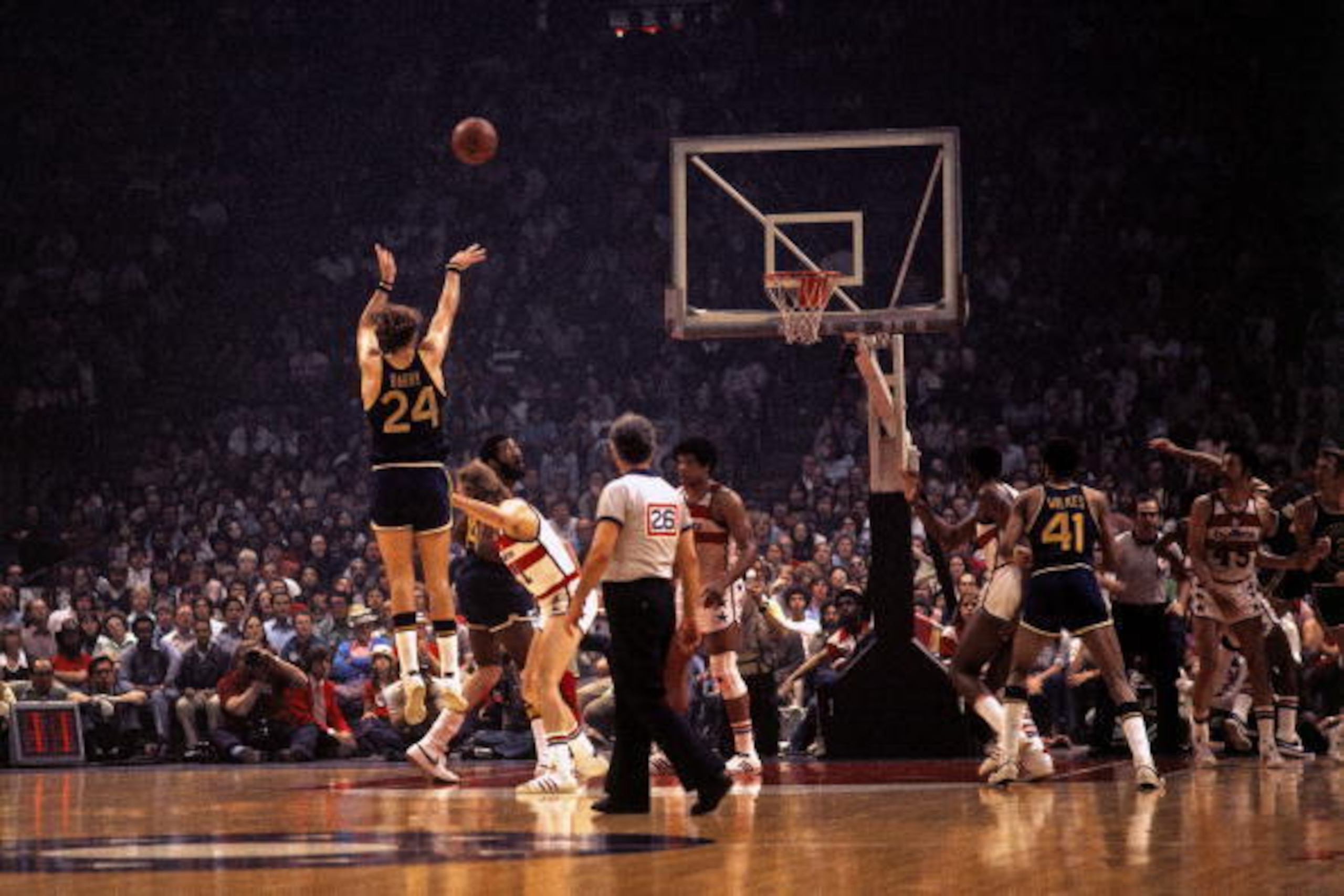
Both were above league average, but the modern Warriors were a whopping 8.87 percent better than the NBA as a whole in that category.
The Profile
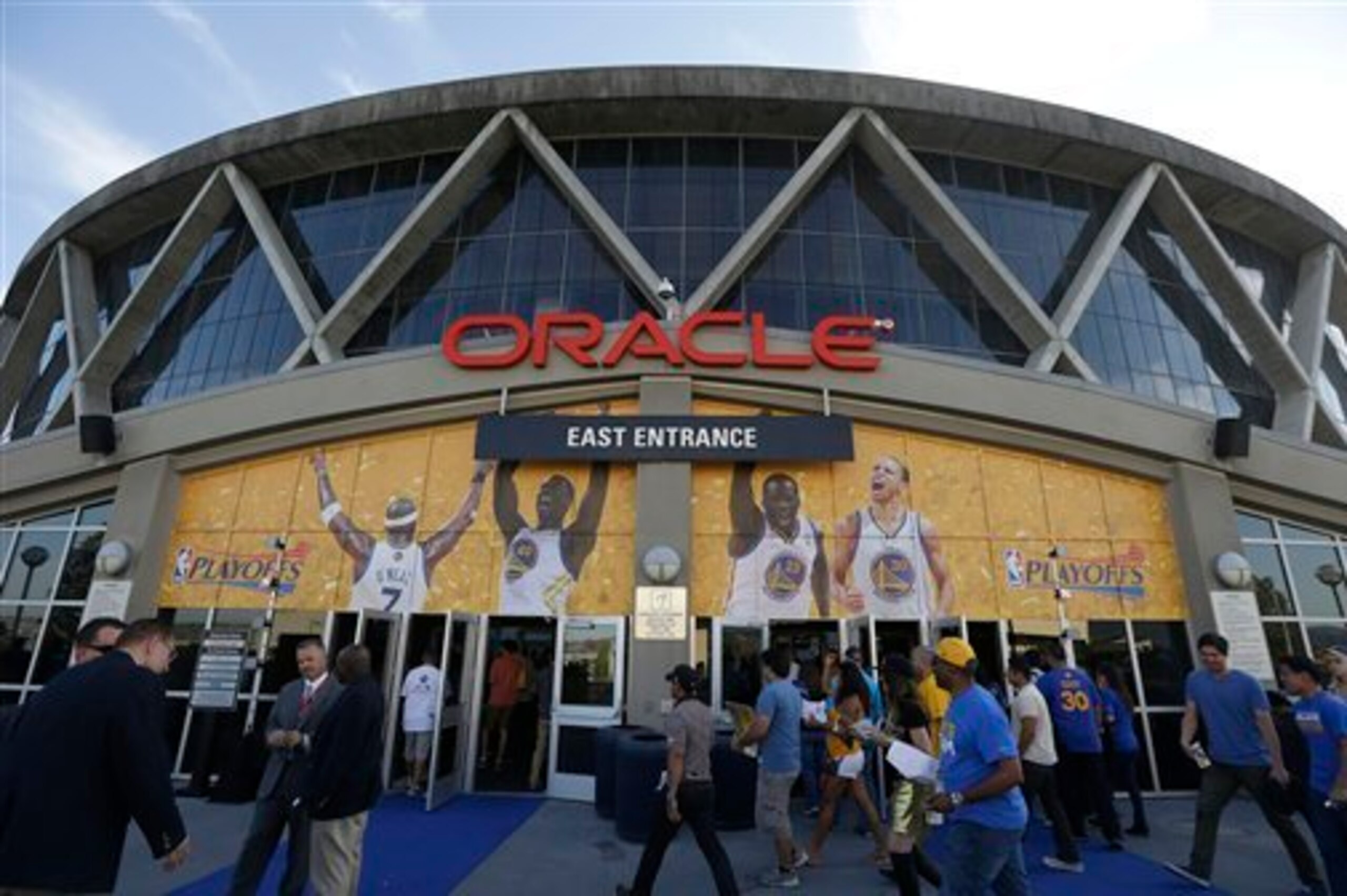
The Warriors played the 1975 Finals at the Cow Palace in Daly City instead of their home arena in Oakland because of a scheduling conflict—one that highlights just how much the NBA's profile has grown in 40 years.
This account from Sam Gardner of Fox Sports is almost too incredible to believe:
"The Warriors' Finals run came as a surprise to virtually everyone, including those at Oakland Coliseum, where Golden State played its games. The building had already been booked for an Ice Follies performance that arena executives were unwilling to move for the Warriors and Bullets. The backup venue, the Cow Palace in Daly City, on the south side of San Francisco, was also already booked for a karate tournament during Game 4, putting the NBA and the teams in something of a pickle.
"
This year's Finals will be broadcast on national television in prime time. Every game will be sold out. And there certainly won't be any scheduling conflicts forcing searches for backup venues.
Take that, Ice Follies and karate.
The Favorites
The 1975 Warriors won 48 games and entered the finals against the 60-win Washington Bullets as significant underdogs. And then the Dubs took the series in a sweep.
This year, Golden State is the favorite after winning 67 regular-season games, leading the league in defensive efficiency and logging the eighth-highest average margin of victory in NBA history. These Warriors are the 14th team to ever win 65 games and reach the NBA Finals in the same year.
The previous 13 won rings, according to ESPN Stats & Info.
No pressure, guys.
What's Old Is New
Forty years of strategic progress, rule changes, sports science study and analytics mean almost everything about this year's Warriors is different from the franchise's only championship team.
Almost everything.
There are still some key similarities to celebrate. And if you're a Warriors fan, you hope those shared traits lead to the same championship result.
Like those old-school Dubs, this year's club features a clear team-leading superstar. Barry, who won the Finals MVP with averages of 29.5 points, four rebounds and five assists against the Bullets, has given way to Curry, this year's regular-season MVP.

And behind those stars, key role players fall in line.
Andrew Bogut, like Clifford Ray before him, defends the rim and hauls in rebounds.
Draymond Green isn't the scorer Jamaal Wilkes was, but both play bigger than their size and contribute as rebounders, timely point generators and passers.
Both the 1975 team and this year's Warriors had eight players score at least seven points per game in the regular season, a good indication that behind each formidable starting unit was real depth.
That depth affected both teams in a strange way, as incumbent starter Jeff Mullins suffered a preseason injury in 1974 and lost his spot to Charles Johnson. The Warriors' hot start that year made a return to the norm unnecessary, just as it did for the David Lee-Draymond Green situation this season.
The main similarity, though, is the hunger of each team's respective fanbase. The 1974-75 Warriors gave their supporters the first championship in franchise history. Now, there's a vast swath of Dubs fans who've spent their entire lives thinking they'd never see a trophy hoisted in Oakland.
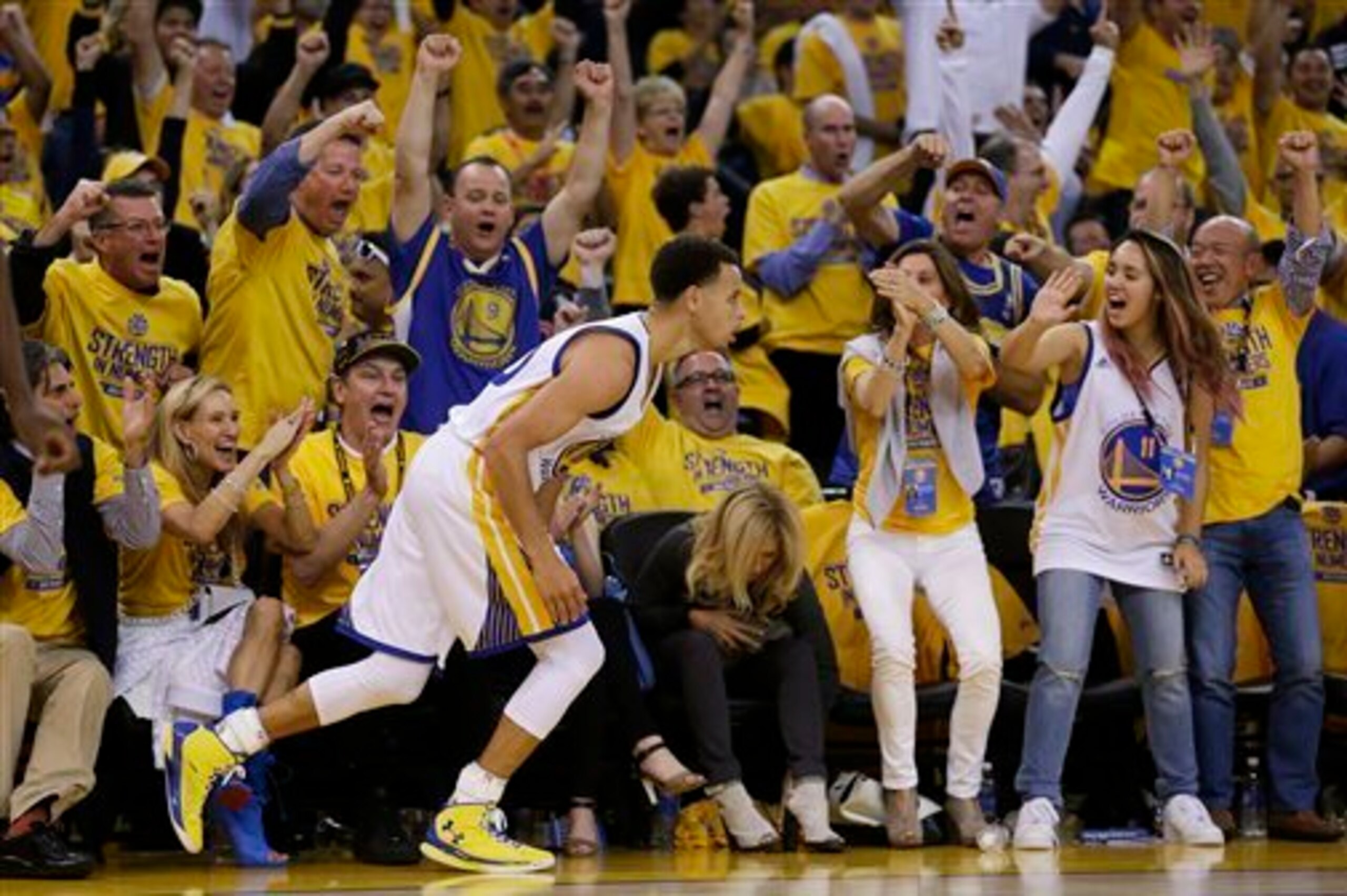
And for those loyalists who stuck out the last 40 years, many of which have been utterly dismal, there were probably doubts another title was ever coming.
Mostly different but similar in all the right ways, the 2015 Warriors look like a team ready to deliver a gift four decades in the wrapping.
All stats courtesy of Basketball-Reference.com unless otherwise indicated.
Massive h/t to Bleacher Report's Adam Fromal on the eFG% data.
Grant Hughes covers the NBA for Bleacher Report. Follow him on Twitter @gt_hughes.


.jpg?w=2560 "Chiefs, Steelers Eye WR Trades")
.jpg?w=2560 "Cowboys Handle Eagles on MNF 🤠")
