

Arsenal Stuck in Awkward No-Man's Land Between Europe's Best and the Rest
There was to be no miracle in Monaco. Arsenal might have played with the poise and bold swagger demanded of them in recent years, but the outcome of Tuesday’s defeat on away goals—their elimination from the Champions League—was an unwelcome throwback.
Arsene Wenger’s side haven’t suffered such indignation on the continent since defeat in the Champions League first knockout round to PSV Eindhoven back in 2007. The Gunners might have been generally frustrating and tedious since, but their consistency could not be questioned, as they made the competition’s latter stages in seven straight seasons. However, they no longer appear to be as dependable.
TOP NEWS
Live Highlights and Viral Moments 🍿

Final Men's Ballon d'Or Rankings 📊
Most to Blame at Man Utd? 😡

It was somewhat ironic that Arsenal should drop out of this season’s Champions League after turning in what was probably their most complete performance in this term’s competition. As has been the case almost perennially in recent times, the Gunners made a valiant attempt to recover a wretched situation yet came up just short.
The 3-1 first-leg defeat—which ultimately cost Arsenal—was a freak result, but it is illustrative of how the Gunners continue to struggle with their status as the sympathy cases of European football.
While Arsenal certainly should have progressed past Monaco and into the last eight of this season’s Champions League, their failure to do so once again illustrates their tragic predicament. The Gunners are stuck in awkward no-man’s land between Europe’s best and the rest.
“Yes,” Wenger responded when asked whether the result was his most disappointing Champions League exit as Arsenal boss, as per John Cross of the Daily Mirror. “I would take it separately from recent years. I am very disappointed to go out tonight. But there were lots of positives.
"It is difficult to compare the years because we played Barcelona and Bayern Munich and we were on a positive trend. The game was on line with what we did recently. We looked at the numbers and we had 98 per cent chances to be out, but we fought. Overall the situation is very disappointing. If you look at the game it is very positive. The game could have been over at half-time because of the chances we had."
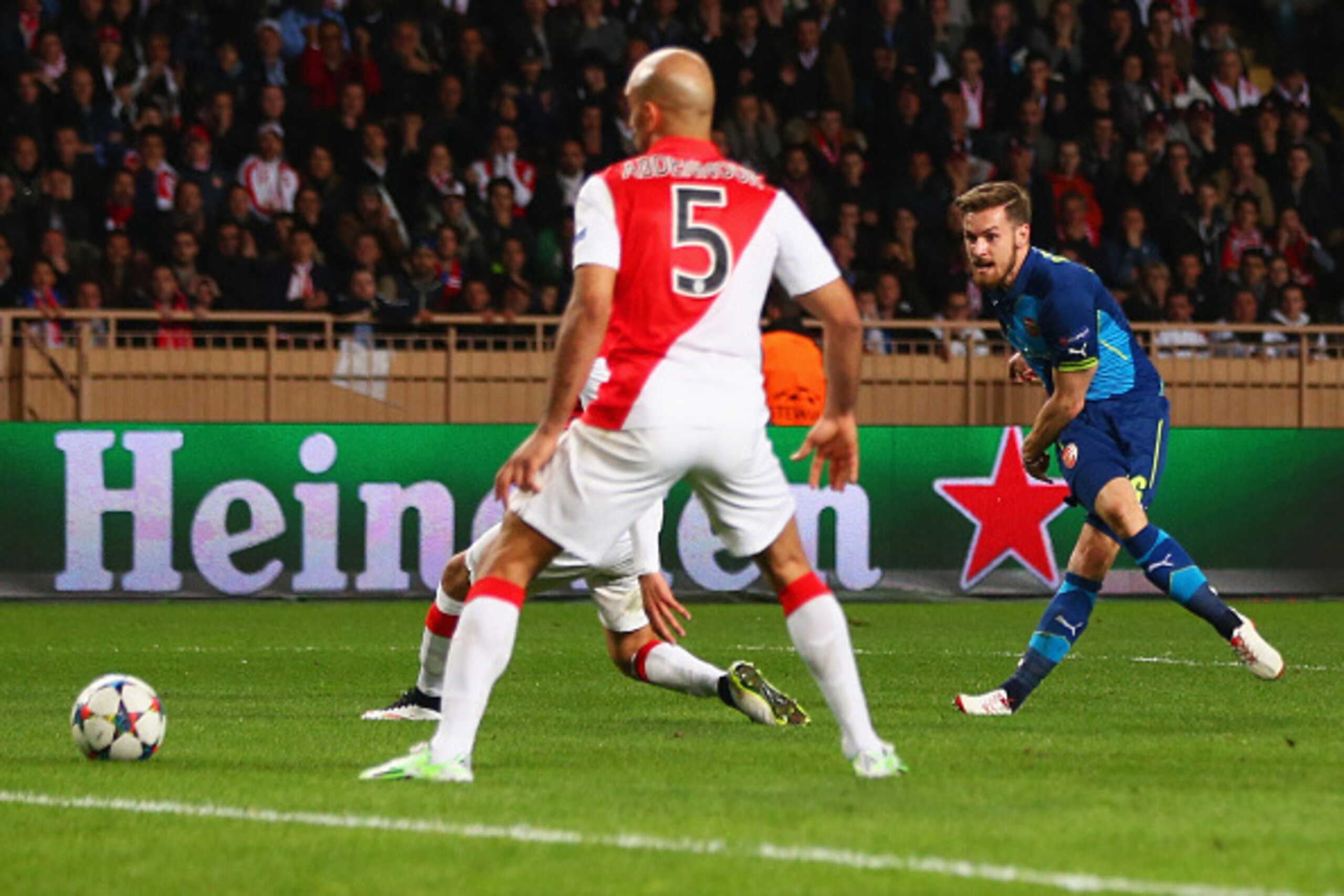
At a stadium positioned on top of a multi-storey car park, Monaco attempted to park the bus—an unsurprising tactic given their impressive defensive record—lining up with two banks of four with Dimitar Berbatov and latterly Yannick Ferreira Carrasco providing threat on the counter-attack.
Monaco made it through to the next round, but that was hardly down to their strategy. Toward the end of last night’s match, the Ligue 1 side were like a drunken tramp, sheepishly returning a stolen wallet to a suave bureaucrat.
At times Monaco were utterly incapable of retaining possession, conceding the ball cheaply as waves of Arsenal attacks came crashing down on top of them.
However, for all their final 20-minute panic, Arsenal couldn’t find a third, and decisive, goal against an erratic Monaco team that puffed out their cheeks in relief when the final whistle blew. The Gunners just didn’t leave themselves enough time.
And yet, despite a desperate result over the two legs, there were some positives from the second-leg win over Monaco for Arsenal to draw upon. Too often in the past Wenger has been stubborn in deploying any form of plan B in situations that have required one. His commitment to his principles are both his best and worst traits as a football coach.
But on Tuesday night the Arsenal boss was quick to introduce Aaron Ramsey to give his side more drive and goal threat from midfield, withdrawing the more restrained Francis Coquelin in the process. The decision to replace Danny Welbeck with Theo Walcott also gave Arsenal more natural width, although the latter didn’t quite have the desired impact.
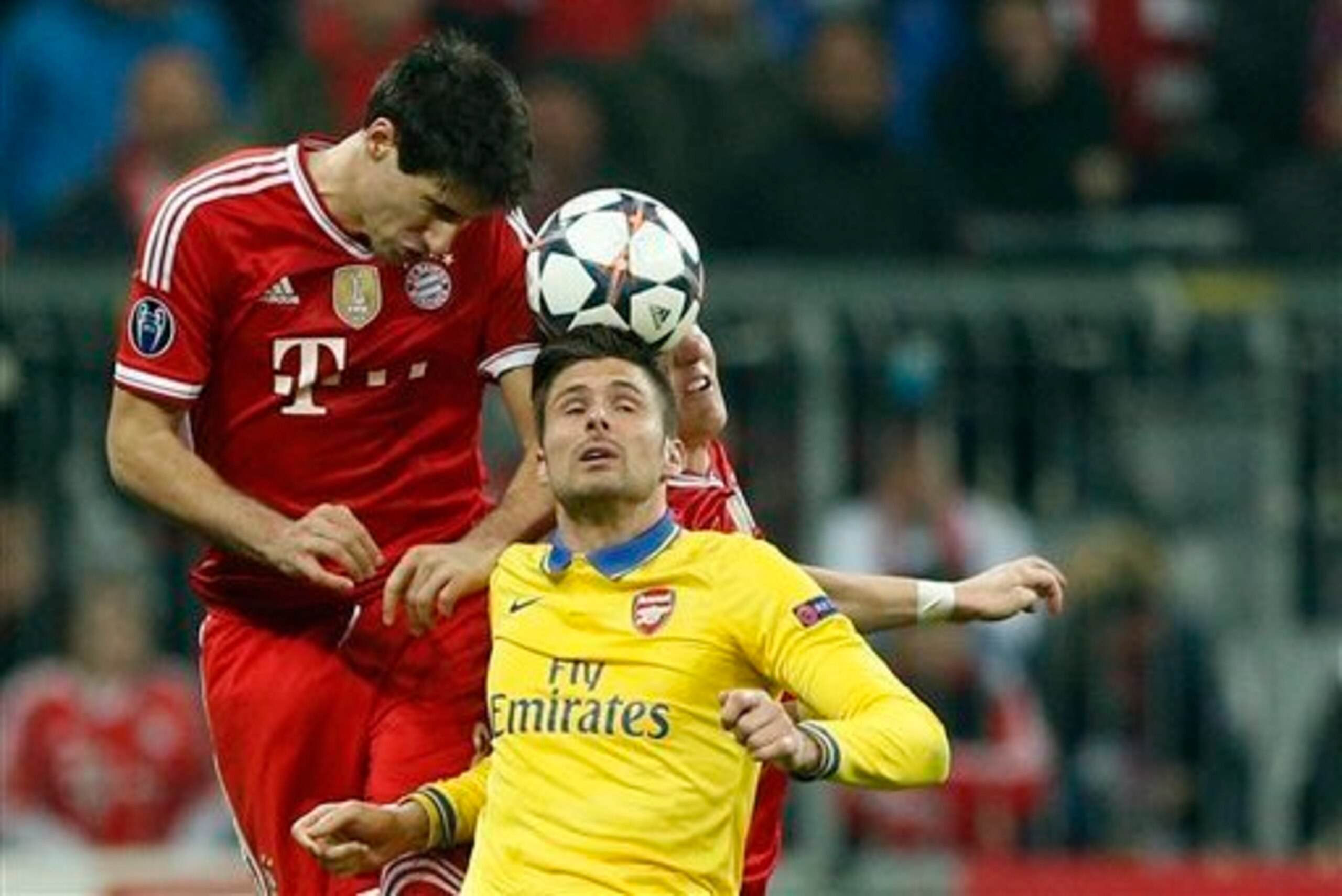
Wenger recognised that his side had to concede some of their control of the match to create more goalscoring opportunities, taking a bit of a gamble on the Gunners’ attacking superiority. And indeed, Arsenal looked more potent in the final third as the clock wound down, with Olivier Giroud in particular passing up a number of chances. They lacked this attacking threat in the first leg.
Nacho Monreal's performance was another silver lining for Arsenal, with the Spaniard underlining the innate understanding he has developed alongside Laurent Koscielny this season. The 29-year-old has moved past Kieran Gibbs as the Gunners’ best option at left-back.
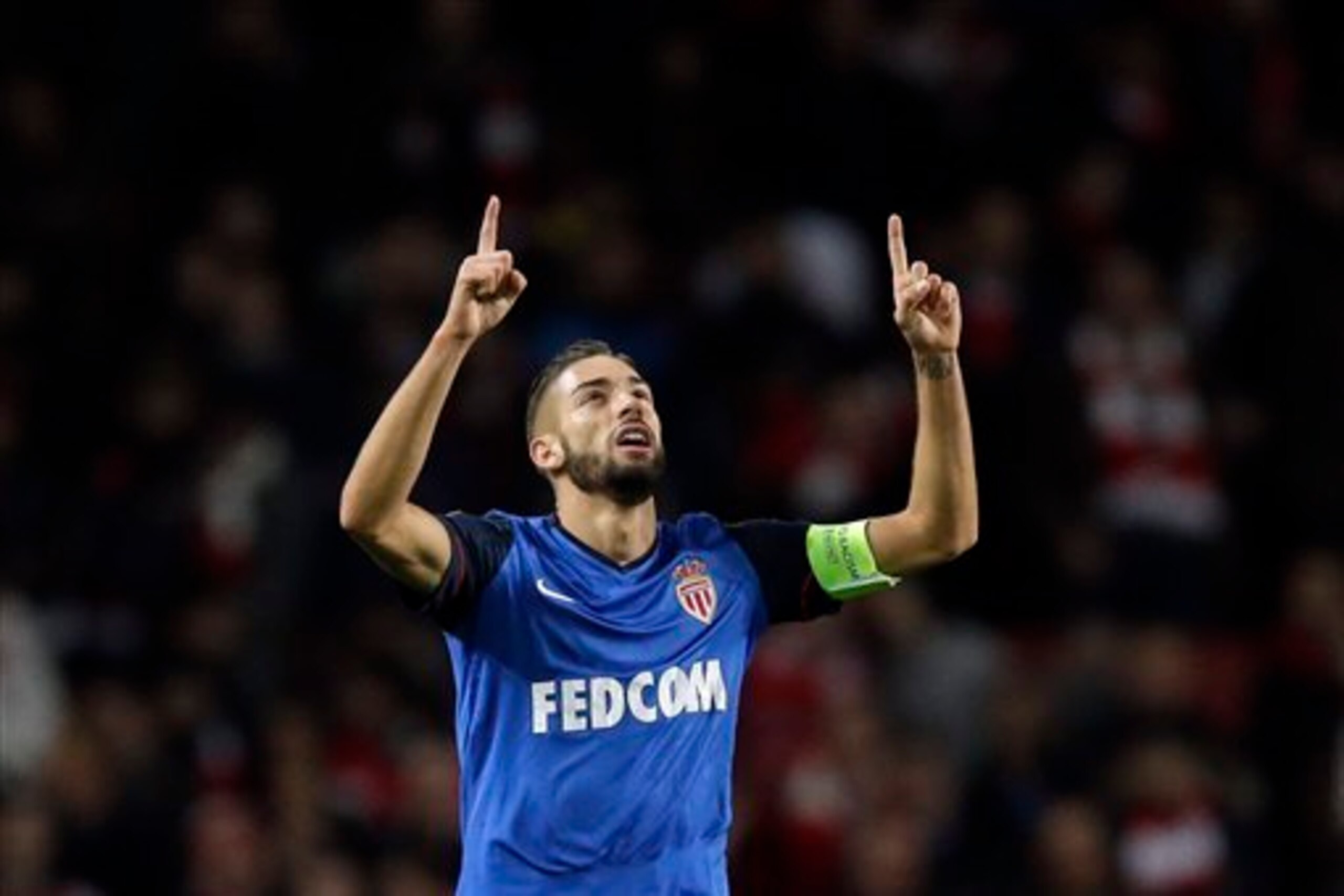
Defensive lapses in the first leg cost Arsenal dear. In fact, their exit from the competition could be isolated down to one moment, when Ferreira Carrasco scored late on at the Emirates to give Monaco a 3-1 lead as the Gunners chased an equaliser. Had they shown more restraint and less tactical naivety, Arsenal would most likely have turned around a single-goal deficit in the second leg.
Such deficiencies highlighted that while Wenger has undoubtedly strengthened attacking positions over the past two seasons or so—with the signings of Mesut Ozil, Alexis Sanchez and Welbeck—their back line remains in desperate need of reinforcement.
Wenger can no longer afford to ignore the defensive weaknesses that continue to undermine his side. While recent signings like Calum Chambers and Gabriel Paulista have given Arsenal more depth on defence, they need more experience and general quality at the back if they are to bridge the gap between themselves and Europe’s elite.
And that might be the biggest regret of all. Given the way this season’s Premier League top-four race is going, Arsenal might not get another opportunity to prove themselves at the top level for quite some time.
There's a real possibility that Wenger’s side might miss out on the Champions League for the first time since 1999. Arsenal may have gotten trapped underneath the European glass ceiling in recent years, but they soon could be staring up at it from a distance.

.jpg?w=2560 "Chiefs Giants Football")
.jpg?w=2560 "5 Teams Eyeing Jonathan Taylor")
.jpg?w=2560 "Jonathan Taylor Landing Spots 📍")
.jpg?w=2560 "Baker Gets Glove From Rays 🧤")
.jpg?w=2560 "NFL investigating Eagles")

