

In the College Football Playoff Era, Is It Time to Ban FCS Opponents?
In a way, Baylor provided free advertising for the University of the Incarnate Word. A year ago on the dot, UIW announced that it had scheduled a game against the Bears in Waco in 2019.
Be honest: How many of you actually thought that was a real school and not something made up by The Onion? People rushed to their search engines to learn more about the mysterious Football Championship Subdivision (FCS) program in San Antonio, Texas, with the quirky name.
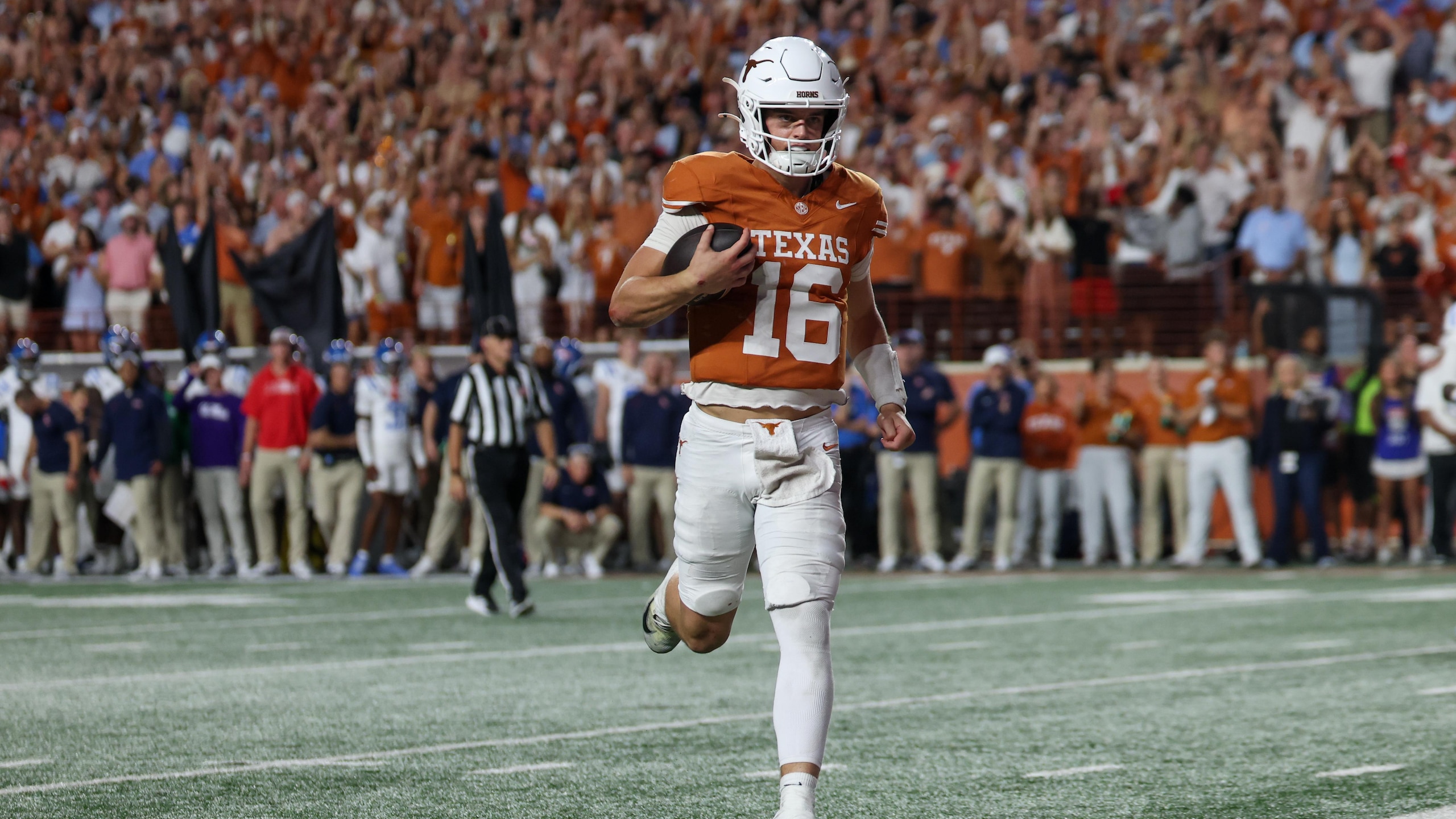
It also shed light on what has become a running joke: Baylor, despite becoming a Big 12 power, doesn't take on anyone of note in nonconference play. Last season, Baylor played SMU, Northwestern State and Buffalo, resulting in three easy wins. At least in part, that cost the Bears a shot at the College Football Playoff, as they never cracked the top four in the CFP standings.


Compare that to eventual national champion Ohio State, which rose to the No. 4 spot in the final rankings even though it lost an early-season game to Virginia Tech. The Hokies weren't some powerhouse, either, winning just six regular season games.
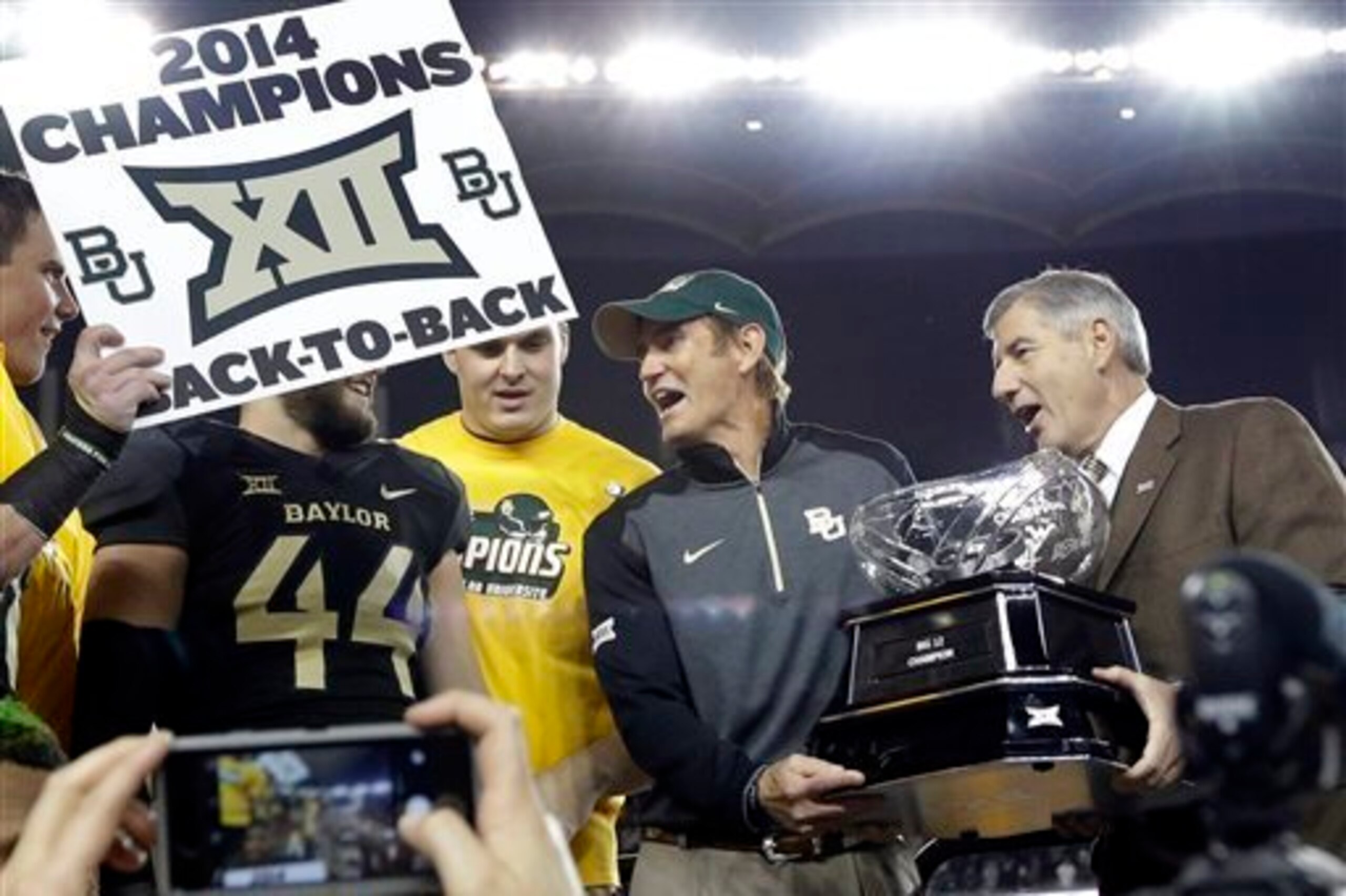
For one year at least, the playoff selection committee showed it would rather a team lose to a Power Five opponent than beat a nobody. Does this mean it's time for a widespread ban, officially or unofficially, on FCS opponents?
Not necessarily. Though the Big Ten came to such an agreement in 2013, there's no need to over-correct nationally.
What ultimately hurts teams like Baylor as much as the actual nonconference slate is perceived effort. Baylor isn't the only offender when it comes to scheduling FCS teams. It is, however, the most recognizable and easiest to attack.
According to FBSchedules.com, the Bears play an FCS opponent in each of the next five years. That isn't the worst thing in the world by itself, but the only respectable nonconference opponent on paper in the next eight years is Duke in 2017 and 2018.
| 2015 | at SMU | Lamar | Rice |
| 2016 | Northwestern State | SMU | at Rice |
| 2017 | Liberty | UTSA | at Duke |
| 2018 | Abilene Christian | at UTSA | Duke |
| 2019 | Incarnate Word | UTSA | at Rice |
| 2020 | Louisiana Tech | TBD | TBD |
| 2021 | at Louisiana Tech | TBD | TBD |
| 2022 | Louisiana Tech | TBD | TBD |
Simply put: There's no balance.
Is Baylor even trying? According to athletic director Ian McCaw, there have been talks with other nonconference opponents. The specifics of them, however, remain unclear.
“You have to look at the entire schedule,” McCaw told Max Olson of ESPN.com in November. “The SEC schools, for example, have some of their weaker nonconference opponents late in the season. If you look at their entire nonconference schedule, the teams look very similar to some of the teams we’ve played.”
Nonconference scheduling is formulaic, though. That's true regardless of conference or number of conference games. As long as there's at least one difficult nonconference game, the rest doesn't matter as much.
Take Oregon, for example. In 2015, the Ducks will play FCS opponent Eastern Washington—as a side story, Eastern Washington was the former home for new Oregon transfer quarterback Vernon Adams—and Michigan State.
Yes, scheduling is a risk/reward move, especially when made years in advance. For all anyone knows, Michigan State could be awful next season. Chances are, though, it won't be. If Oregon is in the playoff conversation, it'll be because of that game, not Eastern Washington.
Perception has weight in the scheduling world, even if it's misplaced. Last year, the ACC and SEC announced they would require members to play at least one nonconference Power Five opponent every year. However, that opponent could be a basement-dweller like Kansas, Purdue or Colorado and still satisfy said requirement.
Ultimately, what's the difference between those programs and, say, FCS powerhouse North Dakota State, which just won its fourth straight national championship? In fact, the Bison should be considered a more formidable opponent at the moment.
The point being, not all opponents—whether FBS or FCS, Power Five or mid-major—are created equally. To place them into categories defined by worthiness is a dangerous line to walk.
Furthermore, games against FCS teams may not always be the most fun to watch, but they have a purpose. Cupcake games provide money for the smaller programs and a valuable seventh (or sometimes eighth) home game for the bigger program.
There may be a day when games against FCS opponents disappear, but it's not happening anytime soon. That's because they're not a detriment to a team's playoff hopes so long as there is at least one solid nonconference game to balance it out.
Ben Kercheval is a lead writer for college football. All quotes cited unless obtained firsthand.

.jpg?w=2560 "Mahomes Told Teammate to Leave Meeting")
.jpg?w=2560 "5 Teams Eyeing Jonathan Taylor")

.jpg?w=2560 "Jonathan Taylor Landing Spots 📍")
.jpg?w=2560 "Baker Gets Glove From Rays 🧤")
.jpg?w=2560 "NFL investigating Eagles")
