

What College Stars Can Learn from NFL Players Ditching Millions to Retire Early

If you’re Myles Jack, UCLA's gifted linebacker who's less than a year away from being allowed to leave for the NFL, the past week provided much food for thought. It provided yet another reminder that playing football at the professional level can be incredibly lucrative. It has also showcased that the career window for these same professionals is shrinking at a frantic pace.
Watching all the money thrown at NFL free agents has been a magnificent circus—an unending parade of champagne, private jets, steaks, guaranteed zillions and a showcase for all the work required to make it that far. Talented players currently operating in the NFL’s farm system have probably spent a good portion of the last few days gazing at all those zeroes scrolling across the bottom of their televisions, wondering if one day that might be them.



As the spectacle consumed the sporting world’s interests, however, another significant and far more impactful development took shape. Three NFL players, all with the opportunity to earn millions of guaranteed dollars through existing contracts or as free agents—decided that, despite the market for their services, they had endured enough.
For reasons only important to them, Jake Locker (26), Jason Worilds (27) and Patrick Willis (30) all announced they were leaving the NFL in unexpected fashion.
Locker, despite his struggles to develop at the next level, would have been given millions to continue playing quarterback. Worilds, one of the best free-agent pass-rushers available, would have been given a parking lot full of Brinks trucks in guaranteed income. And Willis, still operating on a lucrative deal with the 49ers, had millions of reasons to play just a few more seasons.
He also had plenty of reasons not to continue his career anymore.
“Honestly, I pay attention to guys when they’re finished playing, walking around like they’ve got no hips and they can’t play with their kids. They can barely walk,” Willis told reporters when announcing his retirement. “People see that and they feel sorry, but they don’t realize it’s because he played a few extra years.
“For me, there’s more to my life than football. It has provided an amazing platform for me to build on, but it’s my health first and everything else just kind of makes sense around it.”
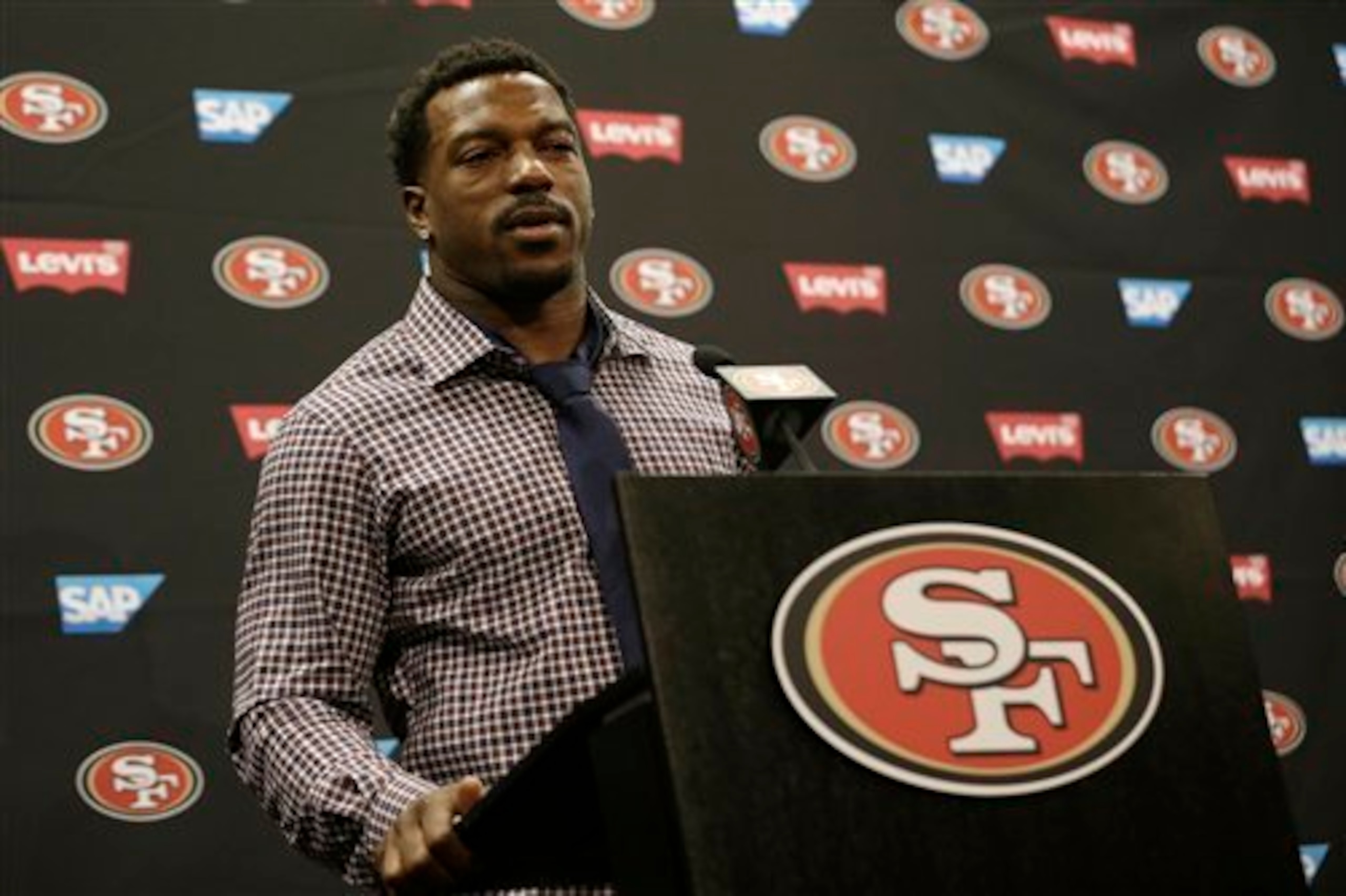
If you’re Jack, maybe the most athletic collegiate linebacker to take the field since Willis gobbled up running backs at Ole Miss, this decision certainly carries weight. It shouldn’t alter the way the sport is viewed, although it does provide something to mull over.
I still remember watching Willis work in the SEC, closing at remarkable speeds and doing so with a giant club on his hand to protect a body that was already breaking down. At the time, he seemed invincible. That feeling carried over into his professional career when he was almost always the best player on the field. We haven’t seen many like him.
But now he is retired, and the superstar many current student-athletes grew up watching has essentially stated that, even with mounds of guaranteed money there for the taking—the kind of money most of us can’t begin to even wrap our minds around—it is no longer worth it.
That’s a powerful message, and it’s one not just reserved for a single player.
None of the three recent retirees has gone as far as to recommend a different career path to stars of the future, nor would you expect them to. The reason they are able to walk away without remorse is thanks in large part to the sum of money they have already made.
The fact that they were able to say goodbye with large bank accounts isn’t everything, but it is something. It made the choice a little more tolerable—at least from an outsider perspective.
Worilds, while trying to explain his decision through social media, said as much:
"There's a problem. But if you constantly factor in money you'll never figure the equation.
— Jason Worilds (@WorildsGreatest) February 6, 2015"
The risks haven’t necessarily changed. Since 2006, the last time we saw Willis terrorize the SEC, we’ve become familiar with the very real dangers that come with a prolonged career in the sport.
We know more about head trauma than we did back then, although there is still so much to learn. We know more about the impact it can (and almost certainly will) have on the body, but again, we’re generations away from understanding the full picture. That players are willingly saying goodbye in the primes of their careers underscores this increase in knowledge…and also the vast sums of money poured into the sport.
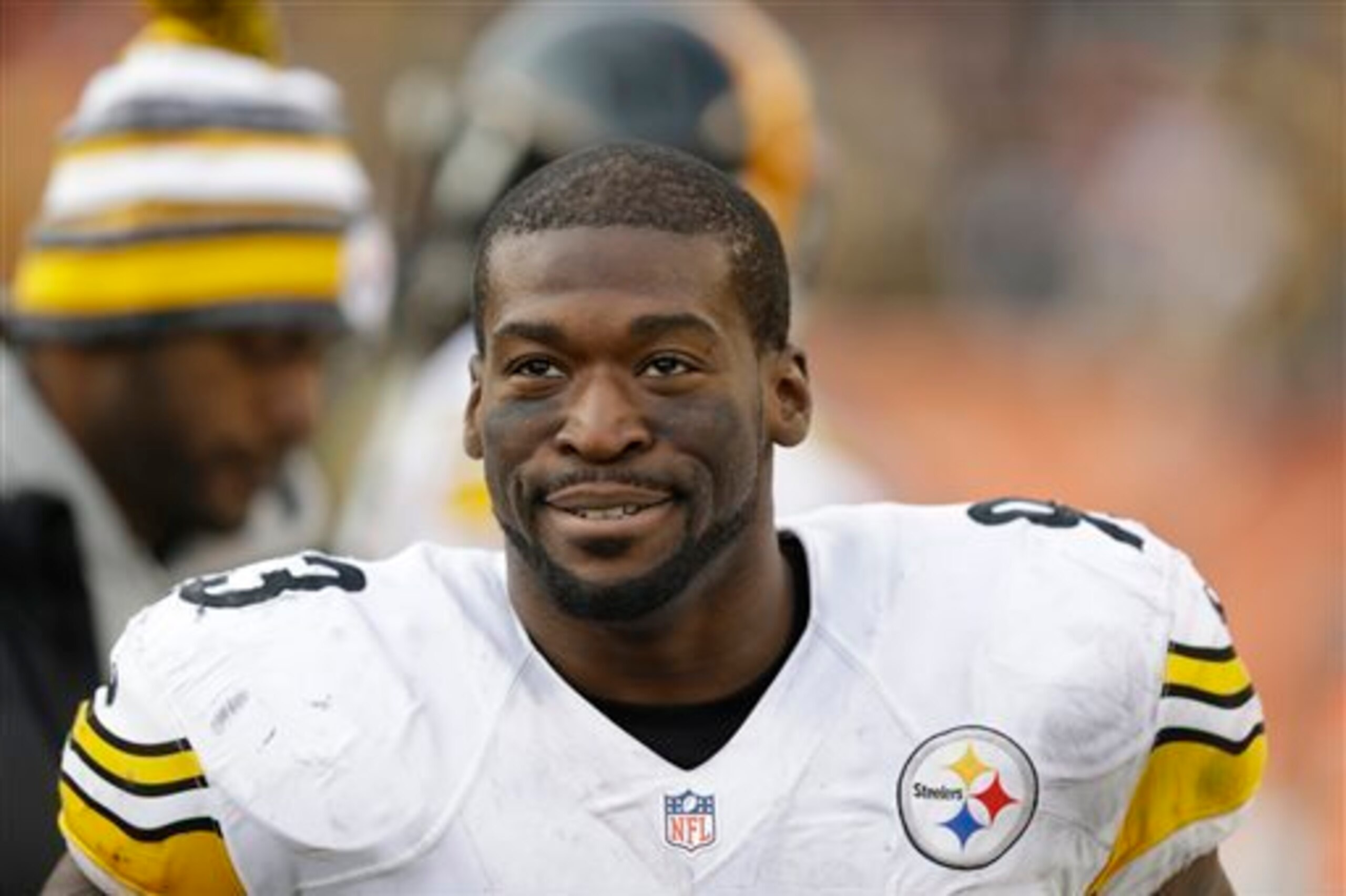
The strange combination has created a brand of football that will almost certainly (and likely for the better) shorten the careers of the average NFL player. If more players are interested in preserving their bodies and minds for life after football, that’s a quality development in the sport.
The loss of stars earlier than ever is not a reality the average fan wants to stomach, although the reasoning behind it is impossible to argue.
While all of this transpires, the future of the NFL is watching. Underclassmen are told when they are allowed to leave, and they have until a certain date after their third year of eligibility to decide.
While we often throw on our scout hats around that time of year—proclaiming each and every decision to leave early as either good or bad— it’s becoming increasingly obvious that the biggest risk exists in allowing the football clock to tick away another year.
Even those without a first- or second-round grade have more reason than ever before to see what’s out there.
For years, I have preached the same message to successful products of the NFL’s farm system: Leave as quickly as you can if there’s a living to be made or even if you’re on the cusp of making one. Playing football for the price of a degree is not a worthwhile trade.
Education, as callous as this is to type, can wait.

That message has not wavered. If anything, given the direction the sport is headed and youth becoming one of the game’s great commodities, it’s only intensified.
College football stars of now and of the future: Don’t just leave when you can. If you’re remotely close to making a living out of this—and that’s the desired path you want to take—sprint toward that goal as quickly as possible and don’t look back at the rest of us.
Education will always be there, even if an early departure results in some money out of pocket down the line to complete a degree. While we often assume that a fringe NFL player returning for his senior year of college will capitalize on enormous wealth, the risk of being patient is a different kind of gamble entirely—at least for some.
This theory does not apply for everyone. It’s not directed at you, backup right tackle on South Dakota State. But an “amateur” athlete close enough to turning his craft into a profession should explore those options if that’s the life he wants.
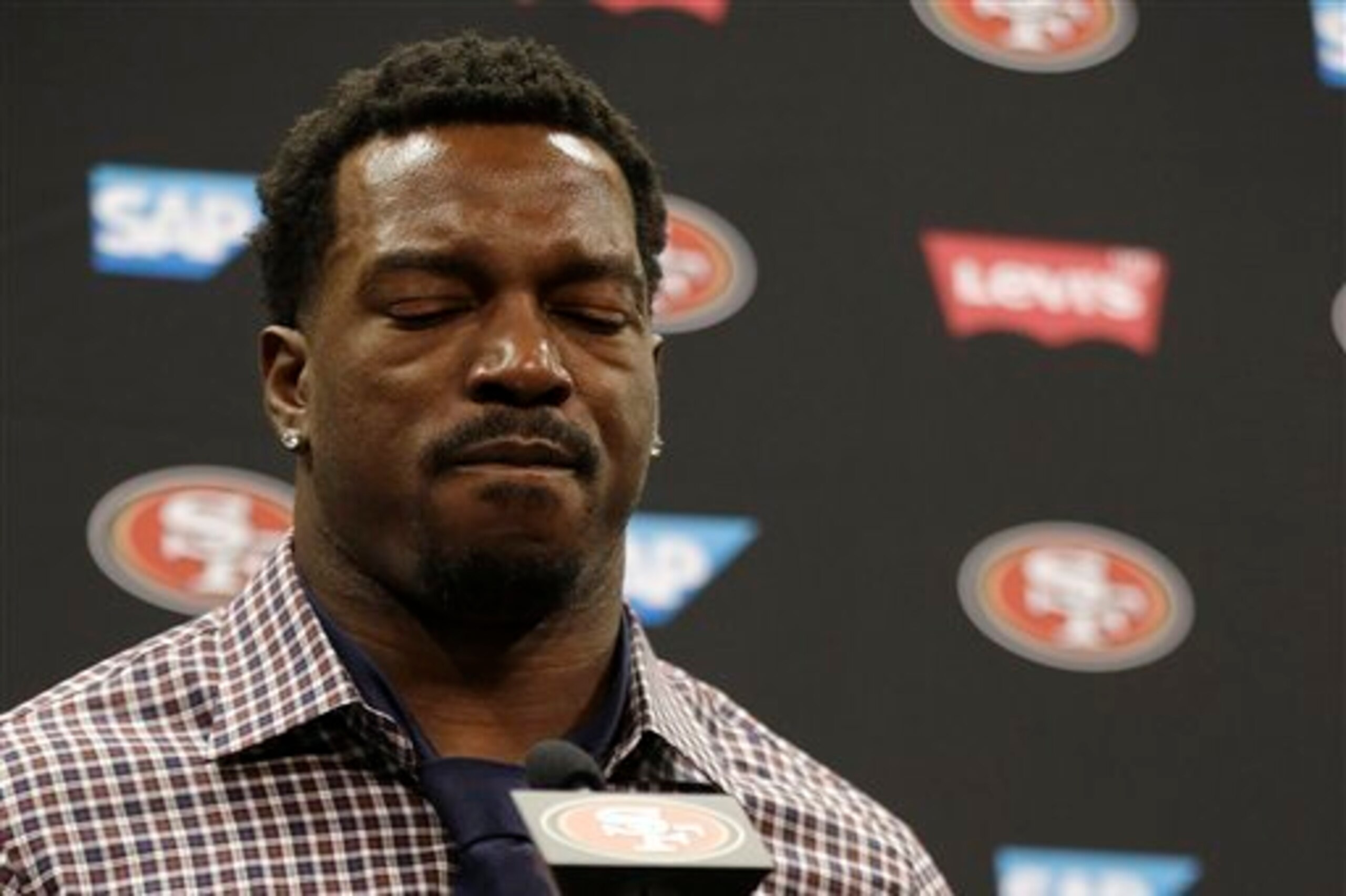
He doesn’t have to be the next Patrick Willis to make that decision—in all but a handful of rare cases, he won’t be. Even a minimum salary in the NFL will net nearly a half-million dollars in one year these days, which is enough to pay for a house, support a family and go back to school if and when that time comes.
Selfishly, I don’t want these players to leave. Star power and personality are what drive the sport. Their presence makes my job easier and improves the overall quality of the game.
I would love to see Jack exhaust his eligibility at UCLA, quite simply because it’s fun watching exceptional players do exceptional things. I would love two more years of Robert Nkemdiche, Joey Bosa, Laremy Tunsil, Ezekiel Elliott, Laquon Treadwell and countless others who will be allowed to leave soon.
But deep down, we know. The NFL’s recent run of unexpected and early departures only helped solidify those thoughts.
If you can get paid to play football, go get paid to play football. There is a fortune awaiting those lucky enough to make it that far and, more importantly, a limited time to make it.

.jpg?w=2560 "Mahomes Told Teammate to Leave Meeting")
.jpg?w=2560 "5 Teams Eyeing Jonathan Taylor")

.jpg?w=2560 "Jonathan Taylor Landing Spots 📍")
.jpg?w=2560 "Baker Gets Glove From Rays 🧤")
.jpg?w=2560 "NFL investigating Eagles")
