

Predicting the Achilles' Heel of Every Projected Top 25 Team for 2015
Across the nation, college football programs are shaking off the rust and getting ready for spring practice. 2014, for better or worse, is in the books. 2015, and all of its associated promise, is on the horizon.
While coaches don’t have a complete accounting for what they’ll have on hand this fall, due to freshmen who have yet to arrive on campus and veterans who are fighting their way back from offseason surgeries, they have a pretty good idea.
Every program, from Ohio State on down, has its strengths. But every program also has weaknesses. Spring is about trying as best you can to shore up those weaknesses and making yourself better entering fall practice.
Here’s a look at every Top 25 team’s Achilles' heel. The Top 25 ranking is taken from Bleacher Report’s most recent Top 25 filed by Ben Kercheval.
25. BYU
1 of 25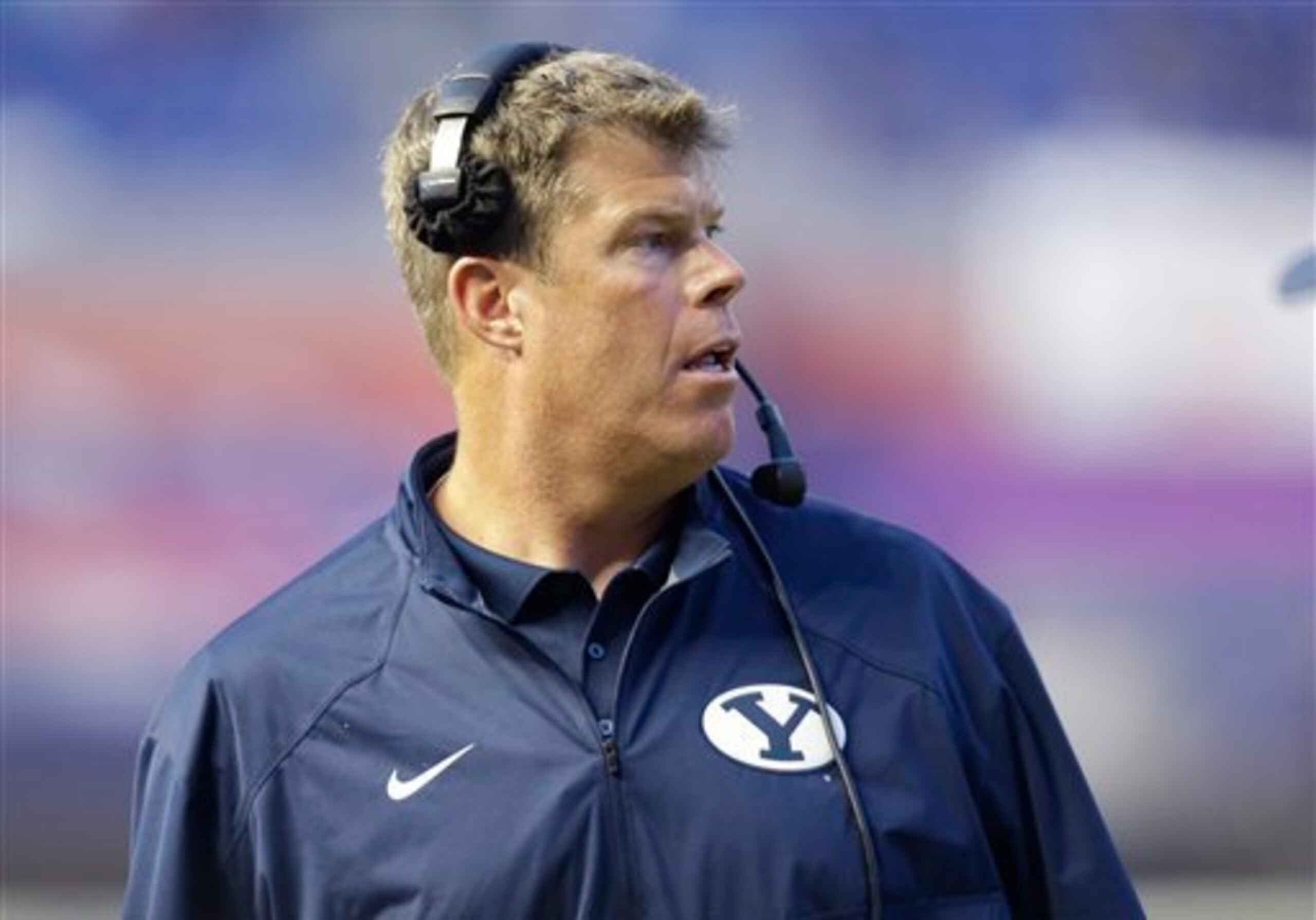
Life as a college football independent isn’t easy. BYU is one of only four FBS Independents, joining Army, Navy and Notre Dame. The Cougars play a balanced-but-challenging schedule, and 2014 proved somewhat trying. Following star quarterback Taysom Hill’s season-ending broken leg, BYU finished 8-5 following a Miami Beach Bowl loss to Memphis marred by an ugly postgame brawl.
Head coach Bronco Mendenhall’s team is trying to put that moment behind, but a bigger issue will be the play of the Cougars defense. The Cougs allowed 27.5 points per game last fall, which ranked No. 73 nationally. Mendenhall has taken control of the defense and will call plays this fall, which shows the urgency to improve.
It’s fun. It’s harder," Mendenhall told Jeff Call of the Deseret News. "I feel like I have a much more direct influence in the game and daily in our program. Shifting gears and smiling.”
For BYU to shift gears toward becoming a national power again, the defense must improve significantly. Mendenhall’s involvement can only help.
24. Wisconsin
2 of 25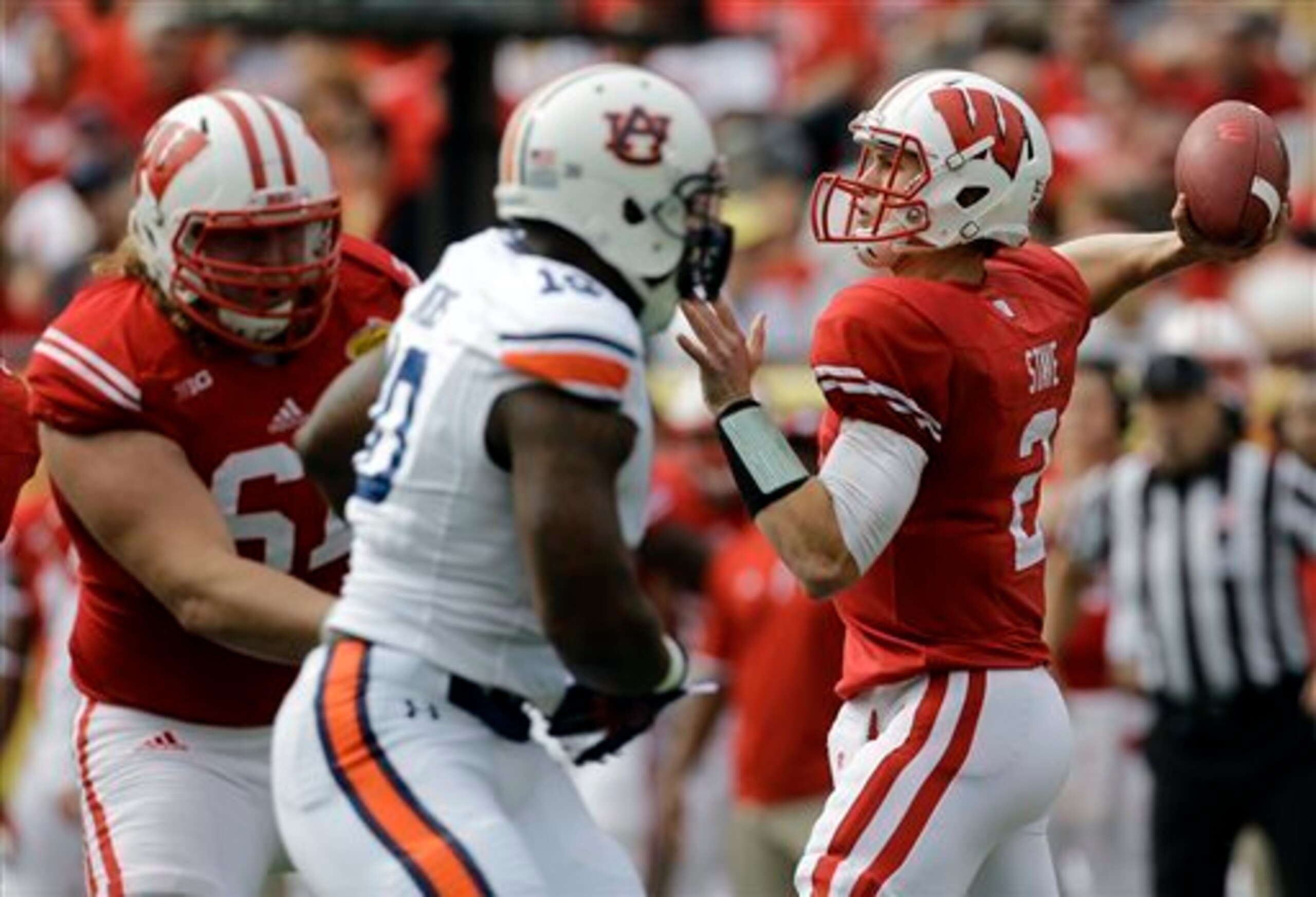
While national attention will focus on how Wisconsin must replace Heisman Trophy runner-up Melvin Gordon, who put together the second-best single-season rushing total in FBS history with 2,587 yards in 2014, it’d be smart to look elsewhere in the Badger backfield as new coach Paul Chryst takes over.
Last fall, Wisconsin’s quarterback play was truly horrific. The Badgers were No. 118 nationally in passing yards, and neither Joel Stave nor Tanner McEvoy really stood out. Stave regressed significantly from his sophomore season, throwing for 1,350 yards with nine touchdowns against 10 interceptions. McEvoy threw for 705 yards and five touchdowns against six interceptions.
If the Badgers really want to take the next step in the Big Ten, they must find a competent signal-caller. Stave and McEvoy aren’t the answer in Madison.
23. LSU
3 of 25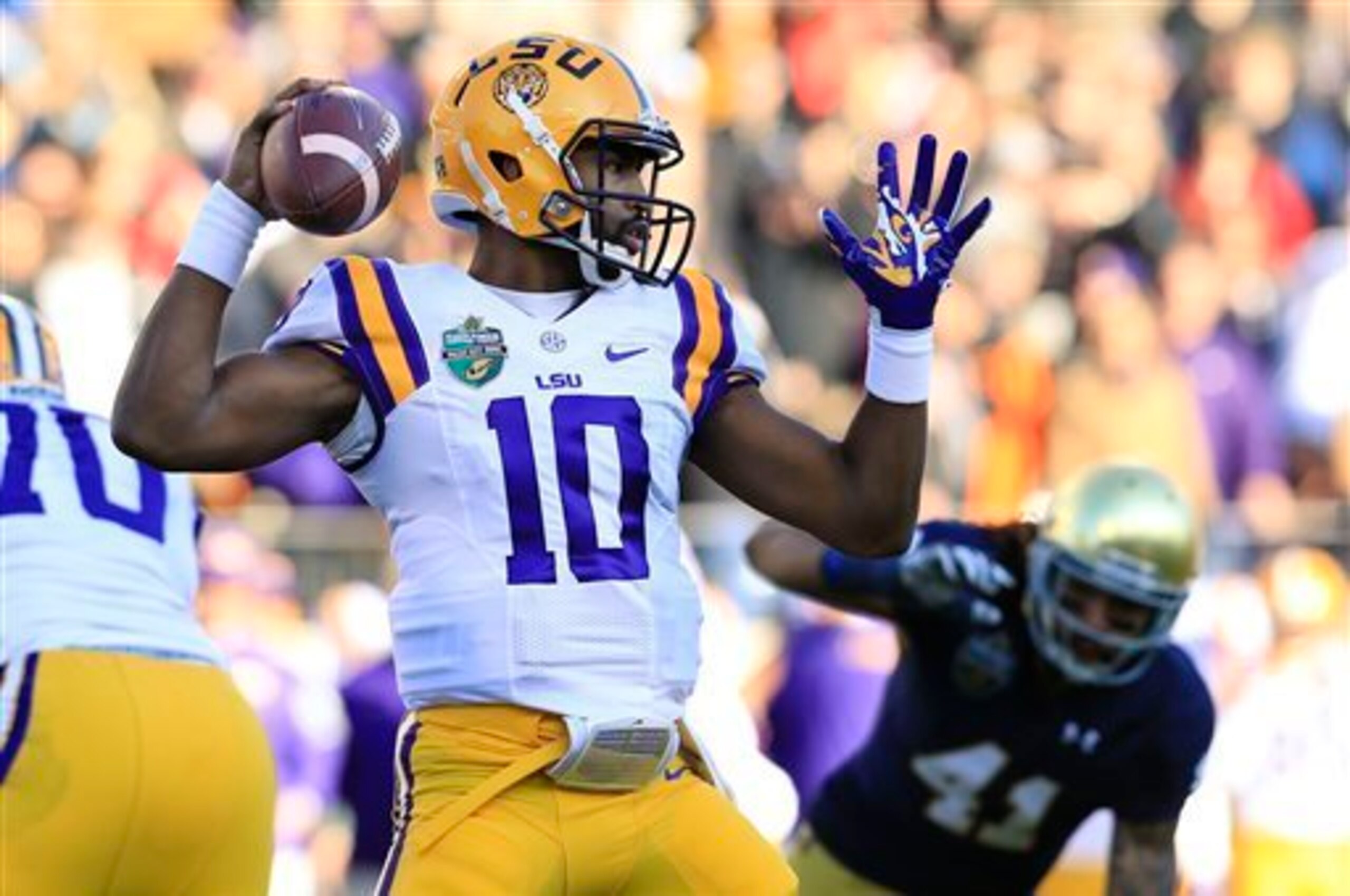
Following an uncharacteristic 8-5 season in 2014, LSU has many pieces to support a better 2015. The Tigers have a Heisman Trophy-caliber tailback in sophomore Leonard Fournette. Despite John Chavis’ departure to Texas A&M, new defensive coordinator Kevin Steele inherits a salty defense. And the Tigers have multiple talented options at receiver.
What do they need to take the next step back toward SEC and College Football Playoff contention? A quarterback. Neither junior Anthony Jennings nor sophomore Brandon Harris proved themselves worthy of confidence in 2014. LSU averaged only 162.9 yards passing per game, No. 116 nationally.
Jennings threw for 1,611 yards with 11 touchdowns against seven interceptions but completed only 48.9 percent of his passes and didn’t scare any defenses.
Harris threw for 452 yards with six touchdowns against two interceptions and started one game, a disastrous 41-7 loss at Auburn. LSU and head coach Les Miles ended the season with no real clarity under center. Finding a quarterback worth trusting would be a huge step in Death Valley.


22. Georgia Tech
4 of 25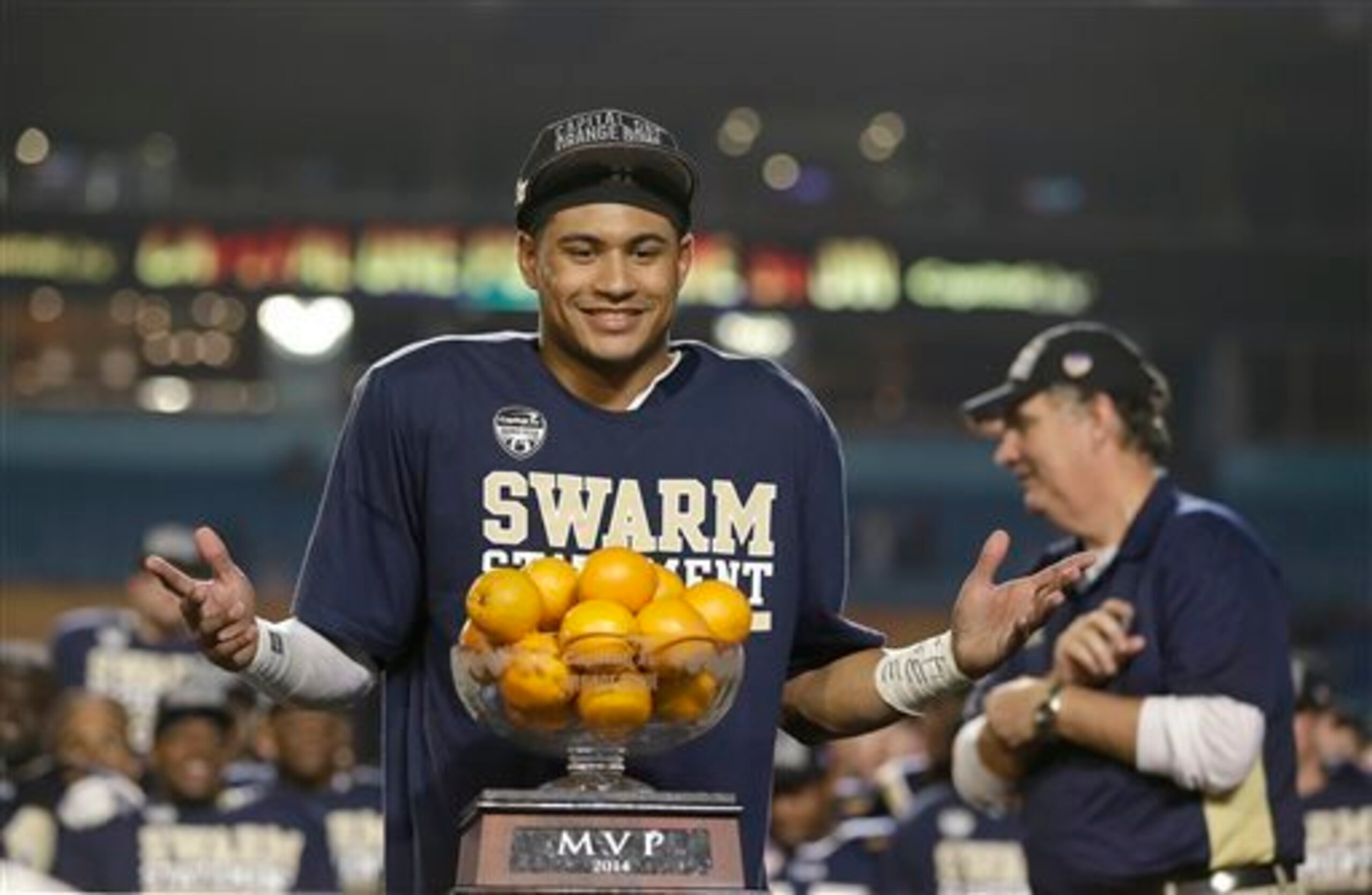
2014 was a special year for Georgia Tech. The Yellow Jackets ended a run of mediocre seasons with an 11-3 campaign that included an ACC Coastal Division title and an Orange Bowl win over Mississippi State, the program’s best year since a 2009 ACC championship.
Expectations will be elevated as Tech returns 13 starters this fall, but coach Paul Johnson has major concerns about how he’ll make his Flexbone offense hum in 2015.
The Yellow Jackets lost their top receivers in DeAndre Smelter and Darren Waller (who combined for 1,157 yards and 13 touchdowns in 2014) as well as four of their top five tailbacks in Synjyn Days, Zach Laskey, Charles Perkins and Tony Zenon. Quarterback Justin Thomas (1,086 rushing yards) returns, but the top returning back is Broderick Snoddy, who had 28 carries for 283 yards and three touchdowns.
Thomas can do a lot, but he can’t do it all. The thing that makes the triple-option so dangerous is its multiple backfield options. Unless capable backs emerge, defenses will find it much easier to key on Thomas this fall.
21. Oklahoma
5 of 25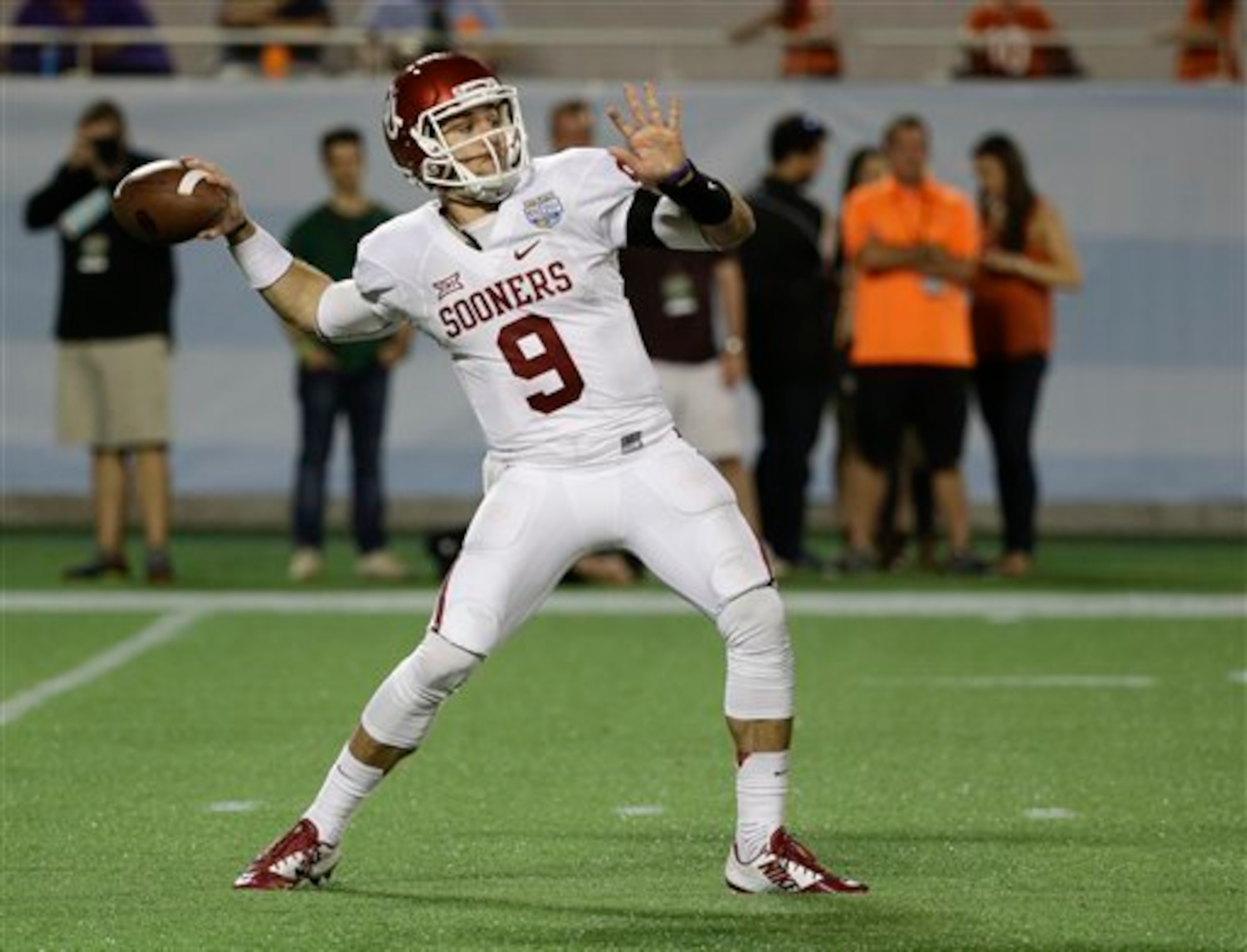
Entering 2014, Oklahoma had high hopes for sophomore Trevor Knight. Knight had capped an up-and-down freshman season with an impressive effort in a huge Sugar Bowl win over Alabama, and the thought was that he’d build on that with a year’s development.
It didn’t happen. Knight was inconsistent at best last fall, throwing for 2,300 yards with 14 touchdowns against 12 interceptions. Oklahoma went 8-5 and ended the season with an ugly 40-6 Russell Athletic Bowl loss to Clemson, forcing coach Bob Stoops to remake his offensive staff.
With new offensive coordinator Lincoln Riley, an Air Raid aficionado, in town, Knight is on borrowed time as the Sooners quarterback. He’ll face a spring challenge from Texas Tech transfer Baker Mayfield, and there’s no question that OU needs more consistency at quarterback to succeed offensively.
20. Texas A&M
6 of 25
Under Kevin Sumlin, offense has never been Texas A&M’s problem. The Aggies showed how much fun an Air Raid offense can be with Johnny Manziel under center, helping Manziel win a Heisman Trophy and lighting up scoreboards across the SEC. Even with Manziel gone last fall, A&M didn’t slip much, ranking No. 12 nationally in passing yards per game and scoring 35.2 points per game, ranking No. 28 nationally.
The question is how the Aggies can stop anyone. Last fall, A&M allowed 28.1 points per game, which ranked No. 77 nationally. That led to John Chavis’ arrival as the new defensive coordinator. A&M returns eight starters from 2014, led by standout sophomore defensive end Myles Garrett, an impressive pass-rushing talent.
A&M will be more experienced this fall. Will Chavis’ arrival make a measurable impact in Year 1?
19. Oklahoma State
7 of 25
Oklahoma State had an incredibly up-and-down 2014. At one point, the Cowboys were 5-1. But following a five-game losing streak, they needed an upset of rival Oklahoma in the Bedlam Game to make a bowl, where they beat Washington for a 7-6 finish.
With quarterback Mason Rudolph established as the starter entering his sophomore season, head coach Mike Gundy is hoping for a more consistent offense in 2015. But he’ll need to find better options in the running game.
The Cowboys averaged 136.6 rushing yards per game last fall, No. 102 nationally. Leading rusher Desmond Roland (770 yards, 10 touchdowns) graduated, and dynamic Tyreek Hill was dismissed from the team.
Rennie Childs (294 yards, three touchdowns) is the leading returning rusher, but junior college transfer Chris Carson will be relied upon heavily. For Oklahoma State’s offense to take another step this fall, the running game must improve.
18. Tennessee
8 of 25
In a few years, we might look back at Tennessee’s 2014 season as the start of something special. Following three seasons away from postseason play, Butch Jones got a young team bowl-eligible at 6-6, and the Volunteers raised expectations for 2014 with a 45-28 TaxSlayer Bowl whipping of Iowa.
Given that 19 starters return from a team that played 23 freshmen and signed an excellent recruiting class, there’s good reason to expect more.
One of the biggest concerns for Tennessee entering this fall will be at a tackle spot. Senior Jacob Gilliam played admirably last fall at both left and right tackle despite suffering a torn ACL early in the season. But he’s graduated now, and the Vols must fill his spot. The top candidate is junior Dontavius Blair, who leads a group of inexperienced products.
To protect talent like quarterback Joshua Dobbs and tailback Jalen Hurd, tackle is a weak spot UT must shore up.
17. Arkansas
9 of 25
Arkansas had a season to remember in 2014. The Razorbacks broke a 17-game SEC losing streak in coach Bret Bielema’s second season, scratched into the Texas Bowl at 6-6 and sent 2015 expectations soaring with a rout of former Southwest Conference rival Texas.
Arkansas will return 17 starters, including the core of a powerful run offense that averaged 218 yards per game a year ago, with standout tailbacks Alex Collins and Jonathan Williams, quarterback Brandon Allen and four starters on the offensive line.
The biggest questions are on the other side of the ball. At linebacker, Arkansas must replace Martrell Spaight (its leading tackler in 2014) and Braylon Mitchell. Along with the departure of top pass-rusher Trey Flowers, the Razorbacks have some serious holes to fill on their front seven. That’ll be a huge storyline in spring and preseason camp as well.
16. Arizona
10 of 25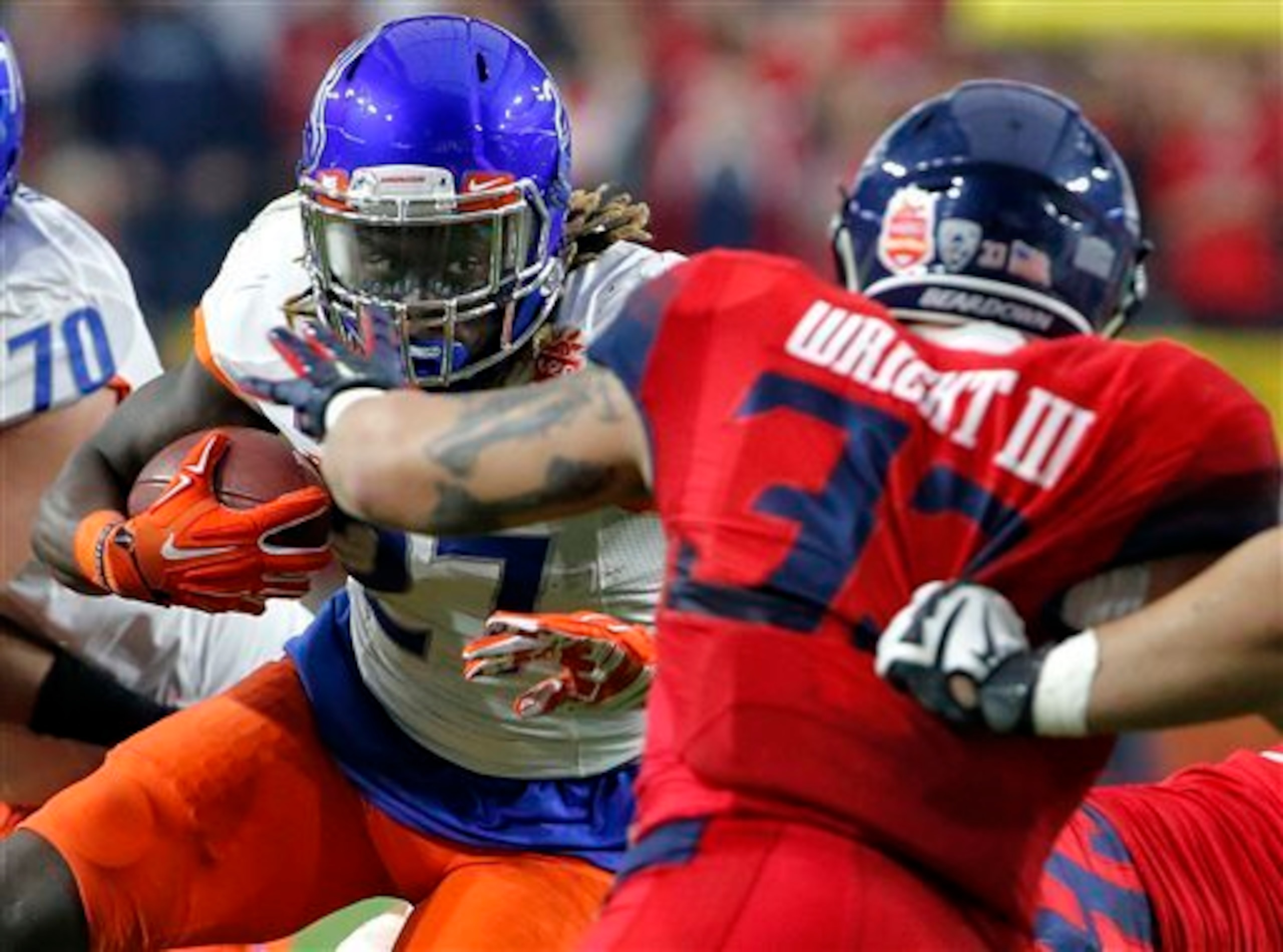
Coach Rich Rodriguez’s third season in Tucson was a breakthrough for Arizona. The Wildcats won 10 games and won the Pac-12 South, making the Fiesta Bowl with a young offensive backfield that featured freshmen in Anu Solomon and Nick Wilson, both of whom excelled in RichRod’s hurry-up attack.
Arizona returns 12 starters from that team, including linebacker Scooby Wright, the nation’s best linebacker, but has some defensive issues to solve. The Wildcats return only five starters from a unit that allowed 28.2 points per game last fall, No. 80 nationally.
They return only one starter in the secondary: sophomore cornerback Jarvis McCall. Both safeties (Tra’Mayne Bondurant and Jared Tevis) are gone, as is cornerback Jourdon Grandon. Arizona will need improved contributions from untested players like Cam Denson and Devin Holiday to show defensive progress.
15. Florida State
11 of 25
Over the past five seasons, Florida State has emerged as a national power. The Seminoles won the final BCS national title in 2013 and made the College Football Playoff before Oregon’s Rose Bowl rout ended a 29-game win streak.
Jimbo Fisher’s team doesn’t rebuild, but the ‘Noles will certainly be reloading in 2015. Florida State suffered massive graduation and NFL draft losses (including quarterback Jameis Winston, wide receiver Rashad Greene, defensive end Mario Edwards, defensive tackle Eddie Goldman, cornerbacks Ronald Darby and P.J Williams and more).
While FSU must rebuild its defensive front, the most obvious weakness is at quarterback, where Winston will leave a huge spotlight and a huge on-field legacy to live up to. Sophomore Sean Maguire is the most experienced. He started and led an overtime victory over Clemson when Winston was suspended for yelling an obscenity on-campus. He finished with 339 yards and a touchdown against two interceptions.
Freshmen J.J. Cosentino and John Franklin III will also be in the mix, as will incoming freshmen De’Andre Johnson and Deondre Francois. The situation is muddled, but FSU needs Winston’s successor to emerge quickly.
14. Auburn
12 of 25
Under Gus Malzahn, offense hasn’t been the problem at Auburn. And even though the Tigers lose quarterback Nick Marshall and tailback Cameron Artis-Payne (the SEC’s leading rusher) from a solid 2014 attack, backup Jeremy Johnson and junior college transfer Jovon Robinson are poised to step into those roles capably, respectively.
The bigger issues are across the ball, where Will Muschamp inherits a defense that allowed 26.7 points per game last fall, No. 63 nationally, leading to Ellis Johnson’s ouster as defensive coordinator. The defensive line should be improved with pass-rusher Carl Lawson’s return from a torn ACL and the signing of Byron Cowart, the nation’s top defensive end prospect.
Improvement on the back end might be tougher. Cornerback Jonathon Mincy and safety Jermaine Whitehead graduated, which leaves holes in the secondary. Cornerback Jonathan Jones is a talent, and safety Rudy Ford had 93 tackles last fall. But players like Georgia transfer safety Tray Matthews must contribute immediately. Auburn has a number of pieces, but it’s just a matter of Muschamp finding the right place for them.
13. Georgia
13 of 25
Georgia is hoping for bigger things following a 10-3 season that ended in the Belk Bowl. The Bulldogs return 13 starters, led by standout tailback Nick Chubb, who rushed for 1,547 yards and 13 touchdowns as a freshman. The defense also showed dramatic improvement in Jeremy Pruitt’s first season as defensive coordinator, allowing 20.7 points per game, No. 16 nationally.
One of the biggest issues facing Mark Richt and Co. entering spring practice is quarterback. While Hutson Mason was not spectacular in his only season as starter, he was steady, throwing for 2,168 yards and 21 touchdowns against four interceptions.
UGA will look to Brice Ramsey, Faton Bauta and Jacob Park to compete for the starting role. Ramsey threw for 333 yards and three touchdowns against two interceptions last fall, while Bauta completed four of five passes for 48 yards.
With talent like Chubb around, the quarterback doesn’t necessarily have to win games, but he can’t lose them. New offensive coordinator Brian Schottenheimer must find a starter he’s comfortable with.
12. Arizona State
14 of 25
Todd Graham has compiled back-to-back 10-win seasons at Arizona State, and the Sun Devils return 16 starters in 2015, raising expectations.
Mike Bercovici should step nicely into the starting quarterback role vacated by Taylor Kelly after throwing for 12 touchdowns and four interceptions last fall as Kelly’s backup and injury replacement, but there are questions about how he and standout hybrid back D.J. Foster will be protected.
Arizona State lost both starting offensive tackles from the 2014 roster, which is never an optimal situation. The Sun Devils averaged 36.9 points per game last fall but gave up 27.9 per game, No. 76 nationally. And while nine starters return from that defense, which should be improved, the offense is the key. With nobody to protect, if the offense takes a dip, that’s a problem.
11. Ole Miss
15 of 25
Even considering the ugly 42-3 Peach Bowl loss to TCU, Ole Miss had a season to remember in 2014. The Rebels won nine games, defeated Alabama and rival Mississippi State and played in a New Year’s Six bowl game. Seventeen starters return, but Hugh Freeze’s group has one major question: quarterback.
The graduated Bo Wallace was inconsistent, but he was the SEC’s most experienced quarterback. Wallace threw for 3,194 yards with 22 touchdowns against 14 interceptions. With Wallace gone, the Rebels have multiple options to replace him.
Junior college transfer and former Clemson quarterback Chad Kelly is a great dual-threat QB and looks like the best of a group that includes sophomores Ryan Buchanan and DeVante Kincade. But Kelly is already on his last chance in Oxford after resolving serious legal issues stemming from an incident outside a Buffalo nightclub.
Kelly will have to earn Freeze’s trust if he wants to win the job, but his checkered past and volatile personality should give the Rebels pause. It’ll be an interesting fall in The Grove.
10. Clemson
16 of 25
Under the guidance of Chad Morris, Clemson has become known for its fast-paced, high-scoring offense. But last fall, the once-maligned defense took center stage. While Morris produced some fireworks in his final season before taking the head coaching job at SMU, defensive coordinator Brent Venables was the star, guiding the nation’s No. 1 total defense and keying another 10-win season.
Duplicating that success won’t be easy. While Clemson brings back talented pieces in the secondary, it must almost completely restock a defensive line that lost virtually all of its two-deep to graduation, including Clemson career sack leader and likely first-round pick Vic Beasley.
The only holdovers are talented pass-rushing defensive end Shaq Lawson and defensive tackle D.J. Reader. The Tigers have an excellent D-line recruiting class coming in, headed by 5-star defensive tackle Christian Wilkins and defensive end Albert Huggins. Both will be expected to mix with reserves like Carlos Watkins and Scott Pagano to keep a strong trend humming along.
9. Oregon
17 of 25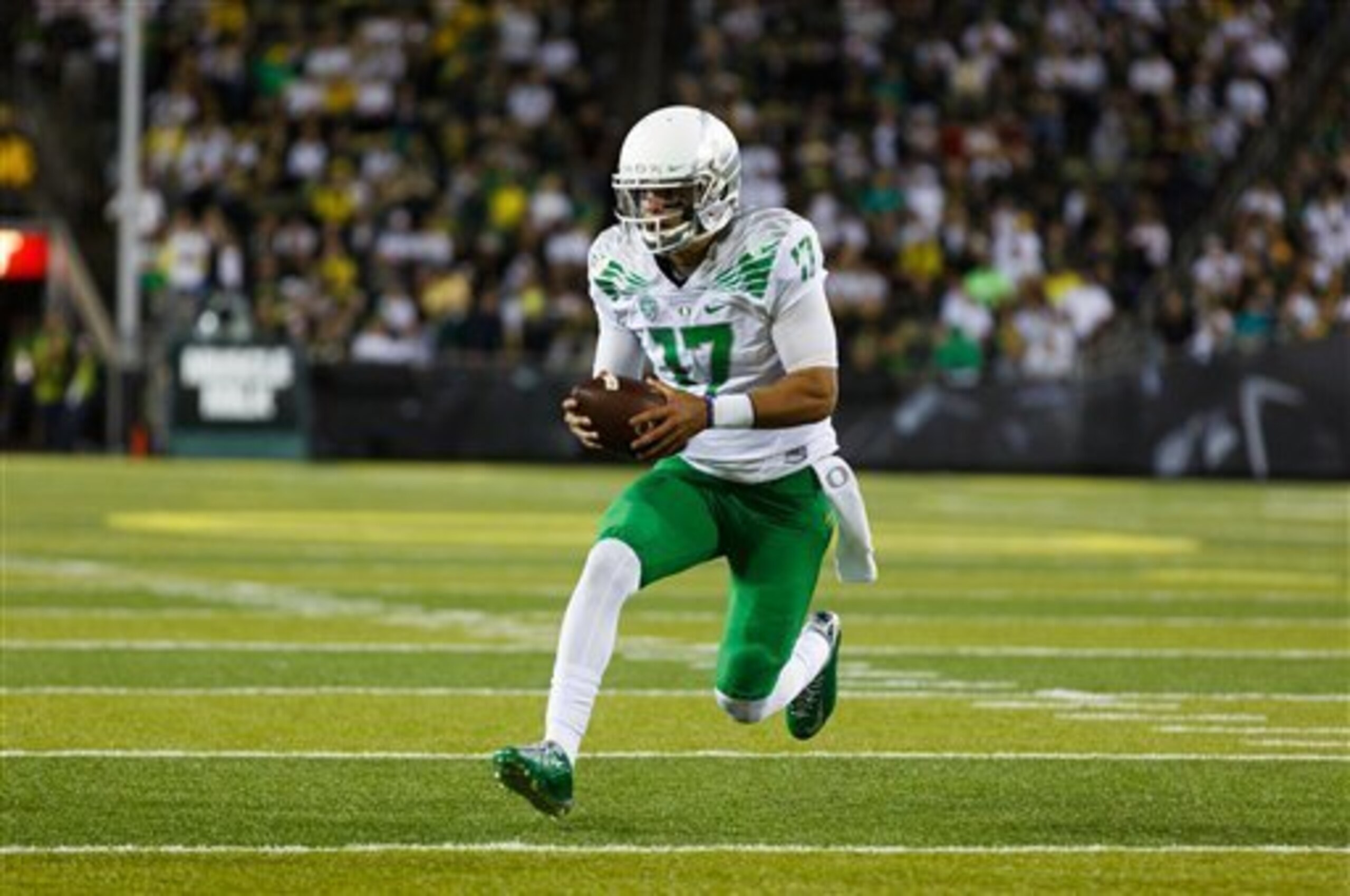
Oregon has one obvious question this fall. The Ducks will return 13 starters from 2014’s national runner-up and have some holes to fill on the offensive line, but what will the post-Marcus Mariota era look like?
While Oregon has a deep, talented backfield led by sophomore Royce Freeman, Mariota was the straw that stirred the Ducks’ drink last fall. He used an impressive junior season to win the Heisman Trophy, throwing for 4,454 yards with 42 touchdowns against four interceptions and added 770 yards and 15 touchdowns on the ground.
With Mariota gone to the NFL, head coach Mark Helfrich and offensive coordinator Scott Frost have a wide range of candidates to replace him. Eastern Washington star Vernon Adams made a surprising move to transfer “up” from the FCS for his graduate transfer season, but he won’t arrive until this summer. That will leave a major quarterback competition this spring.
The only quarterback besides Mariota to throw a pass last season was junior Jeff Lockie, who completed 21 of 28 passes for 207 yards and a touchdown in mop-up duty. Redshirt freshman Morgan Mahalak and Georgia Tech transfer Ty Griffin will also compete.
Incoming freshman Travis Waller is the nation’s No. 4 dual-threat quarterback prospect, possessing excellent intangibles, pocket presence, quickness and accuracy. If Waller impresses, the battle between he and Adams could be truly compelling this summer. Regardless, Oregon needs to establish a quarterback before a tough Week 2 visit to Michigan State.
8. Notre Dame
18 of 25
Following an up-and-down 8-5 season, head coach Brian Kelly and Notre Dame have high hopes for 2015, and with good reason. The Fighting Irish will return 19 starters, and despite the usual difficult schedule, there’s clearly room for improvement.
One of the biggest concerns, however, remains at quarterback. Everett Golson started strongly in his return from a suspension connected to academic matters, as Notre Dame began 6-1, but he faded down the stretch and was benched in favor of Malik Zaire.
Golson finished the season with 3,445 passing yards and 29 touchdowns against 14 interceptions. Zaire threw for 266 yards with one touchdown and no interceptions. Both quarterbacks played in the Music City Bowl win over LSU, and both will compete in spring practice. But it’d be wise for Kelly to settle on one entering fall camp and give the offense stability.
7. UCLA
19 of 25
Head coach Jim Mora Jr. has a good thing on his hands in Westwood. UCLA will return 18 starters from a team that won 10 games for the second consecutive season a year ago, but the biggest question mark is at quarterback, where multitalented junior Brett Hundley declared for the NFL draft.
This spring will feature an open competition for the job. One of the prime competitors will be 5-star quarterback Josh Rosen. Rosen stands 6’4”, 205 pounds and is rated as the top pro-style quarterback prospect in America. He has excellent intangibles and a great arm and could easily play this fall.
He’ll be given every chance to win the job, and the Bruins would be comfortable with him as the starter. However, he’ll also have to compete against redshirt freshman Asantii Woulard and sophomore Jerry Neuheisel (the son of former UCLA coach Rick Neuheisel) in spring practice. There isn’t a truly bad option there, but Mora will be anxious to get a starter in place by the beginning of the season.
6. Michigan State
20 of 25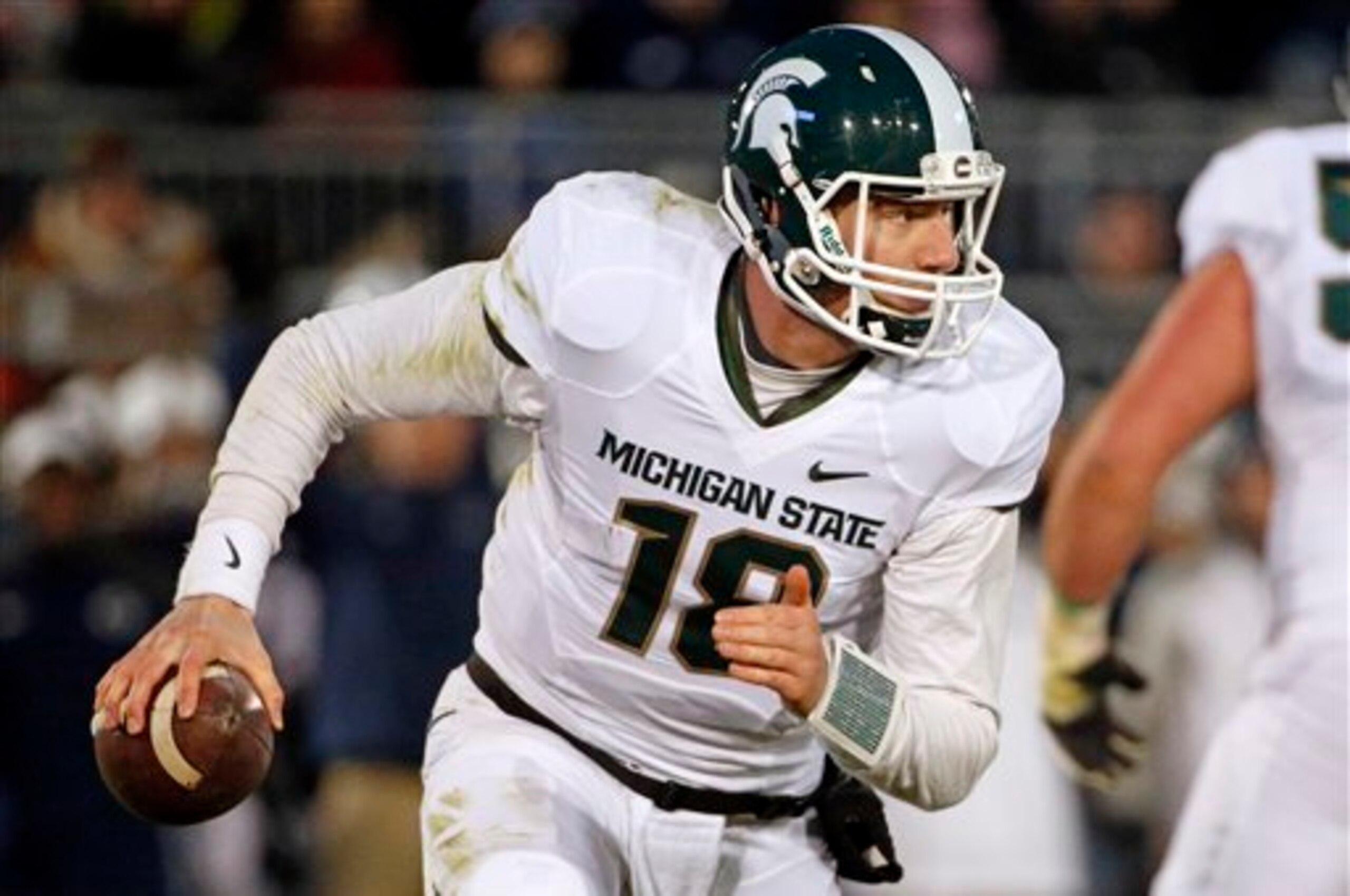
Michigan State’s biggest offseason victory came when quarterback Connor Cook announced he’d return for his senior season of college football. Cook has played a huge role in the Spartans’ recent success: MSU is 24-3 over the past two seasons with a Big Ten title, Cotton and Rose Bowl victories, with its only losses coming to Notre Dame, Ohio State and Oregon.
But who will Cook throw to?
Tony Lippett and Keith Mumphery graduated after combining for 1,793 yards and 14 touchdowns a year ago. And the top returning receiver, Macgarrett Kings Jr., was recently arrested for his second alcohol-related arrest in a year, and MSU hasn’t commented on his future.
Senior Aaron Burbridge (29 receptions, 358 yards, one touchdown in 2014) is the next-best returning wide receiver. That should be a major concern for Cook and coach Mark Dantonio.
5. Alabama
21 of 25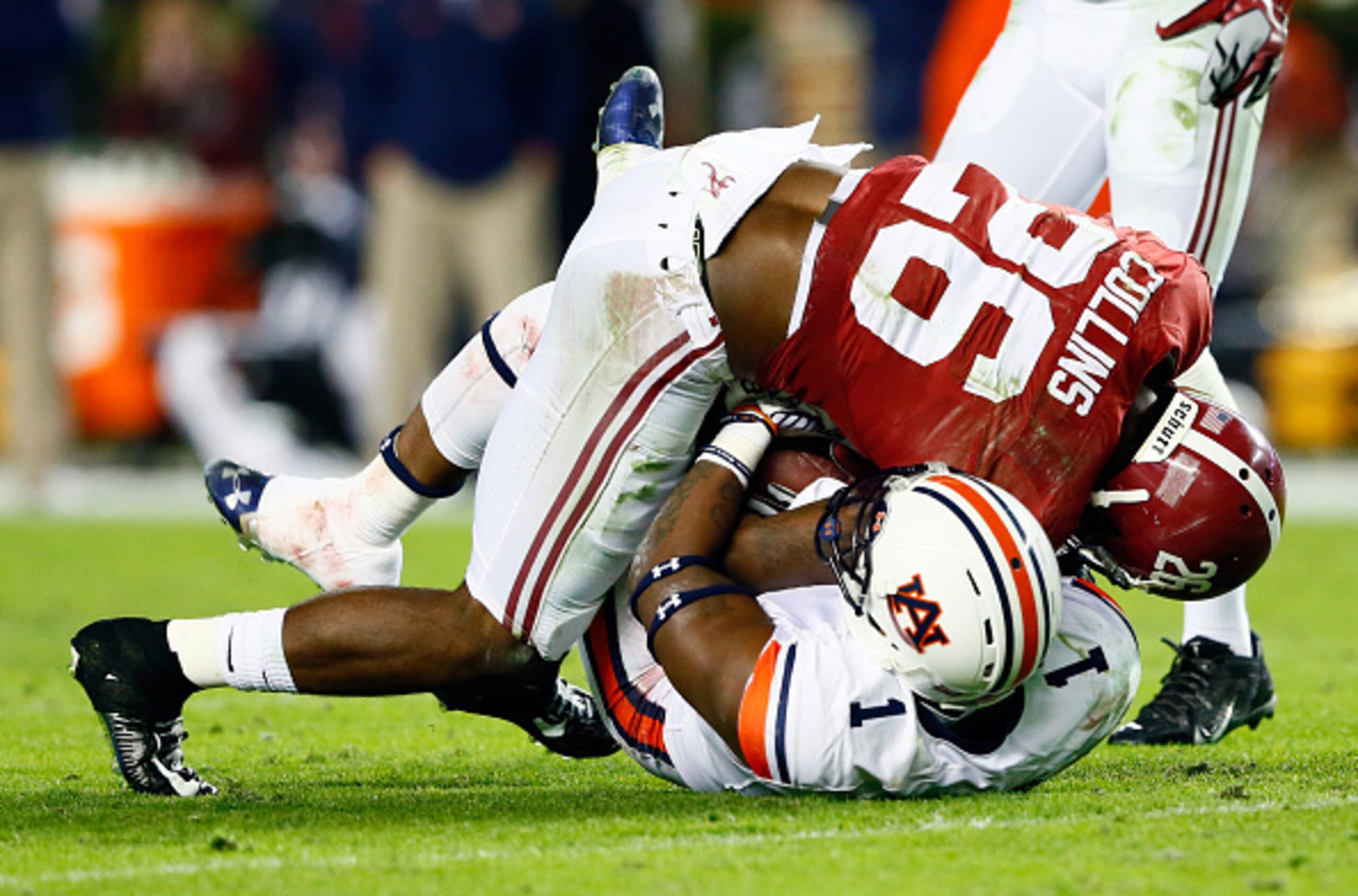
Alabama is another one of those programs that doesn’t rebuild—it reloads. That will be the case again this season. The Crimson Tide returns only nine starters from a team that won the SEC last season and made the College Football Playoff as the No. 1 overall seed before a disappointing Sugar Bowl loss to Ohio State.
One of the biggest concerns is at safety. The Tide displayed some vulnerability in the pass game against Auburn and Ohio State, and those concerns were only exacerbated when All-America safety Landon Collins left early for the draft.
Collins was the Tide’s top defender a year ago, and his departure leaves a major hole. Early-enrollee freshman Deionte Thompson could be his replacement, but this will be a position to watch closely as the spring and summer wears on.
4. Southern California
22 of 25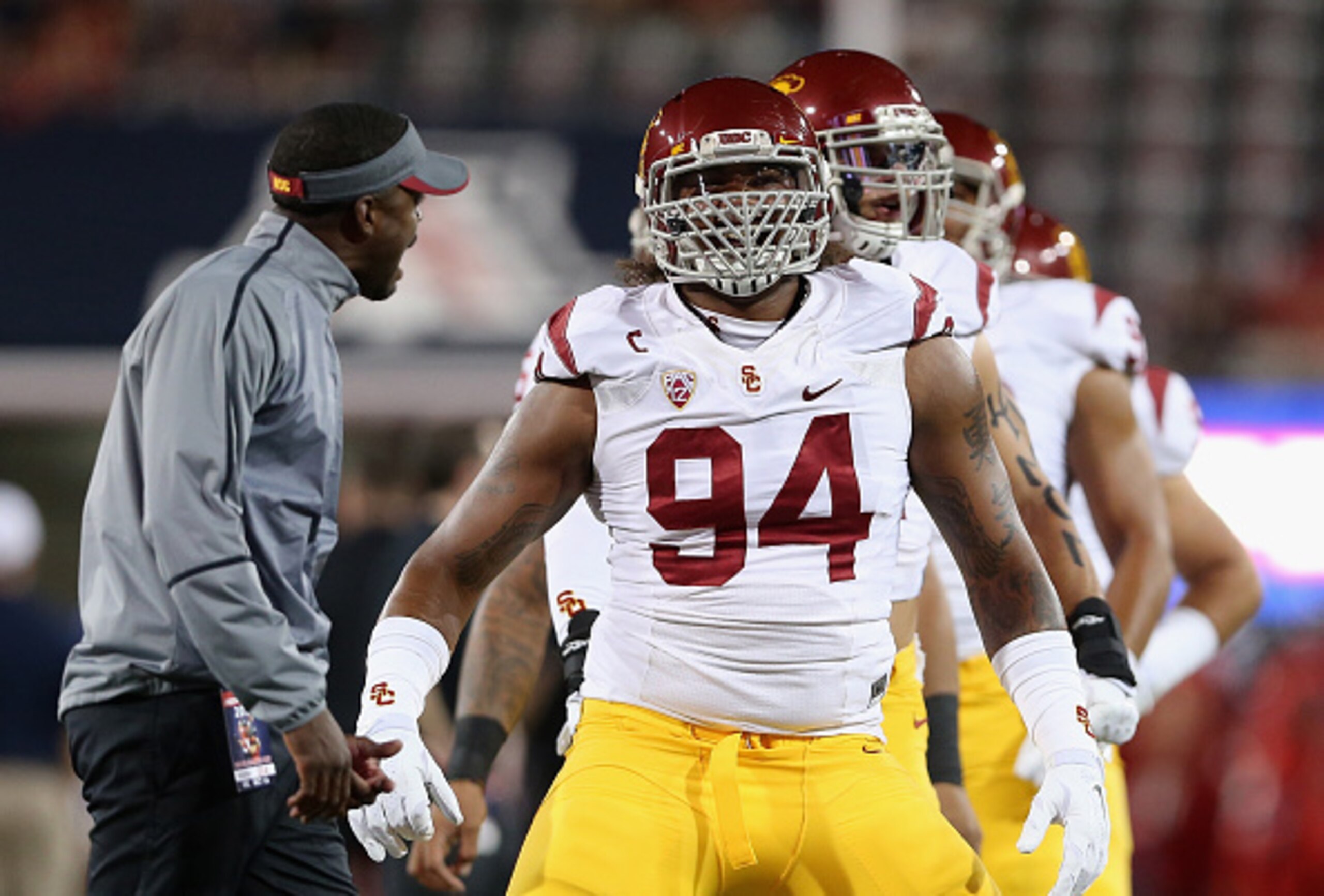
Following a 9-4 season, expectations are high for Steve Sarkisian’s second season as Southern California's head coach. The Trojans will return 15 starters but have some key personnel losses to replace, especially on defense.
Defensive end Leonard Williams was an every-down force before declaring for the NFL draft. He’ll be a top-five NFL draft selection, and the likes of J.R. Tavai and Hayes Pullard won’t be replaced easily, either.
While returning defensive lineman Kenny Bigelow should help, rebuilding the front seven won’t be easy. Players like talented defensive tackle signee Rasheem Green will be counted upon for early production. How quickly the defense adjusts could make all the difference in a potential College Football Playoff run.
3. Baylor
23 of 25
While the end of the 2014 season was a disappointment for Baylor, the Bears begin 2015 in a great place. Art Briles’ bunch returns 17 starters and has difference-makers like tailback Shock Linwood, defensive end Shawn Oakman and receivers KD Cannon and Corey Coleman returning.
The biggest question mark? Quarterback.
Bryce Petty, who threw for 3,855 yards with 29 touchdowns against seven interceptions last fall, is gone, leaving an open competition to replace him.
Junior Seth Russell excelled as Petty’s understudy last fall, throwing for 804 yards with eight touchdowns against one interception on the season and leading a 63-21 blowout win over Buffalo with Petty sidelined by a back injury.
He’s the favorite but will face competition from Chris Johnson and freshman early-enrollee Jarrett Stidham, one of the nation’s top prep quarterback prospects. Stidham flipped from Texas Tech late in the recruiting process.
While it would be a surprise if Stidham took the job this fall, don’t count him out against Russell.
2. TCU
24 of 25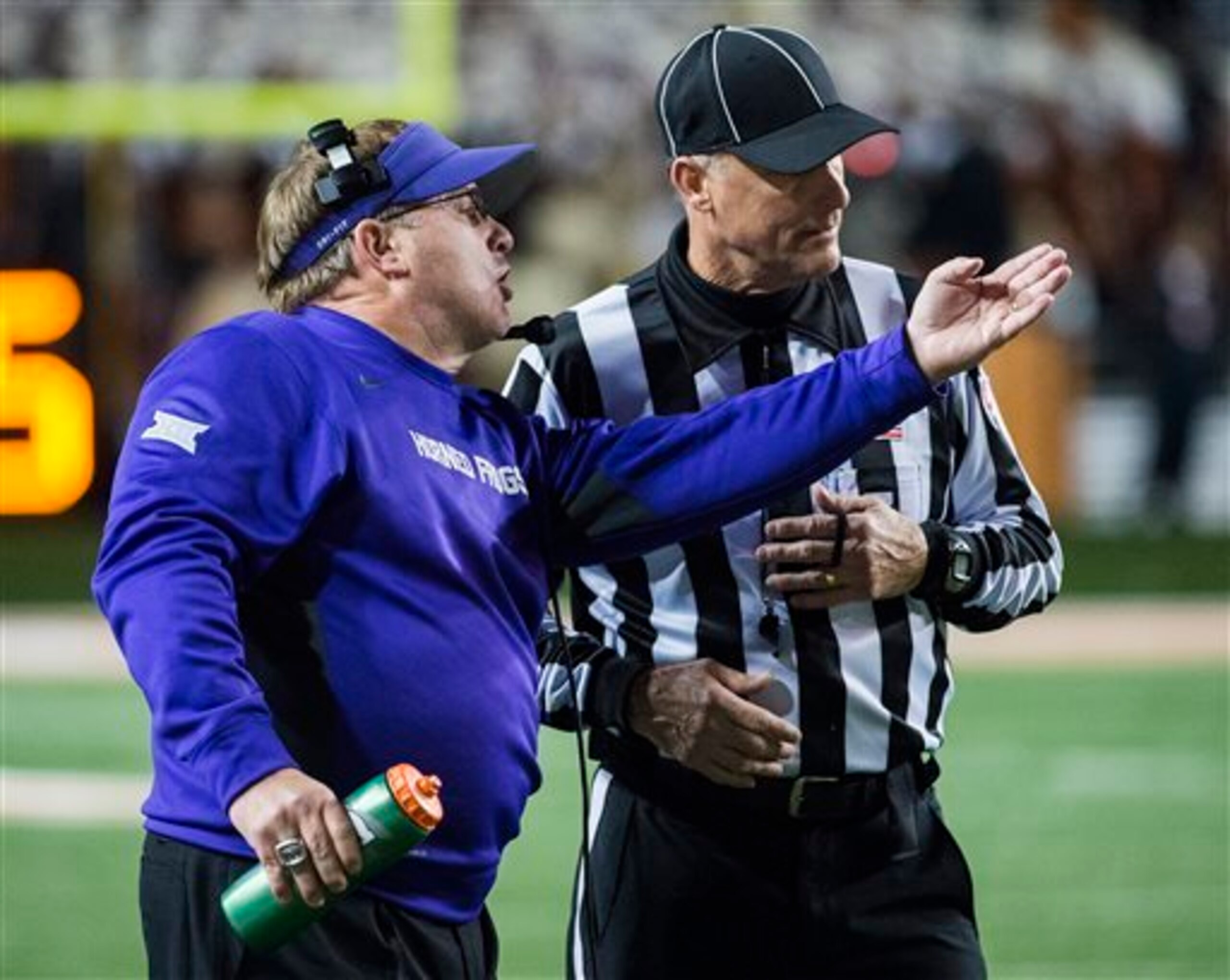
There’s very little not to like about TCU this fall. The Horned Frogs are coming off a breakthrough season that saw them go 12-1 and narrowly miss the College Football Playoff. Senior quarterback Trevone Boykin is a legit Heisman Trophy candidate, and head coach Gary Patterson’s team will return 16 starters across the board.
If there’s a major issue, it’s in the linebacking corps. Linebackers Paul Dawson and Marcus Mallet were keys for a nasty defense last season, combining to make 236 tackles, 31.5 tackles for loss and 7.5 sacks. Replacing those two with equally productive players will be very difficult.
That said, TCU will have 10 starters back from an offense that averaged 46.5 points per game last season, No. 2 nationally, so the Horned Frogs can outscore people if necessary.
1. Ohio State
25 of 25
Following a surprising run to the first College Football Playoff National Championship, Ohio State looks like the clear No. 1 team entering 2015. The Buckeyes will return 14 starters and have the deepest quarterback situation in America with Cardale Jones, J.T. Barrett and Braxton Miller fighting it out this summer for the starting role.
Weaknesses are few and far between, but Ohio State does have some issues on the defensive line. The line will be anchored by All-America defensive end Joey Bosa, but the Buckeyes lose a pair of starters in defensive end Steve Miller and defensive tackle Michael Bennett.
One strong candidate to replace Miller will be early-enrollee Jashon Cornell. Cornell stands 6’4”, 260 pounds. He is excellent at the point of attack, has a great first step and is athletic. He is rated as the nation’s No. 7 strong-side defensive end and could contribute early in 2015. If that’s the Buckeyes’ biggest weakness, 2015 should be a good year, indeed.
Recruiting information courtesy of 247Sports.
_0.png?w=2560)


.jpg?w=2560 "Love's Body Already 'Tired'")

.jpg?w=2560 "Tyreek Deal May Come Soon")
.jpg?w=2560 "Ward Nearly Walks Out of Presser ▶️")
