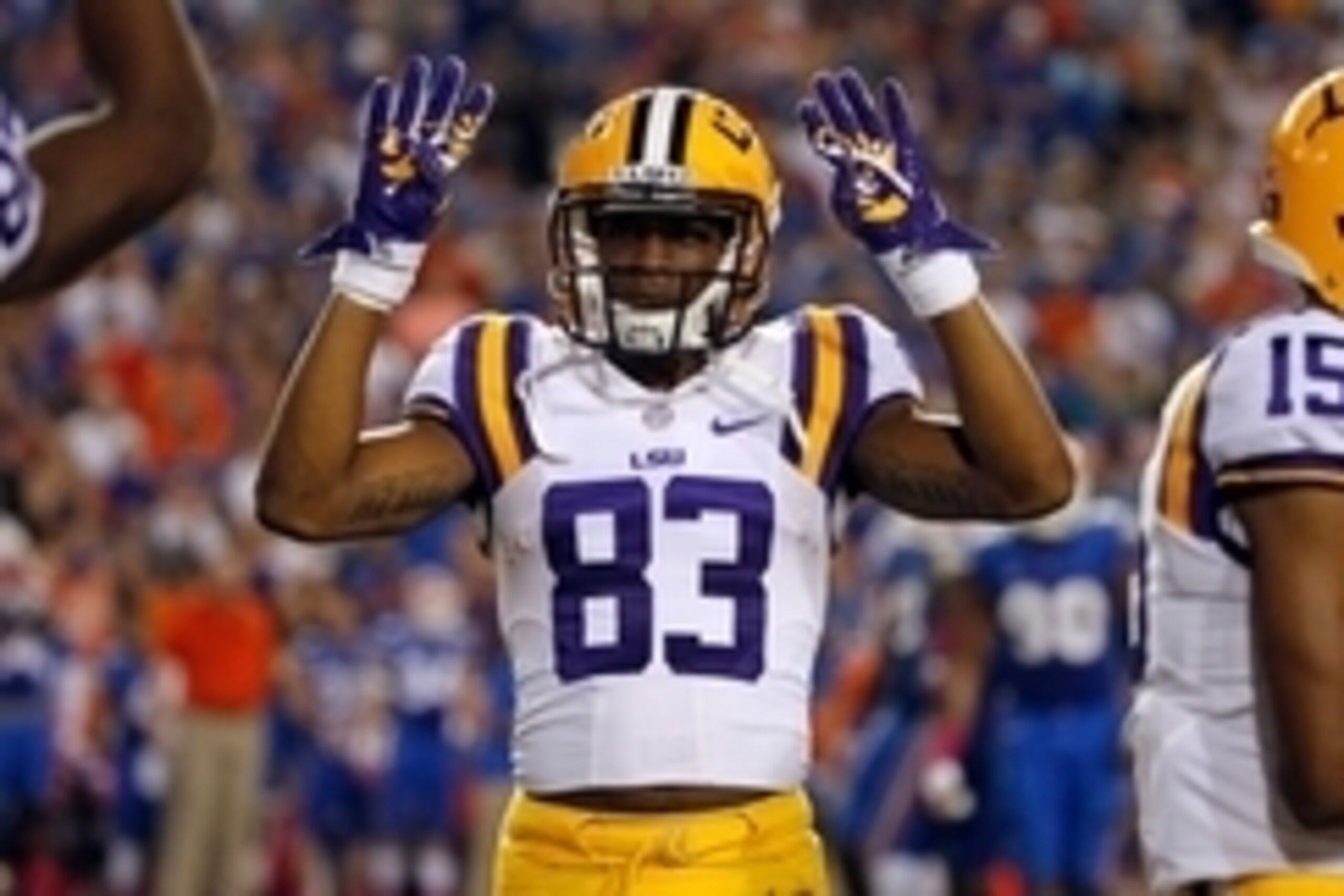

10 Unheralded SEC College Football Players Who Would Be Stars Elsewhere
As members of the premier conference in college football, SEC programs put together some of the best recruiting classes in the nation. The most sought-after recruits in the country headline these classes, but there are others brought in for depth who eventually perform as well as their blue-chip teammates.
If they played in inferior conferences, these guys would be the stars of their teams.
There are so many in the SEC who fall into this group, but which 10 would have the greatest star potential? That's what we'll try to figure out here.
College success doesn't always translate to being drafted into the NFL, but the best of the college game at least get an opportunity to prove themselves at the professional level.
Therefore, NFL Draft Scout's player comparisons according to class were heavily considered when forming this list. Also considered was how highly (or lowly) regarded these players were coming out of high school, according to ESPNU's rankings. In this scenario, the fewer stars, the better.
With that, here are the players.
Tra Carson, Texas A&M
1 of 10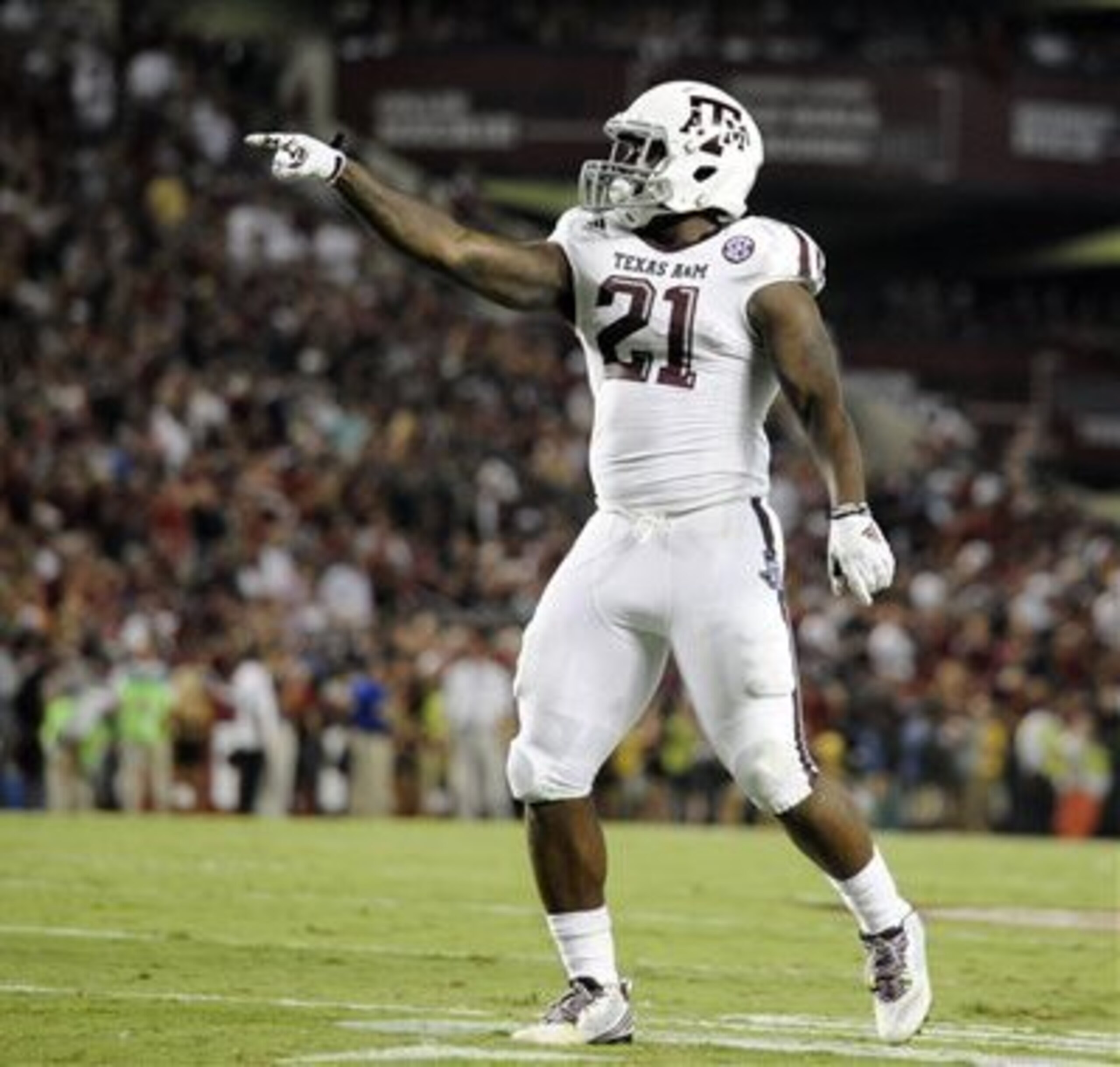
Despite having played in some of the nation's most potent offenses, Tra Carson hasn't stood out. Had he played in less productive offenses he would be among college football's elite running backs.
Chip Kelly and his Oregon Ducks saw Carson's potential and signed the 3-star prospect out of Liberty-Eylau, Texas, in 2011. Carson's potential barely showed in Eugene, as he was a distant fourth to the three-headed monster of LaMichael James, Kenjon Barner and De'Anthony Thomas.
Following that 2011 season, Carson transferred to Texas A&M, leaving behind fellow high school teammate James and the rest of the dynamic Ducks.
After sitting out the 2012 season, Carson found himself in a limited role in the Aggies rushing attack. When Johnny Manziel wasn't throwing the ball in that Heisman season, he was running it himself or handing off to one of four other players who finished with at least 44 carries. At least Carson was third with 62 rushes behind Ben Malena (115) and Manziel (144).
In 2014, Manziel and Malena were gone, but Carson wasn't clearly the top rusher. Though Carson led the team in carries and rushing yards, three other Aggies carried at least 52 times that season.
Will 2015 finally be the season in which Carson becomes a clear No. 1? At so many other college programs, that answer would've been "yes" years ago.
When given the chance, Carson has performed admirably. Between Oregon and Texas A&M, Carson has 244 touches for 1,286 yards and 13 touchdowns. If he was a clear starter against lesser competition, Carson could put up those numbers in a single season. Doing so would make him a star across the nation.
Don't believe me? Ask Bleacher Report's Barrett Sallee, who called Carson one of the SEC's most underrated players prior to the 2014 season.
Carson is the fourth-rated running back prospect in the Class of 2016.
Jacob Coker, Alabama
2 of 10
Jacob Coker isn't the luckiest guy in college football, but he's among the most talented. Though playing opportunities are few, he makes the most of them.
Coker began as AJ McCarron's backup at Alabama's St. Paul's Episcopal. While McCarron was playing for Nick Saban at Alabama, oddly enough, Coker developed into a...3-star quarterback? How did this happen?
Coker had the talent but didn't have the tape. As a junior in high school, Coker ran a run-heavy offense, and as a senior he didn't throw much despite leading a pro-style offense. Once he got on campus, though, major programs were eager to sign him.
Coker wanted to play at Alabama, but because the Crimson Tide offered too late, Florida State won the battle for his services.
Coker spent three seasons at Florida State, after redshirting and then sitting behind EJ Manuel and Jameis Winston, before transferring to Alabama. Once he arrived in Tuscaloosa, Coker found himself out of the starting job thanks to Blake Sims. In 2015, Coker has one final chance to start for his dream school, but he'll need to beat out four other guys who have a shot.
In the middle of all this, Coker has seen some game action and has performed well. At Florida State and Alabama combined, Coker went 59-for-100 with 698 passing yards, five passing touchdowns, one interception, and a 132.1 rating.
Again, NFL scouts don't have enough tape on Coker, but what they do have is impressive. Coker is the seventh-rated quarterback in the Class of 2016.
At virtually any other school in the country, Coker would have the tape and the numbers needed for star treatment.
Travin Dural, LSU
3 of 10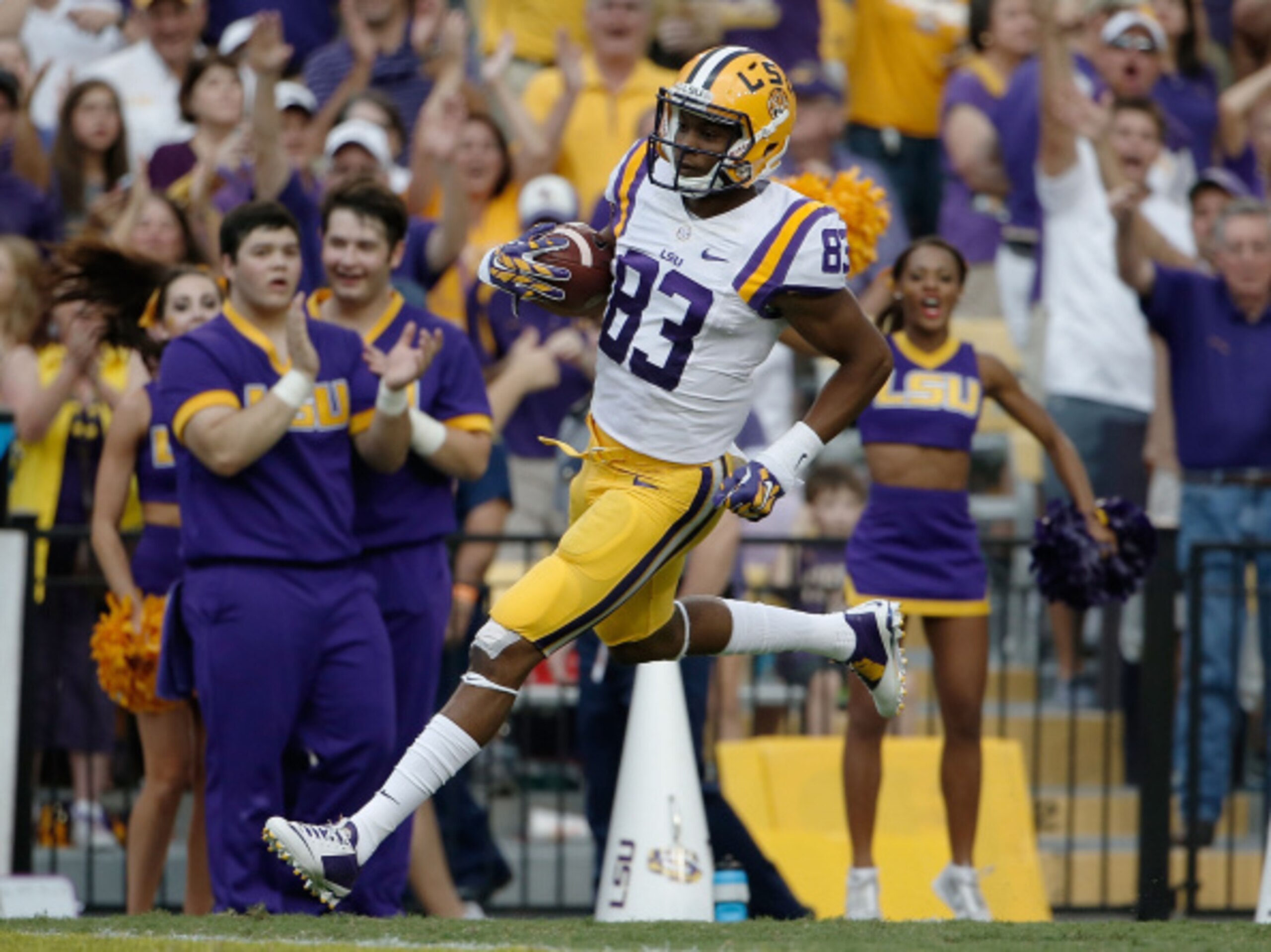
LSU averaged 21.2 pass attempts per game in 2014, which was the ninth-fewest in FBS. The Tigers also had the seventh-worst completion percentage (50.2).
With such poor production from the quarterbacks, what makes Travin Dural a dangerous player in the SEC?
Dural's 20.5 yards per reception were good for seventh-best among qualified players across the country.
The 3-star wide receiver prospect from Breaux Bridge, Louisiana, led the Tigers in receiving in 2014 after hauling in 37 catches for 758 yards and seven touchdowns, but don't expect the numbers to jump considerably this season. With that said, Dural will remain deep in the stat books.
LSU returns quarterbacks Anthony Jennings and Brandon Harris (both dual-threat) and Heisman-caliber running back Leonard Fournette (who was a true freshman). LSU went 8-5 in 2014 despite having the fifth-rated scoring defense in the nation, so the problem is on offense, and the solution will be to use Fournette more heavily.
In 2015, Dural will have to keep making the big plays to stay relevant from an SEC perspective. In most other programs, Dural would get more opportunities and therefore wouldn't have to average over 20 yards a play to be effective. Dural's combination of talent and production would thrust him into the conversation of great receivers in college football.
How do we know that? Despite the limited opportunities, Dural is the fourth-rated wide receiver prospect in the Class of 2017. That's a spot higher than Rashard Higgins, the Biletnikoff runner-up in 2014, and four spots above defending All-SEC First Team member Pharoh Cooper.


Jerald Hawkins, LSU
4 of 10
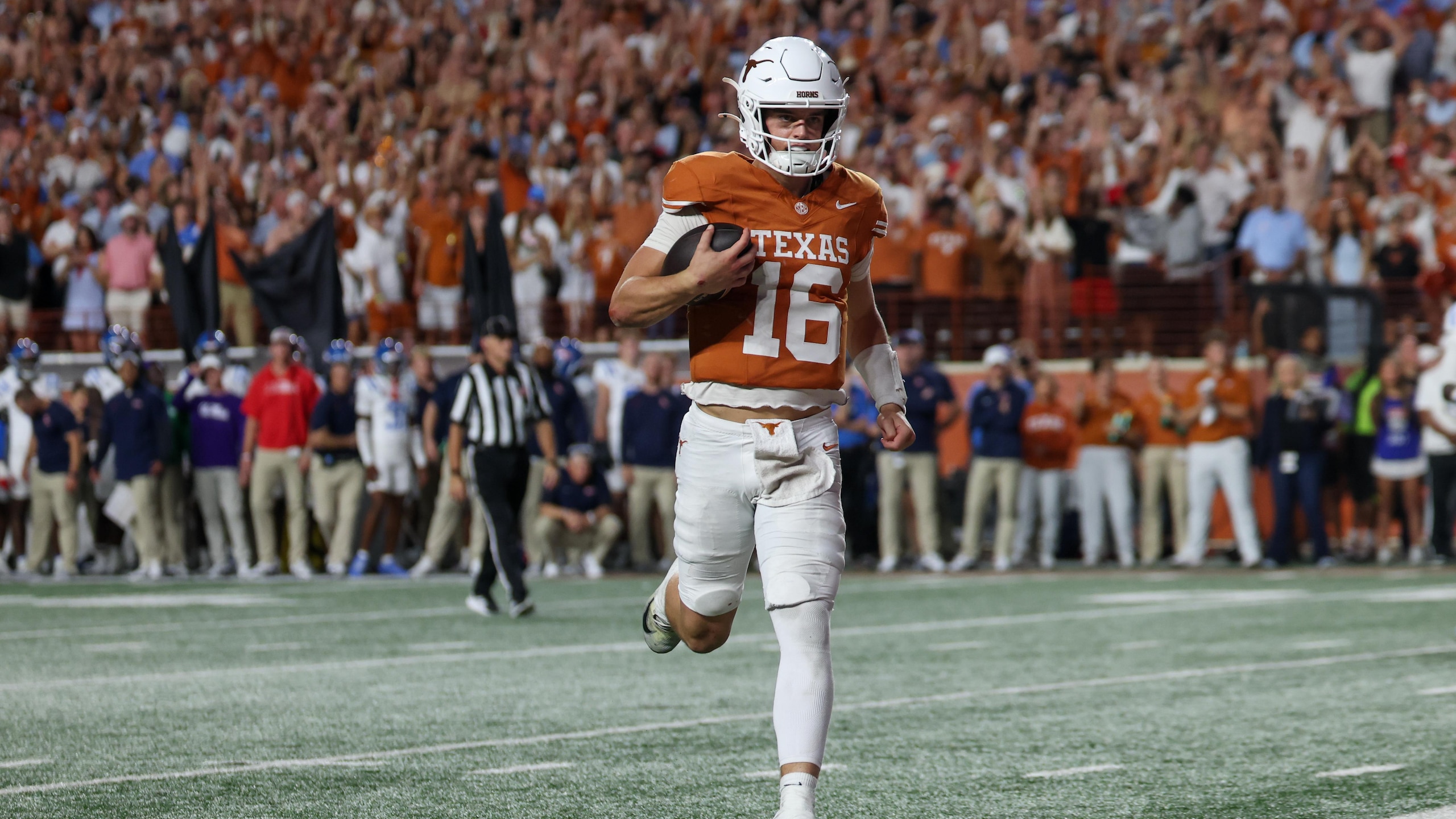
Jerald Hawkins has developed into an outstanding offensive tackle for the LSU Tigers, and though there are numerous reasons why he doesn't get much attention, none of them are under his control.
Hawkins didn't have the accolades coming out of high school that the other LSU linemen did. The West Saint Mary, Louisiana, product was a 3-star defensive end prospect in the ESPNU Class of 2012. Vadal Alexander and Ethan Pocic, the other two starting offensive linemen returning from 2014, were each among the top 100 prospects in the country.
Throughout his college career, Hawkins has been the other offensive tackle for the Tigers. La'el Collins, the SEC's best offensive lineman in 2014 and a likely first-round pick in the 2015 NFL draft, was a two-year starter at left tackle for the Tigers.
None of these things matter anymore, right? Wrong.
Hawkins started spring practice with the first-team offensive line, but his position isn't safe. Les Miles has no idea what the line will look like once the season begins, and on top of that there are elite O-line prospects from the Class of 2015 who haven't arrived on campus yet.
NFL scouts only care about who can play at the next level. They believe Hawkins can not only play there but succeed, as he's the fourth-rated offensive tackle prospect in the Class of 2017.
Outside the SEC, Hawkins would dominate as a blind-side protector, and many would notice.
Quayvon Hicks, Georgia
5 of 10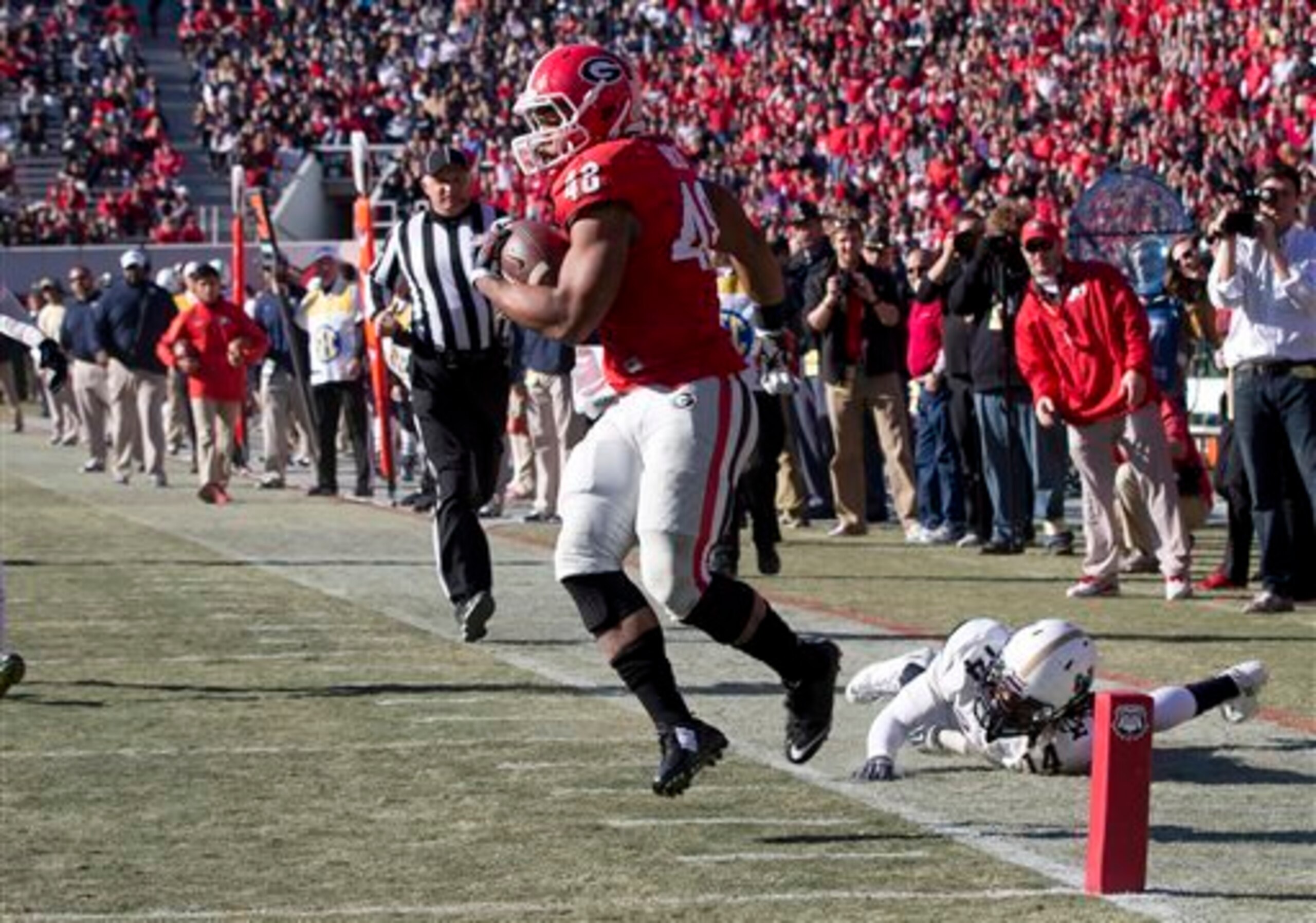
Quayvon Hicks was a huge prospect coming out of Pierce County, Georgia in 2012, but more in size than in potential. Hicks wasn't as highly regarded as fellow Georgia halfback signees Keith Marshall or Todd Gurley and projected more as a fullback than a running back—a fullback who struggles with blocking.
Hicks' best attribute was (and is) running the football, but there are so many in the SEC (and at Georgia) who do so better than him. Heck, the SEC's top returning rusher plays for the Bulldogs. The Georgia coaching staff moved Hicks to tight end in hopes of improving his blocking, but he isn't really a tight end.
Despite all this, all is lost.
In two seasons, Hicks has 28 touches for 255 yards and three touchdowns. Hicks has averaged 8.3 yards per carry and 10.9 yards per reception. Nobody's expecting Hicks to get the ball, but still, that's impressive.
Hicks has the ability to play at the next level. He's the second-rated fullback prospect in the Class of 2016. Hicks runs a 4.76 40-yard dash at 6'1" and 257 pounds. That's not fast compared with runners in college or the NFL, but perhaps Hicks can make an impact around the goal line.
Another Power Five program, Georgia, uses fullbacks more heavily. Maybe Hicks would have bigger numbers if he had gone there, but it's too late for that.
Eddie Jackson, Alabama
6 of 10
Some of the best defensive backs in college football have come from Alabama over the past few seasons. Nick Saban and Kirby Smart have produced numerous first-rounders and contributors in the NFL.
Eddie Jackson didn't seem like the next great cornerback to train under Saban and Smart, but he's among the best they have right now.
Jackson signed with Alabama as a 4-star wide receiver prospect from Florida's Boyd Anderson High but he was only the 54th-rated player at his position in the ESPNU Class of 2013. In the Crimson Tide's super-class, Jackson was anything but super.
Heading into his junior season, though, Jackson has been an important piece in Alabama's secondary. Jackson was a bigger piece in 2014 than 2013, but he's not the biggest; rather, he's one of many.
At most other colleges, Jackson would be the best cornerback. At Alabama, it's unclear whether he'll be the No. 2 beside Cyrus Jones in 2015. The Crimson Tide have perhaps the deepest roster in college football, so Jackson can be replaced by an equally skilled player when necessary.
Ultimately, the mere fact that Jackson has the ability to start in Alabama's secondary tells us he has an NFL future. Scouts agree, as he's the fourth-rated cornerback prospect in the Class of 2017.
Darren Lake, Alabama
7 of 10
For a man so large, Darren Lake has a fitting surname.
Lake, the backup nose tackle at Alabama, wasn't among the elite at his position coming out of Sumter County, Alabama, in 2012. The 3-star defensive tackle prospect might have needed more polishing on the football field, but things are easier when the piece of clay to mold is 6'3" and 330 pounds.
The Crimson Tide didn't lose anyone along the defensive line this offseason, so Lake will remain an understudy to A'Shawn Robinson at nose tackle.
NFL scouts understand the need for Lake to be on a pro roster soon. Lake, who is bigger than many offensive linemen even at the next level, can put a kink in opposing offenses' rushing plans. In a conference with smaller and less talented offensive linemen, Lake would be harder to guard.
Lake is the eighth-rated defensive tackle prospect in the Class of 2016.
Cassanova McKinzy, Auburn
8 of 10
Cassanova McKinzy was a bright spot for what was overall a mediocre Auburn defense in 2014, both by SEC and national standards.
McKinzy finished first in tackles for loss (11.0) and second in total tackles (91) for the Tigers. That's excellent production from any player, but especially from one who wasn't among the elite prospects coming out of high school.
McKinzy left Woodlawn, Alabama, as a 4-star player in 2012 but was only the 31st-rated outside linebacker prospect in the nation. Eleven players who were rated higher than McKinzy at the position also signed with SEC schools; the conference had other guys to worry about, it seemed.
McKinzy has overcome these limitations (poor defense, OK recruit) to become one of the better linebackers in the SEC. Natalie Pierre of AL.com rated McKinzy the ninth-best linebacker in the conference.
Outside the SEC, McKinzy would be a star. Inside the SEC, we'll have to see how he performs in a new defensive system. With Will Muschamp coordinating the defense at Auburn now, McKinzy and his teammates will benefit greatly.
Though McKinzy might need Muschamp to make him a star within the conference, he's done just fine getting the attention of NFL scouts. McKinzy is the third-rated inside linebacker prospect in the Class of 2016.
Brandon Wilds, South Carolina
9 of 10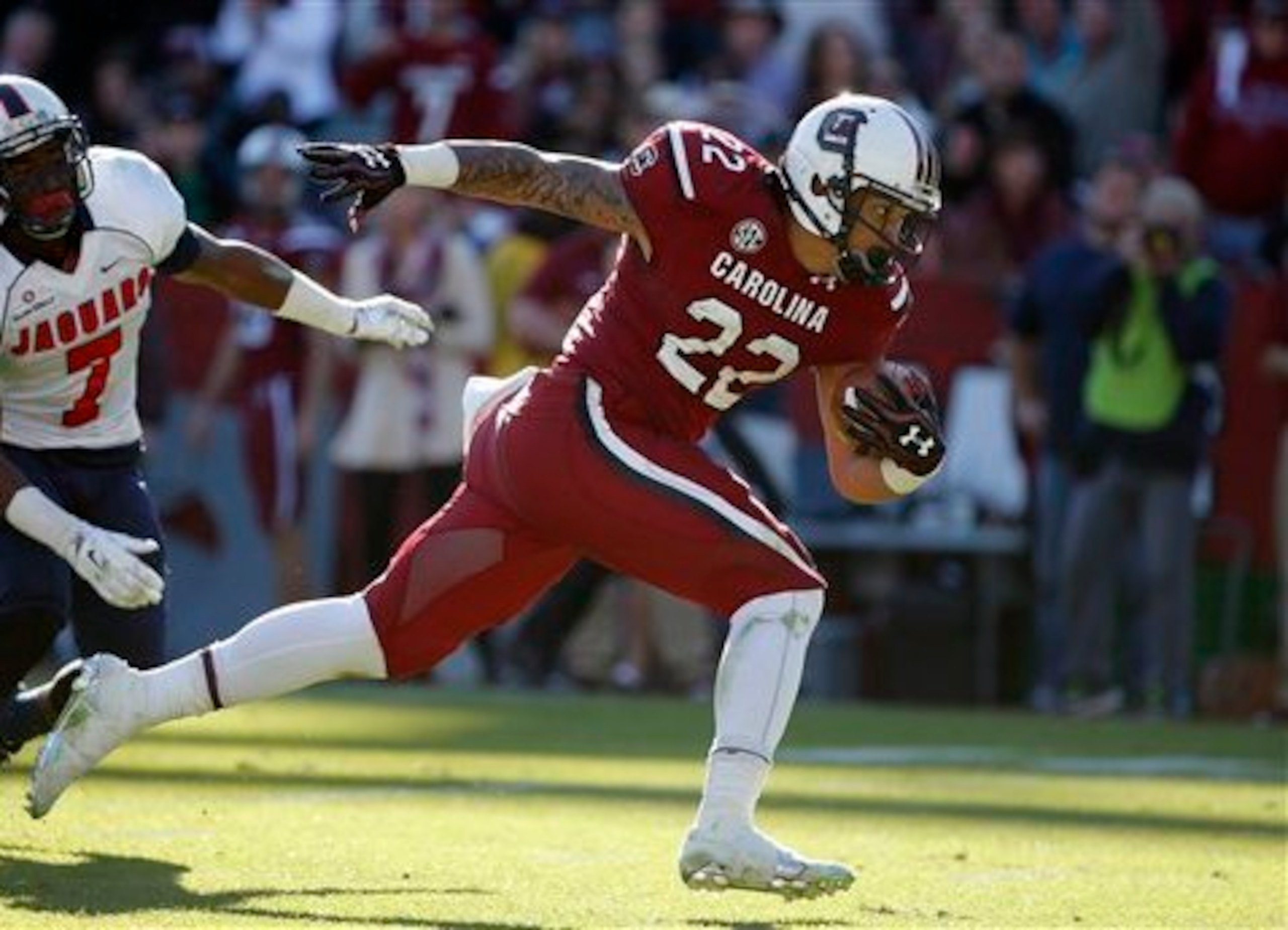
Brandon Wilds, a 3-star prospect in the ESPNU Class of 2011, was rated as the 85th-best running back. Mike Davis, a fellow South Carolina running back, was the No. 62 overall prospect in the class (and sixth at running back) the following year. Which would you expect to be the better player?
Over the past two seasons, Wilds and Davis were equally as effective.
Wilds averaged the same yards per play in those seasons (6.5 in 2013, 5.8 in 2014) as Davis despite having 185 and 107 fewer touches, respectively. Davis declared for the NFL draft as a junior; Wilds can't be considered that much further behind, based on production.
With Davis and quarterback Dylan Thompson gone, Wilds only needs to challenge Pharoh Cooper for the title of top runner on South Carolina's roster, but that's not an easy thing.
As arguably the most dangerous weapon in the SEC, Cooper was an All-SEC performer at wide receiver and an all-purpose player in 2014. In his two seasons for the Gamecocks, Cooper has 47 carries for 402 yards and three touchdowns.
As you can see, Wilds doesn't get much love in SEC circles, in large part because he's not necessarily the best at carrying the football on his own team. On so many other teams, Wilds would be hard to ignore.
Wilds has 298 touches for 1,675 yards and 13 touchdowns. Running backs who do this in one season get plenty of attention, and at most places outside the SEC, Wilds would have a chance.
As the 16th-rated running back prospect in the Class of 2016, Wilds probably won't be a surefire draft choice, but with an average of 19 draft picks and 55 camp invitees at the position over the past five years, he'll get ample opportunity to prove himself at the professional level.
Deatrich Wise Jr, Arkansas
10 of 10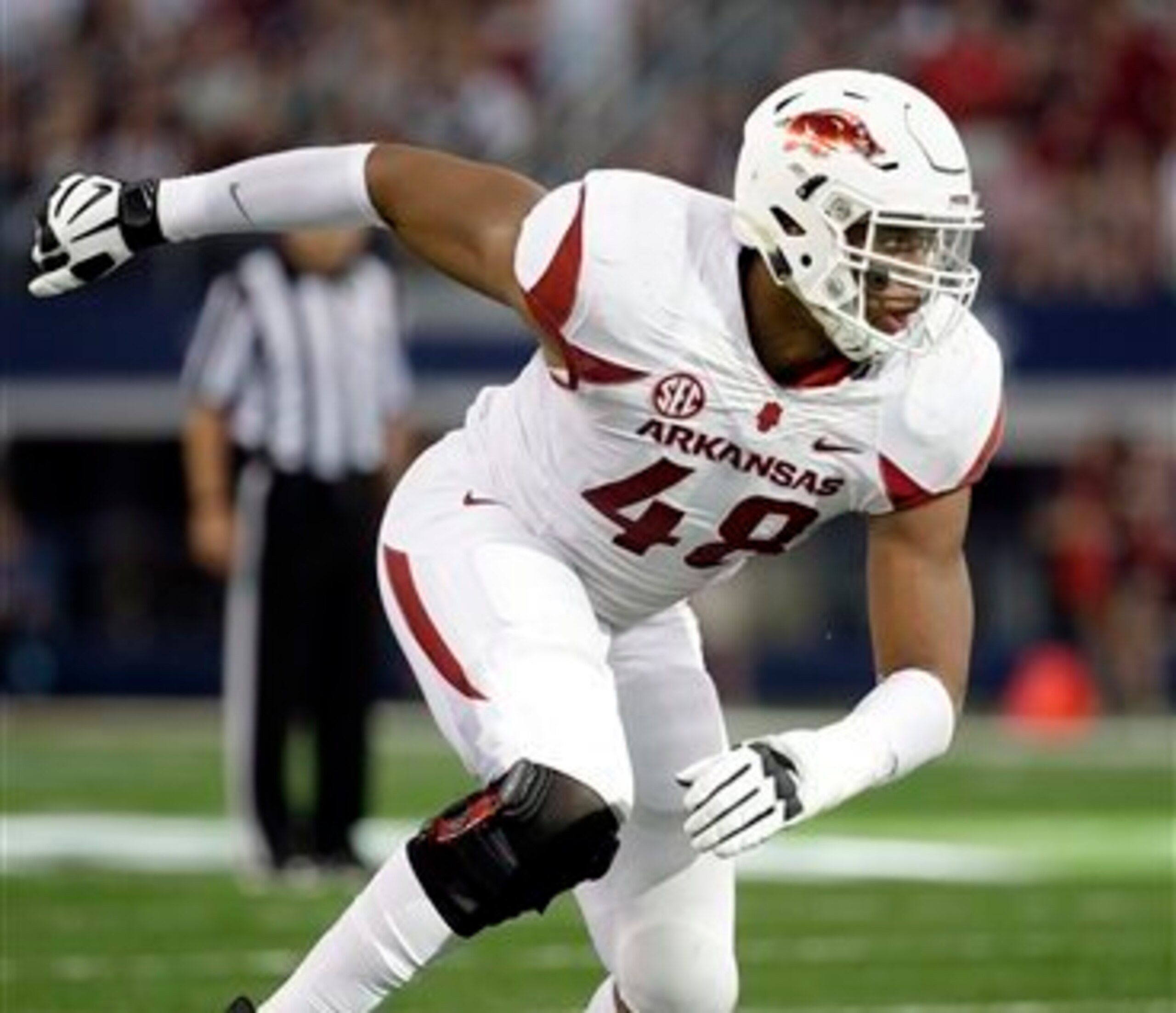
Despite having an NFL pedigree, Deatrich Wise Jr. wasn't projected to follow his father into professional football coming out of Hebron, Texas, in 2012. Junior was the 150th-rated defensive end prospect in ESPNU's class.
Nearly three years later, Wise has shown an ability to get into the backfield but is only one of many pass-rushing options for Arkansas. Just last season, Wise finished fourth on the team in sacks (4.0) but seventh in tackles for loss (3.0) and 17th in total tackles (13).
The top three Razorbacks in tackles for loss in 2014 have moved on, so expect Wise to figure more in the team's defensive plans. The sheer increase in opportunities will make Wise an even better pass-rusher than he's proved to be.
Prior to the 2013 season, I called Wise a sleeper player to watch for Arkansas and said he could take a similar path to J.J. Watt. Though Wise and Watt aren't at the same level, and might never be, Wise should join Watt in the NFL soon enough.
Wise Jr. is the ninth-rated defensive end prospect in the Class of 2017.

.jpg?w=2560 "Mahomes Told Teammate to Leave Meeting")
.jpg?w=2560 "5 Teams Eyeing Jonathan Taylor")

.jpg?w=2560 "Jonathan Taylor Landing Spots 📍")
.jpg?w=2560 "Baker Gets Glove From Rays 🧤")
.jpg?w=2560 "NFL investigating Eagles")
