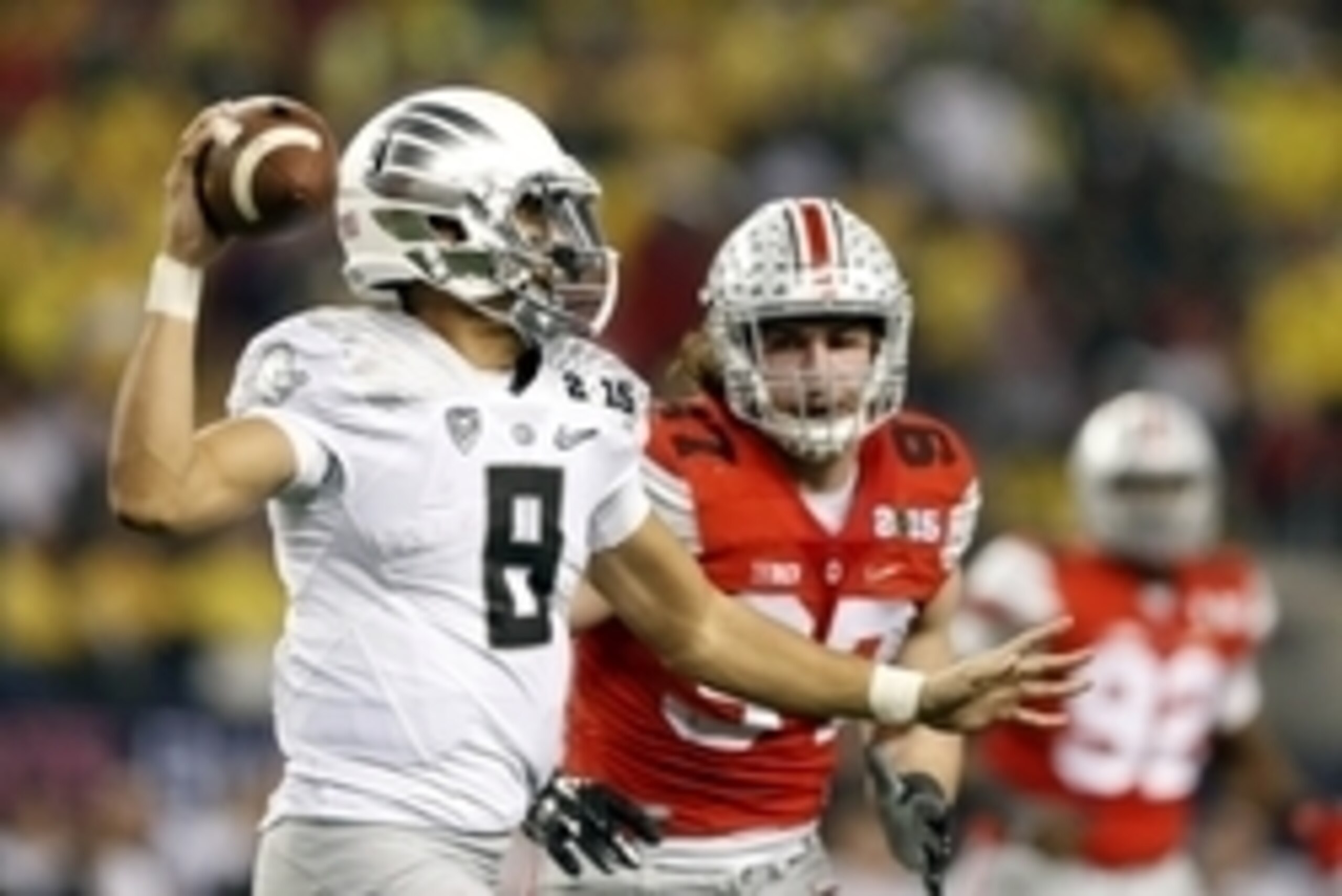

Which College Football Conference's 2014 All-Star Team Would Win in a Playoff?
The debate over which college football conference is best is one that has dominated message boards, sports radio and talking-head shows for years, and it seems to be one that will never reach a firm resolution. But that's because they've been doing it all wrong.
Instead of comparing leagues based on the strengths (and weaknesses) of their teams, why not rate them according to their best players?
This is the offseason, when us college football junkies get so loopy because of gridiron withdrawal that any discussion that puts the sport back in focus is worthwhile. That makes it the perfect time to kick around what would happen if each Power Five conference (ACC, Big 12, Big Ten, Pac-12 and SEC) put together an all-star team and met on the field to decide who was truly the best.
SIDE NOTE: If something like this were to ever come about—and with college football moving more and more toward a pay-to-play sport, it's not impossible—it would no doubt bring in huge ratings and be well-attended. It would also be the closest thing college's top players would get to being in the pros before actually suiting up for the NFL, making such an event like a warm-up for the next step in their careers.
For now, though, we're sticking to hypotheticals and putting the focus on what's most important: Who would win if all five power conferences fielded an all-star team and they battled it out in a playoff?
Click through to see how we'd make this happen and who would come out on top.
How It's Done
1 of 11
There are two key logistical issues to sort out in order to crown a champion conference. First, how are the all-star teams assembled, and then how do you make it so that five leagues can compete in a tournament?
Roster selection
On the roster end, it's simple: Go with the 2014 all-conference teams chosen by each league's coaches after this past season. While this does lead to some notable snubs—sorry, Ezekiel Elliott—who weren't first-team selections in their own league, it's the fairest way to put together rosters chosen through a similar process.
To also make this work, we would have to assume players who have graduated or turned pro early would still participate in an all-star competition, despite the fact it would likely happen right in the middle of their preparations for the NFL draft. Secondly, we're operating in a perfect world where any injuries suffered during the regular season or during the bowls and playoffs (or which led to offseason surgery) didn't happen.
Tournament format
Unlike the College Football Playoff, our tournament isn't going to leave one league out in the cold. To make this event happen, it needs all Power Five conferences on board, so we've put together a format that gives all five participants an equal chance to win the title.
Well, sort of.
A five-team playoff would require a play-in game between the fourth- and fifth-seeded leagues, with the winner facing the No. 1 seed in the semifinals. The No. 2 and 3 seeds would meet in the other semifinal, and those semifinals winners then move on to the title game, which we'll call the Conference All-Star Championship.
This is a format even Big 12 commissioner Bob Bowlsby could love, since it doesn't make it so that "somebody was going to be standing when the music stopped," as he told ESPN.com's Heather Dinich in reaction to his conference not having a representative in the four-team playoff last season.
ACC
2 of 11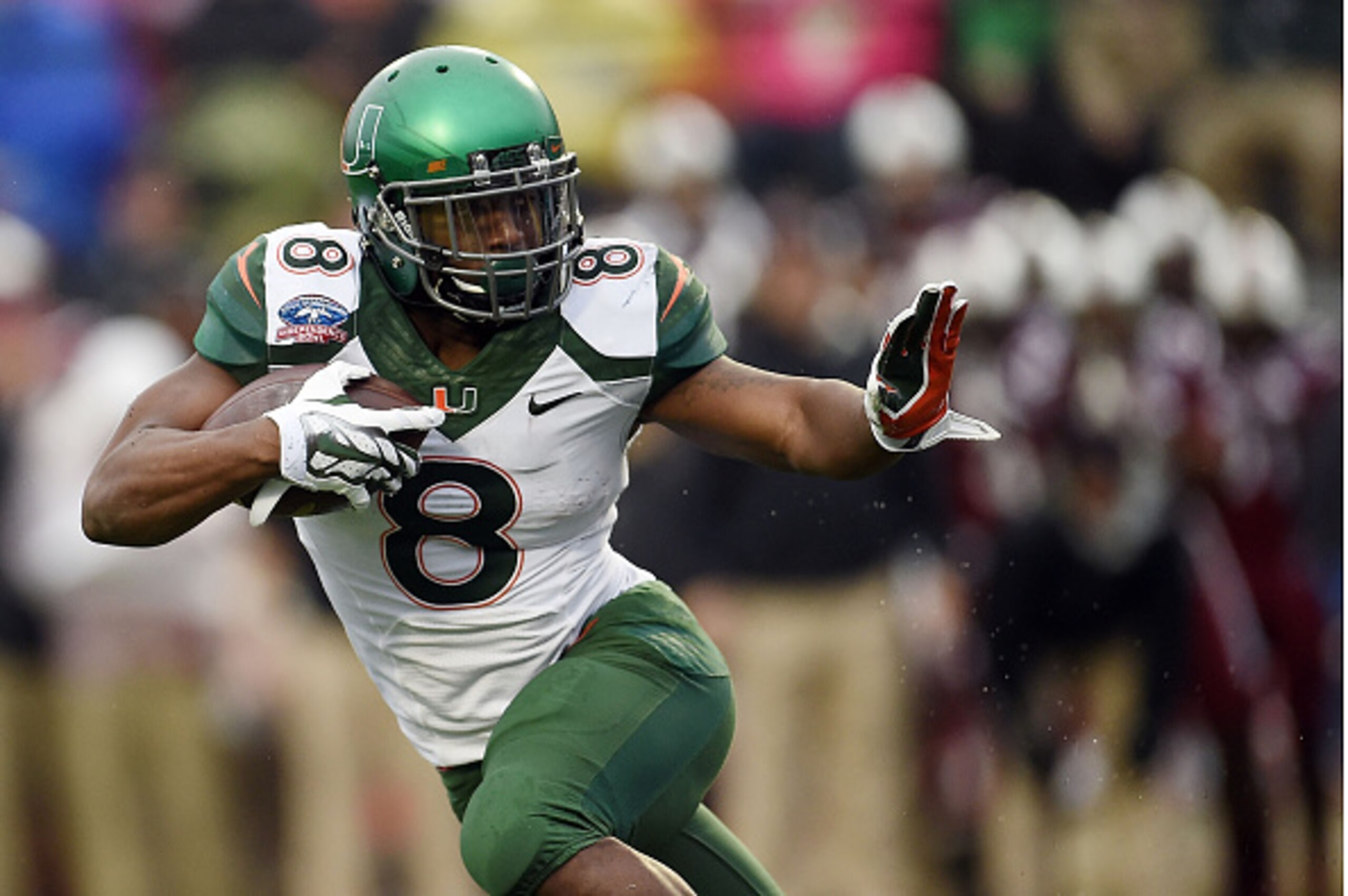
(Chosen by ACC coaches)
OFFENSE
QB: Jameis Winston, Florida State
RB: James Conner, Pittsburgh; Duke Johnson, Miami (Florida)
WR: Tyler Boyd, Pittsburgh; Jamison Crowder, Duke; Rashad Greene, Florida State
TE: Nick O'Leary, Florida State
OL: T.J. Clemmings, Pittsburgh; Cameron Erving, Florida State; Tre' Jackson, Florida State; Shane McDermott, Miami (Florida); Laken Tomlinson, Duke
DEFENSE
DL: Vic Beasley, Clemson; Mario Edwards, Florida State; Eddie Goldman, Florida State; Grady Jarrett, Clemson
LB: Stephone Anthony, Clemson; Lorenzo Mauldin, Louisville; Denzel Perryman, Miami (Florida)
DB: Kendall Fuller, Virginia Tech; Gerod Holliman, Louisville; Garry Peters, Clemson; Jalen Ramsey, Florida State
SPECIAL TEAMS
K: Roberto Aguayo, Florida State
P: Wil Baumann, North Carolina State
Big 12
3 of 11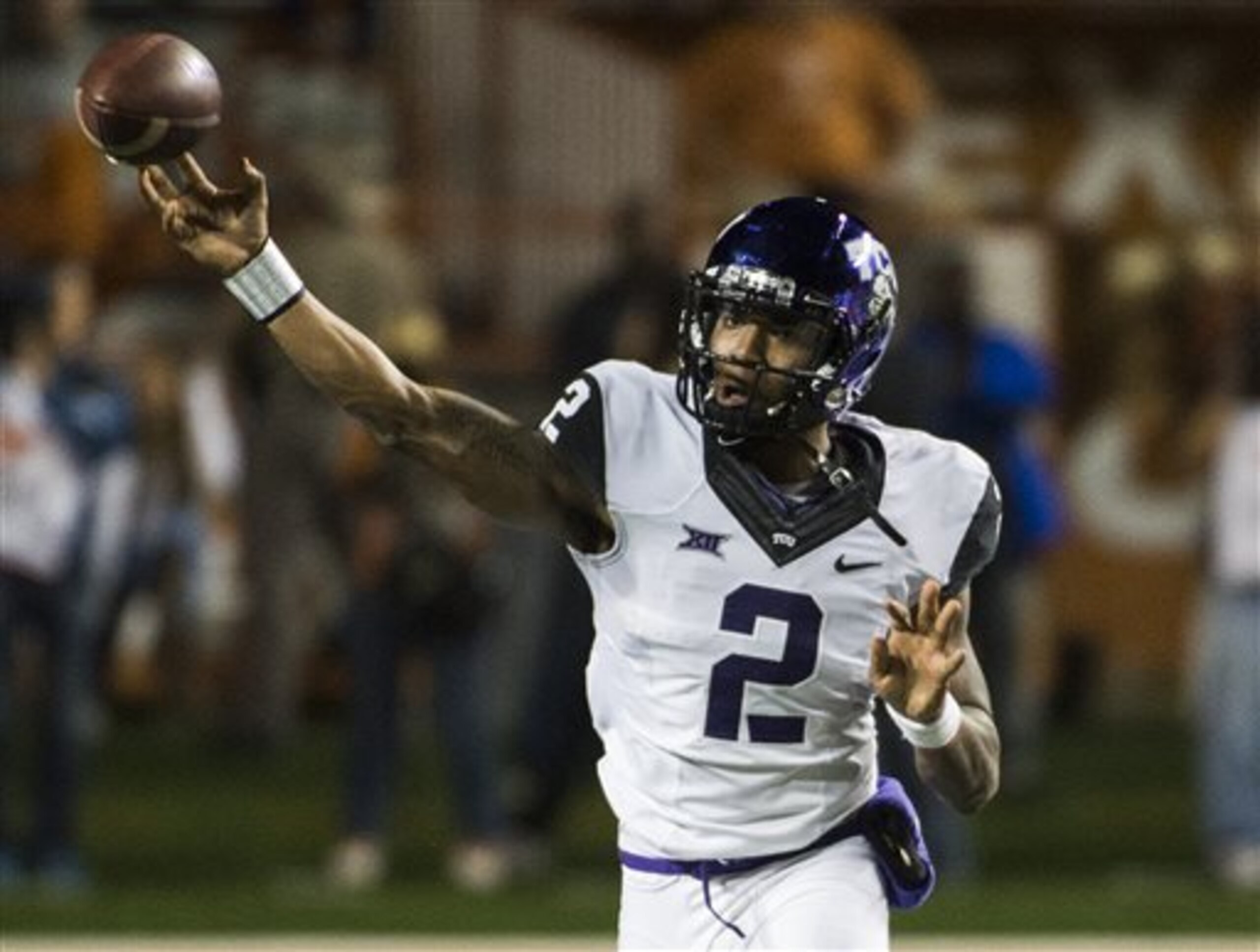
(Chosen by Big 12 coaches)
OFFENSE
QB: Trevone Boykin, TCU
RB: Shock Linwood, Baylor; Samaje Perine, Oklahoma
WR: Tyler Lockett, Kansas State; Sterling Shepard, Oklahoma; Kevin White, West Virginia
TE: E.J. Bibbs, Iowa State
OL: Le'Raven Clark, Texas Texas; Spencer Drango, Baylor; B.J. Finney, Kansas State; Tyrus Thompson, Oklahoma; Daryl Williams, Oklahoma
DEFENSE
DL: Andrew Billings, Baylor; Malcom Brown, Texas; Ryan Mueller, Kansas State; Shawn Oakman, Baylor; Emmanuel Ogbah, Oklahoma State
LB: Paul Dawson, TCU; Ben Heeney, Kansas; Eric Striker, Oklahoma
DB: Randall Evans, Kansas State; Chris Hackett, TCU; Karl Joseph, West Virginia; Zack Sanchez, Oklahoma; JaCorey Shepherd, Kansas
SPECIAL TEAMS
K: Jaden Oberkrom, TCU
P: Trevor Pardula, Kansas


Big Ten
4 of 11
(Chosen by Big Ten coaches)
OFFENSE
QB: J.T. Barrett, Ohio State
RB: Tevin Coleman, Indiana; Melvin Gordon, Wisconsin
WR: Kenny Bell, Nebraska; Tony Lippett, Michigan State
TE: Maxx Williams, Minnesota
OL: Jack Allen, Michigan State; Kyle Costigan, Wisconsin; Pat Elflein, Ohio State; Rob Havenstein, Wisconsin; Brandon Scherff, Iowa
DEFENSE
DL: Joey Bosa, Ohio State; Shilique Calhoun, Michigan State; Randy Gregory, Nebraska; Anthony Zettel, Penn State
LB: Mike Hull, Penn State; Derek Landisch, Wisconsin; Jake Ryan, Michigan
DB: Kurtis Drummond, Michigan State; Doran Grant, Ohio State; William Likely, Maryland; Trae Waynes, Michigan State
SPECIAL TEAMS
K: Brad Craddock, Maryland
P: Peter Mortell, Minnesota
Pac-12
5 of 11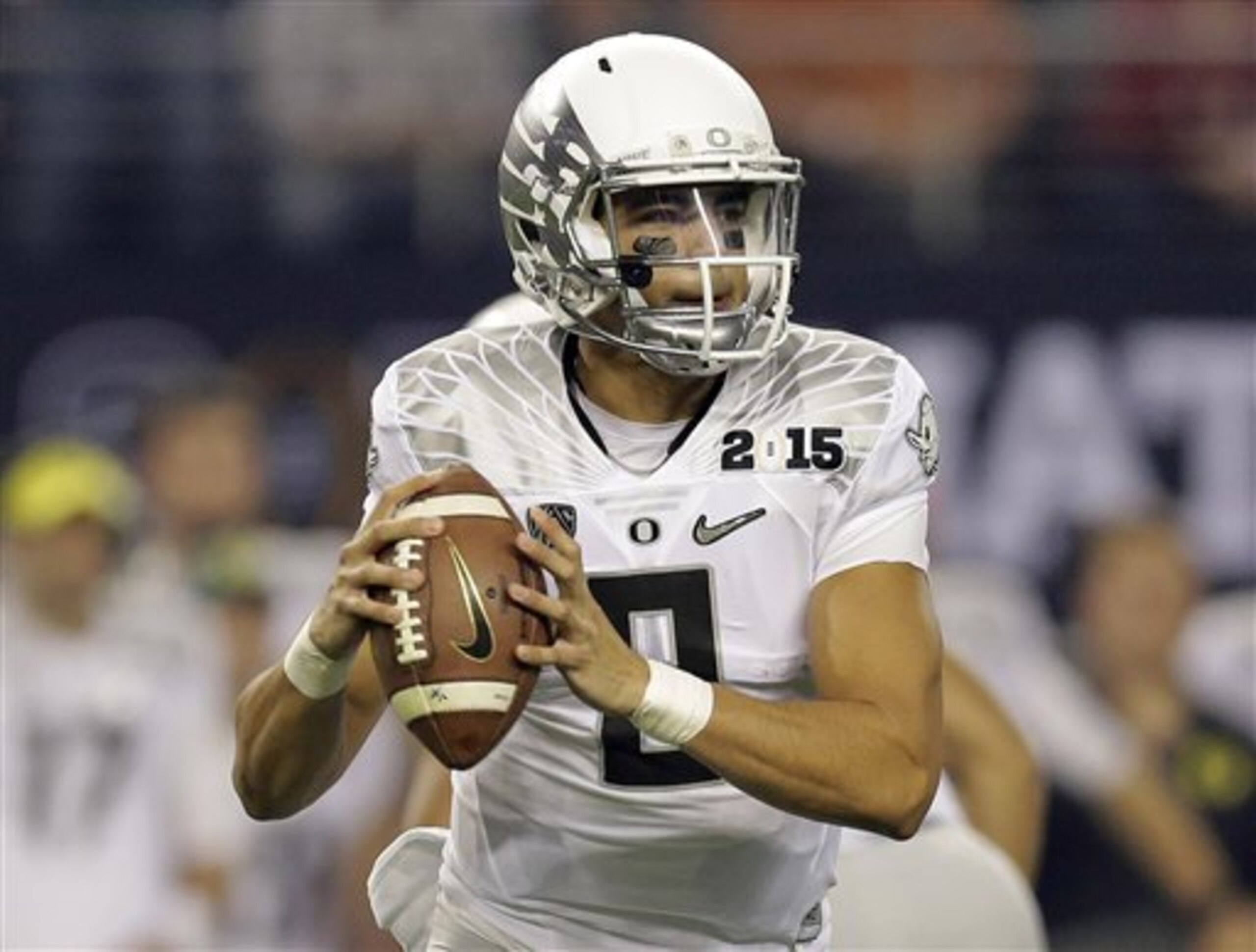
(Chosen by Pac-12 coaches)
OFFENSE
QB: Marcus Mariota, Oregon
RB: Javorius Allen, USC; Devontae Booker, Utah
WR: Nelson Agholor, USC; Jaelen Strong, Arizona State
TE: Pharaoh Brown, Oregon
OL: Jamil Douglas, Arizona State; Jake Fisher, Oregon; Hroniss Grasu, Oregon; Andrus Peat, Stanford; Max Turek, USC
DEFENSE
DL: Henry Anderson, Stanford; Nate Orchard, Utah; Danny Shelton, Washington; Leonard Williams, USC
LB: Hau'oli Kikaha, Washington; Shaq Thompson, Washington; Scooby Wright III, Arizona
DB: Ishmael Adams, UCLA; Su'a Cravens, USC; Ifo Ekpre-Olomu, Oregon; Damarious Randall, Arizona State; Jordan Richards, Stanford
SPECIAL TEAMS
K: Andy Phillips, Utah
P: Tom Hackett, Utah
SEC
6 of 11
(Chosen by SEC coaches)
OFFENSE
QB: Dak Prescott, Mississippi State
RB: Cameron Artis-Payne, Georgia; Nick Chubb, Georgia
WR: Amari Cooper, Alabama; Pharoh Cooper, South Carolina
TE: Evan Engram, Ole Miss
OL: A.J. Cann, South Carolina; La'el Collins, LSU; Reese Dismukes, Auburn; Arie Kouandjio, Alabama; Cedric Ogbuehi, Texas A&M
DEFENSE
DL: Bud Dupree, Kentucky; Dante Fowler, Florida; Shane Ray, Missouri; Preston Smith, Mississippi State
LB: Trey DePriest, Alabama; Benardrick McKinney, Mississippi State; Martrell Spaight, Arkansas
DB: Landon Collins, Alabama; Senquez Golson, Ole Miss; Vernon Hargreaves III, Florida; Cody Prewitt, Ole Miss
SPECIAL TEAMS
K: Austin MacGinnis, Kentucky
P: JK Scott, Alabama
The Seedings
7 of 11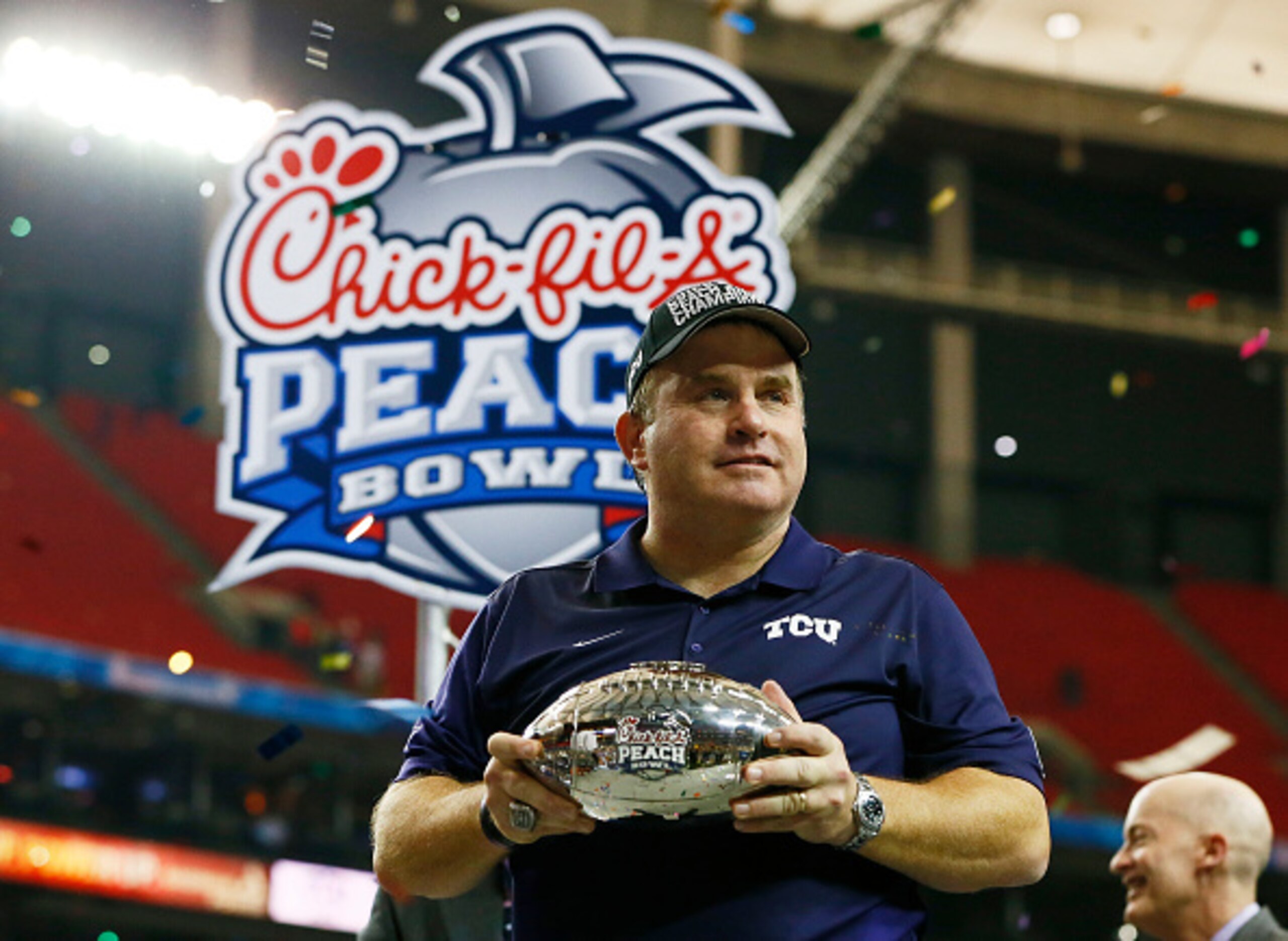
If this were any sport other than football, we could have all five conferences play each other in a round-robin format then seed the leagues from best to worst based on their records in pool play.
Alas, that kind of a format would take two months to complete. And as much as we'd love that as fans, it's just not feasible. So we have to find another way to seed the leagues, and the best option is to use their 2014-15 bowl results.
Since this is a tournament only involving the power conferences, we're only using bowls that pitted power teams in this process. Each victory is worth one point, with College Football Playoff-affiliated access bowl wins counting for two points. Playoff semifinal wins are worth three to the conference, and winning the national title game is worth four.
In this system, that makes the Big Ten the overwhelming No. 1 seed by virtue of being the home of national champion Ohio State. The league was 6-4 against other power teams, but with Michigan State's win over Baylor in the Cotton Bowl and the Buckeyes' run to the title, the Big Ten finished with 12 points.
The Pac-12 gets the No. 2 seed, thanks to a 5-2 record and Oregon's Rose Bowl semifinal victory over Florida State to score seven points. The SEC went 6-5 against power opponents but didn't accrue any bonus points, so with six points it gets the No. 3 seed.
That leaves the ACC and Big 12, both of which only won two bowls against power-conference teams. Each also earned a bonus point by virtue of TCU's Peach Bowl win over Ole Miss and Georgia Tech's Orange Bowl triumph against Mississippi State. Each ends up with three points, and since the No. 4 and 5 seeds would play in the opening round of our tournament there's not really a need to break the tie.
Just for fun, though, we'll give the Big 12 the edge (and the No. 4 seed) because it went 2-5 in applicable bowls compared to 2-6 by the ACC.
As for the venues, we'll use the bowl sites that were part of the College Football Playoff and access bowls, giving the higher seed the home-field advantage of playing in a stadium that's part of its geographic footprint if applicable.
Play-in Game: No. 5 ACC vs. No. 4 Big 12
8 of 11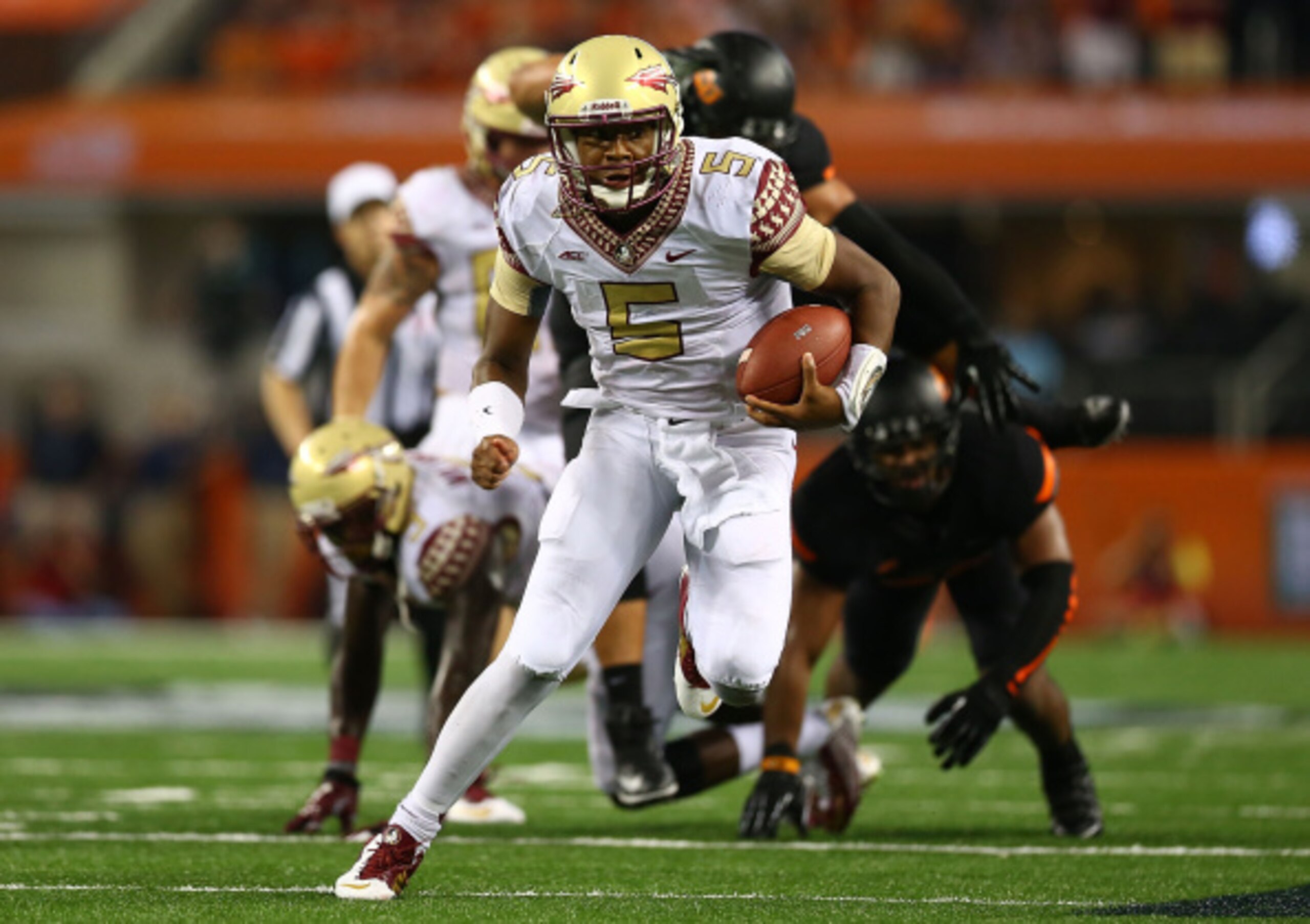
Where: AT&T Stadium; Arlington, Texas
While their leagues didn't do so well during bowl season, there's no shortage of individual talent in the ACC and Big 12. And unlike the play-in games in the NCAA tournament, this one won't have any shortage of star power or drama.
Florida State quarterback Jameis Winston gets to atone for his horrific performance against Oregon, but he'll be running for his life as the ACC line he's playing behind has fits trying to slow down Baylor defensive end Shawn Oakman. He's got some great running backs to turn to in speedy Miami rusher Duke Johnson and Pittsburgh bruiser James Conner, both of whom have the advantage against the Big 12's undersized linebacker unit.
When the Big 12 has the ball, it's all about what TCU's Trevone Boykin can do at quarterback while trying to avoid Clemson defensive end Vic Beasley coming off the edge. While he's got dependable receivers to work with, including West Virginia's Kevin White and Kansas State's Tyler Lockett, he better be on point with his throws, or FBS single-season interception co-record holder Gerod Holliman of Louisville is going to pick one (or more) off.
In the end, it's Winston pulling off one last miracle comeback to give the ACC the minor upset and move into the main bracket and a showdown with the No. 1 seed Big Ten.
Projected winner: ACC
Semifinal: No. 5 ACC vs. No. 1 Big Ten
9 of 11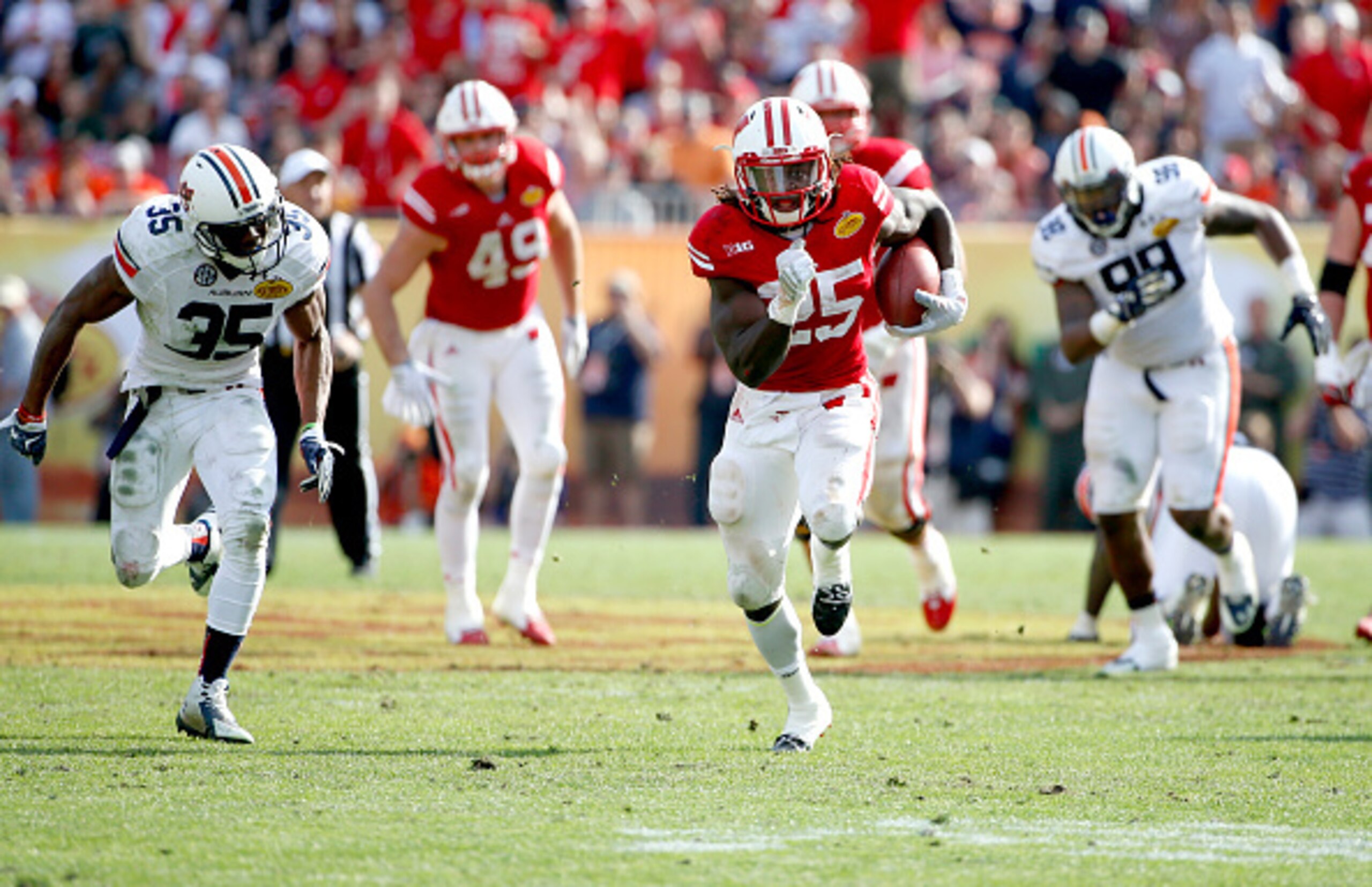
Where: Lucas Oil Stadium, Indianapolis
There wasn't a major bowl game in Big Ten country, but that doesn't mean there's not a good place for the game to be held in the Midwest. Lucas Oil Stadium has put on a good show for the conference's title game, and as the No. 1 seed it only makes sense for that league to get to play in its own backyard.
Not that the Big Ten needs much of a home-field advantage to topple the overmatched ACC.
It should come as no surprise that national champion Ohio State's players will factor in significantly in this result, both offensively and defensively. Though Ezekiel Elliott isn't a part of the Big Ten's team, since his most significant achievements in 2014-15 came after the coaches made their all-league selections, there are still four Buckeyes in play.
Quarterback J.T. Barrett was on his way to a potential steal of the Heisman Trophy before getting hurt in November, but his broken ankle has magically healed in time for the semifinals. That's going to spell doom for the ACC's front seven, which was able to handle Trevone Boykin last time but doesn't have what it takes to contain Barrett.
Nor will the ACC be able to stop the massive rushing tandem of Indiana's Tevin Coleman and Wisconsin's Melvin Gordon, who combined to rush for more than 4,600 yards last season.
Florida State's Jameis Winston will have nowhere to run and nowhere to throw to as he tries to contend with the Big Ten's defense, which is stacked up front, in the middle and in the secondary. This one could get ugly and quite lopsided.
Projected winner: Big Ten
Semifinal: No. 3 SEC vs. No. 2 Pac-12
10 of 11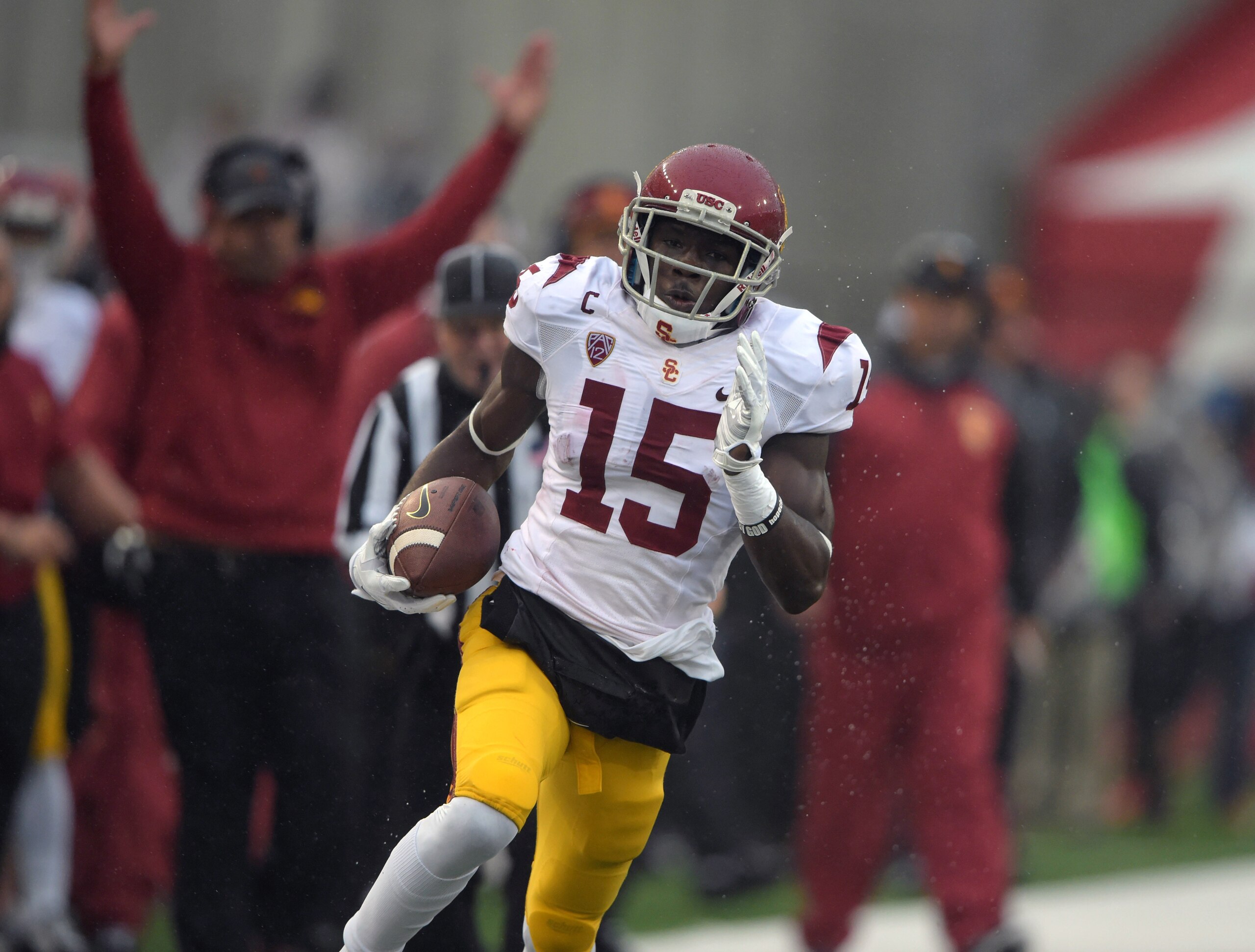
Where: Rose Bowl; Pasadena, California
The Pac-12 and the SEC were frequently compared to each other during last season, mostly because of how deep and tough each of their better divisions were. The Pac-12 South and SEC West had 12 of their 13 teams make bowls in 2014, and eight of them won at least nine games. Yet there were no interconference matchups between them.
That left us with only speculation as to which league was better until now.
Because of the seeds, the SEC has to leave the South and head west into Pac-12 territory, where it rarely goes. And because the Rose Bowl is UCLA's home field, most of the Pac-12's all-stars have played there at some point in their career.
But field familiarity won't make much difference considering the strength of the lineup the SEC coaches selected for our tournament. It's by far the deepest group in the country, especially in terms of players who didn't make the cut (like LSU running back Leonard Fournette or freshmen defensive ends Myles Garrett of Texas A&M and Derek Barnett of Tennessee), but the SEC's biggest advantage comes in the trenches.
The defensive line is particularly daunting, with Missouri's Markus Golden, Florida's Dante Fowler and Kentucky standout Bud Dupree fighting through a solid Pac-12 offensive line. They'll get to Oregon quarterback Marcus Mariota from time to time, but the Heisman winner is too good to be completely shut down.
Mariota will also benefit from a more reliable receiving corps than what he had in the national championship against Ohio State, as USC's Nelson Agholor and Arizona State's Jaelen Strong are two of the best around.
Projected winner: Pac-12
Championship: No. 2 Pac-12 vs. No. 1 Big Ten
11 of 11
Where: University of Phoenix Stadium; Glendale, Arizona
Now comes the big one, the championship, pitting all-star teams from familiar foes who have tangled in bowl games for decades. The Big Ten and Pac-12 met in three bowls this past season, with Stanford and USC knocking off Maryland and Nebraska respectively in undercard games while Ohio State rolled past Oregon for the national championship.
Can the Pac-12 get payback, combining Oregon's best with those from the rest of the league? Yes, and it would be amazing to watch.
Ohio State flustered Ducks quarterback Marcus Mariota and forced him into mistakes, but there are only four Buckeyes on the Big Ten's team and only two on defense. The rest of that unit is solid, but it also includes three Michigan State defenders (defensive end Shilique Calhoun and defensive backs Trae Waynes and Kurtis Drummond) who were already torched by a Pac-12 offense during the regular season.
The Big Ten rode the running of Tevin Coleman and Melvin Gordon to get past the ACC, but the Pac-12 will be better suited to slowing down this tandem. Stanford, USC and Washington ranked in the top 30 in run defense, and those teams have seven defenders on the Pac-12 unit.
And that's not even counting Arizona linebacker Scooby Wright, the Bednarik, Lombardi and Nagurski winner who might be just the guy to both stifle the Big Ten's run attack and also keep J.T. Barrett from getting loose.
Projected winner: Pac-12
Follow Brian J. Pedersen on Twitter at @realBJP.

.jpg?w=2560 "Mahomes Told Teammate to Leave Meeting")
.jpg?w=2560 "5 Teams Eyeing Jonathan Taylor")

.jpg?w=2560 "Jonathan Taylor Landing Spots 📍")
.jpg?w=2560 "Baker Gets Glove From Rays 🧤")
.jpg?w=2560 "NFL investigating Eagles")
