
Breaking Down San Francisco 49ers' Recent NFL Draft Successes and Failures
With the Super Bowl all wrapped up and the NFL combine quickly approaching, it's time we delve into everything draft-related. Up first, the San Francisco 49ers draft history, which has a lot more hits than misses.
General Manager Trent Baalke has proven himself to be a shrewd talent evaluator. Of course, it takes more than a scouting background to succeed as an NFL GM; however, for the sake of this column, we're only evaluating his work in the draft.
I'll focus on Baalke's overall portfolio, meaning I'll start evaluating the year he took over for former 49ers GM Scot McCloughan, who now holds the same position with the Washington Redskins.
Let's get started!
Success: Eric Reid
1 of 5
The selection of Eric Reid in the first round of the 2013 NFL draft was a fantastic get for the 49ers. Baalke secured Reid by trading up with the Dallas Cowboys.
Now, Reid was a great find but his presence on this list points to a pattern that has developed with Baalke at the 49ers' helm. If you haven't noticed, Baalke has had a solid amount of success drafting players in the secondary.
Reid was a good example, but what about Chris Culliver and Marcus Cooper? Not to mention some of the young guys drafted last year like Jimmie Ward, Dontae Johnson, Kenneth Acker and Keith Reaser.
Some of these guys might not develop, but I love the potential of everyone mentioned above, especially Ward and Reaser.
With Culliver and Perrish Cox hitting free agency this season, we could see Baalke address the position in the middle of the draft. However, I would love to see what a healthy Reaser could bring to this secondary.
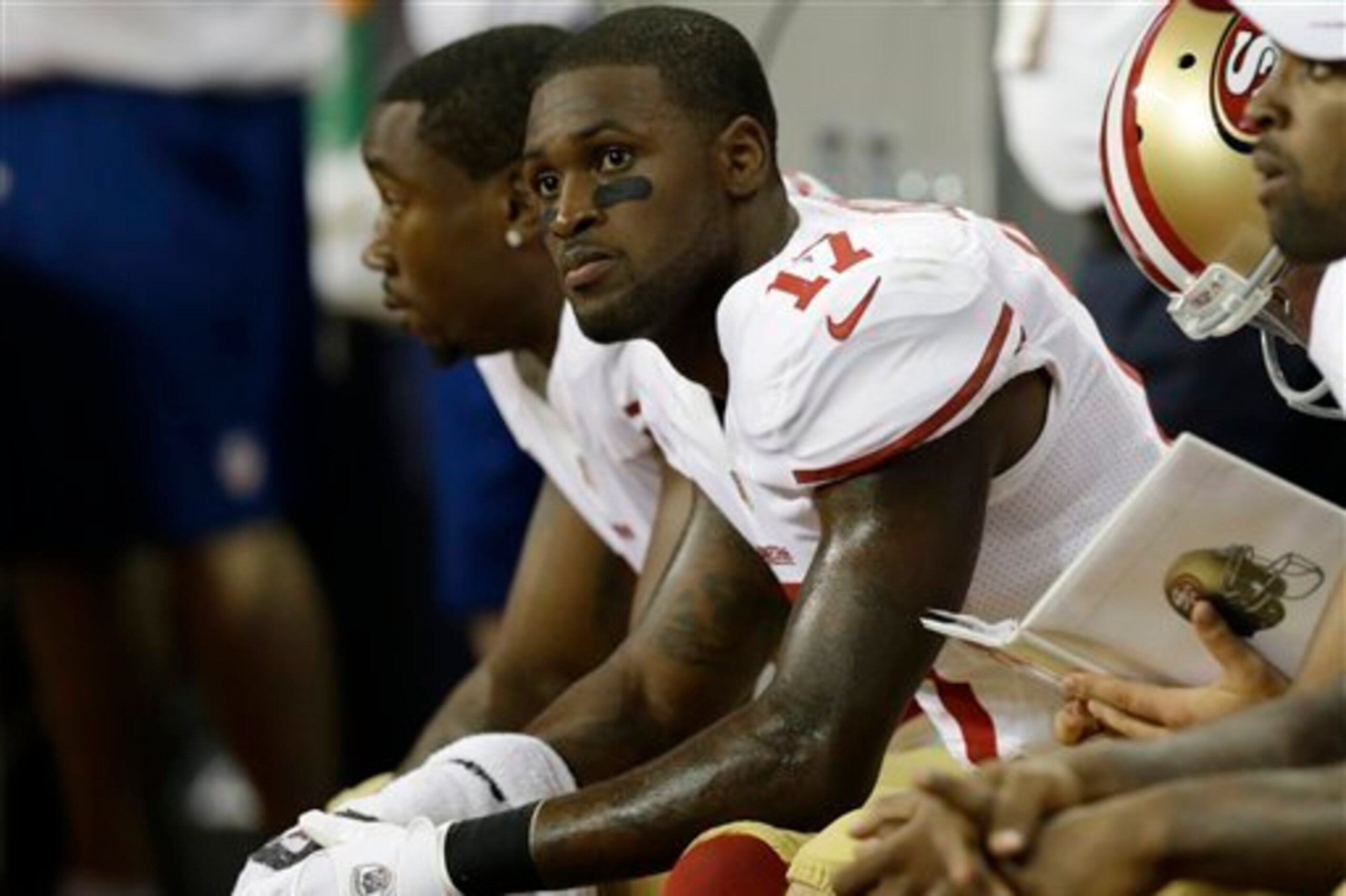
Failure: A.J. Jenkins
2 of 5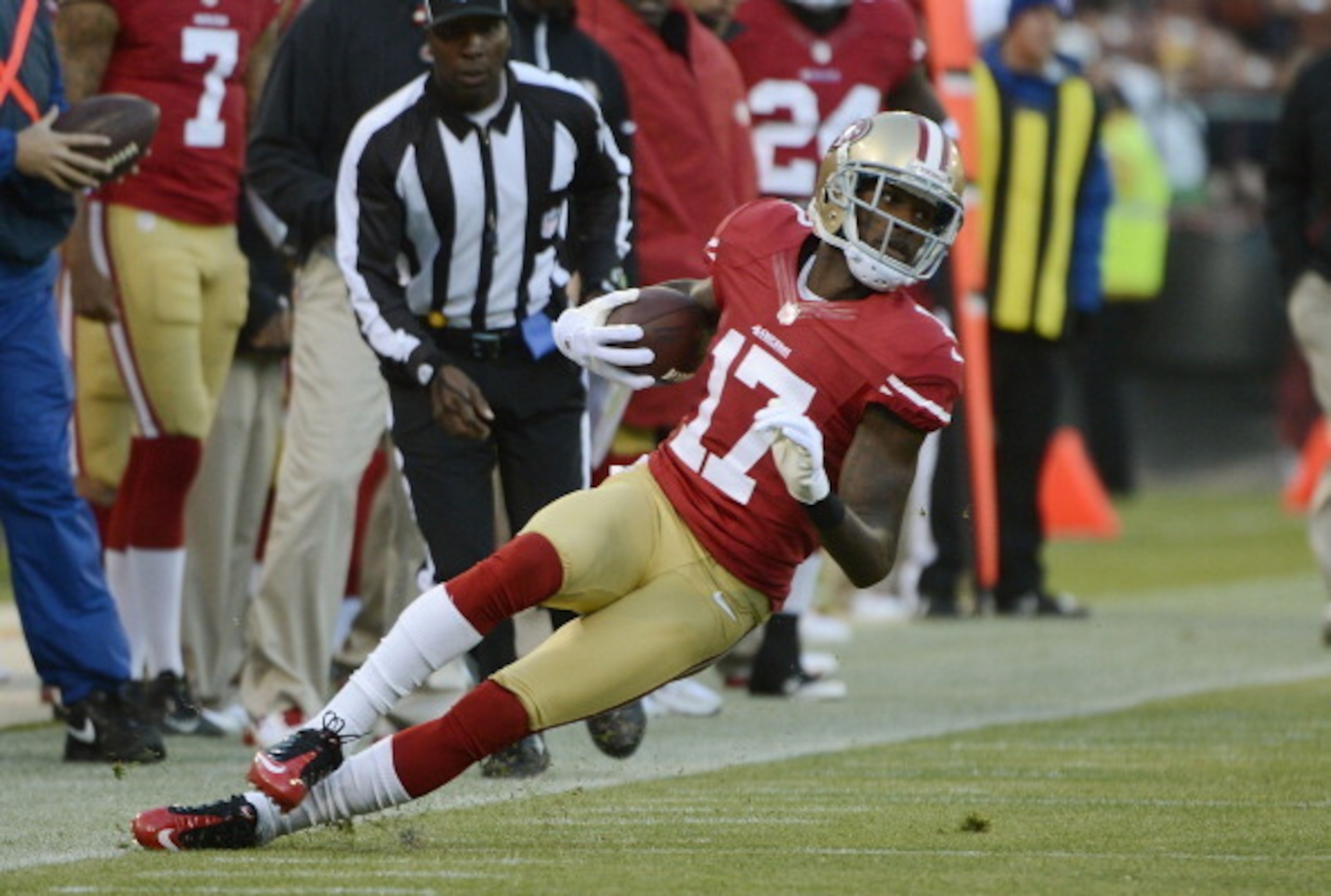
While the 49ers have had a great track record drafting defensive backs, the same can't be said for receivers or offensive skill-position players. A prime example is A.J. Jenkins, who was drafted in the first round of the 2012 NFL Draft.
The Jenkins selection was a slight reach by the 49ers, as he was projected to go somewhere in the second or third round. Ideally, his skill set was something the 49ers desired.
Jenkins was supposed to be the deep-threat option the 49ers desperately craved. Unfortunately, the 49ers have yet to fill this need, and you have to wonder if the Jenkins flop is making Baalke hesitant in making a similar move in the coming draft.
Whatever the reason, the 49ers have to acquire a receiver either in the draft or in free agency. Michael Crabtree is a free agent, and I certainly don't believe he will return after testing the market this offseason.
The 49ers also don't have any legitimate long-term options, with Anquan Boldin and Stevie Johnson possibly not returning after next season. Boldin's contract will come to a conclusion and Johnson won't return under his current deal.
We'll see if Baalke addresses this need either early in the draft or in free agency.
Success: Anthony Davis and Mike Iupati
3 of 5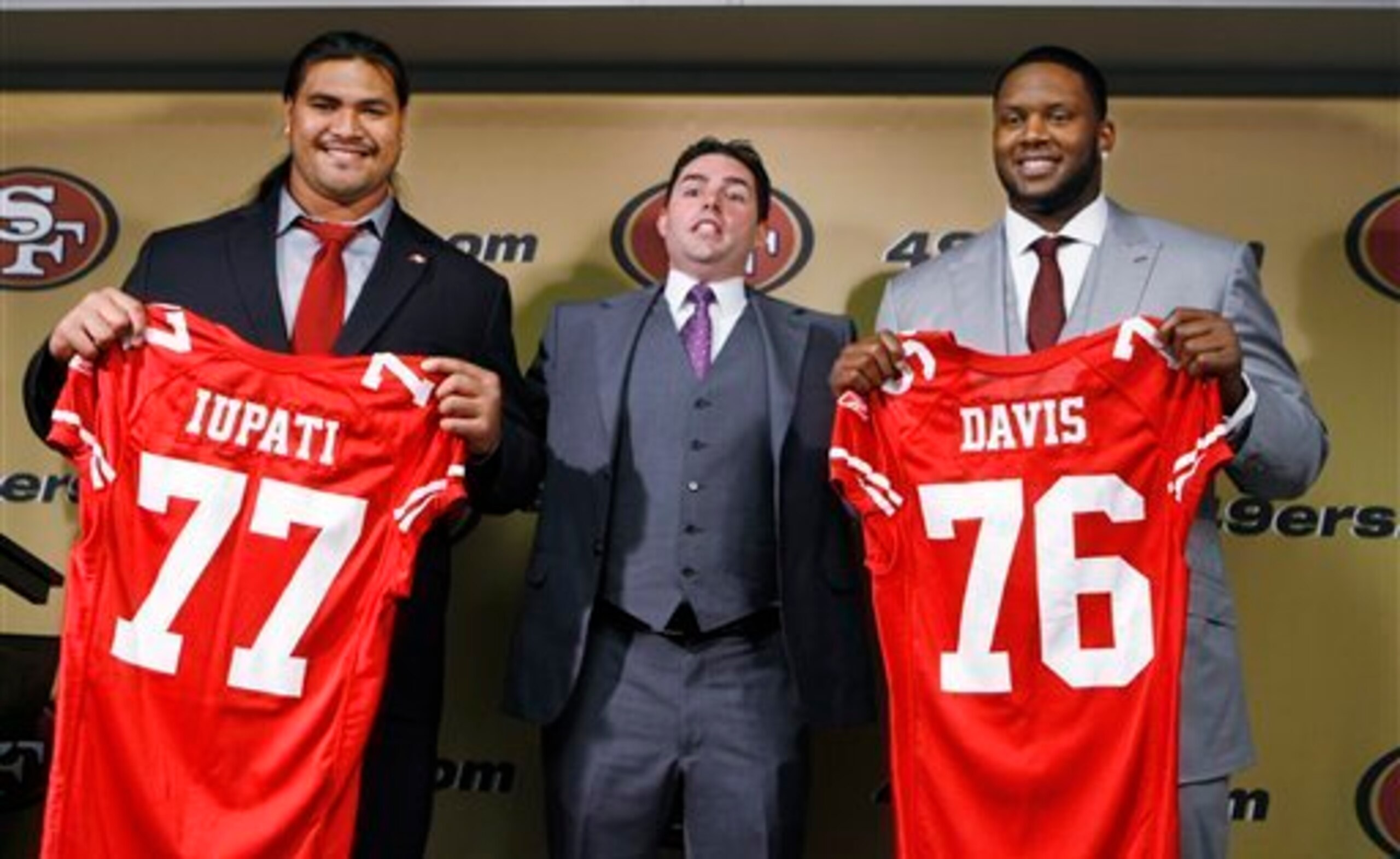
While Jim Harbaugh was still coaching at Stanford, Baalke was serving as the temporary GM after the abrupt departure of McCloughan. In his first draft as the head honcho, Baalke struck gold with Anthony Davis and Mike Iupati.
The 49ers wanted two big bodies up front to help reinforce their physical, run-first identity under Mike Singletary. Fortunately, Harbaugh ran a power scheme, so when the 49ers made a coaching change, his arrival didn't interfere with Baalke's recent draft selections.
We probably won't see Baalke following a similar strategy in this year's draft, but the 49ers could use some depth along the offensive line. The performance of the offensive line this season was abysmal, but it was more of an aberration.
More importantly, the 49ers could see Iupati departing in free agency. If so, adding another talented lineman or two early in the draft could really aid Kaepernick as he attempts improve in the pocket.

.jpg?w=2560 "Rams Eagles Football")
.jpg?w=2560 "Falcons Saints Football")
Failure: LaMichael James
4 of 5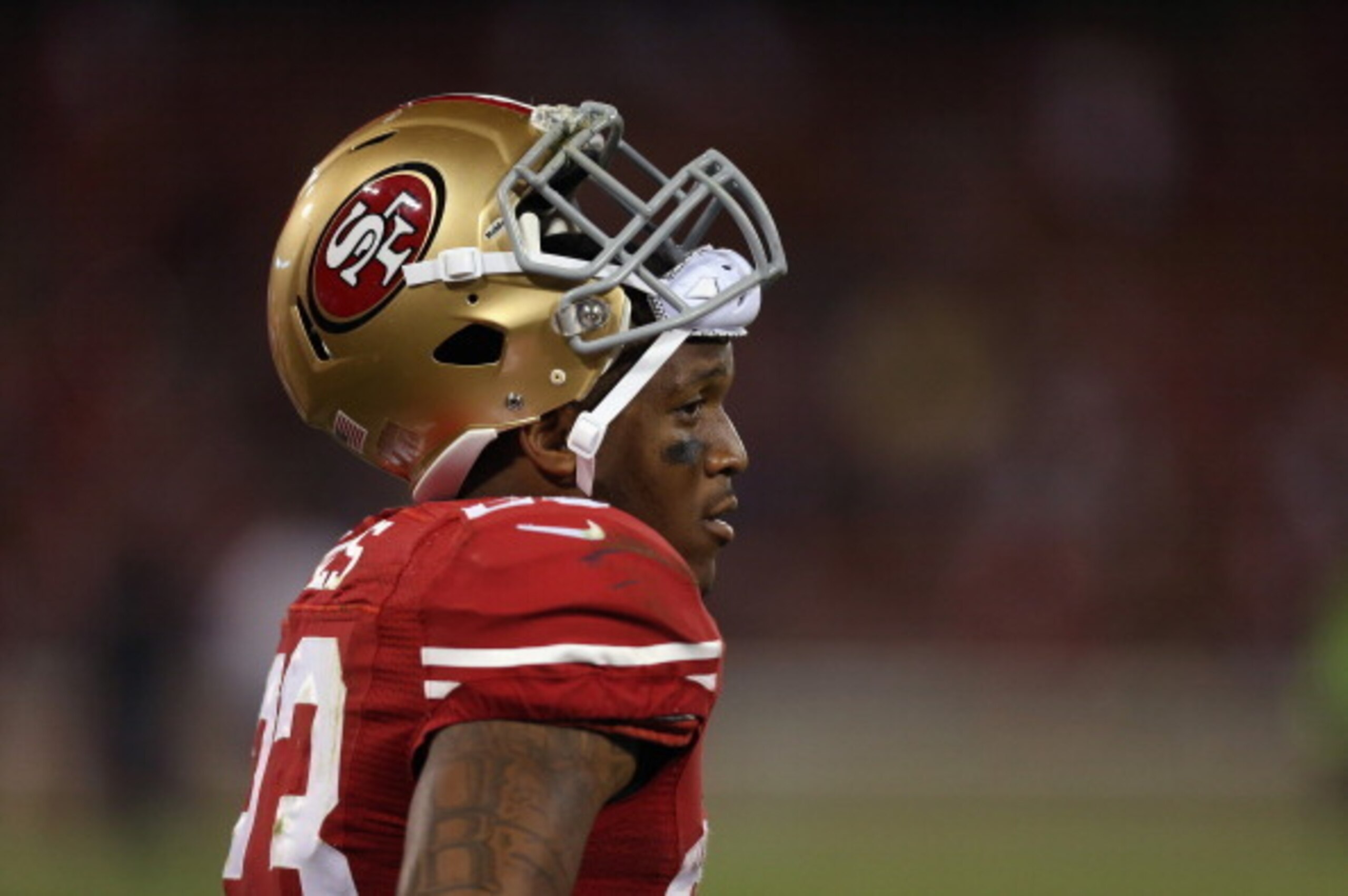
LaMichael James was supposed to bring an explosive element to the 49ers offense. The 49ers had such a physical running style with Frank Gore, and James would give them an excellent change-of-pace back.
Unfortunately, Baalke's plan didn't come to fruition, as James was released in 2014. If it makes Baalke feel better, he didn't have success elsewhere in the league and is currently a free agent.
The 49ers found out that James' speed was legitimate, but he was too small to play a significant role in the run game. James' vision seemed lacking, especially when running in between the tackles.
He did have some success in the return game, but his ball security issues made him hard to trust in this role.
While James wasn't a first round pick in 2012, Baalke did draft him relatively high in the second round. Honestly, we can put the entire 2012 draft on this list.
James should serve as an important lesson for Baalke. While speed is needed, it can also backfire if you aren't careful in your evaluations.
Success: Aaron Lynch
5 of 5
Forget just defensive backs; Baalke has had a lot of success drafting defensive players, especially linebackers. The 49ers are already stacked at the position, but Baalke still managed to find two young studs at linebacker in the 2014 NFL Draft.
Lynch could be in line for a full-time role if Ahmad Brooks is released or traded. As we saw last year, the sky is the limit with Lynch. The same can be said about Chris Borland, though he'll have a tougher time bypassing two future Hall of Fame linebackers in Patrick Willis and NaVorro Bowman.
We could see Baalke shift his attention to the defensive end position, where the 49ers could possibly have two new starters since 2010. If so, I expect Baalke to have similar success, especially with defensive line guru Jim Tomsula being promoted to head coach.
.jpg?w=2560 "Texans-Mixon Released Football")
.jpg?w=2560 "Commanders Eagles Football")
.jpg?w=2560 "Grading WWE Raw 🔠")



