

How Benjamin Stambouli Can Make Himself a Tottenham Regular
Rotation has been a key theme of Tottenham Hotspur head coach Mauricio Pochettino's selection policy this winter. An understandable response to a relentless schedule which has stretched a squad even relatively well-off for players.
While balancing these options and tweaking with the team has been prominent in Pochettino's management, he has also rewarded those who have consistently performed well for him. Christian Eriksen and Hugo Lloris are ever-presents in the Premier League. Nacer Chadli, Harry Kane and Ryan Mason, as well as centre-backs Federico Fazio and Jan Vertonghen, are among those to have earned more prominent roles over the course of the campaign.

.jpg?w=2560)

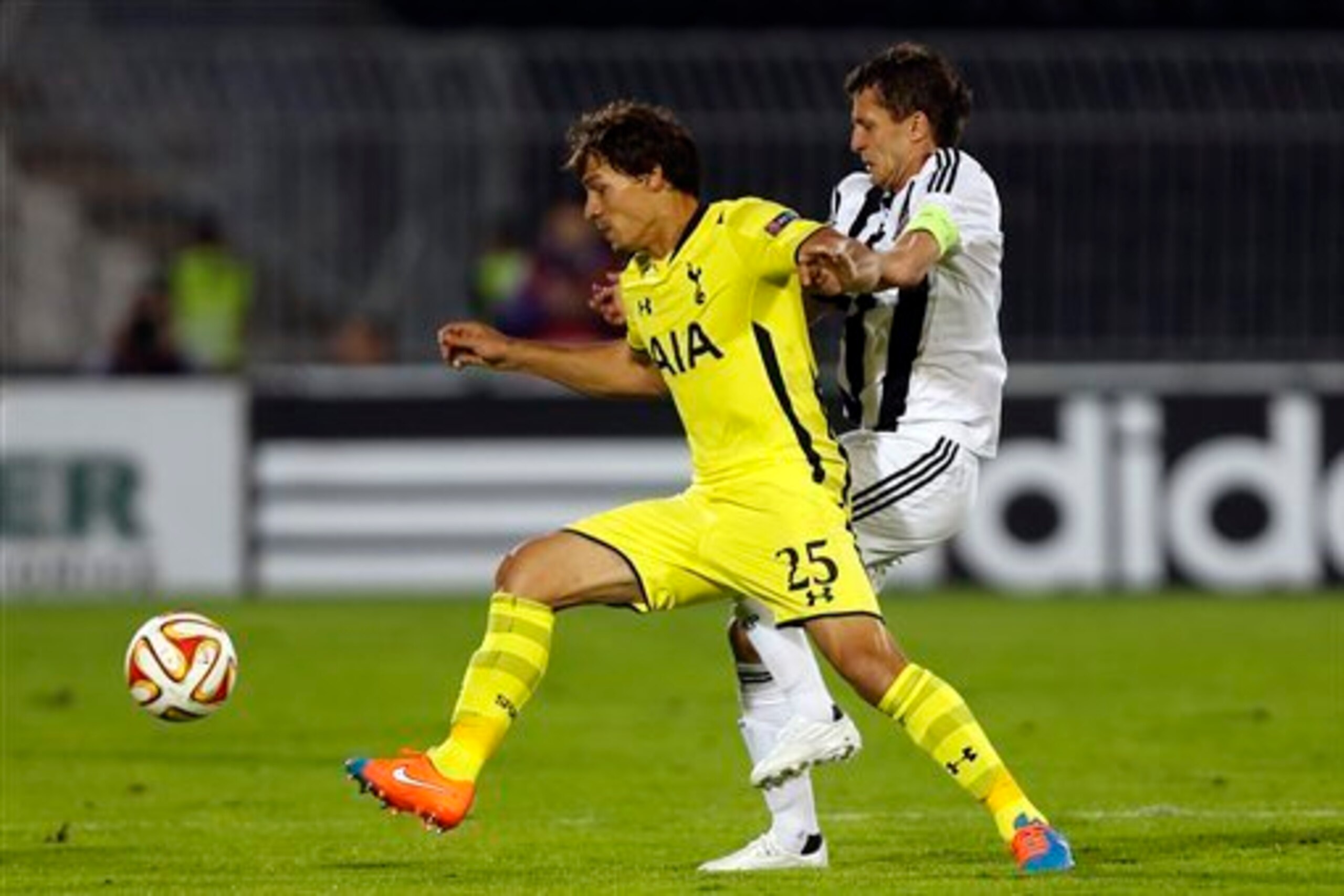
The decision to drop Benjamin Stambouli to the substitutes' bench for Saturday's win over West Bromwich Albion shows the Frenchman has not reached that point yet. But as one of Tottenham's most reliable performers in recent months, he is not far from making himself a regular.
After his substitute appearance in December's 2-1 away defeat of Swansea City, the hitherto cup-game contributor began to see more involvement in the league.
It was initially as cover for the then preeminent starting central midfield pair of Nabil Bentaleb and Mason. Stambouli did solid work during this Christmas period, well aware Bentaleb's impending international duty at the African Cup of Nations would afford him more opportunities in the New Year.
That has proved the case—Stambouli has featured in seven of Spurs' nine matches in 2015. Crucially for his prospects, there has been proof of progression even in that short time-span.
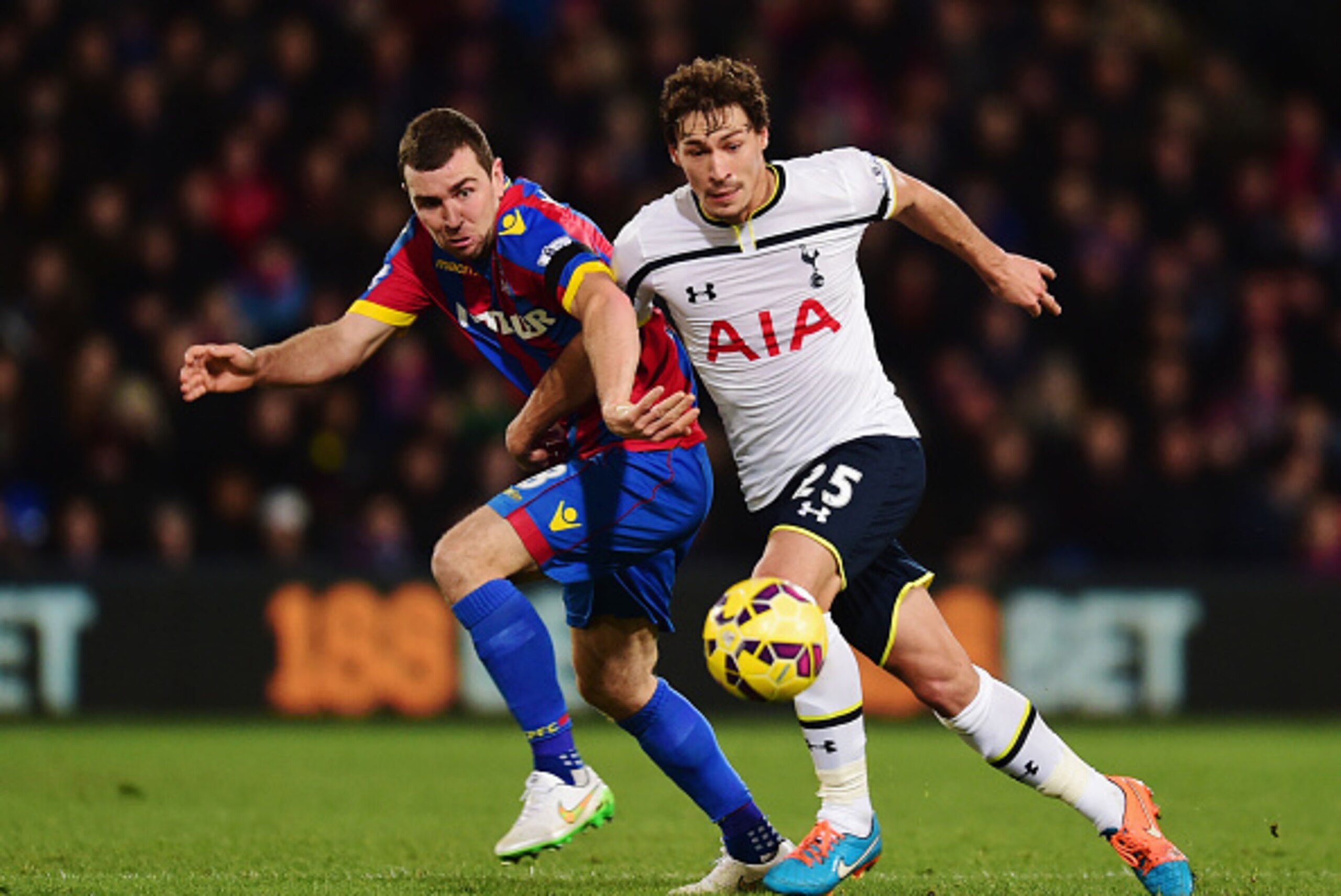
The away loss to Crystal Palace in particular proved a useful, if not entirely pleasant learning experience for the 24-year-old.
The aggressiveness and perseverance which are major elements of the defensive midfielder's game stood out in the combative London derby. So too, unfortunately, did his impetuousness. Although accounting for the dubiousness of the perceived foul, Stambouli gave away the penalty which allowed Palace back into the game and also received a third yellow card in three matches.
Already since then, the visible head-rush which occurred at times in his tackling has slowed. In four starts—three wins and a draw (albeit one which sealed Spurs' place in the Capital One Cup final)—he has not been booked.
A glimpse of the ball at an opponent's feet still stirs an urge in Stambouli to rob him, and the cleverer of those in possession anticipate it. Such moments occurred last Wednesday against Sheffield United and will continue to do so. But they were also augmented by choices he made to stand his ground instead, trapping others when their intentions became apparent.

The fact is, these lower-percentage duels are part of a midfielder's life. Stambouli's task is to get the better of as many of them as possible.
The statistics tallied on WhoScored.com are not entirely the best measure given the discrepancy in game time between Spurs midfielders. Nonetheless, the summer signing's status as the position's most successful tackler and interceptor are testament to his value as a key defensive presence. One who has proved more active than the willing but too reactive Etienne Capoue, the squad's other more natural holding midfield player.
Stambouli's individual development is obviously important to his chances of becoming a regular, but so too is how he performs in conjunction with his team-mates. His performance against Sheffield United suggests his existing aptitude here will stand him in good stead.
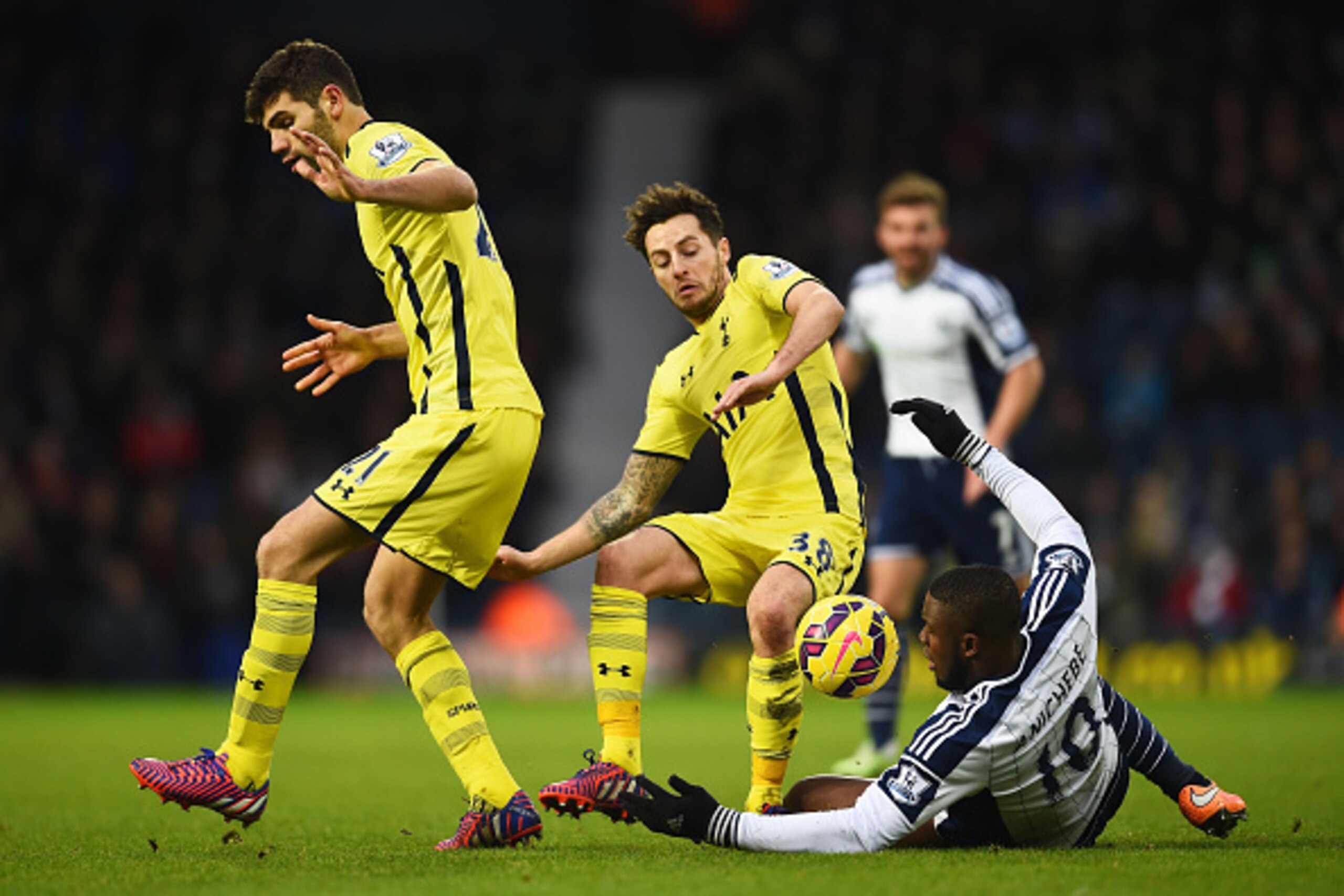
At Bramall Lane he was frequently seen orchestrating and cajoling the players around him. It is not as eye-catching as his tackling, but the way he and Mason squeezed the space on either side was key in stifling the Blades' attempts to penetrate down the flanks. Stambouli shuttling sideways to cover for right-back Kyle Walker also helped here.
It was no coincidence the regression of Spurs' control and the increased laxness of their post-interval shape and discipline (in fairness it was probably partly informed by tiredness) contributed to Sheffield United going level. Left-back Ben Davies might have done better stopping the crosses from which Che Adams scored, but the comparative lack of protection did not help.
It certainly gives the midfielders something to work on.
Though Stambouli's replacement Paulinho ultimately did a decent enough job at West Brom, there was less cohesion between him and Mason. Although in part because their midfield partnership was a relatively untested one, it was also clear neither quite share Stambouli's more natural protective instincts.
Bentaleb's return later in February and the improved January form of Mousa Dembele and Paulinho, all more attack-minded or finesse-oriented midfielders, means Pochettino has plenty to work with in deciding who starts alongside the all-rounder mainstay Mason. Stambouli's main strengths are on the back-foot, but his good pass success rate and ability to drive his team on might help sway things in his favour.
Like Chadli's brace in the 4-0 win over Queens Park Rangers, or Mason's game-salvaging substitute appearance against Nottingham Forest, the argument which might ultimately convince his boss Stambouli warrants more match time might come in just one day.
Given the calibre of opposition Tottenham face in the coming weeks, Stambouli is likely going get the chance to underline his worth to Pochettino. Certainly for the club's supporters, the north London derby this Saturday is as good a place as any to produce it.
.jpg?w=2560 "Falcons Saints Football")
.jpg?w=2560 "Rams Eagles Football")
.jpg?w=2560 "Injury-stricken Seahawks signing veteran RB")


.jpg?w=2560 "2 NFL Officials Suspended")
