Miami Heat Playing with Depth-Chart Fire Behind Dwyane Wade
Dwyane Wade has been rolling along lately for the struggling Miami Heat.
Since sitting out against the Boston Celtics on Dec. 21, the shooting guard has suited up in all seven of his team's games, spending an average of 33.4 minutes on the court. And during that stretch, he's put up 23.4 points, 4.0 rebounds and 5.9 assists during the typical outing, shooting 47.3 percent from the field in the process.
There really hasn't been any sign of a significant decline. Or any decline, for that matter.

In fact, the maintenance plans that so many expected haven't even been put into practice. Wade hasn't been sitting out on the second night of back-to-back games. He hasn't required random days off in order to keep his joints fresh. He's only missed a significant period of time when he was dealing with an iffy hamstring.
But the Heat are still playing with fire.
We've seen how quickly Wade can regress when injuries strike, and we've also seen just how frequently they've affected him in previous seasons. Miami was already a rather thin organization this season, and now it's taking away some of the precious depth that was behind Wade.
It's a dangerous game the Heat are playing.
Letting Go of Andre Dawkins
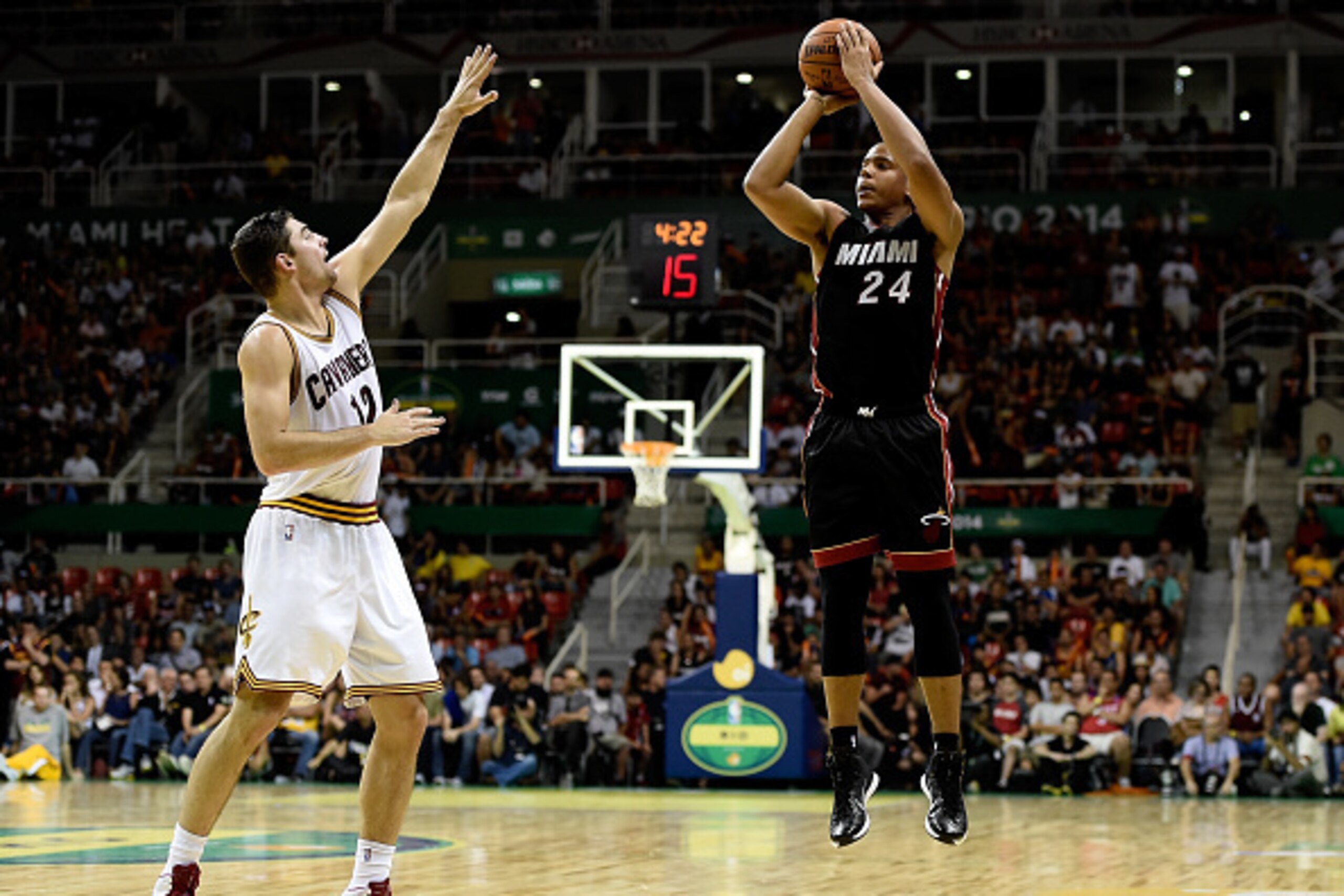
Andre Wade Dawkins—yes, that's his middle name—was by no means a key player for the Heat.
During his rookie season after going undrafted out of Duke, he'd suited up in only four games, playing a total of 22 minutes. His contributions—not his per-contest averages, mind you—were just three points, two rebounds, one assist, one turnover and three personal fouls.
Now, via NBA.com, the team is waiving Dawkins shortly before his non-guaranteed contract was set to lose the prefix and remain on the books throughout the rest of the 2014-15 campaign.
"We liked 'Doc' and the development he was making," head coach Erik Spoelstra said about the 2-guard's release, per Surya Fernandez of Fox Sports Florida. "Right now it makes more sense for us to have some flexibility."
Flexibility? That's probably the reason, but it's at least worth noting that there may only have been room for one Wade on the team. The All-Star version was the one the Heat obviously chose to keep around.

As Fernandez explains, "Tuesday marked the first day NBA teams can sign players to 10-day contracts. As far as whether any further moves were pending to fill the newly created roster slot, Spoelstra insisted 'nothing is imminent.'"
But is the ability to use a 10-day contract really worth letting go of the one and only true backup for Wade? The Heat need a body—however ineffective and underutilized that body may have been—behind the veteran 2-guard, and now they're left with a handful of players who have to go out of position in order to back him up.
Remaining Options
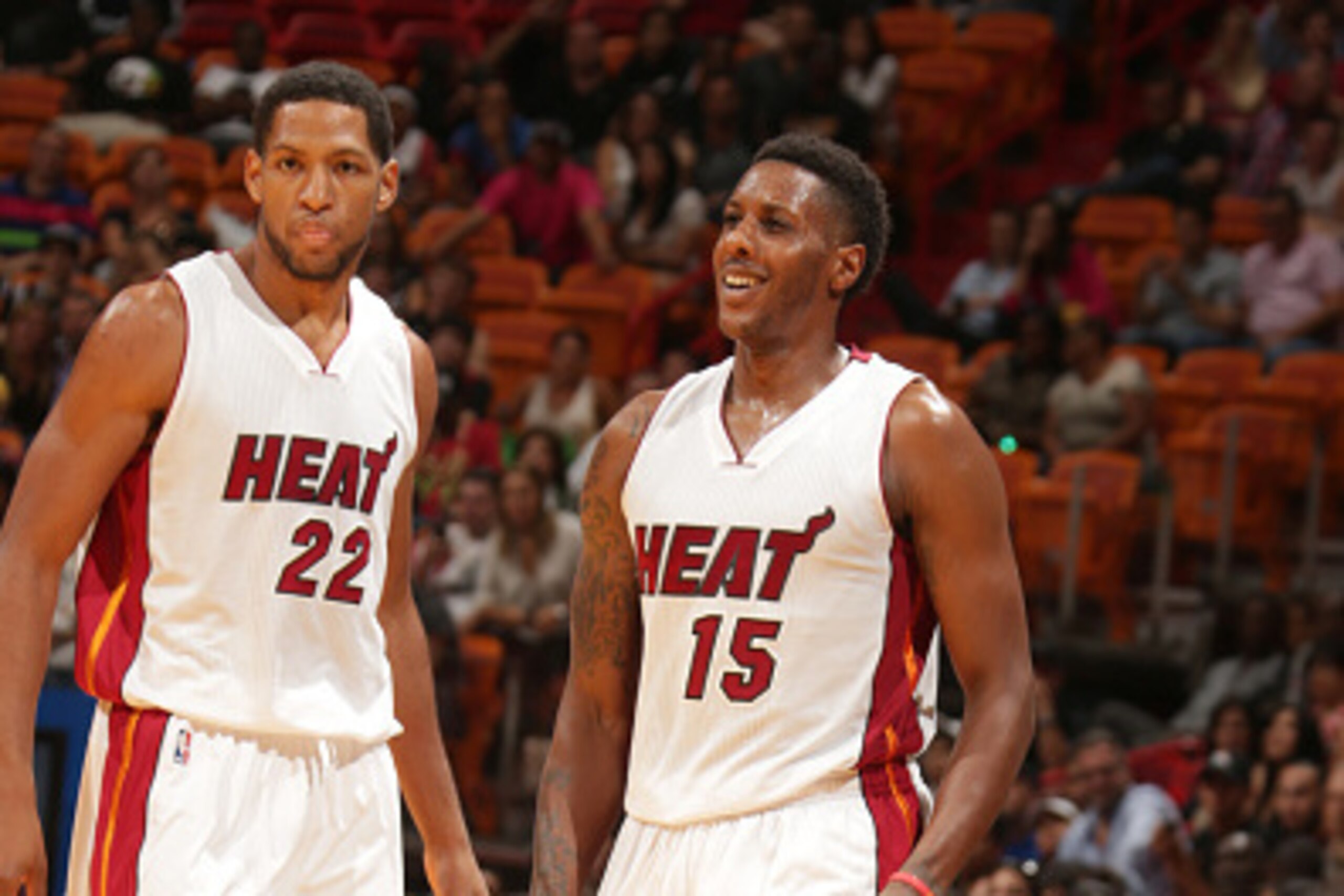
As Ira Winderman writes for the South Florida Sun Sentinel, the Heat have to think about finding a true backup shooting guard, simply because they don't actually have one on the roster right now:
"I agree a true backup shooting guard is essential, especially with Dwyane Wade likely to miss more time. For all of the Heat's offseason planning and remodeling, it remains somewhat baffling that the options at shooting guard have been limited to since-departed Shannon Brown and Andre Dawkins, rookie James Ennis, an out-of-position [Mario] Chalmers and Danny Granger, who lacks the quickness and foot speed to play in the backcourt.
"
When Wade needs time off, the Heat's best option may well be James Ennis, even though he's a natural small forward.
That said, the uber-athletic wing player has struggled during his limited playing time. While he appeared to be a potential breakout player during the preseason, drilling his deep attempts and dunking with ferocity while racking up high-scoring outings, he's been much less impressive now that the games actually matter and the level of competition is significantly higher.
Playing 14.1 minutes per game in his 31 appearances, the Long Beach State product has averaged 10.1 points, 5.8 rebounds and 1.7 assists per 36 minutes while shooting 41.1 percent from the field and 31.3 percent from beyond the arc. His player efficiency rating, via Basketball-Reference.com, is just 13.0, slightly below the league-average mark of 15.
Lately, Ennis has been spending entire games on the bench, as it's tough for the Heat to rely on him when they so desperately need wins to stay in the thick of the playoff hunt. But beyond him, the options for spelling Wade are even more limited.
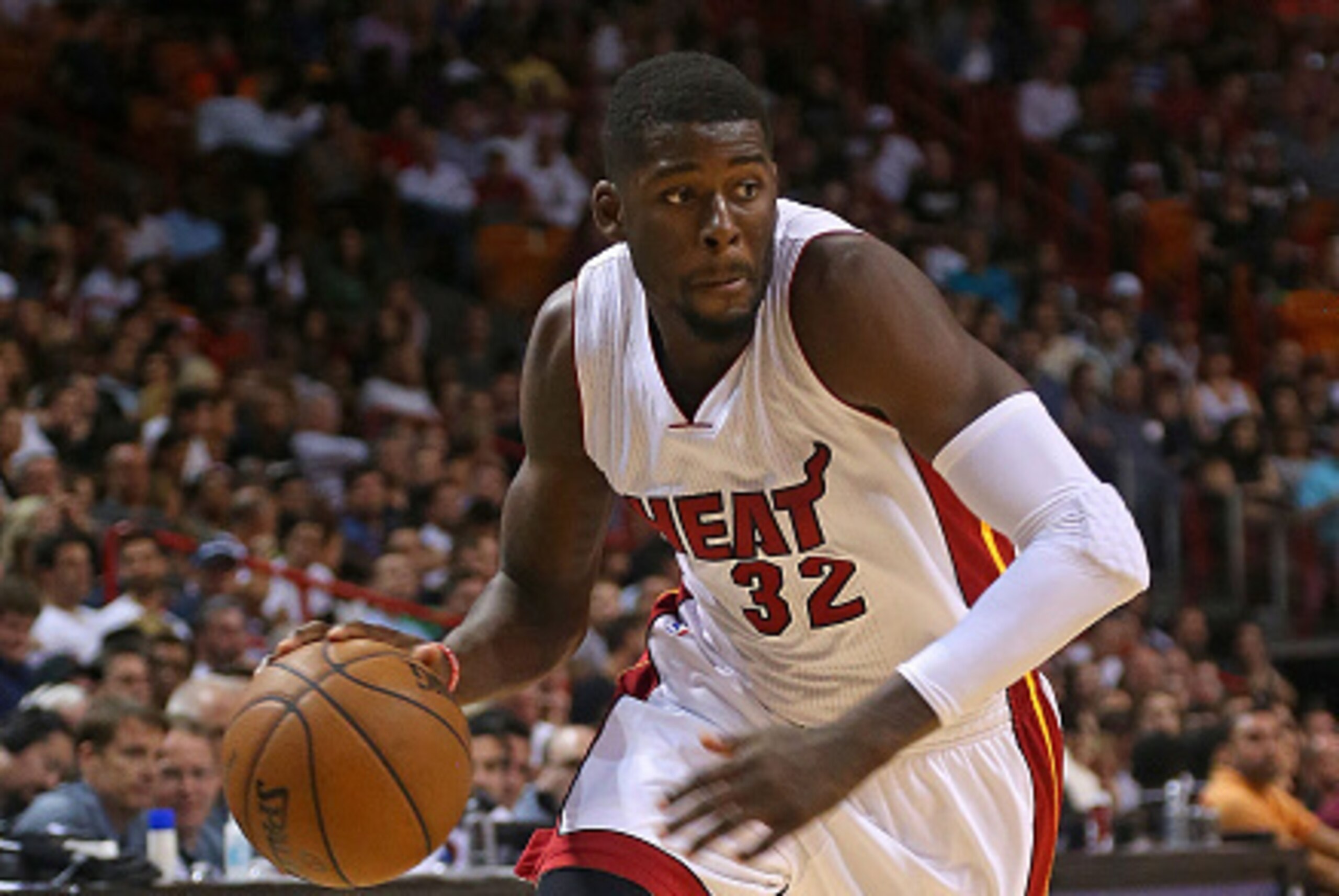
The Heat can use a dual-PG system, throwing Norris Cole and Mario Chalmers (or Shabazz Napier now that he's been recalled from the D-League) onto the court at the same time, but they give up a lot of size when they do so. Danny Granger, as Winderman mentioned, is the other option, but he really is far too slow at this stage of his career to make a big impact in the backcourt.
All of this matters.
Wade can't play Jimmy Butler minutes, spending the vast majority of the game on the court. Frankly, it's surprising that the Heat are giving him more than 32 minutes per contest, keeping his playing time right in line with where it was last season. They're left filling the void for about 15 minutes on the average night, and they're doing so with less-than-stellar options.
And when Wade needs a day off? Well, the last time that happened, the Heat had to start both Cole and Chalmers while giving Ennis over 26 minutes of run.
In a vacuum, cutting Dawkins isn't a big deal. It's a fairly insignificant move that opens up roster flexibility and avoids letting his contract become guaranteed while he wastes away on the pine, and it also affords him the opportunity to ply his trade elsewhere.
But when there's this little depth behind an oft-injured veteran who can't be expected to suit up during each and every game, an insurance policy and capable body is nice to have.
Is It Time for a Move?

Making a trade would be nonsensical for these Heat.
The few assets at their disposal aren't worth giving up, as doing so would just thin out other positions. Sure, Miami could deal Chris Andersen, but then the center position is problematic and leaves the team relying on young options who have by no means proved themselves (Hassan Whiteside and Justin Hamilton, for example).
It all comes down to what the Heat feel they can do this season. And they shouldn't be all that optimistic about their hopes, as they're well behind the elite teams in the Eastern Conference and will have their work cut out just to make the playoffs, as that requires getting off the schneid and holding off the surging Detroit Pistons. Instead, it's better to continue focusing on this upcoming offseason, when Pat Riley can make moves that strengthen the team's prospects for the 2015-16 campaign.
So, what's to be done?
Holding tight is asking for trouble, even if trading is a bad idea as well.
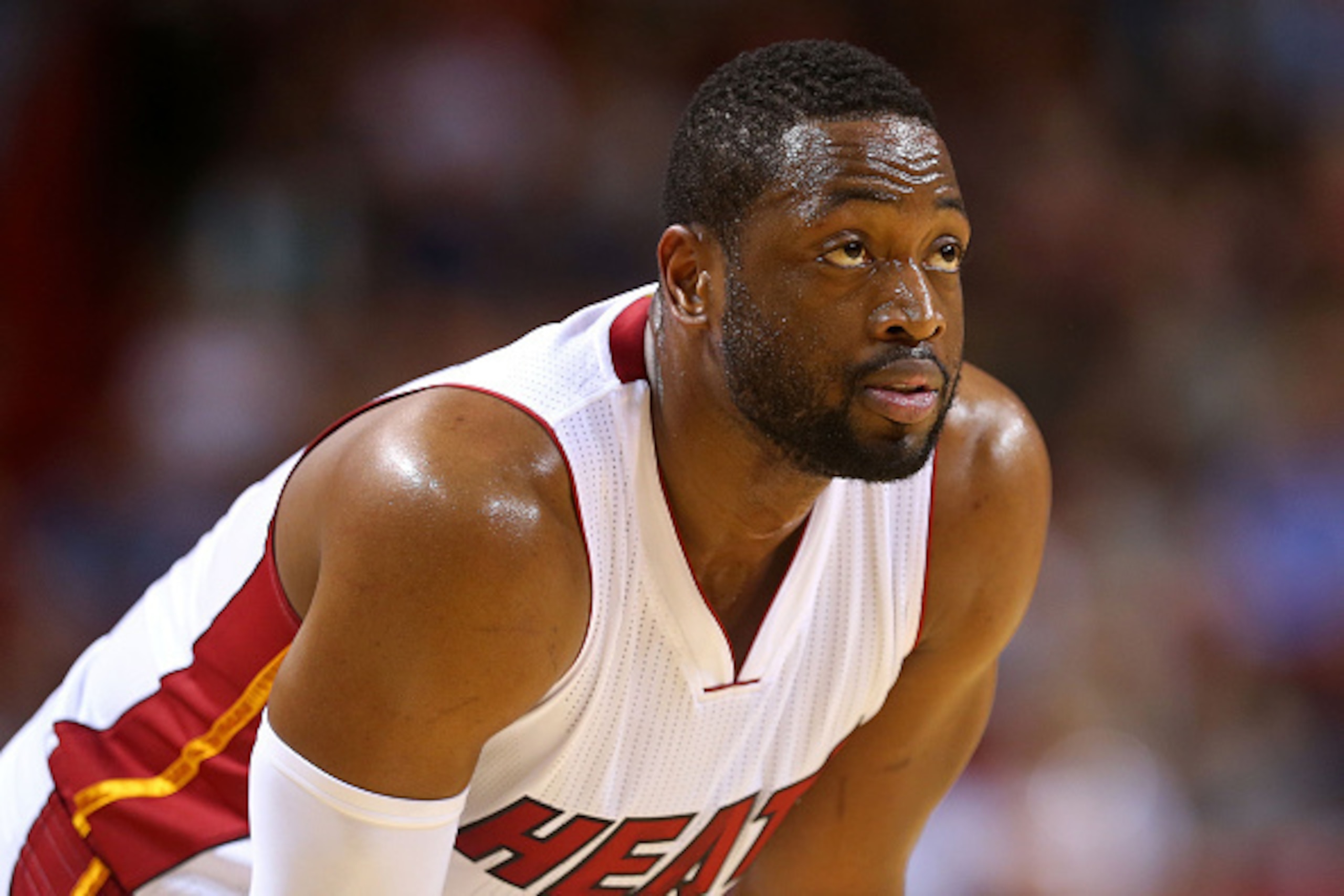
Wade needs another insurance policy behind him, if only because it will prevent him from feeling the need to rack up too many heavy-minute outings while allowing him freedom to take a night off if his body demands it. And he has to be thinking about next season as well, as it would be disastrous if he wore himself down during what's essentially an irrelevant year.
The Heat's best move isn't an exciting one.
They just need to find a capable shooting guard or combo guard and sign him to a 10-day contract, then hope he sticks. For example, Nate Wolters—once he's waived by the Milwaukee Bucks, as Yahoo Sports' Adrian Wojnarowski reports could happen—would be a great option. If he doesn't pass muster, move on to the next target. But, however many tries it takes, ensure that there's always a healthy body serving as a seldom-used backup for Wade.
With a roster this thin, they're asking for trouble. And when you play with fire, even when you're named the Heat and use a flaming basketball as a logo, you're bound to get burned.
.jpg?w=2560 "Chiefs, Steelers Eye WR Trades")