Arsenal vs. Hull City: Mertesacker Stars in Gunners' FA Cup Win
Speed was the name of the game as Arsenal started with a wave of traditional English wingers in Theo Walcott, Joel Campbell, Francis Coquelin and Alexis Sanchez. The north Londoners grabbed a 2-0 victory at the Emirates to survive a rematch with last year’s co-finalists, Hull City, in the third round of this year’s FA Cup.
Though the Gunners were in the ascendancy for the majority of the match, the scoreline only told half the story. Arsenal’s success on the night did not come from Hull’s ineffective tactics or Sanchez’s heroics (although both played a part) so much as from the north London club’s decision to embrace its own DNA.



Instead of parking the bus and converting attackers to defenders to protect their early advantage, Arsenal played to their strengths and looked to go forward at every opportunity for the full 90 minutes. Despite a handful of dangerous offensives from Hull that might have made other sides think twice about continually throwing so many of their own men forward, the Gunners reaffirmed their best form of defense is a fearless offense.
Yannick Sagbo was just barely caught offside in the fourth minute when he made a direct run at David Ospina’s goal through the shoulders of the woefully outpaced Per Mertesacker and Nacho Monreal. Almost immediately afterward, Campbell had an onside one-on-one with Steve Harper at the other end of the pitch, only to see his tame shot deflected to safety by the Hull ‘keeper.
The fact the pace of the match dropped off significantly from both sides following each team’s first attempt at goal suggested Arsene Wenger was content to play a counterattacking blitz, rather than press the Hull back line high as a team.
Given the center-back pairing’s habit of recovering with the same speed as Baywatch lifeguards, it was wise of Wenger to allow Hull a little extra time in possession in their own half if it meant his side would be able to find its shape and effectively suffocate opposition passing in the midfield.
Going forward, Arsenal had two options for capitalizing on their pace advantage. They could hit Hull on the break by getting the ball to Santi Cazorla in the central attacking-midfield position, where he could then pick out a pass to central-forward Sanchez or one of the streaking wingers exploding into the open flanks in the attacking third.

Alternatively, if the break wasn’t on, the Gunners could take a more controlled approach by moving the ball up the field with their wing-backs, passing it centrally for Cazorla or Tomas Rosicky, then quickly having one of those playmakers slide a diagonal through ball out to a winger as he cut toward goal.
Either way, Wenger had his side set up for a vintage Arsenal attack with quick passing and even quicker darting runs. They sought to exploit either the open spaces that already existed in the opposition’s defense or, if Hull managed to recover their shape in defense, to make some of spaces of their own by expanding, contracting and then quickly re-expanding the width of the field with quick passing as they sprang on goal.
This strategy worked well to create a variety of opportunities for the Gunners in the first half, but, ironically, their first goal actually came from a Mertesacker header off a set piece in the 20th minute.
In retrospect, it’s almost comical a lumbering center-back—who, next to their ‘keeper, is the last player Arsenal would want to see frequently on the ball in this match—managed to break the deadlock in this pacey side. (This is especially true, given the emphasis Wenger’s tactics placed on his wingers and creative midfielders in an attempt to keep the ball away from his vulnerable center-backs.)
But in another more poignant way, Mertesacker’s goal really hammers home an important lesson Wenger often seems to forget.
Wenger too often refuses to trust in his players’ tried and proven strengths. His side is an attacking side by nature. His side is a fast side. He knows this because he scouted these players, he signed these players and he’s seen how well these players perform when they’re used in the right scenarios.
Too often, however, Wenger has shifted his side into a defensive mentality when he has a slim lead, only to watch that lead disappear in embarrassing fashion. He subs on defensive players for forwards (he often subbed on Monreal for a winger in the first half of the season when the Gunners had the lead) and tells attackers to drop back in numbers to help on defense.
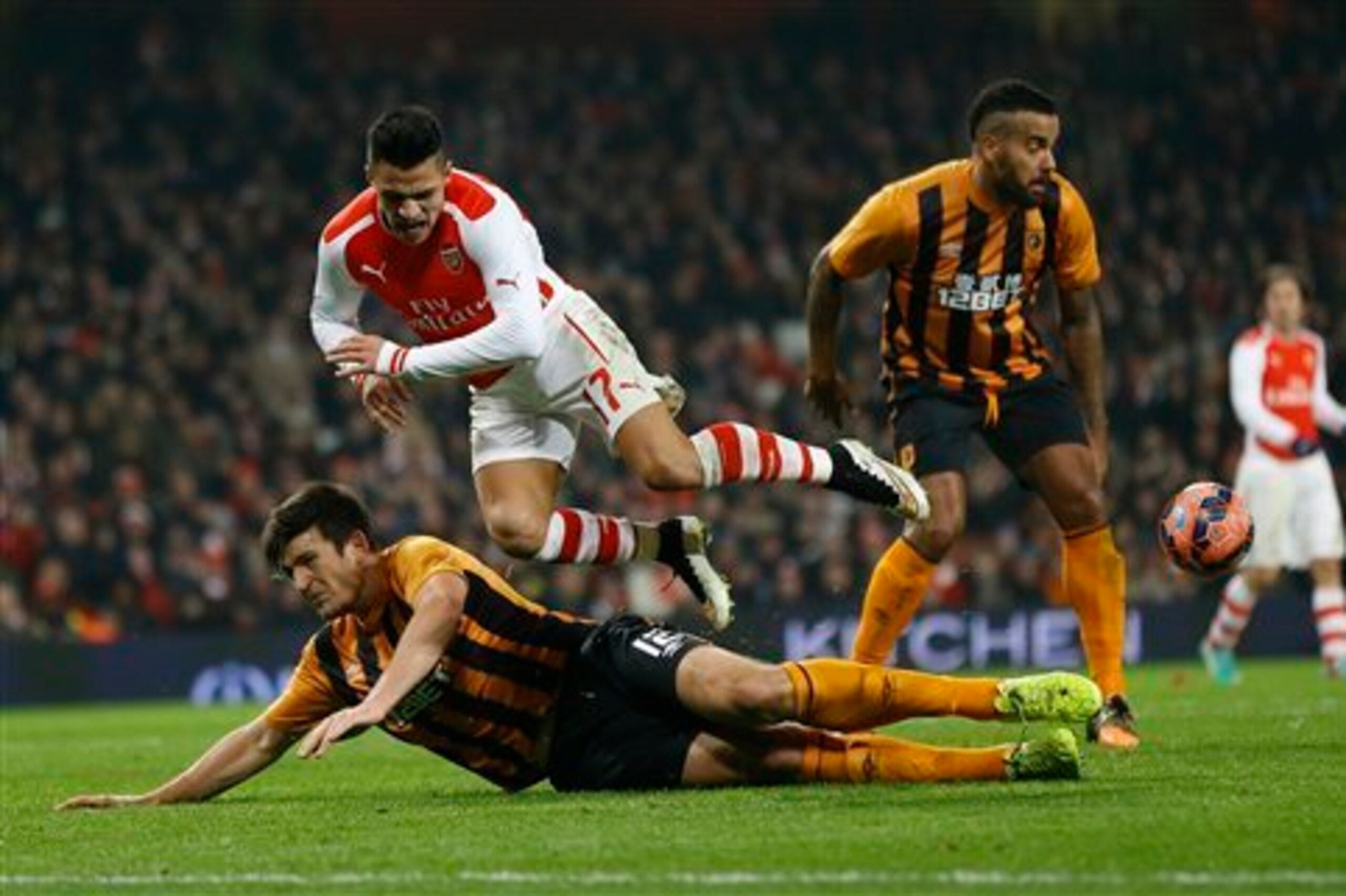
The problem is Arsenal are not a strong defensive team—not elite, anyway. They are a shark that is only consistently effective going forward. Telling forwards to drop back adds more bodies, sure, but not more defensive steel (Sanchez excluded, of course).
Instead of shoring up the defense, Wenger’s instructions put his defense under more pressure without the possibility of reprieve through an attacking release valve (or even the threat of one) that would make the opposition play more conservatively instead of throwing everyone forward against a weak Gunners back line.
This is where Mertesacker’s goal today comes in. Simply put: The big German is at his best when using his size in the box. Whether scoring with a header, like he did today, or clearing an opposition cross from inside his own 18, Mertesacker’s contributions should be limited to those scenarios as much as possible.
In other words, Wenger’s job is to maximize his players’ positive attributes and de-emphasize their shortcomings. That sounds pretty obvious, right? Well, it doesn’t always seem to occur to the manager. Injuries and suspensions always play a roll in forcing a manager’s hand, but there’s no reason Wenger shouldn’t consistently be setting up his side like he did today.
Today, Arsenal de-emphasized their vulnerable center-backs by starting outside attacks from wide positions. They took advantage of their blazing wingers by moving the ball centrally once they got into their opponent’s half, forcing Hull to collapse inside to defend the threat of Cazorla, then they played it back out wide to those now-open wingers to run on goal.
Mertesacker was not expected to dwell on the ball and pick out a cross-field pass like Gerard Pique, because that is not his strength. His job was basically limited to defending corners and scoring from them—and, thanks to Wenger’s tactical setup, the German was able to focus on those two duties alone and perform them both beautifully.
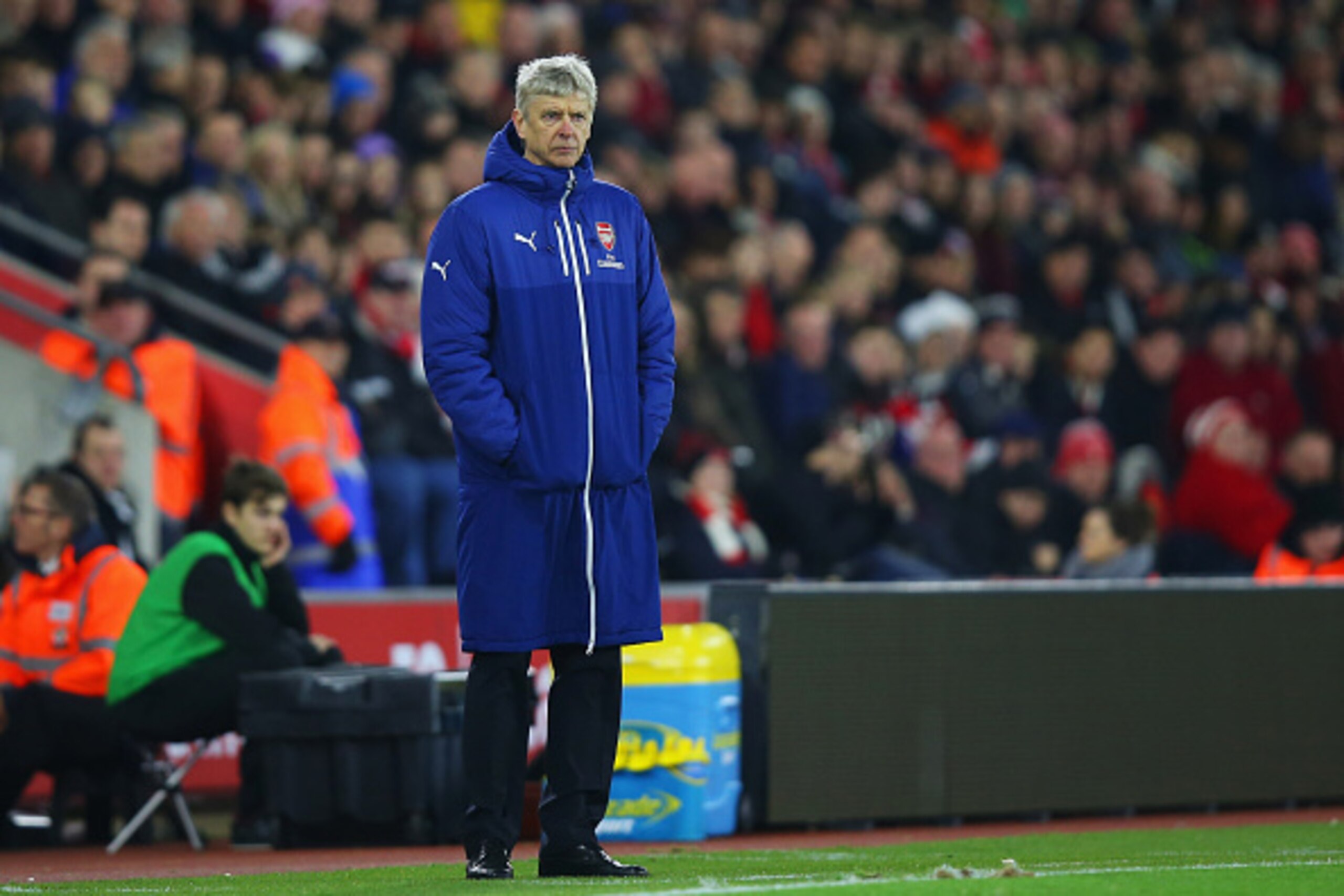
Today, Wenger didn’t ask his players to do anything other than what they were used to doing, and that is exactly why Arsenal won. When their forwards have the freedom and encouragement to attack and their defenders feature as little as possible, the Gunners are set up to succeed.
Now, you could say this about any side—that teams that spend more time with possession in the attacking half are obviously less likely to concede goals because their opponent will have fewer opportunities to score. But the point here is not about ratios or stats, it’s about Arsenal being disproportionately better at attacking than defending (think last season’s Liverpool). It’s about the fact they lose their identity when Wenger asks them to do anything else and become utterly unsound as a team (think this season’s Champions League).
If Arsenal want to keep winning, they have to shift their mentality from a fear of losing to a hunger for goals at all costs, like they did today. Wenger didn't build this Gunners team to be conservative—it's just not in their DNA.



.jpg?w=2560 "Terrell Owens Being Sued for Defamation")
.jpg?w=2560 "CJGJ Shares Cryptic Post 🤔")
.jpg?w=2560 "Buyers or Sellers for NFL's Most Surprising Teams 🏈")