

Tyson Chandler Has Left the Noise Behind to Become a Leader Once Again
When trading Tyson Chandler to the Dallas Mavericks, the New York Knicks probably assumed they were getting rid of damaged goods. As Chandler continues to produce one of the best seasons of his career in 2014-15, that perception appears highly inaccurate in retrospect.
The relationship between Chandler, 32, and the Knicks, at least as portrayed by the media, had been cracking for a while leading up to the trade. It all blew over in the 2013 NBA playoffs, when Chandler called out his team following a bad Game 3 loss to the Indiana Pacers.
A frustrated Chandler told media in 2013, according to Frank Isola of the New York Daily News:
TOP NEWS

Pic of LeBron's Helicopter Commute 🚁

Duren Calls Out 'False' Rumors

NBA Power Rankings Entering Preseason 🔢
"I watched the tape myself and there are open looks. We have to be willing passers. You have to sacrifice yourself sometimes for the betterment of the team and for the betterment of your teammates. So when you drive in the paint and you draw, you kick it. I think we need to do a better job of allowing the game to dictate who takes the shots and not the individuals.
"
Even though his comments were accurate—the Knicks offense consisted of an abundance of isolation plays, a bad recipe to break down an elite defense—he himself became a target for criticism.
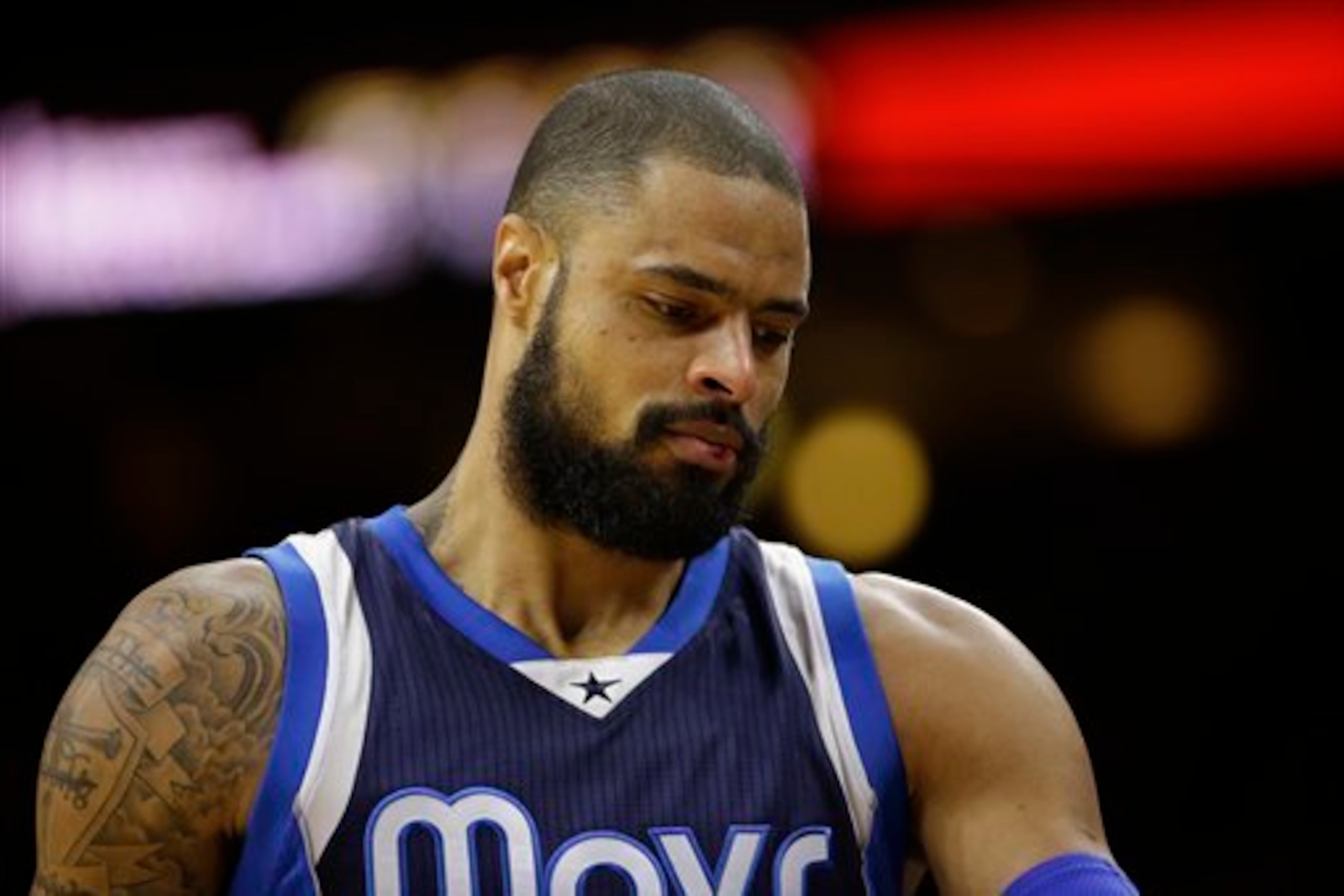
Critics pointed out that Chandler, who was dominated by the Pacers' Roy Hibbert in that particular game, hadn't exactly been doing a great job himself. His comments became a hot topic, and he was portrayed as a bad influence in the locker room.
The 7'1" Chandler, who struggled with some injuries during his final years in New York, never defended his own performance. What did grind his gears was how the perception of the one thing he prides himself on was distorted.
When Knicks general manager, Phil Jackson, commented on his decision to trade Chandler, he cited chemistry issues as the primary reason. It didn't take Chandler long to fire back and defend his stance.
Chandler said before this season, according to ESPNDallas.com's Tim MacMahon:
"I did nothing but try to help the culture there the three years I was there. You can say I didn't live up to whatever or you didn't like the way I played or anything. But to ever question who I am and the type of leader I am in the locker room, I don't even know where that came from.
"
Chandler was genuinely shocked and hurt by the comments, and he was very adamant while shooting down the allegations. He has always considered himself a true professional, a leader and a guy who lobbies for things to be done the right way. Until his time in New York, those qualities were never questioned.
Chandler said, according to MacMahon:
"It makes no sense. If you call holding people accountable daily being a bad influence, then hey, I'm a bad influence. But I'm going to be that as long as I'm going to strap up my shoes and step on the basketball court. And that was the big problem there.
"
Under the bright lights in New York, everything is made out to be a bigger deal than it actually is. Now that Chandler is back in Dallas, those same qualities that were criticized are highly appreciated in a veteran locker room. Chandler has the pedigree to hold guys accountable when they blow a defensive rotation, without facing backlash or a media uproar.
Last season, the Knicks were statistically worse defensively with Chandler on the floor. This season, Dallas allows an incredible 6.8 points per 100 possessions less with the starting center on the court.

It's pretty clear Chandler isn't damaged goods, as he has thrived in a more organized environment. Other than being the defensive anchor, his skill set has been a perfect match in the Mavericks' league-best offense.
He is shooting 69.5 percent from the field while putting up 10.8 points and grabbing 11.7 rebounds per game. Dallas head coach Rick Carlisle believes his starting center returned as an overall better player than he was in his previous stint with the Mavs.
"He's a better basketball player now," coach Carlisle said, according to ESPNDallas.com's MacMahon. "He's more skilled, he shoots the ball better, he's more experienced."
At this stage of his career, Chandler still possesses great athleticism while being equipped with more game knowledge than ever.
"I've grown mentally, understanding the game better," Chandler said, according to MacMahon. "I have more confidence in myself and what I'm capable of doing out there. I think that's the biggest thing."
It's not particularly surprising that Chandler is doing so well. Other than the situation in New York being relatively toxic in the last couple of years, the style of the team really didn't fit him.
He had a lot of poor defenders around him and simply couldn't make up for all the lapses, especially while struggling with injuries. Offensively, he wasn't involved nearly as much as he'd like.

The 2013-14 Knicks ranked 23rd in the league in passes and 28th in assists per game. They ran a ton of isolation plays for Carmelo Anthony and J.R. Smith, instead of keeping Chandler involved in pick-and-rolls more often.
Dallas' offensive system is completely different. Even though the Mavericks primarily look for their guards to attack the basket, most of the players are excellent passers. The Mavs collectively dish out 23.8 assists per game, the seventh-best figure in the league this season.
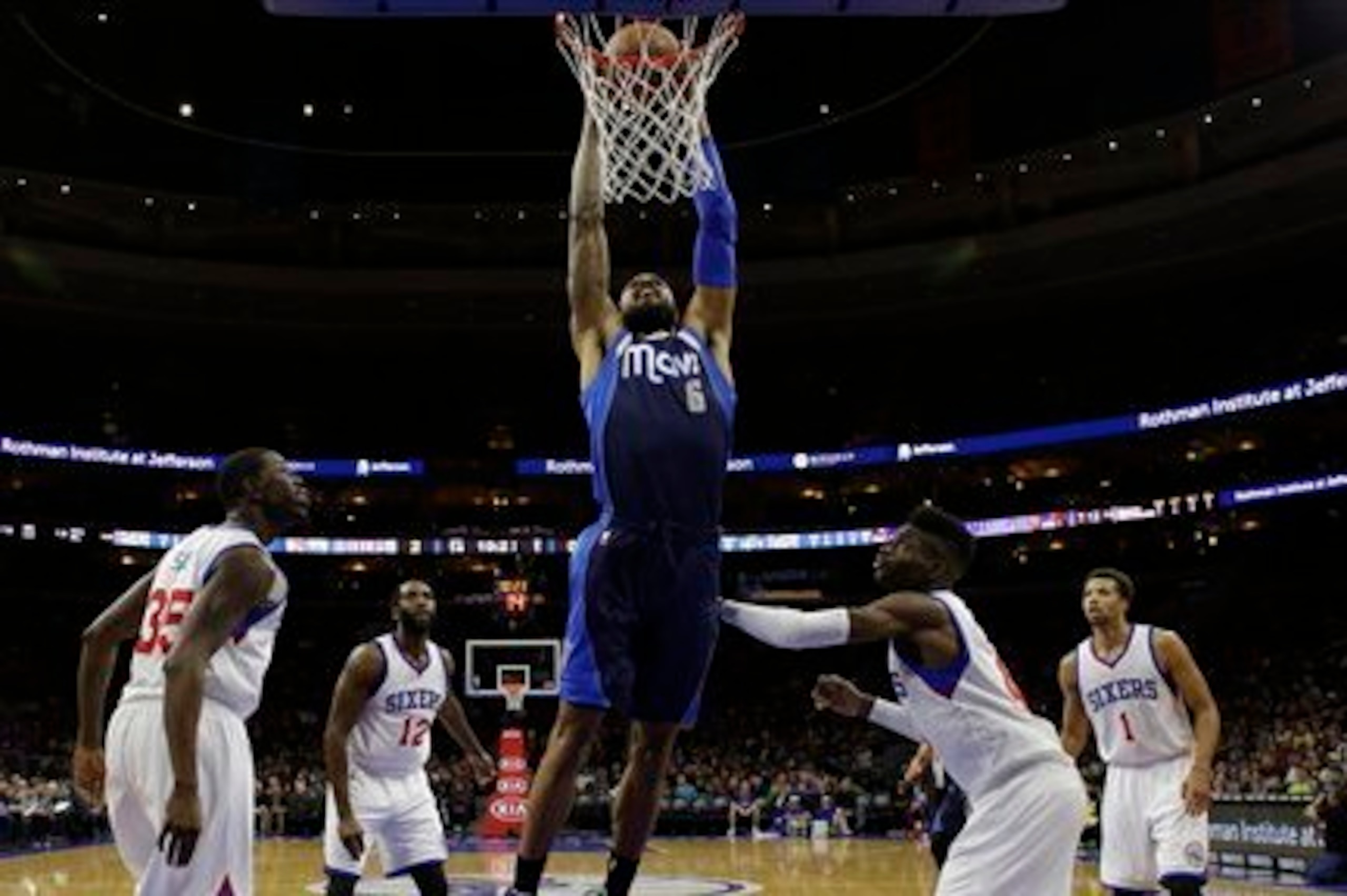
Chandler's screens and rolls to the basket are now an essential part of the offense, rather than an afterthought. He obviously isn't the primary option, but his off the ball picks and mobility are utilized better in Dallas. Being a lot more involved on both ends of the floor and performing at a high level is also allowing him to be both an emotional and a mental leader.
Whenever Chandler gets a big dunk or blocks a shot, he swings his arms and roars. His energy and passion for the game overflows, and other players can feed off that. Younger players might take offense to his strict approach to holding guys accountable, but on a team full of veterans it's exactly the type of presence you need. Raymond Felton, who was moved to Dallas in the same trade as Chandler, did a great job putting that type of leadership in perspective.
“If you can’t accept a man getting on you when you’re wrong, but who congratulates you when you’re right, then you’re not about the team," Felton said, according to DallasNews.com's Eddie Sefko. "He’s going to get on you. He’s yelled at me plenty of times, but I know he’s doing it the right way.”
The right circumstances are just as important for a basketball player of his talent. The change of scenery has certainly allowed Chandler to perform perhaps better than he ever has before, both on and off the floor.
All statistics are courtesy of NBA.com, unless otherwise noted.
You can follow me on Twitter at: @VytisLasaitis
.jpg?w=2560 "OBJ Calls Out Giants After Release")



.jpg?w=2560 "Saquon Out for Game")