
Arsene Wenger Is Answering Critics of Arsenal's Tactics
Two games, a pair of wins and as many clean sheets. That's the perfect answer to the worst start to a league season since 1982 and an inconsistent European campaign.
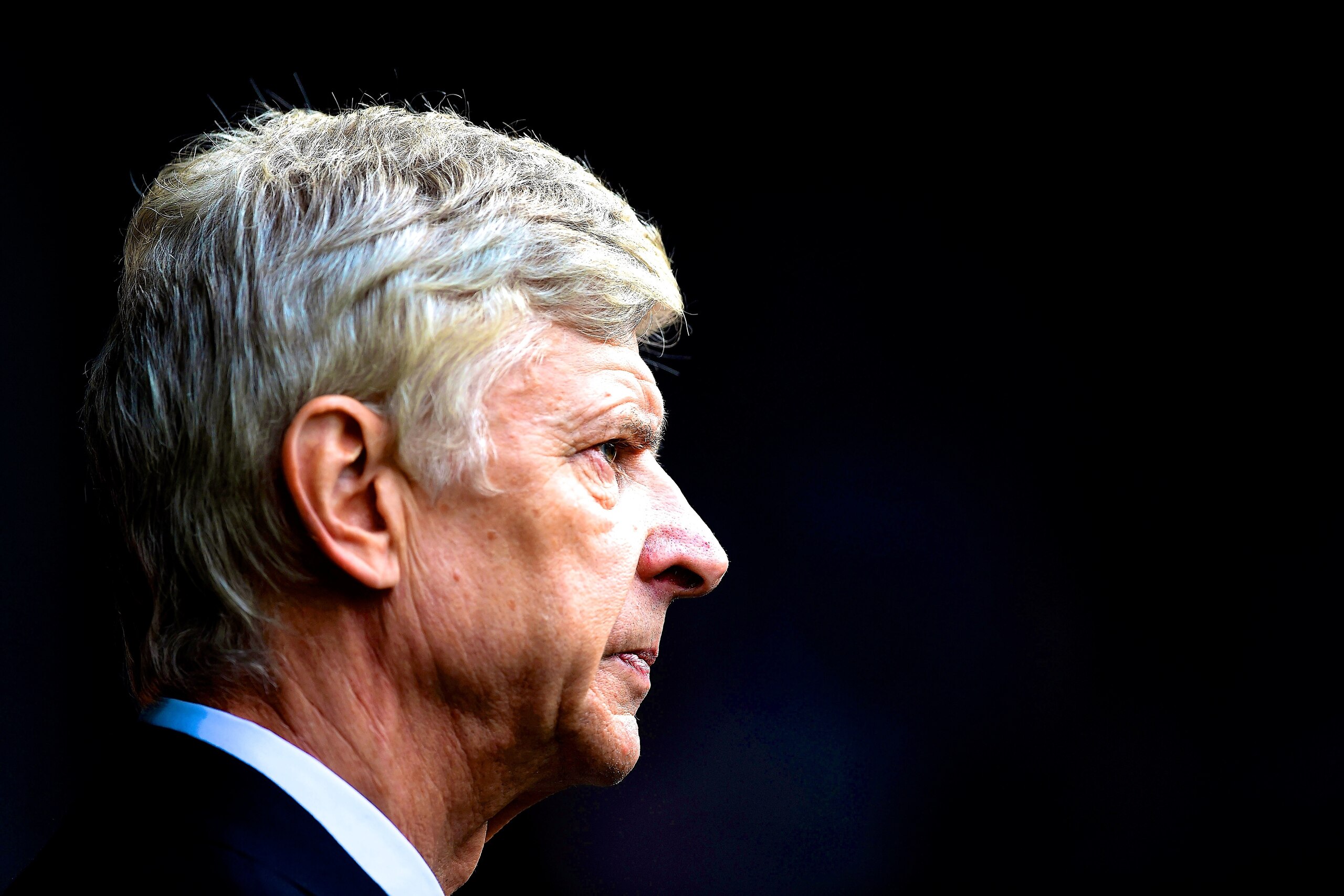
It's also how Arsene Wenger has started to answer criticism of Arsenal's tactics. More specifically, the embattled Frenchman has shown a flexibility he is too often, and unfairly, not credited with.
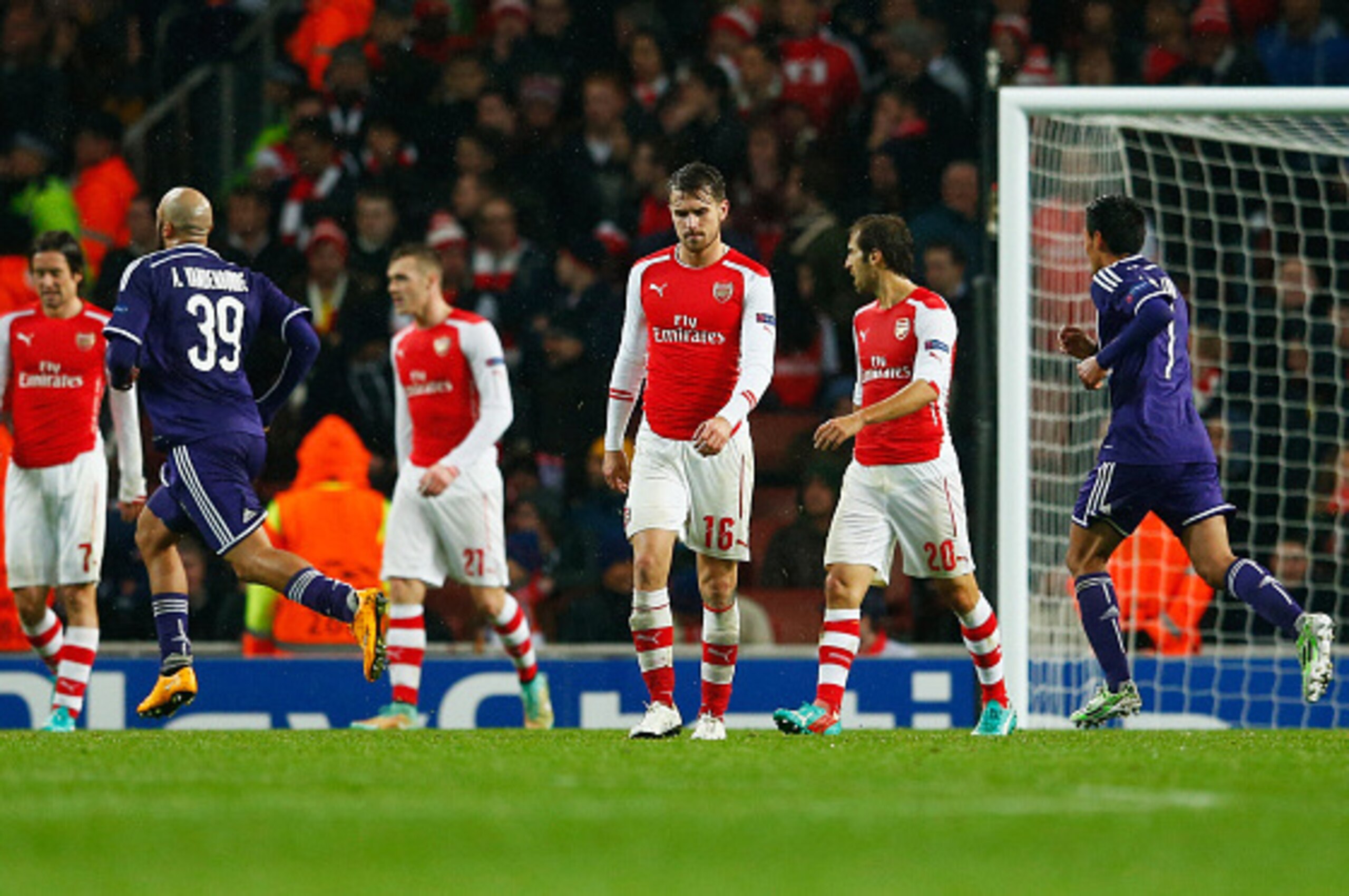
Wenger needed to steady the Arsenal ship after watching his team surrender a 3-0 lead to draw with Anderlecht at home in the UEFA Champions League. That capitulation was followed by a 2-1 away defeat to Swansea City and a home loss to Manchester United by the same score.
TOP NEWS
.jpg?w=2560 "Cardinals Giants Football")
NFL investigating referee after viral exchange with player
.jpg?w=2560 "Titans Giants Football")
OBJ Calls Out Giants After Release

Week 5 AP Top 25 Poll 🔢
On each occasion, the Gunners were culpable of being caught on the break. Wenger's team was simply too open with too many bodies committed forward.
Those failings prompted the familiar and all-too predictable derision of Wenger's tactical nous. It's as if a manager who's won trophies in France, Japan and England could have done so with no understanding of strategy.
After his team beat Borussia Dortmund 2-0 and won 1-0 away at West Bromwich Albion, Wenger offered the perfect riposte to this contemptible assumption.
His smart put-down was relayed by Mirror reporter James Nursey: "I started to manage a team at the top level in 1983. If I am completely useless tactically, I am a genius [because] I can hide it very well."
But exactly how has Wenger, along with his staff and players, managed to solidify a leaky defence in the last two games? It started with more than a pinch of common sense.
That's what it took to put a re-commitment to playing with a solid structure into practice. The Gunners certainly had a solid base against Dortmund.
The Bundesliga outfit had eviscerated the undermanned Arsenal back lines with two ruthless counter-attacks in Germany. But Dortmund were unable to repeat that trick at the Emirates Stadium.
They couldn't get behind the Gunners' 4-1-4-1 shape. The formation hasn't always worked this season, but it stifled Dortmund because Wenger's players carried out their jobs in a smart way.
Veteran midfield anchorman Mikel Arteta held his position in front of the centre-backs. The Spaniard didn't vacate the area at the base of midfield the way he did when United broke to score their second goal.
Just as important was the way players rotated positions to cover gaps. That meant when right-back Calum Chambers roamed forward, left-back Kieran Gibbs stayed put and vice versa.
Those same exchanges were evident in midfield. As he often does, Aaron Ramsey raided forward. Those raids formed part of a concerted and more unified effort to press from the front.
Ramsey joined striker Yaya Sanogo and wide forwards Alexis Sanchez and Alex Oxlade-Chamberlain to swarm on the root of Dortmund's possession play. He also helped stem the tide of distribution from midfield pass-master Ilkay Gundogan.
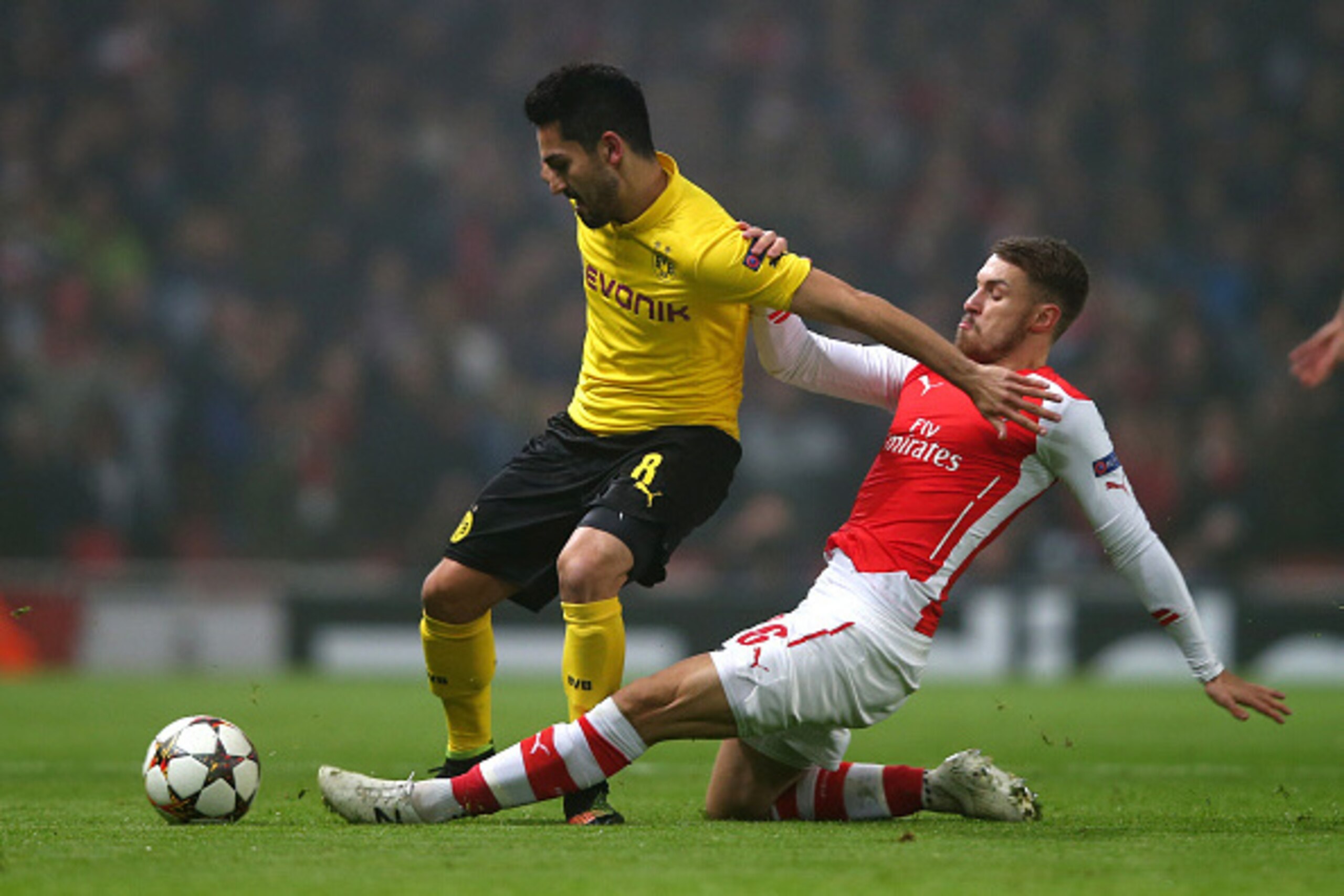
Ramsey pushing forward can often leave Arsenal exposed as there's rarely sufficient cover behind him. But on this occasion, Santi Cazorla took up a deeper position every time Ramsey foraged forward.
After the 2-0 win, Wenger referenced how his team had adopted a different guise tactically following its mistakes at the back, per Arsenal.com:
"We had 60 penalty area entries on Saturday and Manchester United had 17 so we were always forward. The risk you have when you have to chase a goal is that you get caught on the break. Here we were in a different tactical situation.
"
That new-found cloak of defensive assurance and structural balance was even more obvious against West Brom. It was obvious from a team perfectly tailored to play on the break and structured not to get caught by any counter from the opposition.
Mathieu Flamini was central to that plan. The French midfield terrier played a vital role in maintaining Arsenal's defensive numbers and structural integrity at the back.
That meant he held his position just in front of the back four. That's not always been a strength of Flamini's game. His enthusiasm and tenacity often get the better of him, prompting a damaging wanderlust.
But no such nomadic streak was evident at the Hawthornes, as Squawka Football described:
Dont worry, your eyes aren't deceiving you: I just used a heat map. The need catches up to us all eventually.
But even the naked eye could see that Flamini often dropped into the space between centre-backs Per Mertesacker and Laurent Koscielny. This sometimes even came at the expense of giving the man in possession an option. But it certainly showed Arsenal's determination to keep a stable rearguard.
This level of positional discipline is exactly what Arsenal need from the holding player. Holding the fort also has to be linked with steady, efficient passing.
That's just what Flamini produced to help stabilise the Gunners during the early stages against the Baggies:
Flamini's movement, or appropriate lack thereof, as well as his calm, functional passing, were part of a team that relied on its potential to counter. After losing Arteta to yet another injury against Dortmund, Wenger, that supposed inflexible virtual novice, reshaped the Gunners.
He aligned the team in a 4-3-3. Sanchez and Danny Welbeck flanked the returning Olivier Giroud.
Putting a pair of hard workers out wide meant Arsenal could double up on the flanks without the ball. But in possession, Wenger's three-pronged forward line had the freedom to exchange positions at will.
Encouraging that fluidity may not appeal as much to the tactics junkies as setting up defensive barriers seems to. But in its own way, Arsenal's rotating, chameleon-like attacking shape is strategic initiative at its best.

However, as much as the irony of organised chaos was at work against the Baggies, it was the overall approach that deserved most attention. There were times when West Brom dominated possession, but this was merely a designed conciliatory gesture from the Gunners.
Arsenal allowed West Brom the ball in order to drop deeper into a defensive shape and absorb pressure before breaking behind it. The quick counters were the reason for more direct passing rather than the Gunners' usual precise, short-range work.
It wasn't a stylistic revolution from Wenger, but it was a subtle shift that prompted a positive impact.
Of course, critics will still argue that these two wins came against struggling teams. That's true, Dortmund are bottom of the Bundesliga, while West Brom started their match 14th in the Premier League.
However, that form shouldn't detract from the praise due Arsenal's mini defensive revival. Dortmund had scored 13 goals in their previous four Champions League matches before drawing a blank in north London.
West Brom have their own problems, but Saido Berahino has still managed to carve a niche as the top English scorer in the Premiership. Yet neither he nor his team-mates were able to breach the Gunners.
A more appropriate critique from the banner-wavers would be to say two positive results don't make a season. Nor do they completely restore a reputation that has undoubtedly been left somewhat tarnished by a decade's worth of near misses.

A promise of sustained improvement from Arsenal has been a flimsy one since 2006. The last two wins aren't a full-throated shout heralding Arsenal's return to form. But they are a surprisingly audible whisper that this team could still compete for major prizes this season.
Proving that last statement true will be a game-by-game process. It'll start with a clash against third-placed Southampton, a team Wenger's men still trail by six points. The tougher test may well come against Stoke City at the Britannia Stadium, a ground that still proves troublesome for Wenger and Arsenal.
For now, though, Wenger has shown his current squad can adopt a structure and style that will not only steady the ship but also yield positive results.