Golden State Warriors Best Path to Keeping Klay Thompson Is with Max Contract

The Golden State Warriors aren't in real danger of losing Klay Thompson if they fail to extend his contract before the Oct. 31 deadline, but the very best way to keep him—and keep him happy—is to max him out by Halloween.
Not because Thompson is definitely worth max money, but because paying him that kind of cash is the best way to avoid paying him a whole lot more.
According to Marc Spears of Yahoo Sports, it doesn't look like anybody's checkbook is out yet, and tensions are rising: "Klay Thompson's camp is frustrated that the Golden State Warriors haven't offered a maximum contract in their ongoing extension talks with Friday's deadline nearing."

Same Old Story, New Wrinkle
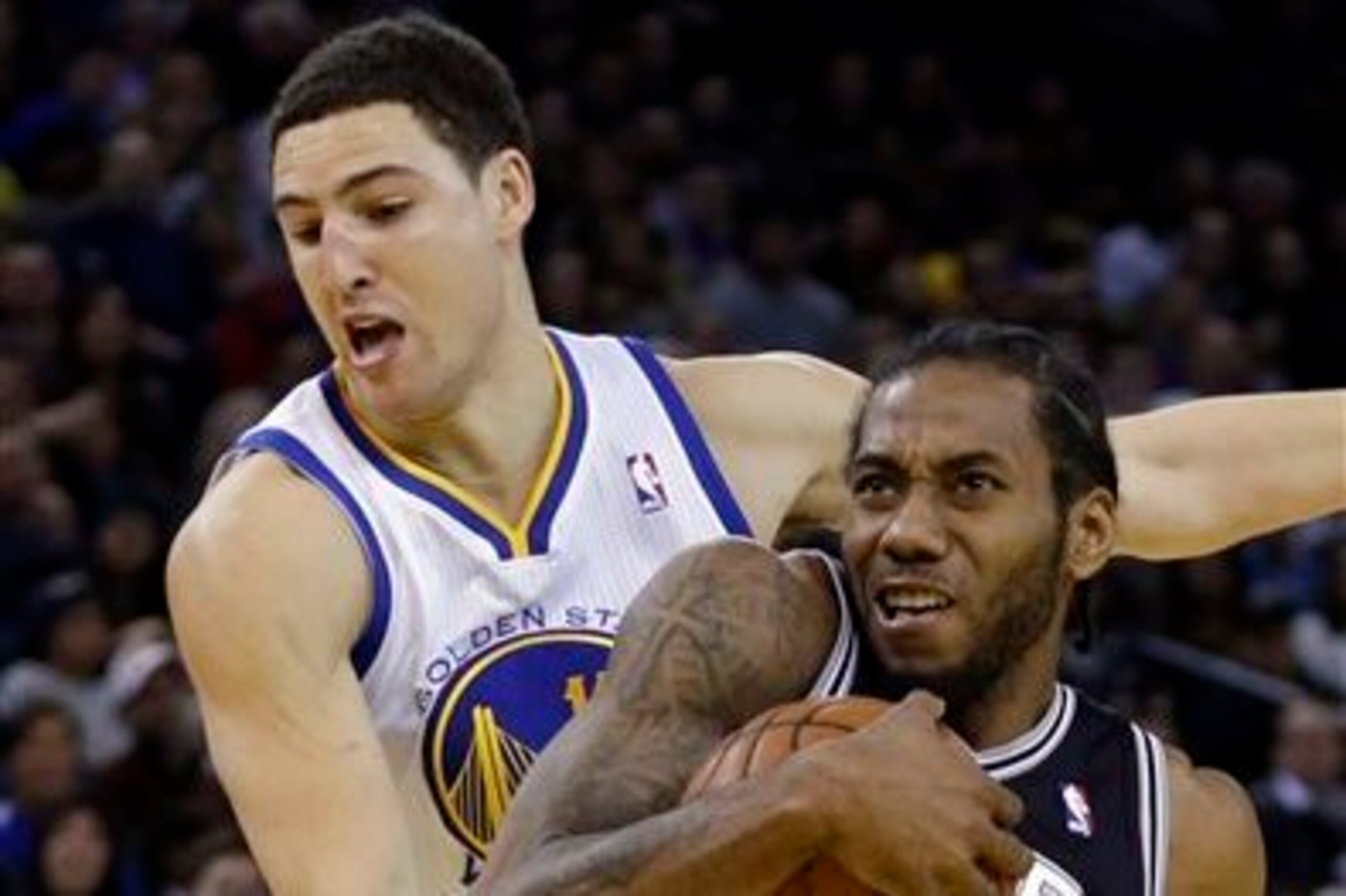
If that report sounds familiar, it's because we've heard it all summer long—about Thompson as well as Eric Bledsoe and Kawhi Leonard. The commonality among those three, of course, is the looming prospect of restricted free agency next summer—something most teams and players prefer to avoid.
Bledsoe got paid, and Leonard remains in limbo, waiting for his own extension.
The key difference in Thompson's situation is that the Dubs already telegraphed his value. By scuttling an offseason trade that could have brought in Kevin Love because they refused to part with Thompson, the Warriors advertised just how much they think he's worth.
Golden State's valuation of Thompson is a little complicated. Refusing to swap him for Love indicated they thought the shooting guard's worth as an up-and-comer on a dirt-cheap rookie deal was greater than Love's at the time.
Remember, though, they were weighing Thompson and his affordable deal against all the attendant risk of Love leaving, as well as the necessity of maxing out the big man down the line.
Thompson on a max contract is a different commodity than Thompson on a rookie deal, which is why it doesn't necessarily follow that because the Warriors refused to trade Thompson for Love that they must max him out.
Nonetheless, Thompson and his camp now have all the ammo they need. And Golden State will risk looking foolish if it eventually emerges from this whole saga without Love or Thompson on the roster.
Controlling the Situation
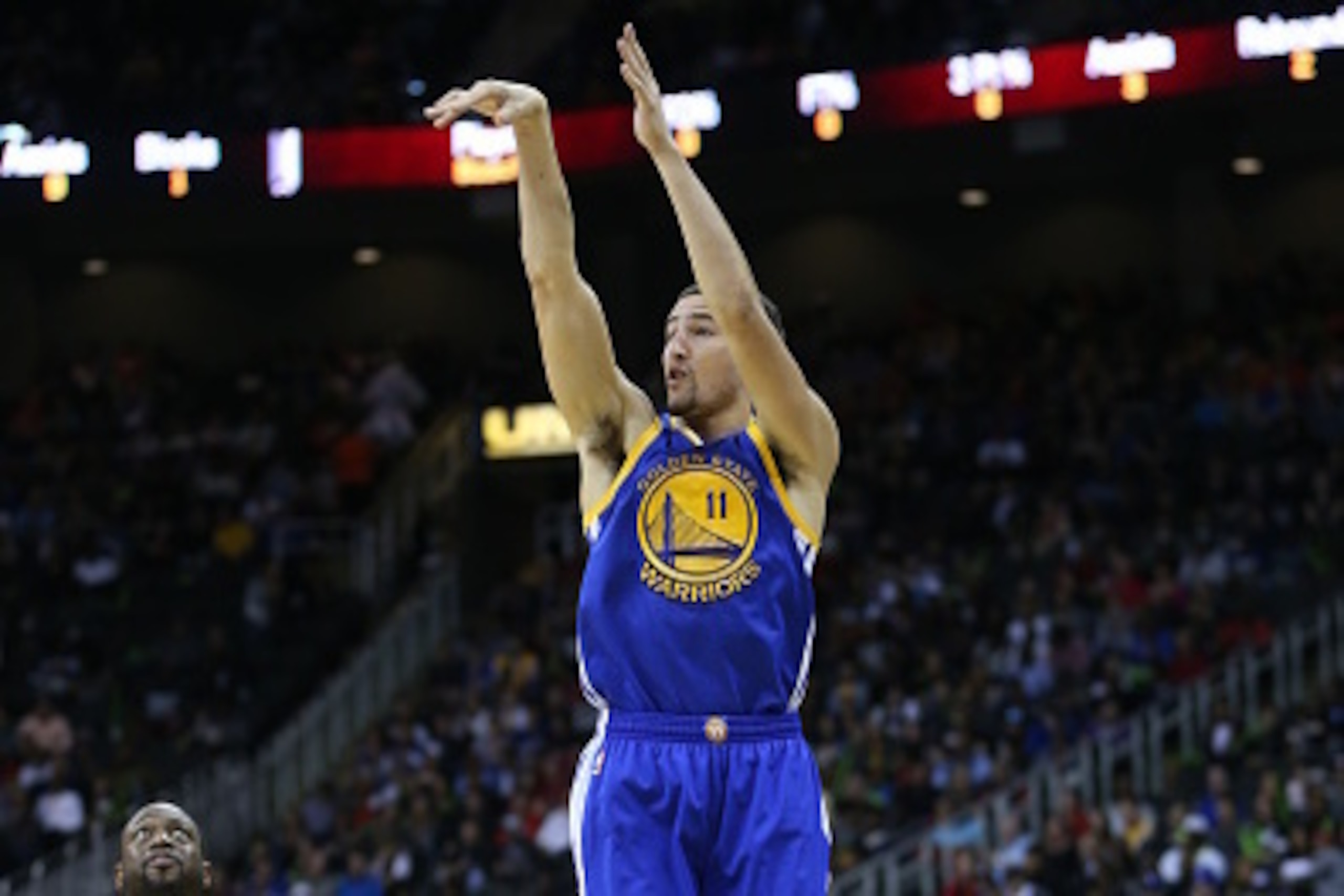
Again, the Warriors aren't in any real danger of losing Thompson.
Restricted free agency can be uncomfortable, but the Warriors will remain in control, and Thompson's escape routes will be limited. He can accept a qualifying offer in 2015 if no other team procures an offer sheet, and then pursue unrestricted free agency the following summer. The risks there are significant—chief among them injury and the possibility of a dip in performance.
The scariest possible scenario—if you're the Warriors—features Thompson signing a short-term offer sheet like the one Chandler Parsons inked with the Dallas Mavericks. Even if Golden State matched, it would lose its chance to retain Thompson for up to five years.
ESPN.com's Marc Stein broke down why "The Parsons Option" should worry the Warriors most:
"Which is to say that Thompson, were he to pull a Parsons and sign a three-year deal with a player option to return to free agency in Year 2, would be setting himself up to hit the open market as an unrestricted free agent in 2017...at the exact same time as Splash Brothers sidekick Steph Curry.
"
Still, the Warriors are very much in charge of this situation.
If Golden State is in control, what's the point of maxing out Thompson now?
Because it's the smart money move. Duh.
The Best Option
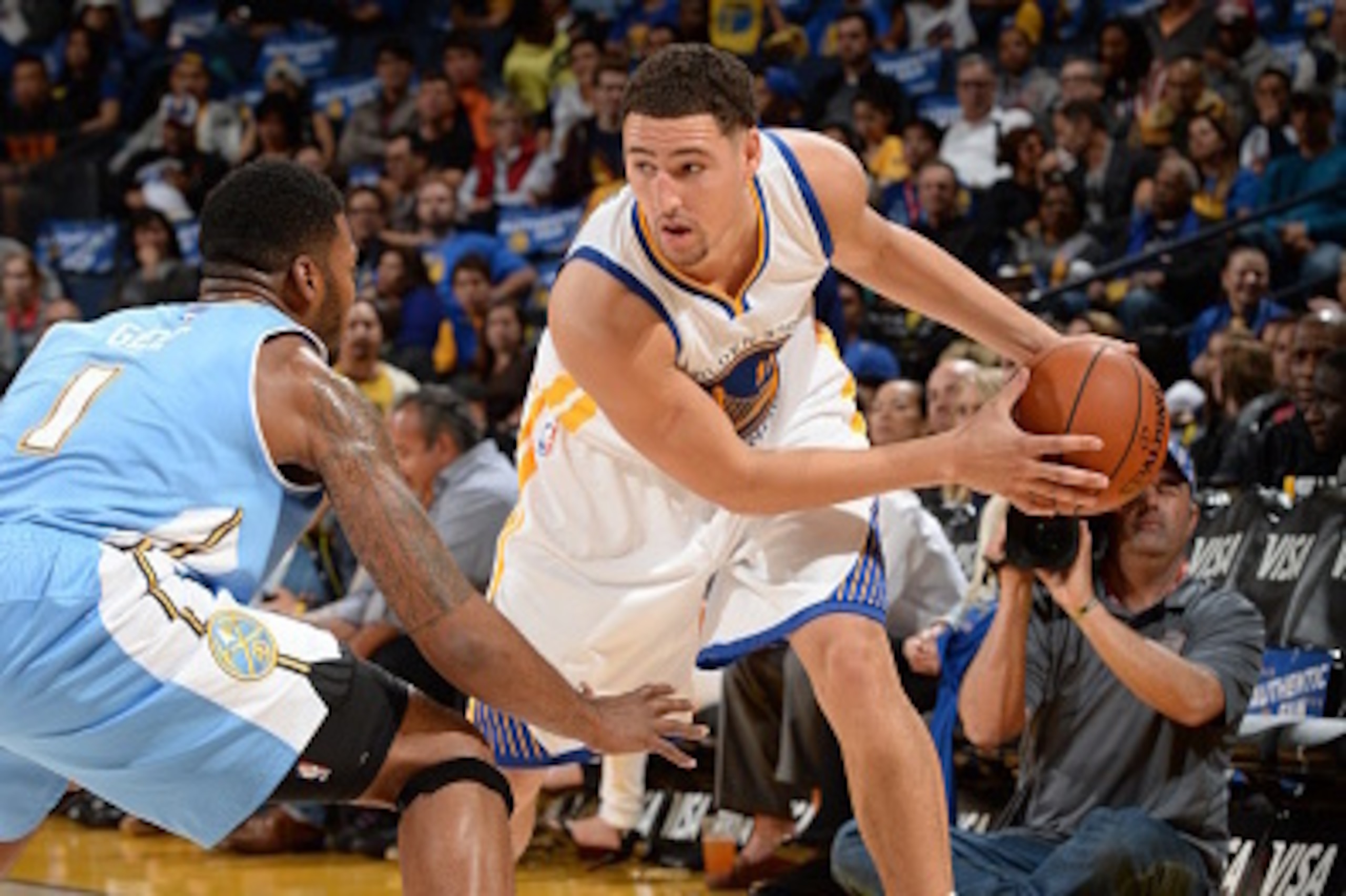
The max isn't really the max in the grand scheme of the NBA's shifting economy. If and when the salary cap increases over the next two years, Thompson's potential maximum salary will represent a smaller percentage of the Warriors' cap.
Example: Everyone agrees Stephen Curry's $11 million average annual salary is an absolute steal for Golden State. It is, and it represents just over 17 percent of the Warriors' $63 million cap in 2014-15. Paying Thompson approximately $15 million per year on a max extension would amount to just under 19 percent of a possible $80 million cap in a couple of years. And if Grantland's Zach Lowe is correct, that figure could actually be closer to $90 million, making Thompson's max figure even more reasonable.
The alternatives are subject to the same relativistic financial analysis, but most of them are objectively more expensive.
Surprisingly, the max is among the most affordable options.
As NBCSports.com's Dan Feldman expertly outlined, there are a number of ways for the scenario between Thompson and the Warriors to play out. And most of them involve Golden State giving up extra years or extra dollars if it doesn't offer the max now. Here's a simplified chart of Feldman's explanation:
If Thompson wants to take on risk in the interest of a bigger payoff down the line, he's got options. But foregoing a guaranteed $90 million is something no player in his position (coming off a rookie deal) has ever done.
If the Warriors put that contract out there, Thompson will almost certainly sign it.
A Welcome Problem
Make no mistake; the Thompson contract drama is a thorny thing, and it'll have long-standing repercussions for the Warriors. Klay is breaking out this year, according to just about anybody who watched him tear up the FIBA Basketball World Cup and dominate the preseason with 21.7 points per game on better than 50 percent shooting from the field and long distance.
But it says a lot about the Warriors when this is the organization's most pressing problem.
Teams in less stable, successful situations probably have little sympathy watching the Warriors wring hands about a guy who, to this point, has been something like their fourth-most-important player.
"Oh, your shooting guard has gotten so good so quickly that you can't decide whether to max him out or not? Cry me a river," they're probably thinking.
This is a title-contender problem—one with a pretty simple solution. The Warriors should be happy to have it.

.jpg?w=2560 "NFL House in Paris Closes for Protests")
.jpg?w=2560 "Trevon Diggs Cut by Seahawks")