Will Perceived SEC Bias Infect College Football Playoff?
If there is one constant about cries of bias in any big public decision, it's this: They come after the decision is made. That's what's so curious about what's going on with the College Football Playoff selection committee.
This sport has begged for a tournament to determine its champion for years. Now it has one. And with the committee's first-ever poll about to come out on Tuesday, everyone seems to be sure about one thing:
The fix is in for the Southeastern Conference.

.jpg?w=2560)
How can people be so sure? Hardly anyone on the committee has even spoken. Yet people outside of SEC country seem to just know it's coming. The perception of bias toward the SEC is already infecting the playoff. And why, when everyone knows the SEC is the best conference? It's because of doubts in the way this thing is set up.
It is structured for bias.
Everyone knows that. It has been set up to keep almost all of the money and power in the hands of the power-five conferences and ace out the little guys. Most of the 12 committee members work for, or used to work for, schools in those five leagues. So according to Tess Quinlan of USA Today, undefeated Marshall and its league, Conference USA, have felt it necessary to hire a Los Angeles-based public relations firm to try to get someone to notice them.
And I asked Nebraska coach Bo Pelini what he meant last week when he said it wasn't good for college football that ESPN, owner of the SEC Network and the money behind the Playoff, had such a close business relationship with one conference. Was he suggesting it could unfairly influence which four teams are picked for the Playoff?
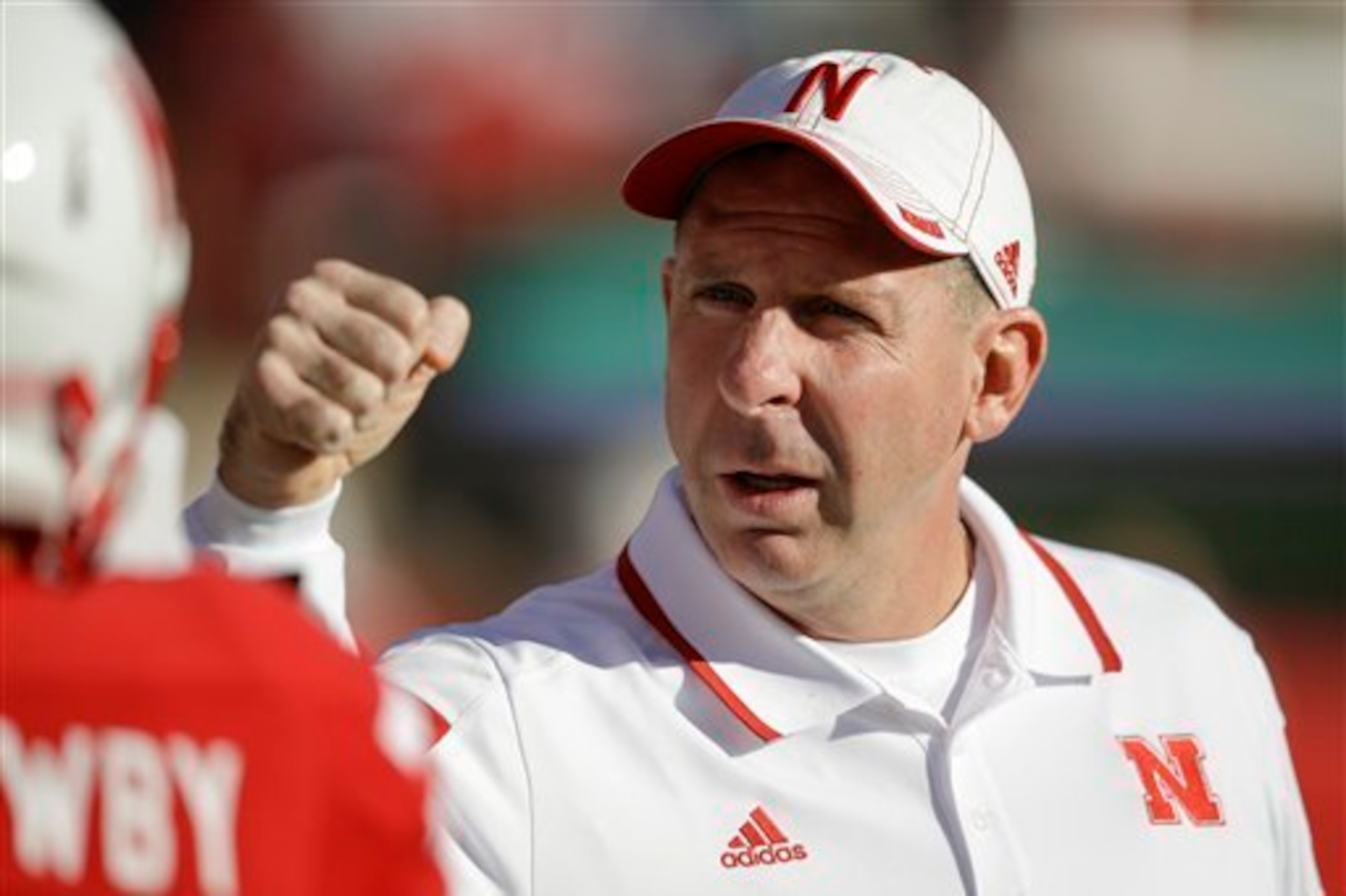
"Like I say, being a member of a different conference (the Big Ten), would that worry me if it came down to two teams and a decision?" Pelini responded. "Yeah, it would worry me a little bit."
Do not blow off Pelini. He is making an important point though he doesn't seem bothered by the fact that former Nebraska coach and athletic director Tom Osborne is on the committee. Still, Pelini is the head coach of a ranked team with one loss in a major conference. And he is suspicious about bias. We're not just talking about crazed college football fans here.
"The people on the committee are going to check their hats at the door," CFP executive director Bill Hancock told Bleacher Report. "We insist on that. They've met six or seven times, and it's a point we emphasized in the first meeting.
"Nobody represents anybody in the group. They all represent the game nationally."
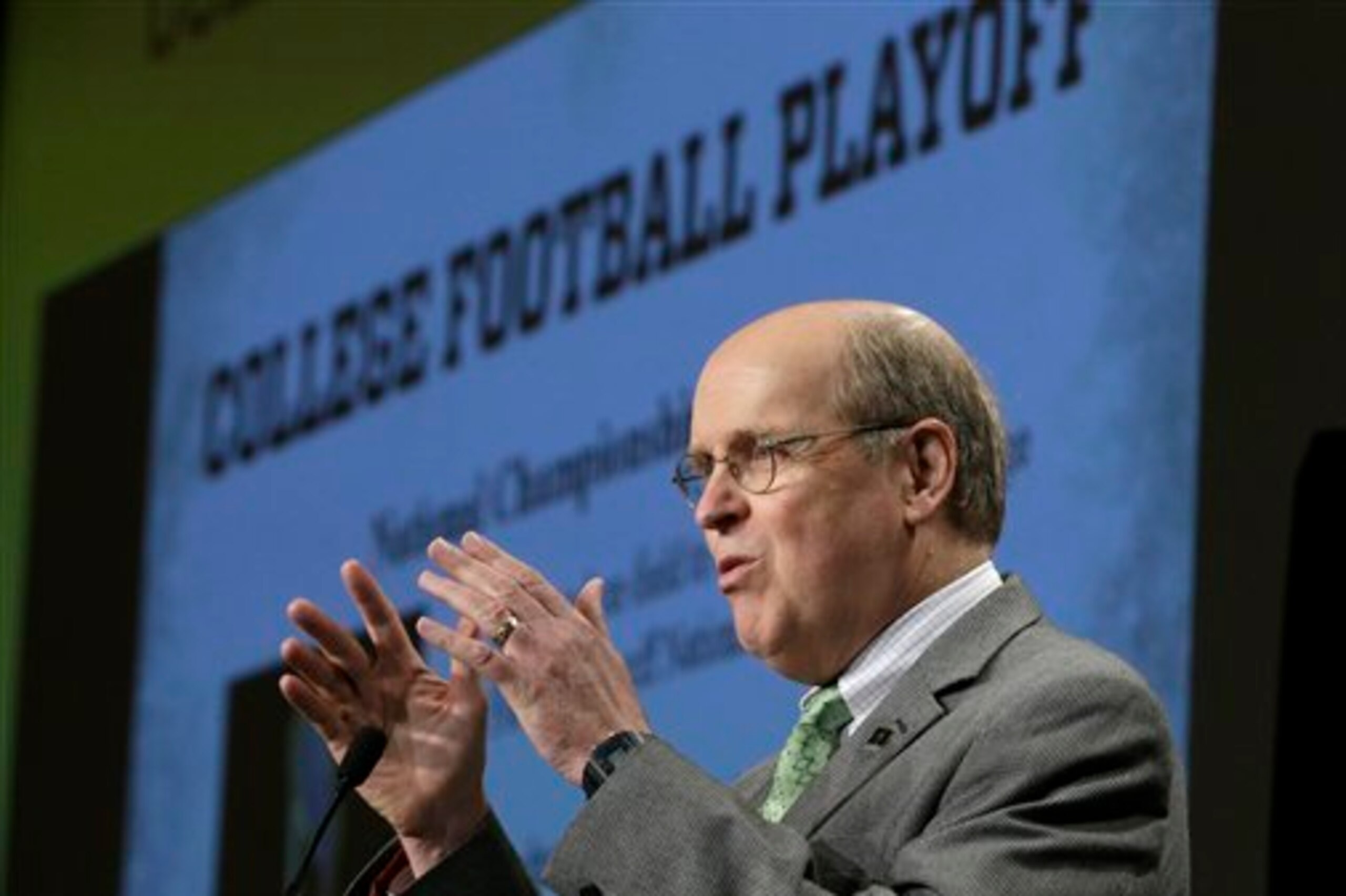
But if teams from their conference get into the playoff, that means money to them. That is an automatic conflict of interest. And the chairman of the committee is Jeff Long, athletic director at Arkansas, which, if you didn't know, is in the SEC.
Hancock said he has seen this before. He worked for 16 years with the NCAA tournament in basketball and said people were always assuming that CBS had a hand in which teams were picked. Yet plenty of people think that tournament is the best sporting event out there. What about ESPN's influence on the CFP?
"Zero," Hancock said. "Zero. They have nothing to do with the selection process. They never asked. It never came up."
Bias and conflict of interest are matters of perception more so than of fact. And ESPN is a major player in nearly all sports. It is too important a force not to scrutinize in the same way we scrutinize the biggest sports leagues. That's why Pelini's point was important. ESPN all but owns the sport of college football. It owns several bowls and is paying out nearly half a billion dollars per year over the next 12 years for the rights to the Playoff.
Meanwhile, ESPN made news recently when it pulled out of a documentary that was going to take an important look at concussions and football. Reportedly, the NFL—ESPN's business partner—was unhappy about the documentary.
Now, ESPN is a big business and should be making good business decisions. Most—maybe all—networks with business relationships in sports have a journalistic arm, too. But as part of the Playoff's setup, the teams will be selected by committee members who are free to pick whichever teams they want. Other sports' playoffs are based on winning divisions, wild cards and things that aren't so subjective.
I'm not saying that ESPN will use its power and influence on the college football selections. In fact, I doubt it will. But it certainly has the muscle and the power. And again, we're talking perception here. It's on ESPN to be convincing.
And that's not what Chris Fowler was when he came out with a rant Saturday, saying, "I'm a little defensive, but I get defensive when stupid, uninformed stuff gets repeated again and again, and people all over the world think that somehow we have a stake in having three teams from this league (SEC) get in."
I'm not saying Bo Pelini is a genius, but it's not the best argument to say that whoever doesn't agree with you is just stupid. There are valid reasons to wonder.
Greg Couch covers college football for Bleacher Report. He also writes for The New York Times and was formerly a scribe for FoxSports.com and the Chicago Sun-Times.

.jpg?w=2560 "NFL House in Paris Closes for Protests")

.jpg?w=2560 "Trevon Diggs Cut by Seahawks")