


You can already start to feel it. The vibes surrounding Rudy Gobert have been pumping with positivity since summer league back in July.
They would soon carry over into the 2014 Basketball World Cup, where he posed as a difference-maker down the stretch in France's awesome upset over Spain. And now we're seeing Gobert kick some butt in NBA preseason. He's averaging 9.6 rebounds and 1.5 blocks on 57.1 percent shooting in only 20.6 minutes.
Prior to the Utah Jazz trading the 46th pick (later became Erick Green) and cash to the Denver Nuggets on draft night in 2013, Gobert's appeal as a prospect was tied strictly to his remarkable physical tools. Nobody really knew if he could play, and that's what led to him being passed on 26 times.


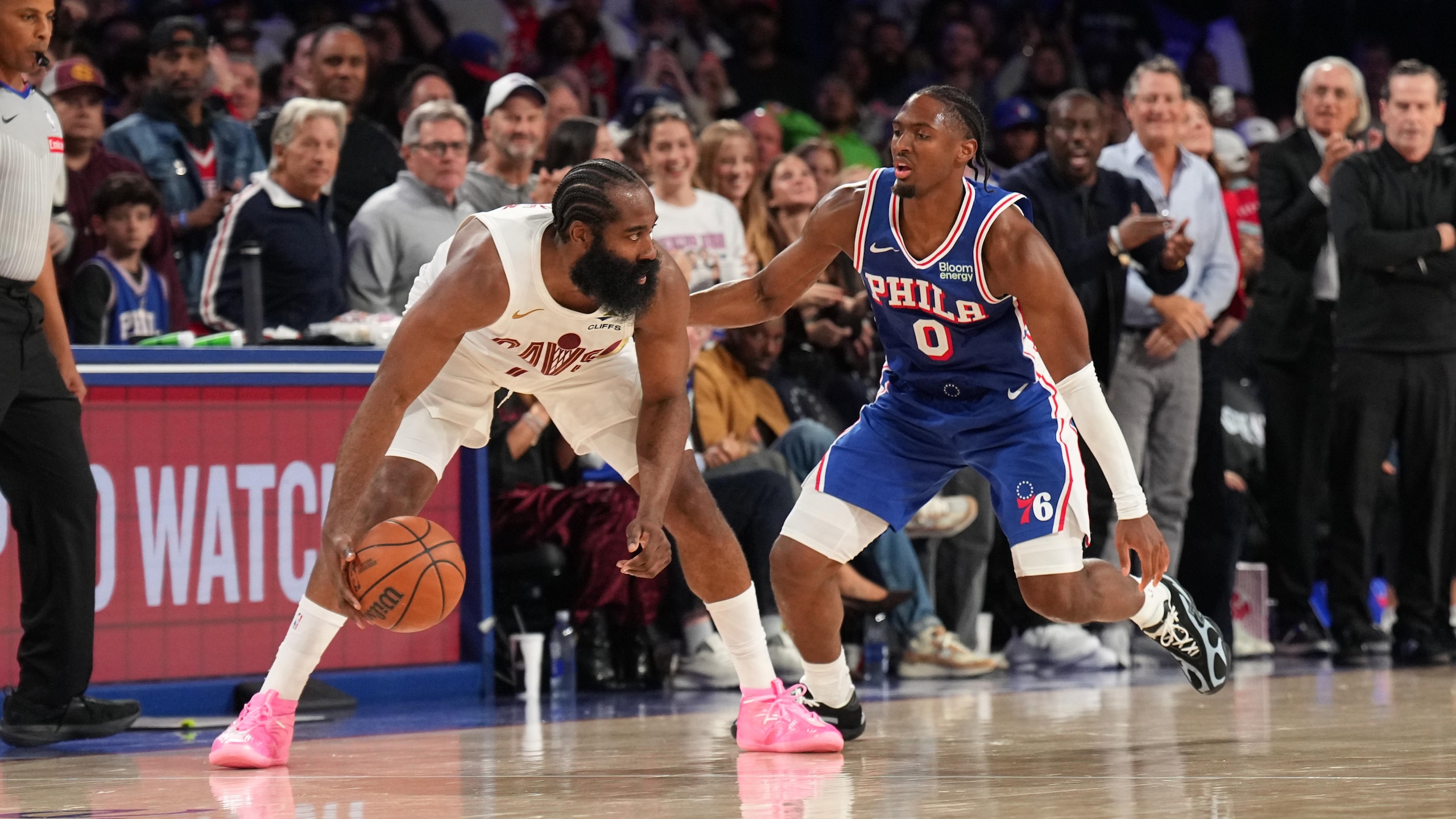
Gobert lacks ball skills. He's raw offensively—not a guy you'd feed in the post and ask to work one-on-one. Only ball skills aren't required for NBA centers or interior specialists to thrive—at least not when you're 7'2", sport an unheard of 7'8.5" wingspan and run the way Gobert does.
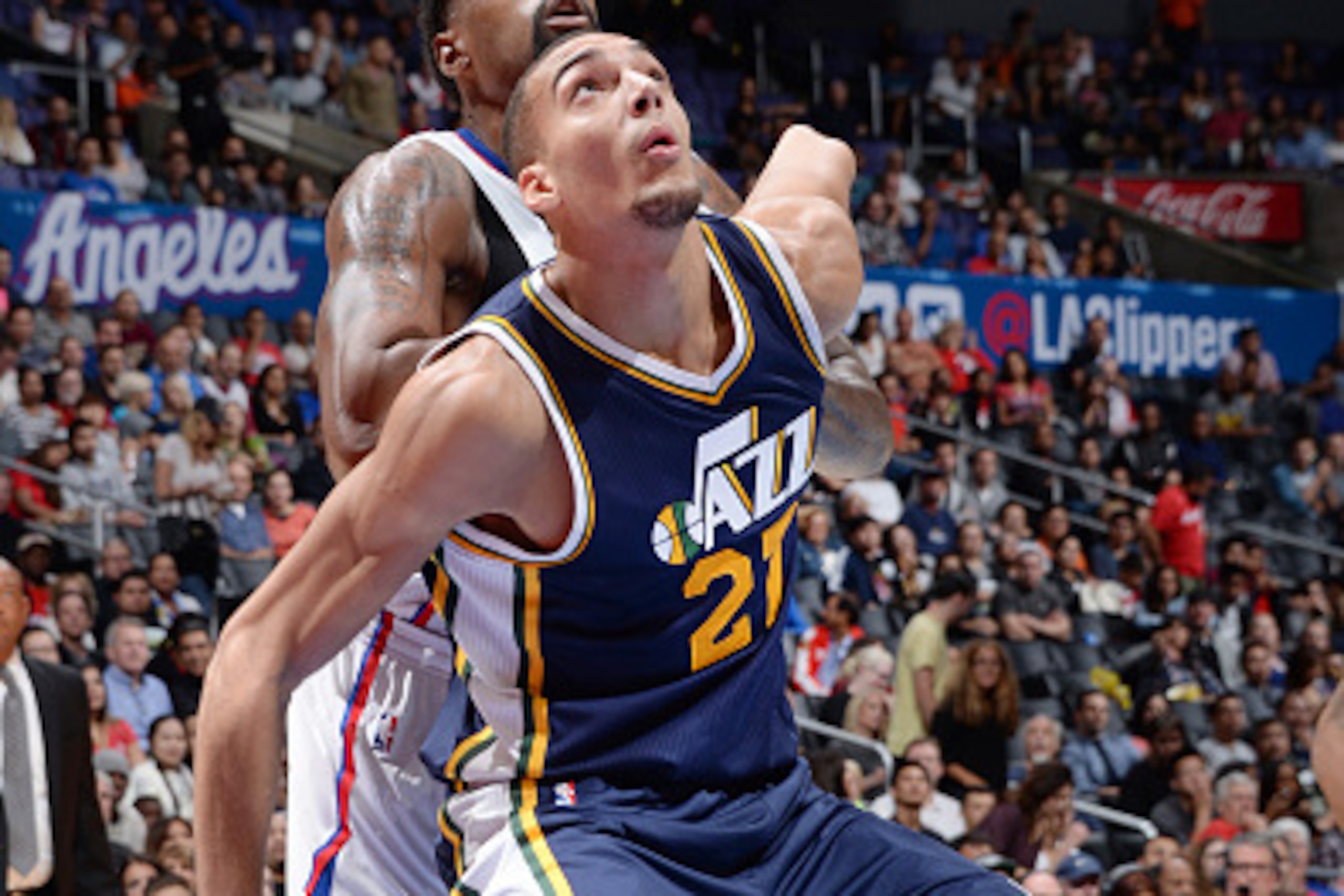
I'm not sure Tyson Chandler has made an offensive move since the early 2000s, and he's been raking in at least $9 million a year since his rookie deal expired. I don't want to compare the two, but Gobert should be looking to follow a similar blueprint from raw big man to coveted starting center.
It starts on defense and the glass, where Gobert will make his living in the pros.
As a rim-protector, we know the rejections will be there. He covers a ton of ground thanks to his legs, size and length. As Grantland's Zach Lowe notes, his 7.4 percent block percentage would have led the league last year had he qualified with enough minutes.
But interior defense isn't just about shot-blocking. Chandler earned himself the reputation as being the ultimate rim-protector in 2010-11 when he helped the Dallas Mavericks win an NBA title, but he only averaged 1.1 blocks that season and has never averaged more than 1.8 a game in his career (career mark of 1.3).
Gobert will ultimately have to improve his timing and awareness, which will only get better with the more reps he gets. Last year, Gobert was hampered at times by foul trouble; per 100 possessions, he averaged 6.9 personal fouls. In comparison, Chandler is at 5.6 personal fouls per 100 possessions for his career.
Gobert will have to learn what he can get away with and how to position his body or hold his ground when patrolling the paint. Outside the paint, he'll need to fine-tune his reads as a pick-and-roll defender, such as knowing when to switch, hedge or retreat.
But I wouldn't be too worried about Gobert's defensive outlook or his presence under the boards. You don't need Dennis Rodman-like technique and instincts when you take up as much room as Gobert. In fact, he racked up 20 boards in 22 minutes last week in preseason play against the Clippers.
Where Gobert really has to make strides is as a finisher in the paint. His 49.3 percent, per NBA.com, shooting clip from within eight feet of the hoop just isn't nearly good enough, especially for a guy who only operates down low (attempted one shot outside the paint his entire rookie season).
With Gobert, it's not just about making more shots, although he has struggled to convert through contact. It's also about positioning himself for easy scoring opportunities a little more frequently given how much he struggles to create with the ball in his hands.
"I've been on him to roll to the rim," coach Quin Snyder told Jody Genessy of the Deseret News. "When you roll to the rim and they pass it to you, it makes you want to roll more."
Of course, it wouldn't hurt for Gobert to expand his low-post and jump-hook game the way Steven Adams has this summer in Oklahoma City. But more than anything, it's capitalizing as a catch-and-finisher in the lane that should sit atop his offensive to-do list.
It's tough to put too much stock in Gobert's rookie year or numbers, considering he averaged just 9.6 minutes in only 45 games. However, that's why his production and on-court activity over the past few months have been so encouraging.
"I gained a lot of experience during the summer—like probably a year of season of experience in one summer," Gobert told Genessy.
Based on what we've seen since the end of last season, it would be a crime if Gobert wasn't approaching 20 minutes a game as 22-year-old sophomore. The Jazz aren't going anywhere, and management will soon need to decide how to handle the future roles and contracts of its current starting frontcourt in Enes Kanter and Derrick Favors.
There's no question Gobert has starting-center potential based on his defense and rebounding alone. We could be talking about one of the game's most unique interior weapons if he indeed hits his stride.
Gobert will have some adjustments to make in order to justify regular minutes as a future anchor in the middle, but it sure looks like the Jazz got a ridiculous steal in their draft-day trade.

.jpg?w=2560 "NFL House in Paris Closes for Protests")
.jpg?w=2560 "Trevon Diggs Cut by Seahawks")


