Ted's Takes on the Pac-12: Order Restored, UCLA's 'Program-Changing Game' & More

Glance at today's Pac-12 standings and it's clear what last weekend accomplished: correction.
| Oregon | 2-1 | 5-1 |
| Stanford | 2-1 | 4-2 |
| Oregon State | 1-1 | 4-1 |
| Washington | 1-1 | 5-1 |
| California | 2-2 | 4-2 |
| Washington State | 1-3 | 2-5 |
| USC | 3-1 | 4-2 |
| Arizona | 2-1 | 5-1 |
| Arizona State | 2-1 | 4-1 |
| Utah | 1-1 | 4-1 |
| UCLA | 1-2 | 4-2 |
| Colorado | 0-3 | 2-4 |
Usual suspects Stanford and Oregon are atop the North. Cal received a mildly surprising dose of reality from Washington, ending its brief but thoroughly enjoyable week at the front of the division.

.jpg?w=2560)
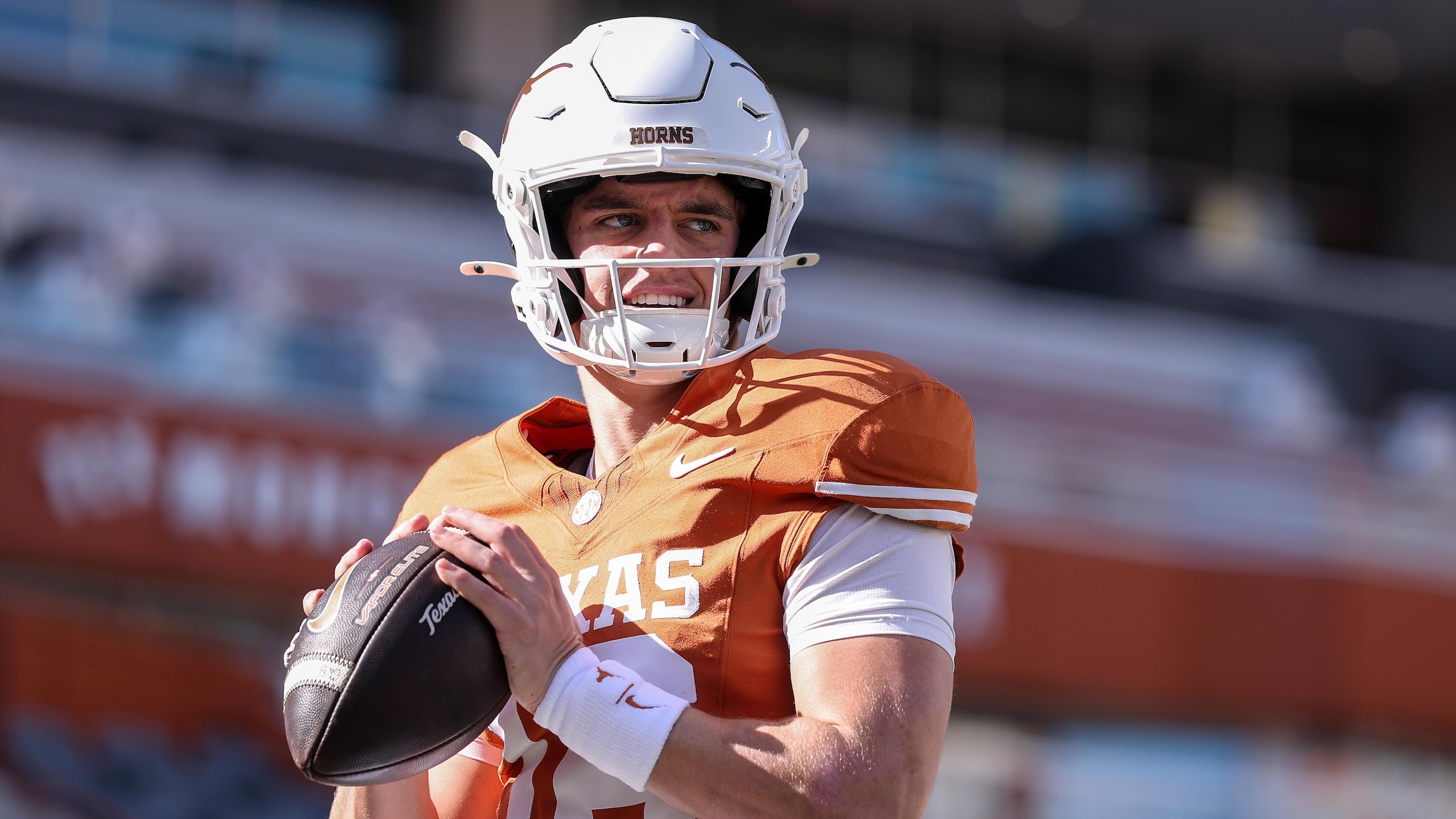
The team to beat in the South, UCLA, is now staring up from fifth place, while Arizona's 2014 dream sequence crashed with a missed field goal.
And then, there is USC. The first conference team to three wins, Troy now leads the South, having shown resilience in shaking off a loss to Arizona State.
It was a light weekend, with four teams on a bye week. Of those, Utah may have most enjoyed its Saturday viewing. Due to host USC and Arizona (as well as Oregon), the Utes should have a big role in the West outcome.
On the field, there was a resounding theme: the importance of line play, especially on the offensive side.
Washington State head coach Mike Leach's first postgame comments at Stanford Friday night, as relayed by Stanford Athletic Communications, were: "I think the difference was the physical nature of the Stanford players. … They are bigger and stronger than we are."
Quarterback Connor Halliday echoed his coach, "That's just a really good defensive front. … They are so physical up front."
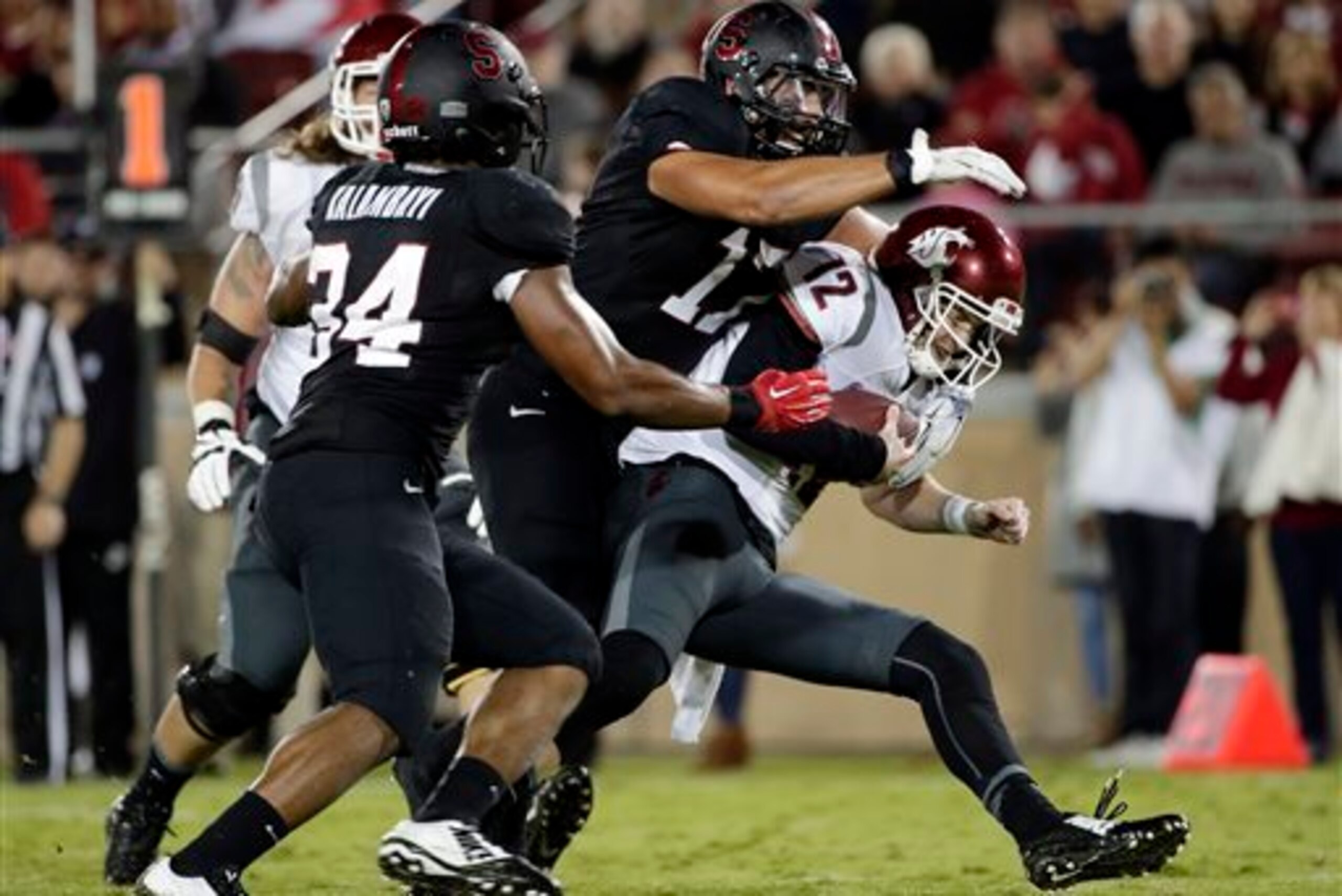
Stanford's formula consisted of direct, relentless pressure on Halliday and sharp tackling on the perimeter. Does that ring with familiarity?
It is much of the reason for Stanford's consecutive wins over Oregon. Cardinal lineman David Parry was in the Cougars backfield much of the night. Washington State couldn't protect its quarterback, thus Halliday was forced to throw underneath, often on the run. Leach told me several weeks ago that his offensive line was still young and inexperienced. They played that way at Stanford Stadium.
Yards per pass attempt is a closely watched statistic by many in football who believe it has a strong correlation to victory. Here are Halliday's numbers over the last two weeks:
| vs. Cal | 70 | 734 | 10.48 |
| vs. Stanford | 69 | 292 | 4.23 |
The takeaway: The Cougars should have won their Oct. 4 game against Cal, but Stanford's defense smothered Halliday and kept him from positioning his team for a victory.
Halliday wasn't the only quarterback derailed by a lack of pass protection. Washington dominated Cal's front to limit Jared Goff. Washington State's three passing touchdowns at Stanford should not be a total surprise, but Cal scoring just one touchdown at home against the Huskies was stunning.
Washington used Stanford's defensive blueprint: It pressured Goff throughout, tackled the Bears receivers at the spot of the catch and created takeaways.
Here is the yards-per-attempt formula for Goff:
| vs. Washington State | 53 | 527 | 9.94 |
| vs. Washington | 51 | 304 | 5.96 |
Hau'oli Kikaha was brilliant. His nine tackles, three sacks and one forced fumble were the sum of an overpowering game. Danny Shelton was his usual rock in the middle as the Huskies were sharp at moving their defensive linemen and creating different looks that tested Cal's protection schemes.
More notes from around the Pac-12
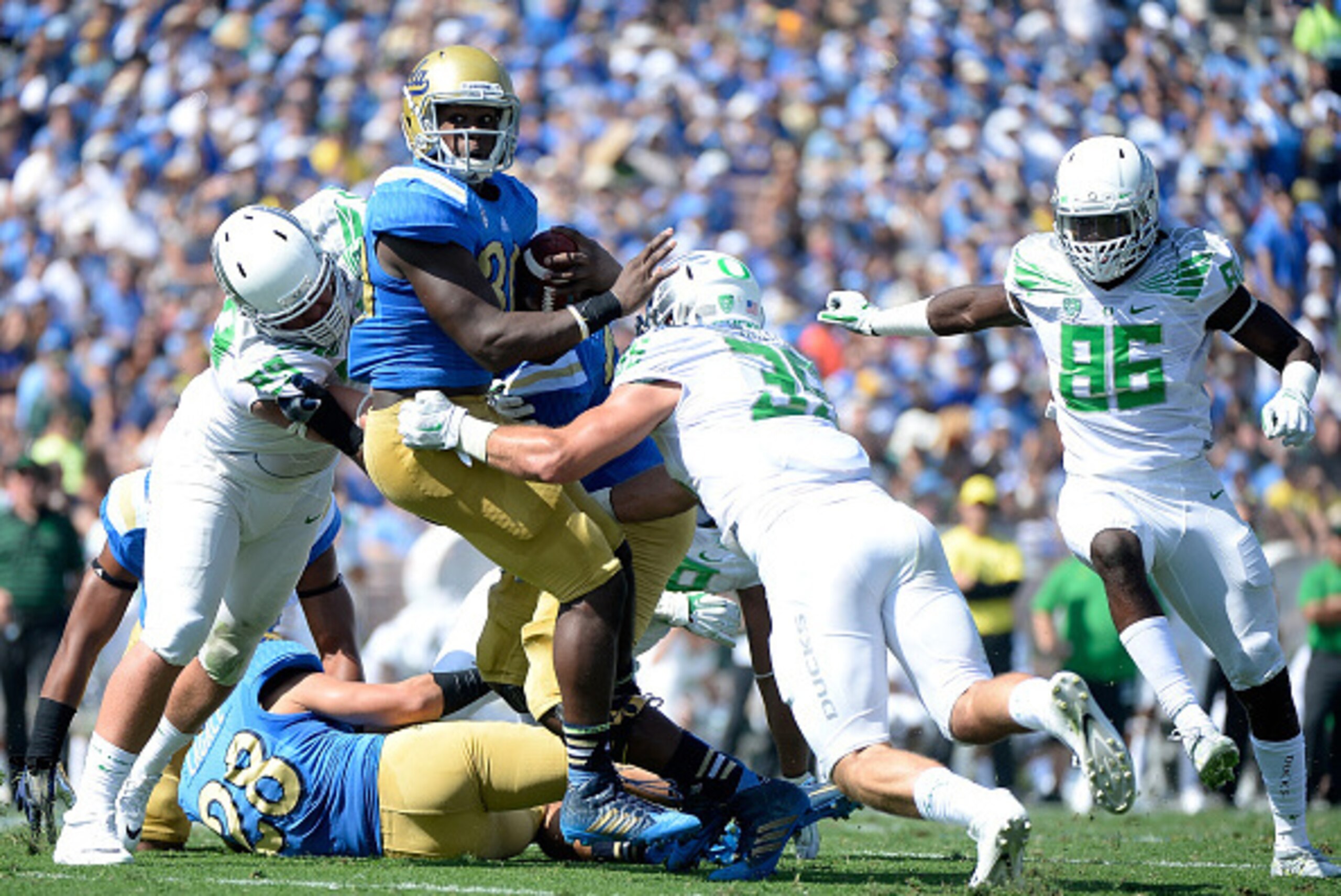
• The best Pac-12 quote of the week came from UCLA's Myles Jack.
"This was definitely one of those games that could shift the perception of our program. It was what we worked for, one of those program-changing games," Jack said, as reported by Bill Plaschke the Los Angeles Times, after the Bruins were pounded around the Rose Bowl.
Jack's candor is admirable. UCLA took the attention, magazine covers and playoff projections, all of which are so often directed to USC. Any supporting actor gladly grabs at a chance for a starring role. This was that chance for UCLA football.
Saturday was that day. Take down Oregon and create the moment Jack understood.
Instead, Brett Hundley was strip-sacked by Tony Washington in the first quarter, leading to the game's first touchdown. It's hard for an outsider to know if it was a protection bust of if Hundley should have seen an unblocked Washington, but a championship team and quarterback need to handle that situation.
The Bruins offensive line was expected to be a work-in-progress, but the progress is slow. Despite that, UCLA's bright spot on offense is Paul Perkins, whose 187 rushing yards Saturday give him 727 and a 6.3 average for the season. Will the Bruins feed Perkins more, beginning with a "must" trip to Cal Saturday?
Jim Mora pointed to the volcanic results throughout college football's first half to sustain the belief that UCLA's season is not over. Mora also accepted the responsibility for the sideline spat with defensive coordinator Jeff Ulbrich that was the distasteful lingering image of UCLA's day.
Ulbrich played 10 NFL seasons as a self-made pro. I came to know him as multiple concussions ended his pro career. Fierce passion drives him, thus his reaction to Mora, while a high-grade "snap," was understandable. Rightly, Ulbrich admitted that the public display of that passion doesn't serve his players.
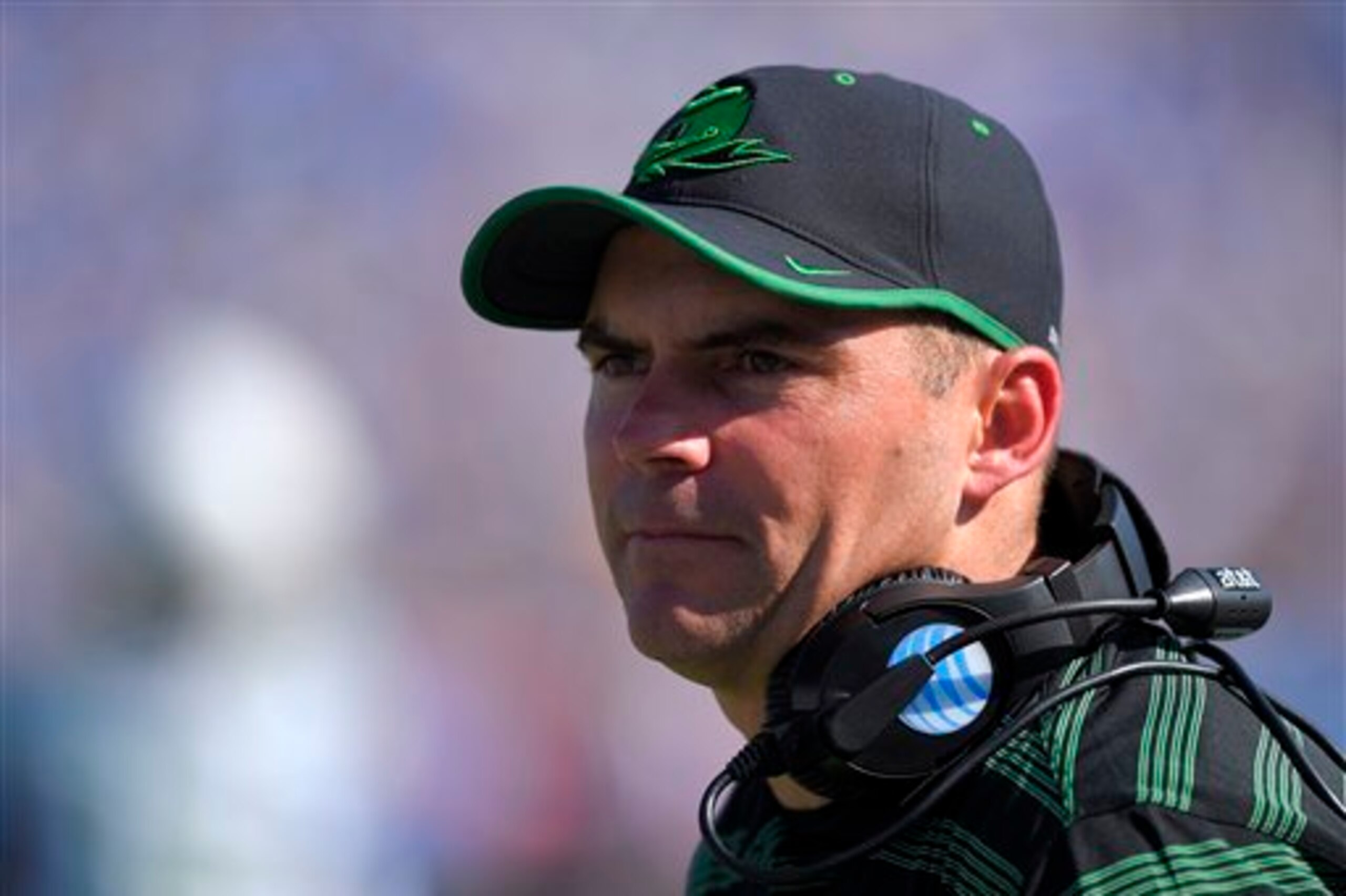
• Then, there is Oregon. After the loss to Arizona, Mark Helfrich was toasted in the local media. One Portland columnist, John Canzano, gave Helfrich the time-worn "I know Chip Kelly, and you're no Chip Kelly" body slam.
The Ducks said little over 10 days. But after dismantling UCLA, they admitted they practiced hard. Very hard. They accepted coaching in the spirit of improvement. And they thoroughly beat the Bruins, 42-30.
Now, the word around Oregon football is relevance. The Ducks are relevant in both the conference and national races. Marcus Mariota is again relevant in the Heisman race, after an efficient four-touchdown day, two by ground and two by air.
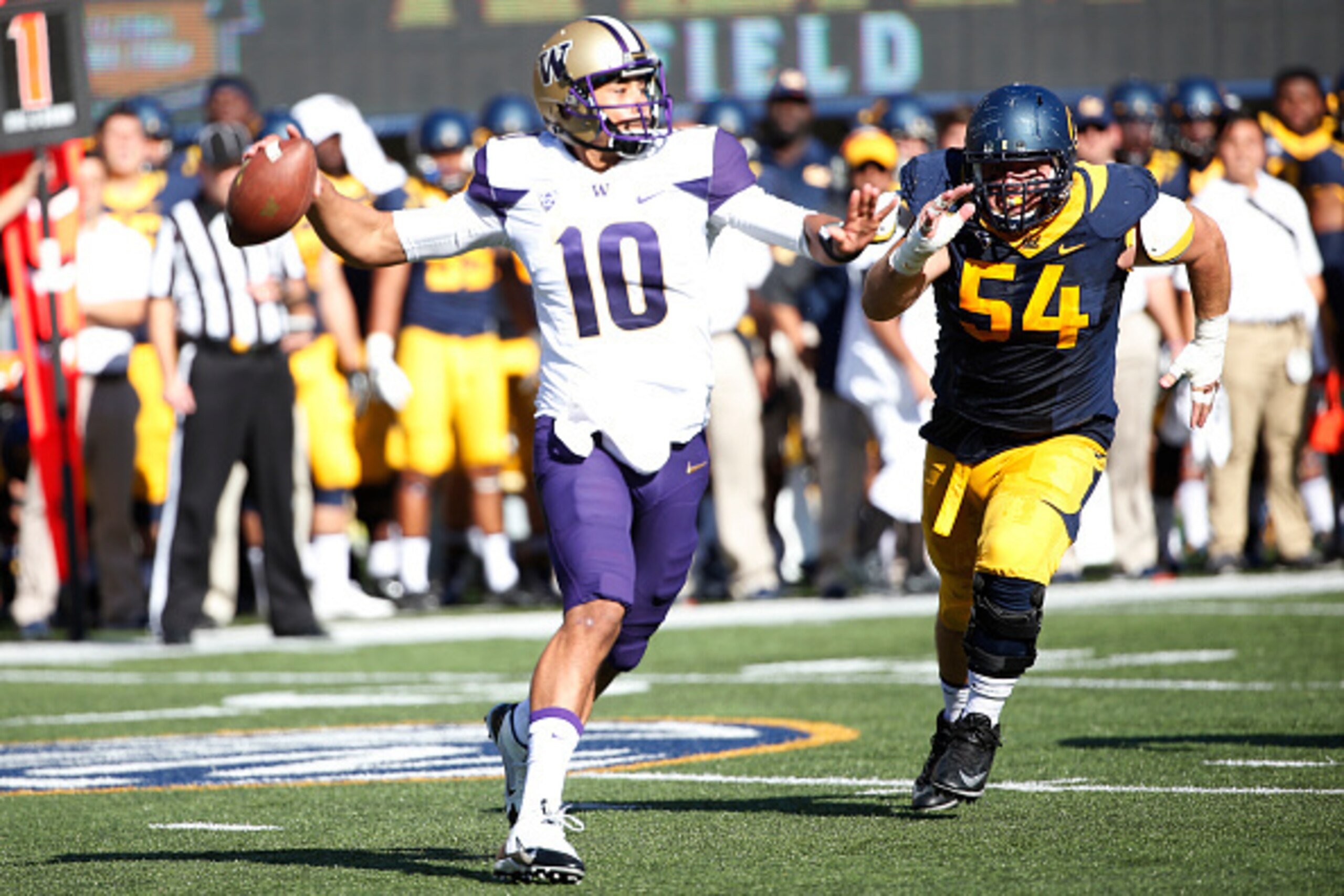
• Washington proved the benefits of a bye week. Head coach Chris Petersen and the Huskies focused on self-scouting. Offensive coordinator Jonathan Smith told me the Huskies evaluated every pass scheme of their first five games and "streamlined" (his word) the pass game. UW's aerial attack needed a spark, and Cyler Miles needed a strong game to establish himself in a QB-dominated conference.
All was delivered.
Miles was accurate with short and intermediate routes, completing 22 of 29 passes for 273 yards. He threw a perfect corner-route TD pass to Joshua Perkins on the first play after a Kikaha forced fumble. And most importantly, Miles commanded a clean offense. No turnovers, no glaring mistakes.
It was a foundation game for Miles, as it established him as a winner in a conference game and created some hope for the Huskies as they take aim at Oregon next Saturday.
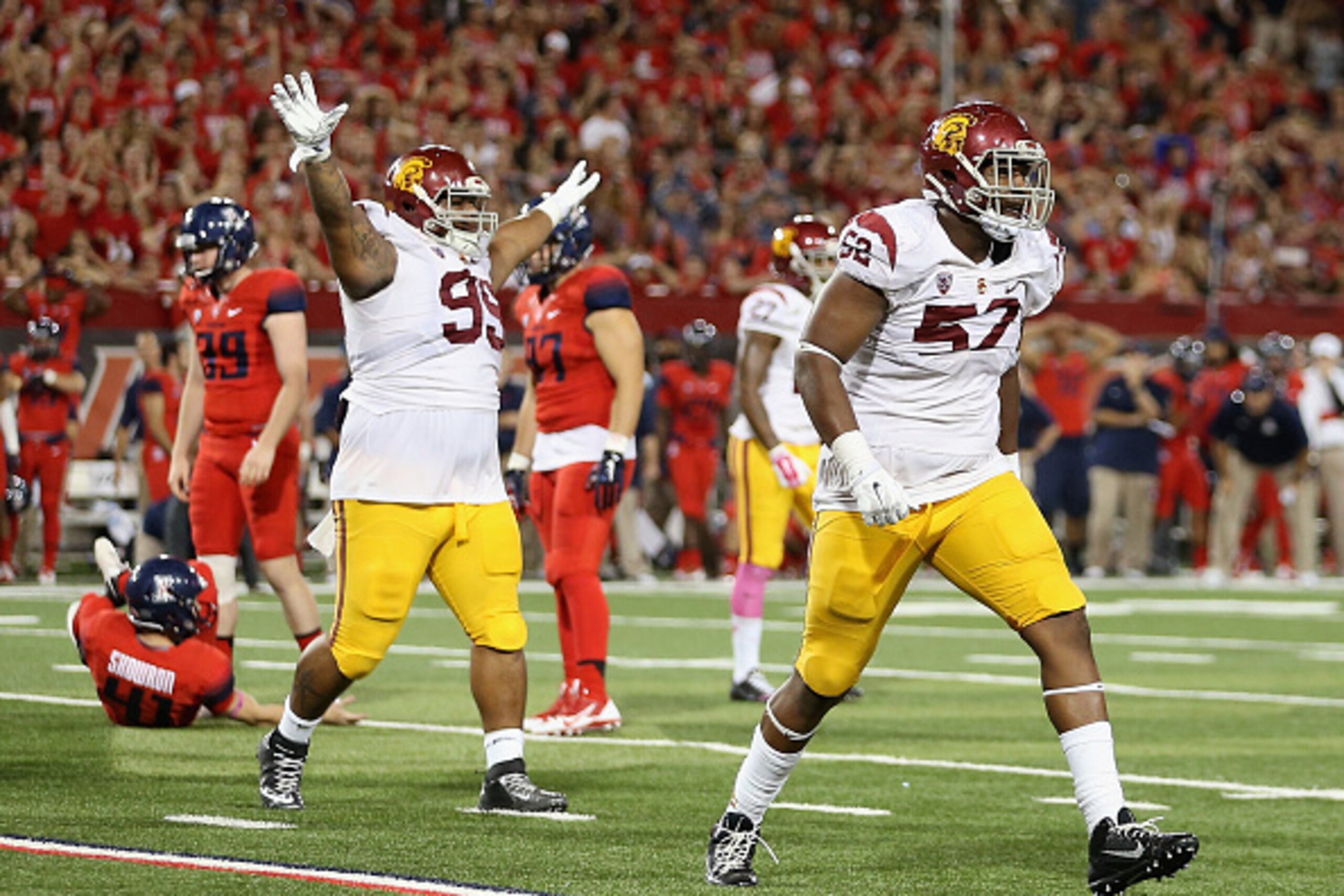
• Wildcat kicker Casey Skowron was the focal point of the final minute in Tucson. He executed a masterful onside kick, as he did in the comeback win over Cal, to give Arizona a chance to steal the win over USC. Anu Solomon and Cayleb Jones, blossoming as a leading pass combo, maneuvered the Wildcats into field-goal range. But Skowron, after a timeout freeze, missed a 36-yard kick for the win.
Aside from how unlikable the concept of placing a 60-minute physical battle in the hands and on the foot of a noncontact player is, no human deserves the scorn heaped upon Skowron. His missed kick was punctuated by a feeble flop.
A reasonable assumption is it was a human reaction to choking at the game-deciding minute. Skowron still does not warrant the hate from Twitter. Vulgar, vile, coarse, repellent: All begin to describe the Twitter venom unleashed on Skowron.
Personal view: Twitter can be an invaluable tool in dispensing real-time news and information. It can also be a weapon, allowing vitriol without accountability. In the case of a college football kicker, the tweets delivered to Skowron were truly pathetic.
Ted Robinson has been around the Pac-10 and Pac-12 for 30 years as the voice of Stanford football and now the Pac-12 Networks. He also is the San Francisco 49ers' radio play-by-play man, as part of his wide-ranging broadcast work on national and international sports.

.jpg?w=2560 "NFL House in Paris Closes for Protests")

.jpg?w=2560 "Trevon Diggs Cut by Seahawks")