
6 Coaches Who Struggle Most at Defending Spread Offense
Over the past decade or so, spread offenses have become all the rage in college football.
From Clemson to Washington State, Oregon to Auburn, various forms of spread systems have proliferated across the college gridiron scene, making the college game more exciting to watch and more aggravating for opposing coaches and defensive coordinators.
Its fast-paced, high-scoring schemes make college football more fun, but if you’re staring at its various fits, starts and wide-open movements, the spread offense can be difficult to combat from the opposite sideline. And sometimes, teams that move fast and struggle to contain the spread are one and the same.
Here’s a look at coaches who, for one reason for another, struggle to defend the spread offense.
Sonny Dykes, Cal
1 of 6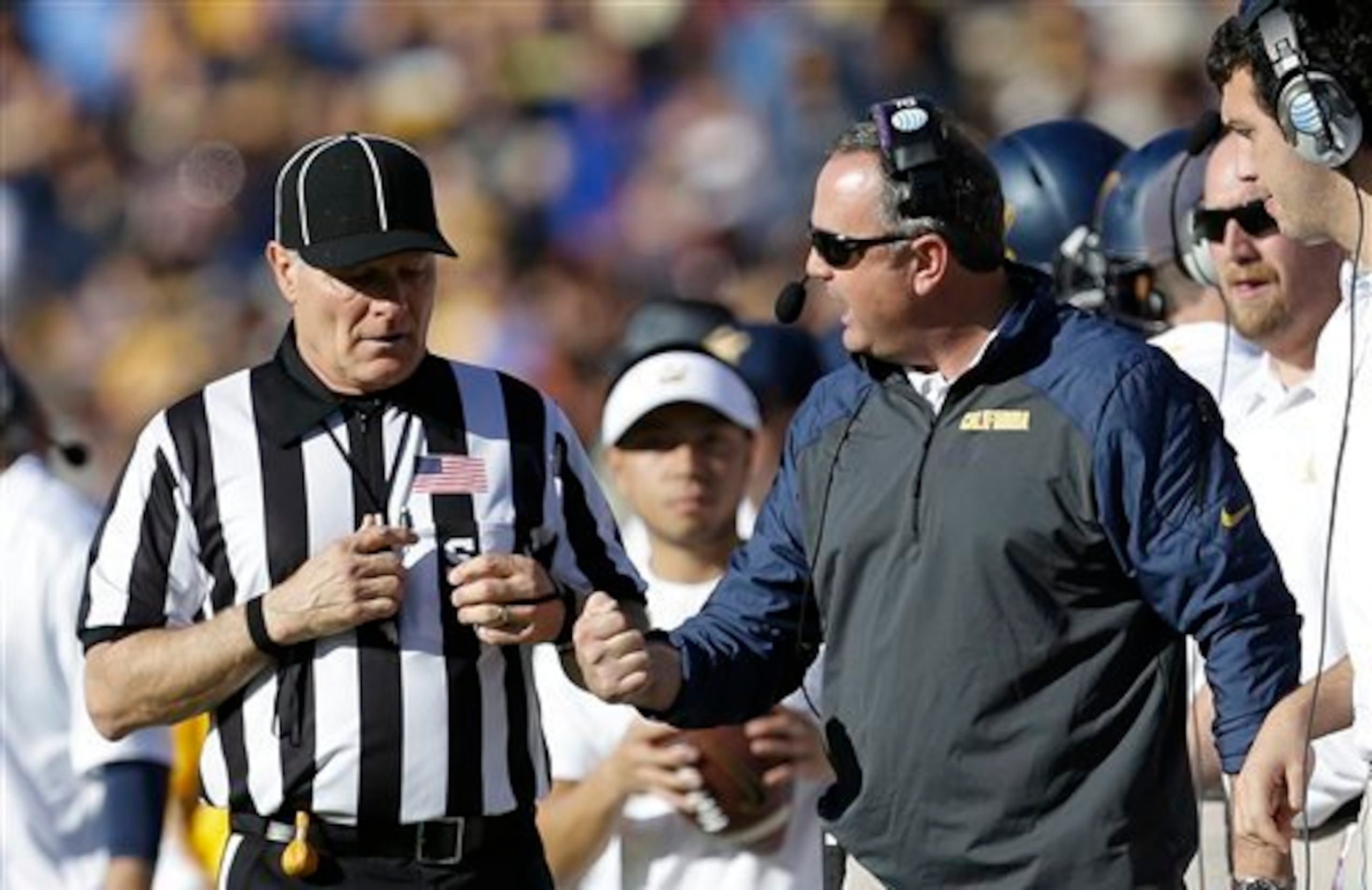
Sonny Dykes parlayed an excellent run at Louisiana Tech (including a 9-3 record in 2012) into the Cal job, but he did it in spite of awful defense. The Bulldogs allowed 340.2 yards passing per game in 2012 (worst in the country) and 526.8 total yards per game (also last nationally) with the nation’s top total offense and passing offense (51.5 points and 577 yards per game, respectively).
Cal’s offense is improving, but its defense remains abysmal. A year ago, the Bears allowed 341 yards passing per game, No. 123 nationally, and 529.6 total yards per game, No. 122 nationally. This year hasn’t been any better. Cal is allowing 349 passing yards per game, No. 123 nationally, and 477.7 total yards per game, No. 110 nationally.
In a 49-45 loss to Arizona, Cal yielded 627 total yards, including 520 yards passing to Arizona freshman quarterback Anu Solomon. Colorado torched Cal for 630 yards of offense in a 59-56 double-overtime win.
Cal and fellow fast-paced team Washington State square off this week. First team to 100 wins.
Kyle Flood, Rutgers
2 of 6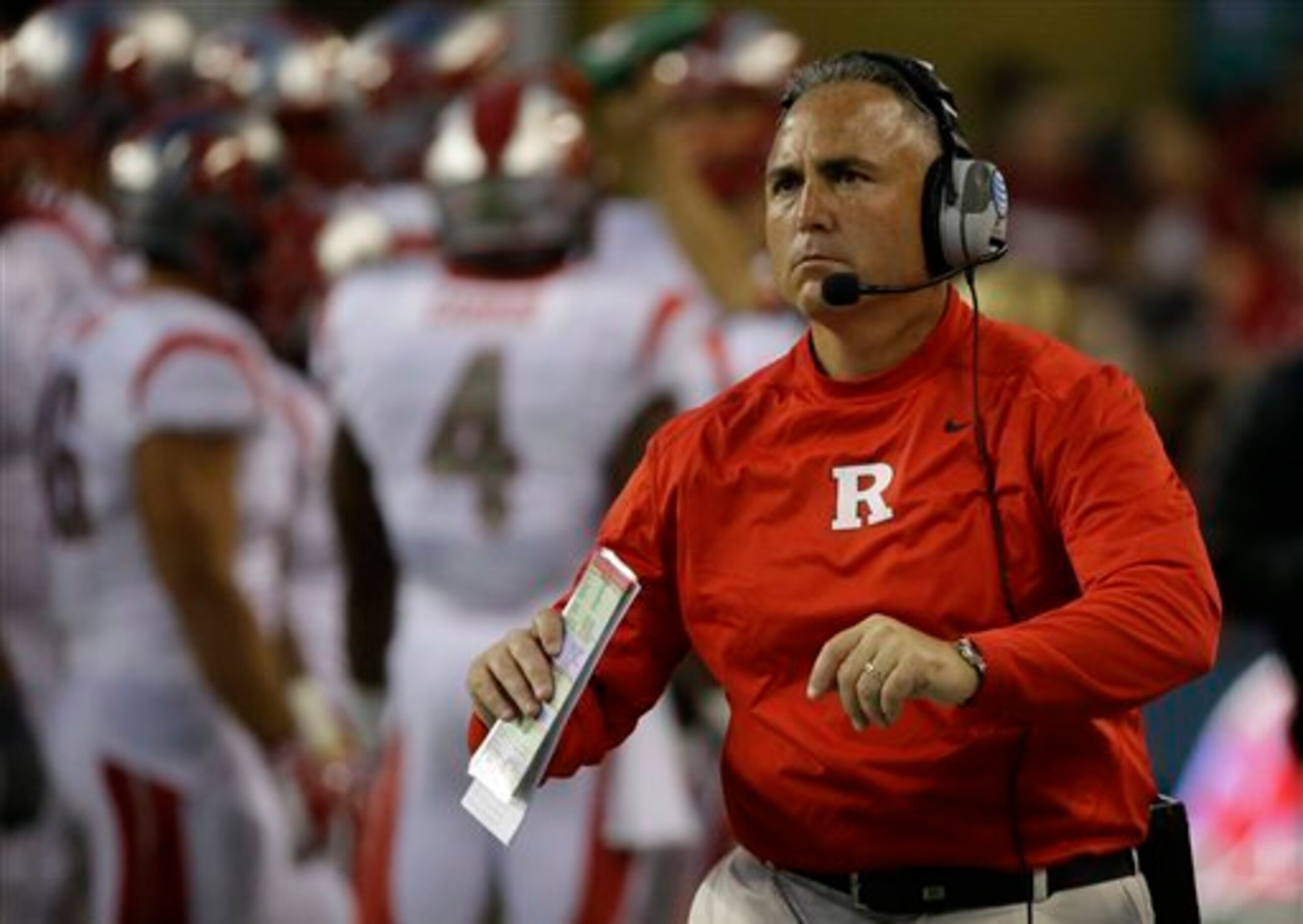
A year ago, Rutgers had one of the nation’s worst pass defenses. The Scarlet Knights allowed 312 passing yards per game (No. 120 nationally) and 29.8 points per game (No. 80 nationally).
Their struggles against spread offenses were pronounced. Houston rolled up 614 yards of total offense with freshman quarterback John O’Korn throwing for 364 yards in a 49-14 win.
Earlier in the season, Fresno State’s Derek Carr threw for 456 yards in a 52-51 overtime loss. And SMU gained 558 yards of total offense (with quarterback Garrett Gilbert throwing for 484) in a 55-52 triple-overtime win.
Rutgers’ spread style looks scarcely improved this season. The Knights survived Washington State 41-38 in the opener, but quarterback Connor Halliday threw for 532 yards.
Maybe it’s a good thing Rutgers has moved to the ground-and-pound Big Ten. Its style is clearly a better fit.
Dana Holgorsen, West Virginia
3 of 6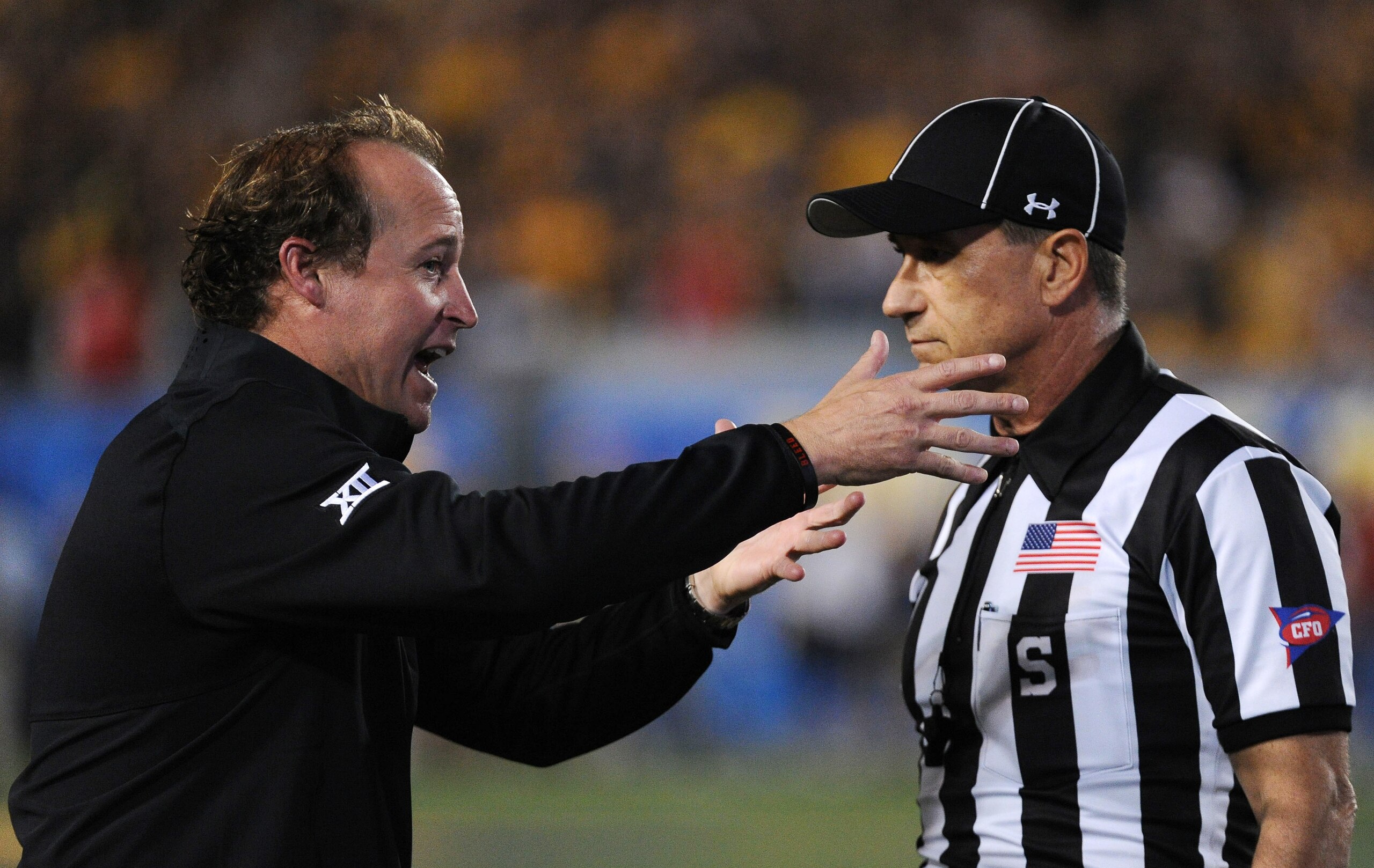
Even though West Virginia is 2-2, the Mountaineers look like one of the nation’s most improved teams. WVU has been very competitive with a pair of Top 5 teams in Alabama and Oklahoma. The key will be carrying that over into the rest of the Big 12 schedule.
The Mountaineers were just plain bad on defense a year ago. They allowed 455 total yards per game (No. 101 nationally), 263.3 passing yards per game (No. 106 nationally) and 33.3 points per game (No. 99 nationally). Baylor torched the defense for a Big 12-record 864 yards of total offense in a 73-42 victory.
The defense has been slightly better this season. West Virginia is allowing 404.8 total yards per game, No. 77 nationally. The Mountaineers are giving up 28.8 points per game (No. 82 nationally). And they’re allowing 205.8 passing yards per game, good for No. 29 nationally.
But it should be noted that Maryland, a team with spread elements, had 447 yards of total offense in WVU’s 40-37 win. And Oklahoma State and Baylor remain on the schedule, so it’s hard to tell just how much West Virginia has progressed.

.jpg?w=2560)
Kliff Kingsbury, Texas Tech
4 of 6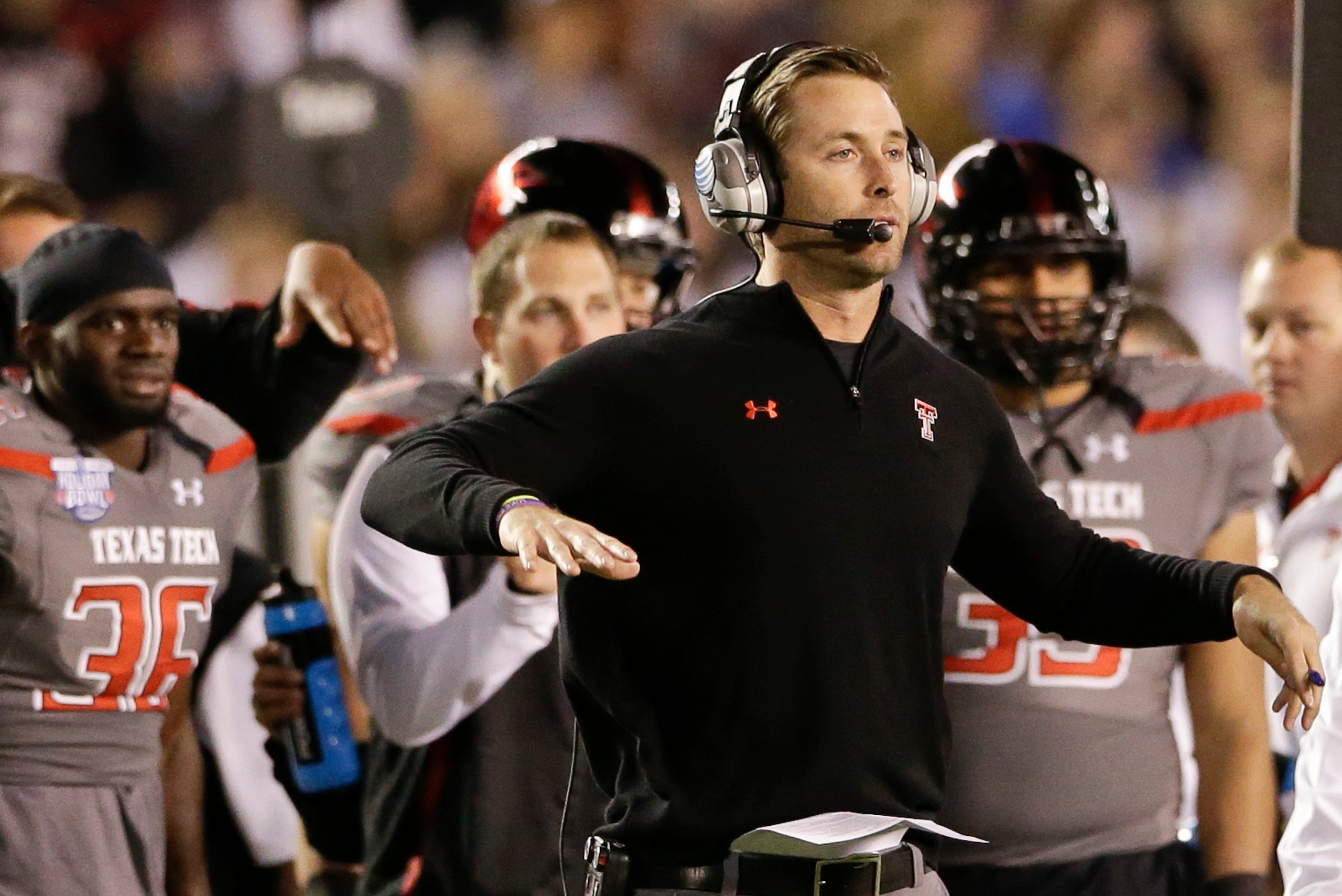
Second-year Texas Tech coach Kliff Kingsbury is a member of the Mike Leach coaching tree: Kingsbury thrived under Leach as the Red Raiders’ quarterback and has built a name for himself as a young offensive guru.
Last fall, the Raiders scored 35.8 points per game, No. 23 nationally, while passing for 392.8 yards per game, second nationally.
This year, Tech is putting up 344 yards passing per game (No. 11 nationally), but defense has been an issue.
Defensive coordinator Matt Wallerstedt resigned late last month for “personal reasons” and the Red Raiders are allowing 38.8 points per game, No. 117 nationally. In a 45-35 loss, Oklahoma State backup quarterback Daxx Garman torched Tech for 370 yards with four touchdowns against two interceptions in a 45-35 defeat.
Kingsbury clearly knows his way around the passing game, but with West Virginia and Baylor’s high-powered offenses left on the schedule, the defense must improve to reach the heights those in West Texas expected this fall.
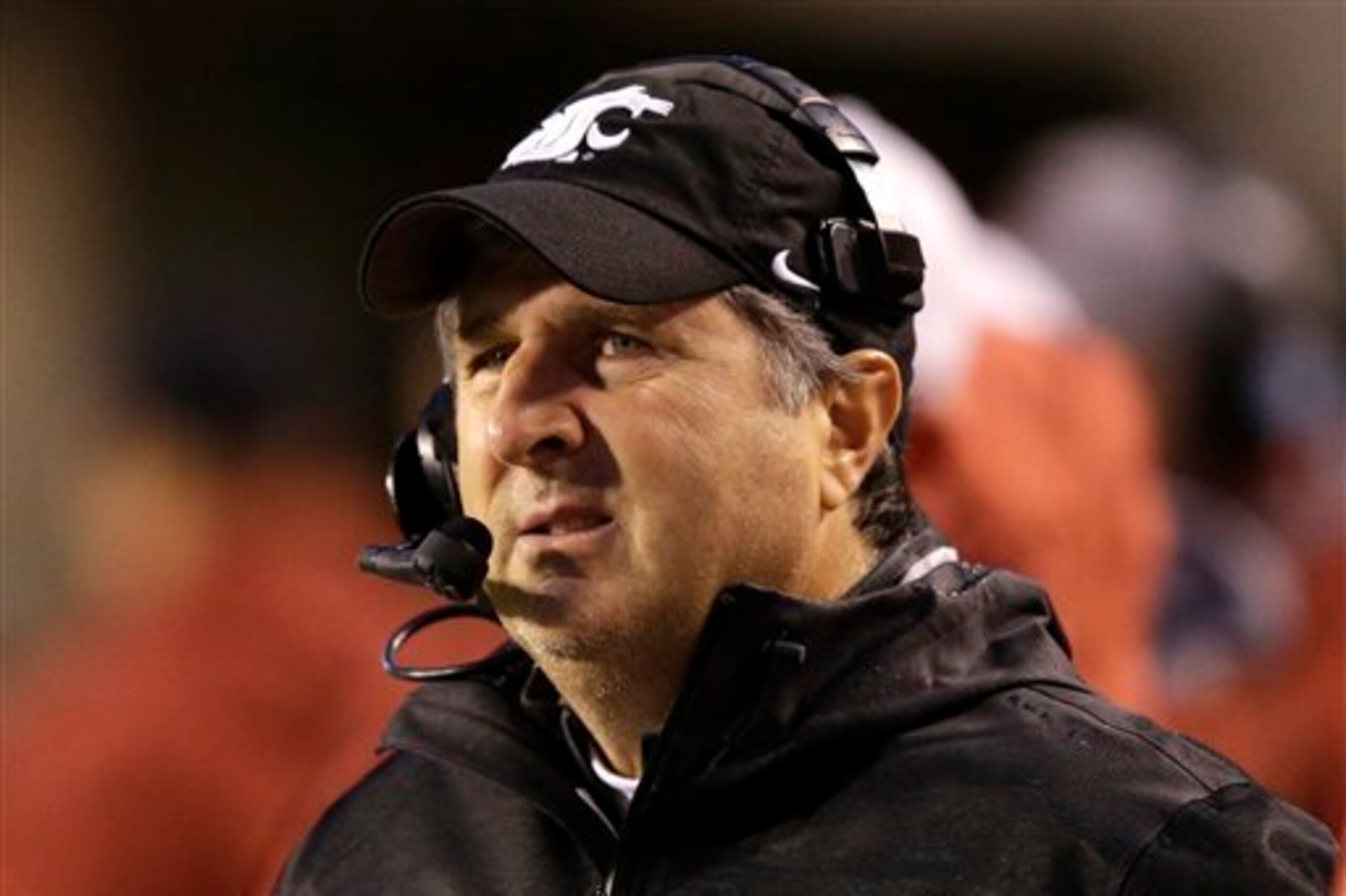
Mike Leach, Washington State
5 of 6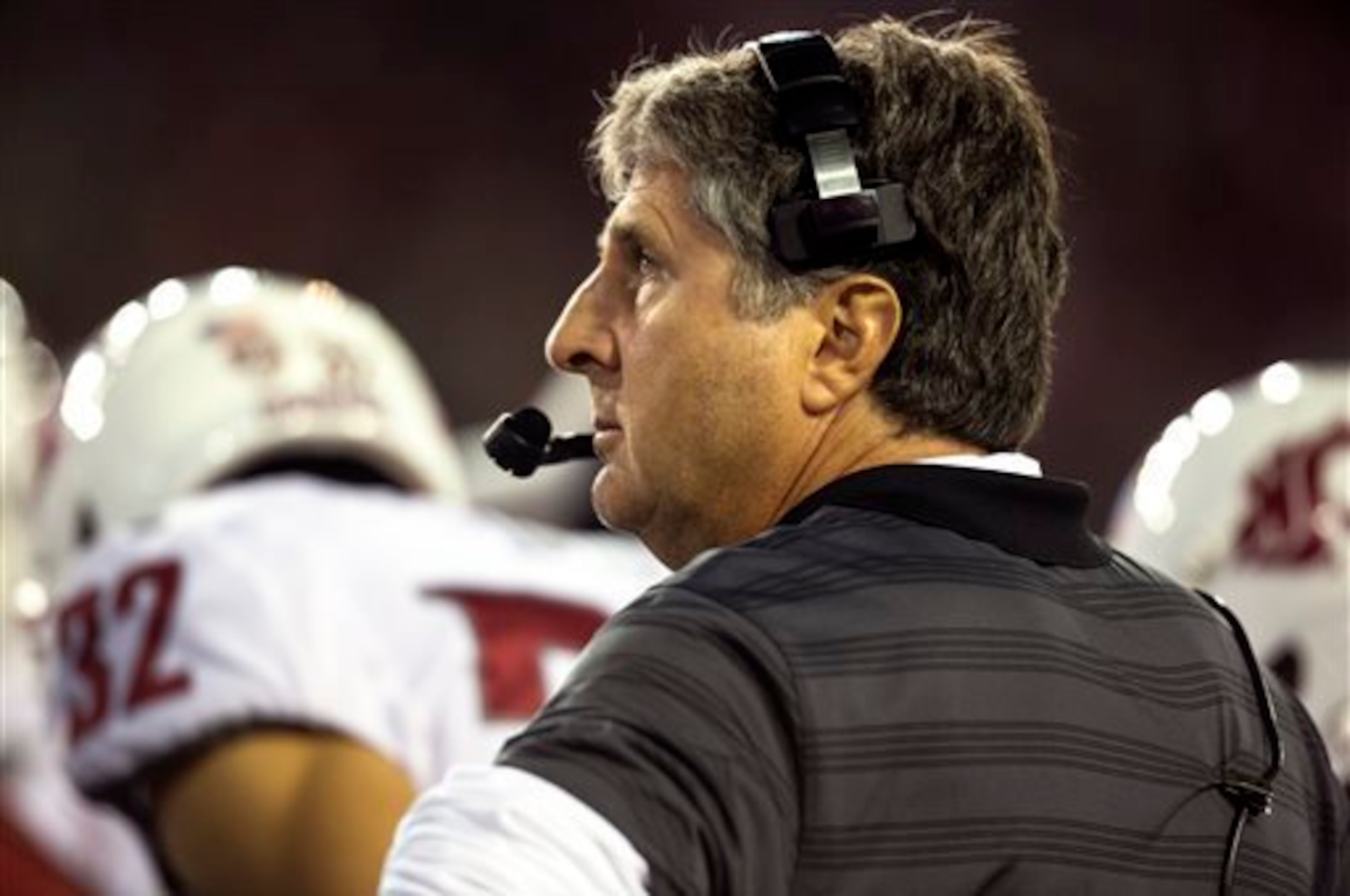
Mike Leach has been one of the biggest proponents of spread offense, taking the Air Raid scheme from a successful run at Texas Tech to Washington State, where he took the Cougars to a bowl game in 2014.
But while Leach’s teams have always been able to move the ball through the air, they’ve needed to score plenty of points because the defense can’t keep up.
Last year, Washington State passed for 368 yards per game, fourth-best nationally. But the Cougars allowed 270 yards per game through the air, No. 112 nationally.
That marked regression from 2012, when Wazzu allowed 262.7 yards and 33.7 points per game (both No. 98 nationally).
To their credit, the Cougars have improved this season. They’re allowing 230.4 passing yards per game (No. 56 nationally) and 30.2 points per game (which is No. 88 nationally). But they failed to slow down Oregon’s spread offense and star quarterback Marcus Mariota. Oregon had 501 yards of total offense and Mariota completed 21 of 25 passes for 329 yards.
Washington State ranks No.1 in FBS with 480.8 passing yards per game. With Arizona, Arizona State and Cal left on the schedule, they’re going to need every one of those to squeeze out another postseason berth.
Nick Saban, Alabama
6 of 6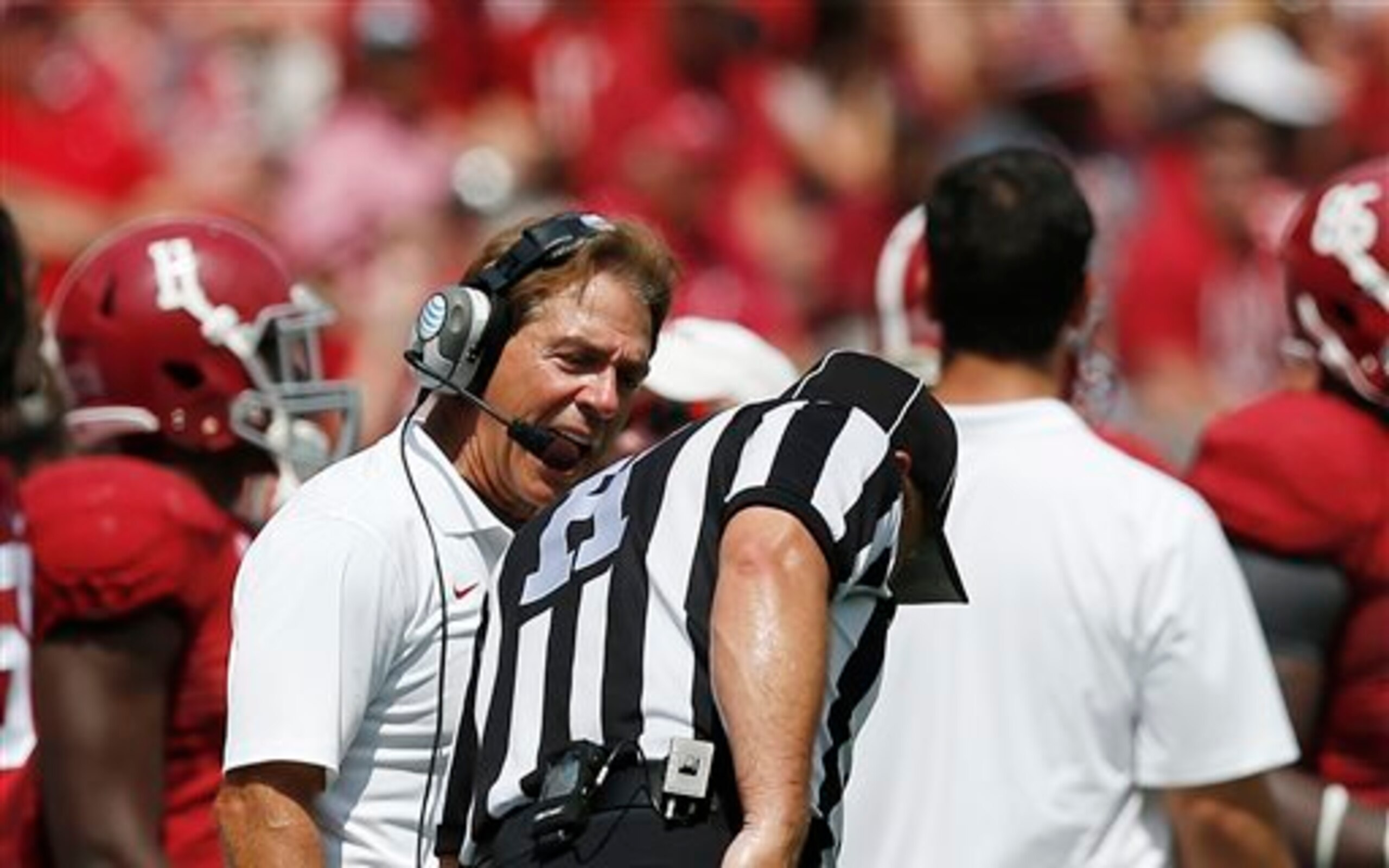
While Nick Saban is regarded as one of the nation’s top defensive minds, he and highly regarded defensive coordinator Kirby Smart have an Achilles’ heel in spread offenses.
Alabama and Smart’s defenses have struggled against Auburn’s hurry-up, no-huddle offense. In 2010, Cam Newton and Gus Malzahn’s offense erased a 24-0 deficit for a stunning 28-27 win in the Iron Bowl.
In fairness, with Newton gone in 2011, Alabama outgained Auburn 397-140 in a 42-14 rout.
But last fall, Auburn got some revenge, rolling up 34 points and 393 yards of total offense in a stunning last-second victory. Alabama entered the game allowing 91 yards per game on the ground, but Auburn’s read-option rolled up 296 rushing yards.
In addition, Texas A&M quarterback Johnny Manziel and the Aggies’ high-flying offense gave Alabama fits. In 2012, Manziel stunned the Crimson Tide, helping A&M roll up 418 yards of total offense in a 29-24 upset.
Last fall, Alabama prevailed 49-42, but A&M had 628 yards of total offense, with Manziel throwing for 464 and five touchdowns.
Alabama beat back West Virginia and Dana Holgorsen’s spread 33-23 in the season opener, but quarterback Clint Trickett threw for 365 yards against the Tide’s defense. Football Study Hall's Ian Boyd has an excellent look at why the Tide struggles with spread looks.
With Texas A&M, Auburn and Ole Miss still on the slate this fall, it’ll be fascinating to see how Alabama’s defense holds up. The Tide’s College Football Playoff hopes will depend on it.

.jpg?w=2560 "NFL House in Paris Closes for Protests")

.jpg?w=2560 "Trevon Diggs Cut by Seahawks")