
Ted's Takes: The Pac-12's New Superstar QB, Arizona-Oregon Prediction and More

The producer's voice was strong: "We need to record billboards." Give me just a minute. Then came the next surge: "We need to rehearse." Hang on. Let me watch this play. "Come on. We have to go. Now."
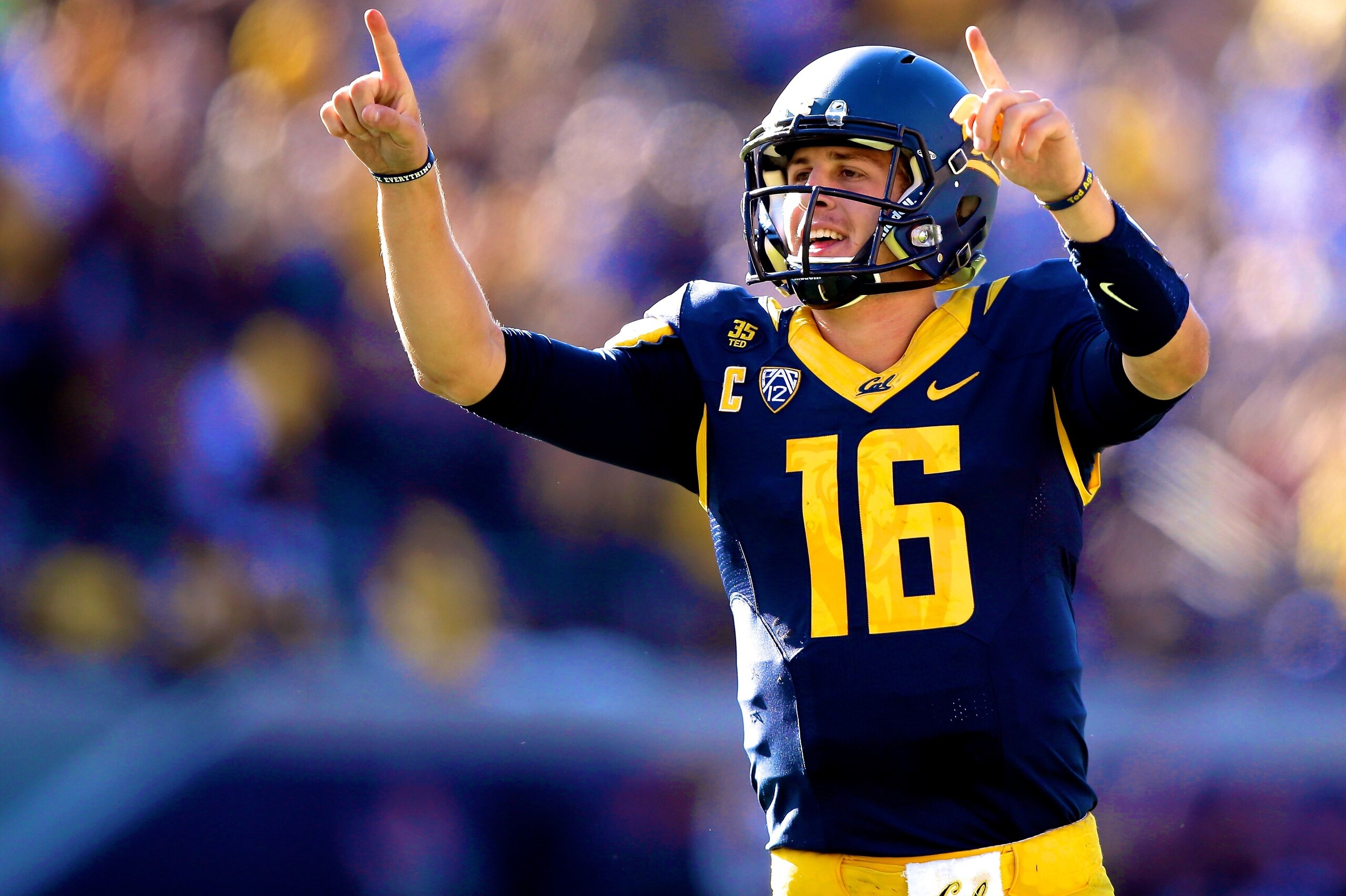
Problem was, every time I looked at my iPad, Jared Goff was making a terrific throw, leading Cal down the stretch of a crazy, entertaining game against Colorado.
I was in Salt Lake City, and the Washington State-Utah game was an hour away. Goff delivered a perfect strike to Chris Harper with two minutes, 29 seconds remaining, staking Cal to a 49-42 lead. Defense is still very much a work in progress for the Bears, so before I could finish recording, Colorado had pushed the game into overtime.

.jpg?w=2560)
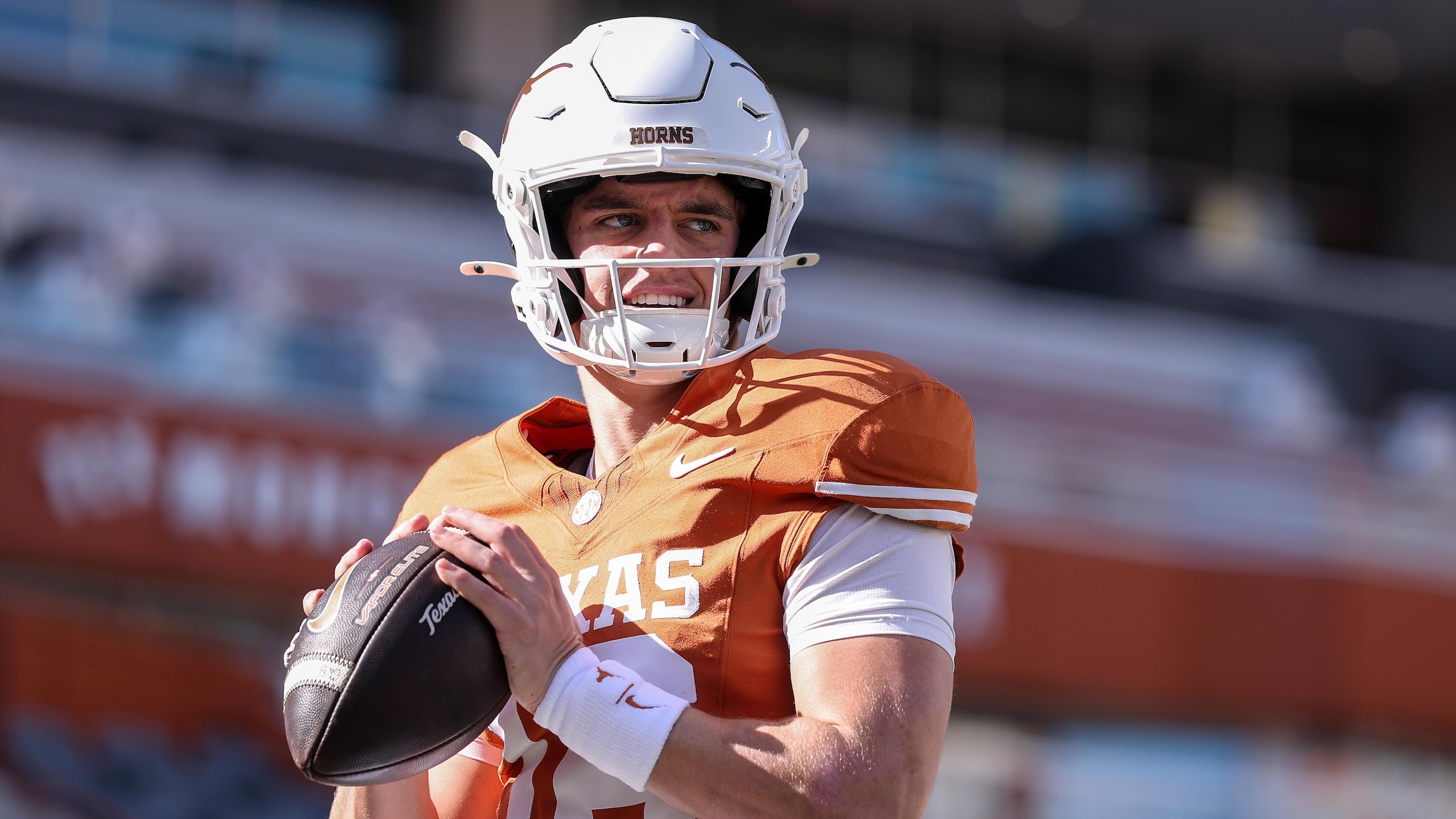
My next glance at the tablet saw Goff rip a post throw to Bryce Treggs for a first overtime score. Here was Goff, passing with touch and accuracy and taking the deep shot. He was making all the throws required of a top-tier quarterback. And his passing was quality: 458 yards and seven touchdowns on just 24 completions. Any fan who remembers football when passes were routinely forward rather than sideways loves this Cal attack.

In the first half, Goff struggled to find a rhythm. He was intercepted on his first attempt and ended the half having completed just eight of 16 passes. But he turned his game, and the Bears' fortunes with it, around in the second half.
Cal's 59-56 win was significant. On the heels of a fourth-quarter meltdown in Arizona, the Bears snapped a 15-game conference losing streak. Cal fans will be teased by the temptation of saying, "If we could have defended a Hail Mary, we would be undefeated." After going 1-11 in 2013, that dreaming is allowed.
Sure, the Bears haven't been tested against a top-tier conference team. They haven't posted a signature win in the Sonny Dykes era. But they have a blossoming quarterback in a conference that demands quality play at that position. Jared Goff gives Cal what it most needs: hope.
Another Emerging QB
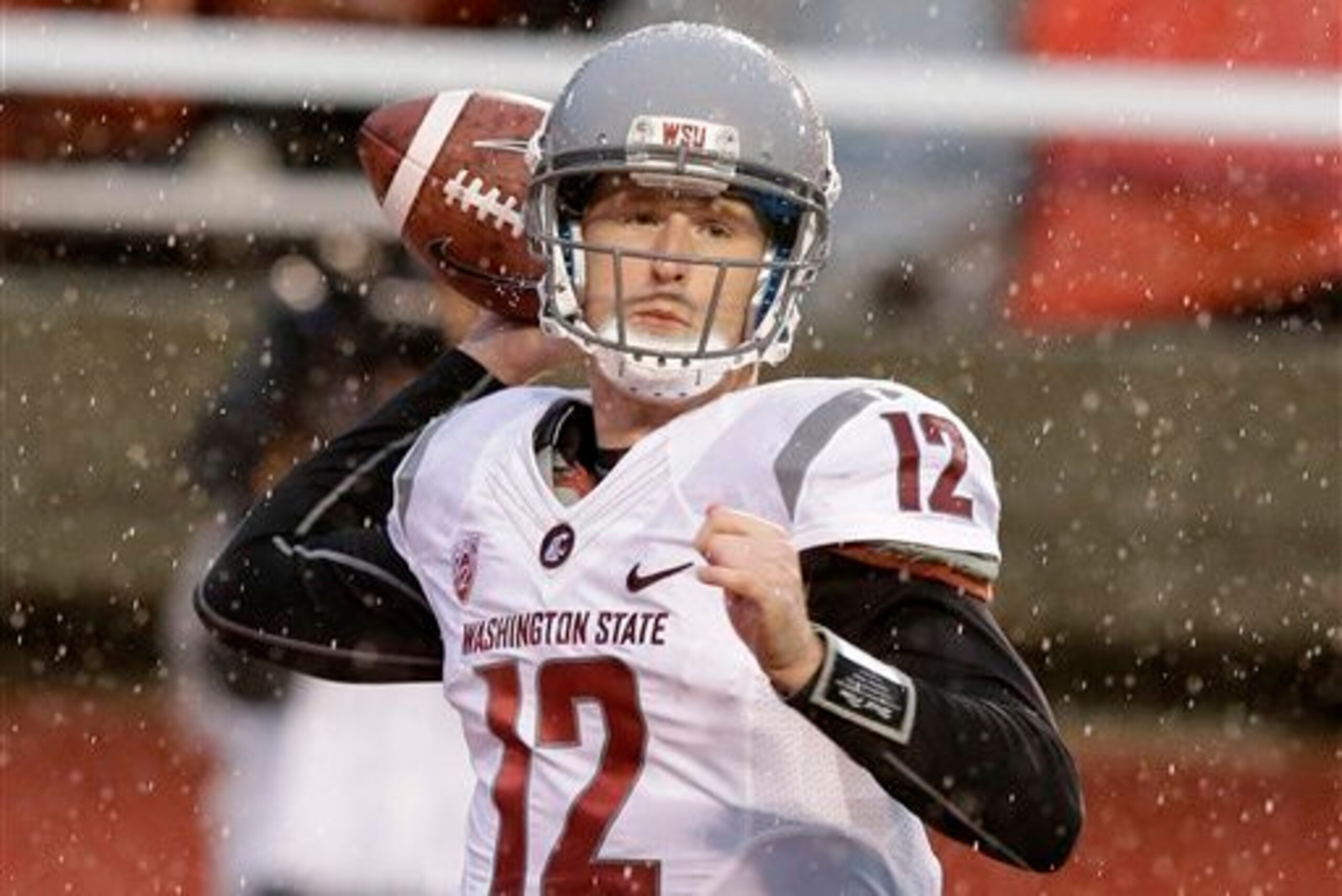
In a midweek conversation, I asked Washington State coach Mike Leach what trait he felt quarterback Connor Halliday had most improved over their three years together in Pullman. Drawing on the standard coach speak, Leach talked about finding checkdown receivers, reading progressions and avoiding negative plays. Then, as an afterthought, he talked about Halliday's maturation. He explained that Halliday no longer shows his frustration on the field, now playing with the composure needed by a team learning how to win.
Utah punched Washington State in the first quarter with a pick-six, a punt return for a score and a 76-yard touchdown run. Trailing 21-0 in rain and whipping wind on the road, the Cougars could hardly have been blamed if they had been looking toward next week.
Any thought of that ended early in the third quarter. I looked at the Cougars bench as they forced a Utes punt. Their players were engaged, boosting each other's efforts and exuding a belief they were still in the game. I believe in body language and mentioned thus on the Pac-12 Networks telecast.
Little did I think that scene would change what felt inevitable. Utah led 24-7, and Halliday's first half had been erratic. Ninety minutes later, the Cougars had rallied for a 28-27 win, as impressive a conference win as Leach has enjoyed in Pullman (yes, I include last year's USC victory.)
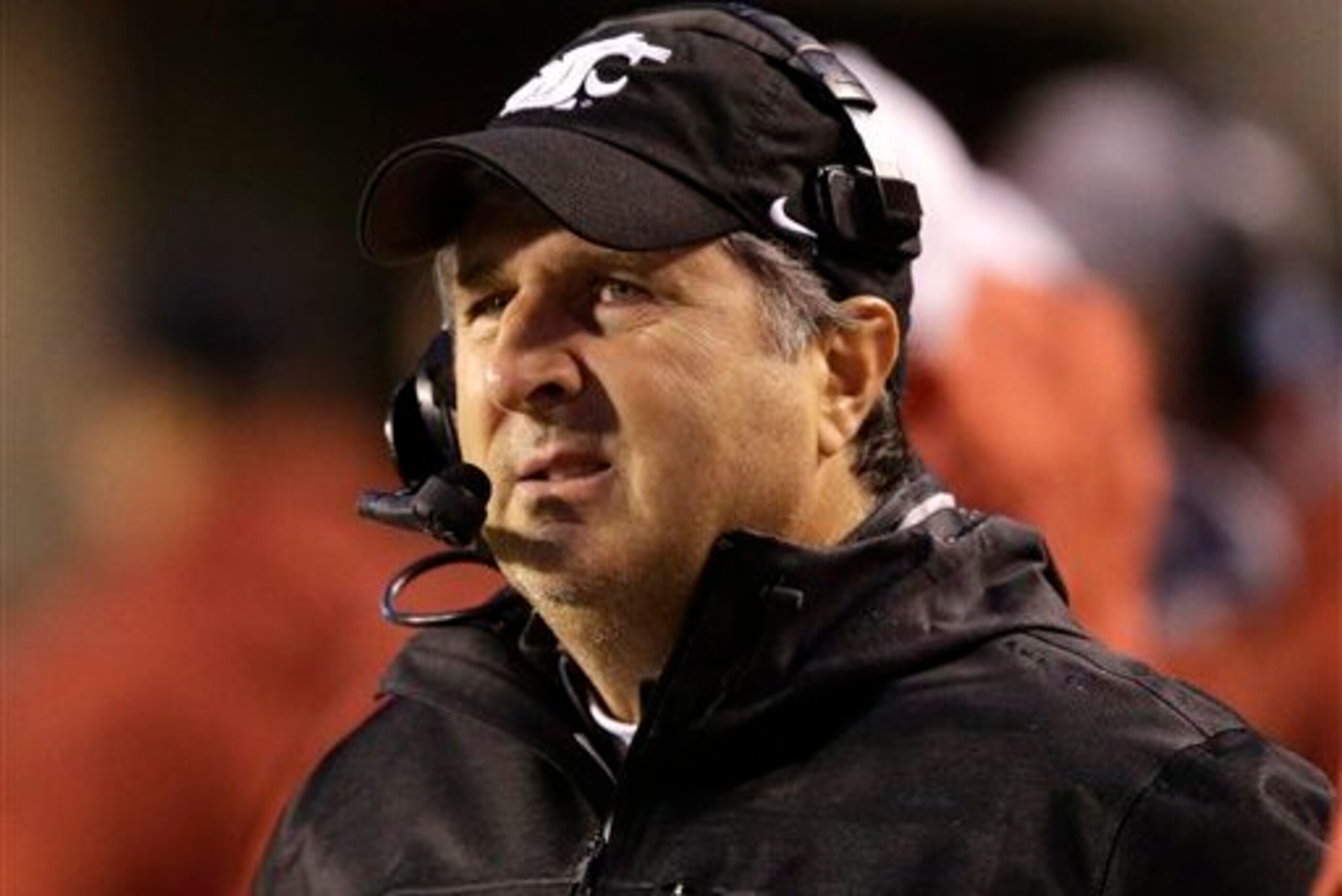
This was a great credit to Leach. He called a first-quarter timeout after Utah took the 21-0 lead. The coach gathered all the Cougars at midfield and delivered a talk he said was "intended to avoid" overreactions. Couple that with an obvious halftime regrouping, and the second half was a "big step forward" for Washington State.
Leach said that step was about his defense, a group that smothered Utah's Travis Wilson most of the night. But I felt this was as much about Halliday. He played a superb final 30 minutes, displaying the poise Leach had talked about three days earlier. Sophomore River Cracraft was the third-down target, Halliday finding him for six first-down conversions.
The turning point, though, was pure Leach. Down 27-14 early in the fourth quarter, the Cougars faced 4th-and-14 from the Utah 20. This was Leach. No field goal. He went for it all. Halliday stood in the pocket and ripped a shot to Dom Williams in the back of the end zone for a touchdown. The next possession, Halliday threw a slant to Vince Mayle that, after a Utes defensive back slipped, became an 81-yard score. It gave the Cougars a win that could resonate all year.
Halliday was 22-27 in the second half for 267 yards and three touchdowns. Often, his passing seems to be more about quantity, but this was sheer quality. He could end his career as only the second Pac-12 quarterback to throw 100 touchdown passes, joining former USC signal-caller Matt Barkley.
But this night was about Leach. His persona clearly emerged through his team. It played without fear and was rewarded. Can it continue?
Stanford-Washington takeaway
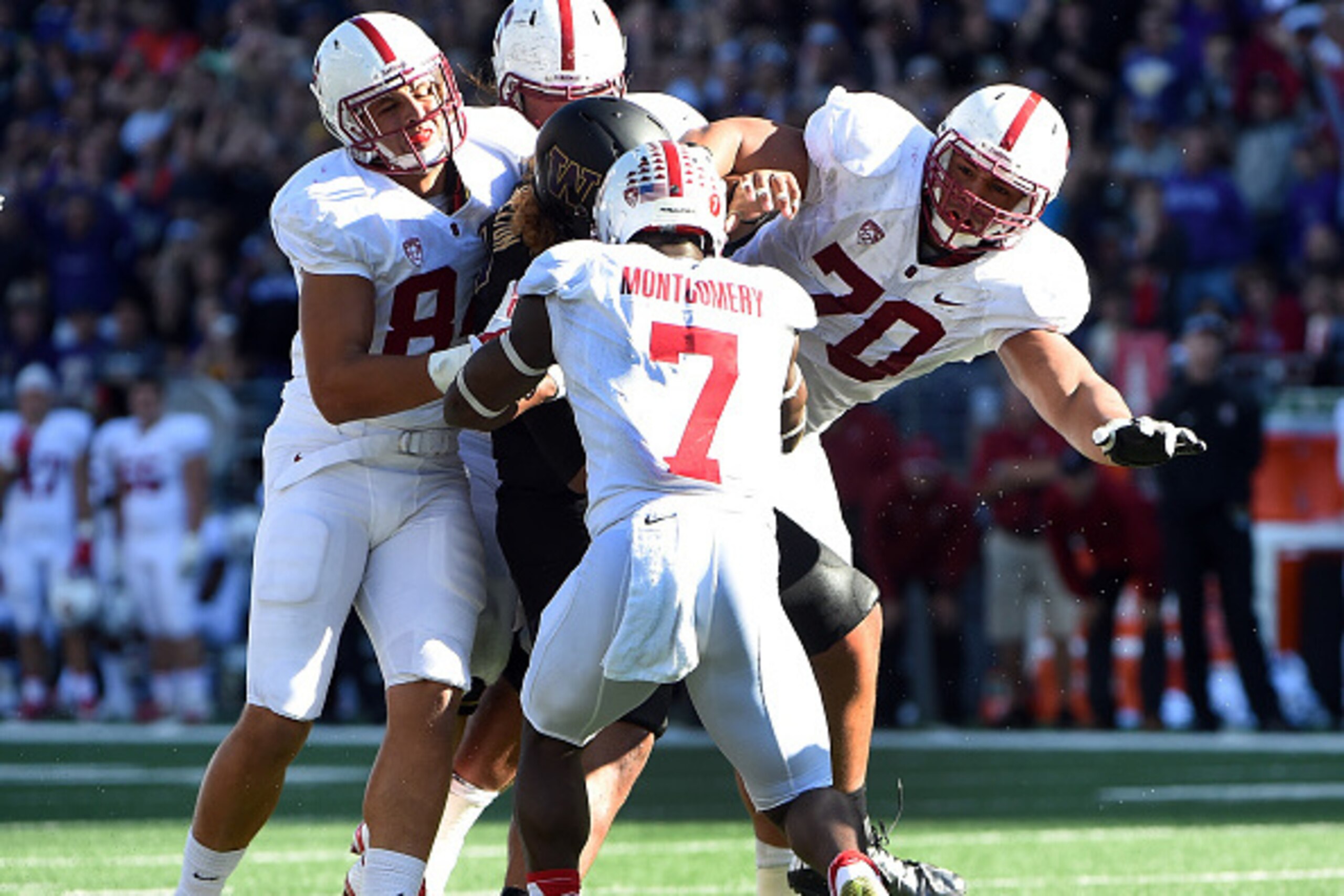
Stanford won another Cardinal-type game. Lacking red-zone punch, the Cardinal survived their miscues to beat Washington. Kevin Hogan used his legs, as effective a threat as his arm this year, to engineer the game-winning drive.
But a bigger takeaway was Washington's offense being exposed. Much should be made of Chris Petersen's fake-punt call, but the Huskies' season will be defined by Cyler Miles, rather than a single ill-timed decision.
Washington averaged less than three yards per play. Its offensive line couldn't protect, and Miles didn't handle the pressure.
The Huskies totaled just 179 yards. Washington has to answer a fundamental question: Was this a result of its offense? If Stanford's defensive front seven is that good, then the Cardinal should still factor in the conference and national races.
Upset watch
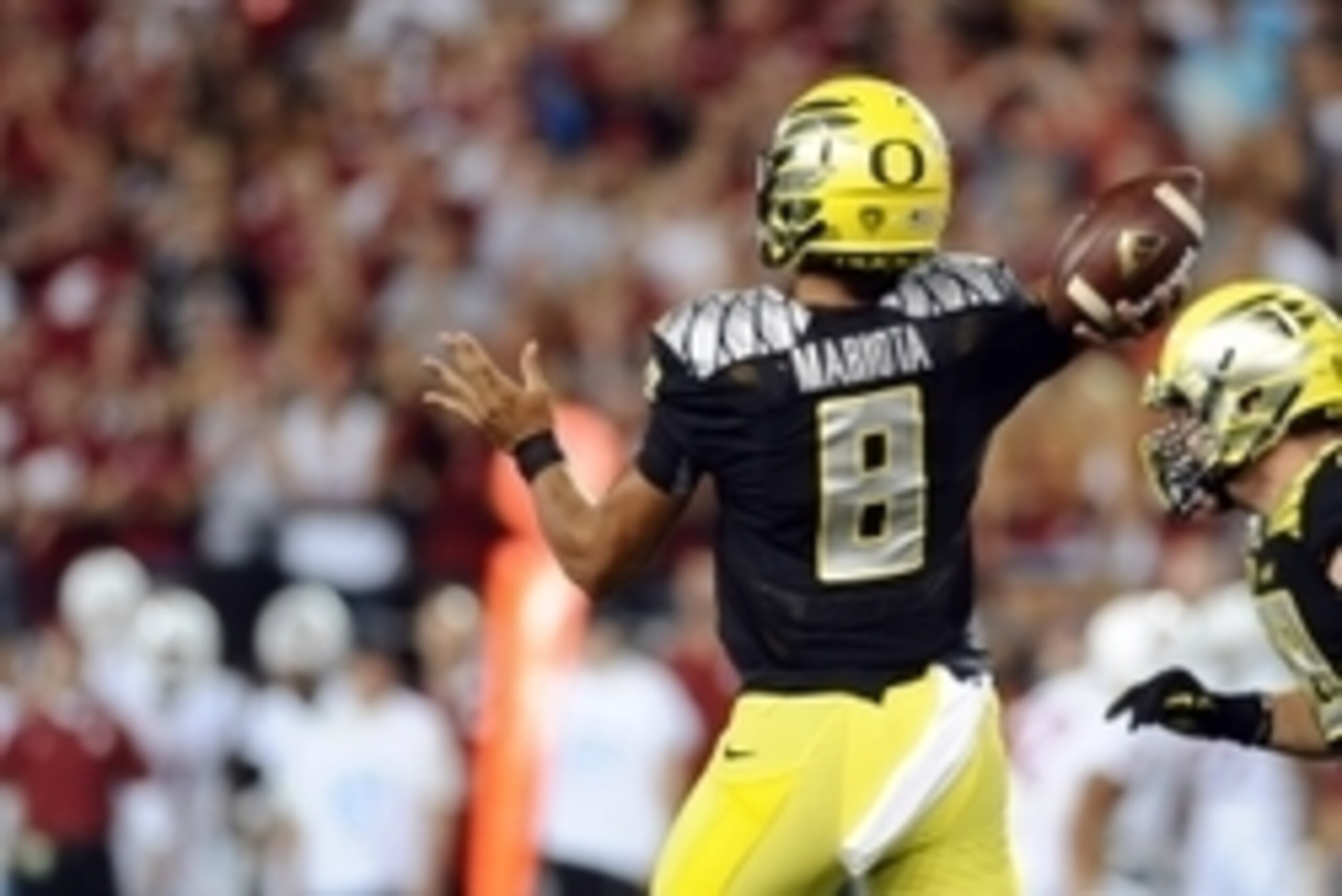
Can Arizona repeat its stunning upset of Oregon from last November? The Wildcats' best hope would be to get Ka'deem Carey back from the Chicago Bears. Oregon's lack of resilience along the defensive front was never more exposed than by Carey on a wet and cool afternoon at Arizona Stadium.
Of his 206 rushing yards that day, 84 came after initial contact (my count after tape study of that game). Oregon could barely slow, let alone stop, Carey with the first defensive hit. So the Wildcats kept feeding him the ball, and the Ducks were thoroughly pounded into defeat.
Now, Carey is in the NFL, Marcus Mariota is healthy (a knee injury suffered two weeks earlier against Stanford hampered him), and Oregon has been stouter along the defensive line. The difference in those elements should lead to a different outcome this week.
Ted Robinson has been around the Pac-10 and Pac-12 for 30 years as the voice of Stanford football and now the Pac-12 Networks. He also is the San Francisco 49ers' radio play-by-play man, as part of his wide-ranging broadcast work on national and international sports.

.jpg?w=2560 "NFL House in Paris Closes for Protests")

.jpg?w=2560 "Trevon Diggs Cut by Seahawks")