
9 NBA Players on the Verge of Basketball Oblivion
Who’s got next?
It’s an adage with which basketball fans are friendly-familiar—both a quip to find out who’s got the next pickup game and who among the NBA’s scores of young players is most poised for a next-year leap.
Being “next” is a great thing. It means you’ve arrived on the public’s radar. It means whatever you do on the court, we'll be watching.
This slideshow is about the other guys.
Because for every promising up-and-comer on the cusp of hardwood-hero status, there’s one player for whom the years of rising expectations have not been kind.
Today, we’ll look at nine players who, if things don’t turn around soon, risk fading forever into NBA oblivion.
Now, as Walter Sobchak might say, “This isn’t ‘Nam—there are rules.” For instance, we’re not including players who’ve logged fewer than two NBA seasons. Second, they have to be younger than 30.
And…that’s pretty much it! Let’s give these poor dudes a good talking-to, shall we?
Jeff Green
1 of 9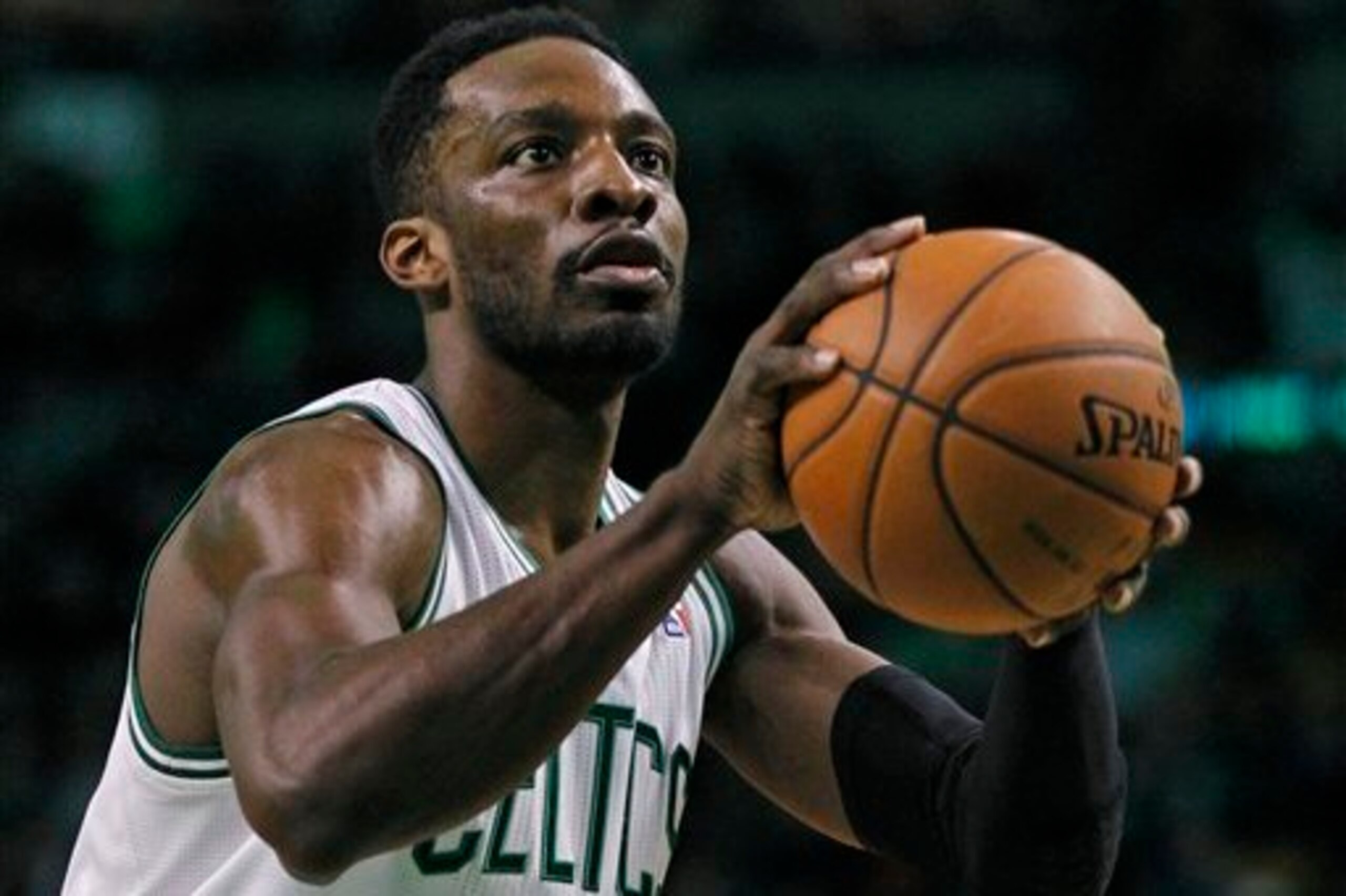
I can’t tell you how many times over the past eight years I’ve heard the following sentence: “I loved Jeff Green. … When he was at Georgetown.”
And really, who could blame you? Here was a 6’9” athletic specimen who could do a little bit of everything and do some things—namely scoring and passing—really well.
By his second season with the Oklahoma City Thunder in 2008-09, Green was well on his way to surefire stardom, tallying 16.5 points, 6.7 rebounds and two assists per game alongside a pair of equally enrapturing talents: Kevin Durant and Russell Westbrook.
In 2011, following two more mostly disappointing seasons, Green was dealt to the Boston Celtics for Kendrick Perkins. He’s never been the same since.
The good news: Green finished the 2013-14 campaign with career highs in points (16.9) and…well, that’s about it. That he achieved said feat on a 25-win Celtics team doesn’t exactly bode well for the future, either.
At the same time, if anyone has a good reason for not quite living up to his draft-day hype, it’s Green, who was forced to miss the entire 2011-12 season after being diagnosed with a rare heart condition.
Like many on this list, Green still qualifies as a player for whom a change of scenery might do wonders for his career. The alternative, of course, being a long, slow decline into middling obscurity.
Brandon Jennings
2 of 9
Look, when you score 55 points as a 19-year-old in just your seventh NBA game, as Brandon Jennings did as a rookie with the Milwaukee Bucks in 2009, don’t blame us for buying the hype.
Five years of stagnant statistical production later, Jennings—still only 24—has become a kind of point guard pariah. To be sure, the flashes are still there in the silky-smooth step-back threes and deft handle that make him one of the game’s best at protecting the ball.
Here’s the thing, though: When you manage to shoot above 40 percent from the field just once in five seasons, you can’t expect people to take you seriously as a star in the making.
Now with the Detroit Pistons, Jennings has two seasons to make right before becoming an unrestricted free agent for the first time in his NBA career. Luckily, Stan Van Gundy, the man tasked with turning Jennings’ career around in Motown, is more than a little familiar with getting the most out of mercurial youngsters.
Better still, Jennings himself seems to recognize this fact.
“[Van Gundy’s] really big on details and he said you’re gonna have to play defense and give your all, every night,” Jennings, who claims to have gained 25 pounds during the offseason, told The Detroit News’ Vincent Goodwill. “He already said it, I’m not expecting you to lock guys up one on one. Guys are just too good. But what we can do is give a good effort and play team defense.”
Either Jennings heeds the advice of his successful skipper, or the summer of 2016 will find the once-promising floor general scrambling for suitors willing to let him be perhaps what he’s been all along: a high-octane scorer off the bench.
Moe Harkless
3 of 9
When you’re only competing with one or two other guys for your team’s small forward minutes, you can afford a little bit of a Year 2 drop-off. But when next year’s training camp suddenly finds you standing next to four guys looking for frontcourt burn, the pressure is officially on.
That’s exactly the situation in which Orlando Magic forward Maurice Harkless currently finds himself.
Following a promising rookie campaign in 2012-13, Harkless struggled about in his sophomore season. Things were further complicated when, despite a forward core that already included Harkless, Tobias Harris and Andrew Nicholson, the Magic selected freshman superstud Aaron Gordon with the No. 4 pick in June’s draft.
Oh, and Orlando signed stretch 4 Channing Frye to a four-year, $32 million deal. Also, Willie Green, Devyn Marble and Anthony Randolph will all be coming to training camp too. Forgot about those guys.
What does all this mean for the 21-year-old Harkless? Principally, that unless Harkless can author a serious bounce-back year, the Magic are unlikely to exercise his $2.9 million option for 2015-16.
Even if Orlando cuts ties, Harkless will doubtless find another home in the NBA. How he approaches what’s sure to be a competitive frontcourt logjam, however, will go a long way in determining whether the promise of two years ago was an accurate bellwether or so much basketball bluster.


JaVale McGee
4 of 9
I know what you’re thinking: How is it possible that someone with this much viral street cred off the court could be so disappointing on it?
JaVale McGee is the player your fantasy league friend keeps drafting year after year, buoyed by the stubborn belief that this, for God’s sake, has to be the year “Pierre” turns it around. Averages of 8.7 points and 5.7 rebounds over six increasingly frustrating seasons later, that friend is willing to give McGee one last chance. He means it this time.
After missing all but five games last season recovering from a leg injury, McGee will look to turn his fortunes around on a Denver Nuggets team itself looking for a bit of redemptive magic in the wake of a disappointing 36-win campaign a year ago.
At 7’0” and with freakish athletic ability to spare, JaVale remains just enticing enough to make his impending 2016 free agency more than a mere hunt for a veteran’s minimum contract.
Just as long as, you know, he doesn’t injure himself again doing this.
Brandon Knight
5 of 9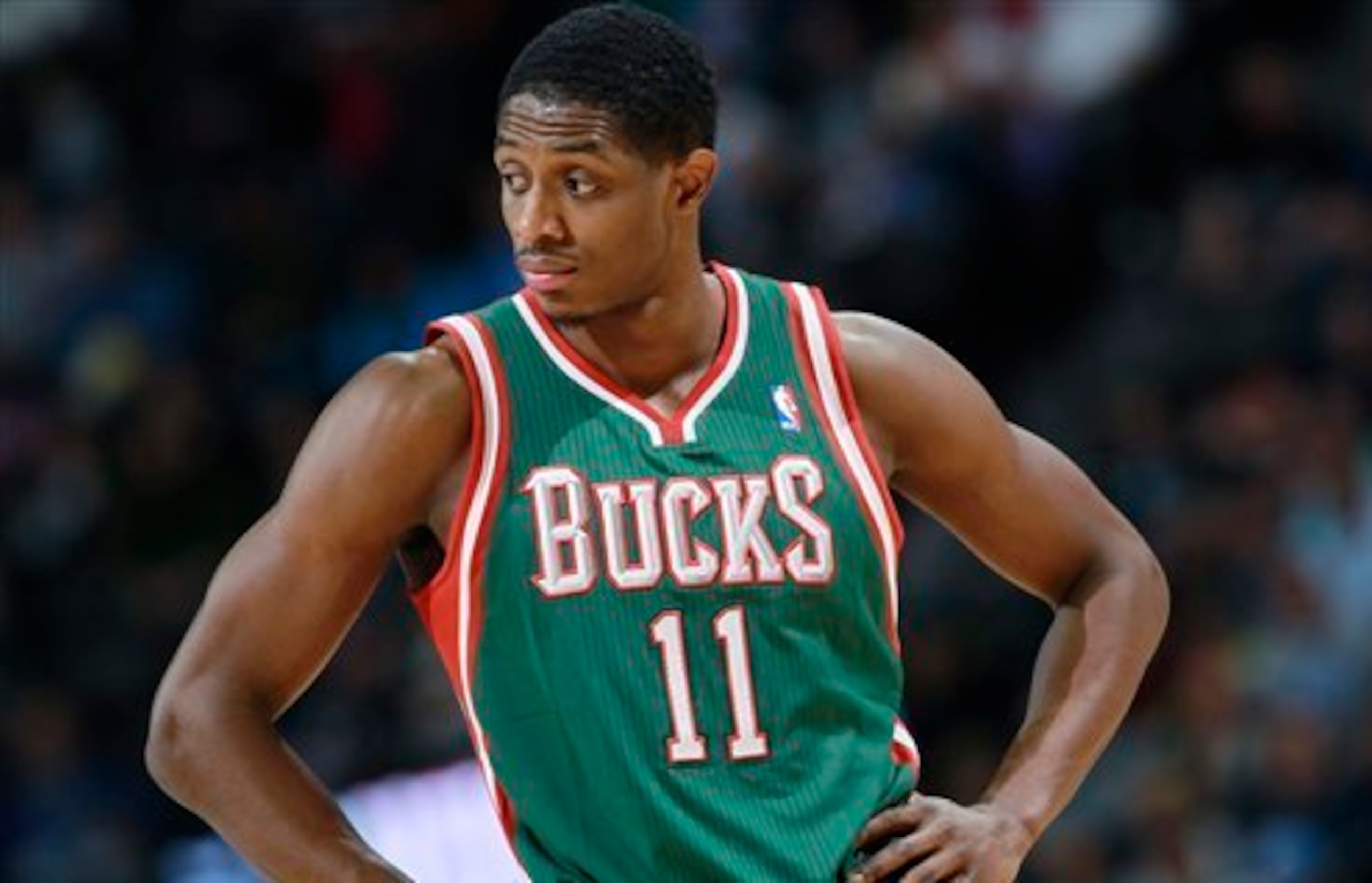
Sooner or later the NBA’s embarrassment of point guard riches is, like any market, bound to reach glut status. The talent pool is simply too great for every team to field an All-Star-caliber floor general.
That’s precisely the situation in which Brandon Knight—lately of the Milwaukee Bucks—now finds himself.
On the one hand, Knight’s third year finished on something of a breakout note, with the former University of Kentucky standout authoring career highs in points, assists, field-goal percentage and player efficiency.
On the other hand, as Bucksketball’s K.L. Chouinard teased out back in January, Knight’s game has enough in the way of deeply seated weaknesses to cast serious doubt on whether there’s another leap left to make:
"But Knight isn’t a very good ballhandler with his left hand, nor is he terribly proficient at taking his dribble with him as he moves left.
It’s not just about dribbling. Knight also throws most of his passes with his right hand from the right-hand side of his body. Since he already trails most of his peers in ‘point guard vision’, this one-sidedness is a concern. All of these factors mitigate his ability to function as the sole point guard in an offense.
In fact, his game is styled a lot like Monta Ellis’: both work best with the ball in their hands, neither is the ‘purest’ of point guards, and if they can’t get to the rim by going right, they’ll use their speed and strength to try to get to the rim by going even faster and harder to the right.
"
On still another (third?) hand, when your team goes out and drafts (Nate Wolters) and scoops up a point guard in free agency (Kendall Marshall) in consecutive years, it’s worth wondering how much confidence the powers that be really have in your long-term potential. And that’s before we even get to the supposed Giannis Antetokounmpo experiment.
Hopes are high that this year’s Bucks will mark a turning point in the franchise’s lately moribund fortunes. The question now becomes whether Knight’s own success can mirror that of his young-and-restless team or whether the next few seasons will reinforce the fact that this one-time prodigy was simply in the wrong place at the wrong time.
Thomas Robinson
6 of 9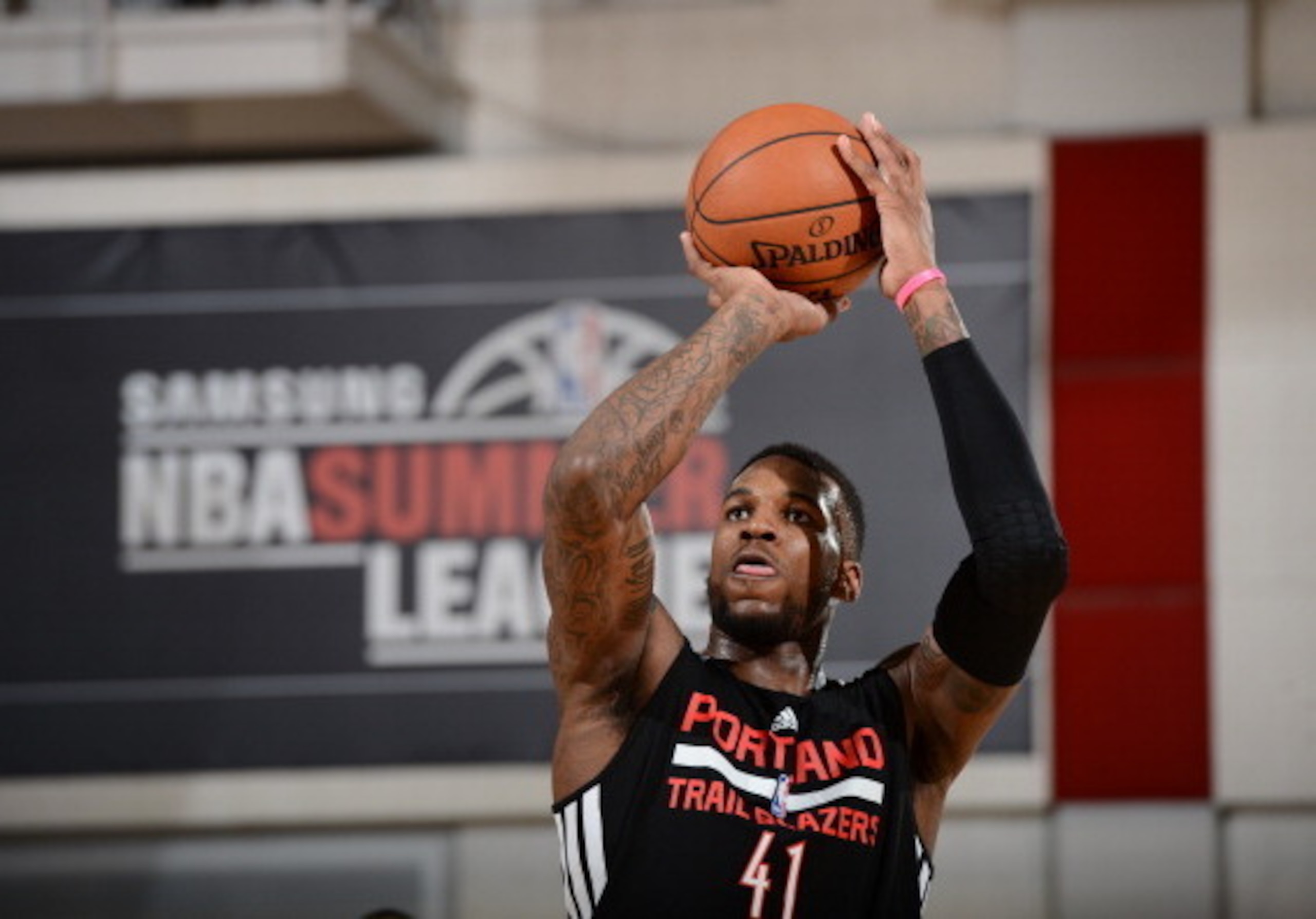
That’s the best way to describe Thomas Robinson’s transcendent junior season at Kansas University. Unfortunately, much like Danny Fortson before him, Robinson’s collegiate superlatives—size, strength and athleticism—haven’t been so easily translated to the next level.
Having to back up one of the game’s preeminent power forwards (the Portland Trail Blazers’ LaMarcus Aldridge) doesn’t make it any easier, of course; Robinson hasn’t been able to showcase his game the way other fellow lottery picks typically might.
With two years remaining on his current deal (the second of which is a $4.7 million team option), it’s now or never for Robinson to make good on his ample potential. Barring the catastrophic, Robinson has no chance of usurping Aldridge in the team’s starting lineup. And his game is far too limited to make minutes at small forward or center anything more than a fringe proposition.
What Robinson can do, however, is emerge as a more reliable and consistent bench option, with the hope being another team is willing to take a flier on developing him into a serviceable—if not All-Star level—NBA forward.
Iman Shumpert
7 of 9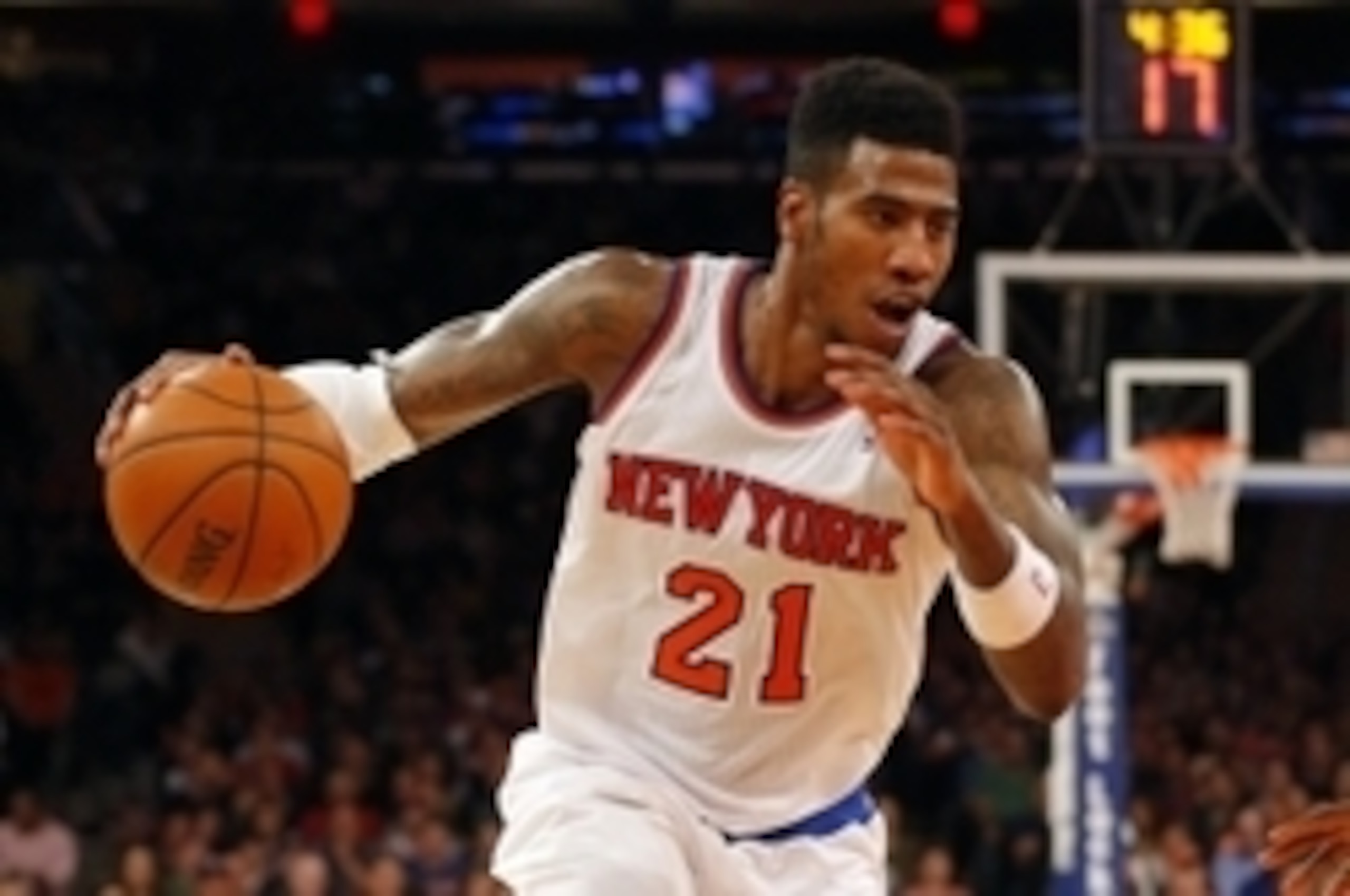
Having watched their team waste away draft picks like it’s going out of style, fans of the New York Knicks understandably view legitimate basketball as grounds for borderline hero worship.
That, in a nutshell, is Iman Shumpert’s beastly burden. Taken with the 17th pick in the 2011 draft (to a chorus of boos, no less), Shumpert's enticing athleticism and topnotch perimeter defense have helped endear him to a fanbase desperate to see one of its homegrown talents truly take it to the next level.
His productivity, on the other hand, has been wildly inconsistent. Now, thanks to the Knicks’ backcourt logjam (Jose Calderon, Pablo Prigioni, J.R. Smith, Tim Hardaway Jr. and rookie Cleanthony Early all stand to get significant minutes), Shumpert’s potential threatens to be stunted further still.
So long as he can stay healthy, Shumpert’s still-developing three-point stroke figures to be a boon to Derek Fisher’s triangle offense—a system where Shumpert’s propensity for overdribbling will hopefully be sequestered for good. That, coupled with his unquestioned defensive versatility, suggests this 24-year-old’s development is far from over.
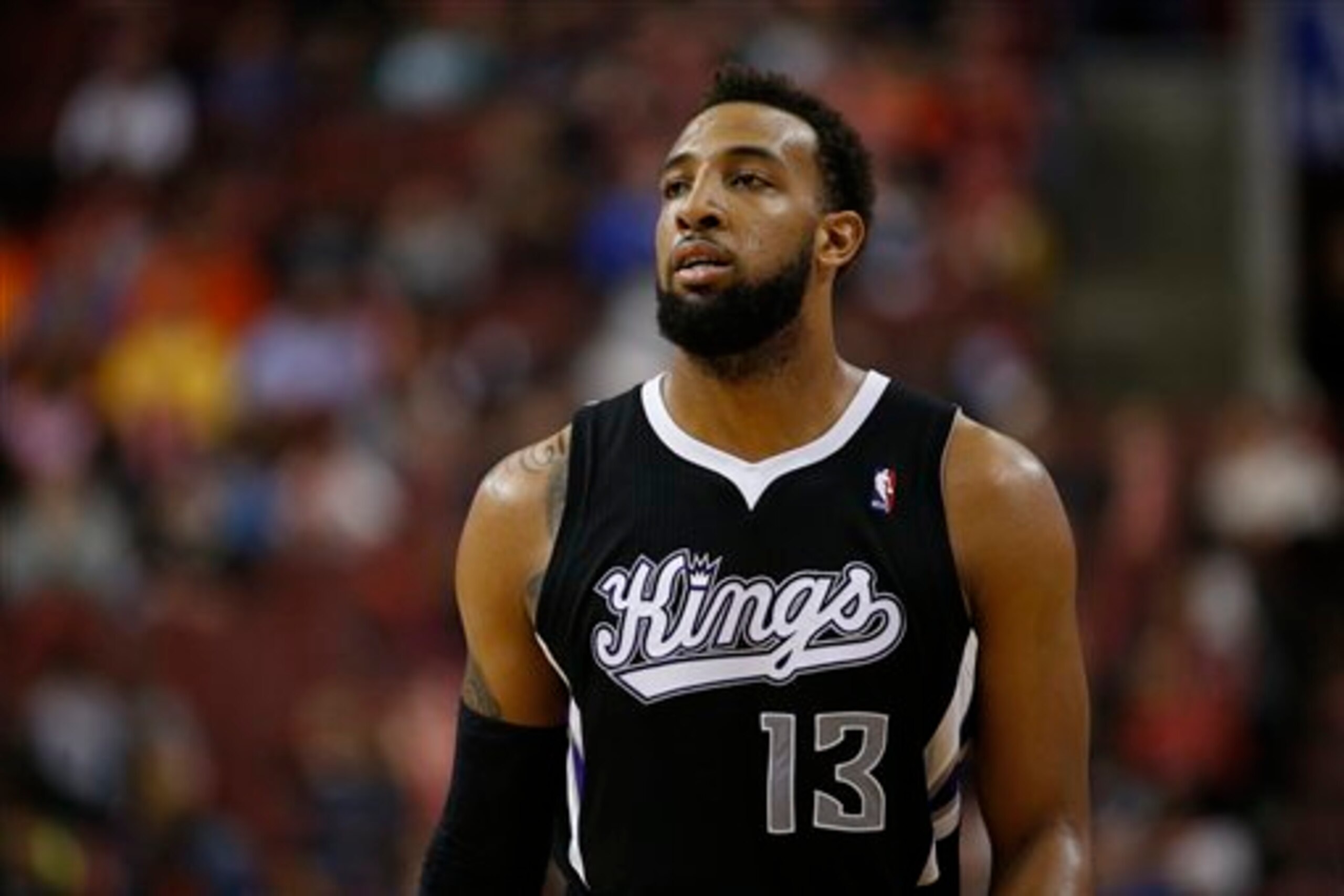
Derrick Williams
8 of 9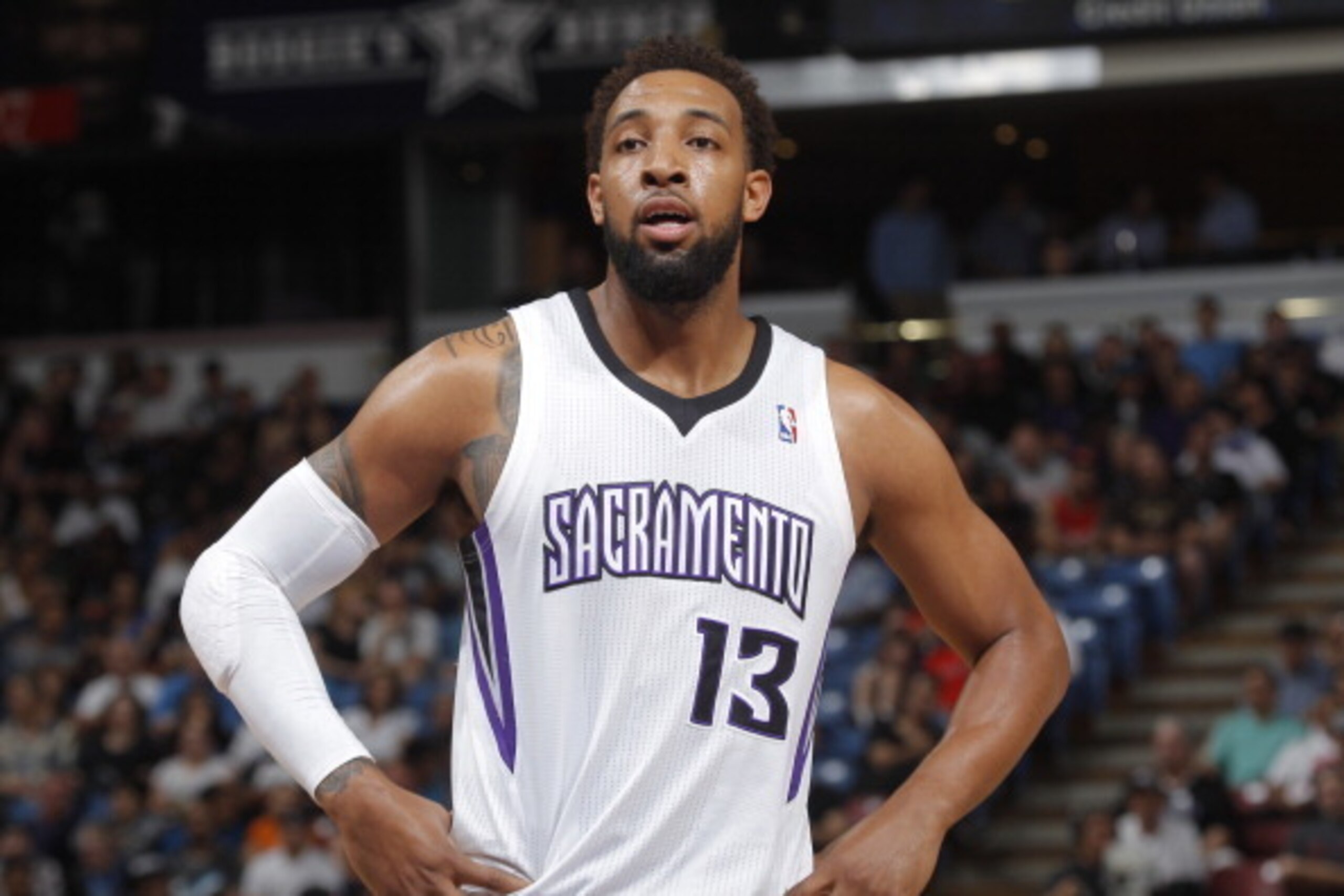
Derrick Williams arrived NBA side with one pressing question in particular looming over him: What exactly is this guy’s positional destiny?
Williams’ strength and athleticism alone were enough to shove that question under the rug during two stellar seasons at the University of Arizona. Now, the 6’8” forward—owing to a combination of awful defense and lingering questions about his shooting range—enters his fourth season teetering on the edge of officially becoming an NBA bust.
Now cast as a power forward, Williams finds himself behind both Reggie Evans and Carl Landry on the Sacramento Kings’ depth chart (at least according to Rotoworld).
That, to put it mildly, is not a good sign.
At 6’8”, Williams has simply proved too small to consistently bang with today’s prototypical power forwards. The only recourse, then, is to do what he should’ve done a long time ago: Develop a consistent perimeter game, and redefine himself as a viable small forward option.
Jimmer Fredette
9 of 9
What is it about high-scoring collegiate studs (Adam Morrison, anyone?) that makes them such a fickle dice role at the next level?
Jimmer Fredette is the living, breathing NBA embodiment of this very question. Everyone knew Jimmer’s defense left a lot to be desired. What we couldn’t have predicted, however, is how ineffective the Brigham Young University standout would be at the other end of the floor.
In a stunning counterpoint to the typical NBA trajectory, Fredette’s playing time only decreased over his first three years in the Association. On a New Orleans Pelicans team that already features a quartet of borderline combo guards in Jrue Holiday, Eric Gordon, Tyreke Evans and Austin Rivers, the playing-time picture just got even bleaker.
At 25 years old, Fredette’s ship hasn’t sailed quite yet. But unless he can forge a niche as a reliable bench scorer, the Pelicans might wind up the last stop in what’s already been a cautionary tale of what happens when hardwood hype gets too out of hand.


.jpg?w=2560 "Viral Rams Coach Vid 🖕")
.jpg?w=2560 "Injury-stricken Seahawks signing veteran RB")
.jpg?w=2560 "2 NFL Officials Suspended")
.jpg?w=2560 "Grading WWE Raw 🔠")
.jpg?w=2560 "Mahomes' Wife Trolls Kubiak 💀")
