


It happens every year. A team spends months evaluating prospects, only to eventually pull the trigger on the wrong one.
Unfortunately, there's no exact science for spotting a draft bust before it's too late.
Obviously, it's a lot easier to go back after the fact and break down where each guy went wrong. But when analyzing each bust, there tend to be patterns that might stand out—patterns evaluators and decision-makers might want to avoid for future drafts.
The following busts are lottery picks only dating back to the 2005 NBA draft. Players whose careers have been ruined by injury, like Greg Oden, were not taken into consideration.
Advanced Stats and Basketball Observations
1 of 20
There's no science or formula for predicting busts. That's why we see them every year. But there are signs to watch for that may or may not hint to stay the heck away.
Analytics has become an integral part of the evaluation process for the majority of NBA scouting departments.
"Historically, however, steal rate has outsized importance in predicting how well prospects will translate to the NBA," writes ESPN's analytics guru Kevin Pelton (subscription required). ESPN stat man Ryan Feldman also discusses the importance of a few numbers that typically translate quite well, such as rebounding percentage and assist percentage.
But you can't just go off numbers.
For each of the following draft busts, I laid out potential red flags scouts could have looked for after college. Some of the red flags are based on the advanced stats the analytics guys like to focus on. Others come from observations I've made over the years—telltale signs or questions that suggest a particular prospect might run into some problems when making the jump to the pros.
Potential Red Flags (Advanced Stats)
Low Steal Percentage: Percentage of opponents’ possessions while a player is on the court that result in that player getting a steal.
Low Rebounding Percentage: Percentage of available rebounds a player grabs while he’s on the floor.
Low Assist Percentage: Percentage of teammates’ field goals a player assists on while he’s on the floor.
Pure Point Rating: Properly weighs assists to turnovers relative to each other.
Potential Red Flags (Observations)
Struggle to Finish at the Rim: Finishing at the rim becomes much tougher in the pros.
Inconsistent Effort/Attitude: Poor work ethic and attitude tend to stick.
Lack of Year-to-Year Progress
Questionable Size/Athleticism/Weight for Position
Expected Role/Position Change
Uncertain NBA Position: The "we'll figure it out later" approach is one to avoid when it comes to positions.
Usage: Prospects who aren't used much in the offense tend to be less prepared for the NBA jump.
College Competition: Some prospects benefit statistically from mid-major competition.
Jimmer Fredette, PG/SG
2 of 20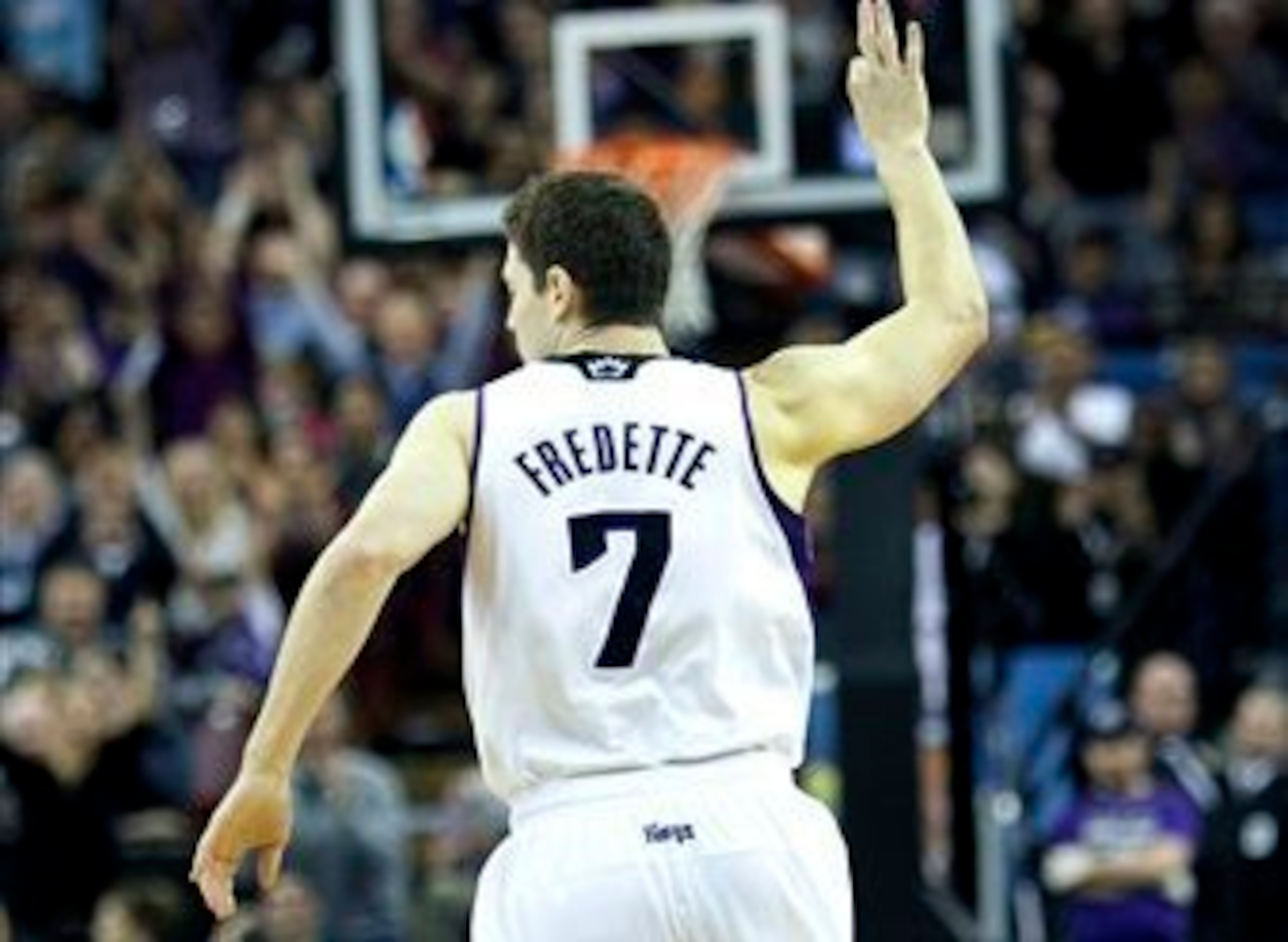
Drafted: No. 10 overall by Sacramento Kings, 2011
Potential Red Flags: Expected Role/Position Change, Pure Point Rating, Athleticism for the Position
Every once in a while, we come across a prospect who provides can't-miss entertainment while sparking passionate scouting debate.
Jimmer Fredette averaged 28.9 points a game his senior year, and he did it wearing a target on his back night after night. With unlimited scoring and shot-making range, Fredette consistently took over games as a senior at BYU.
Only he didn't exactly fit the physical description of your traditional NBA shooting guard, while his floor game and point-guard skills were never really considered strengths.
Scouts and fans alike seemed split on Fredette as an NBA prospect.
And it turns out the skeptics' argument would eventually prevail.
It hasn't just been the NBA size and speed of the game that's tripped him up. Fredette's role changed dramatically moving from college, where he dominated the ball and was used on 37.8 percent of his team's possessions (No. 2 in the country), to the pros as a backup point guard, a position that doesn't quite play to his strengths.
As a senior, Fredette finished with a negative pure point rating, a stat that "properly weighs assists and turnovers relative to each other," per Sports-Reference.com.
At the NBA level, his limited quickness and athleticism have also made it difficult for him to to separate or blow by off the dribble. Just 11.6 percent of his shots have come at the rim since being drafted.
His size (6'0.75" in socks) and lack of burst (28-inch no-step vertical, 33-inch max vertical) never worked too well at the off-guard slot at either end of the floor.
There's no doubt Fredette can shoot—he actually finished as one of the most accurate spot-up shooters in the league last year. But he's stuck between guard positions, and that limits his upside and room for growth.
Maybe he finds his way as a reserve shooting specialist. It's just tough to envision anything more than that.
Acie Law, PG
3 of 20
Drafted: No. 11 by Atlanta Hawks, 2007
Potential Red Flags: Assist Percentage, Steal Percentage, Athleticism for the Position
Acie Law never really made much noise in the pros after a breakout junior and stellar senior season at Texas A&M.
The fact that there weren't many standout point guards in 2007 (outside of Mike Conley), and that Law was a likable kid based on his clutch play in college, probably helped his stock.
But there were flags. It just depended on how much stock you wanted to put in each.
Law was more of a scorer than passer, having registered a 30.88 assist percentage his senior year. That ranked No. 65 in the country.
Plus, his 2.03 steal percentage—there were over 300 point guards who bested him in that category—and lack of quickness or athleticism should have hinted at a difficult physical transition ahead.
With that subpar 34-inch max vertical leap, Law struggled badly finishing at the rim his first two years (below 55 percent in each). It didn't help that he struggled to knock down outside shots as well.
Law ultimately just didn't look the part once we got to see him in a game alongside other NBA pros.
He'd soon be traded three times in less than a year.
For what it's worth, Law has been successful overseas since last playing stateside.


Jonny Flynn, PG
4 of 20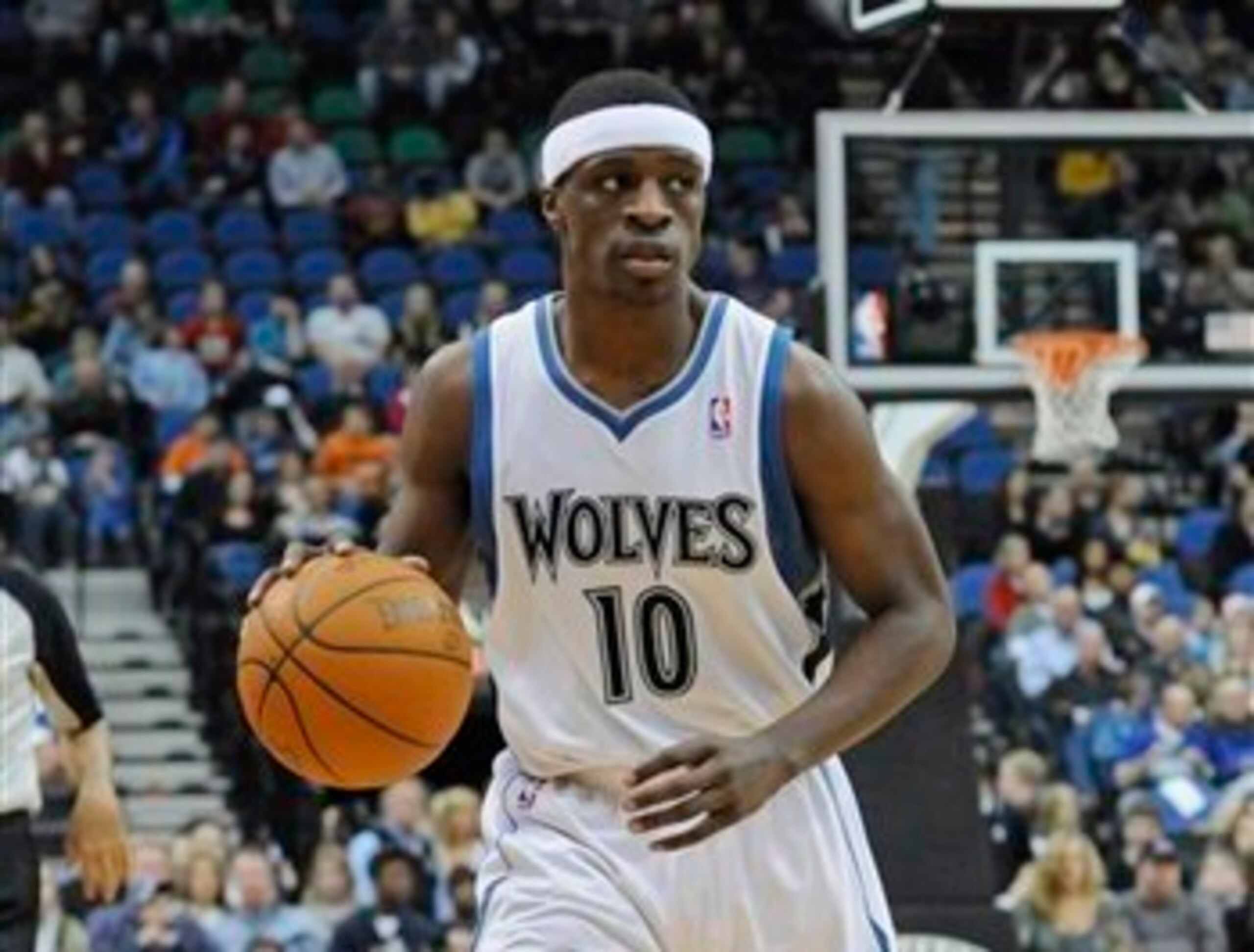
Drafted: No. 6 overall by Minnesota Timberwolves, 2009
Potential Red Flags: Struggles at the Rim
To some, Jonny Flynn was considered a reach at No. 6 overall, but nobody expected him to flop as badly as he did.
Flynn's fearlessness and leadership qualities made him a likable prospect at Syracuse, and that may have helped cloud the minds of evaluators and decision-makers.
He struggled badly as a finisher at the rim in college, where he shot just 54 percent as a sophomore. Finishing inside at the NBA level becomes much more difficult, especially for guards. And this one happens to stand just 5'11.25" in socks.
Flynn wasn't exactly automatic on the perimeter, either, having sunk just 31.7 percent of his threes his final season at Syracuse. For a guard, struggling at the rim is one thing, but compounding it with poor outside shooting is a recipe for a career 40 percent field-goal clip.
In 163 total NBA games, his finishing and shooting inefficiency carried over—he made exactly 54 percent of his shots within three feet and 33.8 percent of his three-point attempts.
In between, he struggled running an offense and facilitating at the pro level, though that would have been a lot tougher to predict.
Sean May, PF/C
5 of 20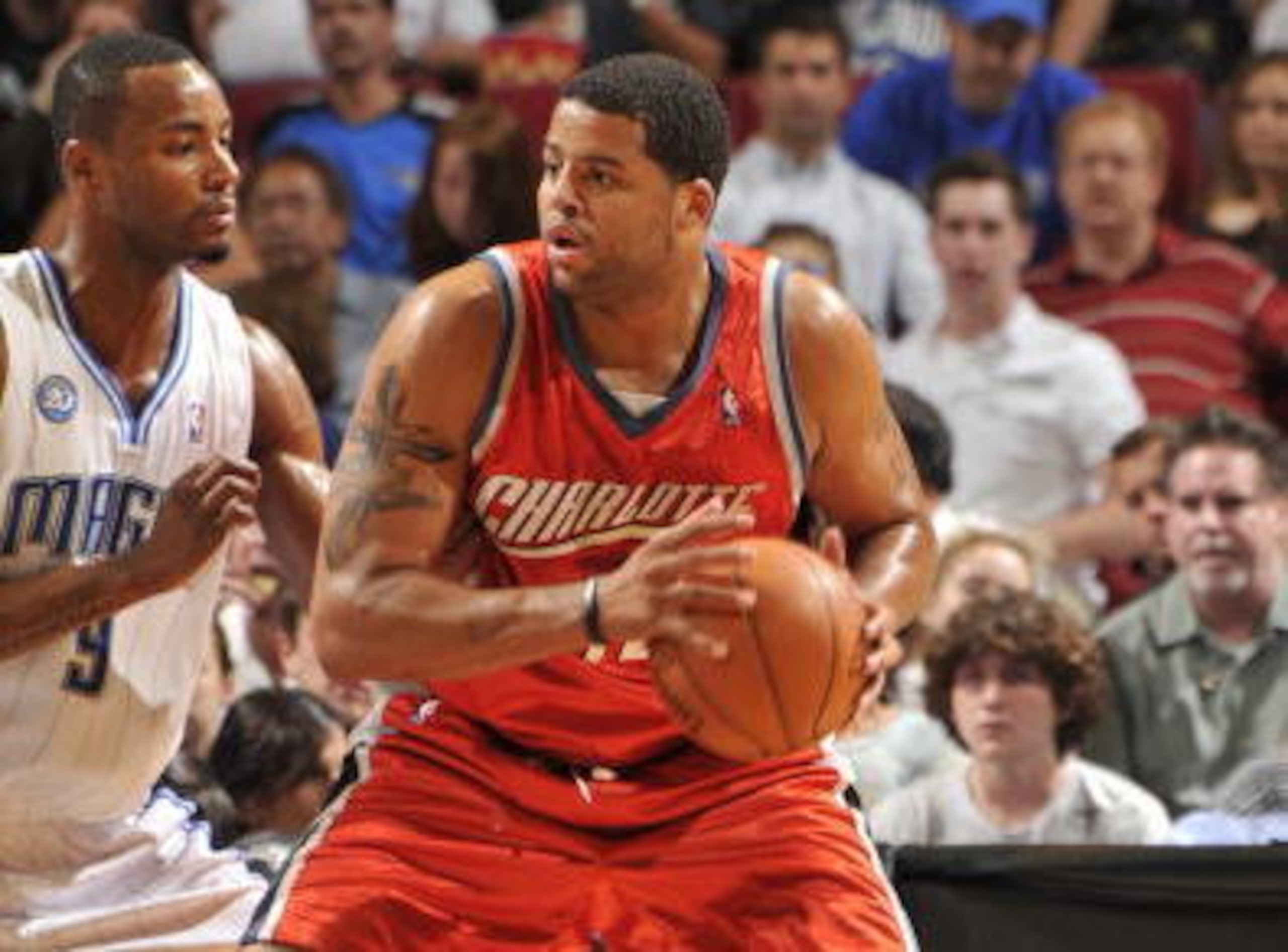
Drafted: No. 13 overall by Charlotte Bobcats, 2005
Potential Red Flags: Size, Weight, Block Percentage
Sean May was a pretty dominant college player at North Carolina, where he won a national title his final year before declaring for the draft.
And then he disappeared.
Injuries killed May early on—knee surgery knocked him out for the entire 2007-08 season. And then came the conditioning issues. It all went downhill from there. May wasn't exactly an athletic specimen to begin with, anyway.
But even without the injuries, he stood just 6'7" in socks and weighed 259 pounds out of college. These aren't the most promising numbers for a projected power forward or center. The fact that he averaged just a block per game his final year at North Carolina should have also set off some alarms.
Adam Morrison, SG/SF
6 of 20
Drafted: No. 3 overall overall by Charlotte Bobcats, 2006
Potential Red Flags: Athleticism, Steal Percentage, Assist Percentage, Rebounding Percentage
There are some guys who can hide during the NBA-bust conversation. Adam Morrison isn't one of them.
Everybody knew Morrison—the kid from Gonzaga with the old-school mustache who cried on the floor following his final NCAA loss. In terms of pressure to deliver, it didn't help that Michael Jordan was the guy who chose to take him No. 3 overall.
The Charlotte Bobcats ultimately ignored the red flags—specifically the ones that highlighted his well-below-average athleticism.
He got up for a 25.5-inch no-step vertical. The only eligible prospects to record lower leaps that year: Marcus Williams, Steve Novak and Ian Vouyoukas.
Morrison's 35 total steals in 33 games (averaged 36.5 minutes in each) and 9.21 rebounding percentage his final year at Gonzaga were also telling numbers regarding his limited quickness and burst.
And despite dominating the ball with a ridiculous 34.35 usage rate, the eighth highest in the country (again, playing 36.5 minutes a game), he only managed to dish out 56 assists his entire junior year.
Injuries didn't help Morrison's cause—his knee just couldn't hold up. But something tells me it wouldn't have mattered much.
Morrison was a one-on-one player who just wasn't built to win the one-on-one battle in the pros.
Shelden Williams, PF/C
7 of 20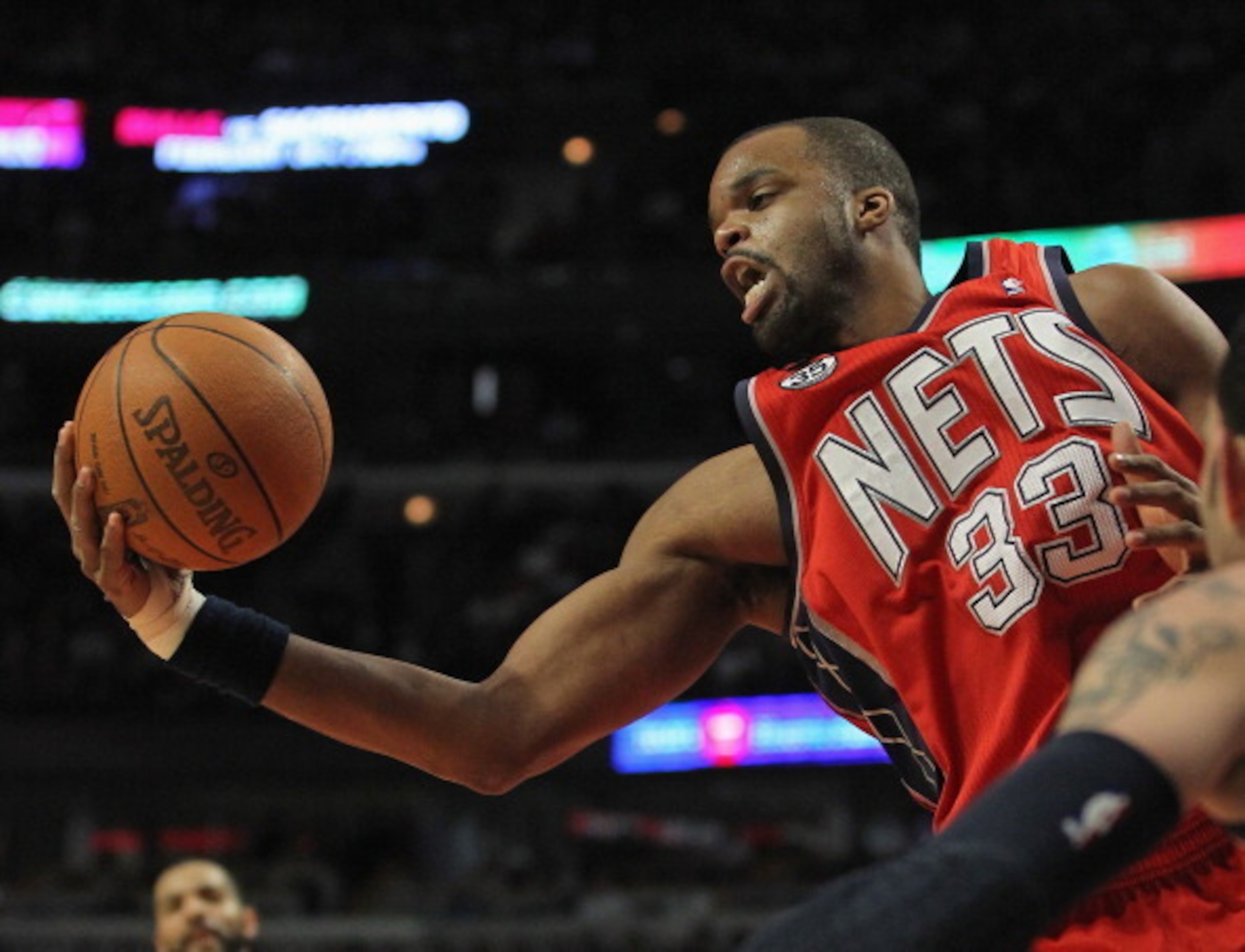
Drafted: No. 5 overall by Atlanta Hawks, 2006
Potential Red Flags: Size for the Position, Athleticism
You just can't play center in the NBA after measuring 6'7.5" in socks—not unless you're a terrific athlete or versatile scorer.
And Sheldon Williams is neither, given his 29-inch no-step vertical (not a bad number, but it won't help make up for size and skill limitations) and dull offensive arsenal. He didn't quite have the shooting range or quickness to really play the 4, either.
Ultimately, Williams' rebounding and defense just weren't strong enough to keep him afloat.
He's your rare 4-5 tweener—not skilled or athletic enough for power forward and not big enough for center.
Williams played for seven teams in six NBA seasons.
Ike Diogu, PF
8 of 20
Drafted: No. 9 overall by Golden State Warriors, 2005
Potential Red Flags: Rebounding Percentage, Defensive Rating, Size for the Position
In terms of production, Ike Diogu put up some monster numbers—22.6 points and 9.8 boards a game—his junior year at Arizona State.
The Golden State Warriors would go on to take him No. 9 overall, which they'd likely soon regret. He played a career-high 69 games as a rookie, then was traded to the Indiana Pacers, then to the Portland Trail Blazers, and before you knew it, he'd become a journeyman with a blank resume.
Despite his strong rebounding average, Diogu's 10.79 rebounding percentage his final year at Arizona State was pretty bad. Over 200 power forwards and 250 centers recorded higher.
His 106.7 defensive rating that year wasn't an encouraging number, either.
Diogu only measured in at 6'6.5" in socks, which really isn't tall enough to be a power forward these days unless you're super skilled. Diogu was not.
Hilton Armstrong, PF/C
9 of 20
Drafted: No. 12 overall by New Orleans Hornets, 2006
Potential Red Flags: Rebounding Percentage, Size for the Position
Hilton Armstrong launched himself into the first-round conversation with a breakout senior year at Connecticut—and the New Orleans Hornets fell for it.
Armstrong had no real position. At 6'10.5", he was listed at just 235 pounds—not a big enough frame to bang with NBA centers.
He also finished with a poor 13.43 rebounding percentage his final year at Connecticut. Without the ability to anchor the interior and no perimeter game or jumper—in four years at Connecticut, Armstrong made one three-pointer and shot 57.8 percent from the line—he just didn't offer enough to NBA lineups.
Joe Alexander, SF
10 of 20
Drafted: No. 8 overall by Milwaukee Bucks, 2008
Potential Red Flags: Steal Percentage, Rebounding Percentage, Lack of Year-to-Year Improvement (shooting)
Chalk the Joe Alexander pick up as a complete miss during the evaluation process.
David Hasselhoff's reality TV series almost lasted longer than Alexander's NBA career, which crapped out after 67 games as a member of the Milwaukee Bucks and Chicago Bulls.
The analytics guys who value steal and rebound percentage probably wanted nothing to do with this kid. Alexander, a small forward, collected just 26 steals in 36 games his final year at West Virginia and 49 total in his three college seasons.
He also wasn't much of a factor on the boards, given his 12.53 percent rebounding rate.
But nothing was more bothersome than his lack of shooting improvement from year to year. As a wing, you have to be able to stretch the floor and play behind the arc in the pros. And after shooting just 30.5 percent from downtown as a sophomore, Alexander only hit 11 threes at a 26.8 percent clip his final college season.
Alexander was a good athlete but not an instinctive or skilled enough one for the NBA wing.
Hasheem Thabeet, C
11 of 20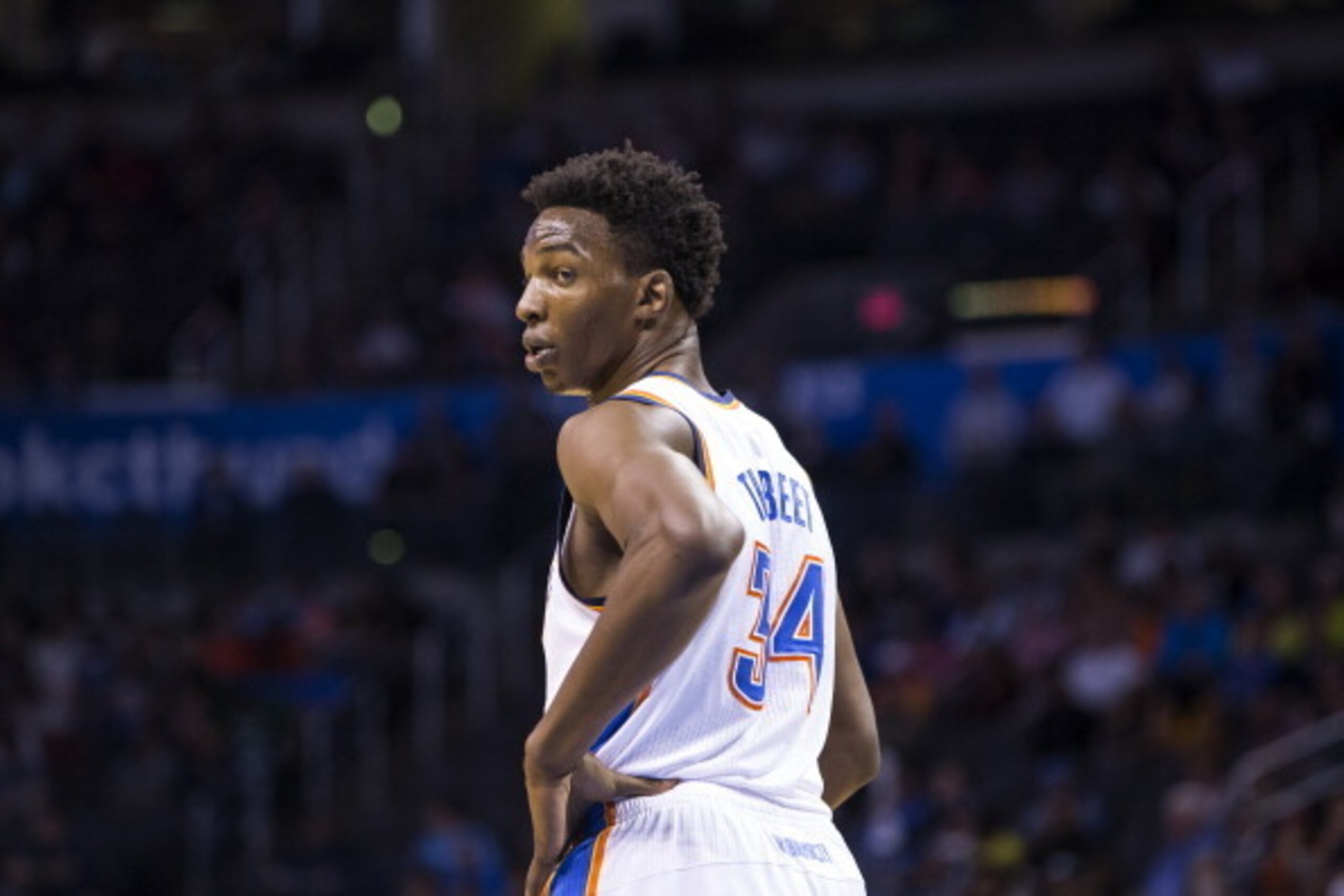
Drafted: No. 2 overall by Memphis Grizzlies, 2009
Potential Red Flags: Usage, Steal Percentage
Hasheem Thabeet shot up draft boards his junior year at Connecticut, with scouts (or the Memphis Grizzlies, who took him No. 2 overall) hoping his offensive game would eventually catch up to his defense.
The problem was that the sample size of offense Thabeet flashed was neither big nor convincing enough to justify taking him over guys like James Harden and Stephen Curry.
He was used on just 16.28 percent of his team's possessions over his three-year career, a low number for any starter, never mind a top draft selection.
According to DraftExpress, he only got 11.8 possessions per game (5.4 of them came in catch-and-finish opportunities) and 4.1 touches per game on the block. He took just 14 jumpers his entire junior season.
There's obviously plenty of risk tied to taking a guy with so few offensive reps and limited production—especially after three years.
He also was never very quick, nimble or athletic. His steal rate was low (22 steals in 36 games, 1.1 percent steal rate), and since entering the league, he's struggled badly with foul trouble (two fouls per 10.5 minutes a game).
The NBA guys clearly loved his 7'3" size, 7'6" wingspan and 4.2 blocks per game out of college. But Thabeet never developed at all offensively, and given how little promise he showed during his college career, it shouldn't have been that surprising.
Wesley Johnson, SF
12 of 20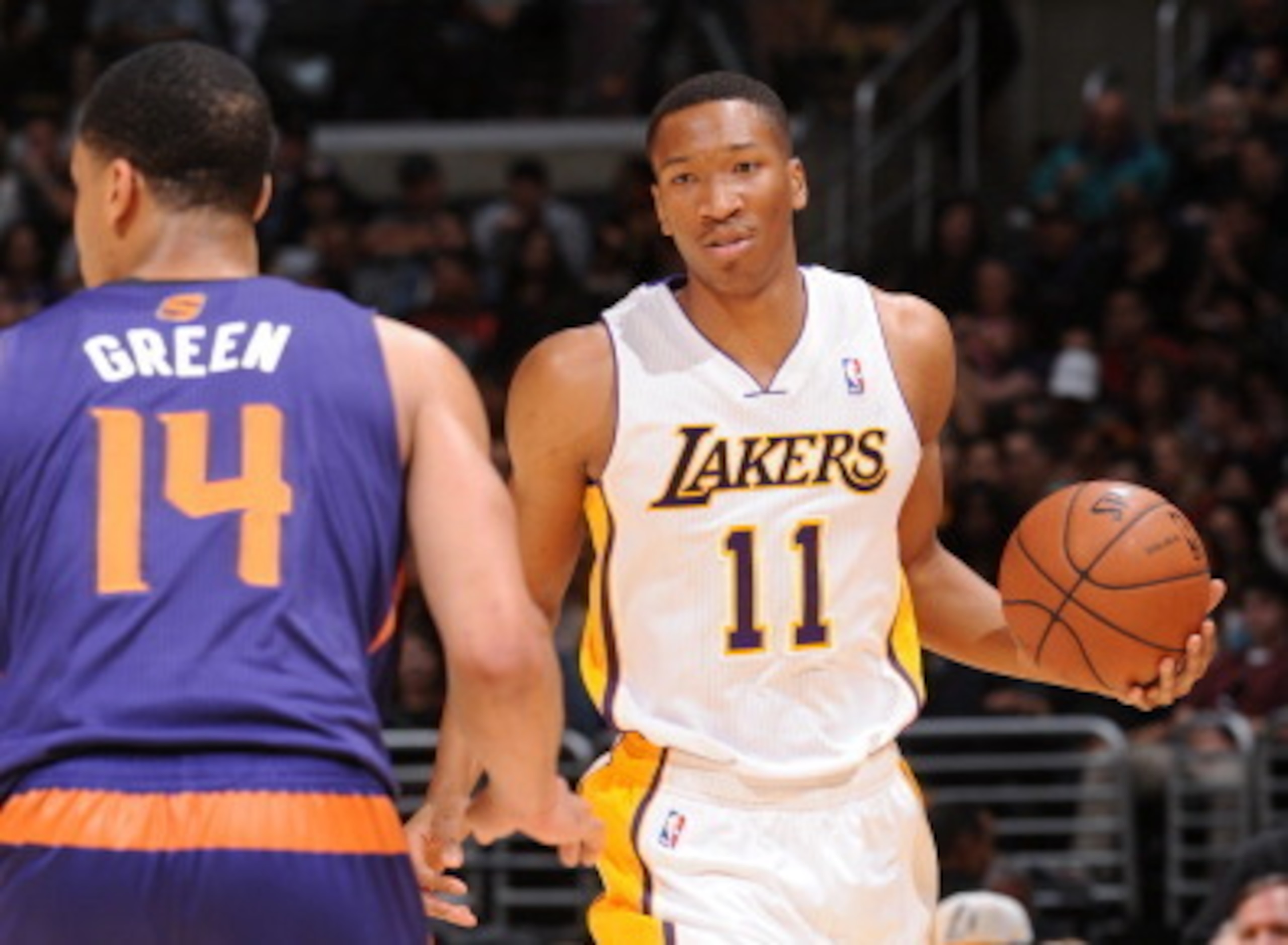
Drafted: No. 4 overall by Minnesota Timberwolves, 2010
Potential Red Flags: Age, Expected Role/Position Change
Wesley Johnson didn't take the traditional path to No. 4 overall. You just won't see many 23-year-olds get drafted that high.
Having played two years at Iowa State without generating much buzz, Johnson transferred to Syracuse and sat out the following season.
And then he took off with the Orange in 2010, having emerged as the team's biggest offensive weapon.
At 6'7", Johnson's athleticism allowed him to rebound and score as a power forward. And that's what he played for the most part.
But that 6'7", 206-pound body (NBA combine measurements) was built for the 2-guard and wing positions in the pros, where he's struggled to win the one-on-one battle and get to the basket.
Since being drafted, 41.6 percent of his shots have come from behind the arc, 28.7 percent have come on long two-point jumpers (16 feet to the arc), 16.1 percent have come at the rim and the rest have come in between (13.5 percent from three feet to 16 feet).
Unfortunately, Johnson hasn't been able to capitalize as a shooter while standing around on the perimeter, having hit just 34.6 percent of his long-range attempts.
Moving from the 4 to the 2 and 3 has weighed on Johnson, who, at 27 years old, appears to have already peaked.
Julian Wright, SF/PF
13 of 20
Drafted: No. 13 overall by New Orleans Hornets, 2007
Potential Red Flags: Lack of Year-to-Year Progress
After flashing big-time potential in 20 minutes a game as a freshman, most were expecting him to erupt in a bigger role his sophomore year. It didn't happen.
Wright showed zero progress as a perimeter scorer or shooter, having made just three three-pointers total and shot 61.3 percent from the line his final season at Kansas. His assist rate also fell below 15 percent—a slight reflection of his inability to create offense off the dribble.
These numbers, as well as his specific skill set, suggest Wright would have trouble playing the NBA small forward. And at 6'6.5" in socks without much of a post game and a so-so 16.67 percent rebounding rate, power forward wasn't going to work.
Sometimes it's easy to mistake a tweener for a combo forward. The New Orleans Hornets did here.
Anthony Randolph, SF/PF
14 of 20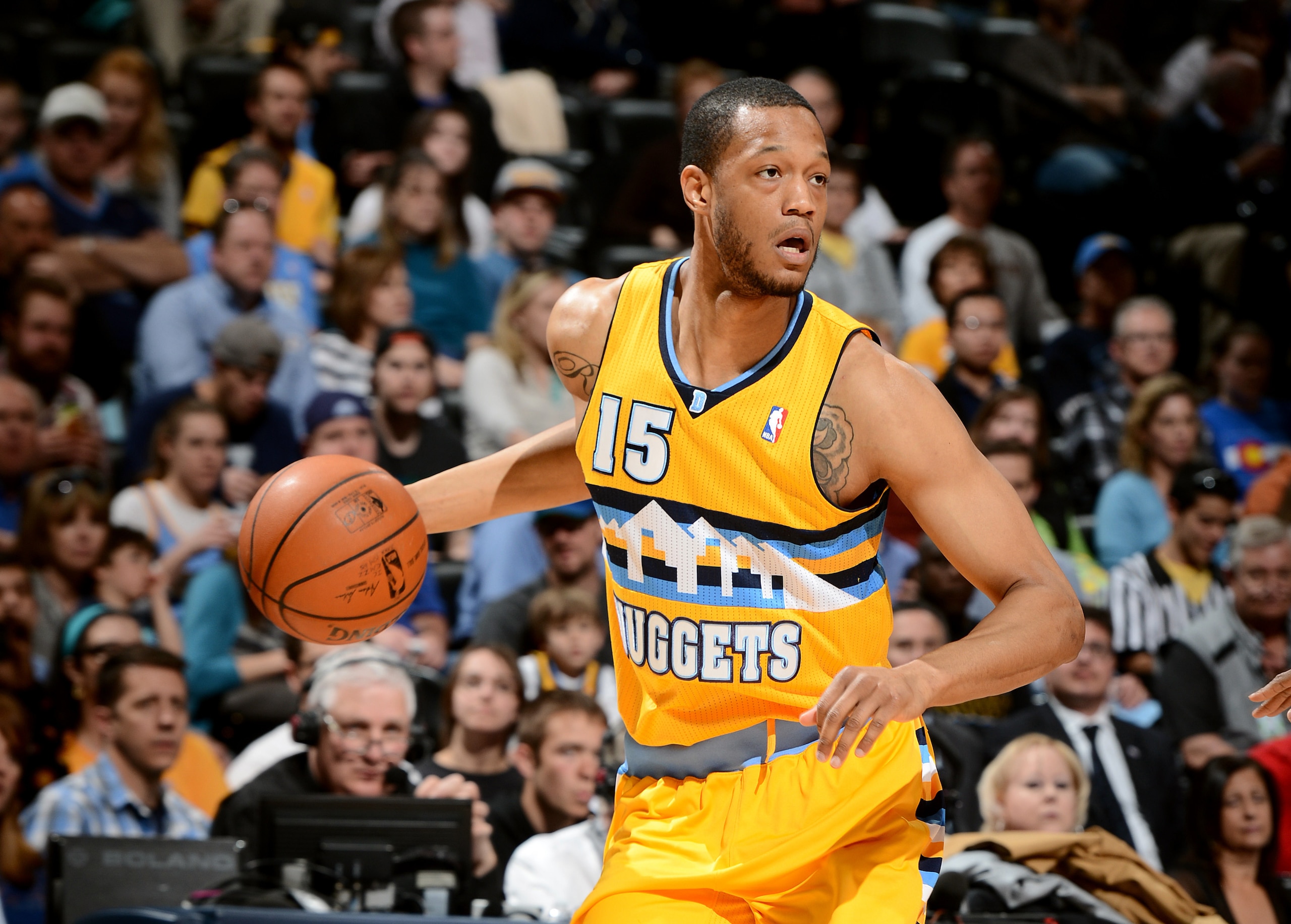
Drafted: No. 14 overall by Golden State Warriors, 2008
Potential Red Flags: Uncertain NBA Position
Anthony Randolph had tweener written all over him on draft night despite his size and superior athleticism, attributes that ultimately carried him to a productive one-and-done season while creating the perception his ceiling was sky high.
"Of course I wanted the opportunity to get more minutes and get more responsibility, but for whatever reason that didn't happen," Randolph told Steven Lebron of Vice Sports regarding his early years with the Warriors.
At 6'10", Randolph weighed in at just 197 pounds at the NBA combine, less than many 2-guards. And though he's put on muscle since, the interior at the pro level clearly wasn't built for him.
Unfortunately, power forward looked like his best bet.
Despite Randolph's preference for facing up and playing away from the basket, he was never really great at it.
He made just two of 19 three-pointers as a freshman, shot only 46.4 percent (underwhelming for a forward with his size and athleticism at the college level) and finished with a poor 8.5 assist percentage.
Randolph's face-up game hasn't quite worked in the pros—since entering the league, Randolph is a career 27.4 percent shooter from 10-to-16 feet and a 35.5 percent shooter from 16 feet to the arc. In six years, he's 20-of-83 from downtown.
Not diesel enough to bang with 4s or skilled enough to play small forward, Randolph was never able to find his NBA comfort zone.
He just recently signed a deal to play in Russia next season.
Rashad McCants, SG
15 of 20
Drafted: No. 14 overall by Minnesota Timberwolves, 2005
Potential Red Flags: Size for Position, Athleticism, Steal Percentage, Attitude
Rashad McCants was one heck of a college player, but there's a reason 13 teams passed on him in the 2005 draft.
It should have been more. A pure 2-guard, McCants measured in at just 6'2.75" in socks and registered a mediocre 34.5-inch max vertical leap. You just won't find many successful undersized off-guards who also lack athleticism and burst.
At North Carolina, he only racked up 43 steals in 33 games his final year. Any analytics nerd will tell you the importance of steal rate among guards.
And don't forget the behavioral issues—McCants got himself benched a few times under coaches Matt Doherty and Roy Williams. He also made some questionable comments to the media over the years.
Injuries played a role in the demise of his NBA career, but McCants might have been a guy to avoid in the lottery, anyway.
Earl Clark, SF/PF
16 of 20
Drafted: No. 14 overall by Phoenix Suns, 2009
Potential Red Flags: Uncertain NBA Position, Lack of Year-to-Year Progression, Rebounding Percentage
Earl Clark was a big-time prospect coming into Louisville, but in three years, his game never took off.
It's hard to trust guys who show unconvincing year-to-year progression—Clark's field-goal percentage gradually decreased from his freshman to junior season.
And the problem was obvious, but at No. 14 overall, the Suns could afford to take some risk and hope he'd eventually figure it out, because his talent was as blatant as the hurdle he'd be facing.
Clark was, and ultimately remained, a tweener—not a combo forward the NBA guys were hoping he'd become.
He didn't have the demeanor, strength or skill set to play in the post or man the glass (14.55 rebounding percentage). And he struggled on the perimeter, having shot below 33 percent from downtown in back-to-back seasons and shown little ability to create high-percentage looks for himself away from the rim.
Clark also finished below 66 percent from the charity stripe in all three years.
Not built for the 4 without the traditional skill set of a 3, Clark has struggled to carve out a niche for himself since being drafted in 2009.
Michael Beasley, Miami Heat
17 of 20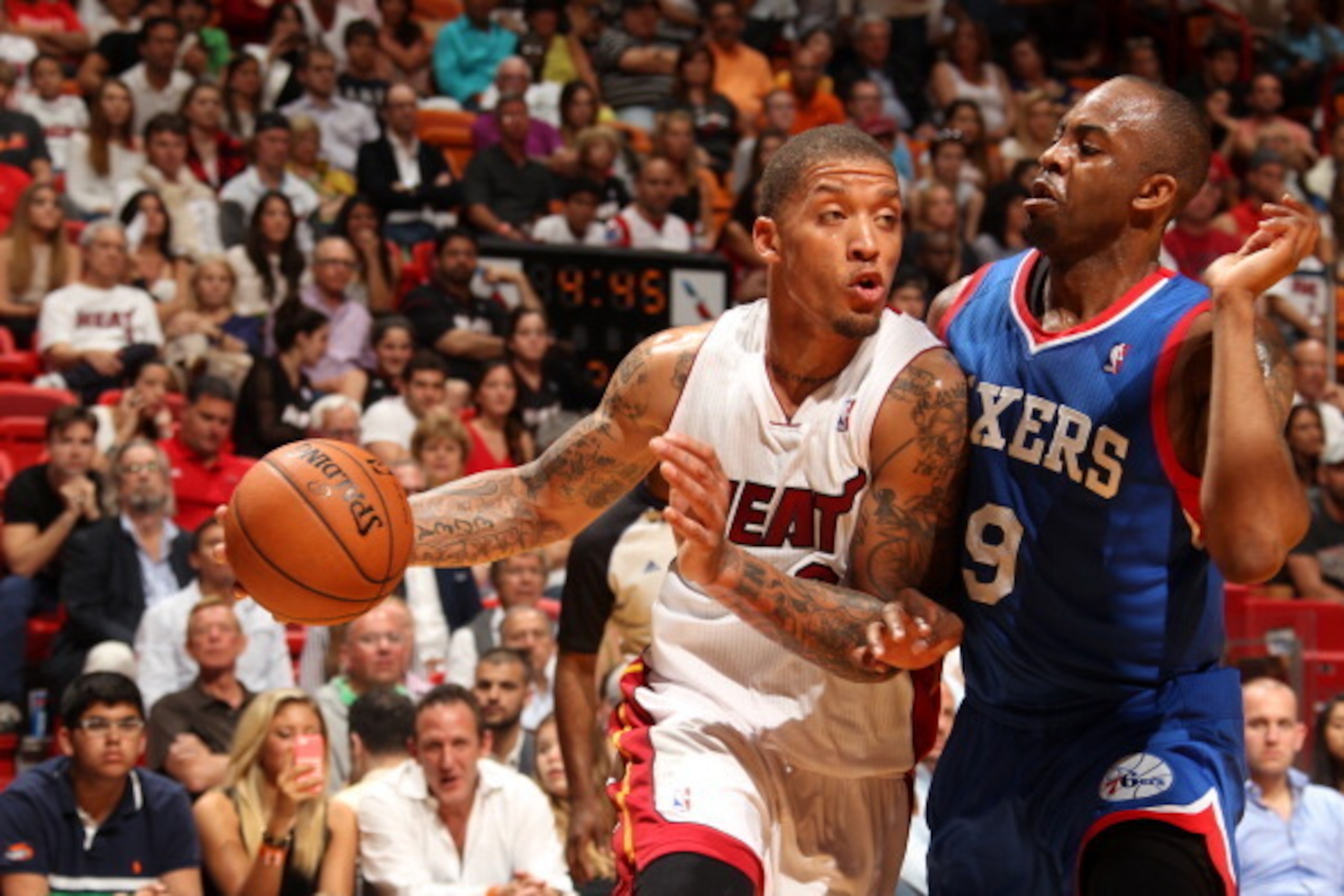
Drafted: No. 2 overall by Miami Heat, 2008
Potential Red Flags: Inconsistent Effort, Assist Rate, Uncertain NBA Position
Michael Beasley was awesome his one-and-done year at Kansas State. I'm talking about an absolute machine—26.2 points, 12.4 boards, 53.2 percent shooting.
Unfortunately, it wasn't Beasley's skill level or physical limitations that have crushed his NBA career.
His attitude and inconsistent effort had been documented since his days as an AAU high school baller. DraftExpress noted Beasley's frustration when his touches weren't there, as well as his "jawing at the officials" and "awful" body language.
He didn't have to worry about not getting the rock at Kansas State, where he ripped off 17.5 shot attempts while being used on 34.98 percent of his team's possessions (fourth most in the country). Despite dominating the ball, he only averaged 1.2 assists per game with a 9.28 assist percentage (to Beasley's credit, his job was to score, but 1.2 assists a game isn't a "makes his teammates better" stat).
In terms of his college and projected position, Beasley was at his best in the paint at Kansas State. But at 6'8", his transition to the NBA interior hasn't gone too well. Naturally, Beasley has taken his game out toward the perimeter, where he's just not as efficient as a jump-shooting scorer who doesn't create or pass.
We'd also soon find out in the pros that Beasley's mental approach and attitude weren't quite on point after all. He was recently arrested for marijuana possession with the Suns in 2013, which came after his admission to violating the league's drug policy twice with Miami.
Cole Aldrich, C
18 of 20
Drafted: No. 11 overall by Oklahoma City Thunder (via New Orleans) 2010
Potential Red Flags: Athleticism for the Position, Usage, Lack of Year-to-Year Progression (Offense)
Cole Aldrich was a rock-solid center for Kansas, but his NBA outlook never seemed too exciting.
Despite his pro-center size, Aldrich was clearly lacking athletically. He got up for a laughable 23-inch no-step vertical, the second-lowest jump at the entire NBA Draft Combine that year behind Solomon Alabi.
Offensively, Aldrich showed off the occasional jump hook, and he was strong enough to score at the low block. But he was used on just 19.88 percent of Kansas' possessions his final year. His scoring average also dropped from 14.9 to 11.3 points a game from his sophomore to junior season.
Aldrich didn't project as a dominant enough defensive presence to allow scouts to ignore or brush aside his limited athleticism and offensive game.
Patrick O'Bryant, C
19 of 20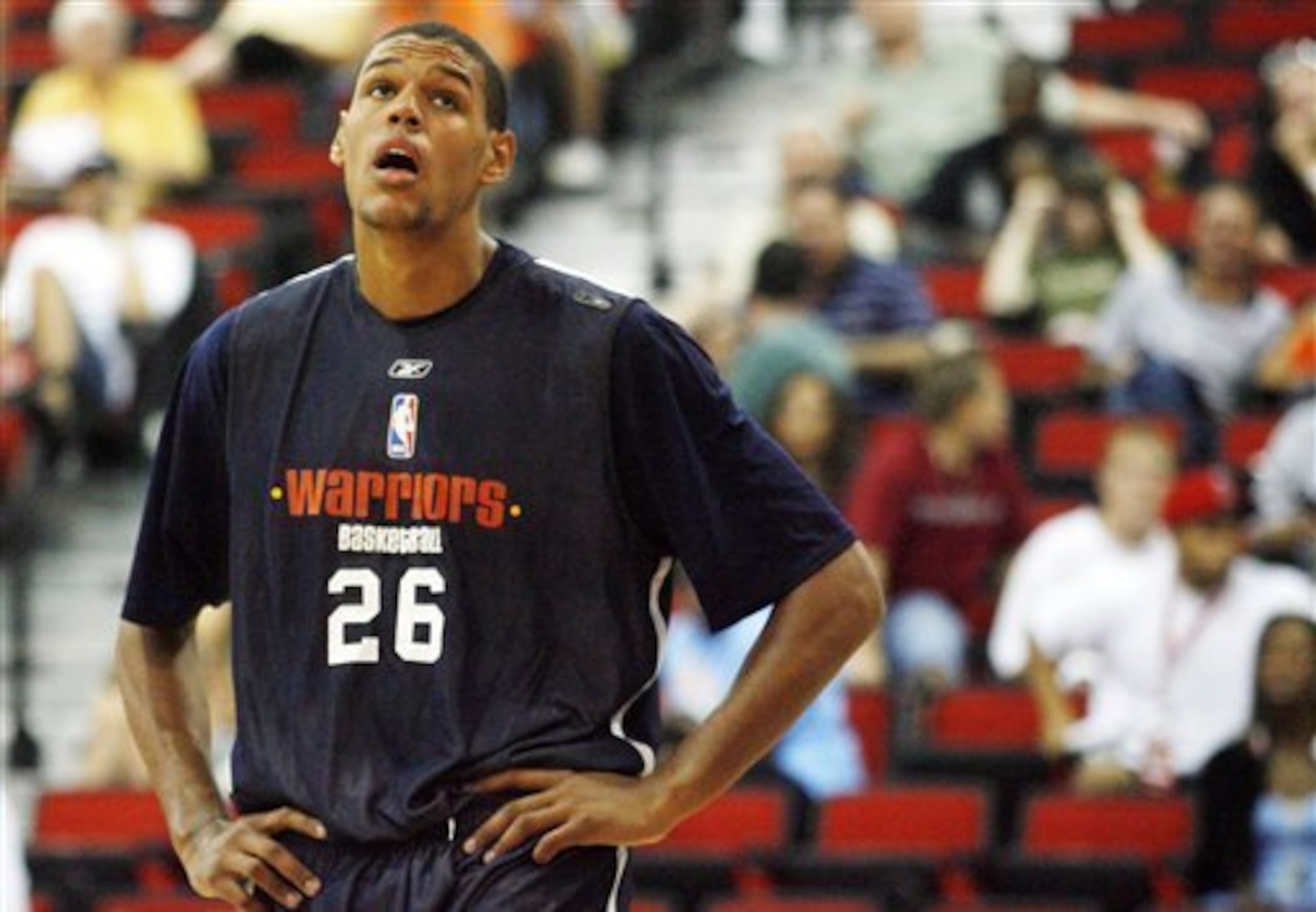
Drafted: No. 9 overall by Golden State Warriors, 2006
Potential Red Flags: Lack of Year-to-Year Progression, College Competition
There weren't many signs that suggested Patrick O'Bryant would be a complete NBA bust. But you knew he was more of a high-risk, high-reward type of prospect.
Though not heavily recruited, O'Bryant made a name for himself as a freshman, which didn't take much at 7'0" with a 7'5.75" wingspan, having averaged 10.0 points, 7.4 boards and 2.8 blocks in a mid-major conference.
While he was on the radar for most of his sophomore year, it wasn't until he dropped 28 points on Pittsburgh's Aaron Gray in the NCAA tournament that the buzz really picked up.
The Golden State Warriors then overreacted and took him No. 9 overall a few months later.
O'Bryant's breakout game against Pittsburgh was ultimately sandwiched between two subpar games against the only power-conference competition he'd faced all year.
O'Bryant's field-goal percentage also dipped from his freshman to sophomore season, when he finished with fewer than 10 points nine different times. Two of those games were against quality opponents (Kansas and Memphis) in the NCAA tournament.
He was giant, long and athletic and could score around the rim. But he couldn't score away from it, while his one-on-one post skills lacked polish.
O'Bryant was a project. The hope was that he'd develop in the NBA D-League. And he just didn't.
Top Seven Picks Who've Stuck Around but Haven't Met the Bar
20 of 20
Marvin Williams, SF, Drafted No. 2 Overall, 2005
Williams played one year at North Carolina in a 22.2-minute-per-game role. He was taken strictly based on potential (just before Chris Paul and Deron Williams), given how little production he had to show for the upside he appeared to have.
Unfortunately, that potential never panned out.
Andrea Bargnani, C, Drafted No. 1 Overall, 2006
Big men who can shoot will always generate buzz. But if we learned anything from Andrea Bargnani, it's to stay away from 7-footers who don't rebound or protect the rim.
Bargnani's preference for the perimeter over the interior has resulted in a career field-goal percentage of 43.8 percent. What's the point of being 7'0"?
Evan Turner, SG, Drafted No. 2 Overall, 2010
Though he's put up numbers, Evan Turner hasn't quite made the impact you'd expect from a No. 2 overall pick. And the problem stems from his role change once he got to the pros.
He was used on a whopping 32.74 percent of his possessions as a ball-dominant college sophomore. As a pro, his usage rate is down to 20.7. And he's had trouble asserting himself.
Turner only took 1.7 spot-ups per game as a sophomore at Ohio State. In the NBA, he's hitting just 38.5 percent of his catch-and-shoot attempts and 36.6 percent of his catch-and-shoot threes.
With the ball, he's just not efficient enough, a result of difficult shot selection.
Ekpe Udoh, PF, Drafted No. 6 Overall, 2010
He's been in the league since 2010, and I'm still not quite sure what Udoh does well. This was a strange pick by Golden State at No. 6 with Greg Monroe, Paul George and Gordon Hayward on the board. Udoh was 23 years old when drafted and hasn't shown much progress since making the jump. A quarter-inch under 6'10", it was also tough to imagine his shot-blocking prowess translating to the pro game.
Al-Farouq Aminu, SF, Drafted No. 8 Overall, 2010
While he's still a terrific athlete with great size for the wing, Aminu's ball skills have't improved much since his days at Wake Forest, where he shot a career 23.8 percent from deep and put up a 9.06 percent assist percentage. From his freshman to sophomore year in college, his field-goal percentage also fell from 51.6 percent to 44.7 percent—an immediate red flag in my book.
Derrick Williams, SF/PF, Drafted No. 2 Overall 2011
While the Wolves were hoping to get a combo-forward mismatch, Derrick Williams gave them a tweener. Lacking the interior presence and post game of a 4 without a sharp enough skill set for the 3, Williams has struggled with inefficiency since entering the league. He's capable from every spot on the floor—just not dominant from any.
Thomas Robinson, PF, Drafted No. 5 Overall, 2012
This was a tough one to swallow for the Sacramento Kings, considering they passed on Damian Lillard. There weren't many signs that suggested Robinson would struggle in the pros as badly as he has. In two years, he's shot just 58.7 percent at the rim despite his above-the-rim hops, while that mid-range jumper hasn't been as reliable as it was in college.
All advanced stats courtesy of Realgm.com, all measurements and athletic testing results courtesy of DraftExpress.com, all NBA stats courtesy of Sports-Reference.com.

.jpg?w=2560 "Rodgers Iced Out on Plane 💎")
.jpg?w=2560 "Raiders Could Start Mendoza")
.jpg?w=2560 "Mahomes Told Teammate to Leave Meeting")
.jpg?w=2560 "🚨 Week 8 AP Top 25 Poll")


.jpg?w=2560 "Lamar Being Out Shocked Ravens")
.jpg?w=2560 "Lions Outlast Packers")