
Why The MLB All-Star Game Is Flawed
This Tuesday, all of Major League Baseball united in celebration.
Rivals became teammates, enemies cheered each other on, and opposing leagues joined forces to help create one of the great spectacles in all of sports.
Right?
TOP NEWS

MLB Commissioner Defends Salary Cap

Miz Sets WS Record Already ⛽
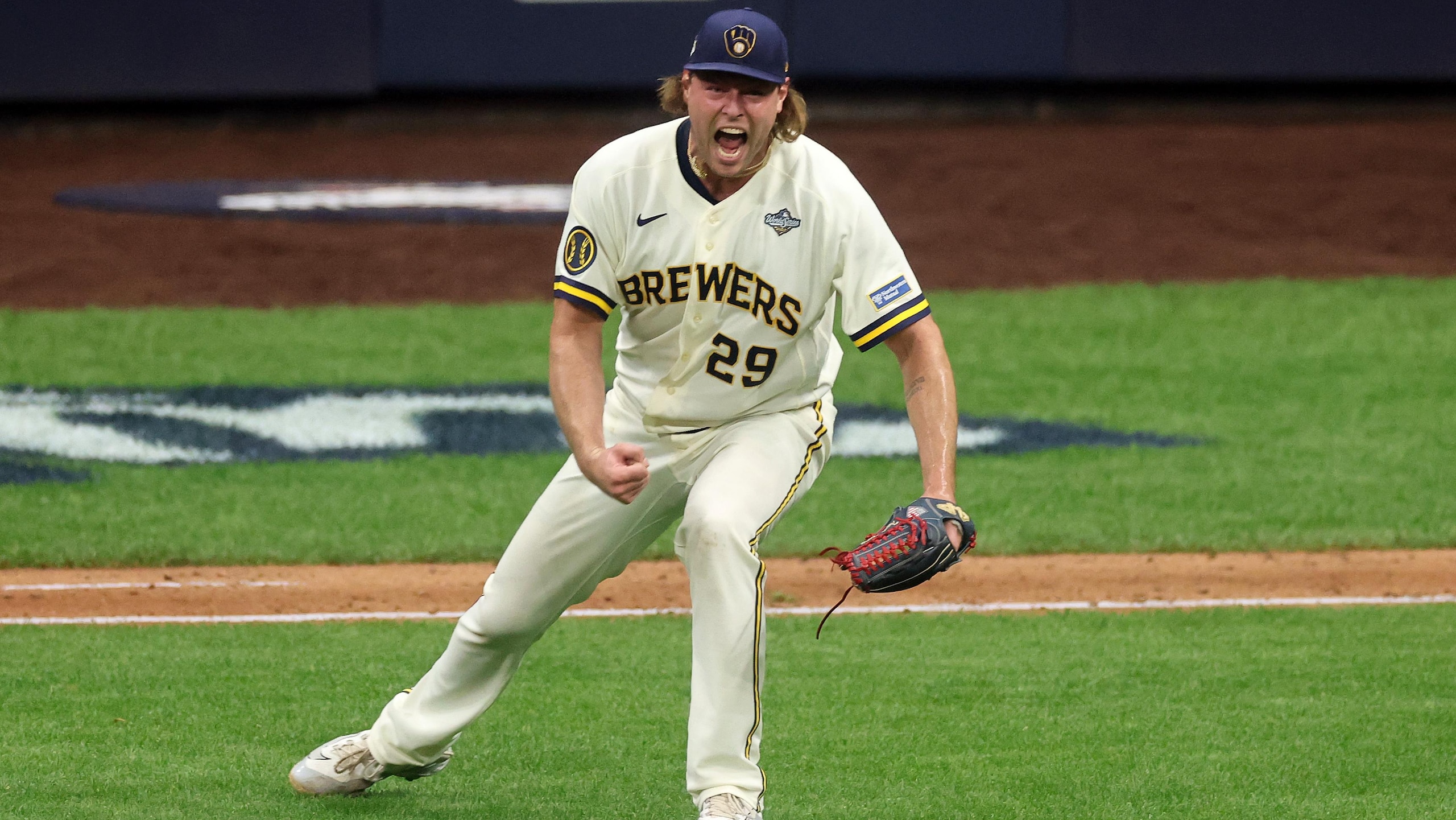
Brewers Get 1st WS Win Since 1982 💪
Good lord, no.
Sure, the greatest stars of the American and National Leagues came together at the unofficial halfway point of the season for some well-deserved and much-needed R & R in St. Louis, where this year's All-Star Game was held.
But where was the spectacle? Where was the magic of the so-called Midsummer Classic?
Tuesday's MLB All-Star Game was a bigger summer letdown than Transformers 2, but without the hordes of clamoring fans.
The brief and lifeless game itself was duller than Joe Buck's commentary, and its tedium was only surpassed by the infuriating way in which both Joe Maddon and Charlie Manuel managed their teams.
Of course, they don't deserve all of the blame.
Major League Baseball does, and for one simple reason: Many of the supposed all-stars don't even get to play in the game that honors them!
When commissioner Bud Selig and the MLB brass decided to make the All-Star Game “count” by declaring that whichever league came out on top would receive home field advantage in the World Series, they did so with the best of intentions.
The game's popularity, and subsequently its ratings, were on the decline and the league sought desperately to return that spark it had once upon a time.
Fine.
But in doing so, they've made the game into a mockery.
Now, instead of showcasing the best players each league has to offer in a grand celebration of their on-field achievements, managers are pressured to win for the sake of their respective leagues.
Where once the All-Star Game's door prize was simply pride and bragging rights, victory has taken on the arbitrary significance of a legitimate postseason advantage.
And that has seriously altered the way the game is managed.
Players who rightfully deserve to be in the spotlight—even if it's just for one inning, just for one swing of the bat—are left to rot at the end of the bench or out in the bullpen.
Quick, name the Oakland A's All-Star this year.
What's the matter, didn't you see him? He was that lonely looking fellow sitting next to Tim Wakefield in the bullpen. The FOX cameras caught half of his jersey in one shot.
That's not right, and I don't even like the A's.
The two representatives from the Los Angeles Angels of Anaheim were also left out of the mix. Brian Fuentes, who leads the Major Leagues in saves with 26, was shown warming up once in the bullpen.
But heaven forbid he get to pitch over the sentimental favorite, Yankees closer Mariano Rivera.
And poor Chone Figgins, who's been as much the Angels' MVP as consensus pick Torii Hunter, was only allowed to enjoy the show from the dugout.
At the end of the day, Figgy was probably excited just to make the trip at all—he was a last-second replacement when Rays third baseman Evan Longoria was scratched from the lineup with an infected finger.
But that doesn't mean he was any less deserving to be out there in the field with his fellow All-Stars.
Making the All-Star Game “count” means denying players their rightful time in the sun, and that is absolutely counter-intuitive to the entire point of the game.
Home field advantage in the World Series should be given to the team with the best record...like every other postseason round of every other sport.
There, now that problem is solved.
And as for ratings and popularity, what fan wants to tune in to the All-Star Game only to join his team's players in watching the game?
As an Angels fan, I was so happy and proud to find out that Figgins had been picked to replace Longoria, and so disheartened to only see him congratulate other players as they came back to the dugout.
Surely Boston Red Sox fans must have felt the same way when Wakefield went from potential AL starter to bullpen cheerleader.
The All-Star Game has become a farce, and changes need to be made if Selig and the MLB ever hope to bring back the charm and intensity it once delivered.
Eliminating the World Series stipulation is just a start. How about limiting the number of participants on each team?
Instead of 33 players, streamline these teams down to a traditional 25-man roster.
Just as they are now, some deserving players will be left out. But how would that differ from getting picked to the current expanded roster, only to sit there and drink Gatorade all night?
Fans have a better view on television. Plus, we get to enjoy air conditioning.
The 2010 All-Star Game is coming to Anaheim, and the Angels will undoubtedly be great hosts (the team was voted No. 1 in fan satisfaction–among all major sports franchises).
We, as fans, can only hope for as much respect and care from Selig and the MLB.

.png?w=2560)


.jpg?w=2560 "NFL House in Paris Closes for Protests")
.jpg?w=2560 "Trevon Diggs Cut by Seahawks")


.jpg?w=2560 "Jonathan Taylor Landing Spots")
