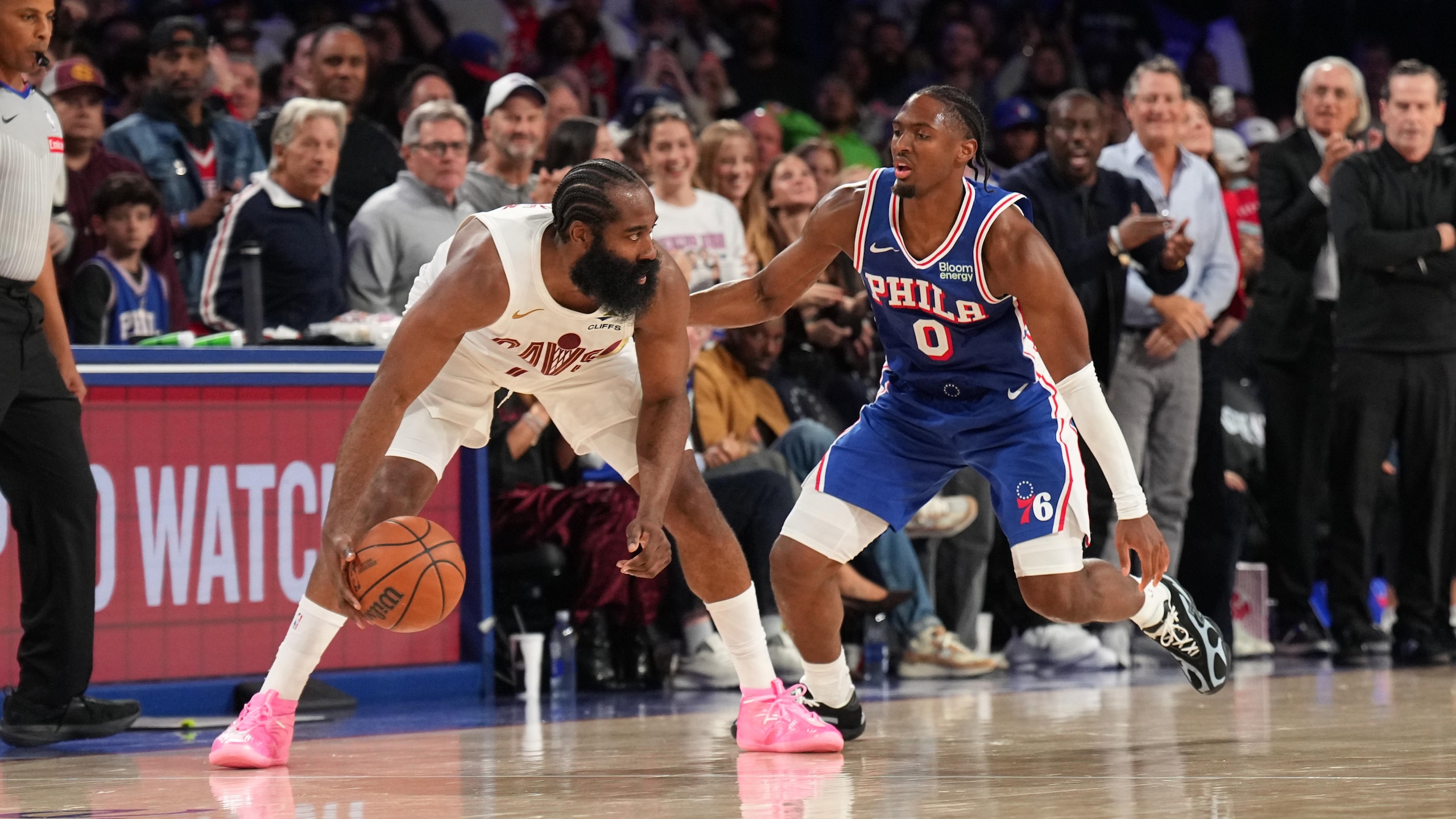
All Beckett Needed Was One Run, But Red Sox Offense Gave Him Six
Since Josh Beckett graced Fenway’s mound, he has been the Boston Red Sox undeniable ace. During the 2005 off season, Beckett, then 25 and fresh off a 15-8 season with the Florida Marlins, was traded to the Red Sox for top-prospect and current Marlins star shortstop Hanley Ramirez.
I didn’t know much about Ramirez, but he was heralded as a five-tool player near major league ready. Boston, despite knowing Ramirez would soon be a star, thought enough of Beckett to make the deal.
The ace struggled in his first season with the Red Sox, while Ramirez was named the National League’s Rookie of the Year. Although he won 16 games, a career-high at the time, he allowed an unsightly 36 home-run and had a 5.01 ERA.
At the time, the trade was clearly deemed a bad one for Boston.
Yet, he felt much more comfortable the following year, which may be an understatement. He allowed Red Sox fans to forget about Ramirez, winning 20 games with a 3.27 ERA.
He was officially a Red Sox, and their ace.
He managed only 12 victories in 2008, but that was due to a lack of run support, not his performance. He was very dependable, a workhorse that could be counted on to give his offense a chance every start.
Boston’s management became enamored with his mound presence and his consistent efforts, but acquired him as much for his postseason success.
All of 23-years-old, he took a tough loss at home in Game Three of the 2003 World Series against the heavily favored New York Yankees, striking out 10 in 7.1 innings.
The 6′4″ Texan sought revenge in Game Six, this time facing the Bronx Bombers in their house. The Marlins held a 3-2 series as Beckett took the mound. The series was won once he left it.
The baby-faced right-hander dominated the Yankees, failing to surrender a run while striking out nine. Nothing puts a player on the map like a complete-game shutout in the World Series-clincher against the most decorated franchise in baseball history.
Since the magical night of October 25th, 2003, Beckett has added to his legacy. Behind another title run in 2007 during which he was 4-0 with a 1.20 ERA and another complete game shutout, he solidified himself as the most clutch postseason pitcher of his era.
As his first half of the 2009 indicates, he’s also pretty dominant during the regular season.
Entering his final start before the All-Star Break, he had 10 wins to his name and an ERA in the mid-threes. Beckett had a rough start to the season, but since April’s 7.22 ERA in five starts, he has been brilliant, with only two hiccups over the past two and a half months.
The Kansas City Royals, his opponent in this final outing of the first half, didn’t stand a chance.
Their offense has a few bright spots—Alberto Callaspo is hitting .300, Billy Butler has 27 doubles, eight homers and is batting .290, Mark Teahen has 41 runs scored, and Willie Bloomquist has 16 stolen bases—but overall they have little that would scare Beckett.
No one to challenge him, and make him work, at least that’s the way it transpired.
Beckett was on his game, making the Royals offense appear that much more paltry. He struck out the first two hitters of the game, then the first two of the second inning.
After another strikeout in the third, he allowed his first hit in the fourth, a leadoff double to David DeJesus.
A sacrifice bunt moved DeJesus over, but the heart of Kansas City’s lineup couldn’t take advantage of the situation. Beckett retired Butler and Teahan on ground outs. In all, Beckett needed just six pitches in that inning, disposing of the Royals almost too easily.
His offense, which scored a run in the bottom of the first on a RBI single by Kevin Youkilis, scored three more in the fourth.
The first of the frame came home via the second hit of Aaron Bates’ career, a double crushed to center. The second, after Jacoby Ellsbury reached and moved Bates to third, then swiped his 40th base; David Ortiz drove in Bates with a ground out.
Kansas City pitcher Tejeda didn’t know where his pitches were going.
His velocity was off the charts, but Boston took pitch after pitch well out of the strike zone. He walked two straight, forcing in a run.
Beckett had insurance, as if he needed it.
It turned out; all Beckett needed was the run Dustin Pedroia scored in the opening inning. He continued to mow down the hapless Royals, throwing his 96-mile per hour fastball in, then his sweeping curveball and slider away to torture them into weak swings often resulting in strikeouts or measly hit ground balls.
Two of the three hits he allowed came in the seventh inning, but, staked a five-run lead at this point, Beckett calmed, pounding a fastball in on the hands of Branyan Pena, sawing off his bat to end Kansas City’s lone threat with the double-play grounder.
Upon retiring the eighth inning’s three victims on 11 pitches, he needed only 11 more to send down the final three in the ninth.
The final batter, Butler, went as quickly as possible, and epitomized Beckett’s outing. Beckett took something off a first-pitch curveball for strike-one, and then came back with a fastball still touching 94 which Butler swung right through. The final pitch, Beckett decided, would be a curveball.
Any pitch in his perfected repertoire would have sufficed, but the big bender did the deed just fine. The offering snapped out of his hand and tumbled into the lower depths of the strike zone. Butler whiffed miserably.
In his second complete game of the season, Beckett allowed only four base-runners and didn’t walk anyone. His control was top-notch, throwing 66 of his 94 pitches for strikes. The ace made his 11th win look effortless.
He was the ace that shut down the Yankees six years ago, the ace worth trading Ramirez for.





.png?w=2560)


.jpg?w=2560 "NFL House in Paris Closes for Protests")
.jpg?w=2560 "Trevon Diggs Cut by Seahawks")
.jpg?w=2560 "Jonathan Taylor Landing Spots")