The Pittsburgh Pirates: What's a Minor League Team Doing in the Show?
On the banks of the Three Rivers, the blood-letting continues.
Jason Bay? Gone.
Nate McLouth? Gone.
TOP NEWS
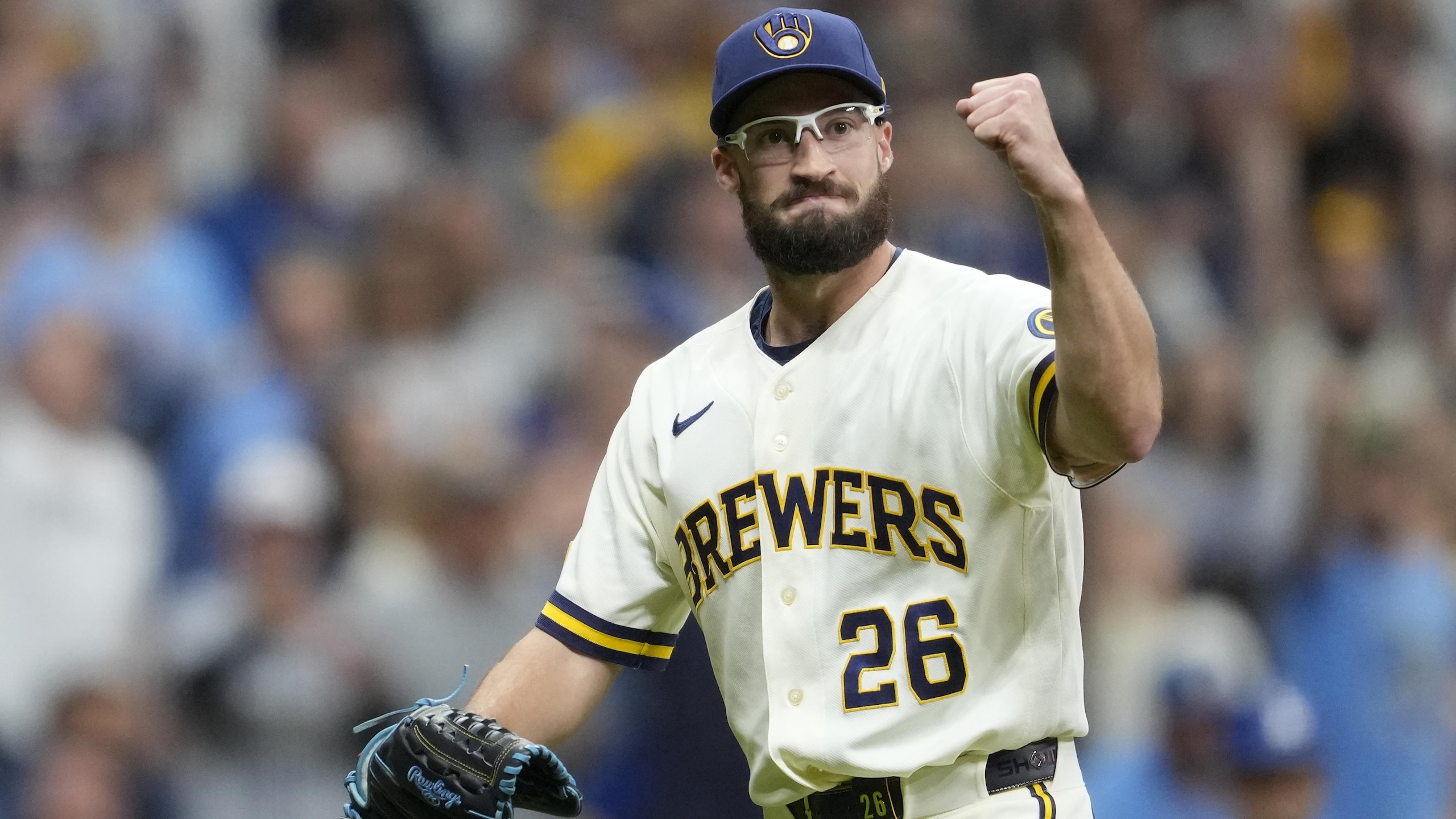
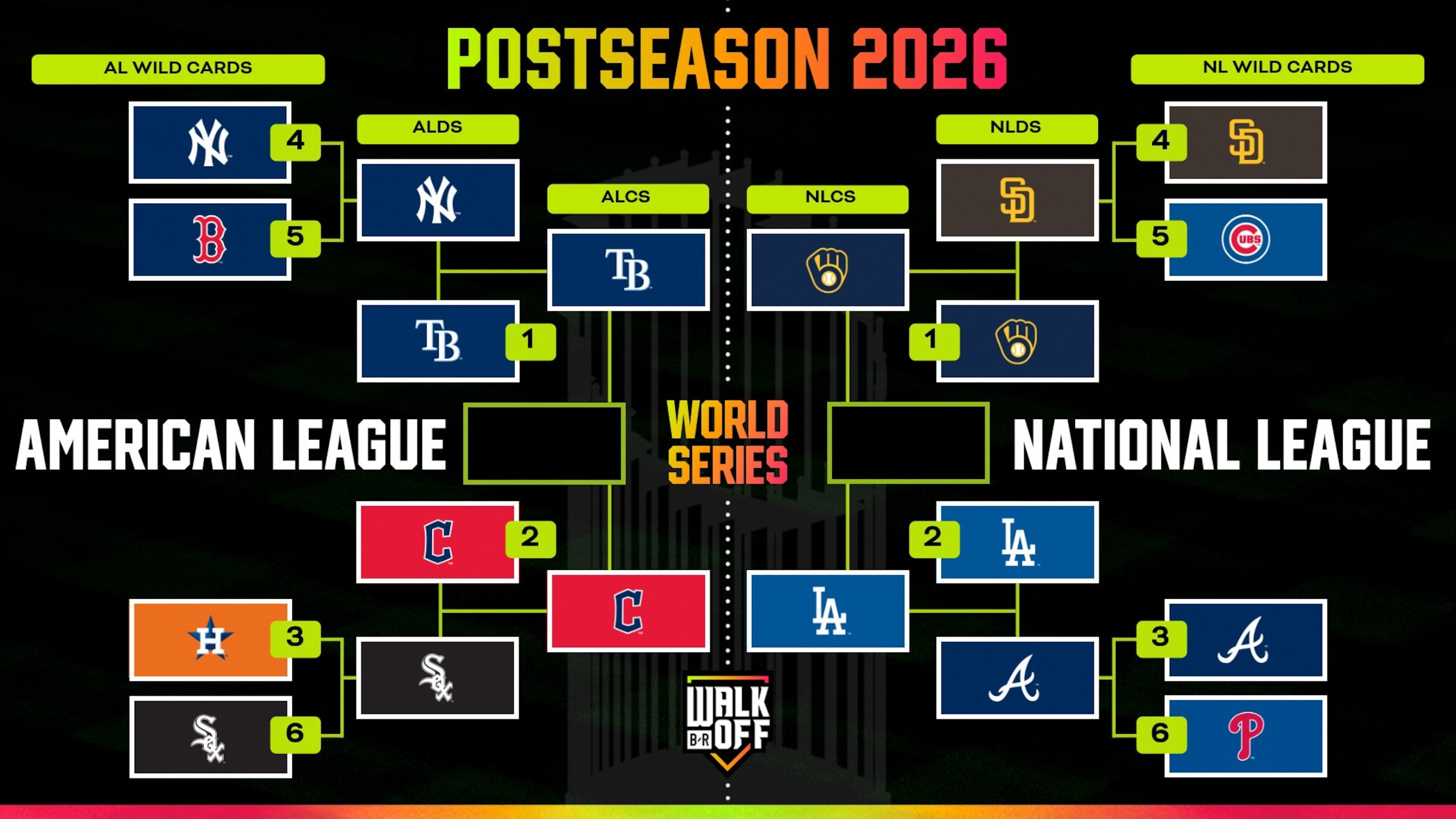
Brewers Beat Dodgers in Game 1 🔥

Breaking down why Brewers can stop Dodgers 3-peat
.jpg?w=2560)
Trent Grisham Landing Spots 📍
Damaso Marte, Xavier Nady, Nyjer Morgan and Sean Burnett? Gone, baby, gone.
Morgan and Burnett are the latest assets flipped for their weight in shaky prospects, netting the perennially injured and underachieving Lastings Milledge as well as shell-shocked closer Joel Hanrahan. In truth, that's a king's ransom compared to what the Bucco powers-that-be got for the other guys.
Marte and Nady were the first to go—bringing Jose Tabata, Ross Ohlendorf, Dan McCutchen and Jeff Karstens. Yawn.
Then went Bay, who fetched Andy LaRoche, Bryan Morris, Brandon Moss and Craig Hansen.
And finally McLouth said adieu, in return for Gorkys Hernandez, Charlie Morton and Jeff Locke.
Quite a dossier there.
Granted, aside from possibly Bay, none of the names walking out the PNC Park door were exactly future Hall of Famers. But these are the Pittsburgh Pirates we're talking about here. Owners of 16 consecutive losing seasons and, despite being within hailing distance of the National League Central leaders, they seem destined for a 17th straight loser.
Much to my chagrin and that of the remaining Pirate ballplayers.
Players like Bay (29 when traded), Nady (also 29), McLouth (27), Morgan (about to be 29) and Burnett (26) might as well be superstars as far as the Bucs are concerned.
They all represented talented players entering their prime with momentum from stellar recent performances. These are the kinds of players who can help you win right now AND for years to come.
They are athletes a contender looks to acquire and a franchise in the business of baseball looks to move—good players with the potential to be great, but whose prices are about to increase.
Dramatically in most cases.
But if you want to finish above .500 every once in a couple of decades, sometimes you have to pay. Not all of 'em, but enough to keep a strong nucleus off of which your younger pieces can feed.
Pittsburgh's suits pay NOBODY. Any semblance of elite talent gets shipped off at the first sign of a sincere offer, not (by definition) a good one.
Now, to be fair, I must note that it's far too early to make any conclusions about the pieces acquired, especially since only Hanrahan has seen his 27th birthday. In fact, most of the real prizes are baseball toddlers—Hernandez and Locke are both 21 while Tabata is only 20.
That said, take a look at the proven commodities exiting and the names brough in to replace them.
A shrewd manipulator of Major League Baseball rosters would've gotten can't-miss blue-chippers for Bay and McLouth, at a minimum. A particularly shrewd such individual probably could've netted top dogs for Marte and Nady, considering the trading partners was an increasingly desperate New York Yankee front office.
Instead, the architect of the deals, Neal Huntington got some flawed dudes with huge upside. Please tell me what prospect doesn't have huge upside.
That's why they're prospects—it's the flaws that determine their maximum value because those stand in the way of the potential and only the special players are able to eliminate them.
Unfortunately, the Pirates got a whole slew of risk along with its youth.
Kartens and Ohlendorf have gotten some tire kicks with mixed results in the Big Leagues. Ditto Milledge, Hanrahan, Hansen, Moss, LaRoche and Morton. None has shown hints of the ability to dominate or the consistency necessary to replicate the kind of production the organization just gave away.
I'm sure management is trotting out the same dog-and-pony show it used after the McLouth trade—something about building for now and the future, blah, blah, blah.
Wonderful.
Except isn't that what the Pittsburgh Pirates have been telling their fans since the glory days of Jim Leyland, Barry Bonds, Bobby Bonilla and Doug Drabek?
Just be patient, we're putting together a winner here?
After 17 years of losing baseball and business as usual, when does management cease being incompetent?
Because the alternative reality is a decision-making process driven by greed and deception. And a lot of signs say that reality is already here.

.jpg?w=2560 "Cam Ward Says He's Not A Loser")
.jpg?w=2560 "Texans Trade for MHJ")
.jpg?w=2560 "Chargers Fall to 0-5 🤢")
.jpg?w=2560 "Grading MHJ Trade 📝")