

James Norwood: Prospect Profile for Chicago Cubs' 7th-Round Pick
Player: James Norwood
Drafted by: Chicago Cubs
Position: RHP
TOP NEWS
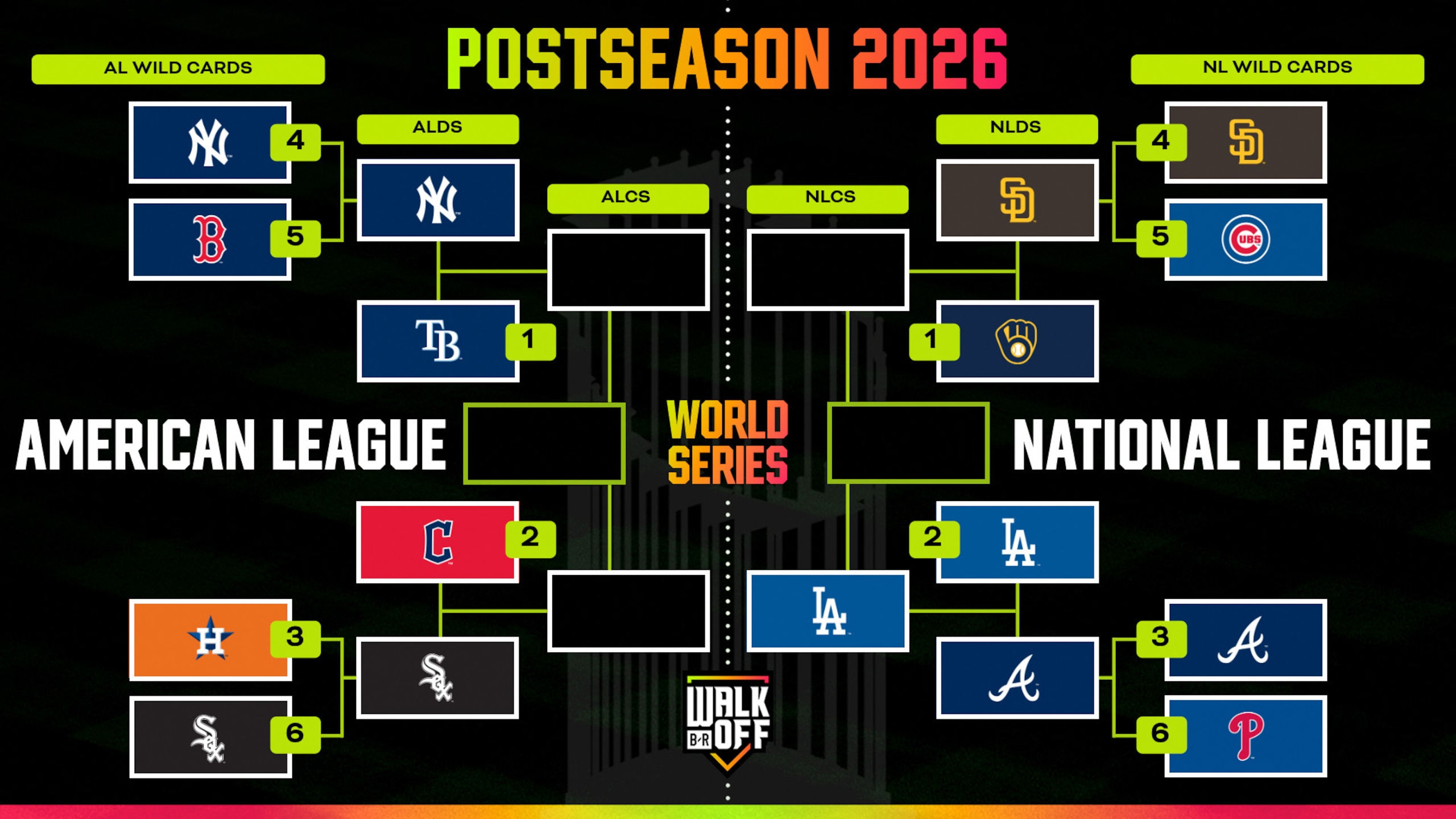
Dodgers Clinch NLCS Return

Predicting the Outcome for Each Team's Top Free Agent 🔮
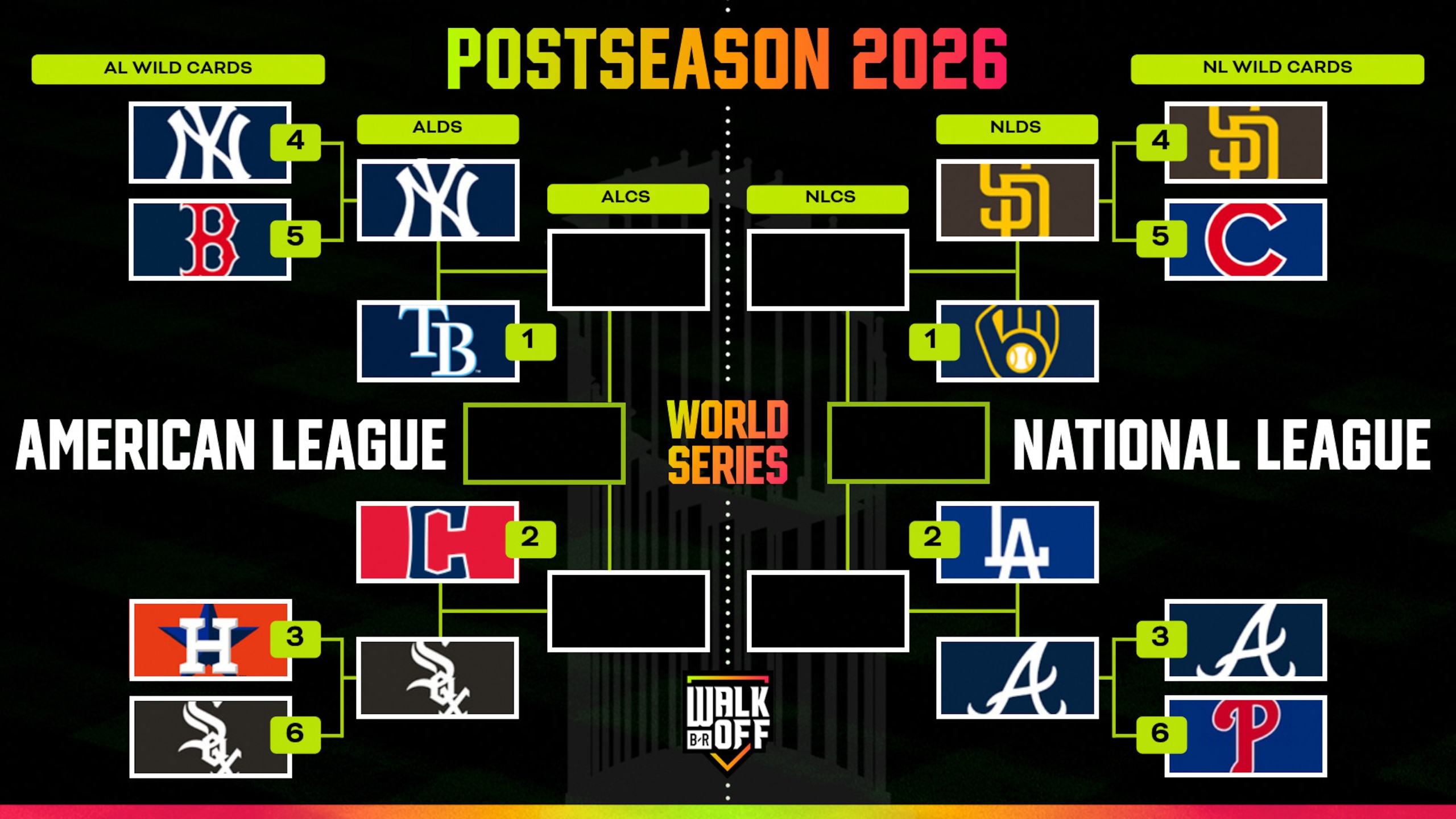
Guardians Force Game 4
DOB: 12/24/1993 (Age: 20)
Height/Weight: 6’2”, 200 pounds
Bats/Throws: R/R
School: St. Louis
Previously Drafted: Never
Background
Hailing from the Bronx in New York City, right-hander James Norwood went undrafted out of high school in 2011 and followed through on his commitment to St. Louis University.
Norwood appeared in 20 games for the Bilikens as a freshman, as he showed the ability to consistently miss bats out of the bullpen and also made four starts. Overall, he registered a 2.23 ERA and 36/12 strikeout-to-walk ratio in 40.1 innings.
Norwood was expected to move into the starting rotation in 2013—or at least start games more frequently—and generally seemed poised for a breakthrough campaign. However, an elbow strain limited the right-hander to only seven appearances (one start), as he’d finish the season with a 4.71 ERA in 21 innings.
Finally healthy this past spring, Norwood excelled after moving into the starting rotation full time, as he quickly emerged as the team’s ace with an 8-2 record and 2.68 ERA in 94 innings, as well as with three complete games in 15 starts.
Norwood isn’t a well-known commodity like many of the other college pitchers in this year’s class, but his pure stuff and brief college track record both suggest the right-hander has plenty of untapped potential.
Full Scouting Report
Note: Numerical scores are on the conventional 20-80 scouting scale, with the current score first and projected score second.
Body/Mechanics
6’2”, 200-pound right-hander has durable, workhorse build; good use of strong core and lower half; missed most of 2013 season with elbow strain but hasn’t shown any ill effects of injury; present plus arm strength with room to improve with experience.
Fastball: 55/60
Works comfortably in the 92-95 mph range with decent sinking action and late arm-side run; feel for manipulating the pitch to generate cutting action or more sink; holds velocity into his starts; chance to add another tick or two with natural development; pitch can be difficult to barrel and lift.
Slider: 50/60
Thrown with velocity and good tilt at 83-86 mph; features tight spin and sharp diving action out of the zone; present swing-and-miss offering based on arm speed.
Curveball: 40/55
Potential above-average offering thrown in the upper 70s with good pace and depth; generates late bite when he stays on top of the ball; projects as a decent swing-and-miss offering with improved consistency.
Changeup: 40/50
Feel for changeup has steadily improved since moving into rotation; registers in low 80s with natural sinking action and decent fade; he currently pronates a little early but shows consistent feel for turning over pitch; should develop into at least an average offering.
Control: 40/55
Usually around the plate with entire arsenal; present control issues stem from lack of experience and innings; good pitchability with room for growth; command may only be slightly above average due to natural movement on pitches.
Command: 40/50
Fastball command will be crucial to overall development and dictate the effectiveness of his secondary arsenal; lack of experience gives him plenty of room for improvement; excellent late-inning profile if command profile never comes to fruition.
MLB Player Comparison: Tyson Ross
While Norwood doesn’t quite compare to Ross from a physical standpoint, both right-handers feature exceptional fastball movement, a swing-and-miss breaking ball and at least one additional offering that is at least serviceable.
Projection: No. 3 or 4 starter/late-inning reliever
Major Leagues ETA: Starter: late 2017/reliever: mid-2016
Chances of Signing: 90 percent
Norwood is a late-bloomer with a limited track record, but his heavy fastball and underrated pitchability could make him a potential steal for a team outside of the first round.
.jpg?w=2560 "MLB playoffs")



.jpg?w=2560 "Dak to Stroud: Get Some Wins 💯")
.jpg?w=2560 "Vikings HC Called OBJ Before Release ☎️")
.jpg?w=2560 "5 NFL Players Getting Trade Buzz")
.jpg?w=2560 "NFL Won't Fine 'Beverage' Celebrations 🍻")