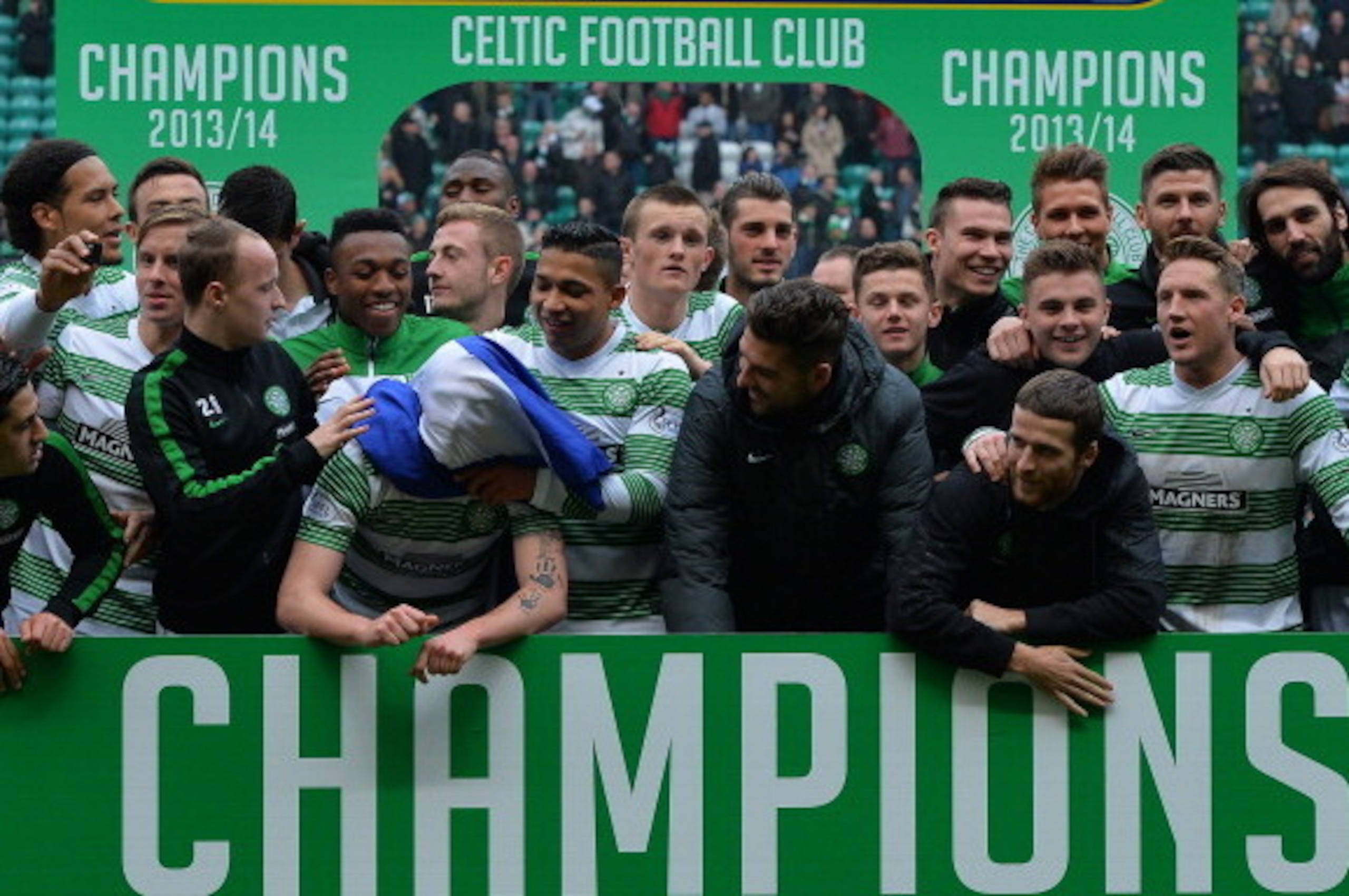


A thrilling end to the Scottish Premiership season saw Hibernian slip into the relegation play-off place and Motherwell pip Aberdeen to second spot.
Top and bottom had been secured well in advance of the final weekend, yet the introduction of the new play-off system kept the excitement alive and important spots were settled on the last matchday.
Three different winners of the main domestic trophies and breakout years for several young Scots—not least St. Johnstone's Stevie May, Dundee United's Stuart Armstrong and Aberdeen's Peter Pawlett—combined to produce an exciting season in the country's top division.
But there were negatives as well.
Terry Butcher's decision to leave Inverness for the Hibs job in December now sees him contend with relegation following a disastrous run-in, while things were always bleak over at city rivals Hearts following a 15-point deduction for experiencing an insolvency event.
The Jambos battled well—without the deduction they would be safe in 10th—but the continued existence of the club justifiably took precedence over top-flight status for the fans.
The final league standings are what enter the record books—but they rarely tell the whole story.
Here, we highlight the biggest winners and losers from the 2013/14 Scottish Premiership campaign.
Statistics referenced in this article are taken from Soccerway, TransferMarkt and Statto
The Clubs
1 of 3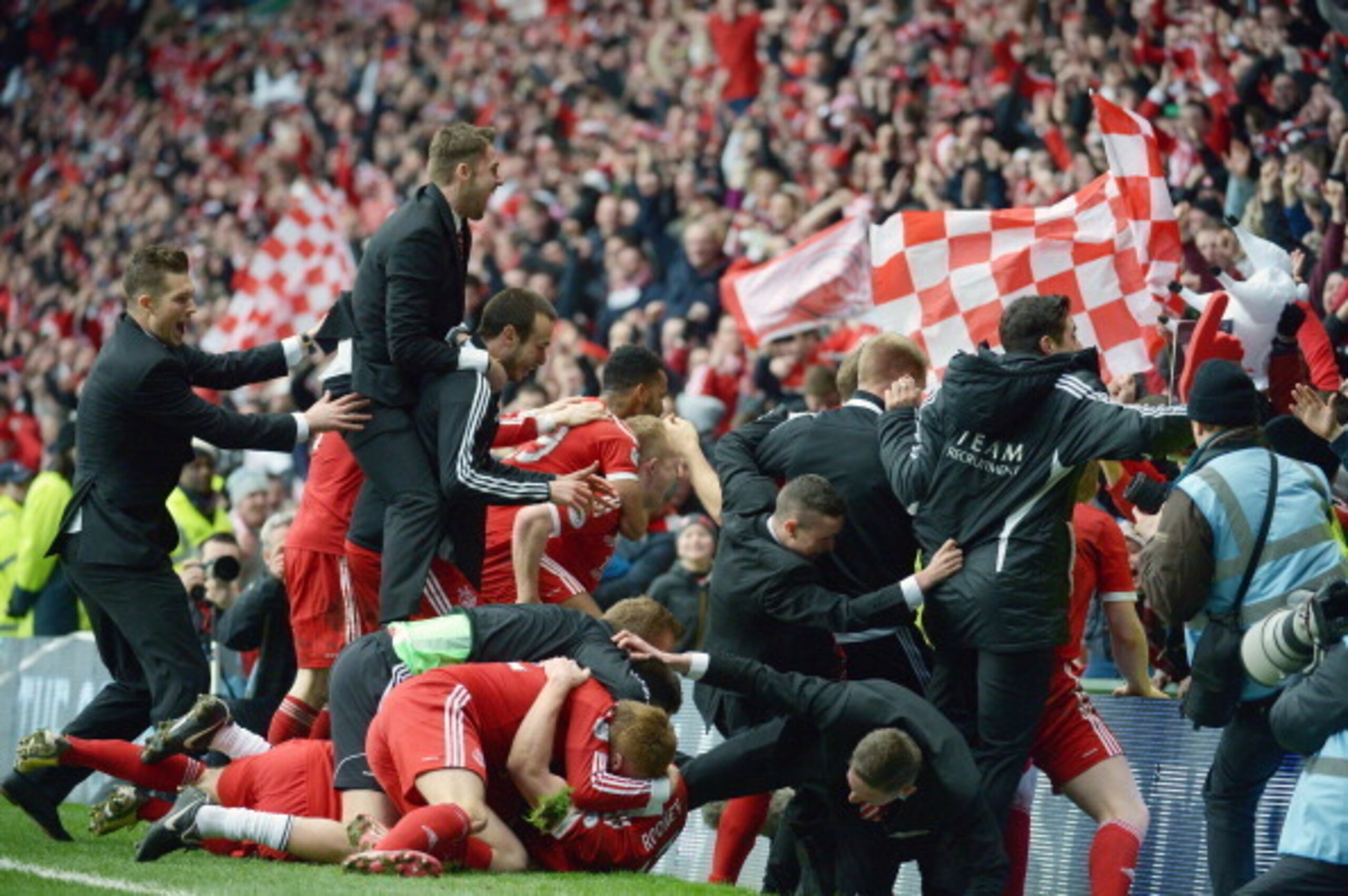
Celtic romped to the league title, racking up 99 points in the process. They also had the league's top goalscorer and Player of the Year, Kris Commons, and they broke a clean sheet record.
Yet they are, arguably, not the standout club this season. Two early cup exits at home—to Greenock Morton and Aberdeen—and an equally poor Champions League campaign conspire against the Hoops in that respect.
Dundee United played scintillating attacking football at times, while St. Johnstone, third place last year, nonetheless had another strong season by finishing in the top six for the third consecutive campaign.
It is, however, a toss-up between League Cup winners Aberdeen and second-placed Motherwell.
Under new boss Derek McInnes, the Dons have transformed from perennial underachievers to cup double-chasers in less than a season.
Unfortunately, despite winning the League Cup on penalties back in March, McInnes' side failed to secure second spot and crumbled to St. Johnstone after going ahead in the Scottish Cup semi-final.
Still, they are worthy challengers for the club which had the best season and are undoubtedly the most improved.
At the other end of the table, Hibs' season went from bad to worse after the departure of Pat Fenlon.
Their form since New Year has been abysmal. Having won just two games since the start of 2014, the Hibees still sat seventh as March came to a close. They ended the season in 11th having failed to win a match since mid-February.
The Players
2 of 3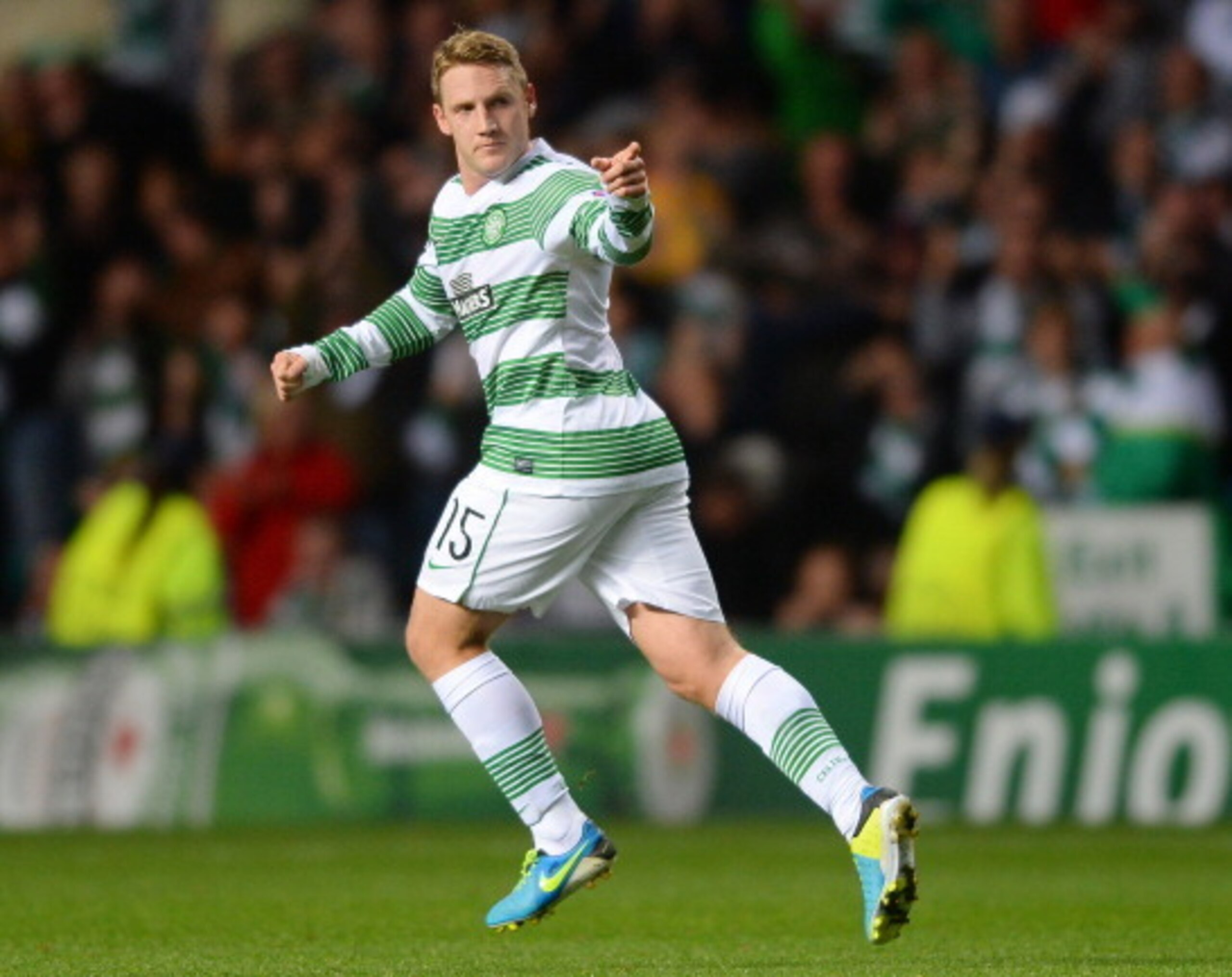
The relegation fight this season, for all its excitement, came down to the contribution of individual players.
Without Kris Boyd's prolificacy, or the signing of Lyle Taylor in January, for example, would Kilmarnock and Partick Thistle both have avoided the relegation play-off spot?
Likewise, without veteran Steven Thompson's influence, it's highly unlikely St. Mirren not only avoid the very real threat of the play-off spot but finish eighth.
And at the top there was Kris Commons.
The attacking midfielder enjoyed his most productive season for Celtic—scoring 29 goals in domestic competitions while laying on 11 in the process.
Behind the 30-year-old, Kilmarnock's Boyd and Motherwell's John Sutton hit 22 apiece to cap impressive personal seasons, while St. Johnstone's Stevie May and Celtic's Anthony Stokes were the only other players to score 20 or more.
In the creativity department, Motherwell's Iain Vigurs topped the charts with 13 from 36 matches.
He beat off challenges from Celtic's resurgent left-back Emilio Izaguirre and Commons, but it was Partick Thistle playmaker Kallum Higginbotham who really impressed as the season wore on.
Higginbotham was arguably the league's best player after New Year—registering seven goals and nine assists in just 16 matches as Thistle avoided the relegation play-off spot by three points.
Outside simple statistics, players such as Stuart Armstrong and Peter Pawlett, in particular, reaffirmed their reputations as rising stars of the Scottish game with some influential, direct performances and must surely be considered, like Boyd, as Scotland squad material.
The Managers
3 of 3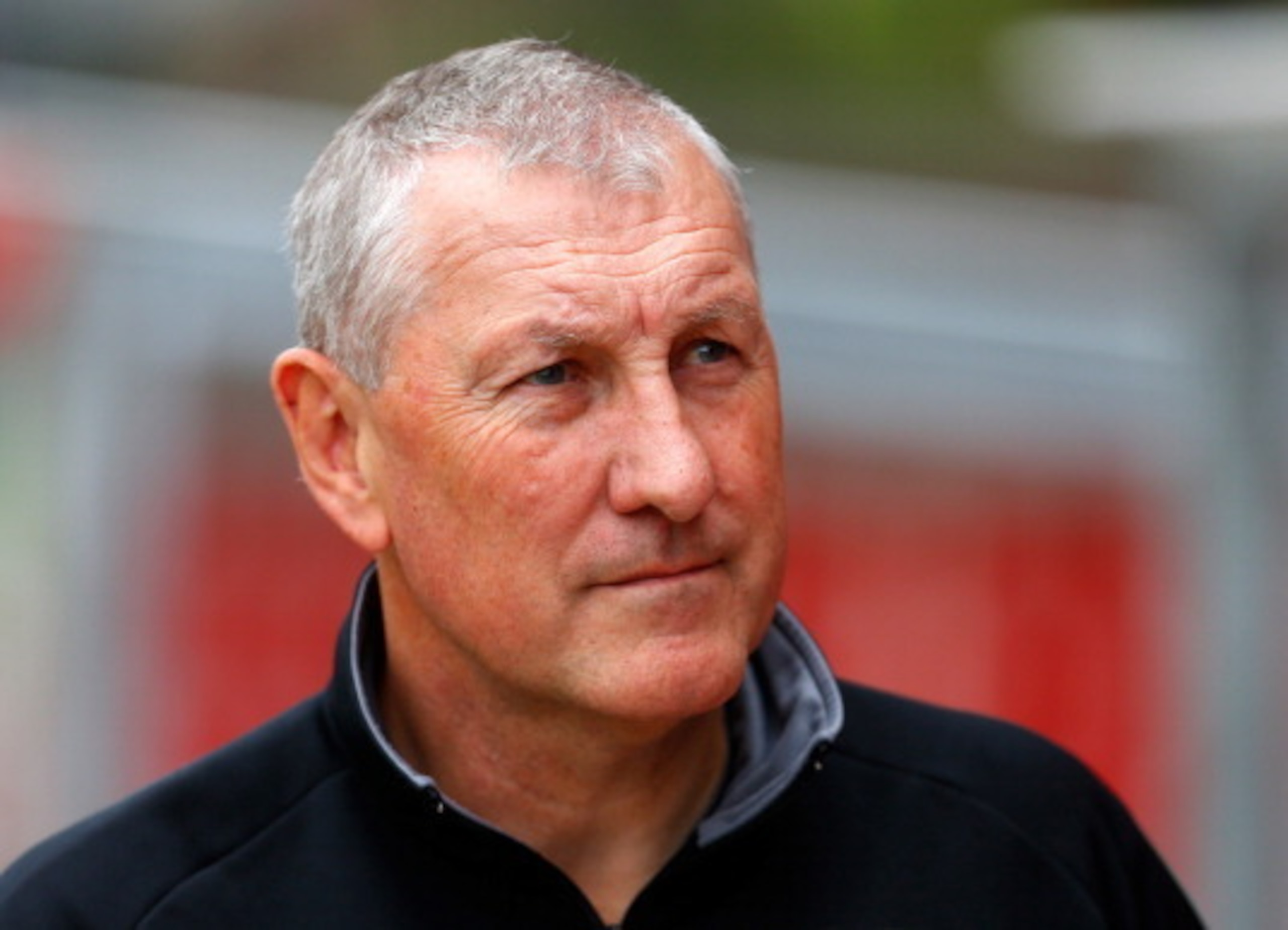
There is one manager whose achievements this campaign necessitate a special mention. Curiously, however, it is not the league winning coach.
Neil Lennon doubtless deserves praise—garnering 99 points and setting a clean sheet record is no mean feat, regardless of competition. But, again, his side's performances in cup competitions count against him.
Derek McInnes, meanwhile, has repaired a wounded Aberdeen this year.
Not since 2009 had Aberdeen even finished in the top six—yet McInnes led them to third. They lost second place to Stuart McCall's Motherwell, who had slipped under the radar somewhat by keeping in touch with the Dons, in the dying seconds of the final matchday.
More than that, McInnes steered the club to their first piece of silverware in almost 20 years when they won the League Cup on penalties in March. Despite being favourites for the Scottish Cup, having eliminated Celtic en route, the Dons succumbed to St. Johnstone at the semi-final stage.
The out-going Gary Locke performed admirably in his role as Hearts manager in the face of mounting off-field issues and pay disputes, while Dundee United's Jackie McNamara had his side playing wonderful attacking football for much of the season.
As so often was the case during the season, the Hibs manager's office is the primary source of negativity.
Terry Butcher has the track record to improve the Leith side next season—if they survive the upcoming relegation play-off—but his reputation has taken a battering as the Hibees have won only twice since New Year.
Twitter: @smarti51


.jpg?w=2560 "Rams Raiders Football")

.jpg?w=2560 "Rodgers Iced Out on Plane 💎")

.jpg?w=2560 "Packers Safety Slams Refs 🤬")

.jpg?w=2560 "🚨 Week 8 AP Top 25 Poll")
