How To Fix Major League Baseball's All-Star Game
Major League Baseball has a problem, and it isn't steroids.
The All-Star Game in baseball has always been the benchmark by which other all-star games are judged. Baseball has always sold the spectacle of the best playing against the best in a way that made the fans excited.
That excitement carried over into jersey sales and global interest. The thrill for every team's fans was seeing the local participants taking their abilities up against the very best in baseball; it was the ultimate argument solution.
TOP NEWS

MLB Commissioner Defends Salary Cap
Miz Sets WS Record Already ⛽
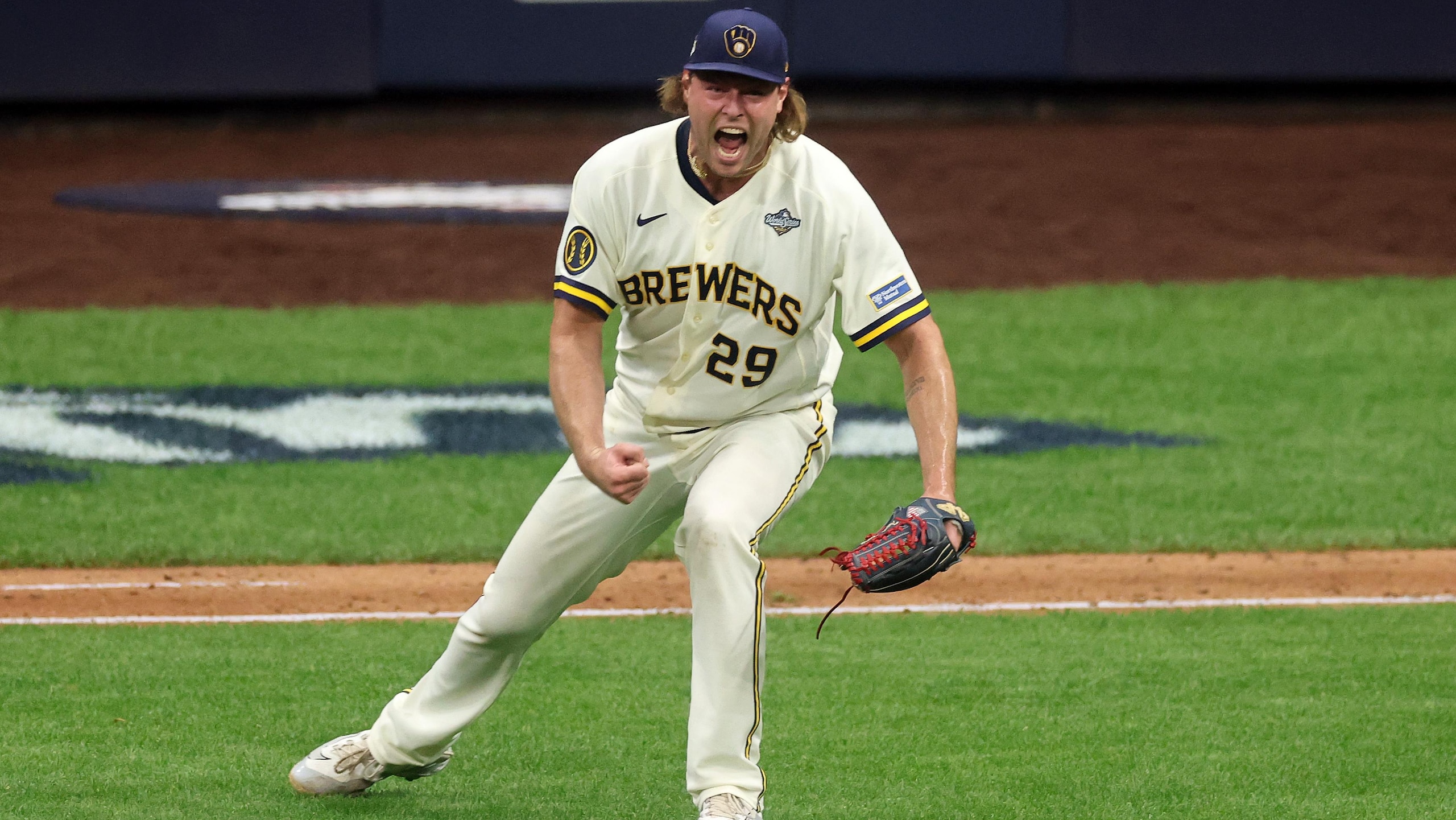
Brewers Get 1st WS Win Since 1982 💪
Which league is better: American or National?
Back in the day, the greatness of the game was centered on fans voting for their favorite players, and those great athletes seeing the privilege of representing their team and fans in the event.
When guys like Pete Rose trucked a catcher or coaches argued over blown calls like their job depended on the score of an exhibition game, it truly gave the fans the feeling that they were getting the best effort from the best players.
But over the years, the event, and the accompanying Home Run Derby, began to lose some of its prestige. As agents started to gain more leverage in the clubhouses and between the players' ears, it started to become evident that risking injury in a game with no value had lost its relevance to the elite players.
Soon, the fans were voting for their favorite players in record numbers, but some were opting to stay home, seeing the layoff as a few days to see their family or play some golf and relax away from the game.
The greatness of the Midsummer Classic has always been the interaction between the fans and the process; it was a popularity contest, and by popular vote, the most "appreciated" players got a chance to play.
But this all got screwed up a few years ago, when the Commissioner of baseball, Bud Selig, decided to force relevance on a game that was always special because it had none.
In an effort to get the best players from the best teams to care about the outcome of the All-Star Game, Selig decided to award home field advantage for the World Series to the league that won the game.
There are dozens of flaws with this idea, the largest of which is that it stands in direct contrast to the history of the game rewarding the best team over the marathon 162-game schedule with certain privileges, like home field advantage.
But when the game's starters are determined by a global popularity contest, it doesn't always mean the truly best, most deserving players will be on the field for either league when the first pitch is thrown.
There are dozens of examples of how this has failed, but perhaps the best (and most recent) is last year, when Chicago's Kosuke Fukudome was voted a starter in his first season in the United States.
He had started the season well amidst great fanfare, but his season had started a free-fall that ended with him spending most of September on the Cubs' bench.
In a game that holds the potential to determine the winner of the greatest championship series in sports, there's no excuse for Fukudome to be starting over players like Carlos Beltran, Carlos Lee, or Ryan Braun.
Let's take a step back and look into the rest of the rosters for this great event.
The previous fall's World Series Champion manager coaches each team and is in charge of selecting the bench and pitching staff for each team.
The biggest issue with how the benches and pitching staffs are put together is that every team is represented.
So, even though the Washington Nationals or Pittsburgh Pirates might not have a player on their roster worthy of being part of the game, the managers are forced to take a player from each team.
You're welcome, Adam LaRoche (or Zach Duke).
But the bench of each team, and the pitching staff, is at least put together by the manager in the interests of being able to win the game. This year, Charlie Manuel and Joe Maddon will try to find a winning mix of players that will replace the individuals that most fans wanted to see play.
Or, just the most recognized names on the ballot.
So, here is how I would fix the All-Star Game for baseball.
If Bud Selig is going to make the game carry postseason implications, then you cannot allow uninformed masses to misrepresent their league by awarding undeserving players with an invitation.
Thus, the first step I would take, in the context of Selig's doctrine, would be to no longer have fans voting for the starters on the All-Star rosters.
This wouldn't be a popular decision, which is why baseball, specifically a Selig-led MLB, will never have the intestinal fortitude to pull the trigger on such a drastic step.
But as long as players like Alfonso Soriano and his sub-.230 batting average and Manny Ramirez and his 60-game suspension are among the leading vote recipients, the fans are wrong.
So, how are the starters, indeed the entire rosters, determined?
There is a group of elite journalists that are members of a baseball writer's association that have a vote for who does, and doesn't, get into baseball's Hall of Fame. There is also a veterans' committee that wields the same power.
The individuals who have the authority to put someone into the Hall of Fame should be the people that determine the roster of each league's All-Star team.
These people, whomever they are, are obviously held in the utmost esteem by the game of baseball because they are looked to for deciding the highest honor the game can bestow on a player.
If the game respects them so much, why not give them the authority to pick the best players in a given season?
This way, a player who bursts onto the scene after a week of the season is gone but who is left off the All-Star Ballot, like the White Sox's Carlos Quentin last year, could start as he deserves to despite his late arrival in his team's starting lineup.
It also places the roster in the hands of the most informed, knowledgeable, and interested baseball fans on earth.
Accompanying this move would have to be eliminating the requirement to represent every team. There is a very strong argument that not a single player in the city of Chicago deserves to be at the All-Star Game this year, and yet because it's such a large market, you see names like Soriano near the top of the outfielder list again this year.
This wouldn't be a popular move either.
There's a thrill in the hearts of Pirates fans (both of them that are left) to see Freddy Sanchez get his name called and then spend nine innings on the bench.
Really?
If you're a fan from a market represented by a loser team like the Pirates, and seeing your token representative really does it for you, please let me know.
Because I just don't see fans being attached to their teams enough to really have the game lose complete significance because one Washington National didn't get the invite.
However, if the best are really, truly facing the best, the game would have its significance intact. To see Albert Pujols face Roy Halladay or Mark Teixeira against Johan Santana is magic for fans, whether my vote made it happen or not.
But seeing a guy that's hitting .226 step in to lead off a game and fly out like he's done twice a game for the last two months does nothing but frustrate six or seven managers with a shot at postseason glory, who just watched one of the 27 outs determining their future get wasted by a guy not playing well.
So, let the most respected voices in the game give the managers their rosters, and let those managers use the best players in the game as well as they can to truly give fans a game composed of all-stars.
I doubt that fans will turn the game off if they don't get to vote, but seeing the best play the best would create better drama to keep millions more fans with their televisions on the right channel.
.png?w=2560)

.jpg?w=2560 "NFL House in Paris Closes for Protests")

.jpg?w=2560 "Trevon Diggs Cut by Seahawks")