Draft Economics 101
The last week saw the beginning of what will undoubtedly be several weeks of heated discourse about the economics of Major League Baseball. People will say the Lerners are cheap, and probably far more people will say that Stephen Strasburg is greedy, and almost everyone will say that Scott Boras is evil.
To try to make this conversation as informative and informed as possible, I thought it would be worth presenting some basic facts about the economics of the baseball draft.
1. Drafted Players Have Very, Very Little Negotiating Leverage
A drafted player can only negotiate with one team, and the player must either accept whatever the team offers him or wait a year, risking injury and sacrificing a year of prime earning to take his chances on the same rigged system the next year.
TOP NEWS

MLB Commissioner Defends Salary Cap
Miz Sets WS Record Already ⛽
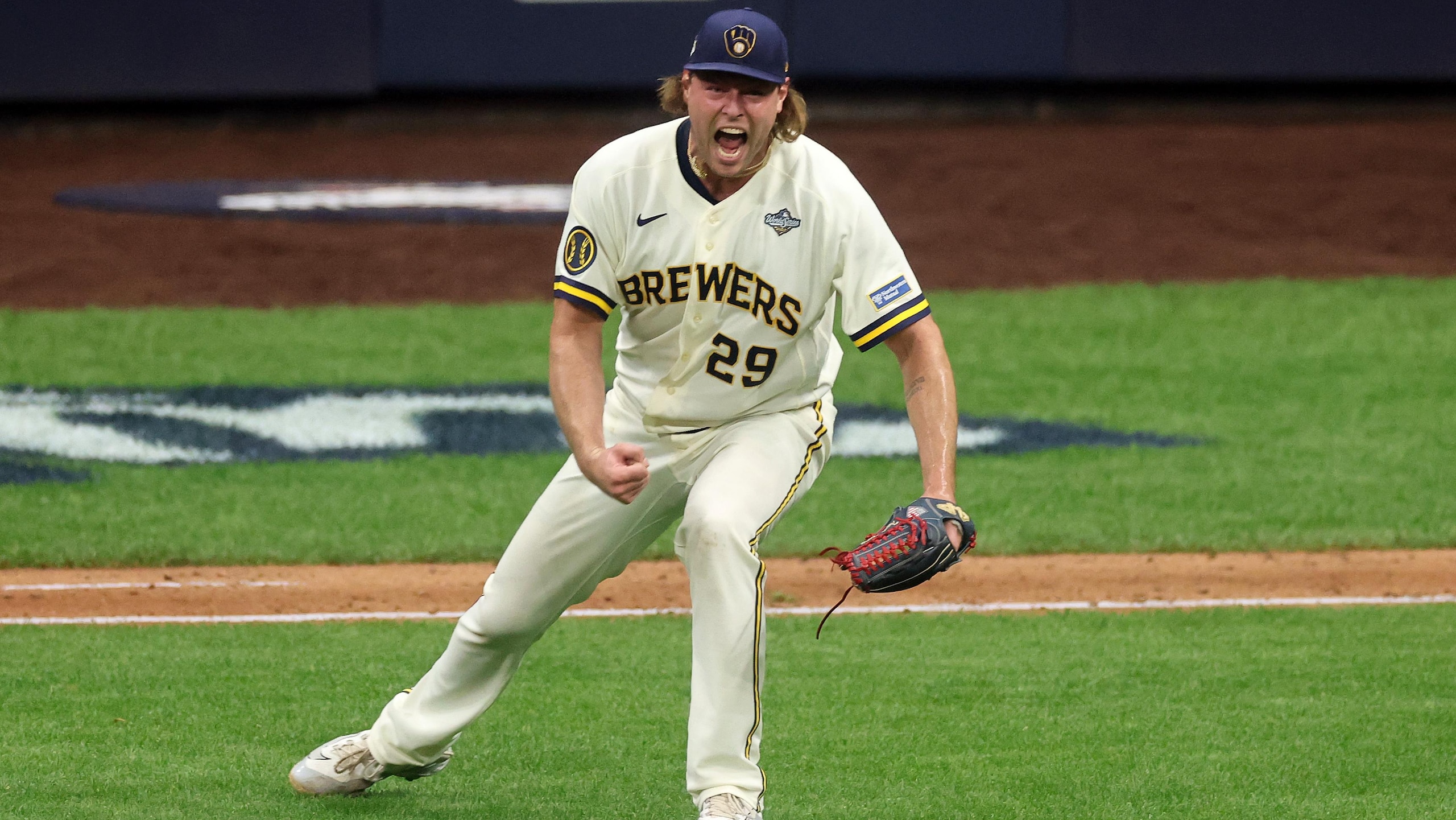
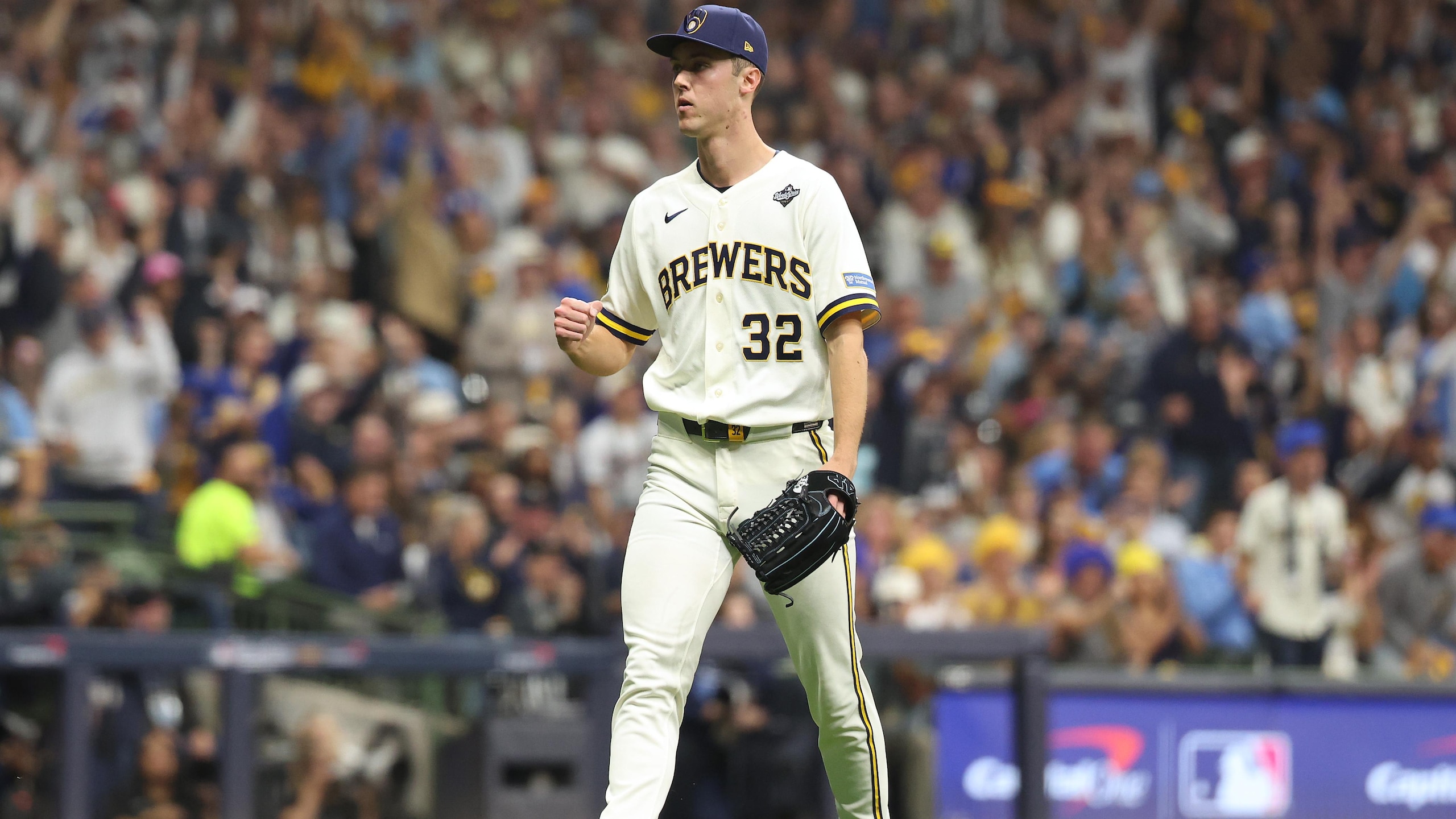
Brewers Get 1st WS Win Since 1982 💪
The reason it's so rare for a draft pick to go unsigned is because the players have so few options.
2. Players Would Make More Money in a Free Market—Some, a Lot More
If draftees were allowed to peddle their services to the employers (read: teams) of their choice, they would make far more money. Those at the top of the draft would earn many times more money.
Daisuke Matsuzaka's contract gives us some idea of the market value of a very highly touted prospect. The Red Sox spent $103.11 ($51.11 million posting fee, plus a six-year, $52 million contract) to get him as a 26-year-old rookie free agent out of Japan. There's no cheaper way to acquire premium talent than the draft.
3. Teams Can Pay Players Whatever They Want for Three Full MLB Seasons after They Are Drafted
The major league minimum is about $400,000. Minor league players make much less than that. Therefore, whatever draft bonus a player gets, it's fair to assume that it'll be at least four to five years before he sees any more big money.
In the case of high school players, it could be more like seven to eight years or more to arbitration. If a player gets hurt during that time, he's SOL. So when a player gets a signing bonus of $X million, think of that as a salary spread over four to eight years, and it won't seem like quite so much.
4. MLB Player Salaries Account for a Little More Than Half the Total Revenue in Baseball
Personally, I think that sounds like a perfectly reasonable share of the spoils. Prior to free agency, player salaries were only about 25 percent to 30 percent of league revenue, depending on the year.
Those who believe the players should earn less should explain why they think the owners deserve more. In a rigged monopoly where they face no risk whatsoever, what value do they add?
Investors in a free market face risk. In baseball, fat cats angle for the opportunity to invest, because big profits are a lead pipe cinch.
5. The Player's Union Doesn't Represent Amateur Draftees
In fact, the interests of current players are in conflict with draftees. At some level, player salaries are zero sum. If draftees get bigger bonuses, there's less money left for the current players represented by the union.
6. Players Are Entitled to Competent Representation
If you go to court, you hire a lawyer. If you're going to invest in the stock market, it's a good idea to get a broker to advise you. If you're selling or buying a house, you probably are going to hire a realtor.
Likewise, if you were drafted by a major league baseball team, you'd get an agent. And if you want to hire a hardball badass, that's your prerogative as well.
7. Scott Boras Is Good at His Job
Jerry Reinsdorf and Bud Selig got caught colluding illegally to rig the free agent market, cheating the players out of $280 million. Scouts have been caught stealing thousands from young Dominicans and teams by skimming bonuses.
Scott Boras has never even been accused of anything like this. He's guilty of nothing more than representing his clients effectively, which of course is what he's paid to do.
8. Potential Has Value
You hear all the time during draft time that it's ridiculous that so-and-so wants so much money when he hasn't even played a single inning. This is a particularly uninformed rant. In every market in our economy, potential has value, often a lot of value.
If I think, based on geological formations, that there's oil under your land, then your land will be worth more. There are entire markets—futures markets—all about betting on the future value of commodities.
9. The Slot System Was Unilaterally Imposed by Owners and Has Never Been Supported by Players—Neither Pros Nor Amateurs
If the owners got together and decided that all free agents would get one-year deals worth $5 million, and no more, that'd be collusion. Similar coordination with amateur draftees is called the "slot system."
10. Teams That Refuse To Pay for Premium Talent in the Draft, Do So at Their Own Risk
Daniel Moskos over Matt Wieters. Matt Bush over Justin Verlander. Brian Bullington over B.J. Upton.
Almost every year brings another cautionary tale. Good players cost a little more. Bad teams don't pay.
.png?w=2560)

.jpg?w=2560 "NFL House in Paris Closes for Protests")

.jpg?w=2560 "Trevon Diggs Cut by Seahawks")