

Preseason Power Rankings for the NBA's Small-Market Teams
Even small-market teams can compete for playoff spots and titles.
That's what each and every team in the category strives to prove, although only a select few can actually remain competitive over the course of an NBA season. But, of course, it's not all about winning.
NBA teams are businesses, and making money has to be important.
As a result, these are not power rankings based solely on the on-court product, although that's certainly an important component. These rankings of the 10 small-market teams, much like the ones for the big-market squads and the mid-market squads, will look at the overall picture of the franchise's health through a process explained in full on the next slide.
So, how do we determine the 10 franchises that qualify as "small-market teams?"
It's all about the population in the cities they call home, which you can view here (the data is aggregated by the United States Census Bureau). The teams with the 10 smallest hometown populations are considered the small-market teams for the purpose of this article.
Below are the squads we're dealing with, sorted by estimated 2012 population:
- Milwaukee Bucks
- Sacramento Kings
- Atlanta Hawks
- Miami Heat
- Golden State Warriors
- Minnesota Timberwolves
- Cleveland Cavaliers
- New Orleans Pelicans
- Orlando Magic
- Utah Jazz
Keep that in mind, and then read on for the original metric used to rank the teams, followed by a countdown from No. 10 to No. 1.
How Was Market Score Calculated?
1 of 11
In order to determine how well off each franchise was, six factors were looked at:
1. Wins
Current success is important to the brand of a franchise, so we couldn't possibly ignore this.
In order to rank each team for the category, I used projected win totals, found by averaging the records predicted by myself, B/R's Dan Favale and ESPN.
These are power rankings, so what's happening now matters most, and as a result, this category was weighted most heavily. Each team's rank was multiplied by three before it was included in the overall market score.
2. Attendance
The best way to measure the interest of fans is to look at home attendance.
By delving into ESPN's numbers for the 2012-13 season, I was able to glean the percentage of the home arena that was filled up throughout the year. Unfortunately, there's no simple way to predict what attendance will look like in 2013-14, so this will have to suffice.
3. Franchise Value
How much is each team worth?
That's what this section boils down to, and Forbes has our answer by providing an estimate of each franchise's value at the end of the 2012-13 season.
This is a pretty important figure, as a lot goes into value. To account for that, the rank in this category was multiplied by two before being added into the overall market score.
4. Profit
I also wanted to isolate the amount of money that a team was making. A product can be great, but it's fairly irrelevant if it isn't actually making money.
Forbes also helps out here, but this wasn't valued as highly as franchise value, so each team's rank was allowed to stand alone without receiving a multiplier.
5. Franchise Growth
There aren't many better indicators of a franchise's recent progress than the one provided by the percentage growth the value has experienced in the last year. On average, according to Forbes, NBA teams experienced 30 percent growth in 2012-13, and we'll be looking at how the small-market teams stack up in this category.
Once more, the rank stood alone without any sort of multiplier.
6. Future Flexibility
These rankings were lifted directly from ESPN's future rankings of the NBA franchises, according to ESPN Insider (subscription required), so a massive thanks goes out to Chad Ford, Amin Elhassan, Tom Haberstroh and Kevin Pelton.
As they described, this consists of "projected salary-cap situation; ability and willingness to exceed cap and pay luxury tax."
Because the ability to build a team in the future is of high importance, this category received a multiplier of two.
Once all of the categories were calculated, the team's ranks (with relevant multipliers included) were added up, and the lowest total came out on top.
Note: This text originally appeared in the article about big-market teams.
10. Milwaukee Bucks, 90 Market Score
2 of 11
Wins Rank: No. 9
Attendance Rank: No. 7
Franchise Value Rank: No. 10
Franchise Profit Rank: No. 10
Franchise Growth Rank: No. 10
Future Flexibility Rank: No. 8
The poor Milwaukee Bucks finish near the bottom in just about every category.
While there's hope of internal improvement from Brandon Knight, Giannis Antetokounmpo, John Henson and Larry Sanders, there isn't really a chance that general manager John Hammond pulls of a coup d'etat in free agency. The money is limited, and Milwaukee has never held much appeal for free agents.
The team also isn't set up to compete right now, even though it seems like low-tier mediocrity is the goal each and every season. A playoff spot would be a pipe dream for this current squad, especially as bad as it's looked throughout the preseason.
Milwaukee isn't drawing fans, and the franchise itself is the least valuable in the NBA. It's not profitable, it's not growing and it's worth only $312 million.
None of these signs are positive ones.
9. New Orleans Pelicans, 77
3 of 11
Wins Rank: No. 6
Attendance Rank: No. 7
Franchise Value Rank: No. 8
Franchise Profit Rank: No. 8
Franchise Growth Rank: No. 8
Future Flexibility Rank: No. 10
The New Orleans Pelicans have one thing going for them: the ability to win right now.
Although these win projections have them averaging out at 38.3 wins, I'm going to go ahead and say that's underrating them. Based on how this team—and especially Anthony Davis—looks in the preseason, it could factor heavily into the competition for the final playoff spot in the Western Conference.
However, even boosting that projection wouldn't get NOLA out of the No. 9 finish in these rankings. The Pellies are just that far behind everyone else.
The problem is that the roster is set in stone for the future, and the franchise hasn't been that profitable. Nineteen percent growth sounds like a good thing, but given the rate the NBA as a whole is growing, that's kind of embarrassing.
But hey, maybe the name change will help. Rebranding the same product usually tends to create a bit of a market spike.
If you don't believe me, just ask Stringer Bell.
8. Orlando Magic, 61
4 of 11
Wins Rank: No. 10
Attendance Rank: No. 4
Franchise Value Rank: No. 4
Franchise Profit Rank: No. 5
Franchise Growth Rank: No. 7
Future Flexibility Rank: No. 2
It's a shame the Orlando Magic aren't going to be very competitive. They have everything else going for them, although the growth of the franchise has stagnated a bit after losing the most marketable superstar it's employed since Shaquille O'Neal left town.
Still, the Magic are in great shape thanks to the vision of general manager Rob Hennigan. He hasn't been afraid to be bold, and he's acquired quite a bit of young talent while maintaining a great deal of financial flexibility going forward.
Now the Magic need to get more fans in the seats, as that will help aid all of the money-related categories.
In 2012-13, the Amway Center—beautiful building that it is—filled up to only 93.4 percent of capacity for the average game. That's actually a fairly solid figure for a bottom-feeding team, but it has to go up, and it could thanks to the presence of Victor Oladipo, Nikola Vucevic, Tobias Harris and Maurice Harkless.
There's a lot for fans to get excited about so long as they can stomach a whole bunch of losses.
7. Sacramento Kings, 60
5 of 11
Wins Rank: No. 7
Attendance Rank: No. 9
Franchise Value Rank: No. 3
Franchise Profit Rank: No. 9
Franchise Growth Rank: No. 1
Future Flexibility Rank: No. 7
Vivek Ranadive has already done wonders for this beleaguered franchise.
Even if everything else goes wrong, the team is still going to be called the Sacramento Kings. And that means that it's staying put in Sac-Town, which is the biggest positive possible. His influence has already started to spark some growth as well, as the team experienced a 75 percent change in value.
The Kings are now worth $525 million, which certainly helps them rank as one of the top franchises in the small-market category.
However, the product isn't so positive.
There are excellent pieces in place—Ben McLemore and DeMarcus Cousins, among others—but there isn't much hope for an upper-level squad either now or in the future. According to Hoopsworld, the Kings already have $53 million committed for the 2014-15 season in guaranteed money.
Is this the type of roster you want to see already pushing up against the cap?
6. Minnesota Timberwolves, 56
6 of 11
Wins Rank: No. 3
Attendance Rank: No. 5
Franchise Value Rank: No. 7
Franchise Profit Rank: No. 7
Franchise Growth Rank: No. 3
Future Flexibility Rank: No. 9
The Minnesota Timberwolves are another team that doesn't have much financial flexibility.
Hoopsworld shows that, if all options are picked up, they have $67,910,426 committed for 2015-16. It's actually pretty impressive to be over the projected cap three seasons in advance, but it loses some of its luster when you remember that the 'Wolves haven't made the playoffs in a long time.
At least there's a chance that changes this year.
If Minnesota can stay healthy, the core of Ricky Rubio, Kevin Love and Nikola Pekovic—who somehow always seems to get overlooked—is one fully capable of carrying the team into the promised land.
And maybe that will get more fans into the seats of the Target Center. Filling up only 84.4 percent of the building again isn't acceptable, especially with a team that figures to be a League Pass special.
Rubio's flair and penchant for the flashy pass alone should be enough to boost the value of this franchise up into the $400 millions.
5. Utah Jazz, 55
7 of 11
Wins Rank: No. 8
Attendance Rank: No. 3
Franchise Value Rank: No. 6
Franchise Profit Rank: No. 5
Franchise Growth Rank: No. 5
Future Flexibility Rank: No. 3
You have to admire the dedication of the Utah Jazz faithful.
Even though last season didn't go as smoothly as many would have liked, they still showed up and filled 93.8 percent of EnergySolutions Arena on average. I suppose it helps that the inside of the building looks far better than the outside.
This year, it'll be even tougher to break past the 90 percent threshold. The team isn't poised to win many games, especially with Trey Burke out at the beginning of the year and Gordon Hayward struggling as the No. 1 option during the preseason.
While the youth of this team and the ginormous amount of cap space both help out, when was the last time a marquee free agent went to Utah? Unfortunately, much of the free money might end up being wasted on subpar players.
In order to boost the attendance further, increase the value of the franchise or start making more of a profit than $12 million, the Jazz have to hope they win through internal development or get lucky in the 2014 NBA draft and land a star.
4. Atlanta Hawks, 52
8 of 11
Wins Rank: No. 3
Attendance Rank: No. 6
Franchise Value Rank: No. 9
Franchise Profit Rank: No. 2
Franchise Growth Rank: No. 9
Future Flexibility Rank: No. 4
The Atlanta Hawks are going to be one of the best teams from this section of the rankings.
Our record projections (41-41 in mine, 45-37 in Dan Favale's and 40-42 in ESPN's) averaged out to give the Hawks 42 wins, leaving them trailing only the Golden State Warriors and Miami Heat among the small-market squads. While Josh Smith is gone, he's replaced by Paul Millsap and a lot of depth.
But the Hawks still need to do something to get their fans more excited about the solid on-court product.
Philips Arena may be called the Highlight Factory, but it filled up to only 80.8 percent of capacity for the average home game and was often filled with MVP chants. For the other team's best player.
Until Atlanta—a city completely in love with football—supports its basketball team more effusively, this is the highest the Hawks can rise up. The franchise has the No. 29 value in the NBA, and it's growing at a slower rate than the league average.
That's a deadly combination.
3. Cleveland Cavaliers, 43
9 of 11
Wins Rank: No. 5
Attendance Rank: No. 10
Franchise Value Rank: No. 5
Franchise Profit Rank: No. 2
Franchise Growth Rank: No. 4
Future Flexibility Rank: No. 1
As I've said throughout the slideshows for mid-market and big-market teams, one of the best ways to determine the strength of roster composition is to look at a team's rank in wins combined with the rank in future flexibility.
After all, both the present and the future matter.
Well, here's how the 10 small-market squads stack up:
- Cleveland Cavaliers (6)
- Atlanta Hawks, Miami Heat, Golden State Warriors (7)
- Utah Jazz (11)
- Minnesota Timberwolves (12)
- Orlando Magic (13)
- Sacramento Kings (14)
- New Orleans Pelicans (16)
- Milwaukee Bucks (17)
Yep, it's the Cavs coming out in the No. 1 spot. The management has done a fantastic job building a competitive roster filled with young players while maintaining cap space and options for the future. It's a rare combination.
Cleveland is only going to continue rising in the overall rankings as the season progresses. Now that the team is expected to advance past the 82nd game of the season, it'll surely fill up more than 78.7 percent of The Q for the average home game.
2. Golden State Warriors, 29
10 of 11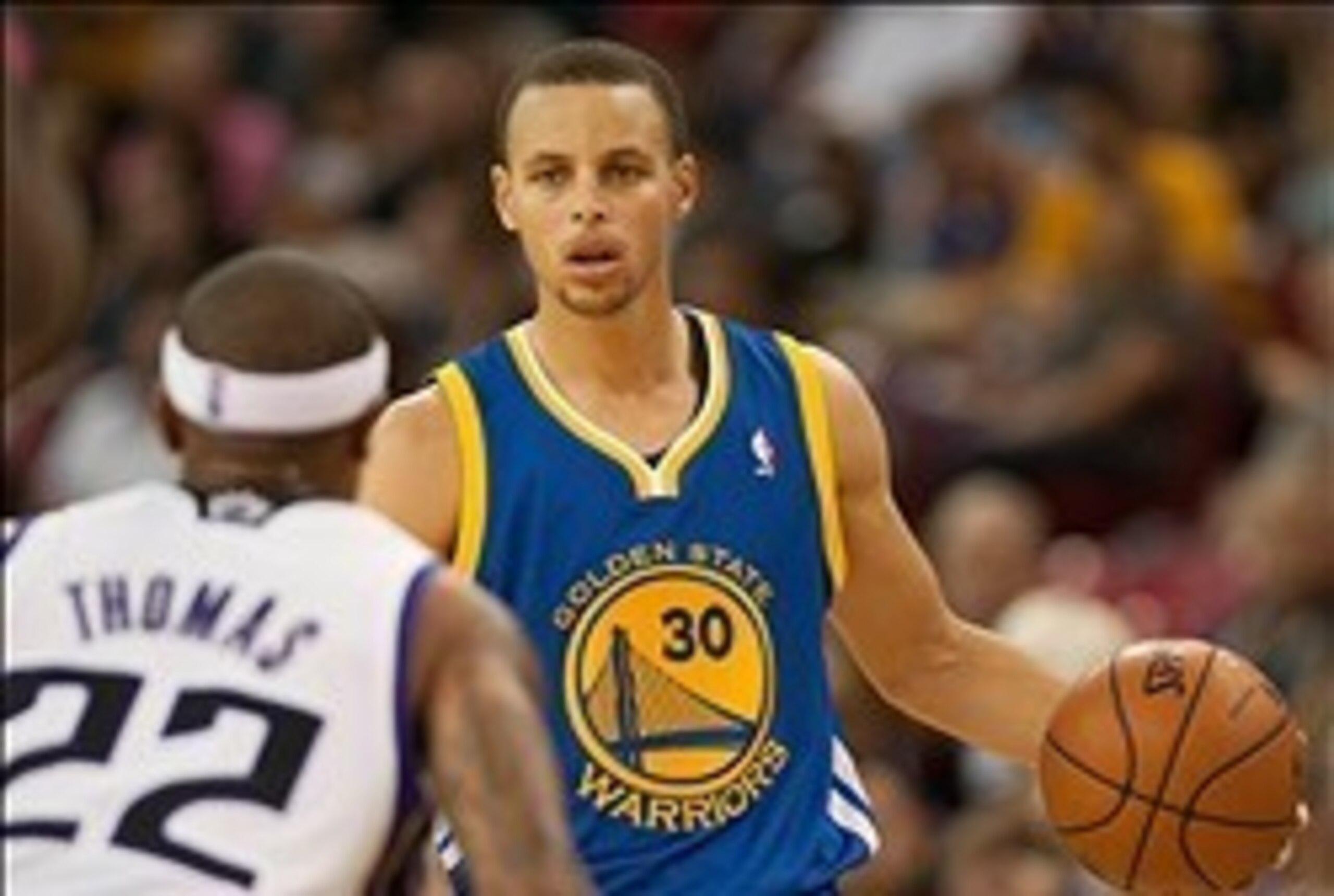
Wins Rank: No. 2
Attendance Rank: No. 2
Franchise Value Rank: No. 2
Franchise Profit Rank: No. 1
Franchise Growth Rank: No. 6
Future Flexibility Rank: No. 5
The Golden State Warriors' worst score in any category is a No. 6 finish, and that would have been the top mark for either the Milwaukee Bucks or New Orleans Pelicans.
And scarily enough, it wouldn't surprise me in the slightest to see the Dubs organization grow at a much quicker rate now that the playoffs don't appear to be a fluke. With a highly marketable star (Stephen Curry) surrounded by a great supporting cast, Golden State is here to stay.
Across the board, this franchise is in great shape.
Not only are the Warriors one of the true contenders in the Western Conference, but the fans show up in droves (and are quite passionate once gaining entry to Oracle Arena). Additionally, the franchise is one of the more valuable ones in the NBA, checking in at $555 million and making a market-high $29 million profit.
It's a good time to call the Bay Area home.
1. Miami Heat, 24
11 of 11
Wins Rank: No. 1
Attendance Rank: No. 1
Franchise Value Rank: No. 1
Franchise Profit Rank: No. 4
Franchise Growth Rank: No. 2
Future Flexibility Rank: No. 6
The Miami Heat finish with the top spot in this section of the rankings, and it's not even close.
In fact, they're taking home the trophy in three of the six categories, and they join the Golden State Warriors as one of two franchises to finish at No. 6 or better in all of them.
The Heat are projected to win 61 games on average, and that's a mark that leaves them well clear of the rest of the small-market squads. Their lowest projected win total was 60, courtesy of ESPN. And their highest was 62, thanks to yours truly.
The Golden State Warriors and their 51.3 wins are checking in at No. 2 in terms of wins.
But the Heat also draw large crowds, make a lot of money, lay claim to the most valuable franchise in this portion of the rankings and are growing at a remarkably fast rate for an organization already worth $625 million.
Everything points toward a No. 1 finish here, something that Miami fans are growing pretty accustomed to.
.jpg?w=2560 "Chiefs, Steelers Eye WR Trades")





.jpg?w=2560 "WWE Raw Live Grades 🔠")