
The All-1990s Chicago Cubs Team
As though it were not already hard enough to be a Cubs fan, the 1990s were a truly terrible decade to pull for the North Siders. As managers such as Jim Riggleman penciled the likes of Rey Sanchez and Kevin Orie into the starting lineup and handed the ball to such memorable staff aces as Mike Morgan and Mike Harkey, there was no hope for even a glimmer of success.
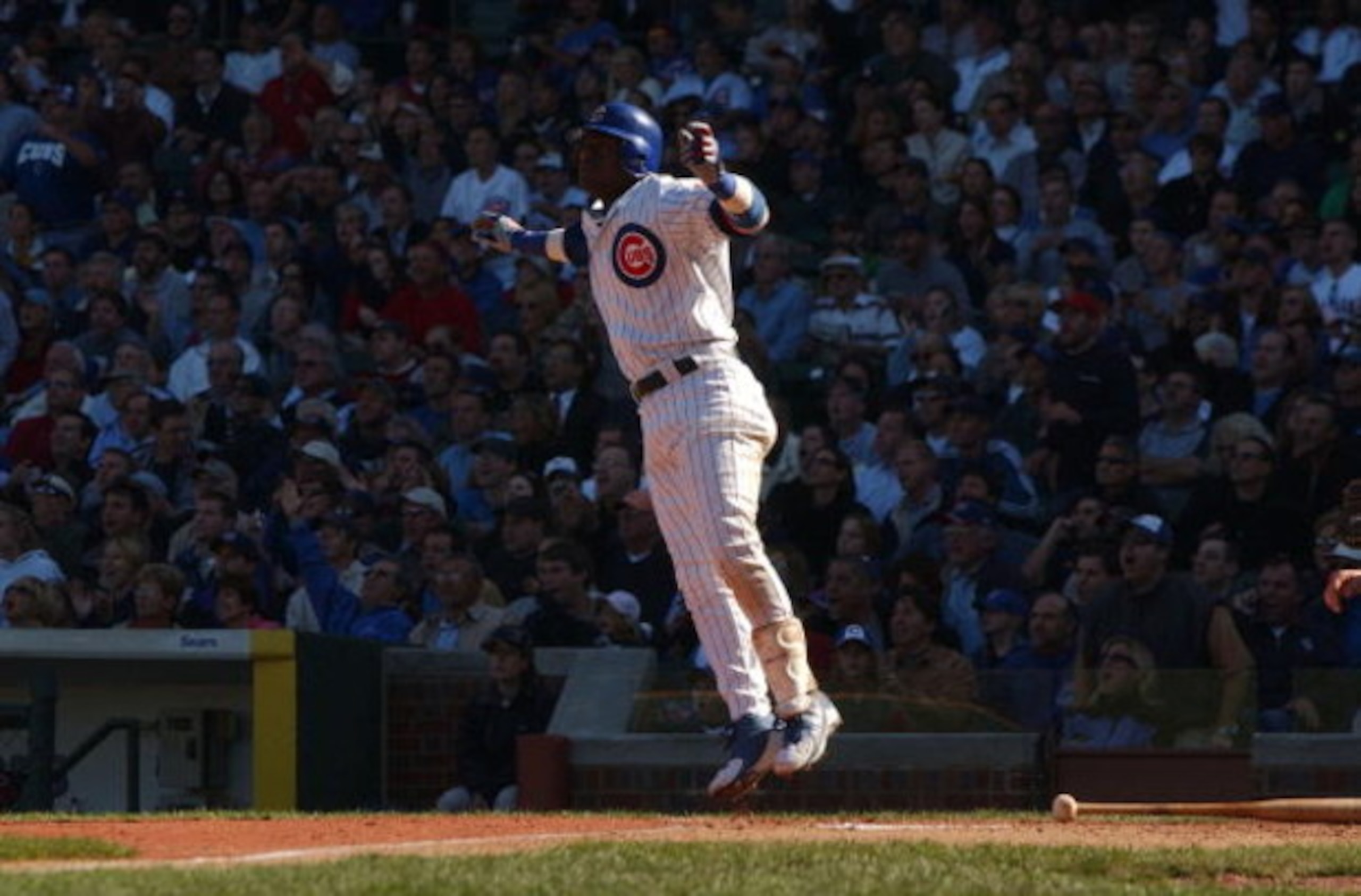
Still, there were bright spots...namely Sammy Sosa, who was nothing if not fun to watch. So with so many disturbingly untalented players cracking the Cubs starting lineup, assembling an All-1990s Cubs team wasn't particularly easy, but here is my take.
CATCHER
1 of 17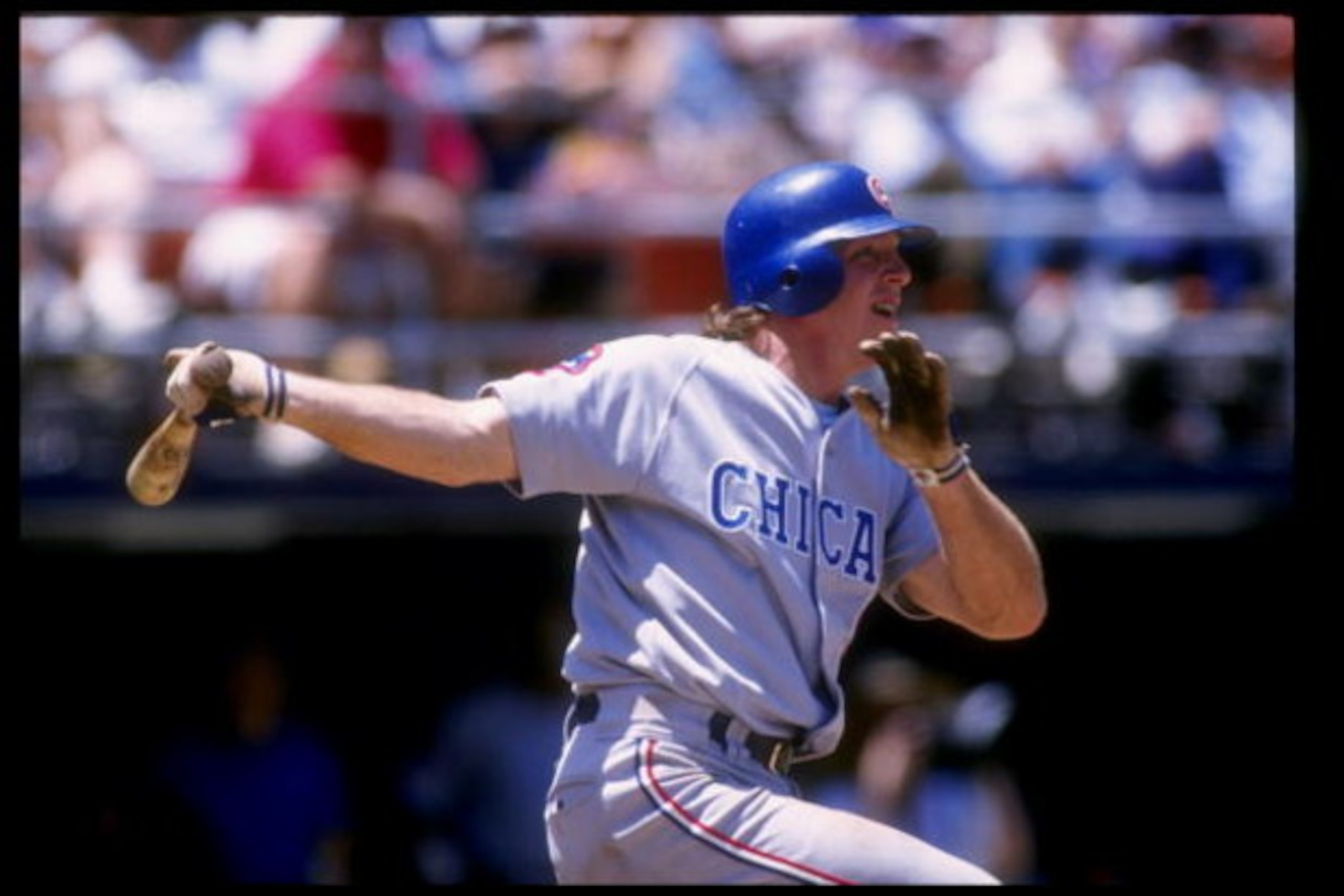
RICK WILKINS (1991-95) Played in 455 games and hit a combined .254, 57, 170
Wilkins gets the nod over Scott Servais, despite their remarkably similar and equally unimpressive numbers. Wilkins put together a monster season in 1993 when he hit .303, 30, 73. This was far and away his best season as he never hit more than eight home runs any other year, so that one fluke season gives him the edge here.
BACK-UP: SCOTT SERVAIS (1995-98) Played in 416 games and hit a combined .256, 36, 179
Really the only other catcher to catch a significant amount of games during the 1990s, he put up decent numbers for a catcher, but wasn’t great defensively and was more of a spot filler than an impact player.
FIRST BASE
2 of 17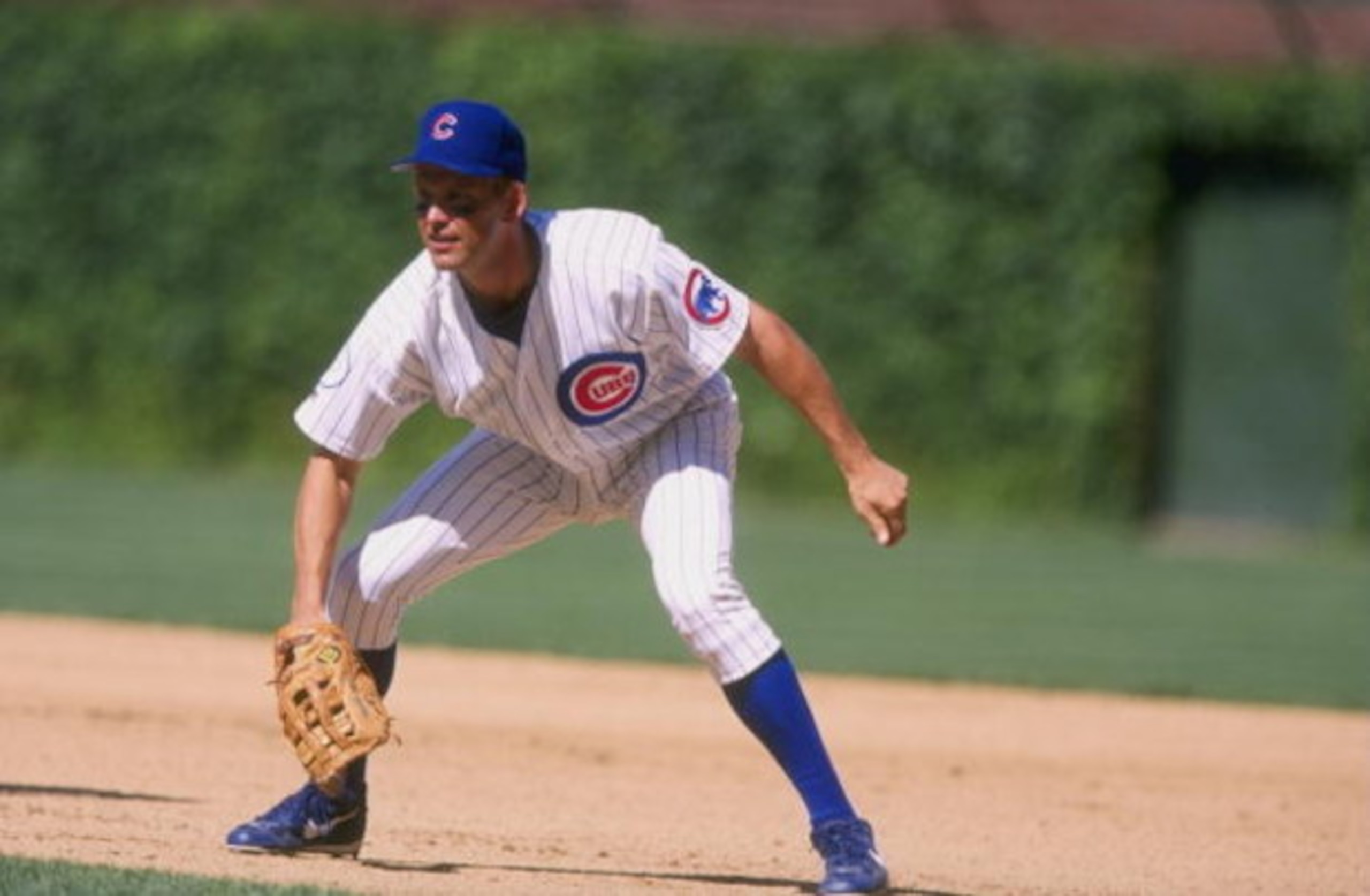
MARK GRACE (1990-99) Played in 1491 games and hit a combined .310, 117, 786
Grace was one of the faces of the Cubs throughout the 1990’s. He was not your prototypical power hitting first baseman but he more than made up for it with his clutch hitting and impressive fielding. His 1754 hits were the most of any player during the decade, as were his 364 doubles. He was a three-time All-Star (93, 95, 97) and a four-time Gold Glove winner (92, 93, 95, 96).
BACKUP: BRANT BROWN (1998-99) Played in 199 games and hit a combined .278, 24, 72
With Grace playing in all but 124 games during the entire decade, finding a back-up was not easy. However, naming Brant Brown to any sort of all-time best team was even harder. But alas, he played the second most games at the position and put up decent numbers. Perhaps Brown’s most useful contribution to the Cubs came on December 14th of 1998, when he was traded to the Pirates for eventual 20 game winner Jon Lieber.
SECOND BASE
3 of 17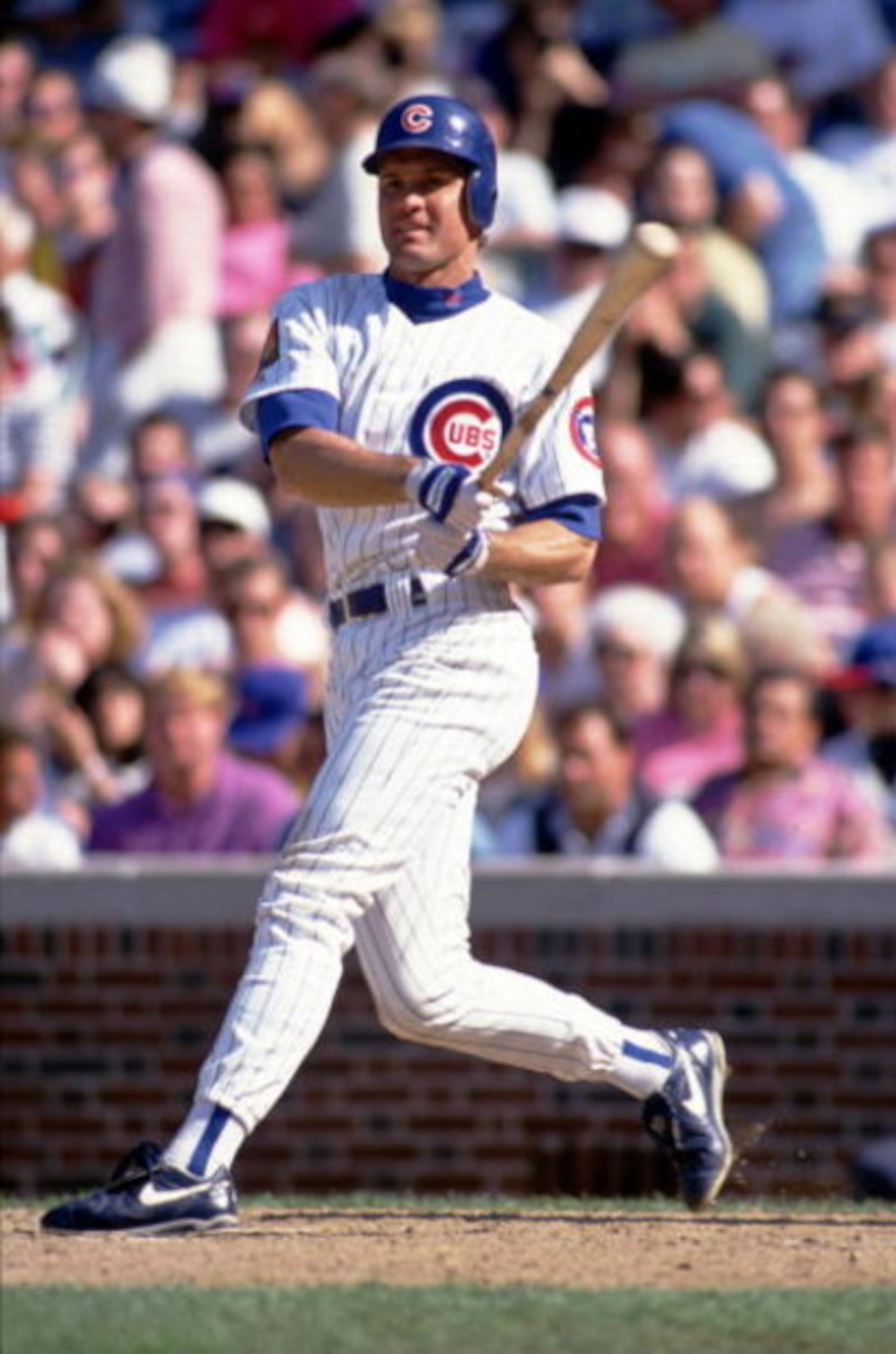
RYNE SANDBERG (1990-94, 96-97) Played in 930 gamed and hit a combined .284, 143, 523
Although he was at his best in the 1980’s Sandberg was still a force for the Cubs in the early 90’s and still far and away the best at the position. He had a huge season in 1990 when he hit .306, 40, 100 and even won the Home Run Derby. Sandberg was an All Star from 1990-1994 and won the Gold Glove in 1990 and 1991.
BACKUP: MICKEY MORANDINI (1998-99) Played in 298 games and hit a combined .272, 12, 90
The “Dandy Little Glove Man,” as announcer Steve Stone pegged him, more than lived up to his name as he committed only 10 errors in 1279 chances (.992 fielding %) during his two years with the Cubs. A fan favorite, he had the best offensive season of his 11 year career in 1998 when he hit .296, 8, 53, 13 steals while hitting in the two spot for the eventual Wild Card winning Cubs.

THIRD BASE
4 of 17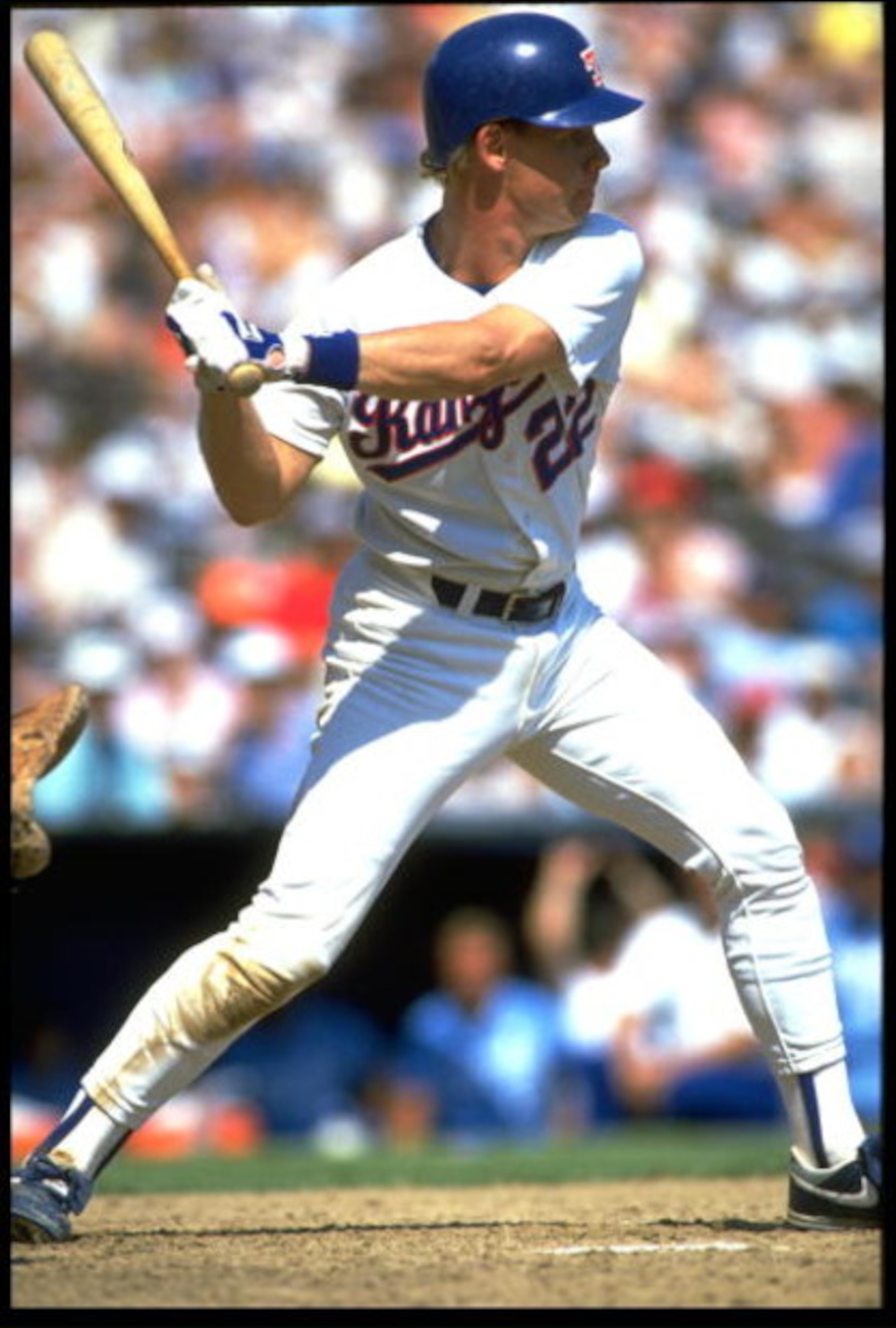
STEVE BUECHELE (1992-95) Played in 334 games and hit a combined .256, 31, 147
At what was a revolving door position during the 1990’s, Buechele gets the nod for no other reason than the fact the he was the opening day starter for three consecutive years. In his two full seasons with the team, he averaged 15 homers and 54 RBI which was only slightly better than guys like Kevin Orie, Leo Gomez, and Todd Zeile who each kept the position warm for a year.
BACKUP: GARY GAETTI (1998-99) Played in 150 games and hit a combined .240, 17, 73
On his 40th birthday, and five days after being released by the division rival Cardinals, the Cubs signed Gaetti in hopes of adding some depth for their stretch run. Gaetti did much more than expected however, as he hit .320, 8, 27 in a little over a month and a half with the Cubs to help secure the Wild Card for the North Siders. His age began to show the next season, and he retired shortly after his brief stay with the Cubs, but not before making his mark on the club.
SHORTSTOP
5 of 17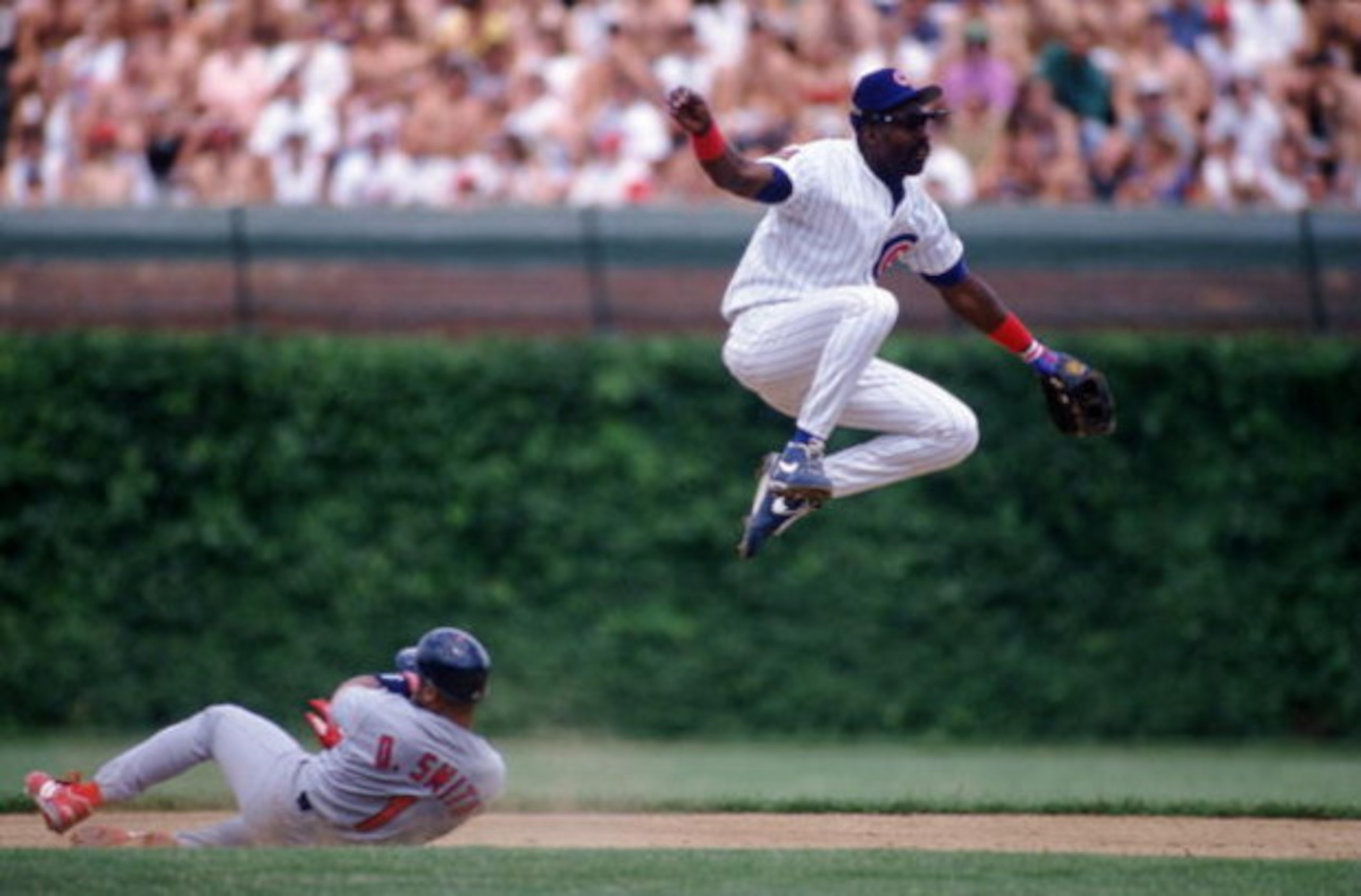
SHAWON DUNSTON (1990-95, 97) Played in 642 games and hit a combined .277, 63, 265
An erratic, excitable fielder with a cannon arm, Dunston was, if nothing else, fun to watch. When he was healthy he was a lock for double digit home runs and steals, something very few shortstops accomplished during the 1990’s. However, he played in only 25 games combined in 1992 and 1993 and was plagued by injuries through much of his career. He was an All-Star in 1990, when he hit a career-high 17 home runs.
BACKUP: JOSE HERNANDEZ (1994-1999) Played in 649 games and hit a combined .255, 69, 234
The definition of a utility player, Hernandez found himself at a different position practically everyday, playing every position but pitcher and catcher more than once during the 1998 season. However, he was a natural shortstop and played the majority of his games there. He had a lot of power, but also one of the worst batting eyes in the history of the game. The ‘98 season was a perfect example, as he hit 23 home runs but also struck out a staggering 140 times in only 488 at bats. Still he was a useful player to have because of his versatility.
LEFT FIELD
6 of 17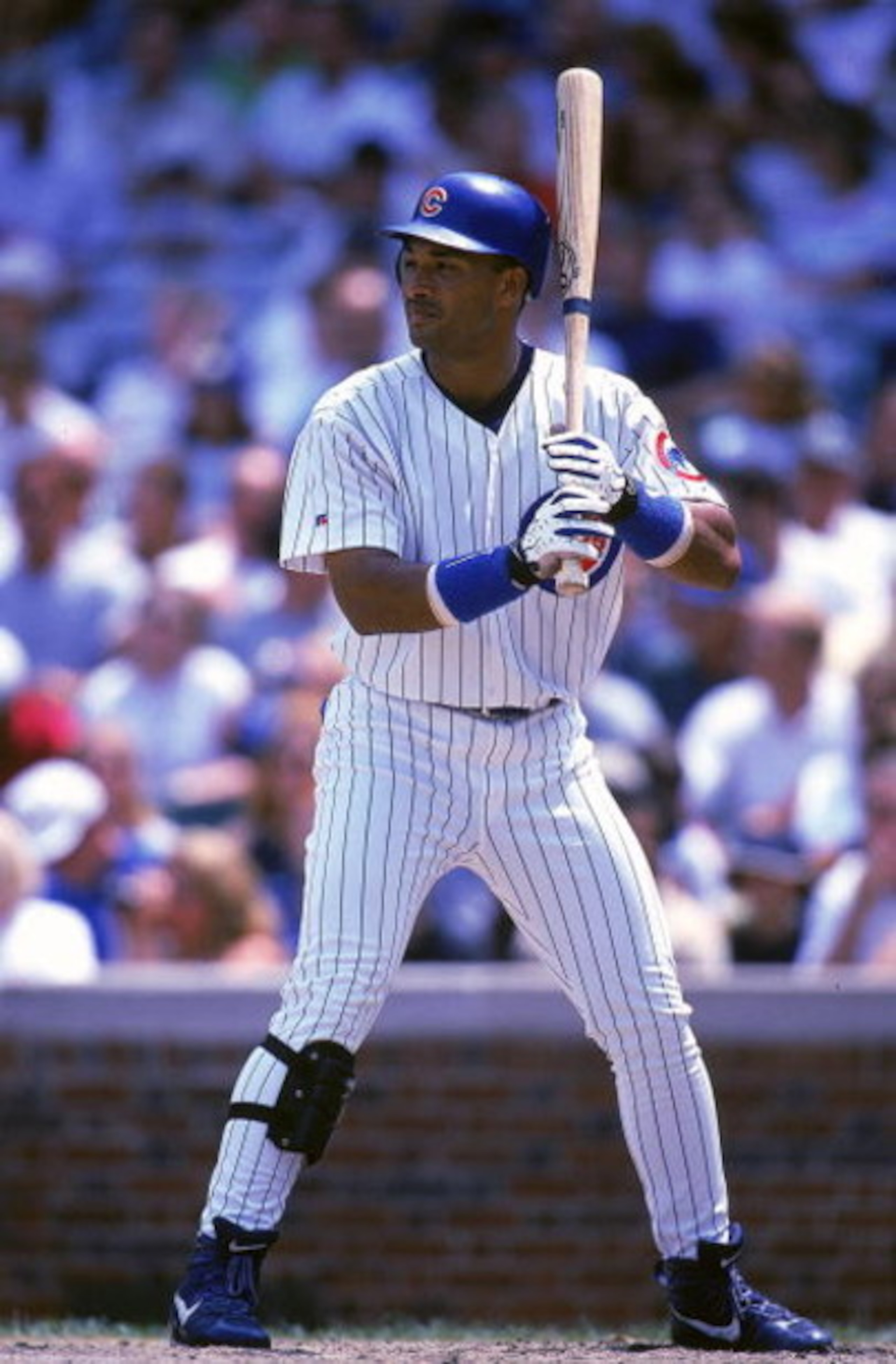
STARTER: HENRY RODRIGUEZ (1998-99) Played in 258 games and hit a combined .291, 57, 172
A powerful left-handed bat, Rodriguez helped protect Sosa during his epic seasons by providing some pop in the middle of the lineup. He also gave the bleacher bums an acceptable reason to throw things onto the field as it became common practice to rain down OH Henry! bars from the bleachers following every Rodriguez home run. Could have easily been an All-Star in both of his seasons with the club had it not been for a vast crop of National League outfield talent.
BACKUP: GLENALLEN HILL (1993-94, 98-99) Played in 267 games and hit a combined .314, 48, 138
Anyone who can hit a ball onto the rooftops across the street deserves to be recognized. He was used primarily as a pinch hitter and platoon player with the Cubs, but he shined in that role as he holds Cubs career record for pinch hit home runs with nine. He is arguably the best role player for the Cubs during the 1990’s and deserves a spot on this team.
CENTER FIELD
7 of 17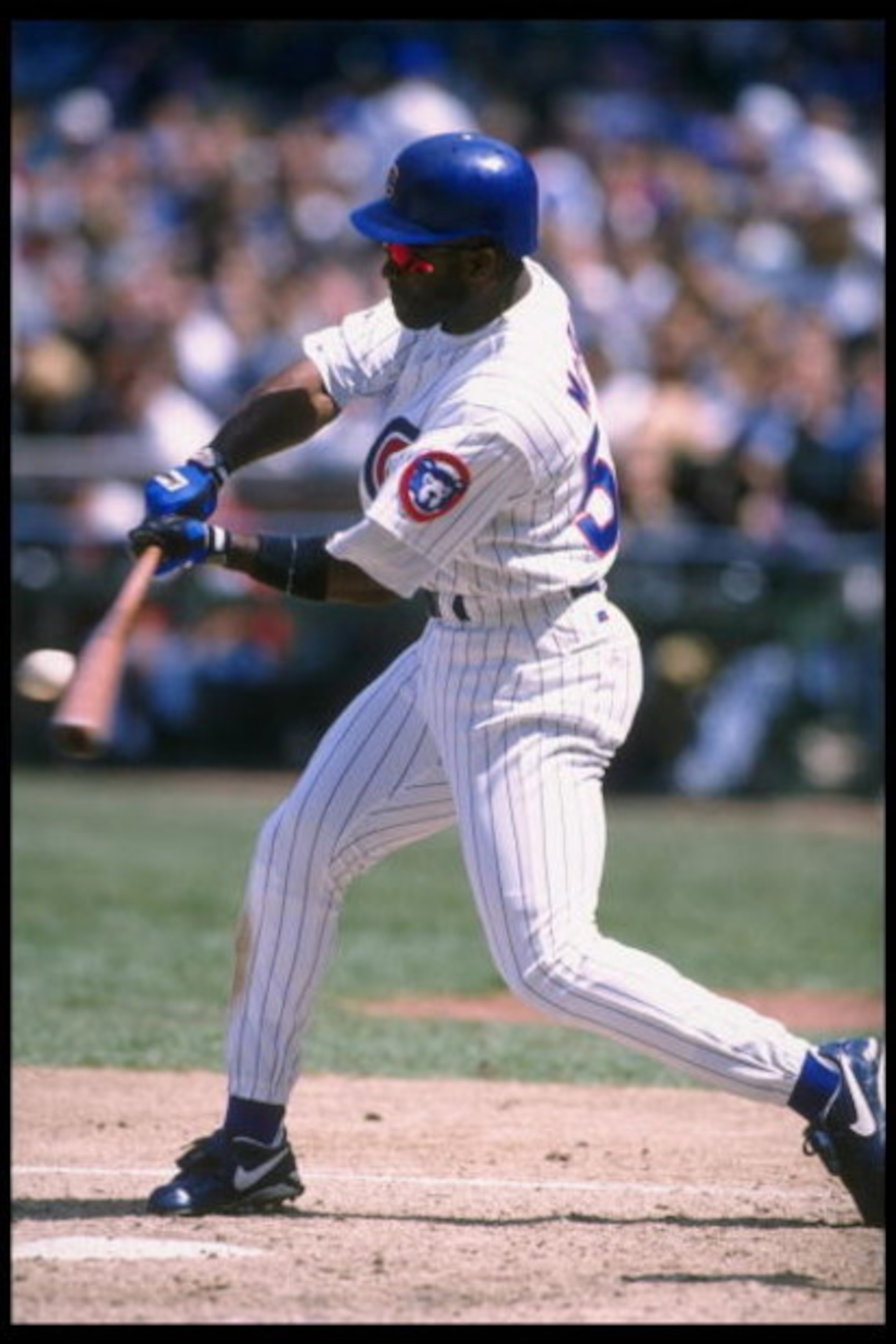
STARTER: BRIAN MCRAE (1995-97) Played in 402 games and hit a combined .271, 35, 142
McRae was your prototypical lead-off hitter. He had good speed and was a good contact hitter and also had a decent amount of power. He stole 78 bases in his two and a half seasons with the Cubs.
BACKUP: DWIGHT SMITH (1990-93) Played in 477 games and hit a combined .271, 23, 107
A fourth outfielder in his four years with the team, Smith was never the clear cut starter but still received a decent amount of playing time. He was a good fielder and had good speed, stealing 30 bases in his four seasons.
A special shout-out to Doug Glanville, my mom's favorite Cub during the 1990s. His combination of blazing speed and his infectious smile endeared him to many Cubs fans in his brief stay with the team.
RIGHT FIELD
8 of 17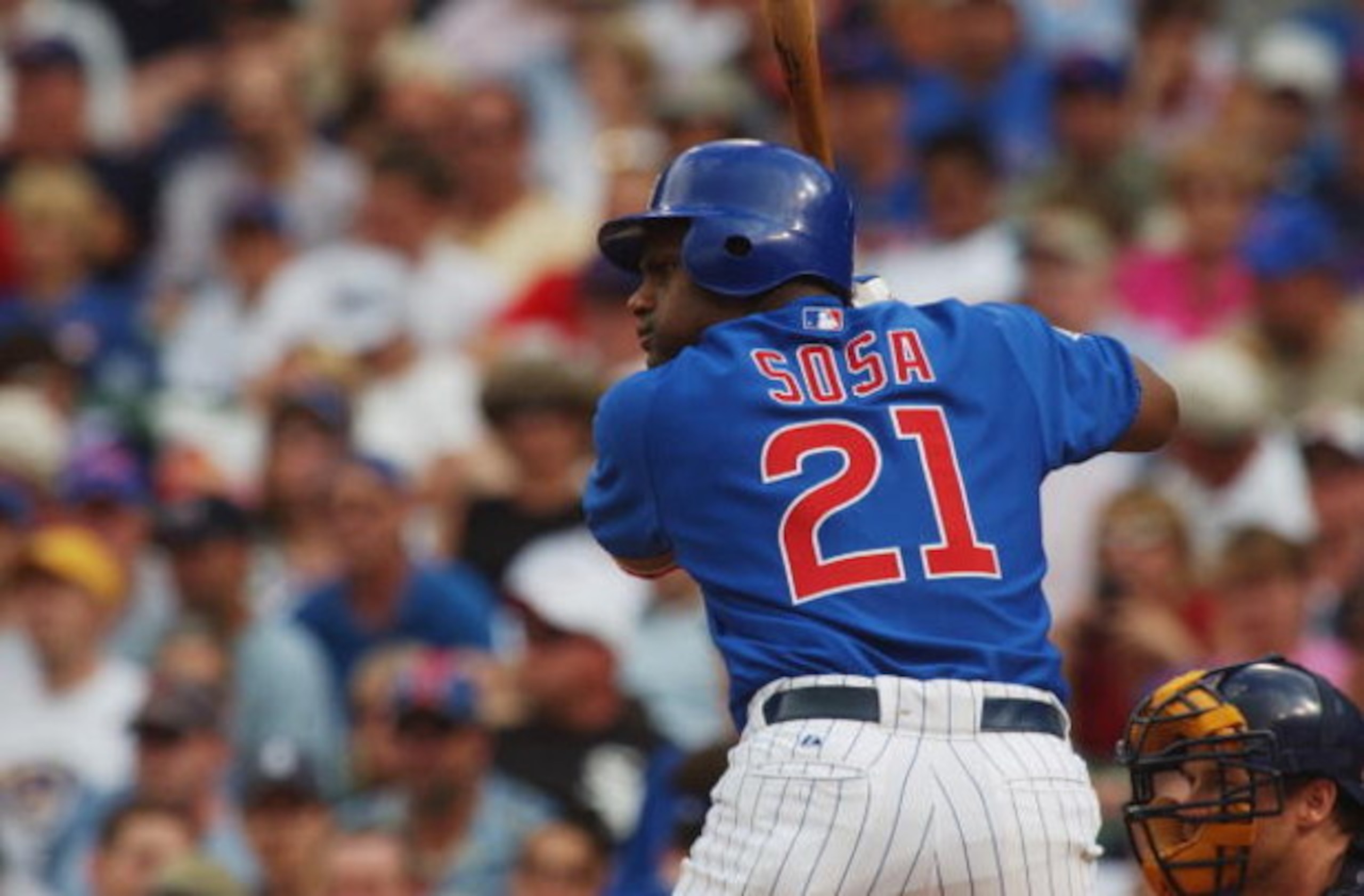
SAMMY SOSA (1992-99) Played in 1082 games and hit a combined .277, 307, 825
No Cubs fan will ever forget Sosa’s magical 1998 season when he took home the NL MVP Award after finishing the season at .308, 66, 158. Sosa was the face of the Cubs throughout the 1990’s. Many people forget the complete player he used, however. He was the Cubs first ever 30-30 man in 1993 when he hit 33 homers and stole 36 bases. He repeated the feat in 1995 with a 36-34 season. Sosa was a an All-Star in 1995, 98, and 99 and will forever be one of the Cubs All-Time greats.
BACKUP: ANDRE DAWSON (1990-92) Played in 439 games and hit a combined .286, 80, 294
Dawson was the complete package, really the definition of a five-tool player. He was in his prime during the 80’s when he won an MVP for a last place Cubs team, but he still put up great numbers towards the end of his Cubs career despite being 36 years old at the start of the 1990 season. He was an All-Star in 1990 and 1991 and could and should join Sandberg in the Hall of Fame in the coming years.
STARTING PITCHER #1
9 of 17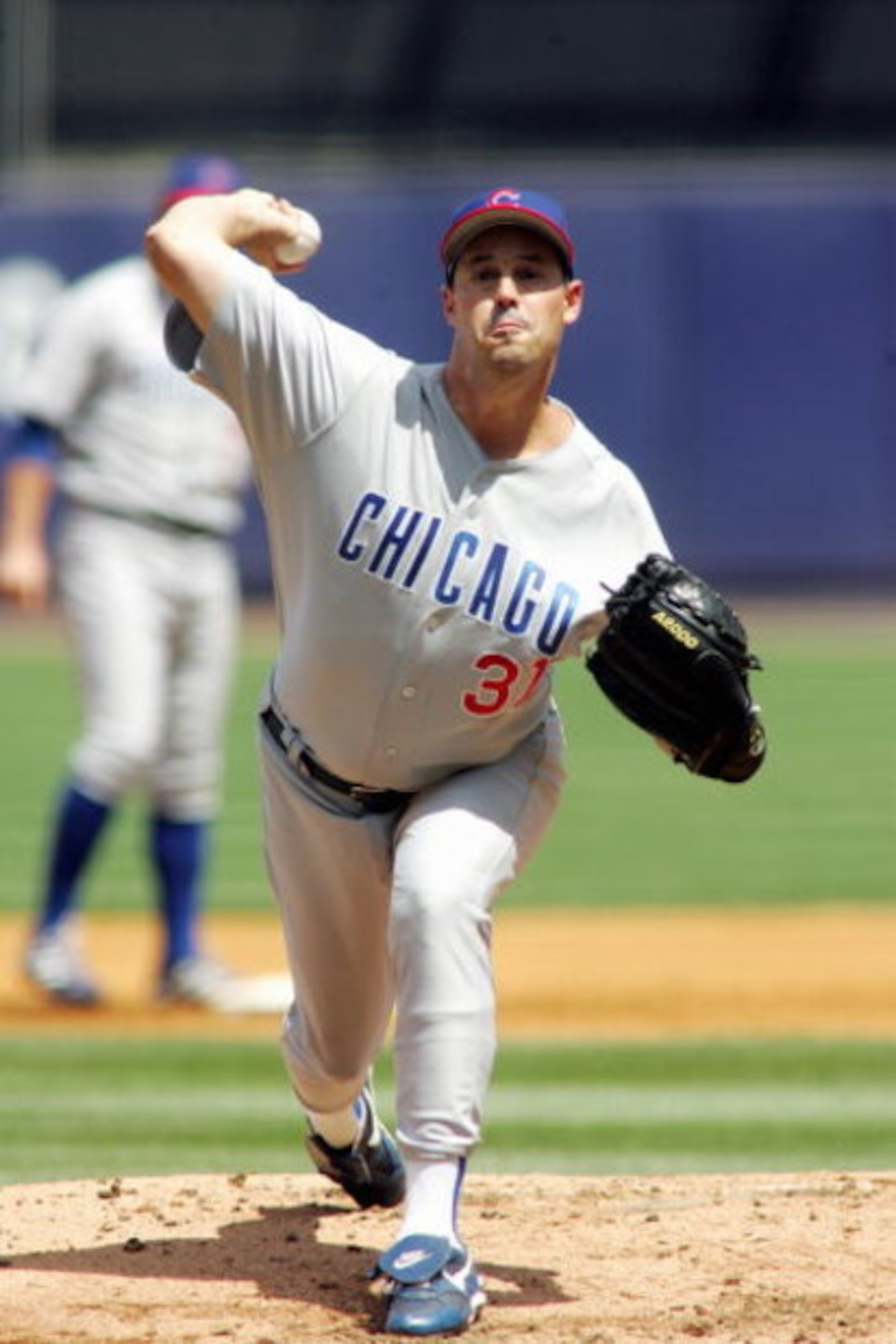
GREG MADDUX (1990-92) Started 107 games and had a record of 50-37
The one that got away, the Cubs didn’t want to give Maddux the big pay day he deserved following his 20-11 season in 1992 and he left for Atlanta in free agency. Still in just three seasons his 50 wins were the second most of any Cub for the decade (re-read this sentence a few times, because it's pretty ridiculous). Maddux was an All-Star in 1992 and he also took home the Cy Young and a Gold Glove.
STARTING PITCHER #2
10 of 17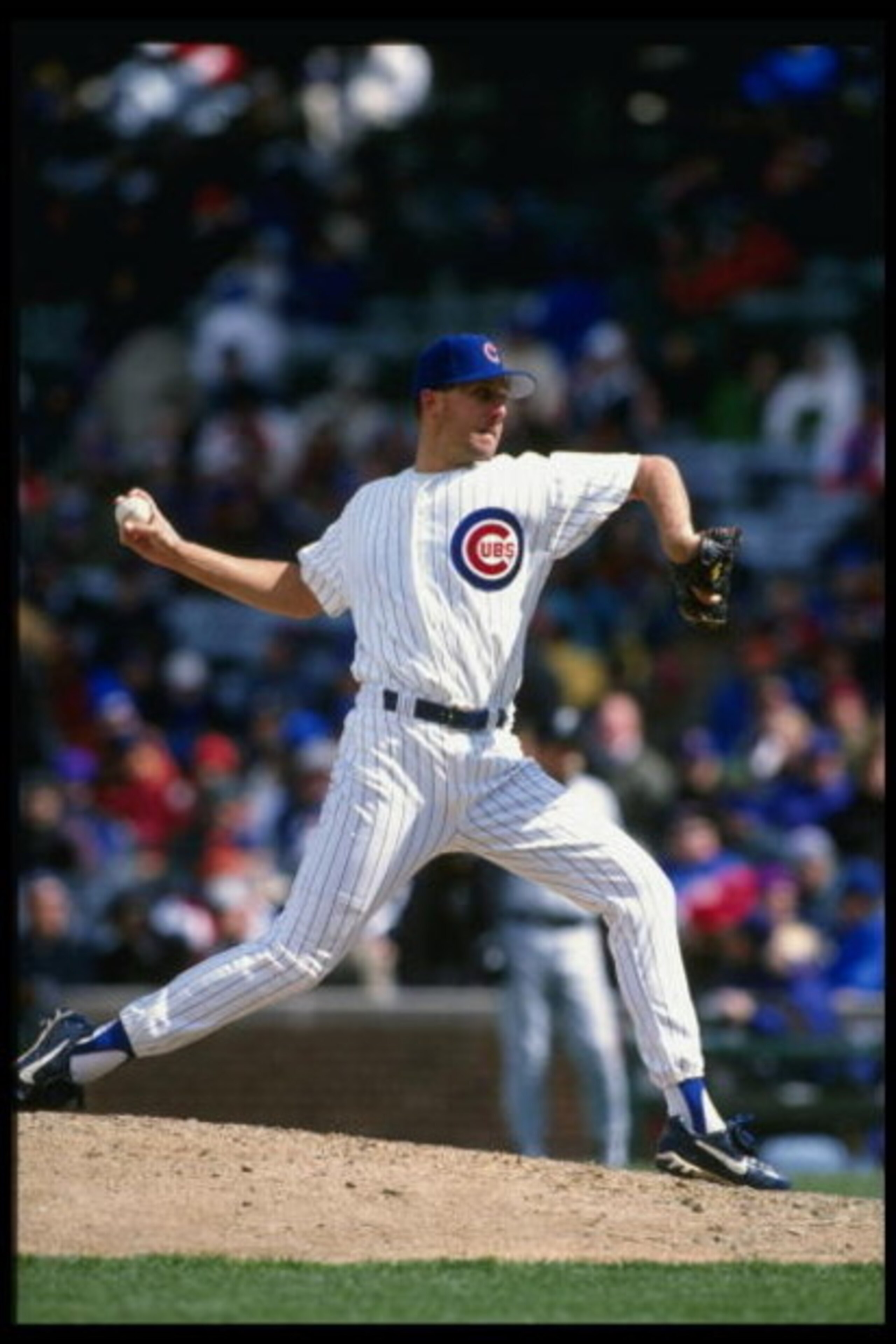
STEVE TRACHSEL (1993-99) Started 186 games and had a record of 60-69
Trachsel was incredibly inconsistent, but when he was pitching well he was one of the better pitchers in the National League. He made the All-Star team in 1996 when he 13-9 with a 3.03 e.r.a. He also won the one game playoff against the Giants to secure the Wild Card in 1998 which was his best season as a Cub as he finished 15-8. His win-loss record would look much better if not for a disastrous 1999 when he went 8-18 on a terrible Cubs team that only won 67 games.
STARTING PITCHER #3
11 of 17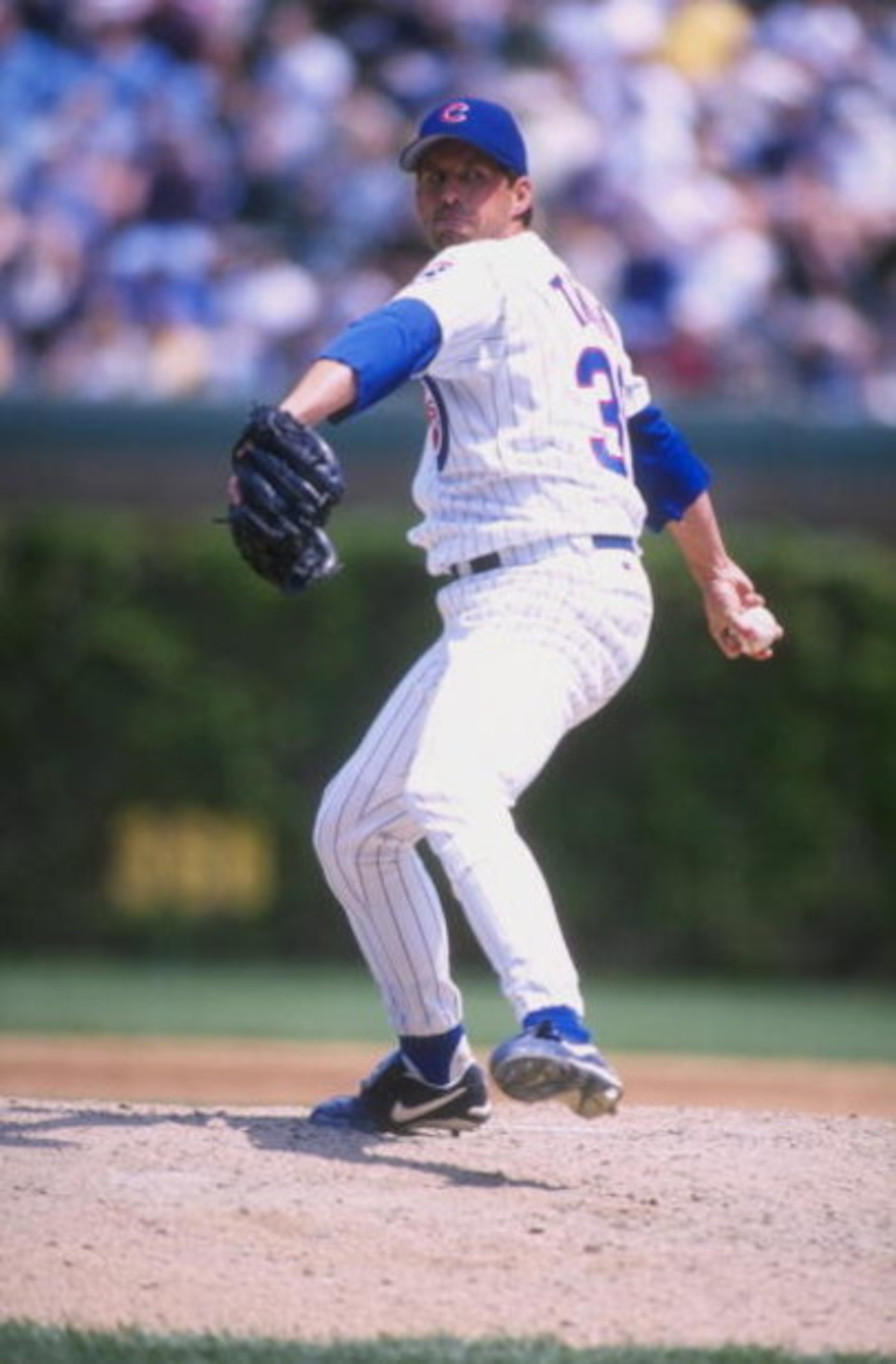
KEVIN TAPANI (1997-99) Started 70 games and had a record of 34-29
One of the better pitchers to pitch for the Cubs in a long time, Tapani was already a seasoned veteran when the Cubs the Cubs signed him as a 33 year old free agent in 1997. He followed up a successful 9-3 first season with the Cubs, by logging an impressive 19-9 record. He and Trachsel’s 34 combined wins in 1998 were the most by a duo for the entire decade.
STARTING PITCHER #4
12 of 17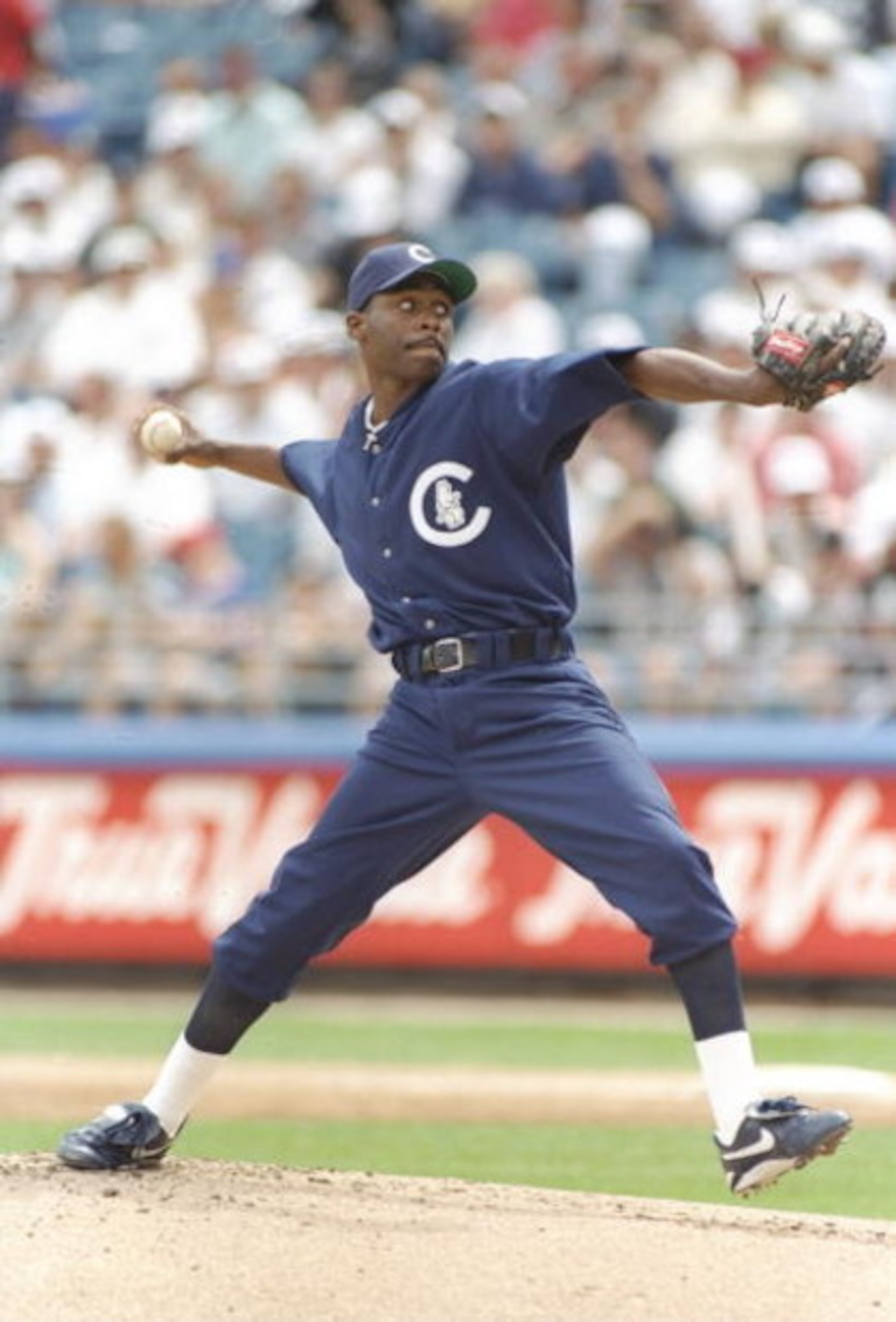
KEVIN FOSTER(1994-98) Started 78 games and had a record of 32-28
Foster was arguably the most consistent pitcher the Cubs had during his tenure. A shortstop by trade, he was converted to pitcher in the minor leagues and didn’t miss a beat. His past position player experience also left him a fairly decent hitter and he tallied 31 hits, including six doubles, a triple, and a home run in 161 at-bats with the Cubs.
STARTING PITCHER #5
13 of 17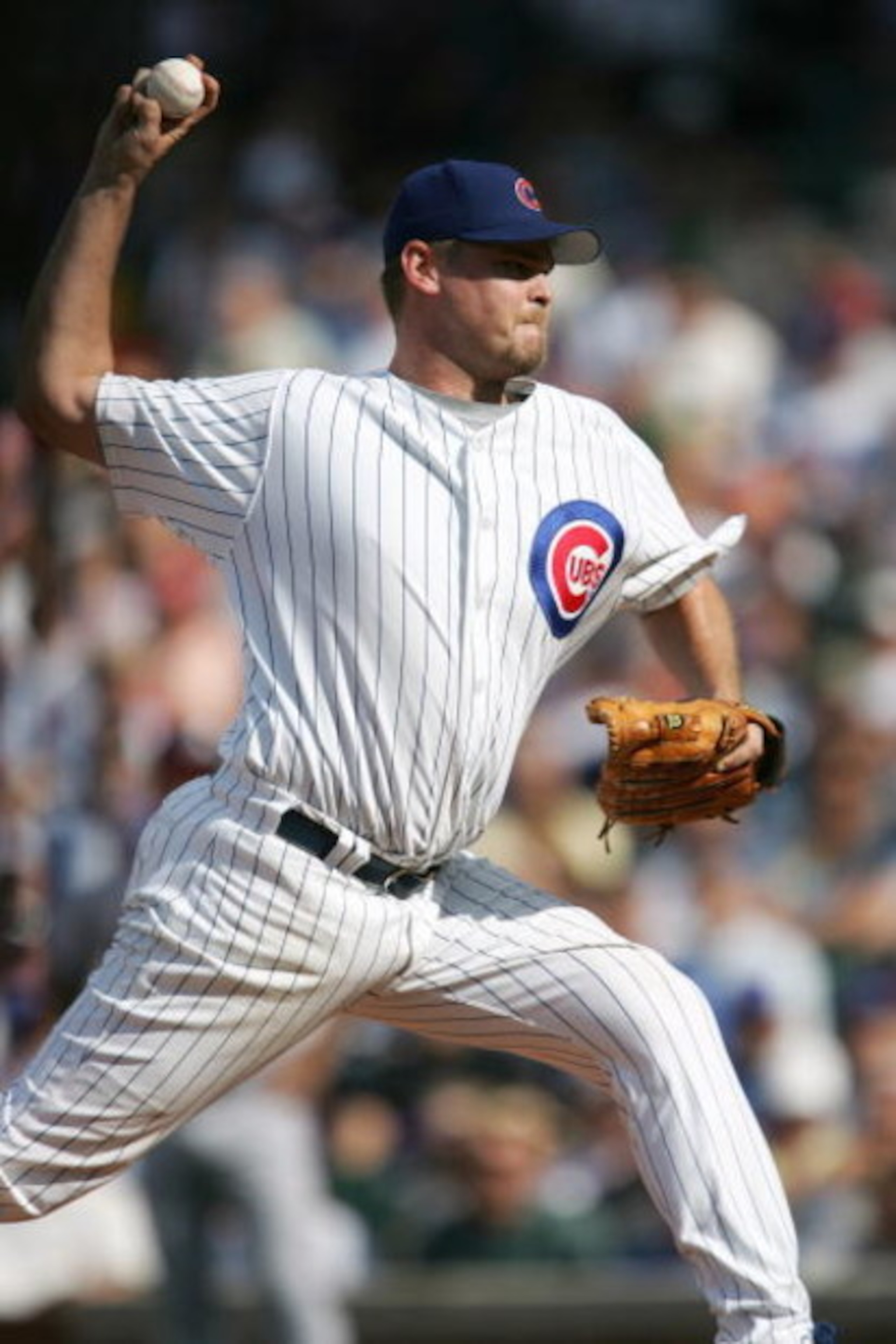
KERRY WOOD (1998-99) Started 26 games and had a record of 13-6
Despite pitching just the one season during the 90s, Wood made an astonishing impact. Even though he didn’t pan out the way the Cubs envisioned, he still played a large role in the Cubs playoff run in 1998 with a 13-6 record. He also took home the Rookie of the Year award that season. He missed all of 1999 when he had Tommy John surgery.
RIGHT HANDED MIDDLE RELIEVER
14 of 17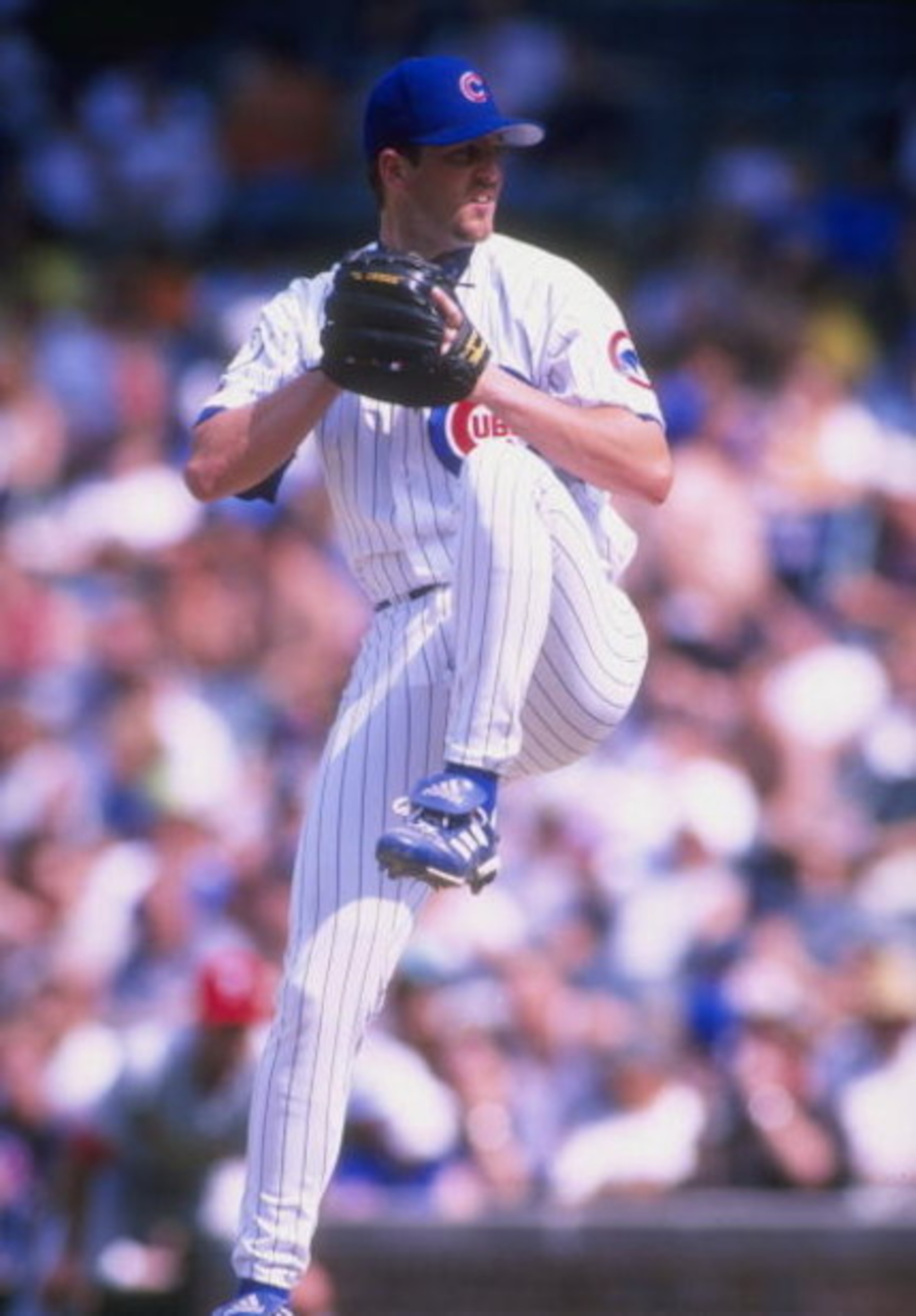
TERRY ADAMS(1995-99) Pitched 276 games and went 19-26 with 37 saves
Adams was the Cubs most reliable reliever throughout the mid-90’s and was the teams closer in 1995 and 1997. He was a hard thrower and logged nearly a strikeout an inning during his time with the Cubs.
LEFT HANDED MIDDLE RELIEVER
15 of 17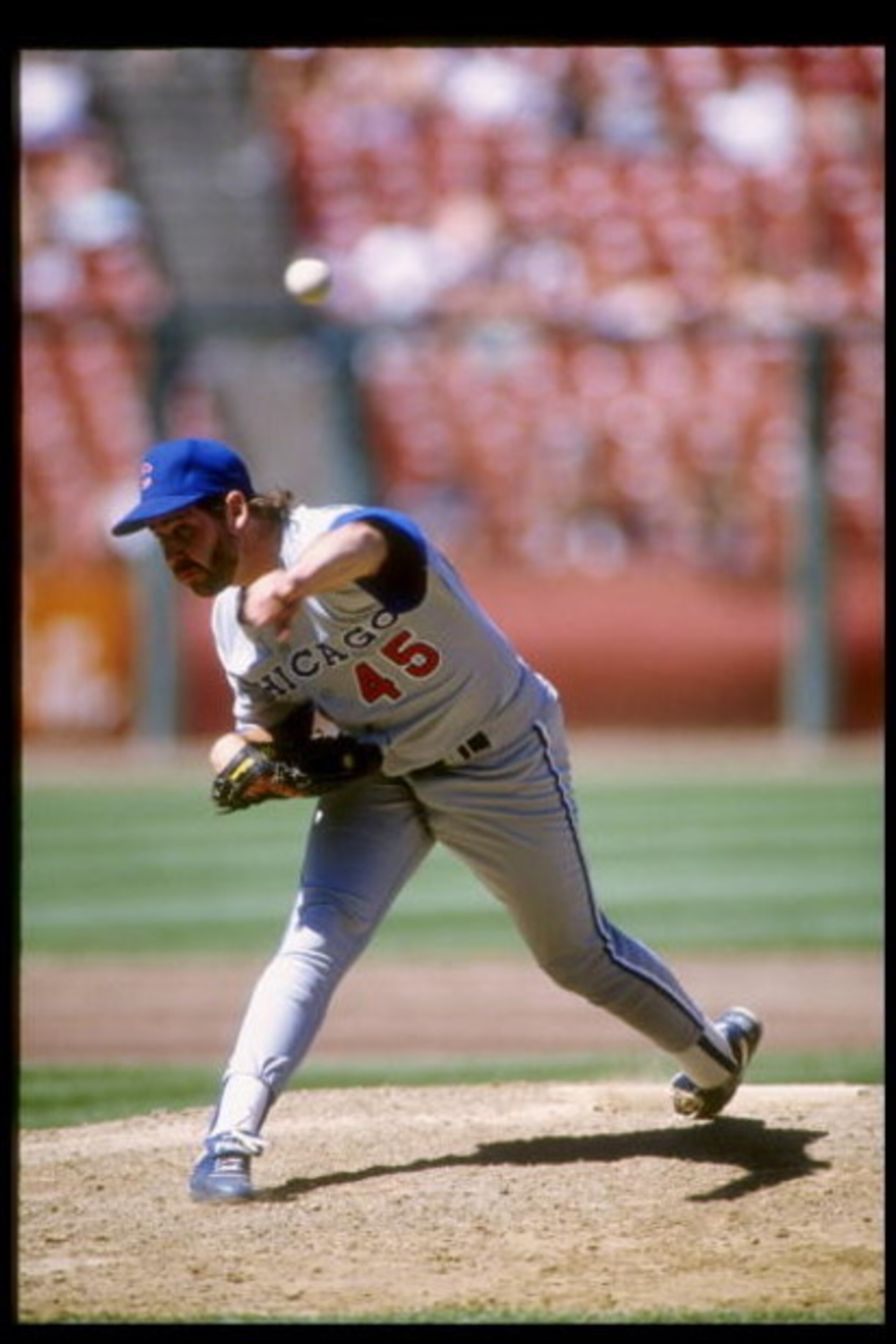
PAUL ASSENMACHER(1990-93) Pitched 265 games and went 20-15 with 33 saves
An often used lefty, Assenmacher logged over 100 innings in 1990 and 1991 and recorded 25 saves over those two years. He could pitch in any role from closer to spot starter.
CLOSER #1
16 of 17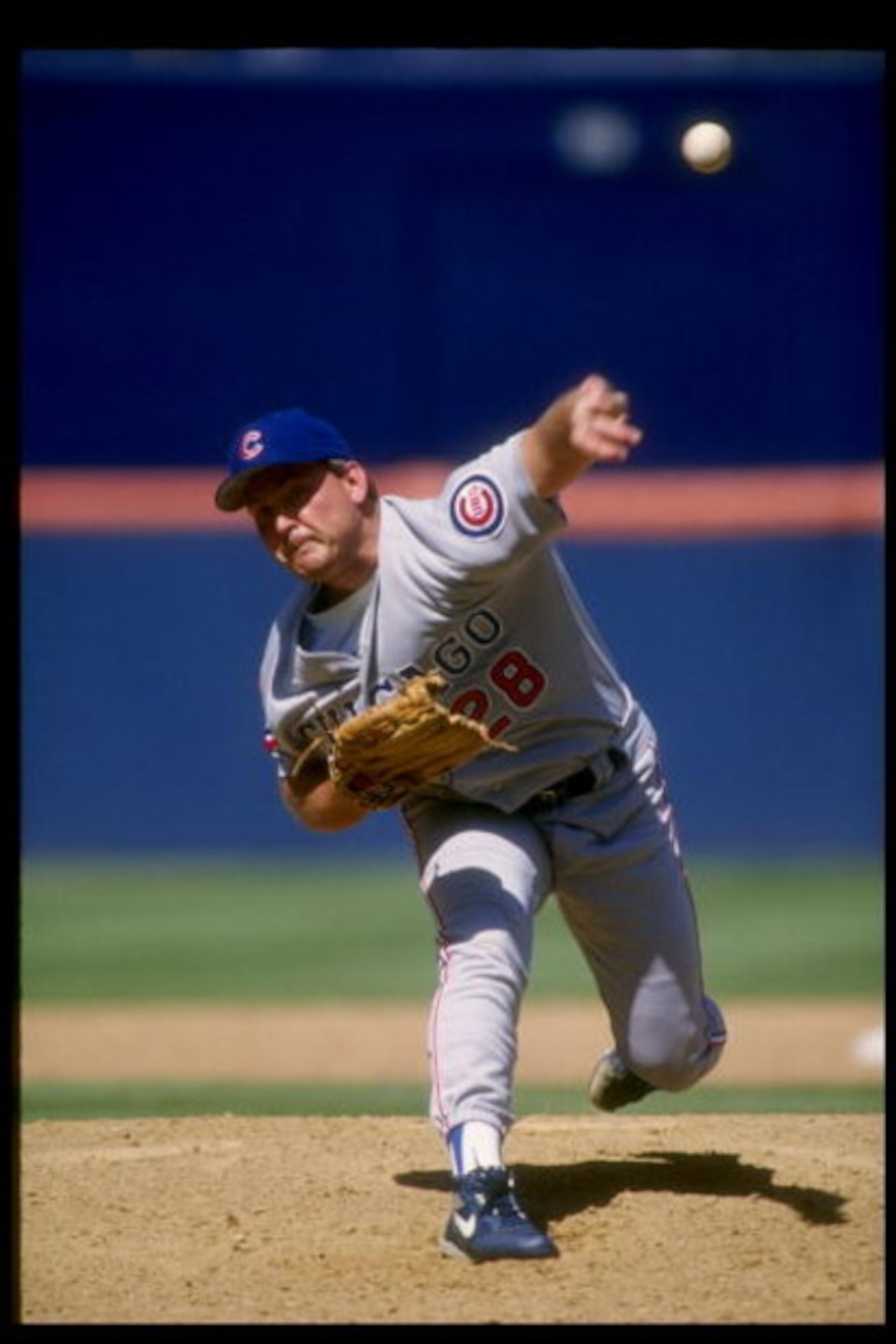
RANDY MYERS(1993-95) Pitched 168 games and went 4-11 with 112 saves
Myers 1993 season was one for the ages as he struck out 86 men in 75 1/3 innings on his way to a franchise record 53 saves. He finished ninth in the Cy Young voting that year. Myers finished his career with 347 saves, ninth all-time, but 1993 was far and away his best season
CLOSER #2
17 of 17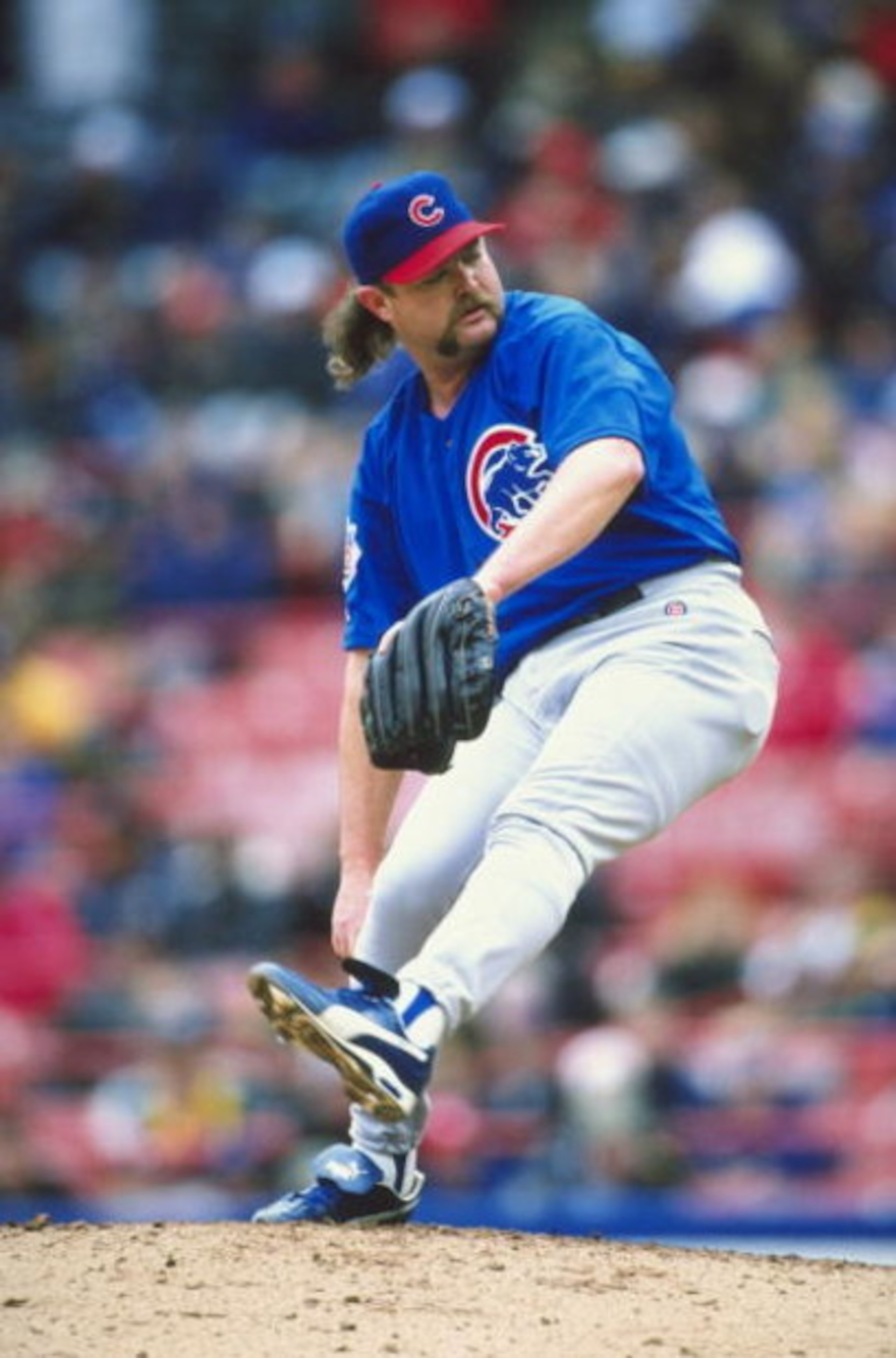
ROD BECK (1998-99) Pitched 112 games and went 5-8 with 58 saves
Beck was the closer on the Cubs ’98 playoff team and he was one of the teams strong points, pitching in a team-high 81 games and logging 51 saves. The following season he lost his job as closer and was eventually traded to the Red Sox.
.jpg?w=2560)

.jpg?w=2560 "NFL investigating 2 referees for separate viral exchanges")

.jpg?w=2560 "Report: Chiefs Contact Hill's Agent")
.jpg?w=2560 "OBJ Calls Out Giants 😳")
.jpg?w=2560 "Tyreek makes another cryptic post amid Chiefs rumors")