Spring Practice Is More Important Than Summer Camp for College Football Teams
Even though college football players are constantly training in the months leading up to kickoff in the fall, the spring is the most important stretch of the offseason.
That is because it is a period that involves trial and error on the field in preparation for situations that will arise in the fall.
By contrast, summer workouts are less structured. Without supervision from the majority of the coaching staff, they are largely more valuable as a means to staying in shape.
Coaches like Nick Saban of Alabama and Urban Meyer of Ohio State have used spring practice as teaching barometers to strengthen the spirit of competition within their clubs while simultaneously preparing them for the grind of the coming season.
What other aspects of spring practice make that time more valuable than the summer?
Here are five reasons that spring practice is more important than summer camp for college football teams.
5. Sets the Tone For Upcoming Season
1 of 5Regardless of how a team did in the previous season, spring practice sets the foundation for what the upcoming season will be about.
The atmosphere is almost always positive, considering that every team is undefeated at this point.
Fan bases are usually enthusiastic about new pieces—whether its incoming recruits or coaches—entering the program.
For players, spring represents a time to refine techniques and show improvement on the field in hopes of securing a major role heading into the fall.
Meanwhile, coaches are free to experiment with the roster and schemes while analyzing strengths and weaknesses on their rosters.
When summer arrives, the players are largely on their own.
4. There's a Game to Prepare for
2 of 5While some fans and media scribes pan spring games as nothing more than glorified scrimmages, coaches and players gain valuable experience in the weeks of preparation leading up to the conclusion of spring practices.
The exercise of going through meetings and the same routines that accompany game weeks in the fall is beneficial for players and coaches to work out any kinks or inconsistencies before the fall rolls around.
Even competing in an atmosphere with thousands of fans in attendance is a helpful experience that gives a team the closest possible simulation to a game day later in the season.
That distinction is an important factor separating spring practice from voluntary summer workouts.
3. Competition Breeds Excellence
3 of 5The development of a roster is another area that comes full circle in spring ball.
With players looking to make a statement, every rep takes on an extra level of importance.
While most of the focus hinges on finding starters and replacing losses from graduation and attrition, the benefits of not having a meaningful game to play for several months means coaches can focus on finding which players are ready to make some sort of contribution in the coming season.
Additionally, coaches get to evaluate which positions are strengths they can rely on and which players will become the leaders of the squad moving forward.
Building depth and breeding a competitive atmosphere in the spring is healthy for programs and insures that a roster can hold up when injuries and attrition strike at various points in the season.


2. Pads Come on
4 of 5Another stark difference between spring and summer for college football teams is that the pads come on in the spring.
While players go through informal workouts and seven-on-seven sessions in the summer, the scrimmages in spring ball give coaches the most accurate simulation of identifying what players on their roster can and cannot do.
The summer workouts mainly serve as a supplement to what the players learned in the spring.
1. Coaches Present
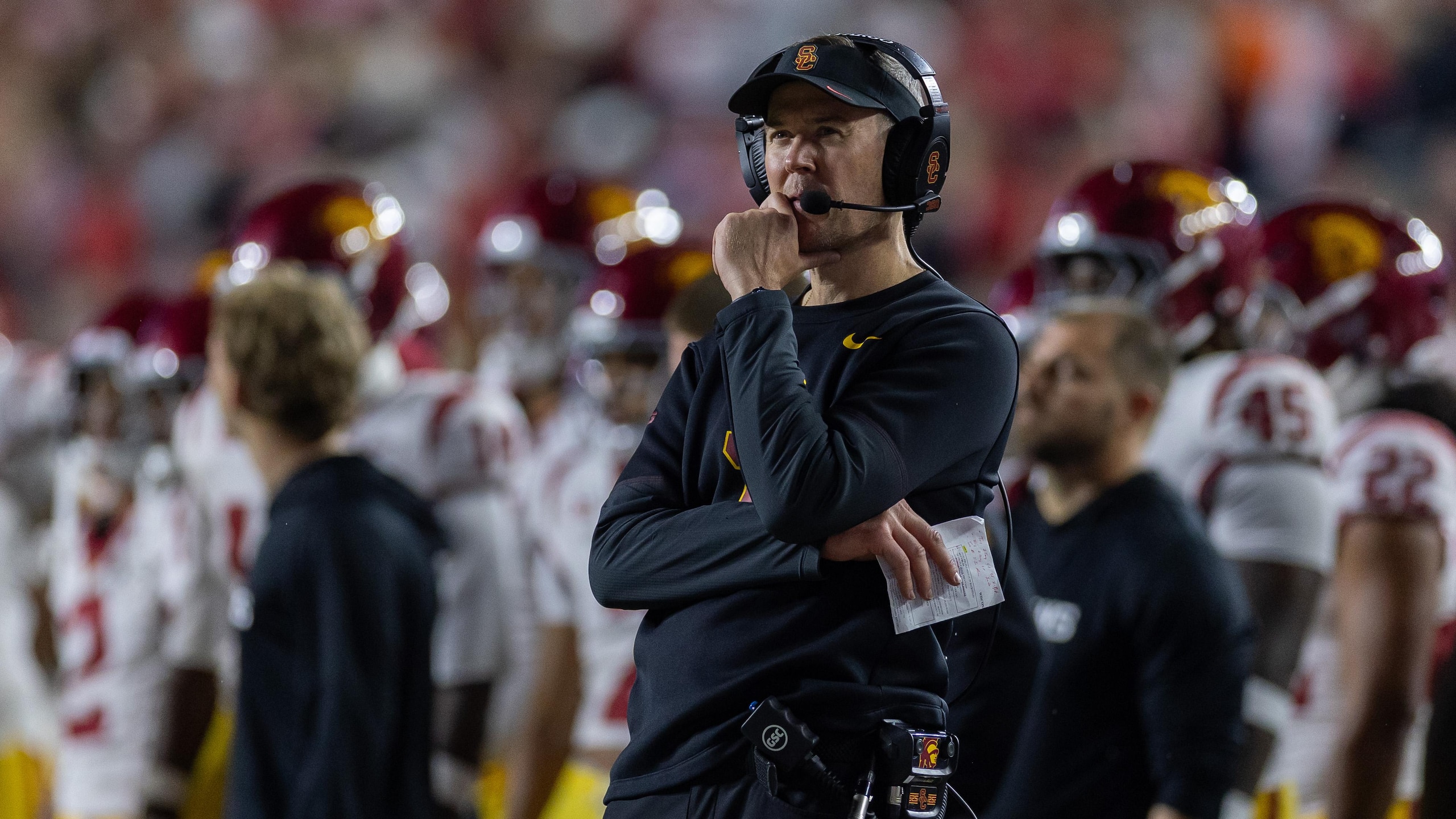
5 of 5This biggest difference between the two camps is that the spring allows for the entire coaching staff to monitor practices.
The biggest motivator for players in the spring is the fact that coaches are watching to see which individuals have gotten better since the previous season ended.
While strength coaches are allowed to interact with players in the summer, the rest of the coaching staff has their attention divided between tasks such as recruiting and game-planning until fall camp arrives.
With coaches being able to work on fundamentals and teaching instead of game-planning, spring practices are easily the most important part of the college football calendar leading up to the fall.
.png?w=2560)
.jpg?w=2560 "Colts Texans Football")
.jpg?w=2560 "Chiefs, Steelers Eye WR Trades")