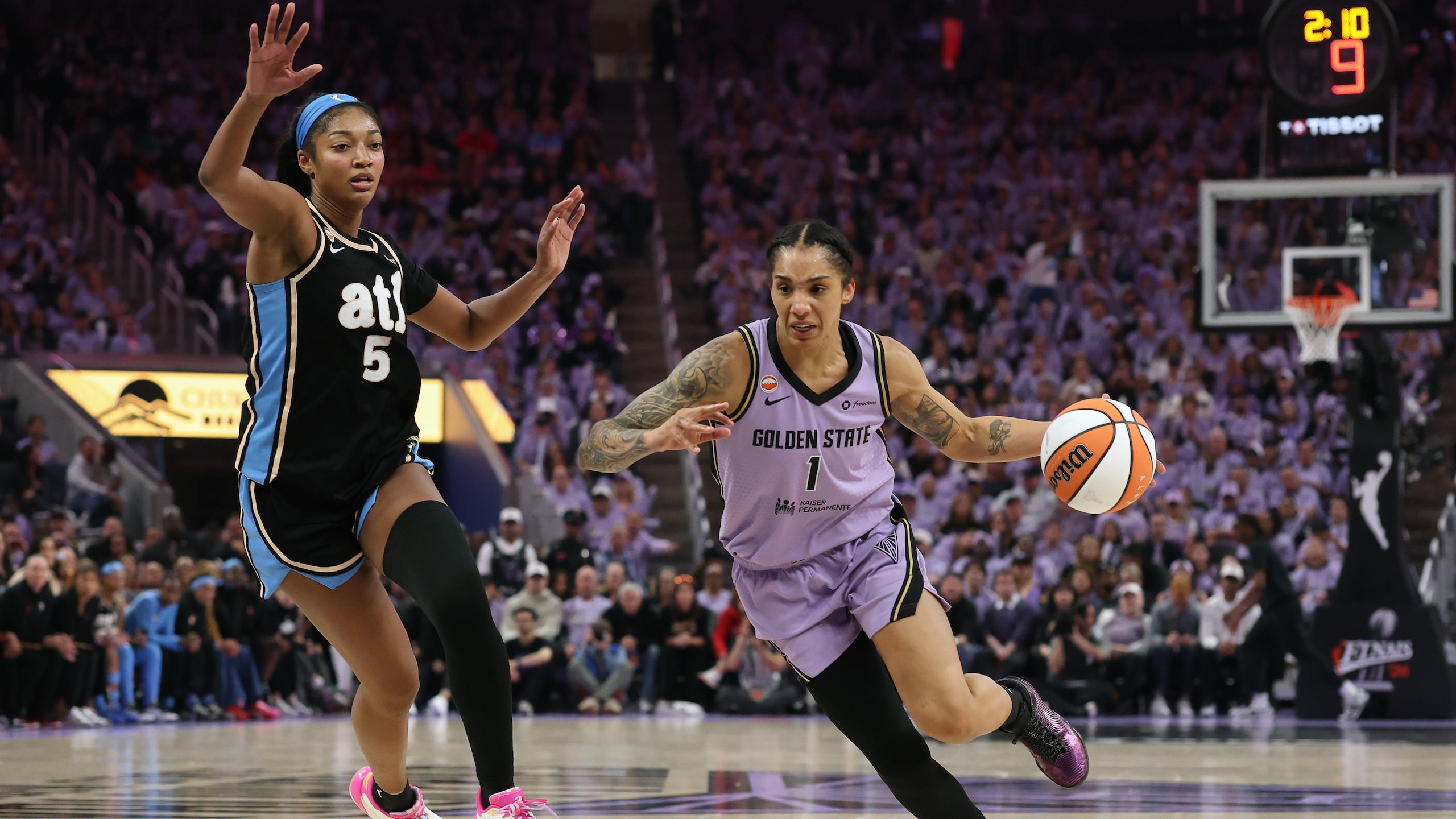
Dwight Howard: Lakers Need D12 More Than Ever with Antawn Jamison
There’s no ‘D’ in Antawn Jamison.
The Los Angeles Lakers must trade for Dwight Howard. That fact is now more apparent than ever.
While Jamison will provide the second-unit with a much-needed scoring spark, he’s a defensive liability. He and Steve Nash will take the Lakers’ offensive attack to another level in 2012, but LA’s weakness on the other end of the floor is just as glaring as ever. Howard’s elite help defense is capable of negating that weakness and is a necessity if the Lakers plan on slowing down the Oklahoma City Thunder.


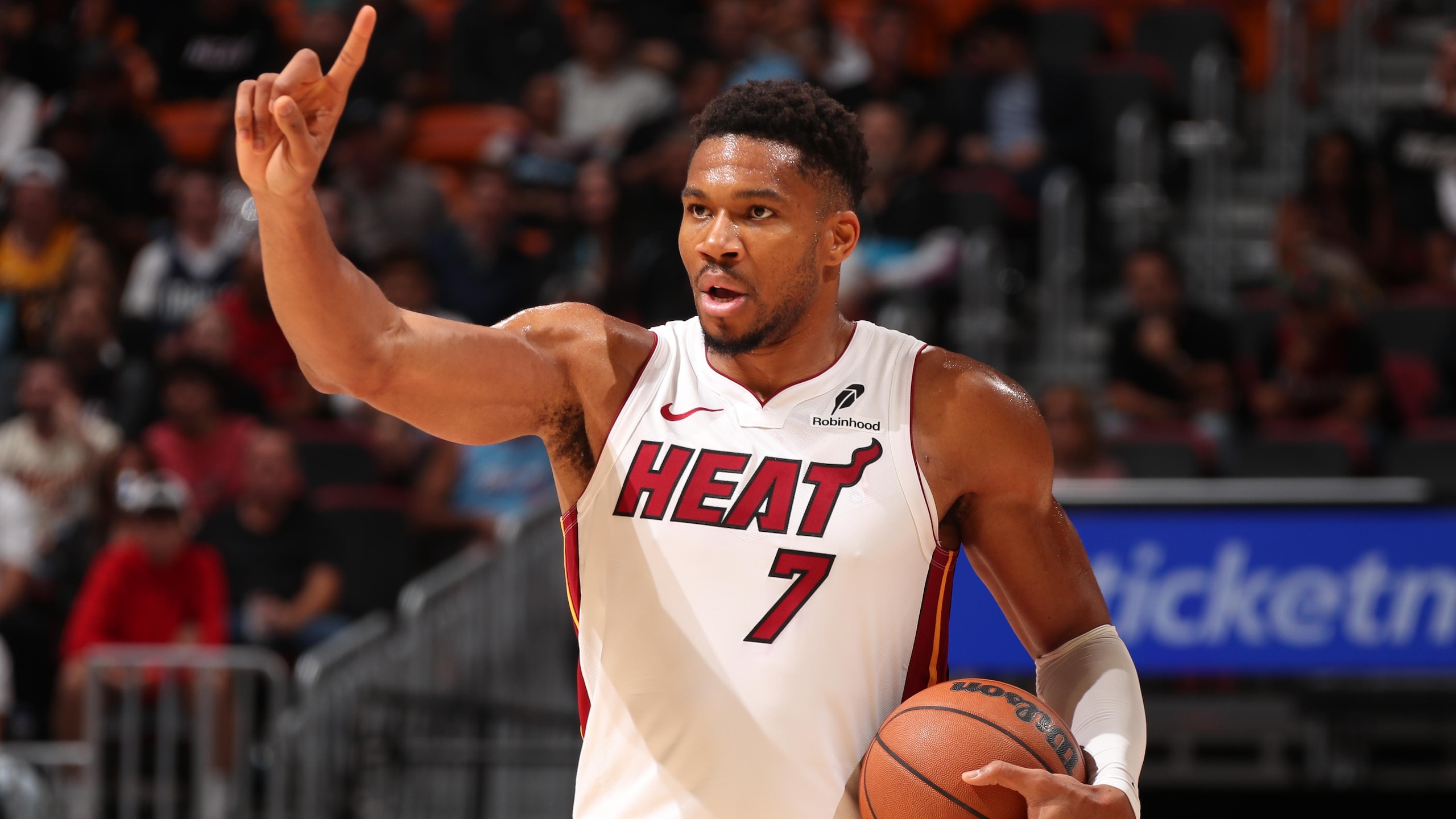
Rick Bonnell of the Charlotte Observer reported that Jamison will sign with the Lakers. But again, while the signing is a cause for celebration, it isn’t a means to an end.
According to 82games.com, opposing bigs recorded a player efficiency ratio of 18.0 on Jamison last season. For comparisons sake, Jamison allows the player that he’s defending to look like Zach Randolph on a night-to-night basis.
He surrendered 26.3 points a game per 48 minutes from the power forward position last season. Assuming that Jamison takes over Jordan Hill’s role as the first big off the bench, he’d play 18 or so minutes a contest. In that time, he’d get about 10 points scored on him every night.
That defensive effort virtually negates his offensive value. And Andrew Bynum won’t be much help to Jamison either. He isn’t a dominant help defender—just ask Kevin Durant, Russell Westbrook and James Harden.
OKC’s three-headed perimeter monster got to the rim at will against the Lakers in the playoffs. They averaged a combined 68.4 points per game against them in the Western semifinals.
Howard, on the other hand, is capable of masking Jamison’s defensive inability.
The power forward that Superman played side-by-side with last season, Ryan Anderson, is a poor defender as well. But with Howard protecting the rim, Anderson only allowed opposing fours to score 17.8 points per 48 minutes, according to 82games.com. When D12 went down with an injury, though, Anderson’s defense was exposed.
In the playoffs, Indiana Pacers power forward David West averaged 15.8 points per game—three points higher than his regular season numbers. West’s scoring efforts translate to 19.2 points per 48 minutes—that’s practically an extra bucket allowed per game. And remember: that’s only Howard’s affect on one of his four teammates’ defensive numbers.
Howard is the difference between the Lakers being a championship contender and a contender to lead the NBA in points.
David Daniels is a featured columnist at Bleacher Report and a syndicated writer.

.jpg?w=2560 "WWE Raw Live Grades 🔠")
.jpg?w=2560 "Chiefs, Steelers Eye WR Trades")
.jpg?w=2560 "🚨Jay-Z Headlining Super Bowl")
.jpg?w=2560 "Multiple NFL Trades Predicted")