
Balanced Rebounding Unlocks the Thunder's Potential
Diversification is a concept with its own inherent value, regardless of the arena. This is true for the simple fact that high-value investment in one particular person, resource or area makes the investing party extremely vulnerable; it may seem logical to place all of one's stock in the best possible option, but even great options—or in this case, great players—fail from time to time, and default back to their expected production.
It's as true in basketball as in any other context. If a team merely has one brilliant scorer, an opposing defense can load ball pressure against that single opponent. If a team has only one quality shot creator, the opponent can swarm that player in the post or on pick and rolls. If a team has but one good interior defender, they can pull him out of the paint before attacking from the weak side. So on and so forth, as limited capability in any regard acts as a tremendous weakness in such a complex sport. All areas of production and performance need to be just right in order for a team to succeed, and the best way to ensure sufficiency is through an entire team operating to accomplish all objectives at once.
TOP NEWS
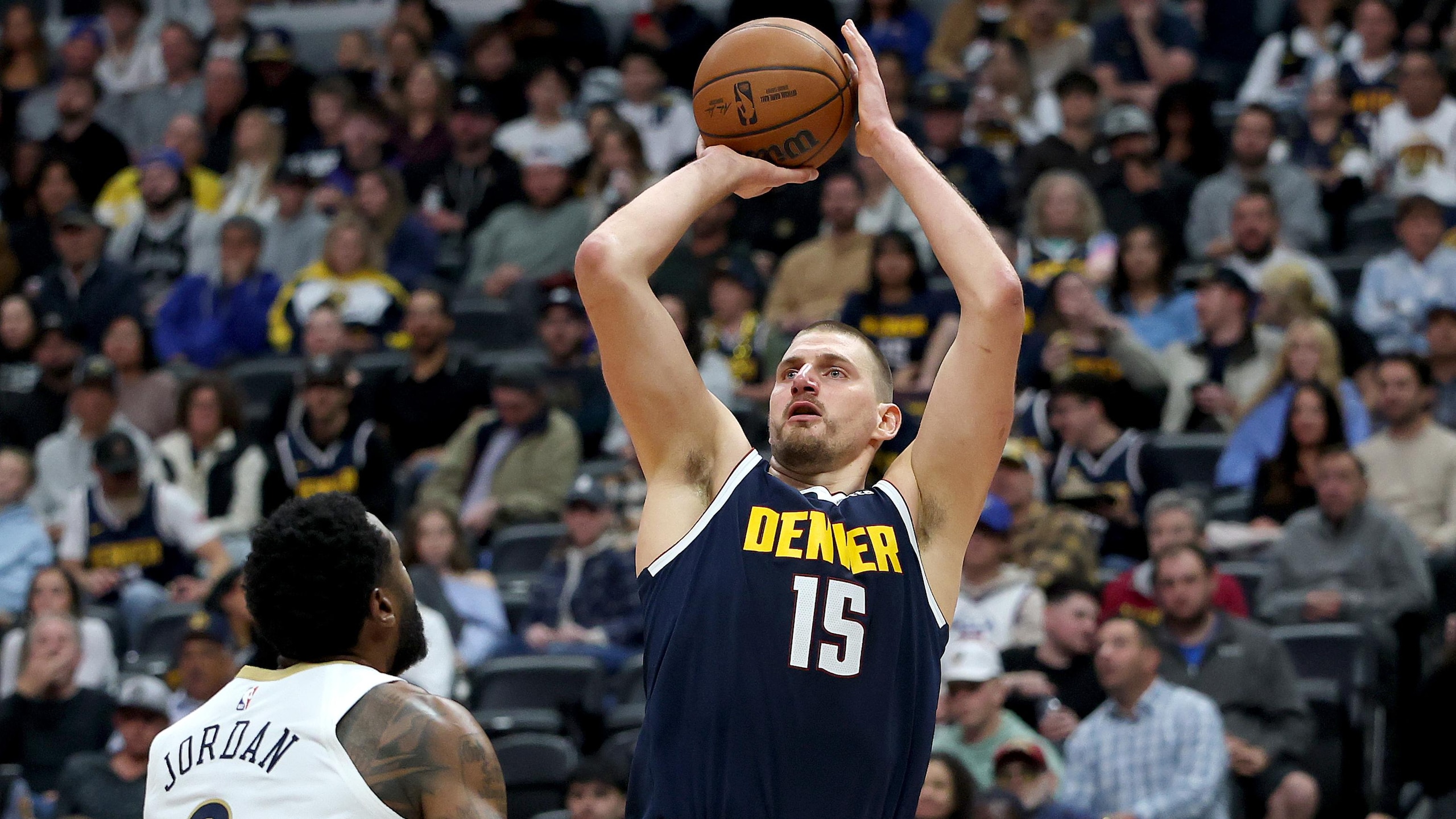
Jokic says booing fans not welcome in Denver

Brown with an all-time summary of relationship with Tatum
Worst NBA Predictions 🫣
An offense hums when every player scores. And in the case of the Oklahoma City Thunder, a potential weakness is mitigated when everyone rebounds.
Rebounding isn't by any means a Thunder strength, and with Scott Brooks opting to use small lineups more than ever, it became imperative Oklahoma City find ways to scrounge together a manageable rebounding total through somewhat unconventional means. The team's best rebounders were often benched in favor of a more assertive defense and more balanced offense. The Thunder wings and guards responded in the Western Conference Finals with an amazingly diverse rebounding core.
Nick Collison (13.9), Kendrick Perkins (13.2 ) and Serge Ibaka (11.5) predictably led the way in terms of overall rebounding percentage, but trailing just behind them were Kevin Durant (10.4), James Harden (10.3), Thabo Sefolosha (10.2) and Russell Westbrook (9.1). Durant may be the man glorified with his 14 rebounds in the series-ending Game 6, but he was only one of many effective rebounding wings for the Thunder, who had little problem closing defensive possessions with tough, contested rebounds, and keeping their offensive possessions alive with their committed work on the glass.
There wasn't one man for the Spurs to box out, but five; excluding Derek Fisher, every Thunder player on the floor was a threat to chase down a rebound, even if it was out of their immediate zone. OKC was hustling toward every bounce on the rim and converging on every board that managed to reach the floor. That may not have been enough to turn a point of weakness into a strength, but it was enough to mitigate the most troublesome caveat to a compelling strategy. It's because of their gang rebounding that the Thunder were—and are—able to go small and shift seamlessly between lineups without fear of the bottom falling out.
Statistical support for this post was provided by NBA.com

.jpg?w=2560 "Mahomes Told Teammate to Leave Meeting")
.jpg?w=2560 "5 Teams Eyeing Jonathan Taylor")
.jpg?w=2560 "Jonathan Taylor Landing Spots 📍")
.jpg?w=2560 "Baker Gets Glove From Rays 🧤")

.jpg?w=2560 "NFL investigating Eagles")
