How Major League Baseball Could Implement a Salary Cap
Even the most die-hard Yankee fans will know somewhere in the back of their minds that baseball is in dire need of a salary cap, even if they are reluctant to admit it.
However, as we try to navigate through the worst economic crisis since the Great Depression, now is probably not the best time to implement a salary cap in Major League Baseball.
The second MLB takes any action to start implementing a cap, the players union will without question launch a long and ugly strike that could even last a couple of years.
TOP NEWS
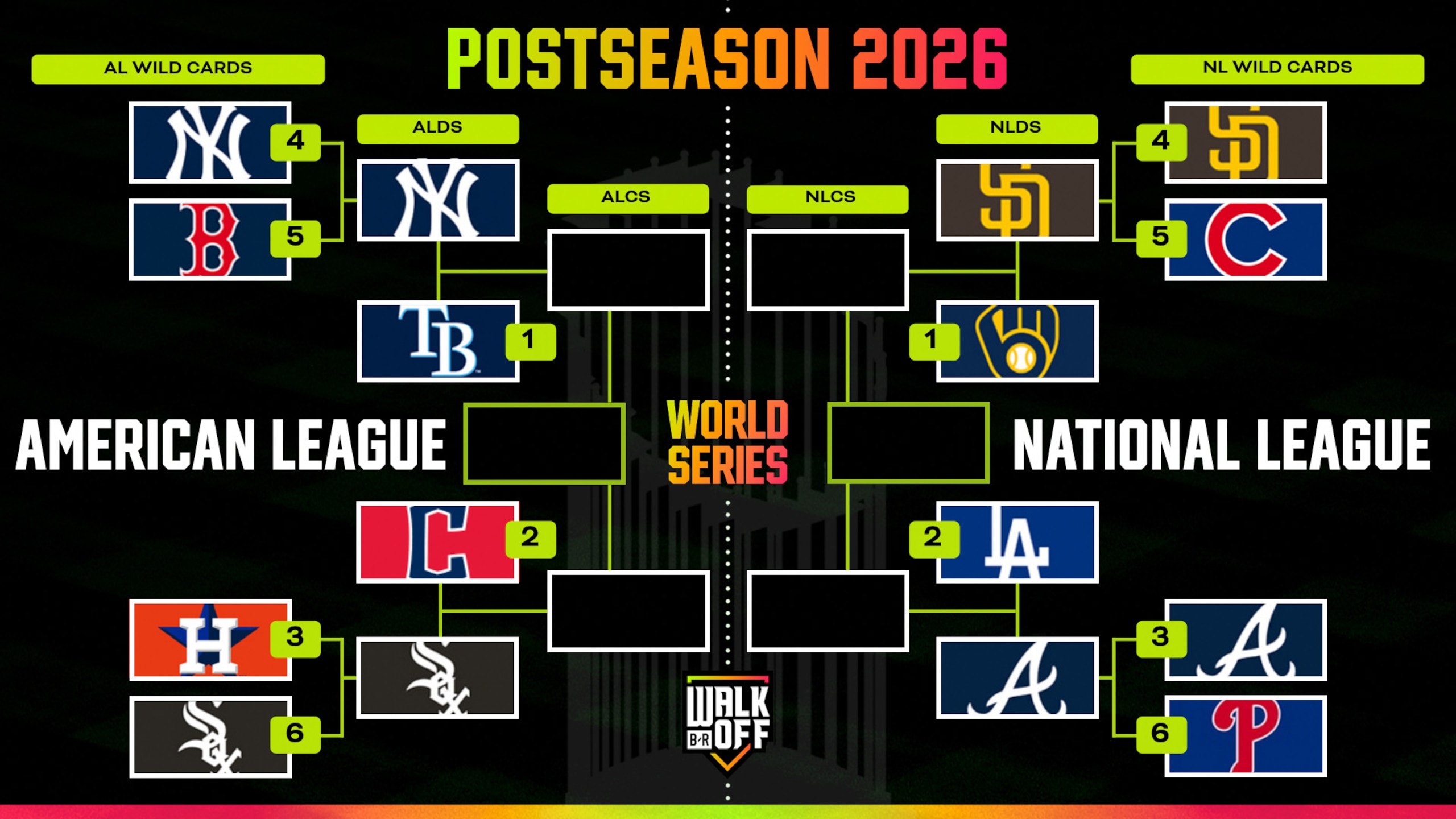
Brewers Stun Padres in Game 2 😧
Braves' Opener Shines vs. LA 💪
Aaron Boone Calls Out Yankees Catcher 🗣️
Financial crises pass and, hopefully, this one will also eventually pass, at which point MLB will have the opportunity to finally go ahead and implement a salary cap. If MLB and the owners stand strong, eventually the players union will have to give in if they have any interest in ever playing again.
The implementation of a working salary cap will not be done overnight. Bud Selig will not say the words "Salary Cap" and then have the league immediately turn into a situation similar to the NFL.
No, the implementation of a working salary cap will take many years to perfect and begin showing results.
MLB would need to take the following steps over a 10 to 15 year period to successfully implement a salary cap that would finally offer a level playing field for all teams and grow the popularity of the game across the country, not just in New York, Chicago, and Boston.
Years One through Three: Implementation of a Cap
The first step will be to actually come up with and implement a salary cap and enforce the penalties that come with breaking that cap.
The salary cap could be set at $100-$125 million (that’s just an estimated guess), with strong monetary penalties for each individual day a team is over the cap during the season.
The monetary penalties have to be so severe that not even the Mets, Yankees, Angels, etc. can dish out money for the fines as easily as they seemingly pull their wallets out of their back pockets and pay off their current luxury taxes, as if they were loaning a $5 bill to another team.
The cap and penalties need to be implemented, enforced, and perfected over the first few years.
Years Four through 12: Let It Play Out
Once the cap has been successfully implemented, MLB needs to sit back for a while and let everything play out.
Teams such as the Yankees, Red Sox, etc. will no longer have the ability to sign a team full of high-priced All-Stars. This ensures that the talent will be forcefully dispersed to other smaller market teams throughout the country as many of the games top players will simply not have the option of going to the big market teams due to the cap.
This will eventually result in superstars landing and staying in markets such as Pittsburgh, Kansas City, Texas, etc.
Superstars landing in cities such as Kansas City and Pittsburgh will draw out fans that have for years given up on their teams and the game of baseball.
The dispersion of talent will also result in many smaller market teams having the ability to build and hold onto a successful team, which in turn will also draw out the fans. Superstars and success equal more fans.
More fans mean more attractive advertising and sponsorship options, which in turn leads to more money.
The reason why teams such as the Yankees, Angels, etc. have so much money to spend is simply because they are located in cities with massive populations.
In a city of eight million people, there will be more people watching the games on television, attending the games, and purchasing Yankees apparel. This offers potential sponsors and advertisers a better opportunity to reach more people and allows the Yankees to charge extremely high prices for giving advertisers and sponsors that opportunity.
With a cap, the smaller market teams will build larger fans bases due to the signing of superstars and the creation of successful teams, which will lead to more money for them through sponsorship and advertising deals.
Years 12 through 15: Implement a Salary Floor
To truly achieve league parity, MLB will also eventually need to implement a salary floor to ensure that teams are not pocketing all of their profits rather than investing it back into the team.
With the dire financial state of at least half of the teams right now, a salary floor would obviously be out of the question during the first few years. Teams such as the Pirates, Royals, etc. would simply not have the money to meet a salary floor right away.
However, after 10 years of capped play, teams located in smaller markets, such as Kansas City, Pittsburgh, etc., will most likely have landed some big time players and have had at least a few seasons of contending for the pennant, all of which would have inevitably improved their financial health.
Therefore, 12 to 15 years after the initial implementation of the salary cap, MLB could also start exploring the implementation of a salary floor.
A cap would hopefully by this point have created a significantly better level of parity in the league, thus offering a much better financial prospect for smaller market teams.
You see, there are many people who believe that Bud Selig could wave a magic salary cap wand the Major League Baseball would immediately turn into the NFL in terms of league parity. But that is simply not the case.
The implementation of a working salary cap would be long and ugly.
However, in the long run, a working salary cap would vastly increase the overall popularity of the game, thus benefiting everyone, including the Yankees and the players.


.jpg?w=2560 "NFL investigating 2 referees for separate viral exchanges")

.jpg?w=2560 "Report: Chiefs Contact Hill's Agent")
.jpg?w=2560 "OBJ Calls Out Giants 😳")
.jpg?w=2560 "Tyreek makes another cryptic post amid Chiefs rumors")