
MLB Contract Disputes: Spoiled Brats Ruin Spring Fun
As fans, too often we hear of rich young athletes who aren't satisfied with their lot in life and they cry for more.
Some sportswriters and broadcasters will have you thinking that this is acceptable; after all, if someone made more money than you for the same work you were doing, wouldn't you complain as well?
At first blush, this seems like a plausible argument.
TOP NEWS
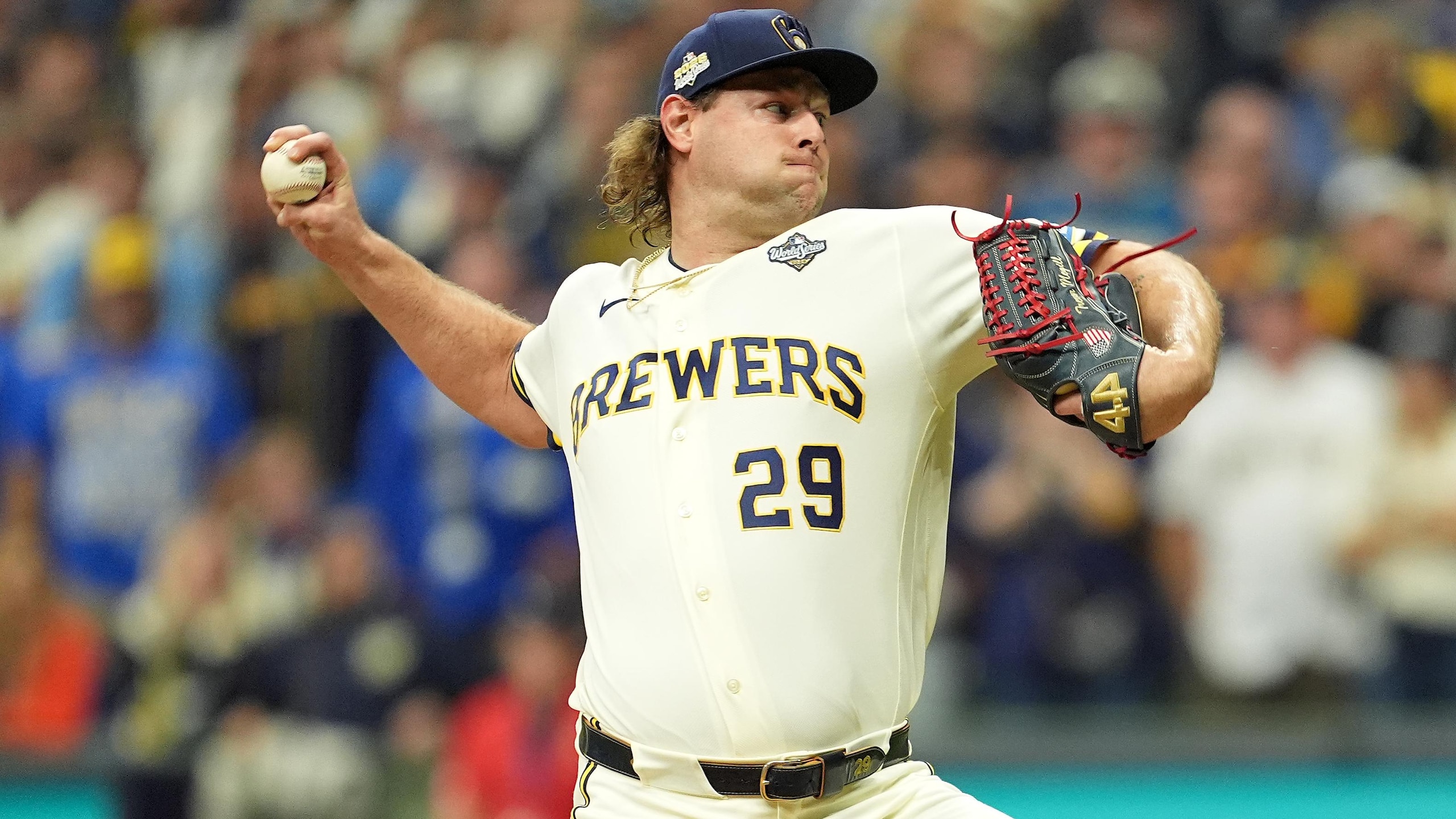
Brewers Closer Blasts Tropicana Field Roof

Latest MLB Trade Rumors 👂
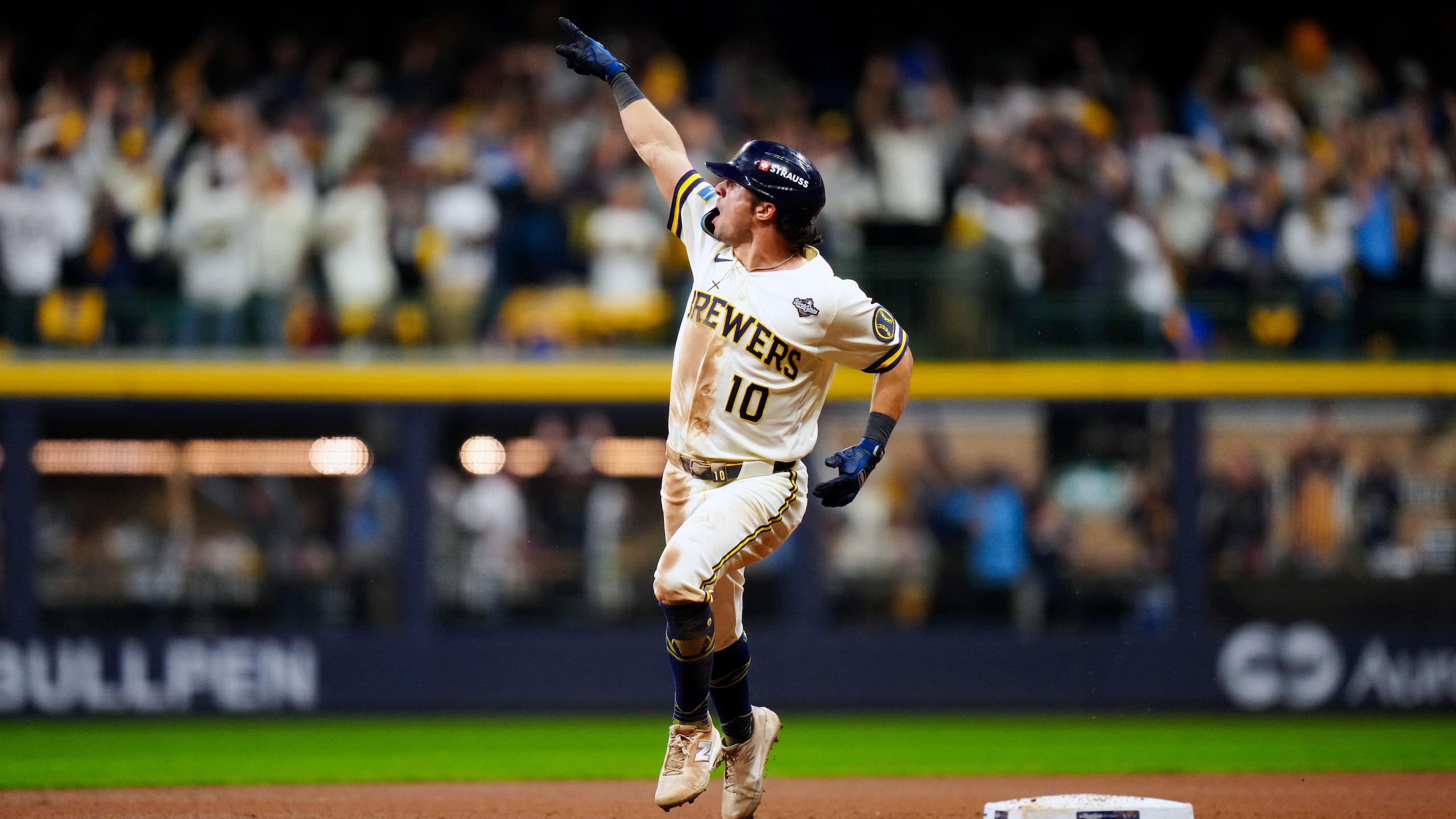
Tying HR Had Bauers Emotional
But I say its apples and oranges, for what in the world can possibly be better than playing a game for a living. And how many millions is enough already?
Yet for players like Cole Hamels, the talented young left handed pitcher for the Philadelphia Phillies, who haven't made their millions yet, the issue isn't how much but how soon. The way the system works is that the first three years a player is in the league (depending on service time and "super two" rules too complicated to explore here), the owners can basically pay these players any amount over the minimum that they desire.
However, many times, in the interest of appeasing their good young players, and with the often misguided hope that the players will show appreciation by reducing their salary demands in later negotiations, the owners pay players more than they are required to.
Last year, for example, the Phillies gave Ryan Howard $900,000. This was more than 50 percent more than they needed to pay him.
Unfortunately, instead of making one player happy it often sets a precedent for the next young player to come along. Well hello, Mr. Hamels, who called the $500,000 the Phils gave him a "low blow". Putting aside for a second how much the average American would love to be insulted with pay like that, it was still $150,000 more than they were required to pay him.
Likewise, Jonathan Papelbon, the outstanding young closer for the Boston Red Sox, says he wants the same $900,000 the Phils gave Howard and that he won't sign for less. Meanwhile, B.J. Upton was renewed for $10,000 less than what he made last year, despite a season in which he hit .300 and had 24 home runs, 82 RBI, and 22 steals. He isn't complaining, at least publicly.
The list of cry babies continues. Prince Fielder isn't happy with the $670,000 the Brewers gave him, though that is 50 percent more than what he was entitled to.
If the owners don't take control of salaries when they have the chance, by the time players become arbitration-eligible, their salaries will already be in the stratosphere. And this will of course be passed along to you and I in the form of increased ticket prices.
One way for the owners to avoid this issue and to gain some cost certainty is to issue long-term deals to their best young players, essentially "buying out" some arbitration and perhaps even some free agent years in the process.
That's what the Cardinals did with Albert Pujols and more recently what the Rockies did with Troy Tulowitzki.
But players like Fielder and the others should just wait their turn and understand that as long as they continue to produce, they will soon be rich beyond their wildest dreams. Good things come to those who wait.



.jpg?w=2560 "Raiders Could Start Mendoza")

.jpg?w=2560 "Rodgers Iced Out on Plane 💎")

.jpg?w=2560 "Packers Safety Slams Refs 🤬")

.jpg?w=2560 "🚨 Week 8 AP Top 25 Poll")
