Featured Video
Who's Winning World Series MVP? 👑

When To Draft Fantasy Baseball Starting Pitchers
Collin Hager
If 2008 taught us anything, it's that we need to be wary when it comes to drafting pitchers early. Last season, Erik Bedard and Aaron Harang were two flameouts who went in earlier rounds. They're far from the only ones, but certainly among the most prominent.
On the other end of the spectrum, Cliff Lee and Ervin Santana went undrafted in most ESPN leagues.
You have to question at what point pitchers should start coming off the board. More importantly, do you need to jump at aces, such as Johan Santana, early on?
TOP NEWS
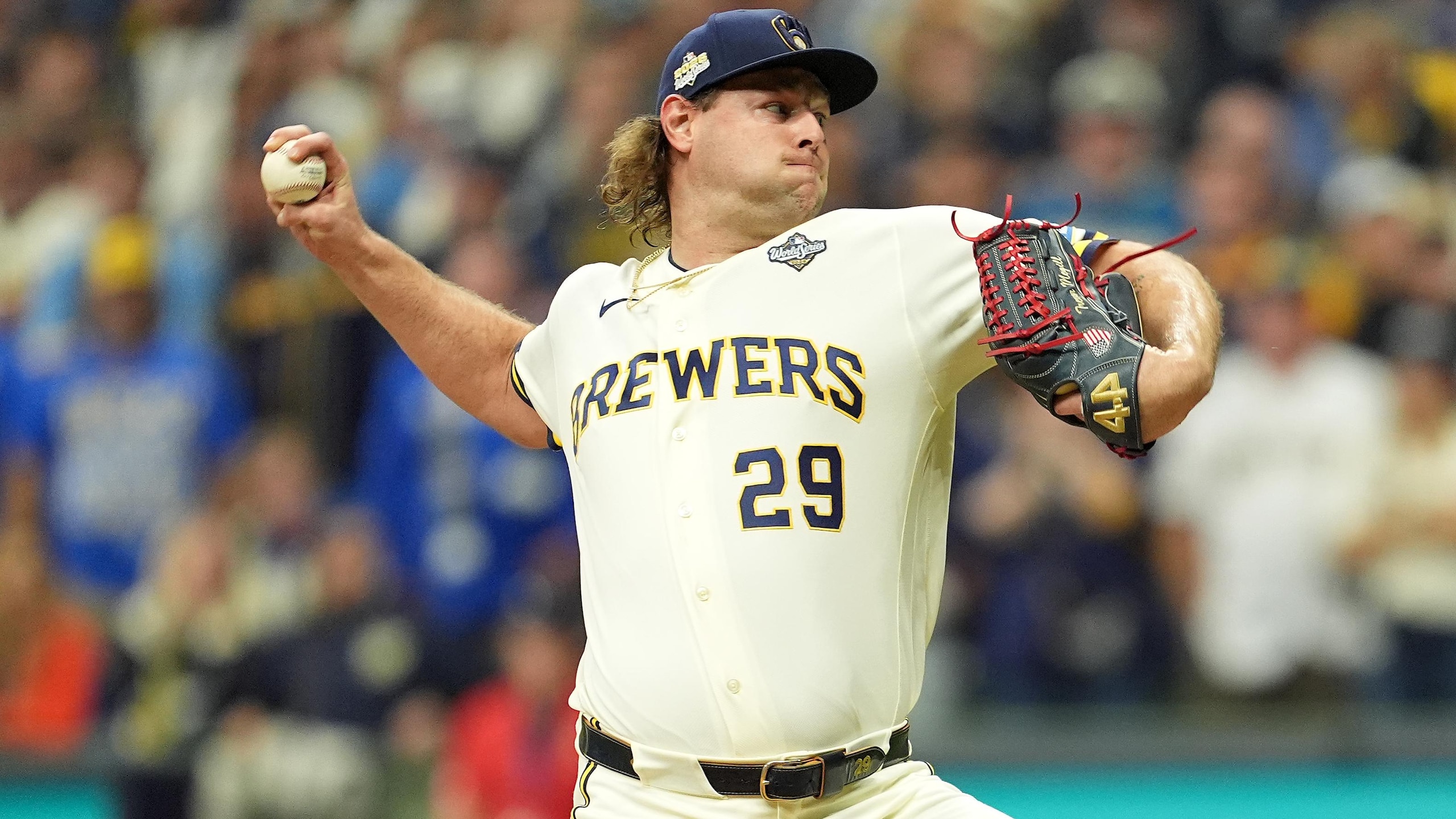
Brewers Closer Blasts Tropicana Field Roof

Latest MLB Trade Rumors 👂
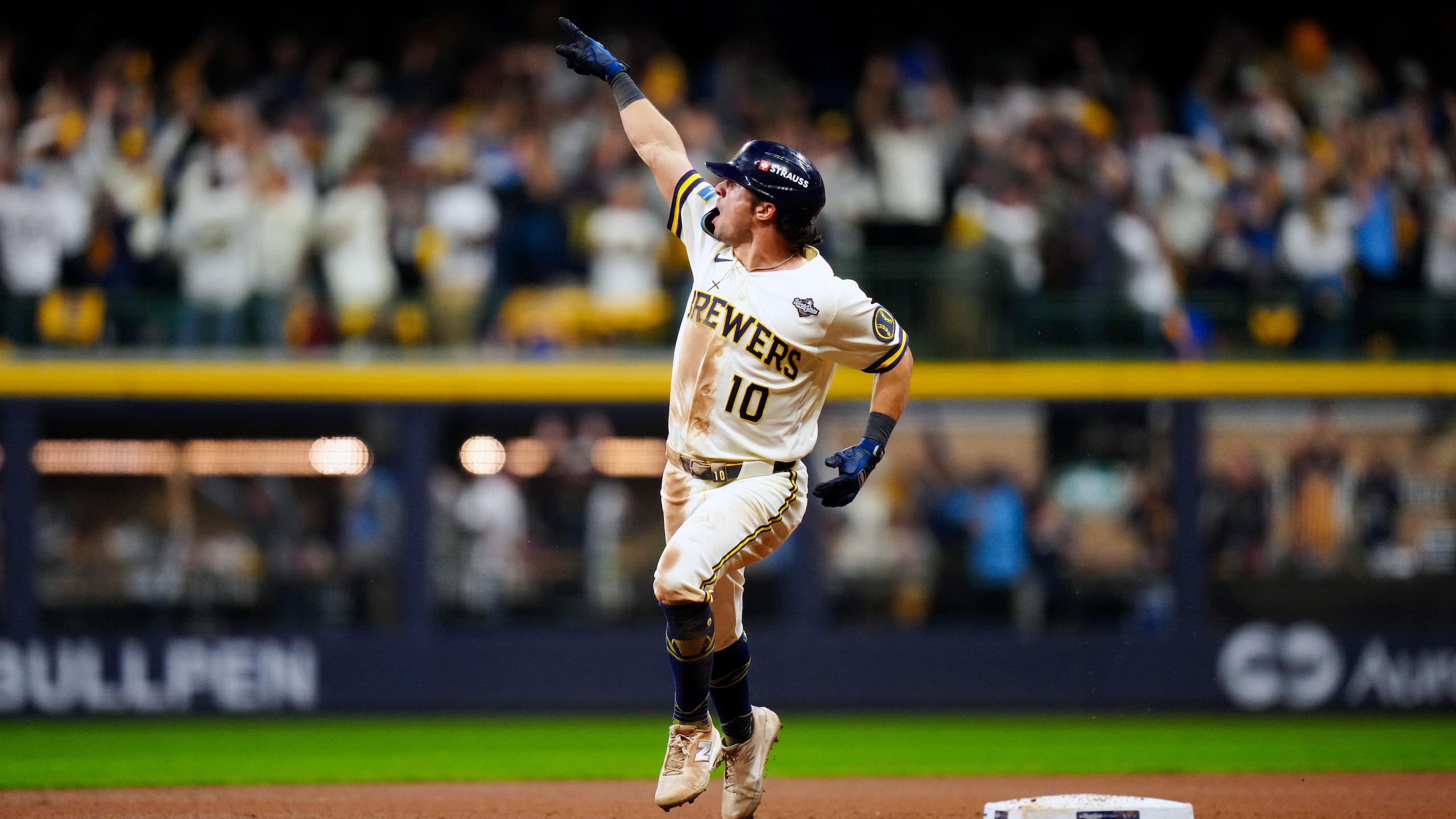
Tying HR Had Bauers Emotional
My answer is no.
Yes, you want a true No. 1 starter anchoring your staff, but you don't want to sacrifice position scarcity to take players in the second or third rounds like Santana, Webb, or Peavy. The return on the investment doesn't make as much sense. Pitchers impact your team once every five days. Hitters are necessary daily.
Let's examine ESPN's final player rater for 2008. In the top 30 pitchers ranked, 11 were drafted in the 12th round or later (using a standard ten-team league). More than that, only 22 of the 30 are starters, meaning half of the starters on this list were not taken in the first half of most drafts!
As examples, on average, Jon Lester was a 22nd round pick, while Ricky Nolasco went undrafted. Edinson Volquez never found his way to a draft board, and Ryan Dempster barely squeaked in during round 24. James Shields has a decent reputation, and that netted him a spot in round 12.
Chad Billingsley was the Dodgers most consistent pitcher, and he wasn't nabbed until round 16. His teammate, Derek Lowe, lasted until round 20.
This all is without even getting to several other pitchers that positively impacted teams over the course of the season. Justin Duchscherer and Scott Baker just missed the top 30. John Danks, Gavin Floyd, and Joe Saunders also find themselves in the top 50 of the player rater. All five pitchers were afterthoughts in most 2008 drafts.
Certainly, we can estimate that many of the pitchers who lasted this long last season will jump up the board in 2009. Tim Lincecum has already moved (by some estimates) nearly 100 spots up the draft board from 123 to 27. The same is true of Cliff Lee, who after being undrafted, now is appearing on the board in late round six or early round seven.
In truth, we'll see many pitchers on the list for 2008 fall off it for the end of 2009, being replaced by other gems that weren't thought of at this time. Jake Peavy was the No. 1 ranked pitcher in 2007, and fell to No. 29 in 2008 using these same metrics. Cliff Lee? He is nowhere to be found on the 2007 list.
More so, if we discount Roy Halladay (injured in 2007), Kelvim Escobar (injured in 2008), and John Lackey (injured in 2008), 18 pitchers appeared in the top 30 of the player rater who weren't there at the end of 2007. One-third of the repeats were relief pitchers.
The reality of the situation is that pitching is a crapshoot. Yes, you have studs who are going to carry a team, but you can find wins and other stats later in the draft without jeopardizing your offensive production.
It's impossible to say if we will have 18 new faces on the final list for 2009, but it would be safe to assume that injuries or a bad season will impact more than one of the players on this list. Not only that, there will be several pitchers who go out and produce with fantastic years. Some will never be heard from again.
The best work that owners can do on their pitching staff occurs during the months of April and May. That's when we see which rookies are going to step up and carry a squad for starts at a time. It's when we begin to recognize trends and establish who has taken the next step in their development and is ready for continued success.
Make your moves in the early part of the season, and don't be afraid to cut the cord. Your goal is to win, not justify when you drafted a player. Look at Justin Verlander last season. Don't hang on for the sake of hanging on. Sometimes, it just isn't that player's year.
My advice is simple. Certainly grab a stud, but don't do so before the sixth round in standard formats. Make the bulk of your pitching moves in the middle rounds, adding late to build depth.
The most important piece, though, is to not get too attached. This year's Cliff Lee will be sitting on the waiver wire come April, and it's our job as owners to find him.
The Roundtable is your source for fantasy baseball and football information. You can follow the Roundtable on Twitter at @theroundtable. E-mail with your questions to elmhurstpubroundtable@yahoo.com.



.jpg?w=2560 "Rodgers Iced Out on Plane 💎")
.jpg?w=2560 "Raiders Could Start Mendoza")
.jpg?w=2560 "🚨 Week 8 AP Top 25 Poll")
.jpg?w=2560 "Mahomes Told Teammate to Leave Meeting")

.jpg?w=2560 "Lamar Being Out Shocked Ravens")

.jpg?w=2560 "Packers Safety Slams Refs 🤬")