
Fantasy Baseball: 6 New Stats to Improve Your League
A good fantasy baseball commissioner should always be tinkering, looking for ways to improve the experience. Adding new categories is a great way to do that.
The traditional 5x5 format is just fine, but it can be improved. Real-life baseball has been forever changed by the sabermetrics revolution; shouldn't the rise of statistical analysis have a commensurate impact on our fantasy leagues as well?
Let's take a look at six stats that can make your 2012 fantasy experience better. We'll walk through what they are, what they mean and who to target (or avoid) in your draft.
OPS
1 of 6What It Is
OPS is on-base percentage plus slugging percentage.
Why You Should Add It
OPS is a very simple way to quantify a hitter's total contribution, including his ability to get on base as well as hit for power. It isn't as reliant on luck as batting average. By adding walks and adjusting for extra base hits, OPS rewards the best all-around hitters.
Benchmark
Anything over .850 is great; over .900 is fantastic.
Who to Draft: Curtis Granderson, New York Yankees OF
Granderson finished 2011 with a pedestrian .262 batting average, but a robust .916 OPS. The latter ranked him 11th in baseball, ahead of quite a few high-average mashers, including Albert Pujols.
Who to Avoid: Starlin Castro, Chicago Cubs SS
Castro's .307 batting average ranked him in the top 12 in MLB, but his lack of extra-base power dropped his OPS all the way down to a pedestrian .773. That's worse than Edwin Encarnacion.
Total Bases
2 of 6What It Is
The total number of bases accumulated by a hitter. A single is worth one base, a double is worth two, and so on and so forth.
Why You Should Add It
It gives some weight to longballs that don't quite clear the fence. In a traditional 5x5 league, a hitter who goes 2-2 with two singles is just as valuable as one who goes 2-2 with two triples. Adding total bases credits the triples more than the singles.
Benchmark
In a season with 600 plate appearances, a good fantasy hitter will accumulate at least 260 total bases; a great one will top 300.
Who to Draft: Jacoby Ellsbury, Boston Red Sox OF
Ellsbury's list of accomplishments in 2011 is long and distinguished, but perhaps his most impressive feat was leading the majors with 364 total bases.
Who to Avoid: B.J. Upton, Tampa Bay Rays OF
Upton has some power, but his sub-.250 average kills his total bases contribution. His 240 total bases ranked 64th in baseball last season, behind Nelson Cruz and Eric Hosmer, both of whom played at least 25 fewer games than Upton.
Strikeouts (for Hitters)
3 of 6What It Is
A negative category, subtracting points for hitters' strikeouts.
Why You Should Add It
Strikeouts are a great equalizer for power hitters. Adding it as a category for offense really levels the playing field and forces owners to think twice about loading up on one-dimensional sluggers.
Benchmark
For a power hitter, anything under 100 for a full season is outstanding.
Who to Draft: Adrian Beltre, Texas Rangers 3B
Generally, strikeouts are a necessary casualty of home run power. Beltre bucks that trend. He struck out just 53 times last season, even while hitting 33 homers. Only Albert Pujols hit more homers while whiffing fewer than 60 times.
Who to Avoid: Drew Stubbs, Cincinnati Reds OF
Stubbs brings a nice mix of power and speed to his fantasy owners, but his true competency lies in the art of the whiff. In 2011, he led the big leagues with 205 strikeouts.


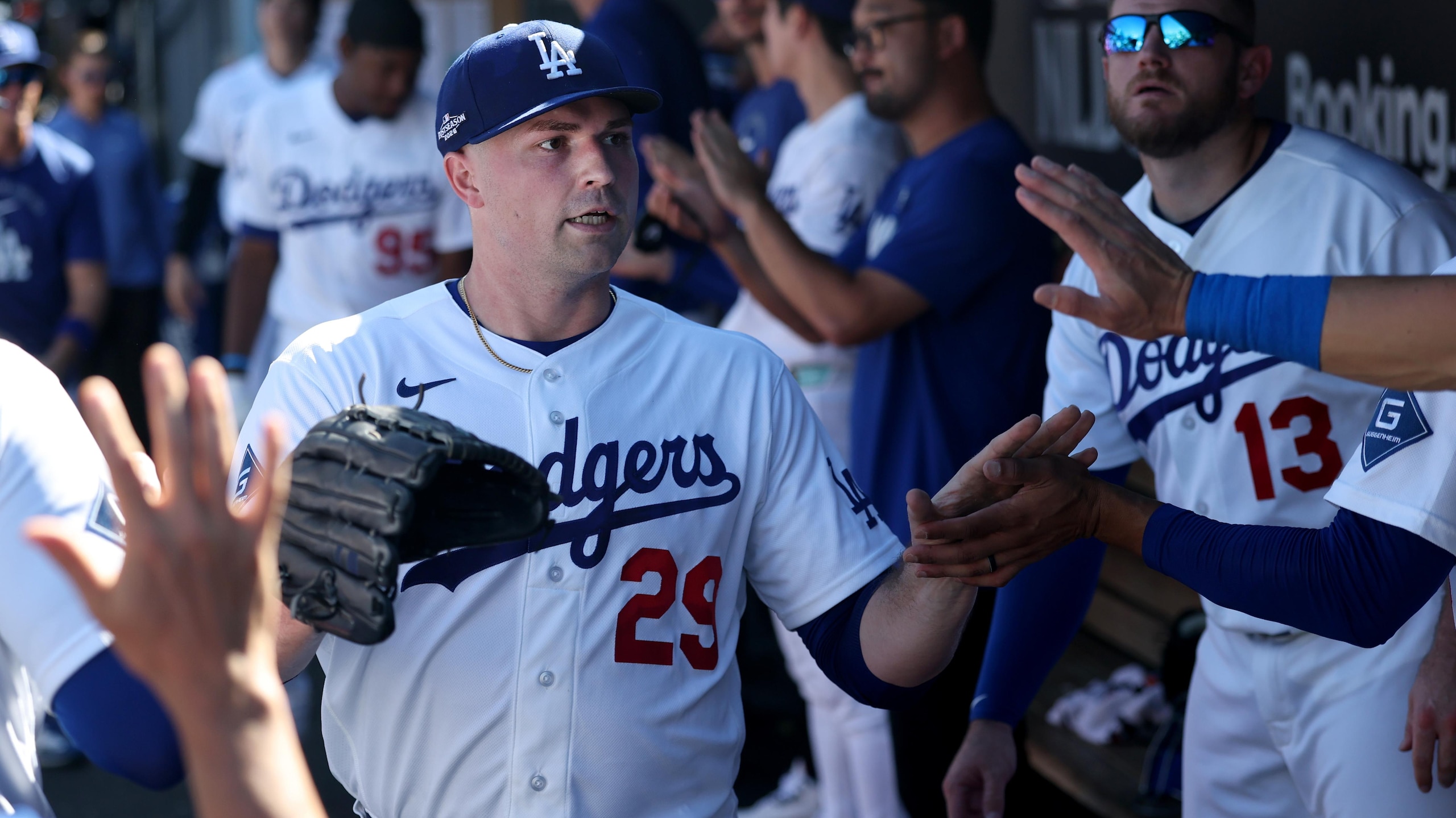
Strikeouts Per 9 Innings (K/9)
4 of 6What It Is
A pitcher's total strikeouts, divided by his innings, multiplied by nine.
Why You Should Add It
It turns whiffs into a rate, rather than a counting stat, which decreases the value of piling up starts and increases the value of high-strikeout middle relievers. If you play in a head-to-head league or a roto league without an innings limit, adding K/9 discourages owners from streaming pitchers solely to rack up strikeouts.
Benchmark
Anything over 8.0 is very good; over 9.0 is elite.
Who to Draft: Middle Relievers
Most of the top starters in baseball have great K/9 rates, but this category provides a fantastic opportunity to grab value off the fantasy scrap heap. Guys like Kenley Jansen, David Robertson and Vinnie Pestano aren't going to draw much attention in your draft, but last season, all three averaged better than 12 whiffs per nine innings.
Who to Avoid: Joe Saunders, Arizona Diamondbacks SP
Saunders delivered a useful ERA last season, but he was one of the worst in baseball at inducing swings-and-misses. The lefty struck out only 4.58 batters per nine innings, the fourth-worst mark among qualified starters.
Quality Starts
5 of 6What It Is
A quality start is defined as any outing in which a starting pitcher goes at least six innings while allowing three or fewer earned runs.
Why You Should Add It
It gives pitchers a little more credit for the factors that they can control and a little less blame for the factors they can't. Pitcher wins and losses will always be tinged with arbitrarity, but adding quality starts helps to strip that out.
Benchmark
A good fantasy starter should deliver a quality start in about two-thirds of his outings.
Who to Draft: Mark Buerhle, Miami Marlins SP
Buerhle isn't going to boost your strikeout totals, but in terms of quality starts, there's no better value in baseball. Last season, he posted quality starts in 71 percent of his appearances.
Who to Avoid: Ricky Nolasco, Miami Marlins SP
Nolasco has always been a fantasy man-crush of mine, but while his ability to miss bats is tantalizing, no pitcher as talented gets lit up with greater regularity. Nolasco turned in a "quality" performance in just 55 percent of his starts in 2011.
Strikeout to Walk Ratio (K/BB)
6 of 6What It Is
The ratio of a pitcher's strikeouts to his walks.
Why You Should Add It
Adding K/BB gives more credit to pitchers that can keep the ball in the strike zone, while penalizing those who can't control their stuff. Even in leagues that don't count it as a category, it's a helpful way to evaluate pitchers before the draft.
Benchmark
Anything over 2.5 is solid; over 3.0 is terrific.
Who to Draft: Brandon McCarthy, Oakland A's SP
A former top prospect of the Texas Rangers, McCarthy reemerged with Oakland in 2011, posting an elite K/BB rate of 4.92. That put him in the top five in MLB, ahead of both Cy Young winners.
Who to Avoid: Ivan Nova, New York Yankees SP
Nova put together a nice debut season in pinstripes last year, but unless he boosts his strikeouts or cuts back his walks, he won't be a reliable fantasy starter in 2012. In 2011, his K/BB rate was worse than that of his beleaguered teammate, A.J. Burnett.


.jpg?w=2560 "Love's Body Already 'Tired'")

.jpg?w=2560 "Tyreek Deal May Come Soon")
.jpg?w=2560 "Ward Nearly Walks Out of Presser ▶️")


.jpg?w=2560 "NFL investigating 2 referees for separate viral exchanges")

