
College Football Coaches' Buyouts Are out of Control, and There's No End in Sight

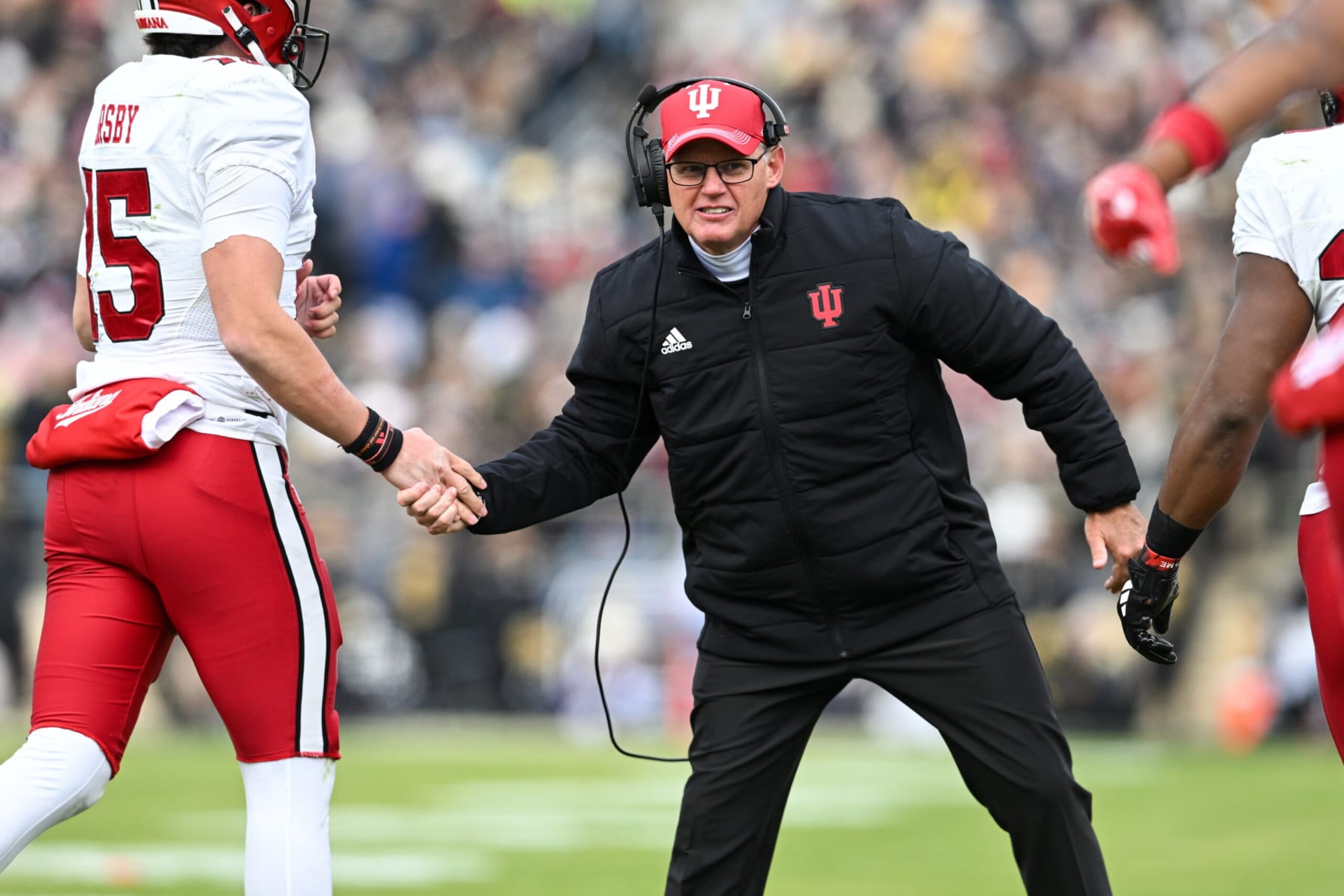
In the hysteria of a high-profile coaching hire and prelude to College Football Playoff finality, a basketball school paid a football coach more than $15 million dollars to go away on Sunday.
Technically, Indiana was supposed to owe more. With years left on Tom Allen's (relatively new) contract, the Hoosiers were on the hook for $20 million. Thanks to some negotiating, largely about offset language, he will instead be paid two $7.75 million installments over the next 13 months to not coach.
Such is the life of a college football coach with a losing record in 2023.
.jpg?w=2560 "AP Poll Top Five Week 9")

This ritual of paying coaches millions of dollars to disappear is, of course, not new. From Charlie Weis to Gus Malzahn to Willie Taggart, coaches have been paid handsomely to sit at home or become an announcer for some time.
In recent years, with the stakes to win growing to uncomfortable levels and the coaching contracts reaching absurd thresholds, college football is inching closer to a place of great discomfort.
If we're not already there, one would hate to see what makes an athletic department squirm.
For as much money is being poured into the sport—through television contracts, NIL deals and beyond—the ceiling on what schools (and specifically donors) are willing to stomach must be within reach.
Indiana, which has a grand total of three winning football seasons since 1995, has decided to pay a small fortune to make a change. (Oh, and the coach the school just fired happened to produce two of those seasons.)
At Texas A&M, Jimbo Fisher will be paid more than $75 million between now and 2031 to do nothing. The Holy Grail of coaching buyouts is in its own genre when it comes to guaranteed payments.
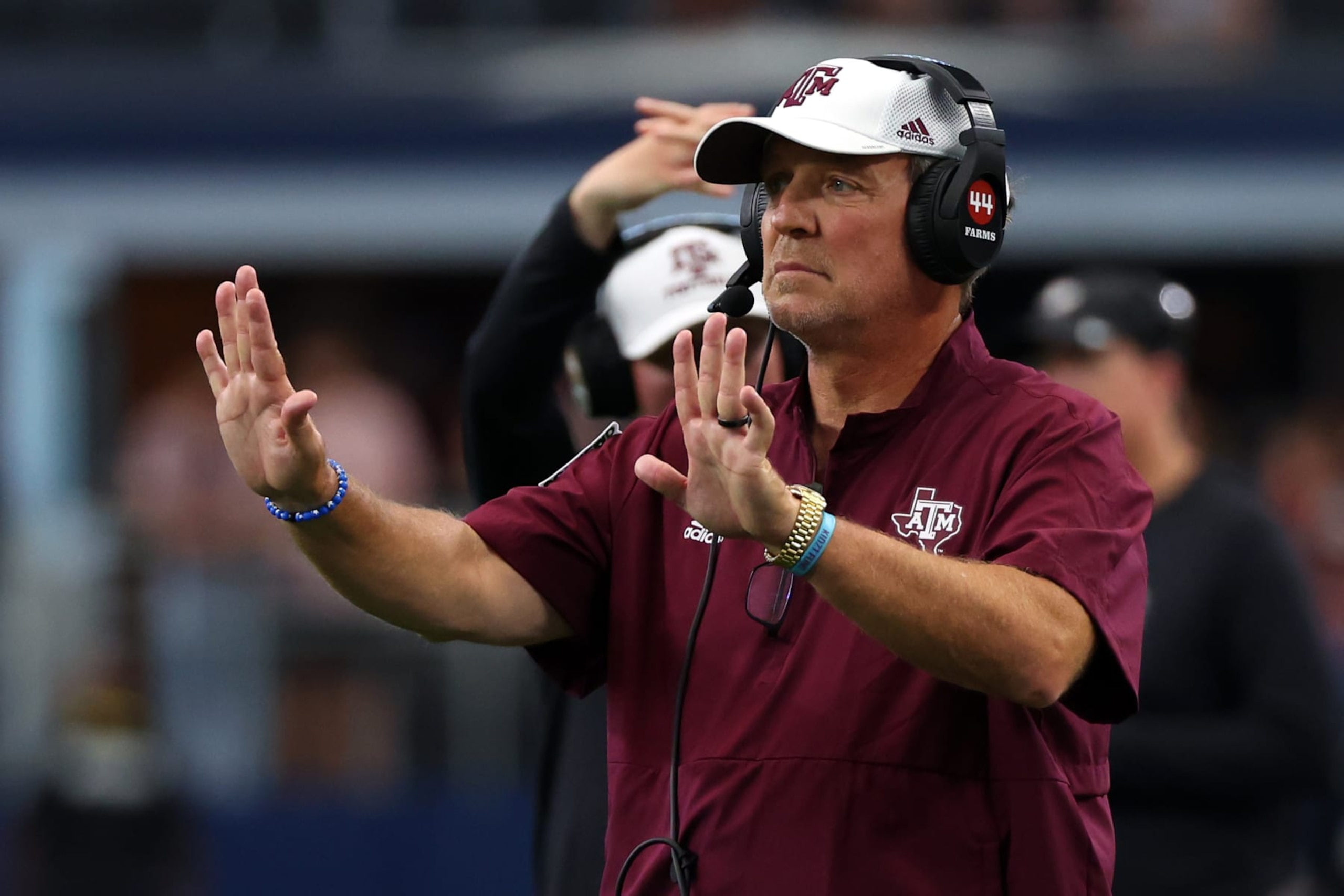
Fisher, who coached at a school with as much donor support and resources as any program in the nation, is an outlier to a broader discussion. The fact that A&M had the financial backing to pay him this much money, however, speaks to the importance of football at the school, in the state and as a whole.
On the topic of Texas, Houston also decided to move on from a coach who recently signed a new deal.
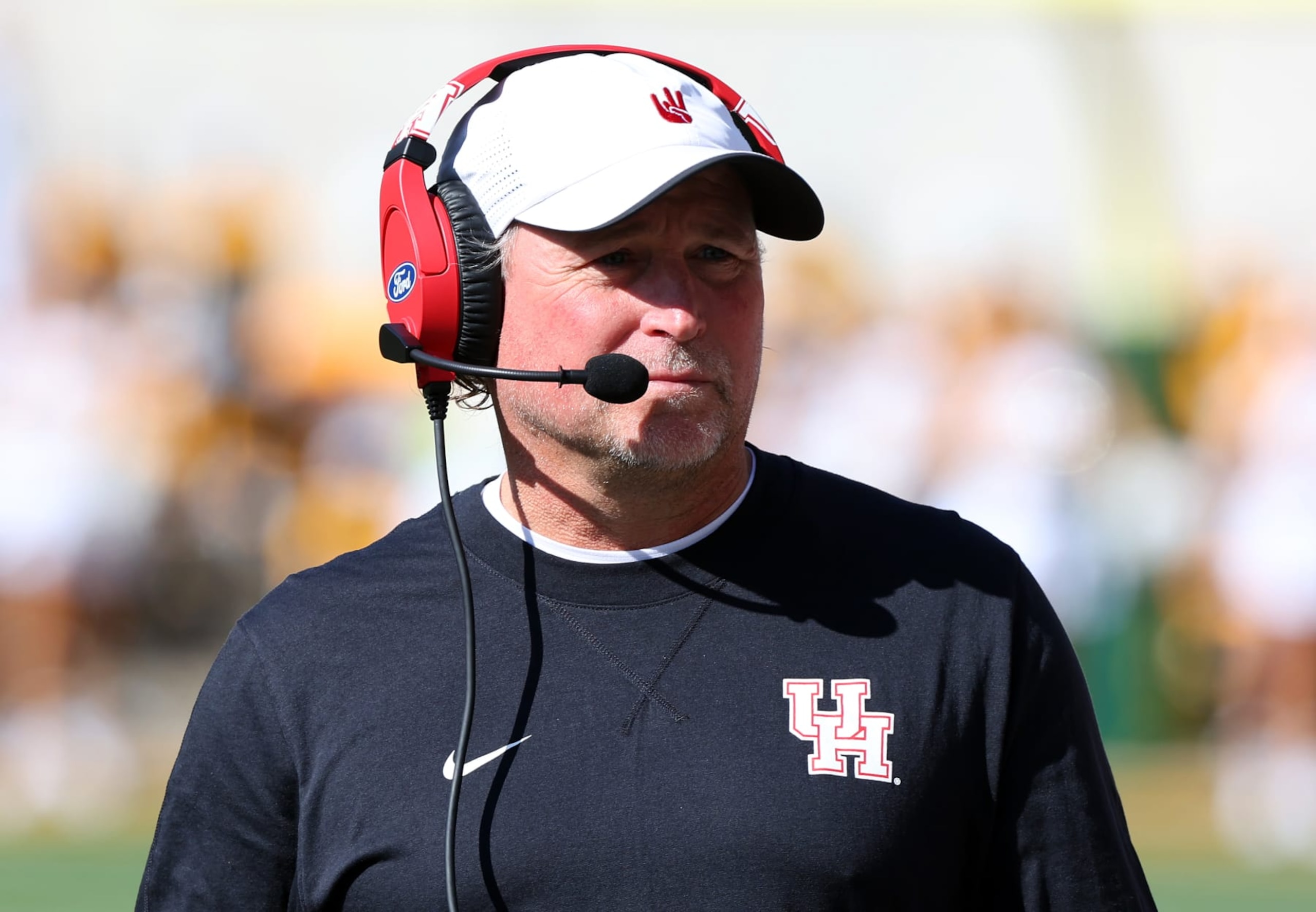
The Cougars, still newcomers to the Big 12, told Dana Holgorsen his services will no longer be needed on Sunday. In 2021, he led the program to a spectacular 12-2 mark. Two years later, he's looking for work.
Well, maybe not immediately. Holgorsen will reportedly be owed nearly $15 million from the school as a parting gift. This could change depending on when and where he ultimately finds work again, although it'll be gobs of money regardless.
With Fisher's large contribution to the overall tally, buyouts are well north of $110 million (and counting) thus far this season. In short, it's a lot of money. In fact, it's an ungodly sum. And in many places, a good portion of that money is being paid by wealthy, willing alumni willing to do anything in their power to produce a winner.
Like the process of firing coaches before their contracts expire, this part isn't new, either. The only difference is that the annual salaries for head coaches have enjoyed a meteoric rise in the past decade, and the duration of these contracts has also gotten longer.
As the sport has grown in popularity, the expectations for all teams have grown with it. The desire to win—coupled with the resources needed to compete—have generated an expensive space for those with the funds and influence to pull these levers.
All of this is fueled by desperation. Hiring coaches to turn around a program is an expensive endeavor, as is keeping a coach coming off a special season who is likely enjoying interests at other schools.
But when does it finally regulate itself? How many bad contracts must be paid out before the sport finally reassesses the way it does business? How much is eventually too much, even for a sport so accustomed to spending?
Maybe the more important question is even simpler: Should we care?
It's not your money. The athletic departments paying out these contracts are doing so with plenty of help. They are not writing these checks by themselves, nor could they. Not these kinds of checks.
Despite that simple reality, the current state feels both unhealthy and unsustainable. As NIL and the transfer portal nurture additional financial tentacles, this more traditional ritual feels like it's reaching overdrive.
And until the contracts grow shorter and the schools protect themselves more, none of this is likely to change. While a Fisher-level buyout may never be seen again—or at least not for some time—the decisions made at Indiana and Houston and beyond are merely the beginning.
Contracts are not yet getting shorter, and they're certainly not getting any cheaper. When cost and desperation collide, the result is elongated risk and exposure. With tolerance growing shorter, the sport finds itself in a very peculiar and expensive phase.
The simple reality is this: Until donors are unwilling to sport these types of payouts, they'll continue. And with winning still such a desired commodity, well, the spending will continue.
It's hard to know exactly when (if ever) it will tip back the other way. It will take a glut of bad contracts and some eventual pushback to the fortunes being handed out by those willing to write the checks right now.
Even then, will anything ever change?
The popularity of college football is indeed booming, and the result is continued regional and national interest that will only further grow with an expanded playoff. More playoff spots will mean more money and more seats at the table. More seats at the table mean more teams will believe they have a realistic shot.
It's not just the bluebloods and playoff hopefuls getting in on the action. What happened at Indiana and Houston shows us that.
College football's latest phase of excess is here, and it's not likely to change anytime soon.
.jpg?w=2560)
.jpg?w=2560 "Colts Texans Football")

.jpg?w=2560 "Rodgers Iced Out on Plane 💎")
.jpg?w=2560 "Raiders Could Start Mendoza")
.jpg?w=2560 "Mahomes Told Teammate to Leave Meeting")

.jpg?w=2560 "Lamar Being Out Shocked Ravens")

.jpg?w=2560 "Packers Safety Slams Refs 🤬")