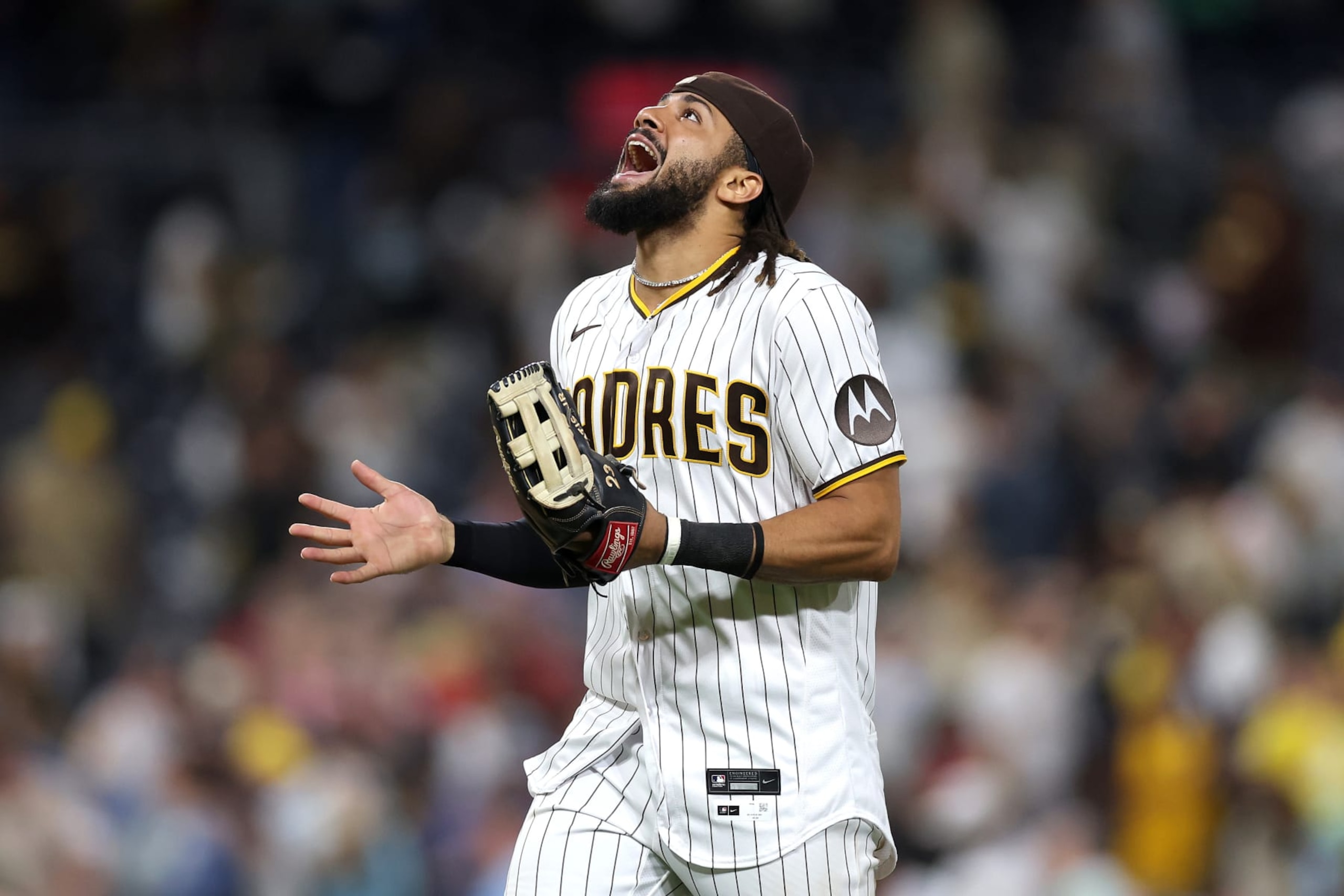


This Sunday, the best defensive players of the 2023 Major League Baseball season will get their Gold Gloves.
Since we know who the finalists are, let's take a whack at predicting the winners.
The Gold Glove selection process is 75 percent voting by managers, coaches and players and, as such, mostly subjective. Such things are hard to predict.
It helps, though, that the other 25 percent is determined by the SABR Defensive Index. It aggregates defensive metrics, including those compiled by Statcast (i.e., Outs Above Average and Fielding Run Value) and Baseball Info Solutions (i.e., Defensive Runs Saved and Ultimate Zone Rating).
The SABR Defensive Index is publicly available, but it was last updated on Aug. 13. The predictions ahead are thus best guesses based on stats like the ones referenced above, as well as whatever hunches that came up and seemed wise to follow.
We'll start with the catchers and go from there, alternating back and forth between the American League and the National League as we go.
American League Catcher
1 of 20
The Finalists
Jonah Heim, Texas Rangers: 124 G, 6 DRS, 10 Framing Runs, 3 Throwing Runs, 0 Blocking Runs
Alejandro Kirk, Toronto Blue Jays: 99 G, 17 DRS, 5 Framing Runs, -1 Throwing Runs, 4 Blocking Runs
Adley Rutschman, Baltimore Orioles: 110 G, 2 DRS, 5 Framing Runs, 0 Throwing Runs, 2 Blocking Runs
All three of these guys are first-time nominees, so whoever wins will be a Gold Glove winner for the first time in his career.
Kirk and Rutschman are here mainly because their pitchers couldn't have asked for better guys to throw to. They collectively caught 1,709.2 innings, yet Kirk had only one passed ball and Rutschman had zero. Both were also among the best at blocking balls in the dirt.
Yet for his part, that's not something Heim was necessarily bad at. He was otherwise third in Framing Runs and he ended up in the top five of MLB with 24 caught-stealings in what was a very stolen base-happy year.
As Heim also caught more innings (993.2) than Kirk (775) and Rutschman (934.2), his creds seem good enough for a win.
Winner: Jonah Heim, Texas Rangers
National League Catcher
2 of 20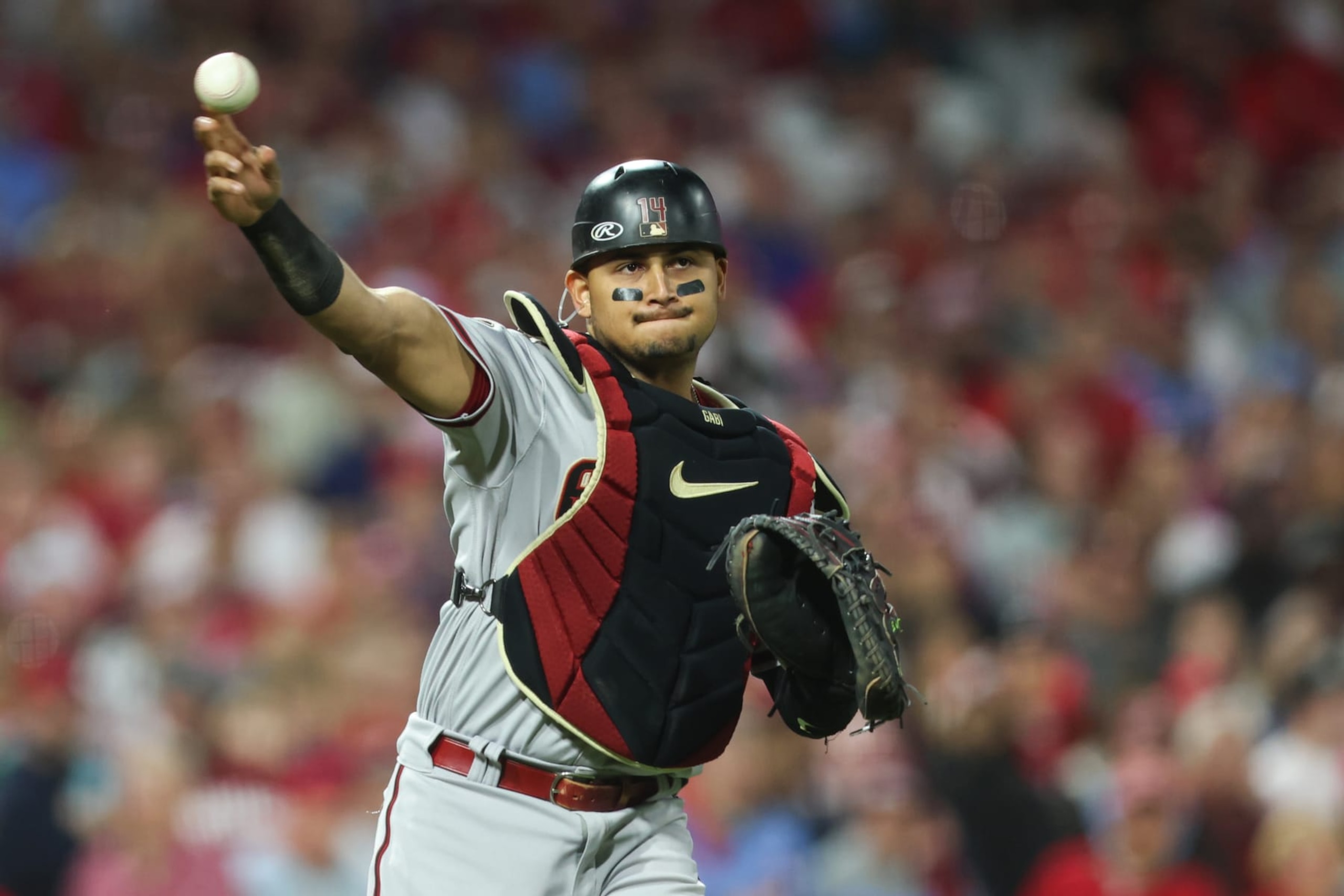
The Finalists
Patrick Bailey, San Francisco Giants: 94 G, 13 DRS, 16 Framing Runs, 4 Throwing Runs, -2 Blocking Runs
Gabriel Moreno, Arizona Diamondbacks: 104 G, 20 DRS, -2 Framing Runs, 6 Throwing Runs, 2 Blocking Runs
J.T. Realmuto, Philadelphia Phillies: 133 G, -4 DRS, -13 Framing Runs, 1 Throwing Run, 3 Blocking Runs
Realmuto is the legacy inclusion here, but this just wasn't his best year metrics-wise even if he did catch an MLB-high 1,142 innings.
The opposite is true of Bailey and Moreno, both of whom are first-time nominees. Bailey especially nailed receiving and throwing, ranking first in Framing Runs and tying for third with 25 caught-stealings.
Yet it was Moreno who led regular catchers with a 39 CS%, and baserunners didn't even like testing him. They averaged 0.067 steal attempts per inning against him, the lowest of any backstop who caught at least 500 innings.
That plus blocking are nice feathers in Moreno's cap, and one metric also credits him as the best pitch caller in MLB today. One wonders if some voters could value that skill over his relatively unspectacular framing.
Winner: Gabriel Moreno, Arizona Diamondbacks
American League First Baseman
3 of 20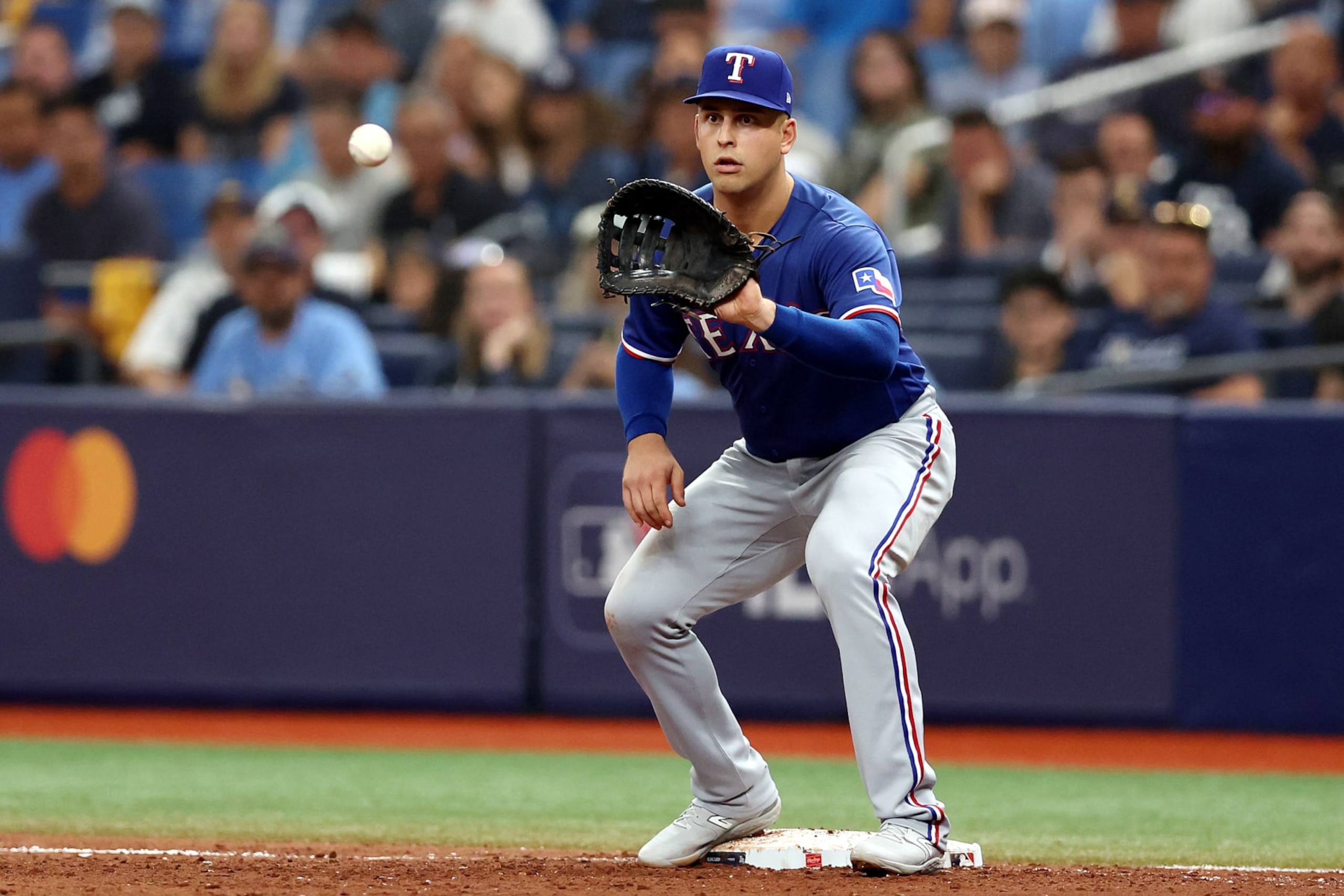
The Finalists
Nathaniel Lowe, Texas Rangers: 161 G, 3 DRS, 0.5 UZR, 5 OAA
Ryan Mountcastle, Baltimore Orioles: 90 G, 2 DRS, 1.7 UZR, -1 OAA
Anthony Rizzo, New York Yankees: 92 G, 3 DRS, -1.8 UZR, 6 OAA
You have to hand it to Rizzo for forcing himself onto this list even though he wrestled with post-concussion syndrome for most of 2023. It may have killed his bat, but it clearly didn't do the same to his glove.
It would nonetheless be an upset if Rizzo or Mountcastle won this Gold Glove, if for no other reason than both of them worked about half as many innings at the cold corner than Lowe.
Lowe was nothing if not a sure thing on defense, as he led first basemen with 1,330 chances yet only made three errors all year. And even if it wasn't quite exceptional, there's nothing that suggests his range was below average.
This one thus seems like an open-and-shut case, making it 2-for-2 for the Rangers so far.
Winner: Nathaniel Lowe, Texas Rangers


National League First Baseman
4 of 20
The Finalists
Freddie Freeman, Los Angeles Dodgers: 161 G, -9 DRS, 0.0 UZR, 3 OAA
Carlos Santana, Pittsburgh Pirates/Milwaukee Brewers: 135 G, 11 DRS, -1.0 UZR, 2 OAA
Christian Walker, Arizona Diamondbacks: 152 G, 9 DRS, 3.5 UZR, 12 OAA
First up here are Freeman, who was just plain reliable, and Santana, who might just have been the rangiest first baseman in either league this year.
To the former, Freeman ranked third in handling 1,260 chances yet he committed only one error. To the latter, Baseball Info Solutions posits that Santana led first basemen in saving nine runs with his range.
That's where Outs Above Average begs to differ, however, and of particular note is that Walker made by far the most plays to his right of any first baseman. It's technically nothing new for him, but it perhaps should count for more in MLB's post-shift era.
Otherwise, Walker made just two errors in his own right even as he handled 1,154 chances. He's an easy pick for a second straight Gold Glove, both for him personally and for the Diamondbacks in this space.
Winner: Christian Walker, Arizona Diamondbacks
American League Second Baseman
5 of 20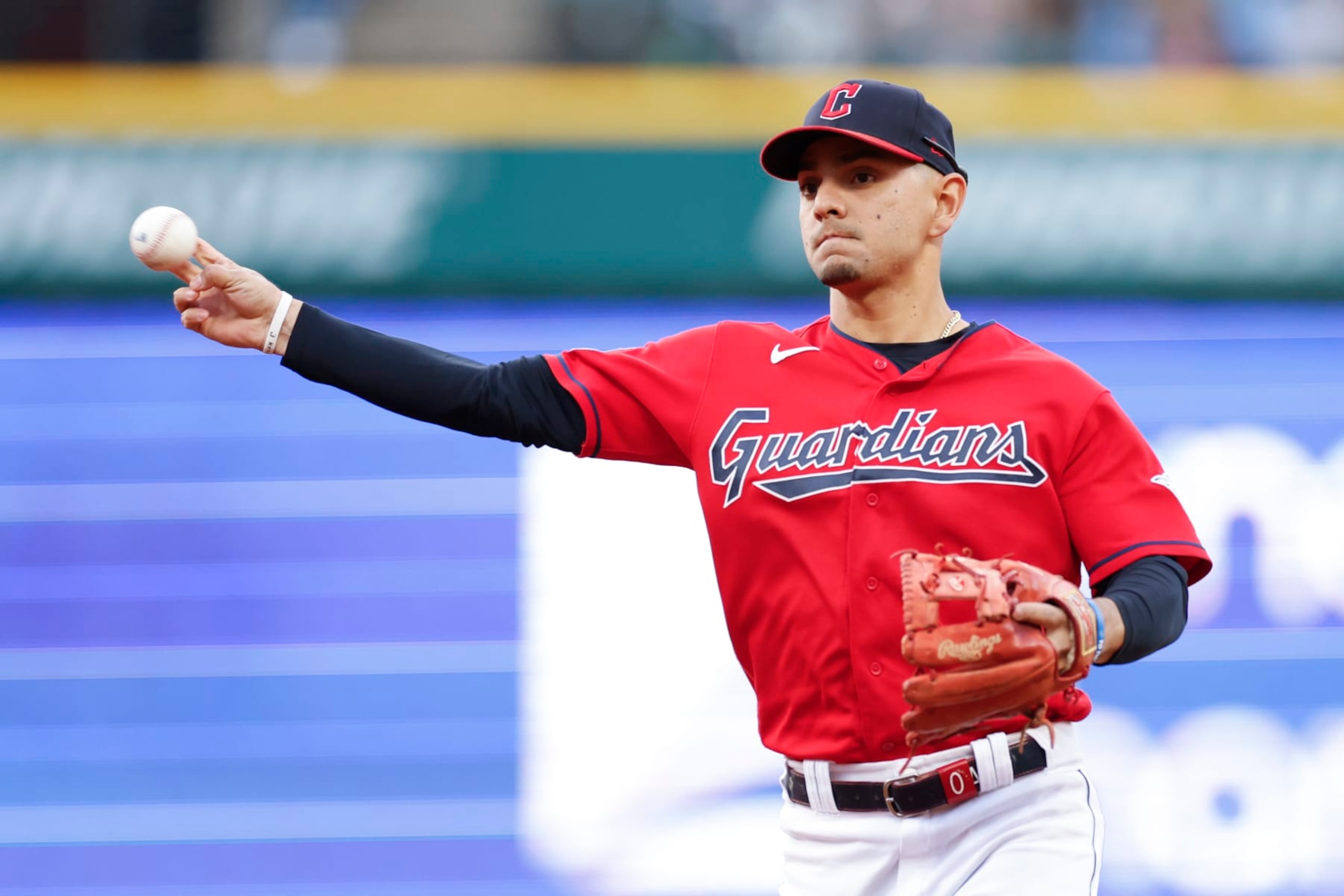
The Finalists
Mauricio Dubón, Houston Astros: 79 G, 5 DRS, -0.3 UZR, -1 OAA
Andrés Giménez, Cleveland Guardians: 150 G, 23 DRS, 6.8 UZR, 18 OAA
Marcus Semien, Texas Rangers: 162 G, 16 DRS, 5.8 UZR, 16 OAA
It'll be a surprise if Dubón, who's also a finalist for the utility Gold Glove, wins here. Second base was mainly Jose Altuve's job in Houston, and Giménez and Semien were simply too good.
They ranked first and second among second basemen in chances and committed the exact same number of errors (6). Both showed plenty of range, so much so that you'd swear both are former shortstops.
If Semien has any advantage over Giménez, it's that he's as good as they come at turning the double play. And he had many chances to do so, as only the Astros turned more twin killings than the Rangers among American League clubs.
Giménez is the AL's reigning Gold Glove winner at second base, however, and there's no making the case that his reputation is overstated. He led not just second basemen, but all infielders in Defensive Runs Saved while also leading his AL peers in Outs Above Average.
Winner: Andrés Giménez, Cleveland Guardians
National League Second Baseman
6 of 20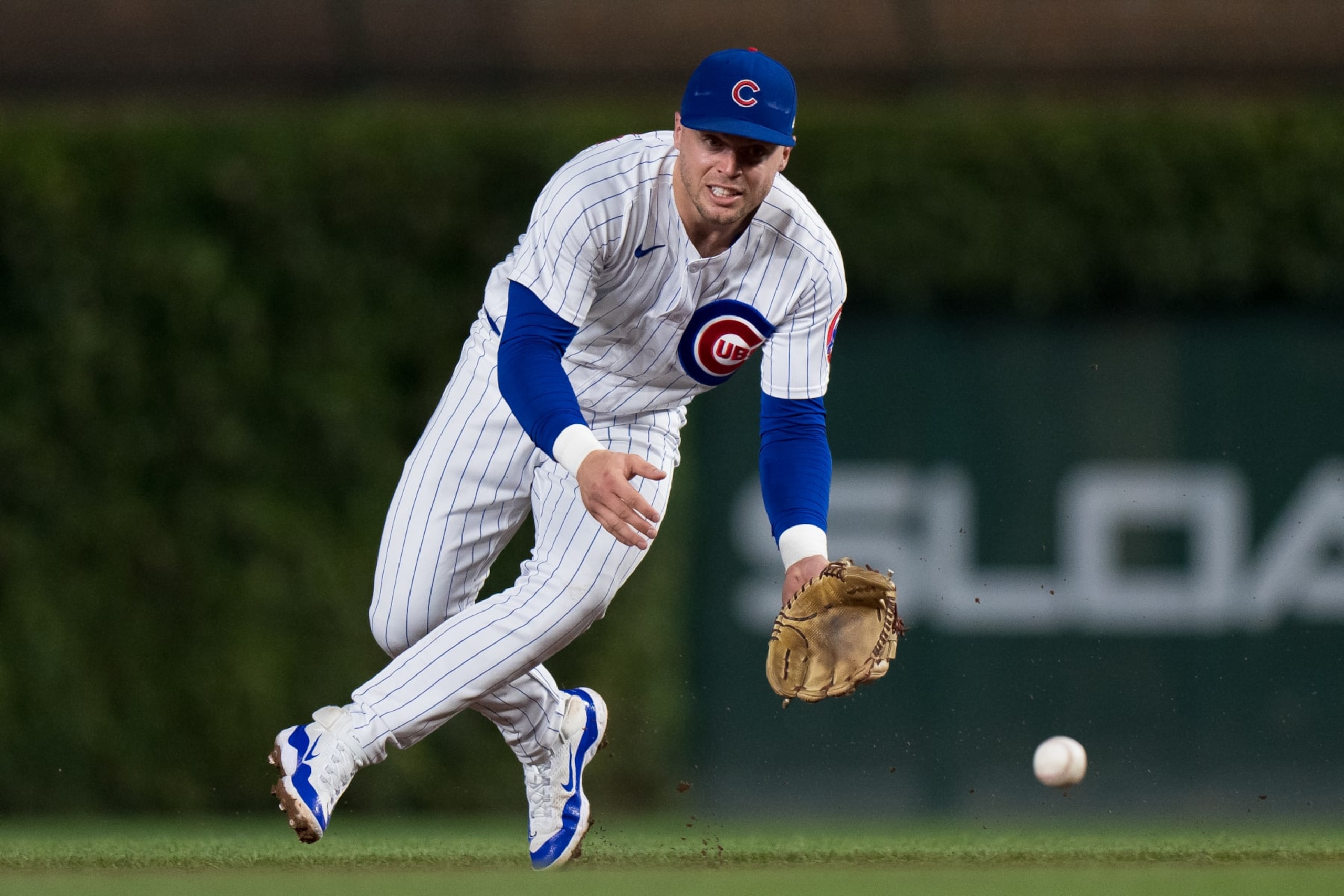
The Finalists
Nico Hoerner, Chicago Cubs: 135 G, 12 DRS, 1.0 UZR, 14 OAA
Ha-Seong Kim, San Diego Padres: 106 G, 10 DRS, 2.6 UZR, 7 OAA
Bryson Stott, Philadelphia Phillies: 149 G, 6 DRS, 4.9 UZR, 17 OAA
First, a lament for San Francisco Giants second baseman Thairo Estrada. His 20 Outs Above Average led everyone at the position, yet he's not even a finalist.
Otherwise, this is another situation marked by a playing time disparity. Kim was undeniably good at the Keystone, but he played only 856.2 innings there compared to 1,167 for Hoerner and 1,294.1 for Stott.
Those two handled about the same number of chances, with Stott at 602 and Hoerner at 596. Yet Stott made two fewer errors even though he had more range according to Outs Above Average.
Baseball Info Solutions is less sure of that, and even Stott's OAA rating wasn't informed by his lateral range so much as his range coming in on balls. Useful stuff, granted, but the hunch here is that Hoerner's range to his left and right had more sway with voters.
Winner: Nico Hoerner, Chicago Cubs
American League Third Baseman
7 of 20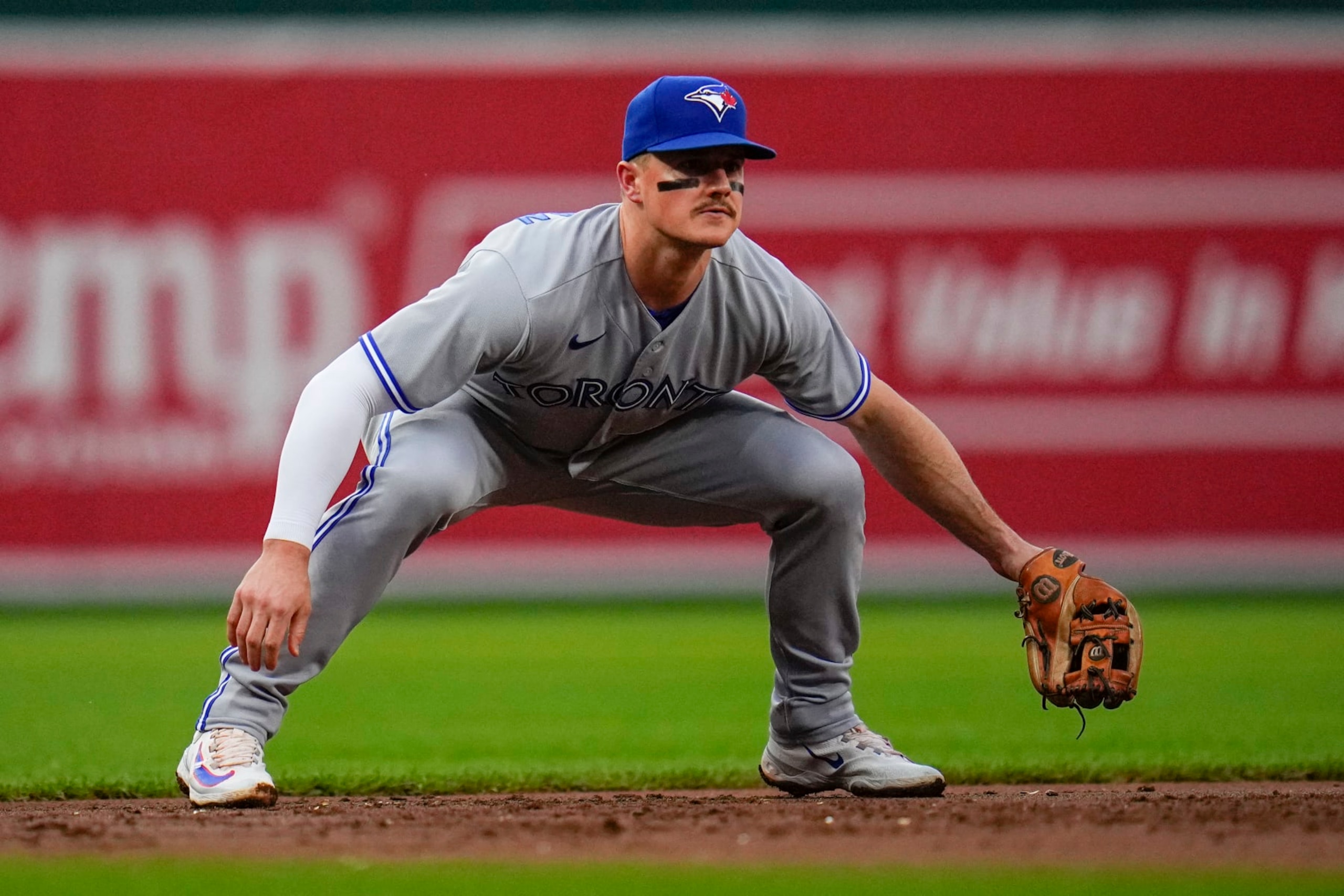
The Finalists
Alex Bregman, Houston Astros: 160 G, 5 DRS, 1.4 UZR, 2 OAA
Matt Chapman, Toronto Blue Jays: 137 G, 12 DRS, 4.5 UZR, 5 OAA
José Ramírez, Cleveland Guardians: 125 G, 1 DRS, 2.4 UZR, 6 OAA
It's a credit to Bregman that he was MLB's foremost iron man at the hot corner, where he led all third basemen with 1,417.1 innings and 405 chances.
Bregman also finished No. 3 among third basemen with 15 errors, with Ramírez making 14 of his own even though he played 312.1 fewer innings in the field. Yet both got to more balls than the average third basemen, with Bregman specializing at coming in and Ramírez in plays to his left.
Chapman, meanwhile, hasn't been lighting up the metrics like he did before hip surgery in 2020. Yet it did nothing to affect his arm, which Baseball Info Solutions still sees as the best of any AL third basemen.
The simple fact is that anything Chapman gets to is likely to be an out. His metrics get that point across, but dare we say there's no shame in pointing out that Chapman (.968) also bested Bregman (.963) and Ramírez (.956) in plain ol' fielding percentage?
Winner: Matt Chapman, Toronto Blue Jays
National League Third Baseman
8 of 20
The Finalists
Ke'Bryan Hayes, Pittsburgh Pirates: 122 G, 21 DRS, 3.0 UZR, 17 OAA
Ryan McMahon, Colorado Rockies: 130 G, 17 DRS, 7.1 UZR, 11 OAA
Austin Riley, Atlanta: 159 G, 9 DRS, -2.3 UZR, 0 OAA
The most notable thing about this list of finalists is who's not on it. This is the first time since 2012 that Nolan Arenado won't win the NL Gold Glove for third base.
Concerning the three who did make the cut, Riley is the sure-handed one of the bunch. Only Bregman handled more chances this season, yet Riley made four fewer errors than he did.
For his part, McMahon topped even Chapman in runs saved with his arm. That doesn't track with the raw data on his arm strength, but it does indeed take some arm to make as many plays coming in on the ball as he did.
Yet the real question here is why Hayes should be denied the award. It's indeed mindboggling that he committed only six errors all year even as he showed off by far the most range of any third baseman, both according to Baseball Info Solutions and Outs Above Average.
Winner: Ke'Bryan Hayes, Pittsburgh Pirates
American League Shortstop
9 of 20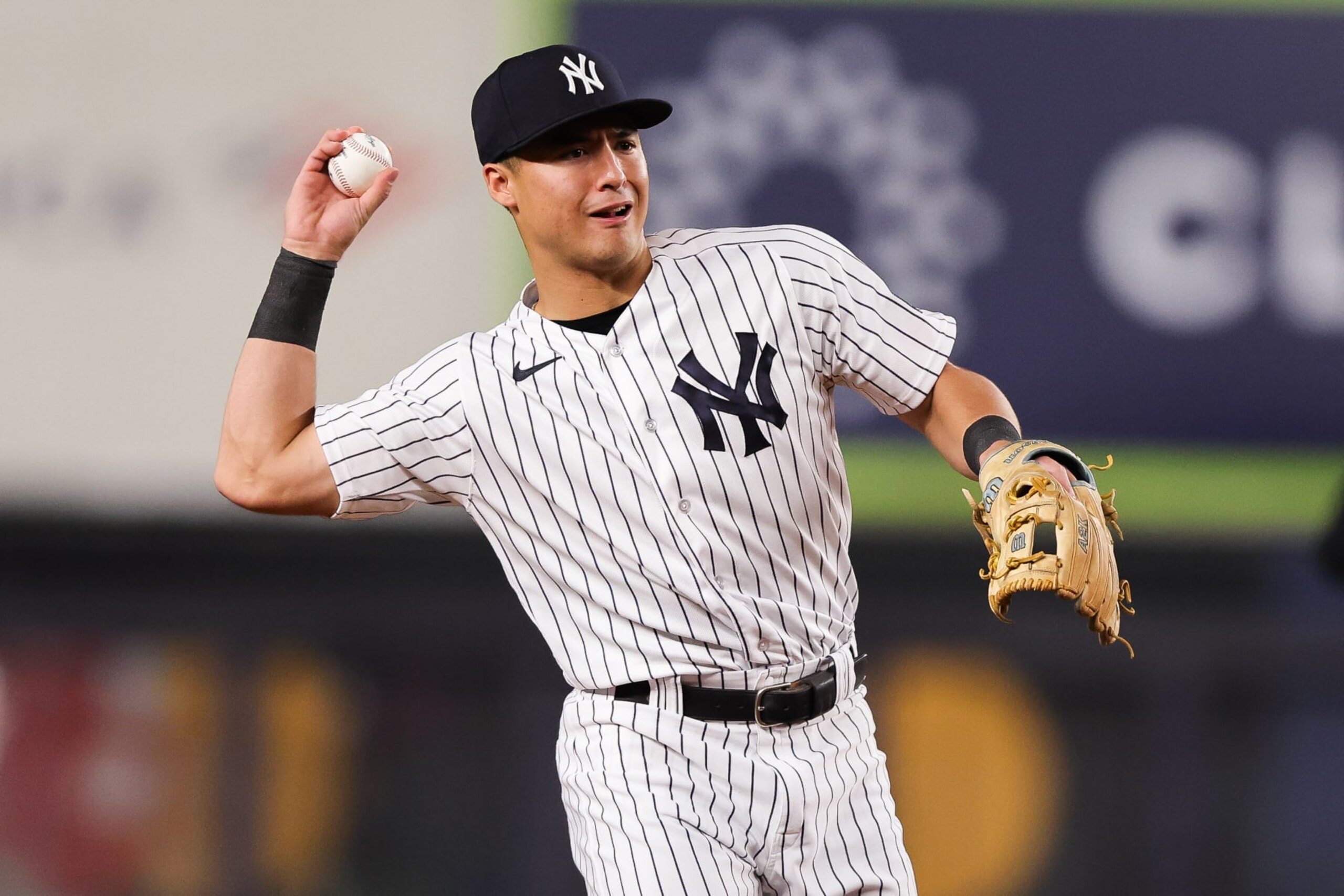
The Finalists
Carlos Correa, Minnesota Twins: 135 G, -2 DRS, -1.7 UZR, 1 OAA
Corey Seager, Texas Rangers: 112 G, 5 DRS, 4.8 UZR, 0 OAA
Anthony Volpe, New York Yankees: 157 G, 15 DRS, 2.9 UZR, 1 OAA
The only one here who already has a Gold Glove is Correa, who won his the same year he was named the AL's Platinum Glove winner in 2021.
His defense is still solid, but neither traditional nor modern metrics leave much doubt that Correa has lost something since then. Seager is trending in the opposite direction with his defense, but injuries resulted in him logging 951.2 innings at short this season. Correa and Volpe were at 1,144.1 and 1,346.2, respectively.
The question here is thus whether there's any reason Volpe shouldn't win his first Gold Glove, to which the only good answer is that he ranked fourth among shortstops with 17 errors.
Yet according to Baseball Info Solutions, Volpe also had the most range of any shortstop in the majors. Even if Outs Above Average isn't quite as convinced, the comparison there between Volpe and Correa and Seager is no worse than a push.
Winner: Anthony Volpe, New York Yankees
National League Shortstop
10 of 20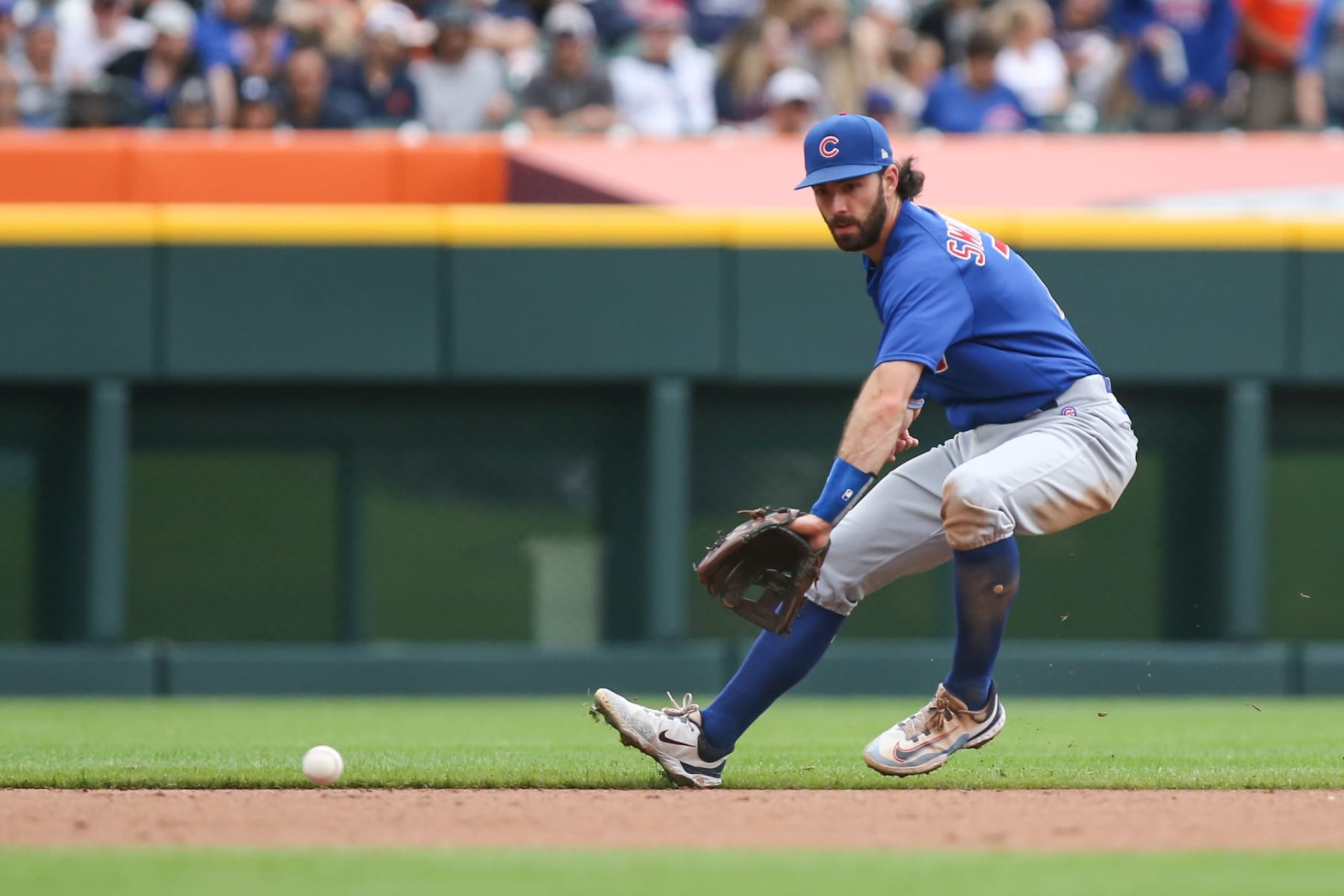
The Finalists
Francisco Lindor, New York Mets: 158 G, 7 DRS, 9.1 UZR, 6 OAA
Dansby Swanson, Chicago Cubs: 147 G, 18 DRS, 5.9 UZR, 20 OAA
Ezequiel Tovar, Colorado Rockies: 153 G, 13 DRS, 2.4 UZR, 16 OAA
When a call is this tough, the only thing to say is "oof." And this time with feeling: "OOF."
Lindor's 1,365.1 innings this season led all shortstops, but Tovar wasn't far behind at 1,327 and he made only seven errors to Lindor's 11. That was even though Tovar had more range, at least according to Outs Above Average.
Since Baseball Info Solutions has the exact same rating for these three guys' range, that's the best barometer we have. And as much as OAA likes Tovar, it clearly prefers Swanson.
Swanson indeed rated so well by Outs Above Average that he led all fielders in it this year, regardless of position. That tracks with how he was second to only Jonathan Schoop in 2022, so his 2023 season basically only made his defensive reputation harder to deny.
Winner: Dansby Swanson, Chicago Cubs
American League Left Fielder
11 of 20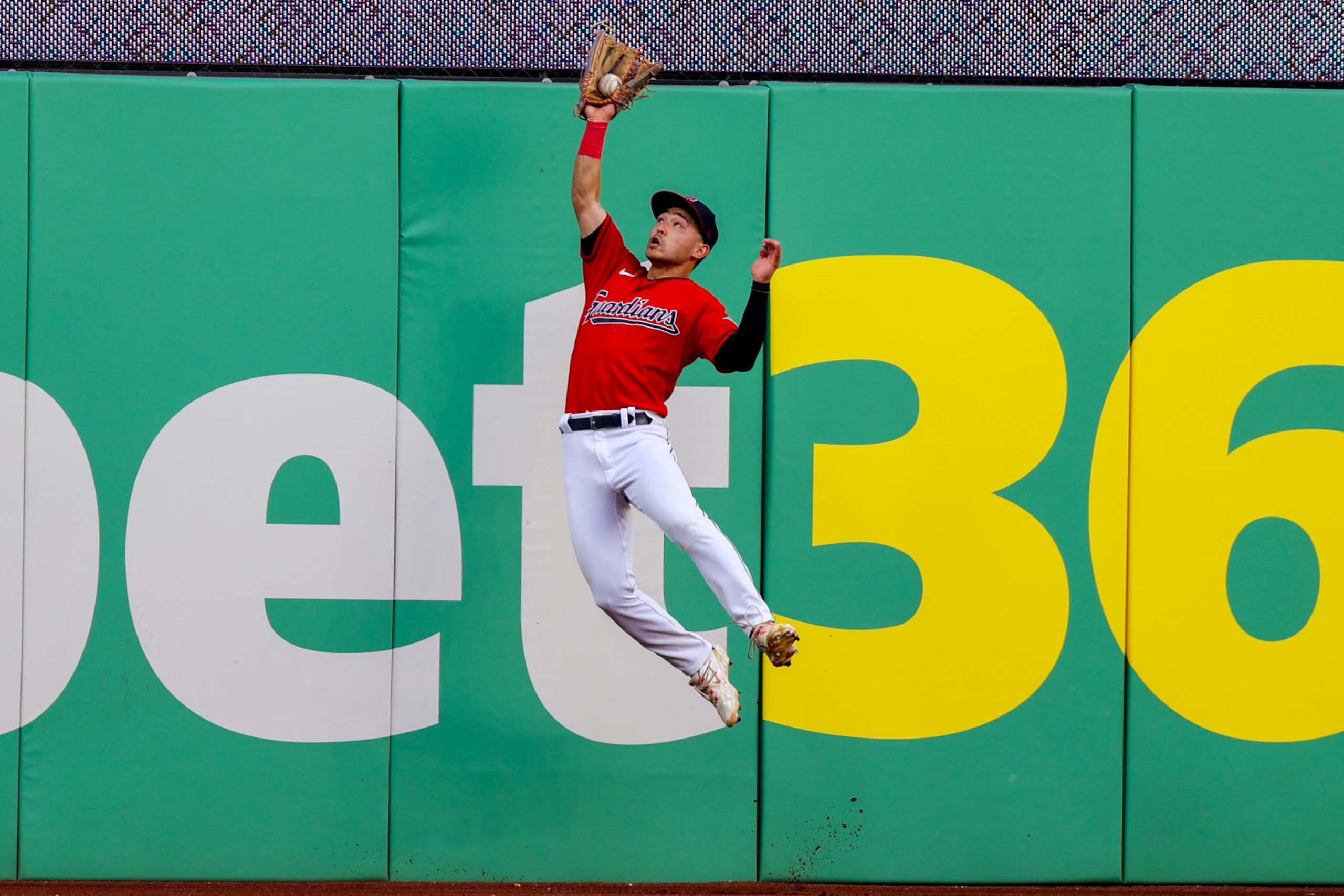
The Finalists
Austin Hays, Baltimore Orioles: 137 G, 6 DRS, 6.6 UZR, 1 OAA
Steven Kwan, Cleveland Guardians: 153 G, 16 DRS, 4.9 UZR, 9 OAA
Daulton Varsho, Toronto Blue Jays: 117 G, 11 DRS, 2.4 UZR, 1 OAA
Alas, Varsho might be too good of an outfielder. The Blue Jays often also played him in center field, where he had another 18 Defensive Runs Saved.
The disadvantage this creates relative to Hays and Kwan is that Varsho's work in left field was limited to 817.2 innings, compared to 1,123 for Hayes and 1,352 for Kwan.
A point in Hays' favor is that he has a huge left field to cover, but it's not as if Kwan is in charge of somebody's front yard at Progressive Field and Defensive Runs Saved and Outs Above Average capture how good he is out there.
Kwan had especially good range going to his right and back on the ball, and not to be overlooked is that he led AL left fielders with 10 assists. If he doesn't make it two Gold Gloves in two years, questions will need to be asked.
Winner: Steven Kwan, Cleveland Guardians
National League Left Fielder
12 of 20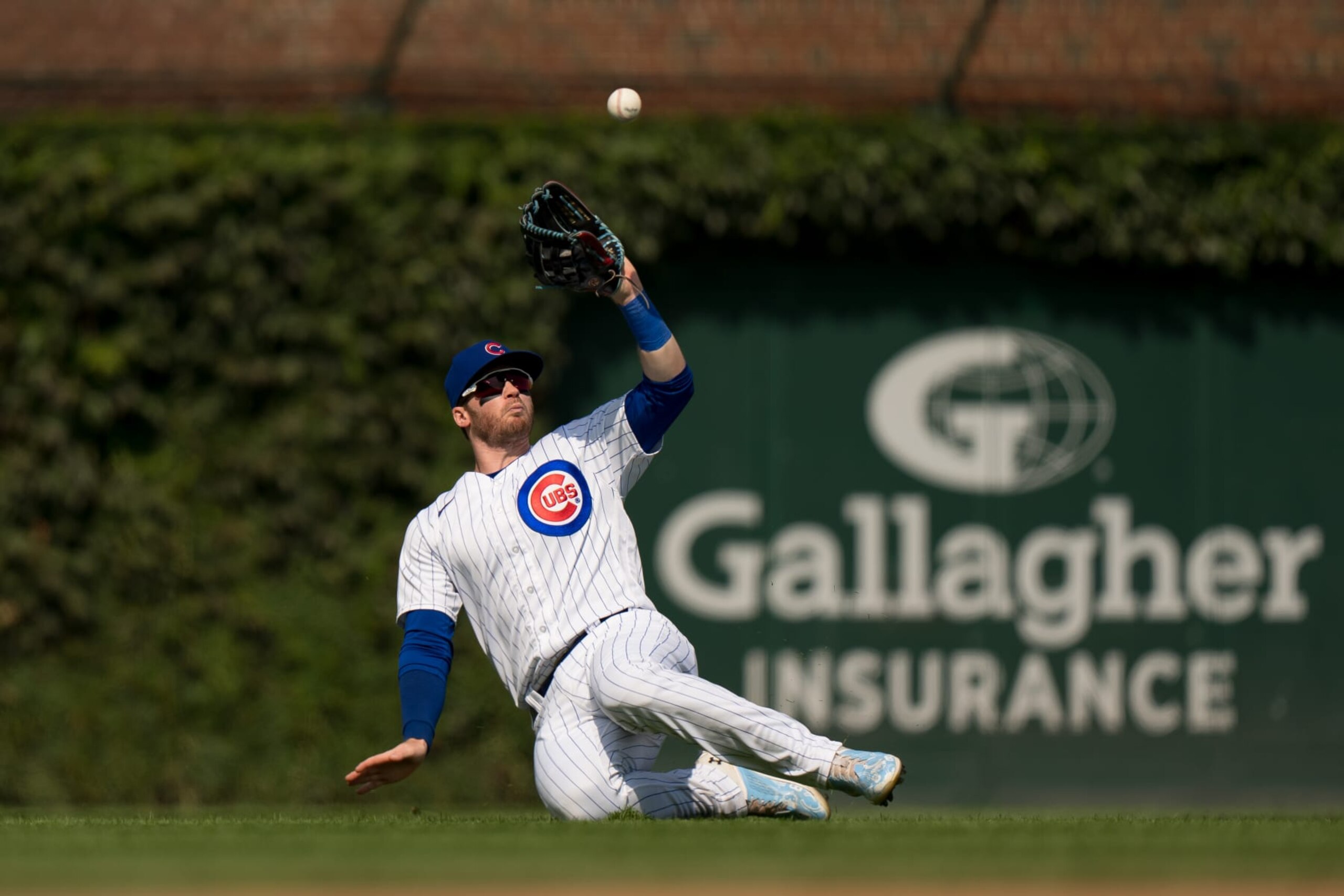
The Finalists
Ian Happ, Chicago Cubs: 154 G, 2 DRS, 10.7 UZR, -7 OAA
David Peralta, Los Angeles Dodgers: 118 G, 7 DRS, 7.6 UZR, -3 OAA
Eddie Rosario, Atlanta: 130 G, 3 DRS, -3.0 UZR, 3 OAA
This is an odd assortment of finalists, which has as much to do with a dearth of good options as anything else.
Happ is likely the de facto favorite after winning his first Gold Glove in 2022, and another wouldn't be misplaced on him despite his pitiful showing in Outs Above Average. He didn't show much range to his left, but that's where he has the excuse of mostly having played to the right of Cody Bellinger.
What Happ did do was finish second to Juan Soto among NL left fielders in innings and putouts, with an additional 12 outs coming by way of his arm. Those led all left fielders.
For their parts, neither Peralta nor Rosario logged as much time in left field. And as much as Peralta's Defensive Runs Saved and Rosario's Outs Above Average must be acknowledged, neither is compelling enough on its own to knock Happ from the spotlight.
Winner: Ian Happ, Chicago Cubs
American League Center Fielder
13 of 20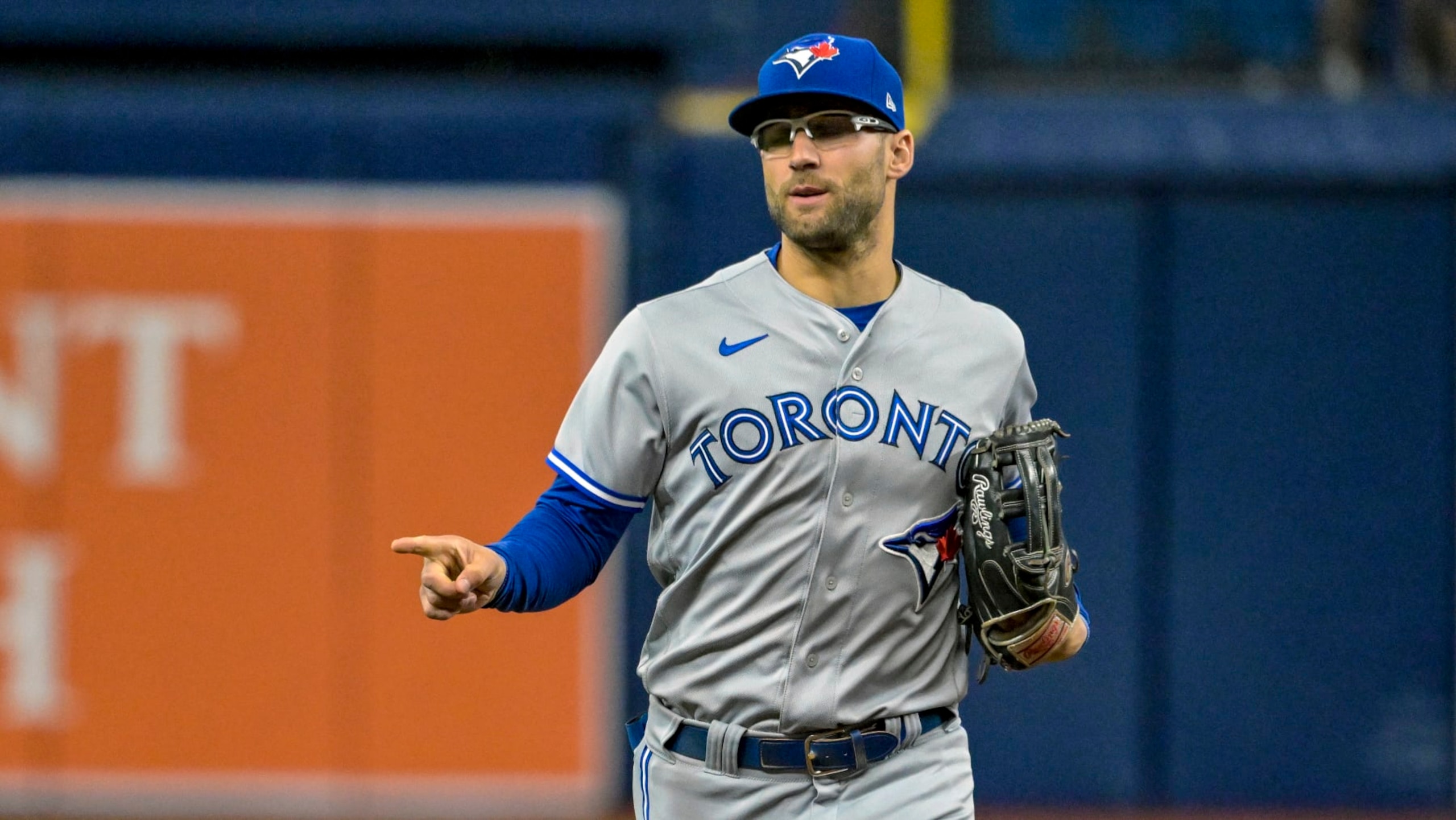
The Finalists
Kevin Kiermaier, Toronto Blue Jays: 127 G, 18 DRS, 4.6 UZR, 13 OAA
Luis Robert Jr., Chicago White Sox: 143 G, 6 DRS, -0.5 UZR, 13 OAA
Julio Rodríguez, Seattle Mariners: 152 G, -5 DRS, -1.4 UZR, 12 OAA
Strictly looking at Outs Above Average, this race is too close to call. Maybe they can all share it. Would that be OK?
...No? Better pick a winner, then.
Rodríguez and Robert have the edge in sheer volume after ranking first and fourth among center fielders in innings. Yet Baseball Info Solutions isn't quite as fond of their range as Outs Above Average, whereas Kiermaier could do no wrong for either.
That tracks. He's already a three-time Gold Glover, and he remained the most efficient outfielder in the league even despite his 33 years and the hip surgery he had barely more than a year ago. Perhaps it's a reach in context of his relatively light workload, but here's thinking he adds more gold to his collection.
Winner: Kevin Kiermaier, Toronto Blue Jays
National League Center Fielder
14 of 20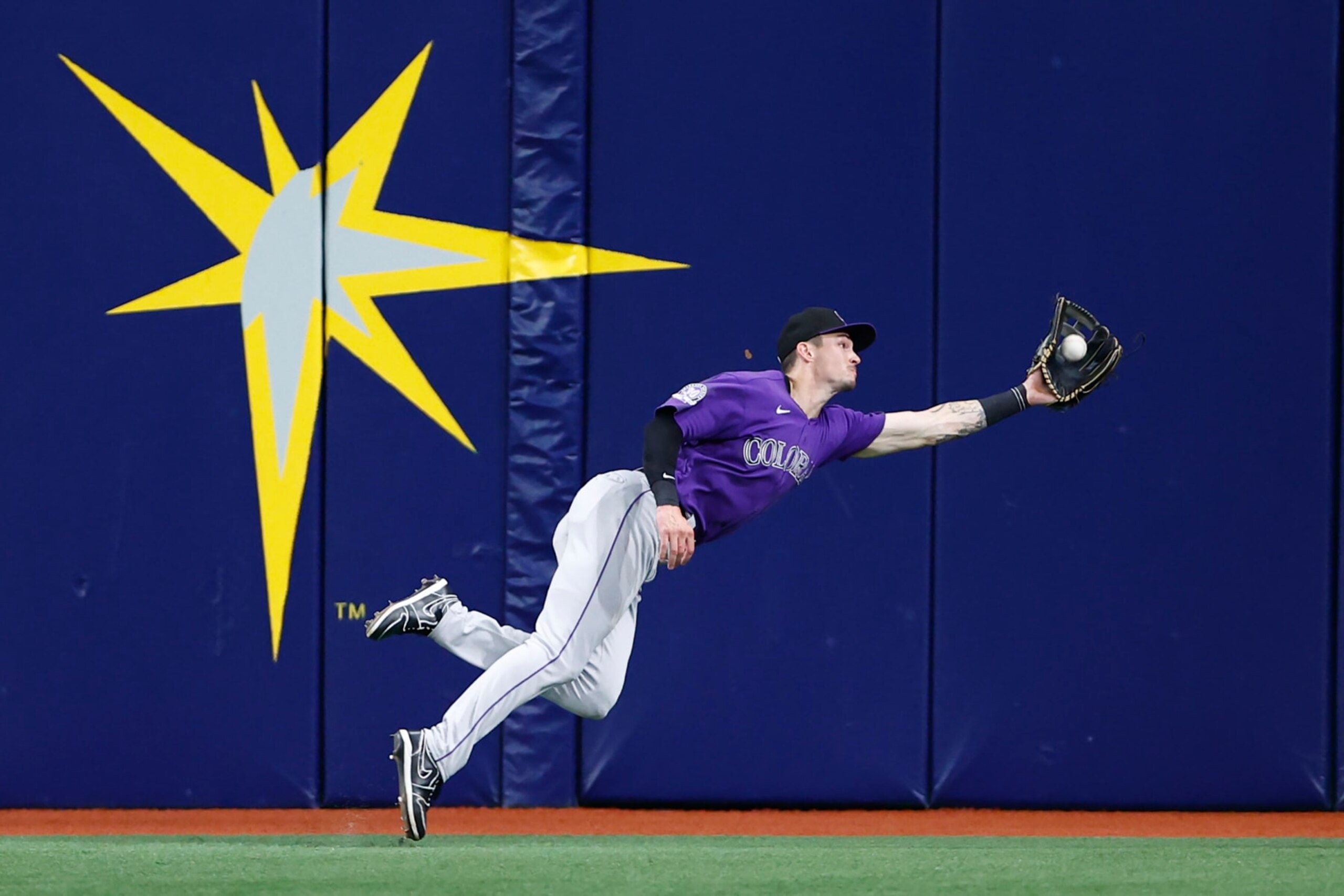
The Finalists
Brenton Doyle, Colorado Rockies: 125 G, 19 DRS, 24.5 UZR, 16 OAA
Michael Harris II, Atlanta: 138 G, 2 DRS, 5.3 UZR, 7 OAA
Alek Thomas, Arizona Diamondbacks: 117 G, 5 DRS, 3.1 UZR, 6 OAA
Thanks for playing, Harris and Thomas, but this Gold Glove might as well already have Doyle's name on it.
It's not because those two did anything wrong, mind you. They were indeed quite good, with Thomas in particular deserving a mention for being the best at going back on the ball by Outs Above Average's reckoning.
It's just that Doyle was every kind of good in center this year, notably to the extent that he led all center fielders in Defensive Runs Saved and all outfielders, period, in Outs Above Average. A lot of that was his range, which is best believed when seen:
As to his other talents, Doyle's throwing was clocked as high as 106 mph and baserunners felt the effects of that as he gunned down a position-leading 10 of them throughout the year. This is a Gold Glover if there ever was one.
Winner: Brenton Doyle, Colorado Rockies
American League Right Fielder
15 of 20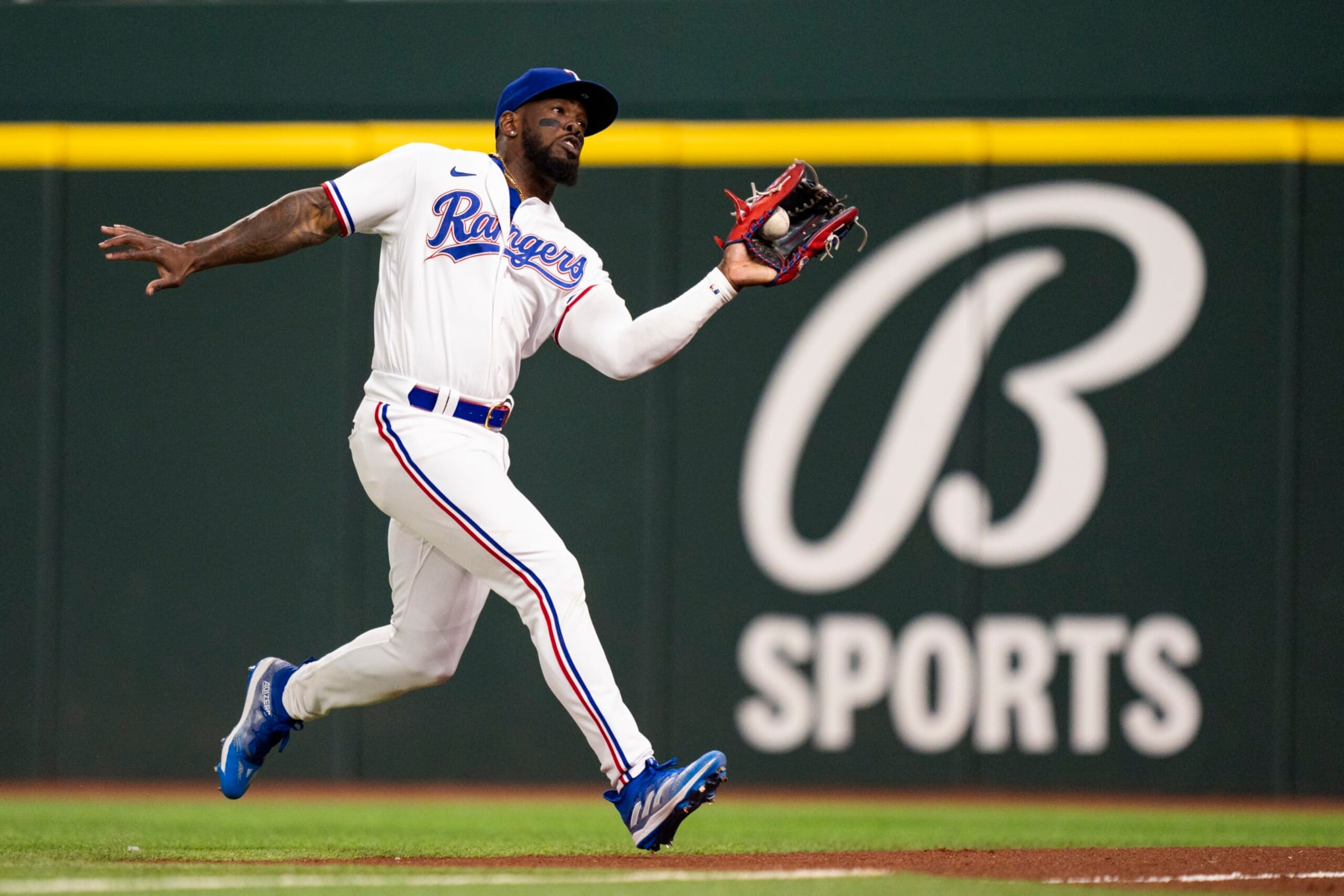
The Finalists
Adolis García, Texas Rangers: 135 G, 7 DRS, 6.4 UZR, 4 OAA
Kyle Tucker, Houston Astros: 153 G, 1 DRS, -1.1 UZR, -6 OAA
Alex Verdugo, Boston Red Sox: 140 G, 9 DRS, 10.6 UZR, 1 OAA
Tucker is the reigning winner in this department, and he isn't without the merits to warrant another Gold Glove.
Notably, Tucker led AL right fielders in innings, chances and putouts. Per Baseball Info Solutions, he also had three times as many "good" plays as any other right fielder.
That other key metrics are nonetheless cool on him can't be ignored, however, especially not while they're so warm on García and Verdugo. Both did damage aplenty with their arms, with Verdugo racking up 12 assists to García's 11.
As to which of the two was the better fly-ball catcher, it helps that Outs Above Average's endorsement of García is supported by superior readings on his route running and general efficiency. Beyond these things, 2023 just feels like his year.
Winner: Adolis García, Texas Rangers
National League Right Fielder
16 of 20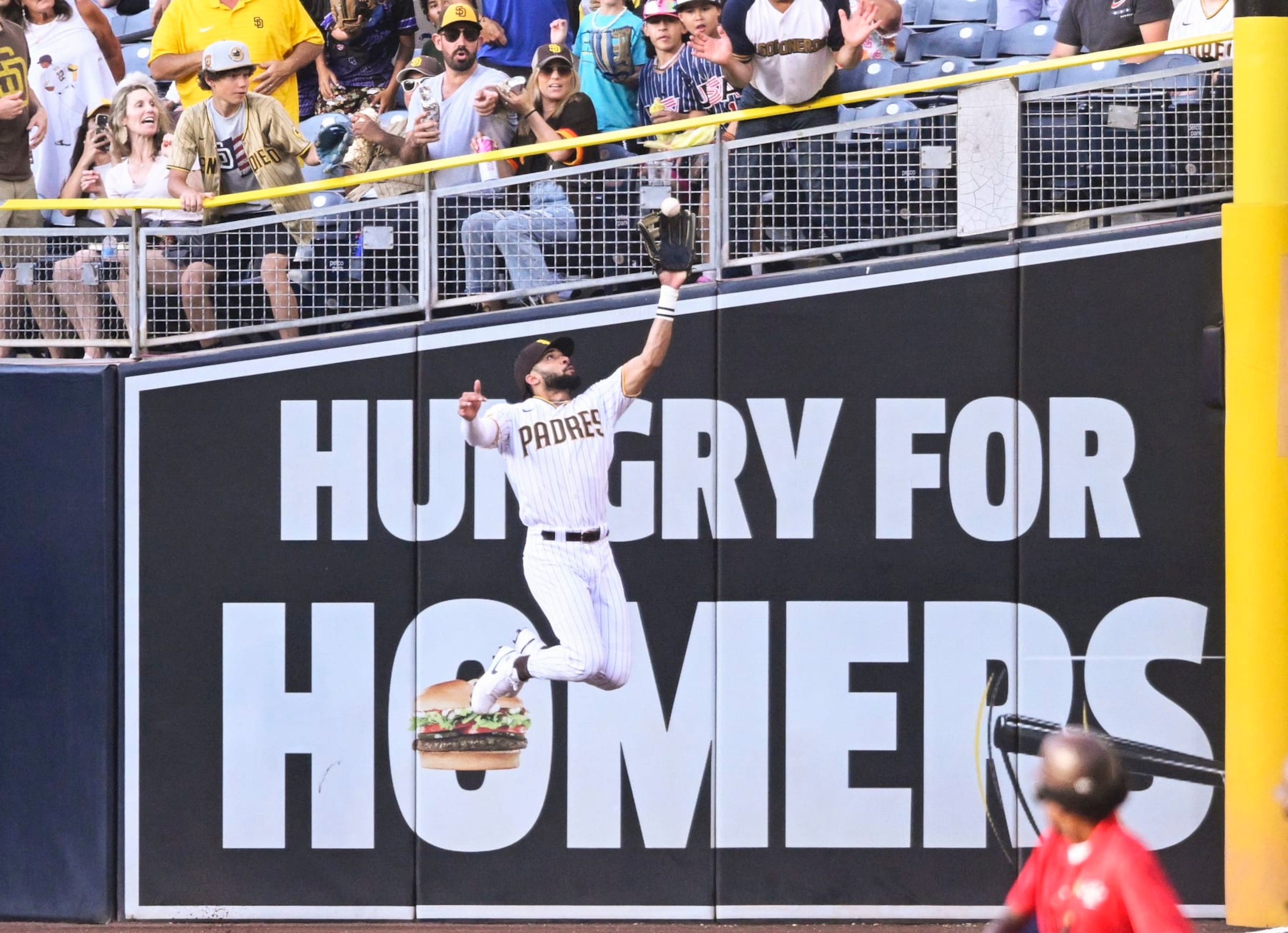
The Finalists
Mookie Betts, Los Angeles Dodgers: 107 G, 3 DRS, 3.5 UZR, -1 OAA
Fernando Tatis Jr., San Diego Padres: 137 G, 29 DRS, 13.8 UZR, 11 OAA
Lane Thomas, Washington Nationals: 151 G, 1 DRS, -6.3 UZR, -3 OAA
Betts is no stranger to Gold Gloves for right field, but the position is no longer his full-time home and he's just not the world-class defender he once was.
Thomas led all right fielders in chances, putouts and assists. His arm, at least, really was that good, as he averaged a sturdy 93.4 mph on his throws.
Tatis, though, threw even harder (96.6 mph) as he racked up 12 assists of his own. He otherwise led all right fielders in Ultimate Zone Rating and Outs Above Average and indeed all fielders of any kind in Defensive Runs Saved.
All of this tracks with the eye test, as it was clear pretty much from Day 1 that the athleticism and arm strength that sometimes served Tatis well at shortstop would serve him even better in right field. His first Gold Glove for his work there likely won't be his last.
Winner: Fernando Tatis Jr., San Diego Padres
American League Utility Player
17 of 20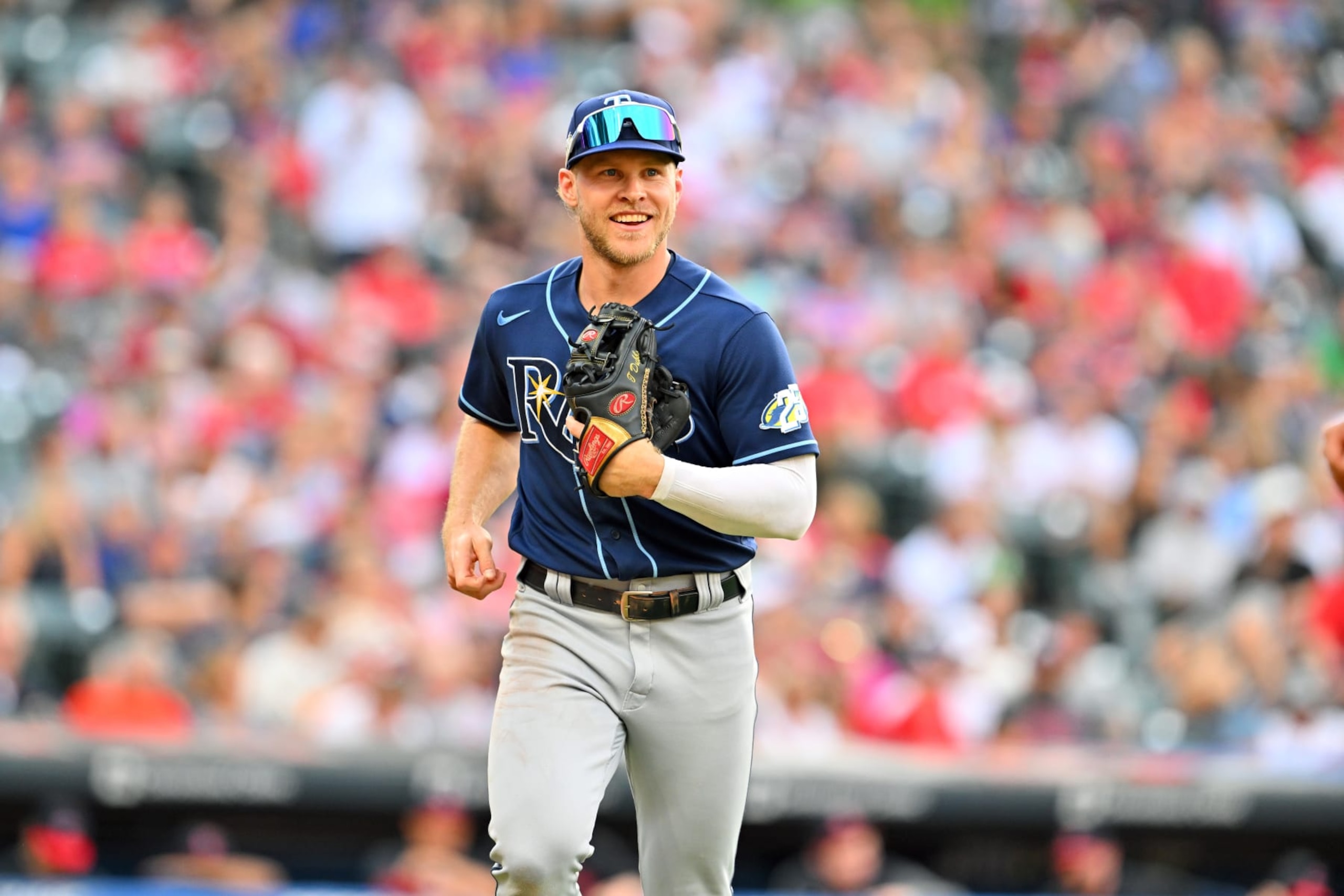
The Finalists
Mauricio Dubón, Houston Astros: 79 G @ 2B, 29 G @ CF, 5 DRS, 2.1 UZR, 3 OAA
Zach McKinstry, Detroit Tigers: 52 G @ 3B, 47 G @ 2B, 38 G @ RF, 23 G @ SS, 22 G @ LF, 1 DRS, -1.3 UZR, 3 OAA
Taylor Walls, Tampa Bay Rays: 39 G @ 3B, 37 G @ 2B, 32 G @ SS, 10 DRS, 1.3 UZR, -6 OAA
The positional splits you see here only consist of the ones where the player logged at least 20 games, while the metrics are their totals across all positions.
In any case, McKinstry was the most versatile of these three players in playing at least 20 games at five different positions. His limitation is that the work he did was more fine than exceptional.
This is where Defensive Runs Saved and Outs Above Average offer less clear pictures of Dubón and Walls, though it's a credit to Walls that DRS paints him as an above average defender at third base (6), second base (2) and shortstop (2).
There's similarity between what Walls offers this year and what DJ LeMahieu offered in 2022. Since the latter was good enough for a Gold Glove, maybe the former will be as well.
Winner: Taylor Walls, Tampa Bay Rays
National League Utility Player
18 of 20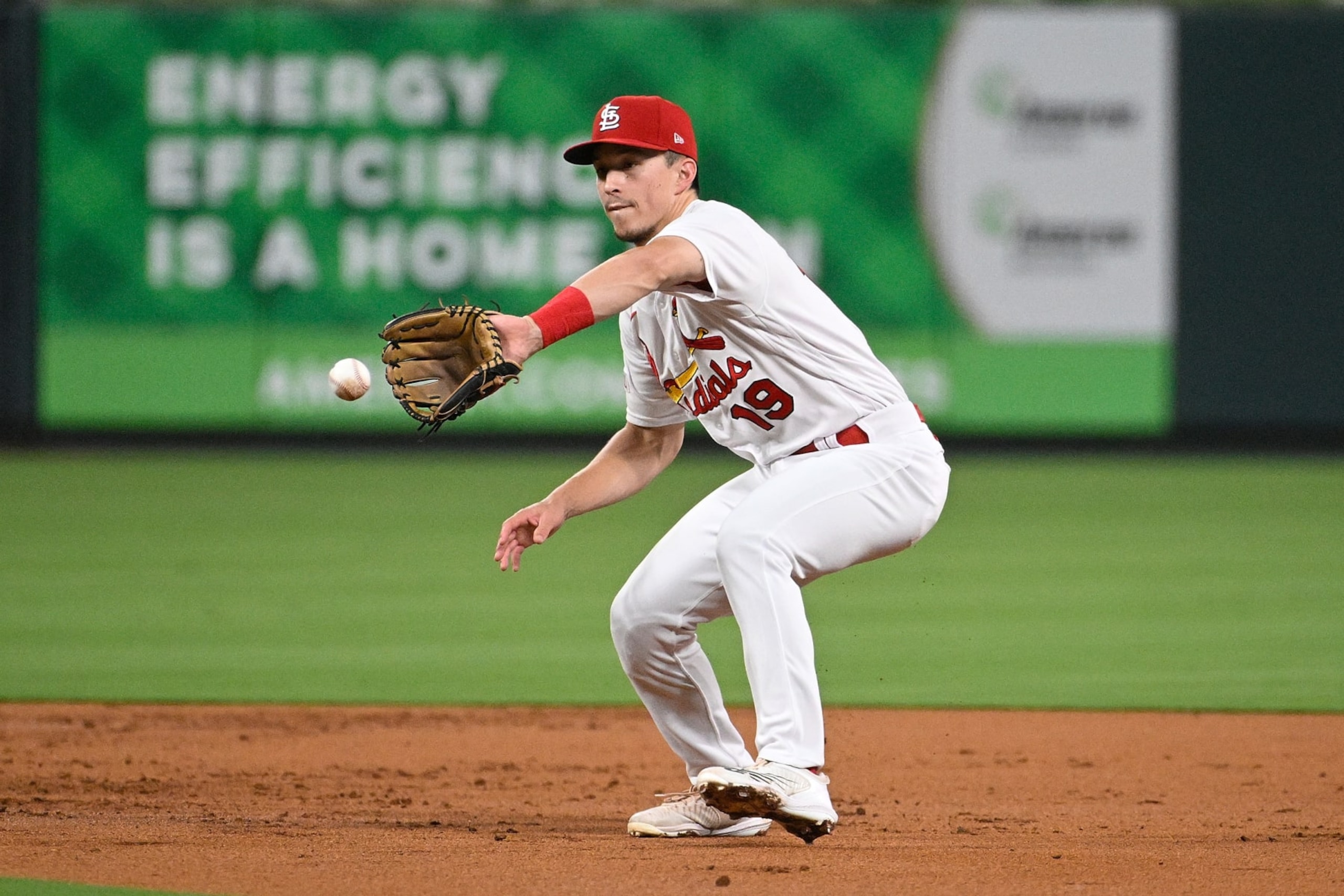
The Finalists
Mookie Betts, Los Angeles Dodgers: 107 G @ RF, 70 G @ 2B, 9 DRS, 3.9 UZR, -4 OAA
Tommy Edman, St. Louis Cardinals: 51 G @ 2B, 48 G @ SS, 42 G @ CF, 3 DRS, 0.5 UZR, 10 OAA
Ha-Seong Kim, San Diego Padres: 106 G @ 2B, 32 G @ 3B, 20 G @ SS, 16 DRS, 2.9 UZR, 9 OAA
Just as Dubón resurfaced among the American League finalists, here we again find Kim and Betts after first encountering them at second base and right field.
It's hard to go wrong with either one of them. Kim did dazzling work at three different spots on the infield, while Betts' ability to fill in at second base and shortstop was a key part of his MVP case when it was at its most compelling in August.
Yet after winning a Gold Glove at second base in 2022, leave it to Edman to show that he's also an elite shortstop and center fielder.
Edman finished with four Outs Above Average at short and another six in center field. Impressive stuff, considering that these are not only two very different positions but also the two most important ones on the field after catcher.
Winner: Tommy Edman, St. Louis Cardinals
American League Pitcher
19 of 20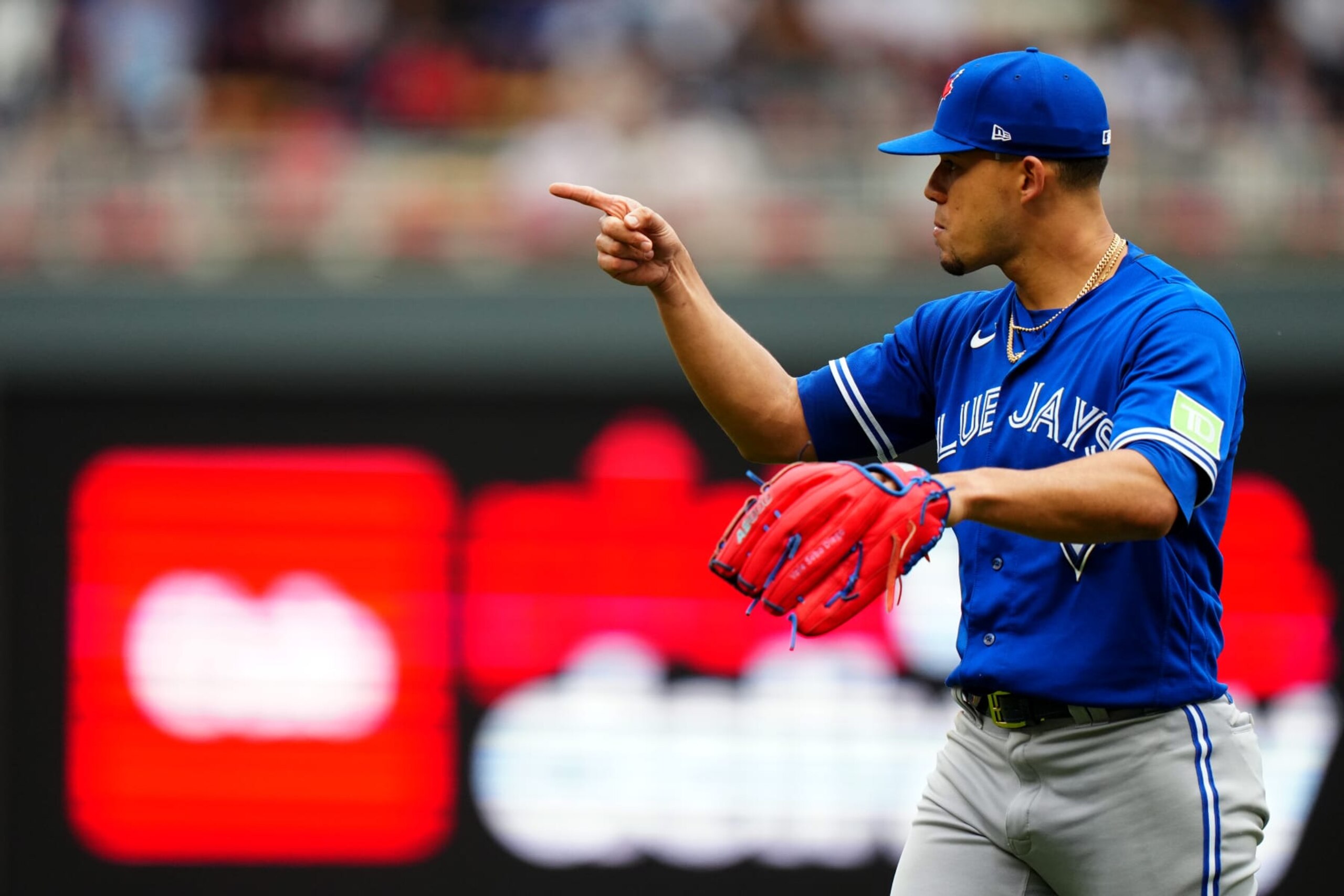
The Finalists
José Berríos, Toronto Blue Jays: 32 G, 5 DRS
Sonny Gray, Minnesota Twins: 32 G, 4 DRS
Pablo López, Minnesota Twins: 32 G, 4 DRS
Good defense isn't exactly the first thing you look for in a pitcher. Heck, the line for good enough is wherever their fielding doesn't cause problems.
To this end, kudos are in order for López for making only one error all year and to Gray for making zero. They thus had fewer put together than Berríos, who committed two boots.
But this is a case where a player was more erratic in part because he got to more balls. Baseball Info Solutions rated Berríos as one of the rangiest pitchers of 2023, for which his primary reward was 26 assists. That led all AL pitchers.
Between that and the two runners he picked off, the two-time All-Star would seem to have a strong enough case for his first Gold Glove.
Winner: José Berríos, Toronto Blue Jays
National League Pitcher
20 of 20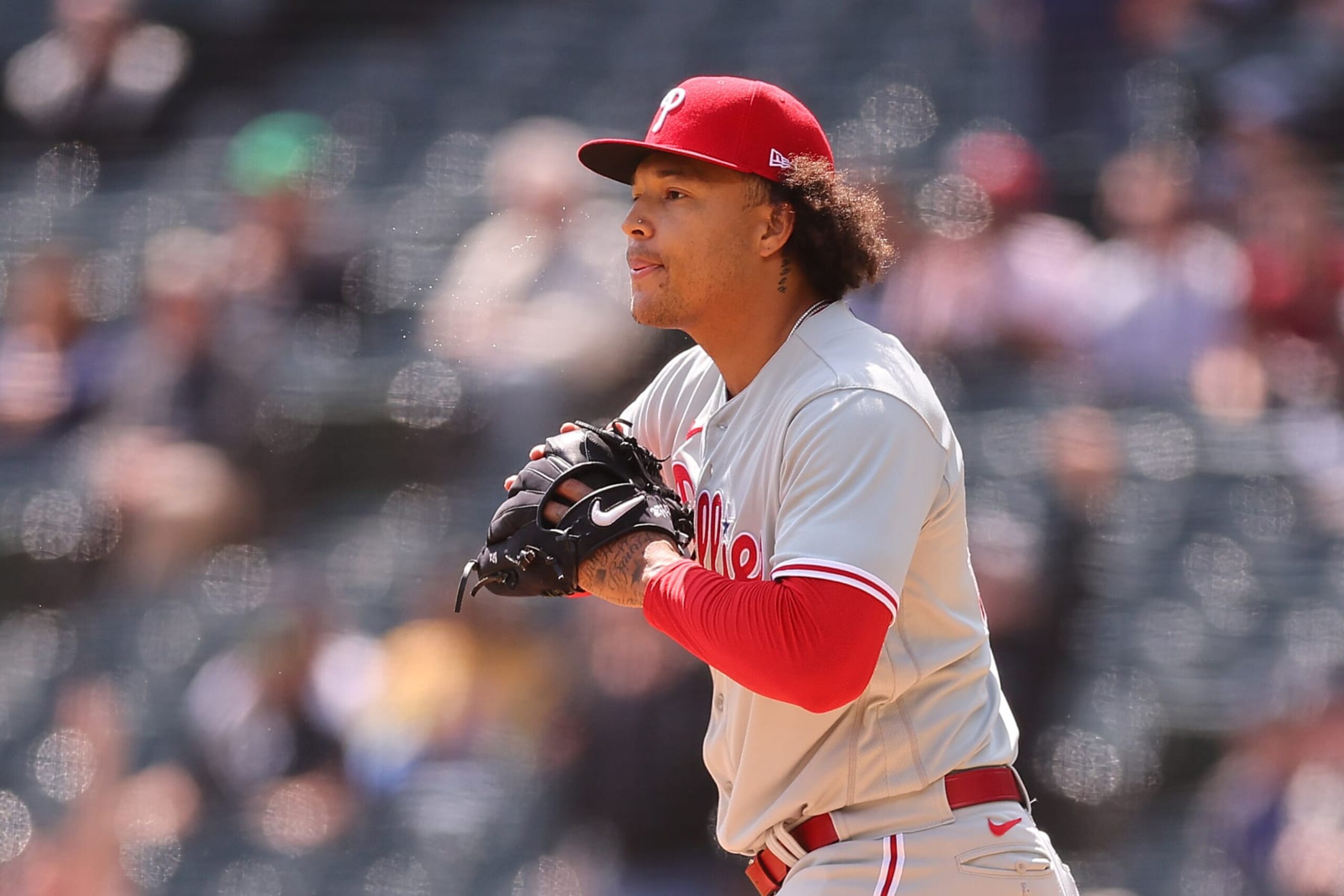
The Finalists
Jesús Luzardo, Miami Marlins: 32 G, 7 DRS
Taijuan Walker, Philadelphia Phillies: 31 G, 5 DRS
Zack Wheeler, Philadelphia Phillies: 32 G, 4 DRS
The number that really stands out here is Luzardo's seven Defensive Runs Saved, which is high for a pitcher but also reflective of the range he showed in 2023.
According to Baseball Info Solutions, Luzardo saved five runs with his range even as no other pitcher topped three. He also picked off four runners, thus leading to a general impression that he was an out machine.
The catch is that Luzardo also committed three errors, compared to zero for Walker and just one for Wheeler. This is even though the two of them had more total chances in the field, with 33 for Walker and 32 for Wheeler compared to 31 for Luzardo.
For his part, Walker was also second to only Patrick Corbin with six pickoffs. The general impression for him is thus one of well-rounded defensive work that will hopefully earn the 2021 All-Star some gold for his trophy case.
Winner: Taijuan Walker, Philadelphia Phillies
Stats courtesy of Baseball Reference, FanGraphs and Baseball Savant.


.jpg?w=2560 "Mahomes Told Teammate to Leave Meeting")
.jpg?w=2560 "Rodgers Iced Out on Plane 💎")
.jpg?w=2560 "🚨 Week 8 AP Top 25 Poll")


.jpg?w=2560 "Lamar Being Out Shocked Ravens")
.jpg?w=2560 "Raiders Could Start Mendoza")