
NCAA to Apply Stricter Rules for 2-Time Transfers to Gain Immediate Eligibility

The NCAA announced on Wednesday that it would be enforcing stricter guidelines for second-time transfers.
Per a statement to ESPN's Andrea Adelson, the college sports' governing body said it would only be granting a waiver for immediate eligibility if "medical or safety" reasons were demonstrated by the student-athlete:
"On January 11, the Division I Council—which includes a voting representative from each Division I conference—voted unanimously to significantly tighten the criteria for undergraduate students who transfer for a second time to be granted a waiver to play immediately."
.jpg?w=2560 "AP Poll Top Five Week 9")


"As a result of the DI Council vote, multiple-time transfers who cannot demonstrate and adequately document a personal need for medical or safety reasons to depart the previous school are not eligible to compete immediately following their second undergraduate transfer. National office staff, at the direction of NCAA members, have begun applying those criteria for multiple-time transfers for the 2023-24 academic year."
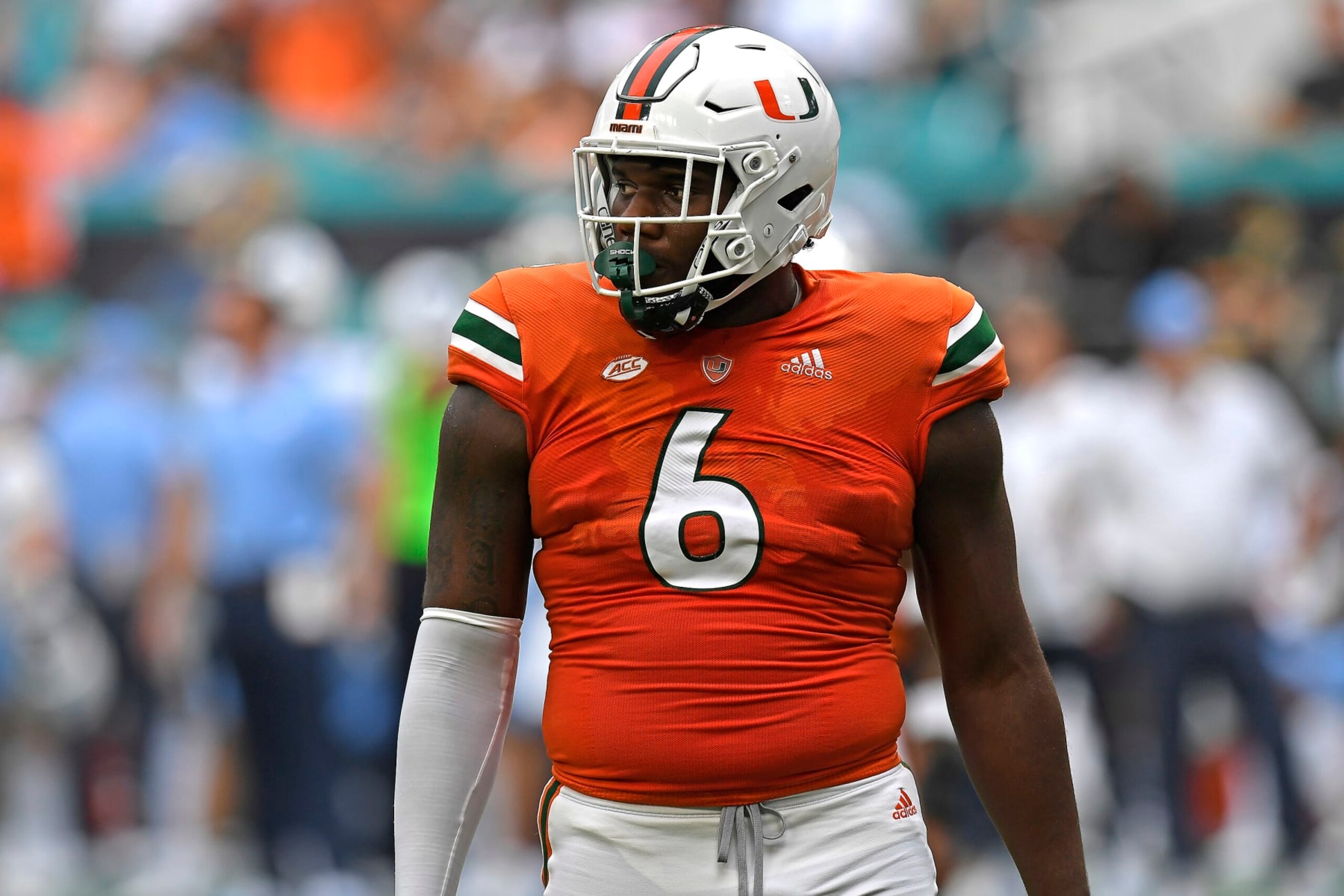
It came on the heels of Florida State defensive tackle Darrell Jackson Jr. and North Carolina receiver Devontez Walker having their eligibility waivers denied. Both players said they transferred to be closer to family members dealing with medical conditions.
As Walker noted, such waiver requests were being granted previously.
"When I made the decision to transfer from Kent State back to my home area at UNC, I did so thinking I would be able to play this year," he said. "The way the rules were set up at the time, we knew we'd have to file a waiver as a two-time transfer, and in previous years, those waivers were being granted."
North Carolina has appealed on Walker's behalf, while Governor Roy Cooper wrote to NCAA president Charlie Baker in an effort to reverse the decision. Kent State also filed a waiver requesting Walker's immediate eligibility, which before the rule change would have virtually guaranteed he could have played this season.
In Florida, Senator Marco Rubio sent a letter to Baker on behalf of Jackson, noting that the "NCAA's decision to deny Darrell's waiver request sends a wrong message to our young adults when confronted with family health."
"I came home for my mom," Jackson told reporters on Tuesday. "She thinks it's her fault, but it's not. I'm going to continue to be there for my mom and see how things play out."
.jpg?w=2560 "Colts Texans Football")
.jpg?w=2560)

.jpg?w=2560 "Rodgers Iced Out on Plane 💎")
.jpg?w=2560 "Raiders Could Start Mendoza")
.jpg?w=2560 "Mahomes Told Teammate to Leave Meeting")


.jpg?w=2560 "Lamar Being Out Shocked Ravens")
.jpg?w=2560 "Packers Safety Slams Refs 🤬")