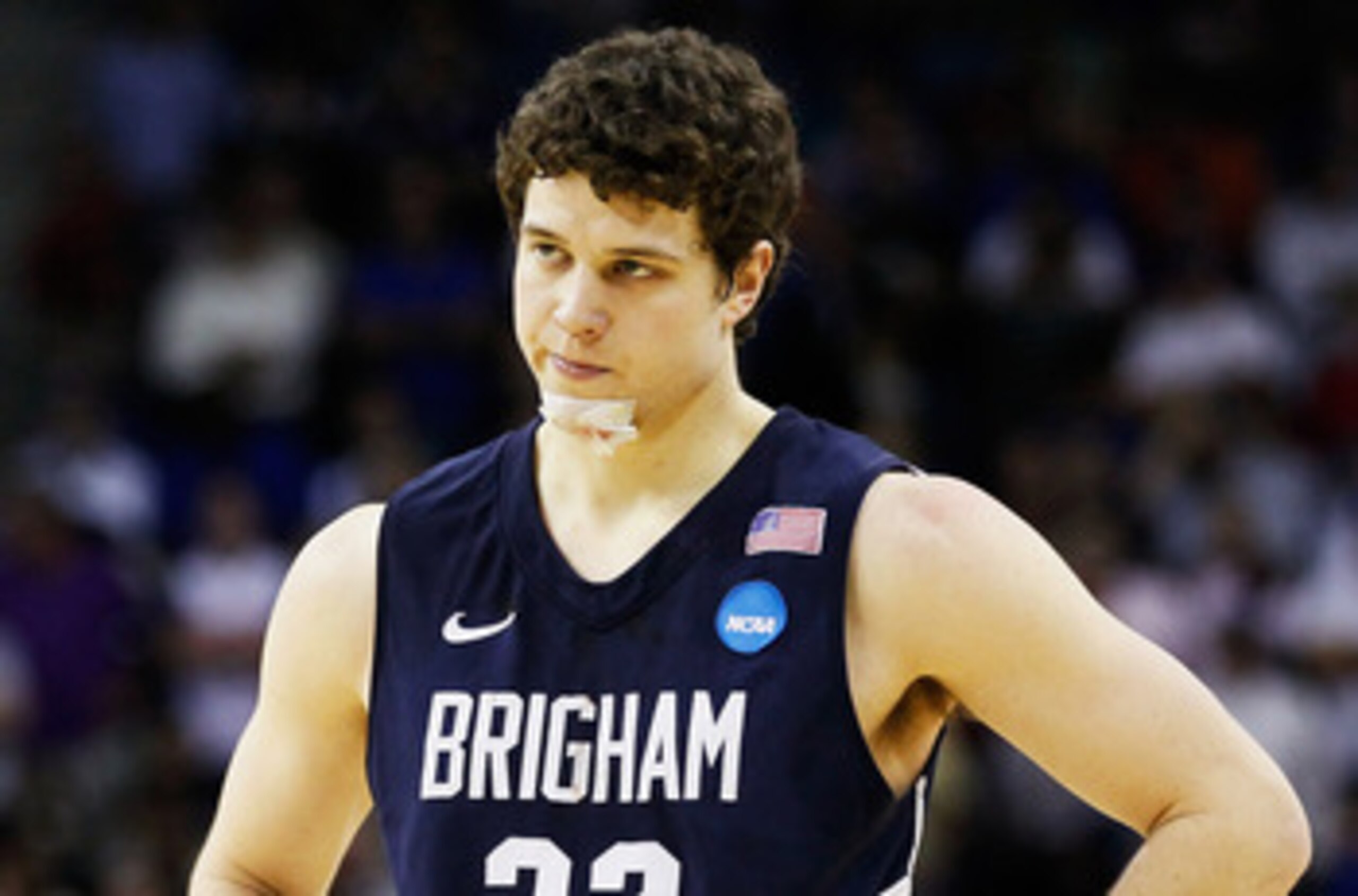

NBA Draft 2011: 7 Reasons Teams Would Be Wise To Pass Up on Jimmer Fredette
Jimmer Fredette has the honor of being one of the most explosive players in NCAA basketball history. Sure, he electrified the nation with his pure shooting ability and getting a bunch of face time on television but now? Welcome to the NBA.
Can the Mountain West’s all-time leading scorer translate his success in the NBA? Sure, but it won't be easy.
Here are seven reasons why teams should not waste their draft picks on Fredette.
Size
1 of 7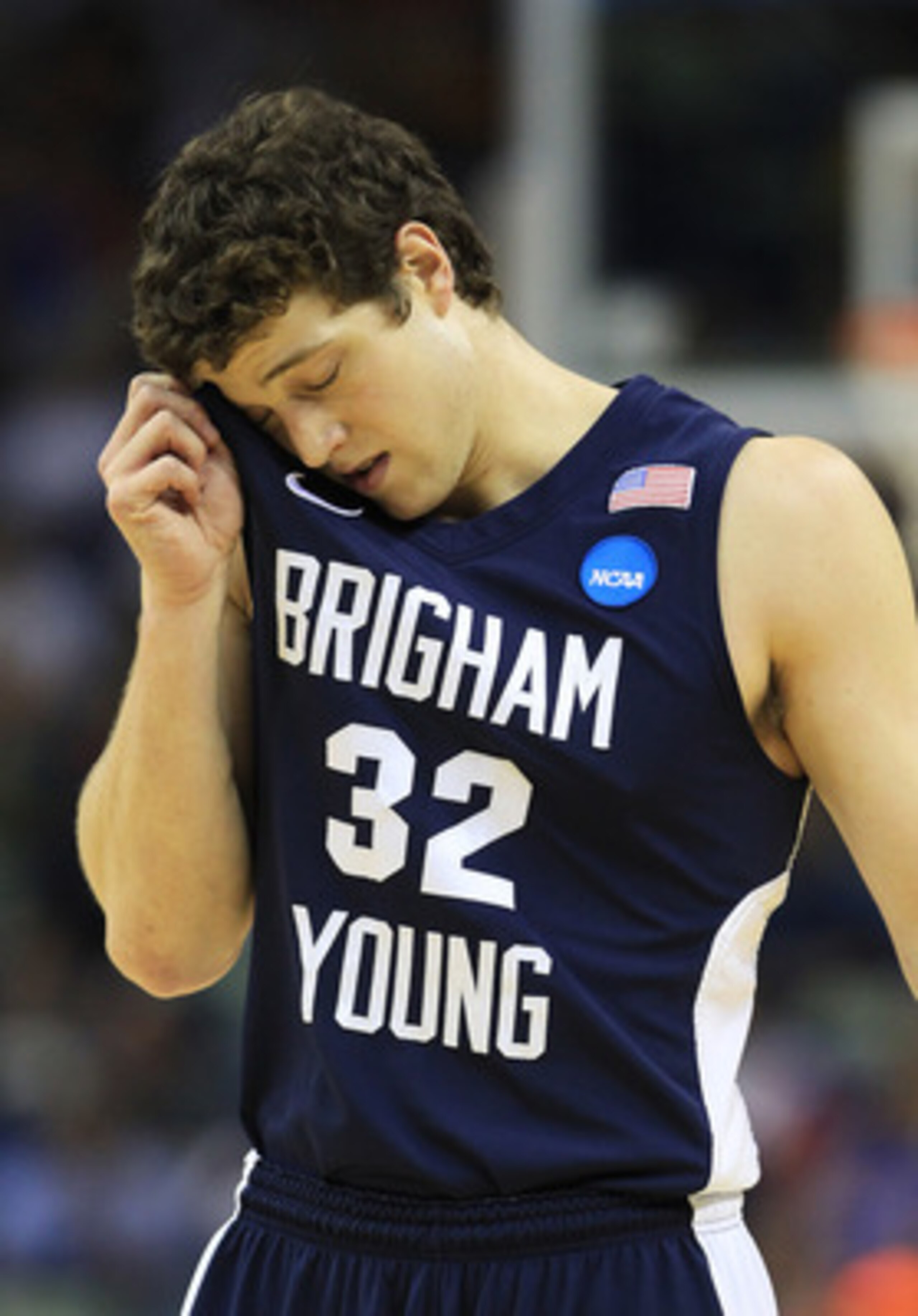
Coming in at only 6’2", 196 pounds, Fredette is not the ideal guard for his size. He has a similar frame to Stephen Curry, but Curry is still undersized himself.
His size issue will have an effect on his inside presence when slashing the lane in the NBA.
One must understand that college is a semi-professional environment. There is always room for growth at only 22 years old.
Larry Bird said this to USA Today concerning Jimmer’s potential growth:
""If you go back and look at NBA history, there have always been mid-major guys who have made it," the Indiana State grad said Wednesday. "… There are a lot of guys that grow three or four inches and they become really good players, late-bloomer types, and they can play here."
"
Slow Feet
2 of 7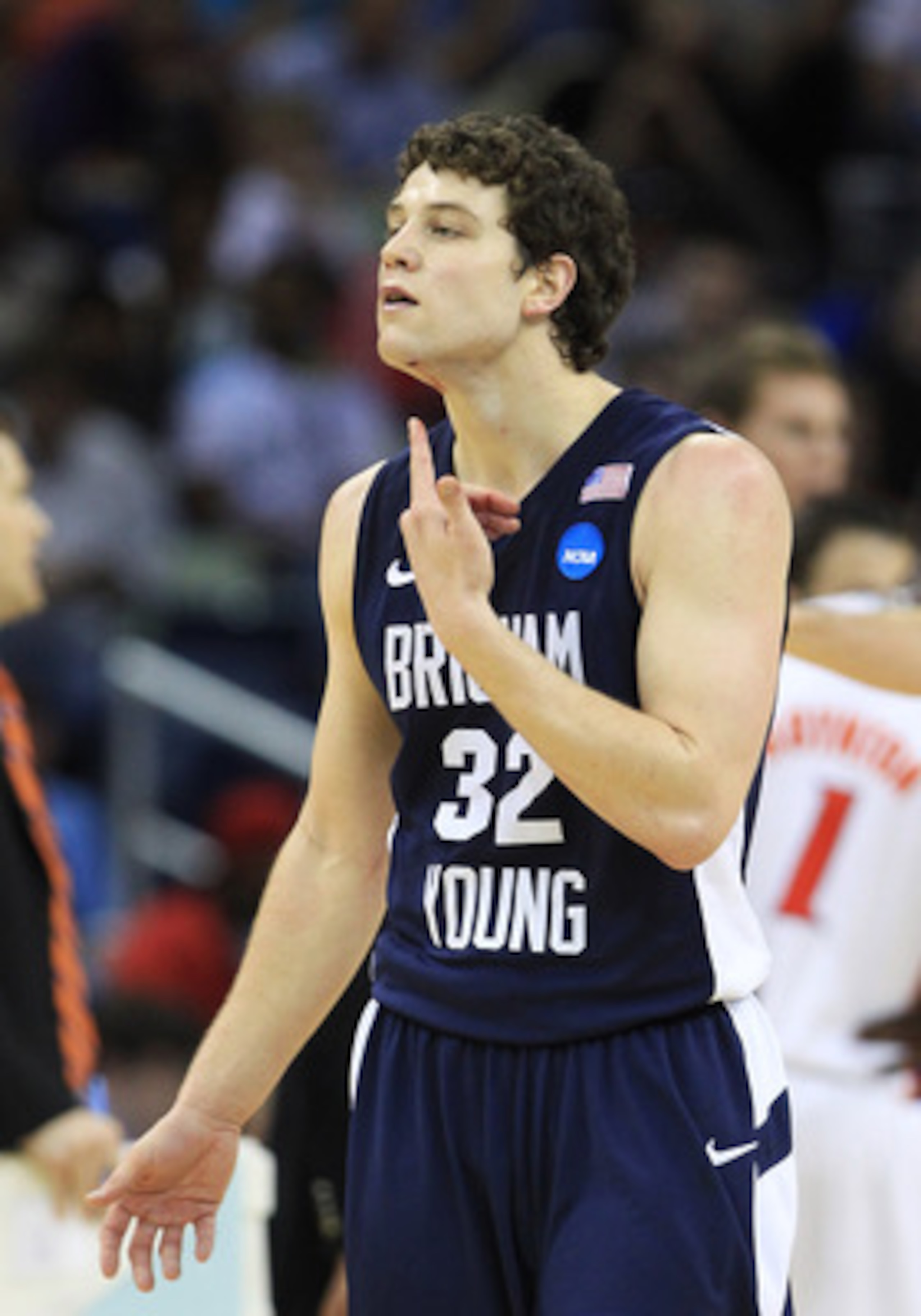
Though the Utah Jazz say otherwise, Jimmer must improve his footwork to become defensively proficient. According to NBADraftExpress.com, his slow footwork has gotten him beat on several occasions during last season.
With the NBA averaging over 90 points per game, Jimmer must improve his footwork on defense. The Bob Knight Shuffle and Slide drill will be recommended to fix this issue.
When facing high scoring attacks such as the Miami Heat or the Oklahoma City Thunder, Fredette must develop his man and zone skills or he will be embarrassed by quicker point guards in the league such as Chris Paul or Derrick Rose.
Finishing at the Rim
3 of 7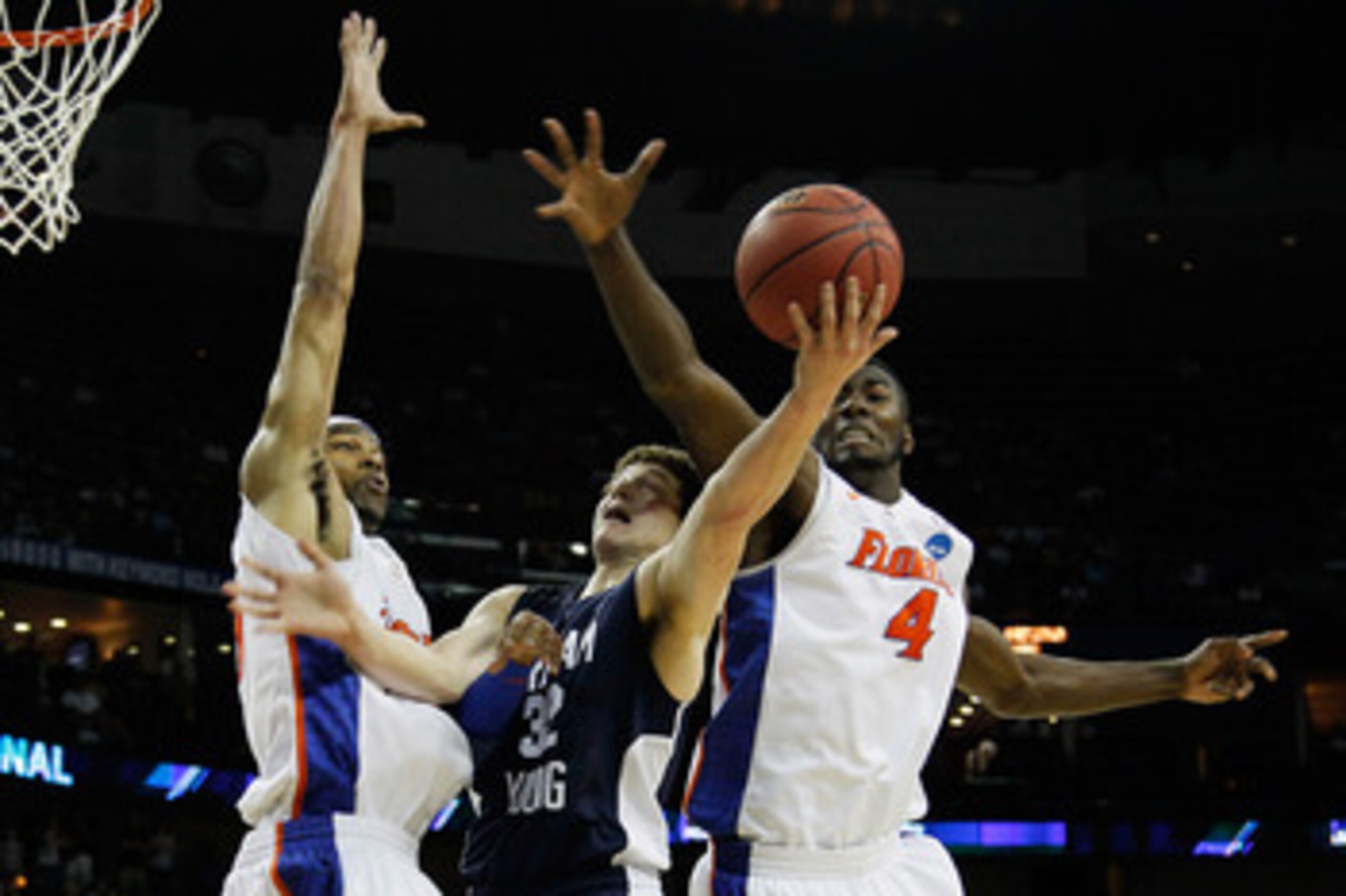
Jimmer has to make an effort to slash the lane and finish around the rim more to be an effective guard. Playing in the frontcourt, this is a necessity in the NBA to get other players on your team better looks.
Correcting the issue may be a problem considering he lacks strength.
Jimmer must hit the weight room more and become physically stronger to help him score off the dribble. Next, he needs to work on his body control once penetration is made towards the basket.
Lastly, he has to learn a bit of heart. Toughness is something you can’t teach.


Lack of Defensive Awareness
4 of 7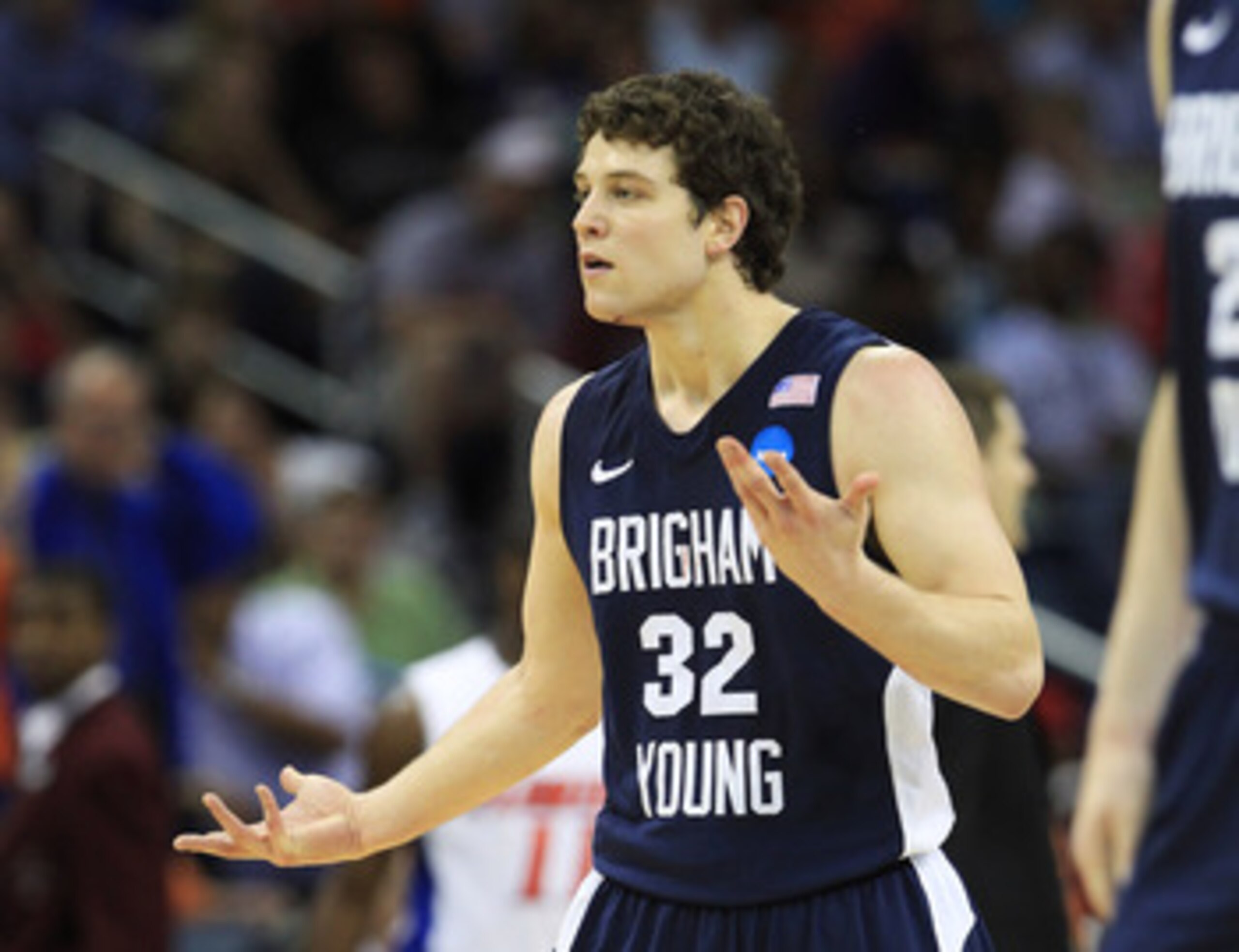
A lack of awareness on the court stems from early coaching issues in his career. The team that drafts him must make a better effort to coach up his awareness inside of a 2-3 zone.
Many times during Mountain West Conference play, Fredette would be caught looking off or baited to the wrong player. Once this happens, Fredette would leave the opponent he is guarding wide open for an easy bucket.
Would you leave the likes of Ray Allen open? Be honest…
Turnovers
5 of 7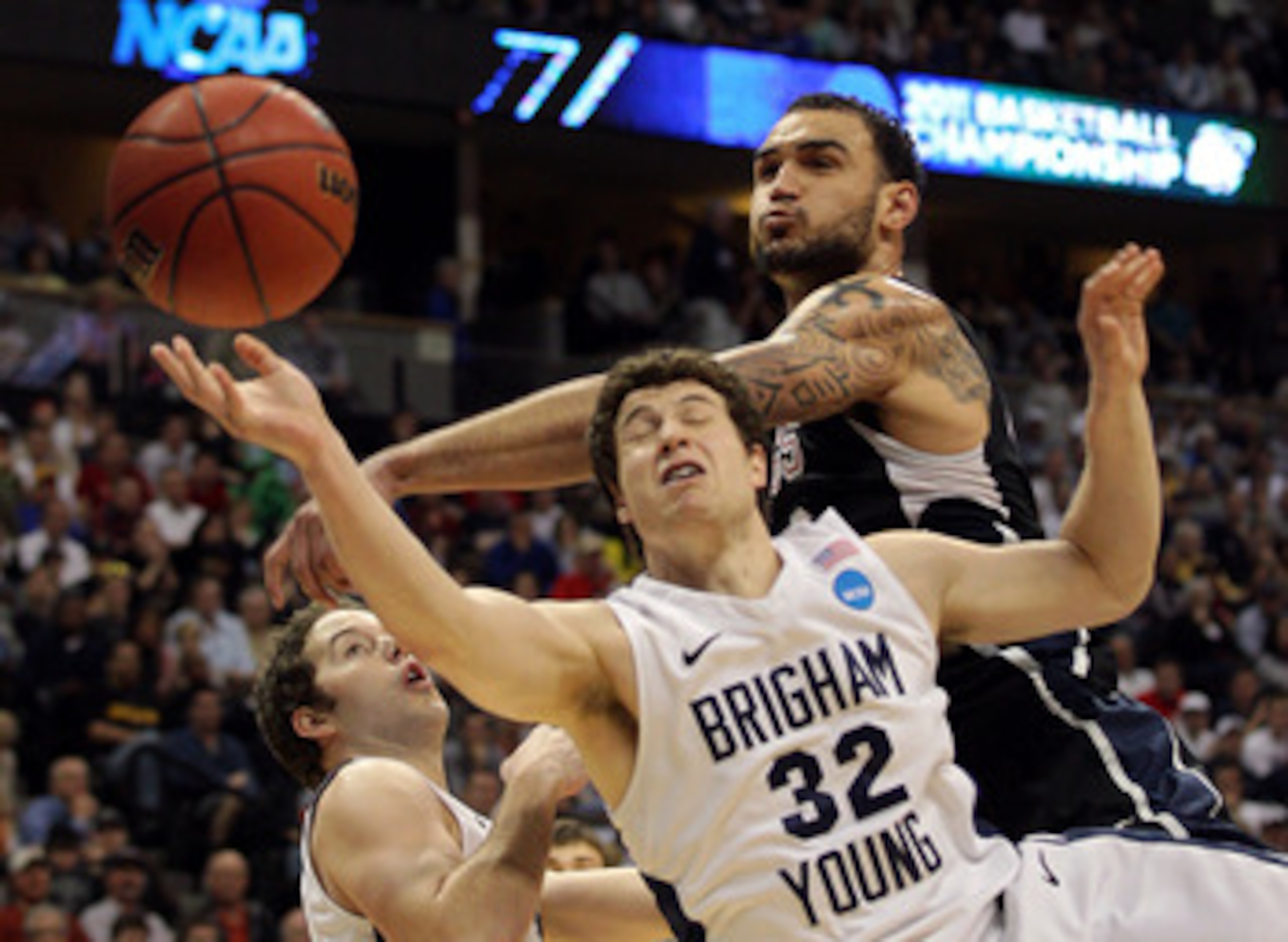
Despite Jimmer Fredette putting up exciting numbers, he has turned the ball over in bunches, too.
During the 2010-2011 season, Fredette had many turnovers due to the fact he dominates the basketball on the offensive side of the court. When Jimmer turned the ball over, BYU most likely ended up with a loss. (Jimmer had seven in the Dec. 18 loss to UCLA).
Jimmer then had six in the NCAA tournament against Florida, which ended the Cougars season in the NCAA tournament.
His ratio of assists to turnovers must improve for him to be an effective frontcourt player. Trying to do too much will cost him and his team games.
Ball Hog
6 of 7
For Fredette to achieve these types of numbers, the ball needs to be in his hands most of the game. Jimmer last season averaged 28.9 points per game—the highest average in the country.
But the overall BYU average was 81.7 points per game. This leaves almost a 53-point gap between Fredette and the rest of his teammates. Not good.
In the league (unless you are the Miami Heat), there is a need to get more players involved to win a championship. If Fredette continues to hog the basketball on offense, his team does not stand a chance to make it through a grueling 82-game NBA season.
He must remember basketball is a team game, and there is no "I" in team.
Pure Point Rating
7 of 7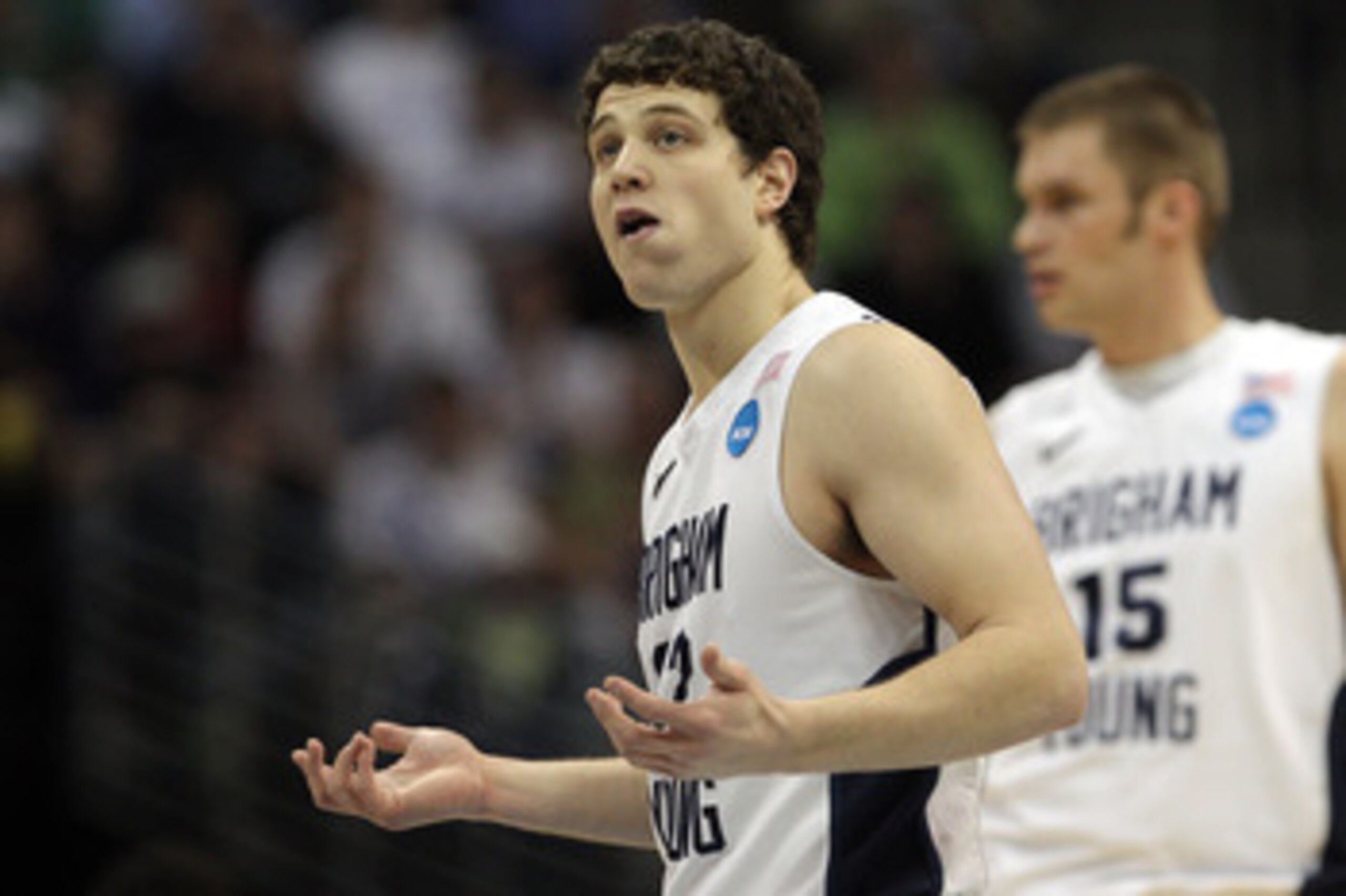
A pure point rating is something that is new to the game of basketball. This stat was created by ESPN’s John Hollinger. The rating improves on the flawed assist-to-turnover ratio for adjusting the value of an assist from a player, and gives a narrative description of a player's performance.
The formula is calculated as so:
Pure Point Rating = 100 x (League Pace / Team Pace) x ([(Assists x 2/3) - Turnovers] / Minutes)
Fredette’s number was toward the bottom in the nation as Jimmer's career PPR was minus-0.2 (dropped from 1.1 to minus-1.8 in senior year).
The reason for this? BYU continued to rely on him heavily to carry a team that had little to no offensive weapons at its disposal.
To enhance these skills, Jimmer needs to survey the floor more once he runs past the defender in the lane. If he can improve his quickness in the lane, he will garner more attention from NBA defenders.

.jpg?w=2560 "Grading WWE Raw 🔠")

.jpg?w=2560 "Bijan's INSANE 1st Half 🤩")
.jpg?w=2560 "Viral Rams Coach Vid 🖕")
.jpg?w=2560 "Injury-stricken Seahawks signing veteran RB")

.jpg?w=2560 "2 NFL Officials Suspended")