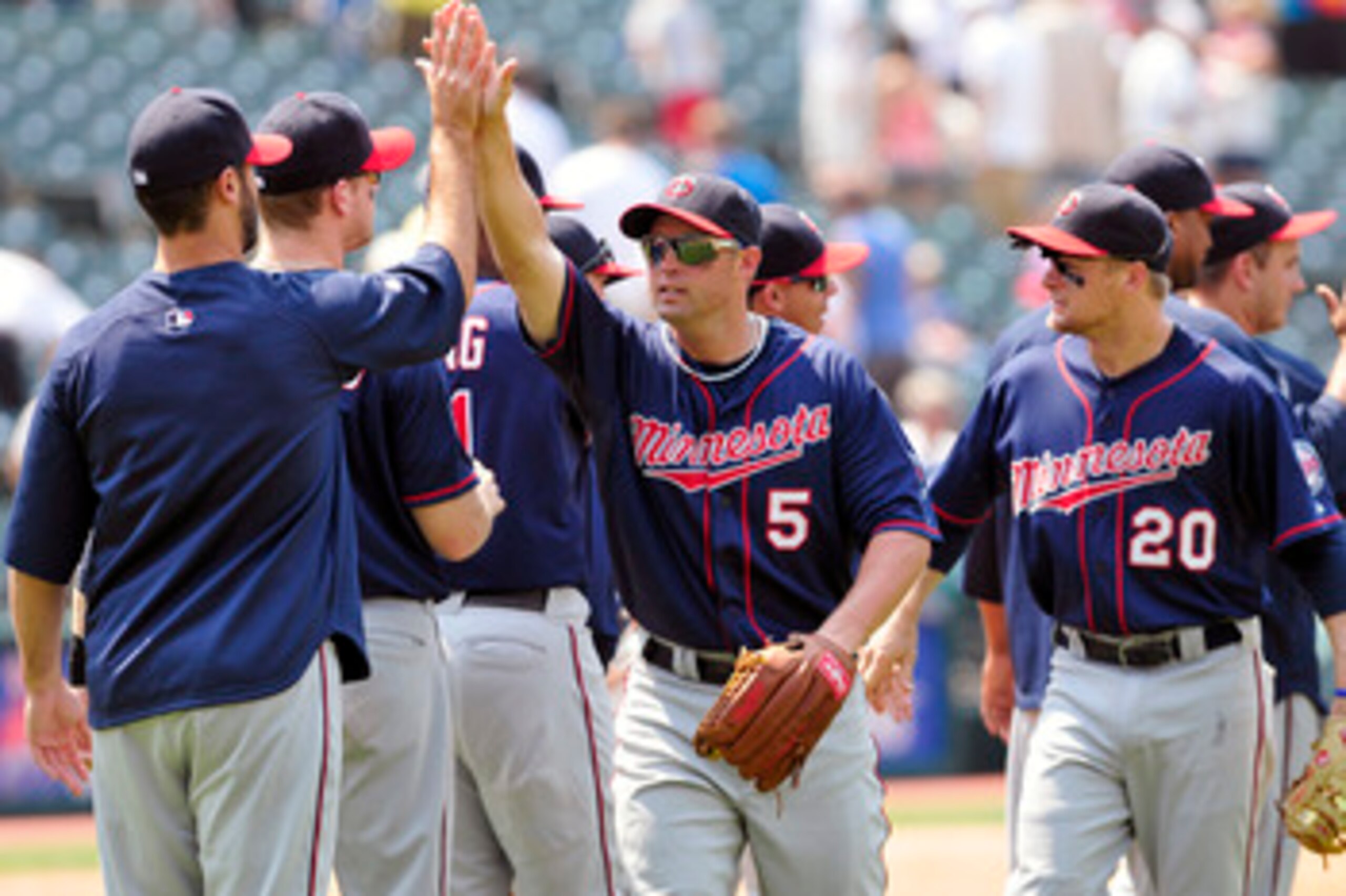

Minnesota Twins: Have the Twins Turned Their Miserable Season Around?
For the Minnesota Twins, wins have been hard to come by. Through most of April and May it seemed the Twins found different ways to lose, give away, boot or blow a game.
The starters were not winning and the bullpen, with a lack of experience, was not providing any relief. On top of that, the Twins DL list looked more like their starting lineup with each passing day.
As the day dawned on Tuesday, May 17th, the Twins had sunk to their lowest low: They were on a nine-game losing streak, 13.5 games behind the first-place Cleveland Indians, with the worst record in baseball at 12-27. The Twins were about as entertaining as a mosquito bite.
How bad is it in the Minnesota sports scene that with the NFL locked out, the only thing left for Minnesota sports fans is the Minnesota Lynx?
Since then, the Twins have run into several firsts.
After three failed attempts for their first four-game winning streak, they finally broke out and won five in a row with their first four-game series sweep of the Royals, followed by a win at Cleveland.
They won back-to-back series for the first time, taking two of three from Cleveland following the sweep of the Royals.
They have defeated a couple of first-place teams this week, beating those Indians along with the series opening victory over the Texas Rangers.
Over the past 23 games, the Twins have gone 12-11—and in the process have passed Houston, leaving the Astros with the worst record by one-half of a game.
The Twins appear to be moving in the right direction and have trimmed 2.5 games off the Indians' lead; they are now only 2.5 games behind the Royals.
Here are five keys for the Twins to turn their season around.
Twins Starters Have Stepped Up Their Game
1 of 5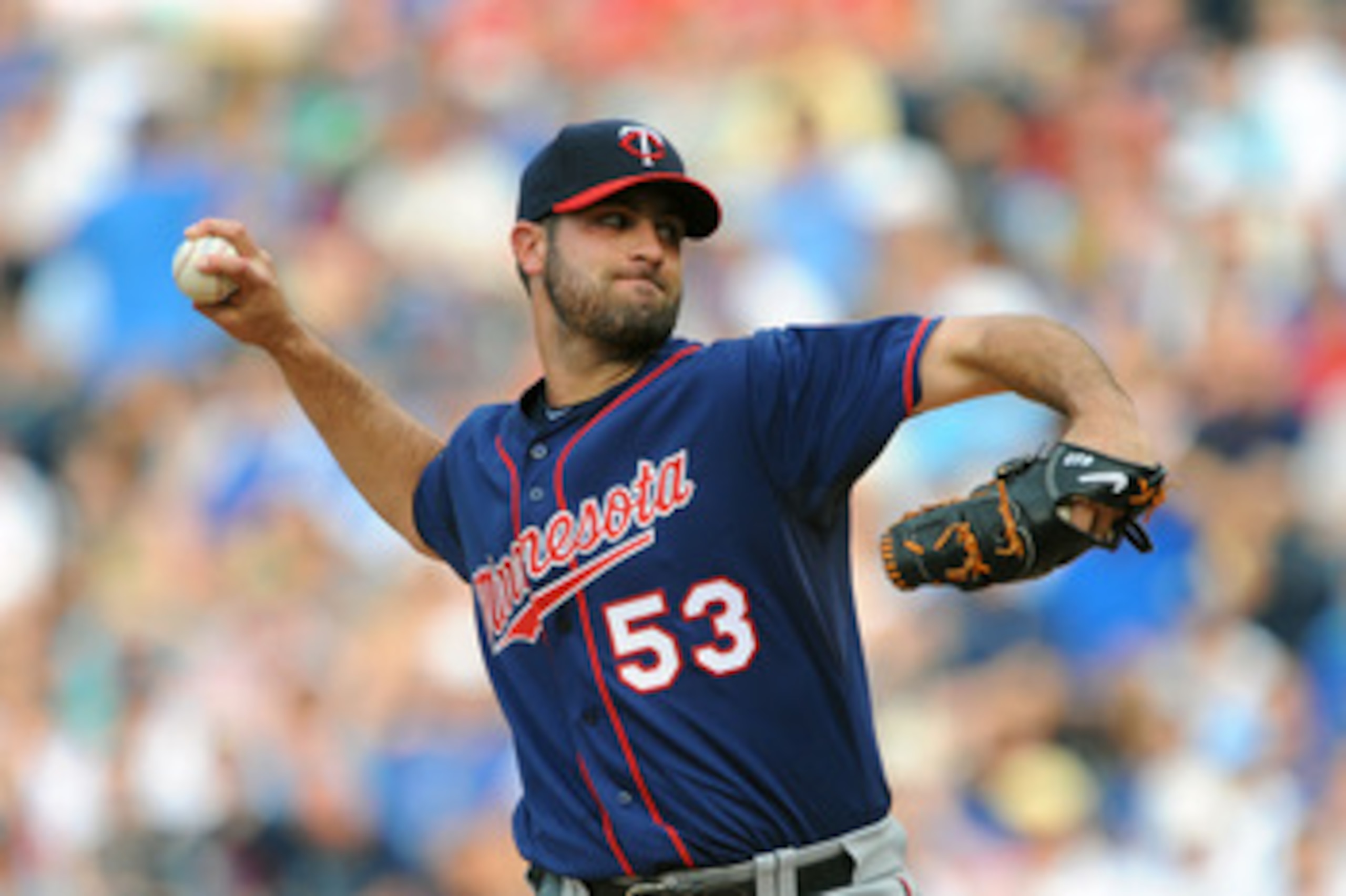
For manager Ron Gardenhire and pitching coach Rick Anderson, the luxury of a solid bullpen has allowed them to manage their starters by implementing a pitch count limit.
As the Twins opened the season with a 12-27 record, the starters averaged 94.6 pitches and only 5.2 innings per start. The starters would go 10-20 with a 5.07 ERA.
With each game the bullpen gave away. Either Gardenhire and Anderson must have decided to stretch the starters a little longer, or the starters themselves decided to take matters into their own hands and began to focus more while on the mound.
In the first 39 games, starters topped 100 pitches a total of 15 times. Over the past 23 games, they have equaled that mark.
Over the last 23 games, as the Twins have gone 12-11, the starters have gone an average of 6.7 innings with their average pitch count increasing to 101.2.
Not only have their innings and pitches per start increased, but they are also throwing a lot more strikes. The percentage of strikes has increased from 62 percent to 66 percent.
At the same time, the home runs allowed has dropped from 1.28 per nine innings pitched to 0.75.
The Relievers Are Starting To Come Together
2 of 5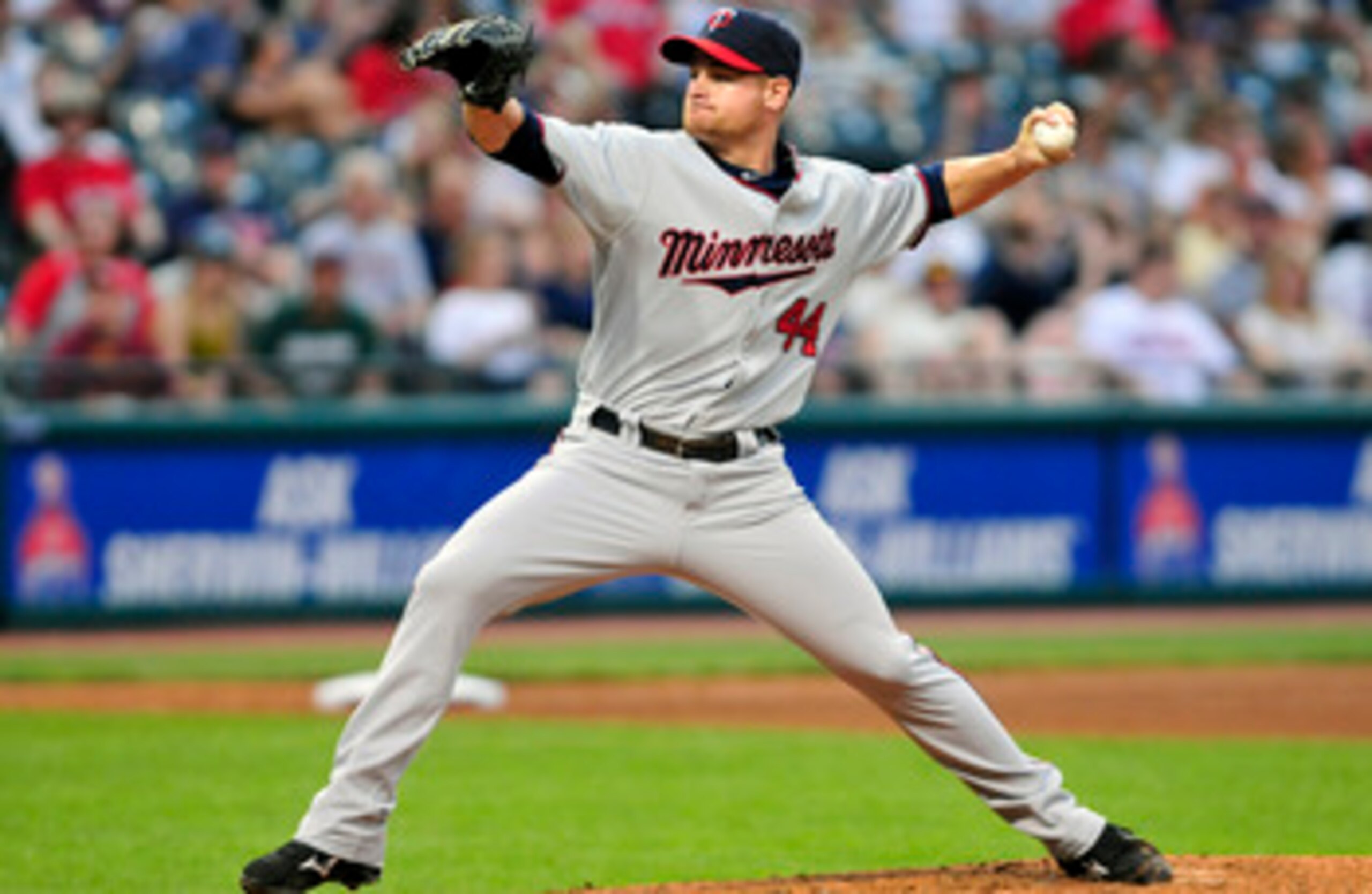
While the Twins bullpen has the highest ERA in baseball at 4.97, there are some signs of improvement.
Their best reliever of the season so far is left-hander Glen Perkins, who has a 1.59 ERA. Despite being on the Disabled List, he is still second on the staff with 22.2 innings pitched in relief.
Following the sweep of the Twins by the Tigers in Detroit, the bullpen has decided to lighten things up and have some fun. Their "walk" to the bullpen before the start of a game has been entertaining—they have pretended to be a bobsled team and pretended to be paddling a boat.
The antics seem to have worked, with the bullpen allowing only one earned run since their four-game sweep of the Royals and their series win over the Indians.
Over the past 12 games, the bullpen has allowed only five earned runs over 26 innings for a 1.73 ERA.
The Twins Small-Ballers Are Starting To Produce
3 of 5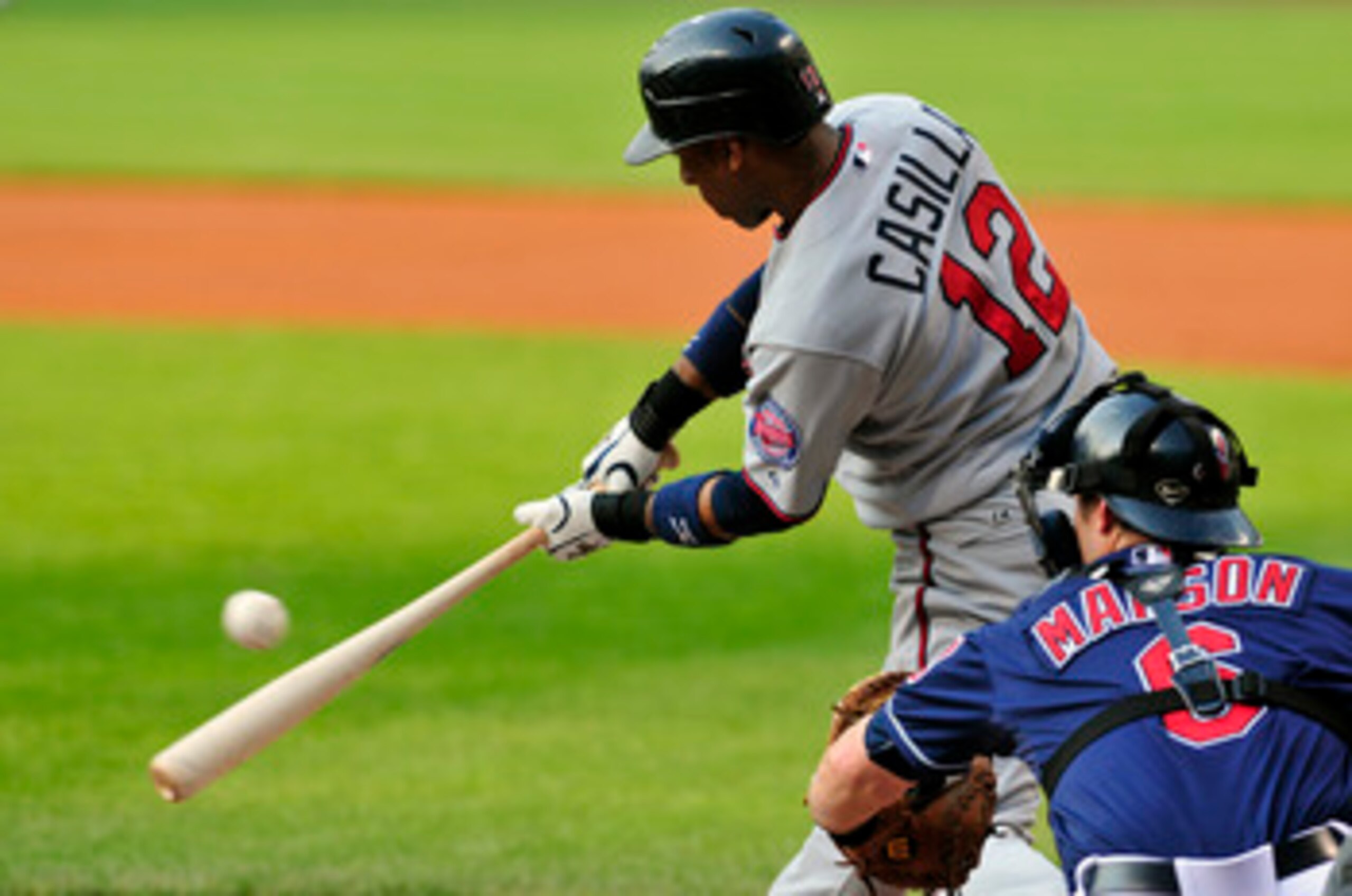
The Twins are currently 27th in baseball in runs scored. They also lead the MLB with 28 one-run games. With a couple of more runs, the Twins could easily turn their 12-16 record around in these games.
The Twins have not been known for their home run power since the mid-1980s when the team boasted a lineup of at least four players who hit 20 home runs a season.
With power threats Jim Thome and Jason Kubel on the Disabled List, and Justin Morneau still struggling to find his groove, the Twins have been struggling to score runs.
The good news is that the Twins' small-ball troop is starting to produce.
Shortstop/second baseman Alexi Casilla has his average up to .252 and Ben Revere is hitting .284.
Over the past 10 games, Casilla is hitting .300 while Revere is hitting .323. Both players have scored four runs each and driven in a total of eight RBIs.
Now if catchers Drew Butera (with a .153 batting average), Rene Rivera (.224) and utility infielder Matt Tolbert (.204) could start adding some points to their averages, the Twins could really be in a good position to continue their recent run of victories.

.jpg?w=2560)

Playing the Central Division Is the Pancea for the Twins
4 of 5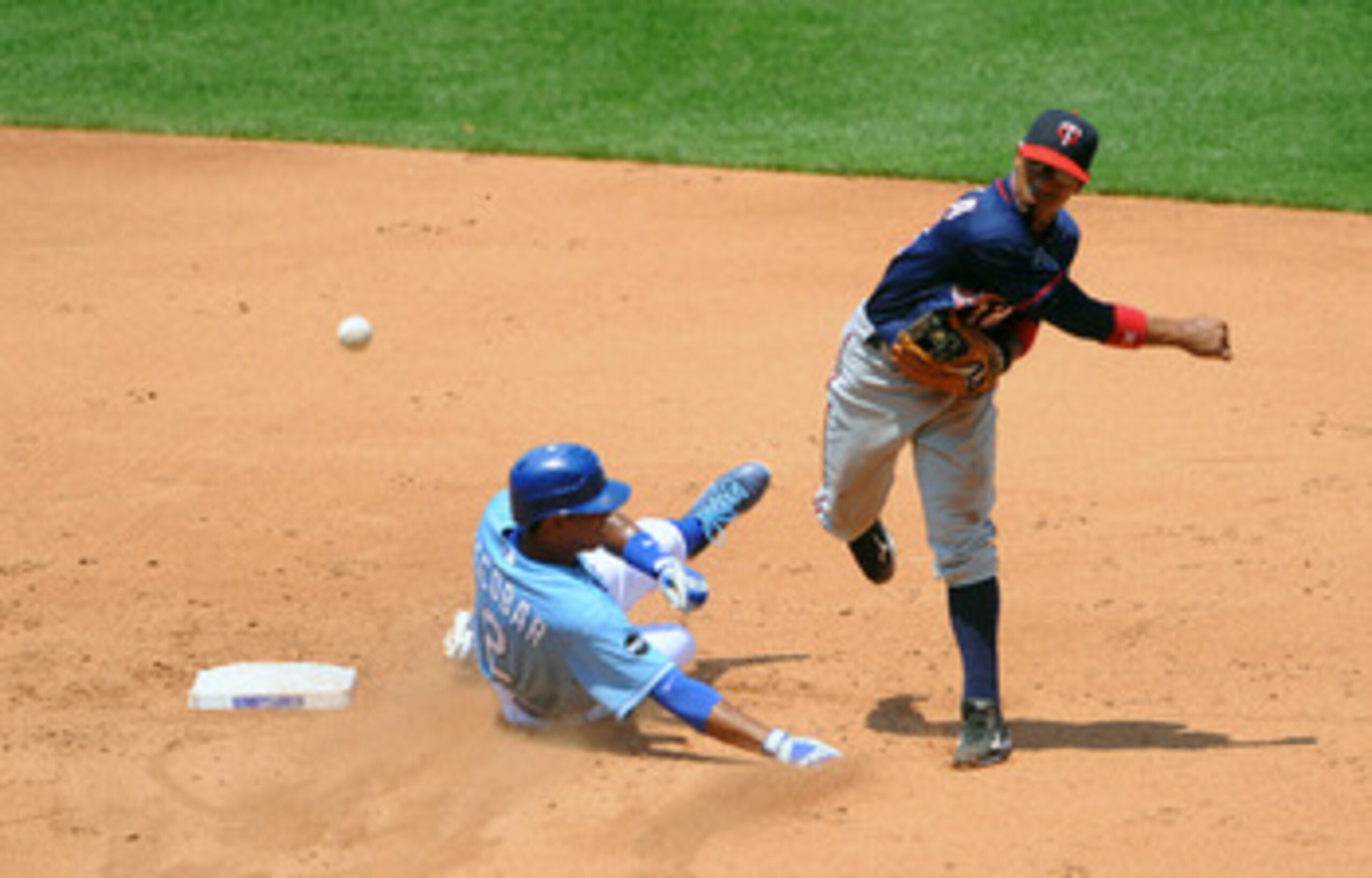
Excluding the 0-5 record against the Tigers, so far this season the Twins are 11-5 against AL Central.
The Twins have won seven of their eight games, including a season high five-game winning streak. Six of these seven wins have come against the Royals and the Indians—two teams many thought would be battling for the basement of the division.
Perhaps their four-game series sweep of the Royals in Kansas City will be the springboard to get the Twins back on the winning track.
With 21 of their next 30 games at home (the longest home stand of the season with 12 games), the Twins may find refuge at Target Field where they had the best record in baseball last season, going 53-28.
Now, so far this season the Twins are only 7-15 at Target Field. With a mid-week series coming up against the White Sox, who the Twins swept in Chicago the last time they met, the time is right to find the home-field advantage.
The Best Is Yet To Come: The Twins' Annual Second-Half Surge
5 of 5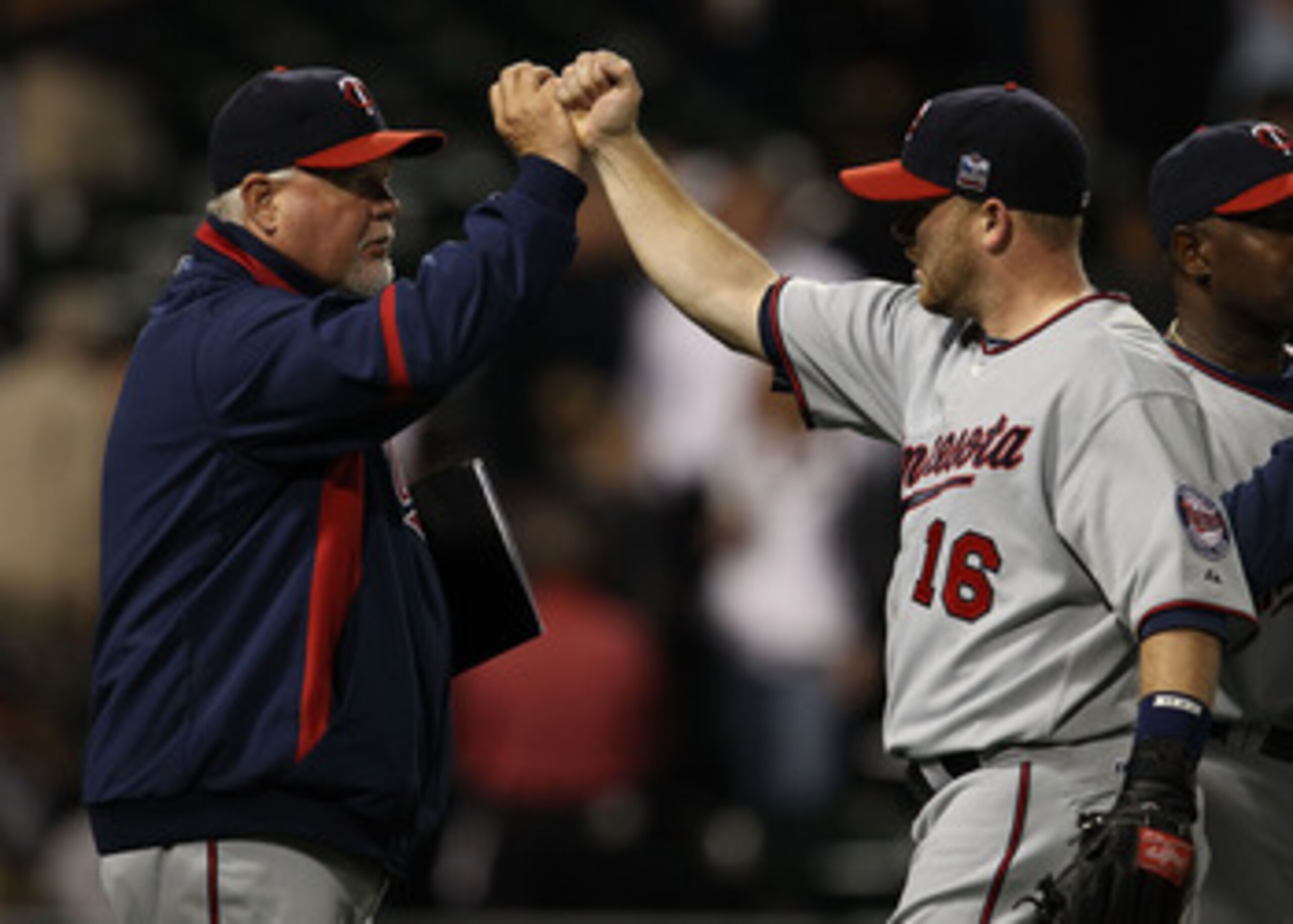
Under the direction of Ron Gardenhire (who took over as manager in 2002), the Twins have played better in the second-half of the season than the first.
While he and the Twins have a .530 winning percentage over the first-half of the season, they have done even better to close out the season, with a .574 winning percent.
From 2002-2010 the Twins have won 49 more games than they have lost before the All-Star break. Following the mid-season classic, the Twins are 98 games over .500.
With the terrible start to the 2011 season, there's no doubt that the Twins will pick things up and play better baseball over the summer and into fall.
Include the eventual return to the lineup of Denard Span, Jason Kubel, Jim Thome, Tsuyoshi Nishioka and Joe Mauer and the Twins could be ready to start their second-half surge with all of their weapons.
Whether or not there's another division title waiting is a huge question mark, but I have no doubt the Twins will at least make it interesting.
.jpg?w=2560 "Rams Eagles Football")

.jpg?w=2560 "Injury-stricken Seahawks signing veteran RB")

