
NBA Free Agents: The Most Disappointing Acquisition in Each Team's History
As their fans surely know, each and every team in the NBA has made a fair share of disappointing acquisitions on the free-agent market.
Sometimes the players just don't pan out as expected and fail to live up to the lofty expectations that their contracts produced. This can happen because of injuries or because the expectations were boosted by what we like to call the contract-year phenomenon.
When these free-agency busts occur, the best-case scenario is that the team can wait out the contract and just let the player walk at the end, but sometimes disaster occurs. As you'll soon find out, one player on this list even managed to help contribute to the death of professional basketball in a city.
Read on for the worst free-agent acquisitions in each NBA team's history.
Atlanta Hawks: Jon Koncak
1 of 30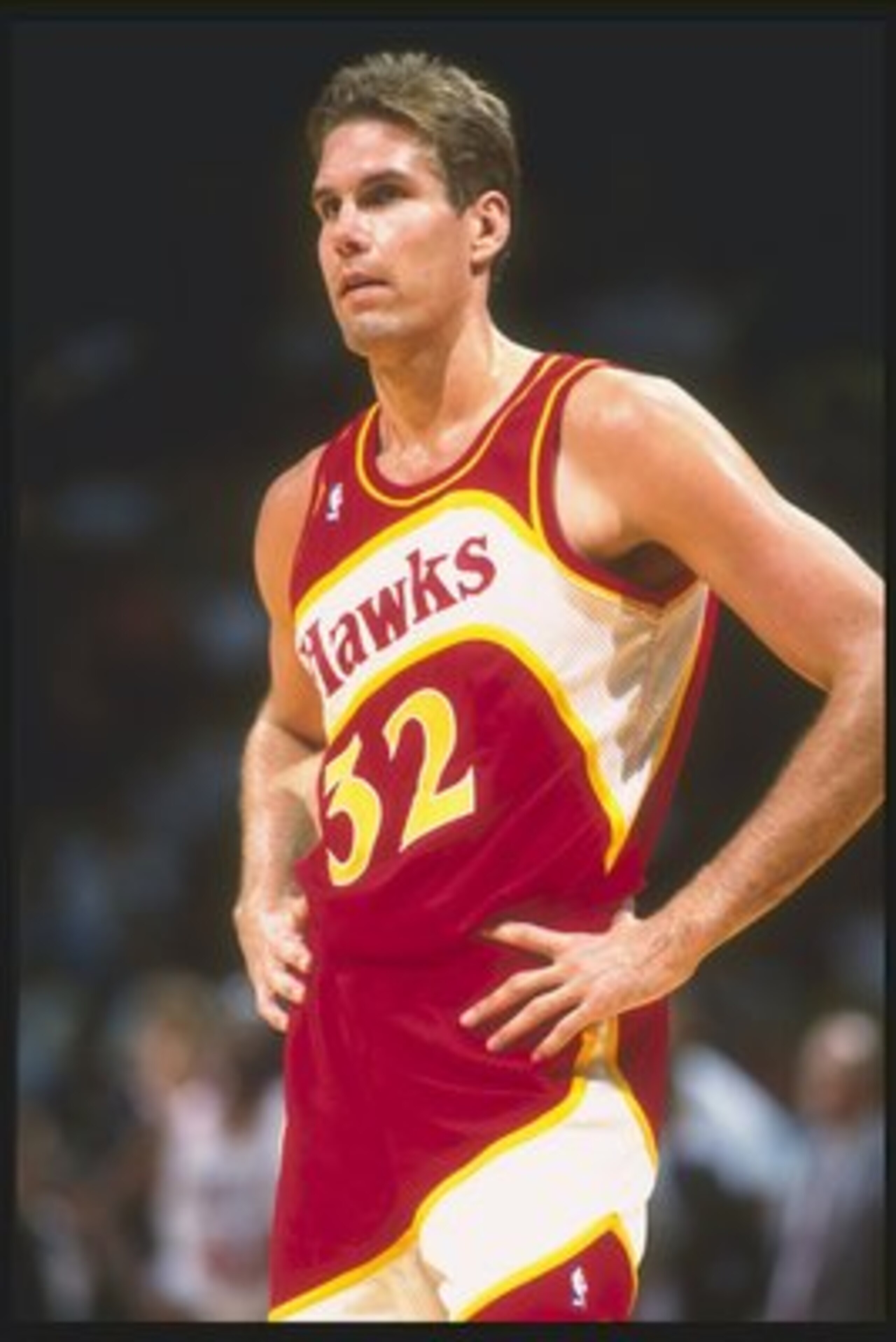
In the late 1980s, the Atlanta Hawks and Detroit Pistons were battling it out for supremacy in the Eastern Conference. Jon Koncak, a backup center for the Hawks, was rumored to be on the verge of signing with the Pistons in free agency, so the Hawks panicked and signed him to a six-year deal for $13 million.
Koncak, who was then earning more than Michael Jordan, Magic Johnson and Larry Bird, then averaged no more than 4.2 points per game for the rest of his career while financially crippling the Hawks. Meanwhile, the Pistons built a deep squad and won two championships.
Boston Celtics: Travis Knight
2 of 30
After playing for the Los Angeles Lakers during his rookie season, which saw him average 4.8 points and 4.5 rebounds per game, Travis Knight signed a seven-year deal with the Boston Celtics worth $22 million. He immediately had regrets though, stating: "I really have mixed emotions; I should be elated right now, but I'm not. I feel so much loyalty [to the Lakers]."
Knight would average just 6.5 points per game in his one season wearing Celtic green before he got what he wanted and was shipped back across the country to Los Angeles.
Charlotte Bobcats: Emeka Okafor
3 of 30
Emeka Okafor looked to be a promising young player and an extremely adept shot-blocker when he began his career for the Charlotte Bobcats, after the franchise deemed him worthy of the second-overall pick of the 2004 NBA draft.
Before the 2007-08 season began, Okafor turned down a contract extension worth $60 million over the course of five years. It worked out well for him as he signed a new contract after the season worth $72 million over six years. The center then saw his numbers drop to 13.2 points and 10.1 rebounds per game the next season before he was traded to the New Orleans Hornets.


Chicago Bulls: Ben Wallace
4 of 30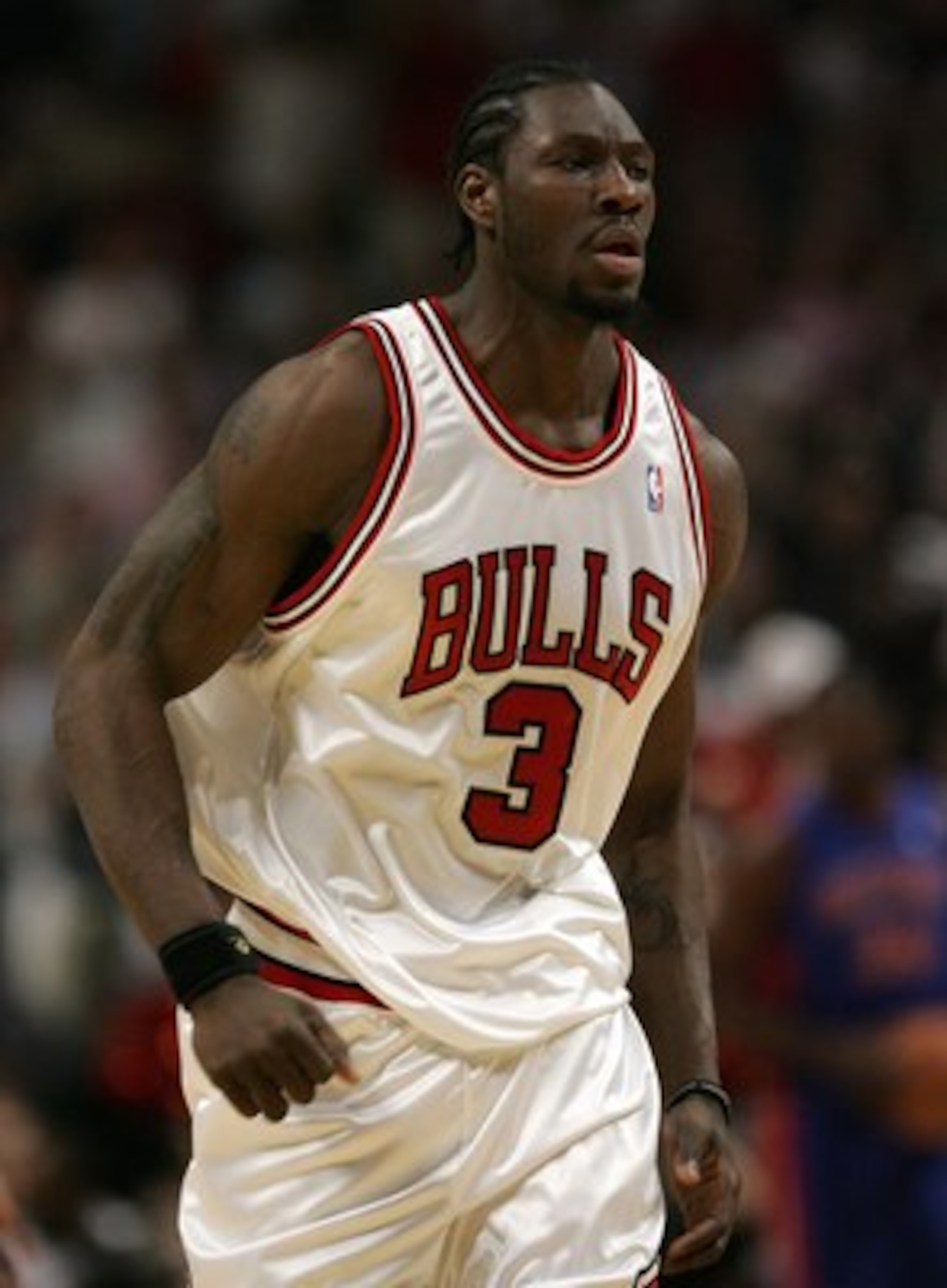
After proving himself with the Detroit Pistons for quite some time, Ben Wallace saw his hard work pay off when he signed a four-year deal with the Chicago Bulls worth $60 million. In addition to the money, he even got Scott Skiles to make an exception to the no-headband rule that was in place in the Windy City.
Wallace only lasted for two ineffective seasons in Chicago before knee injuries and poor play forced the Bulls to trade him away to the Cleveland Cavaliers. His career began an incredible decline as soon as he signed that contract.
Cleveland Cavaliers: Larry Hughes
5 of 30
The incredibly athletic Larry Hughes was both a gifted scorer and a great defender, as evidenced by his league-leading 2.89 steals per game during the 2004-'05 season with the Washington Wizards, 22.7 points per game during the 1999-'00 season with the Golden State Warriors and selection to one All-Defensive first-team squad.
Hughes parlayed those accolades into a five-year, $70 million deal with the Cleveland Cavaliers, where he was supposed to help LeBron James win a few titles for the beleaguered sports city. As his scoring numbers dropped precipitously, we all know how the story unfolded: no championships and no LeBron.
Dallas Mavericks: Erick Dampier
6 of 30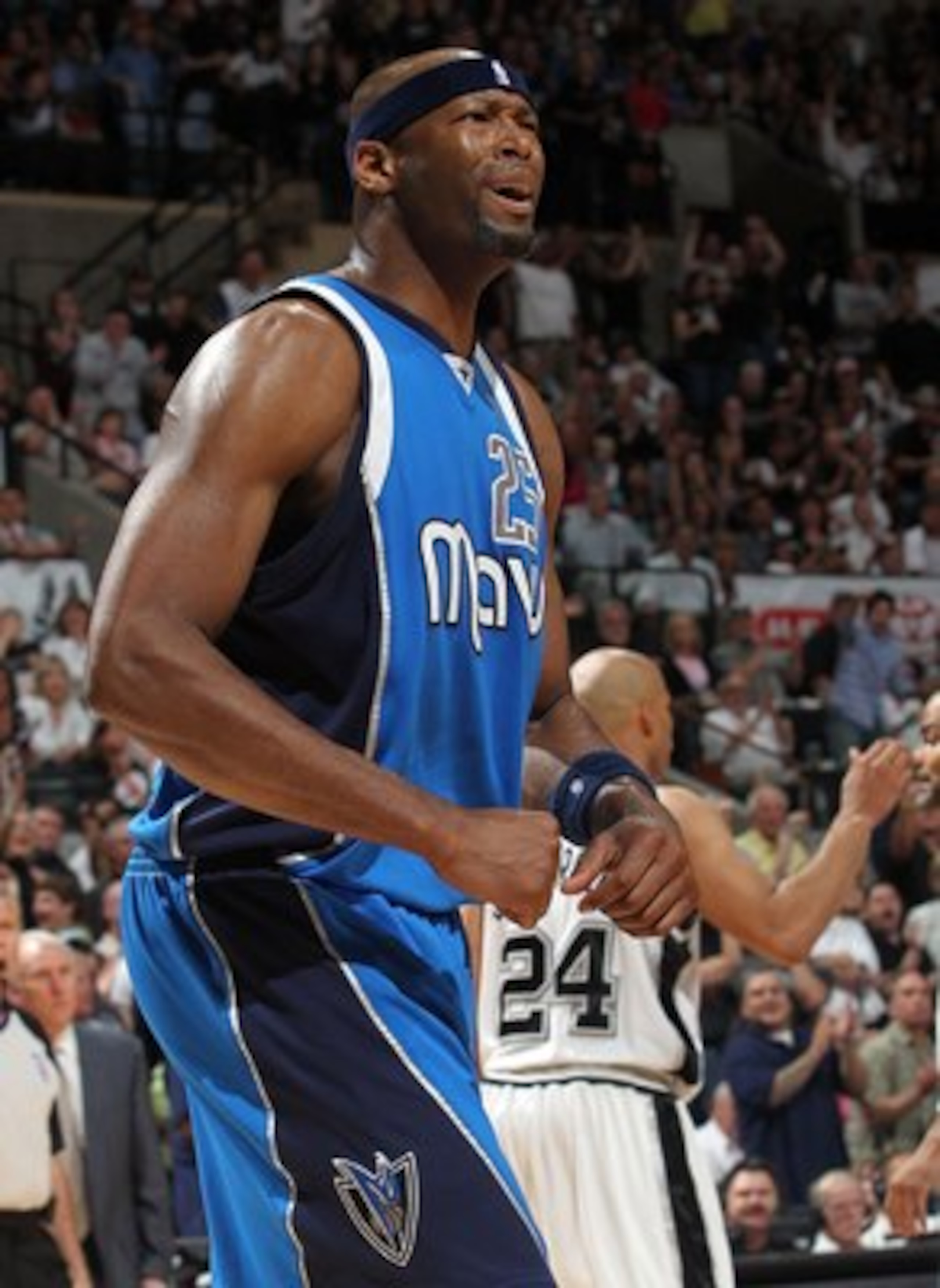
After putting up 12.3 points and 12.0 rebounds per game for the Golden State Warriors in 2003-04, numbers that both remain career-highs, Erick Dampier was signed and then traded to the Dallas Mavericks with a contract that lasted for seven years and was worth $73 million.
Since then, well, Dampier has done almost nothing. The most points per game he's averaged during a season since has been 9.2 and 7.1 is the next best. As for rebounds, first and second place are 8.5 and 7.8. Dampier was a far cry from the dominant center he was supposed to become.
Denver Nuggets: Tariq Abdul-Wahad
7 of 30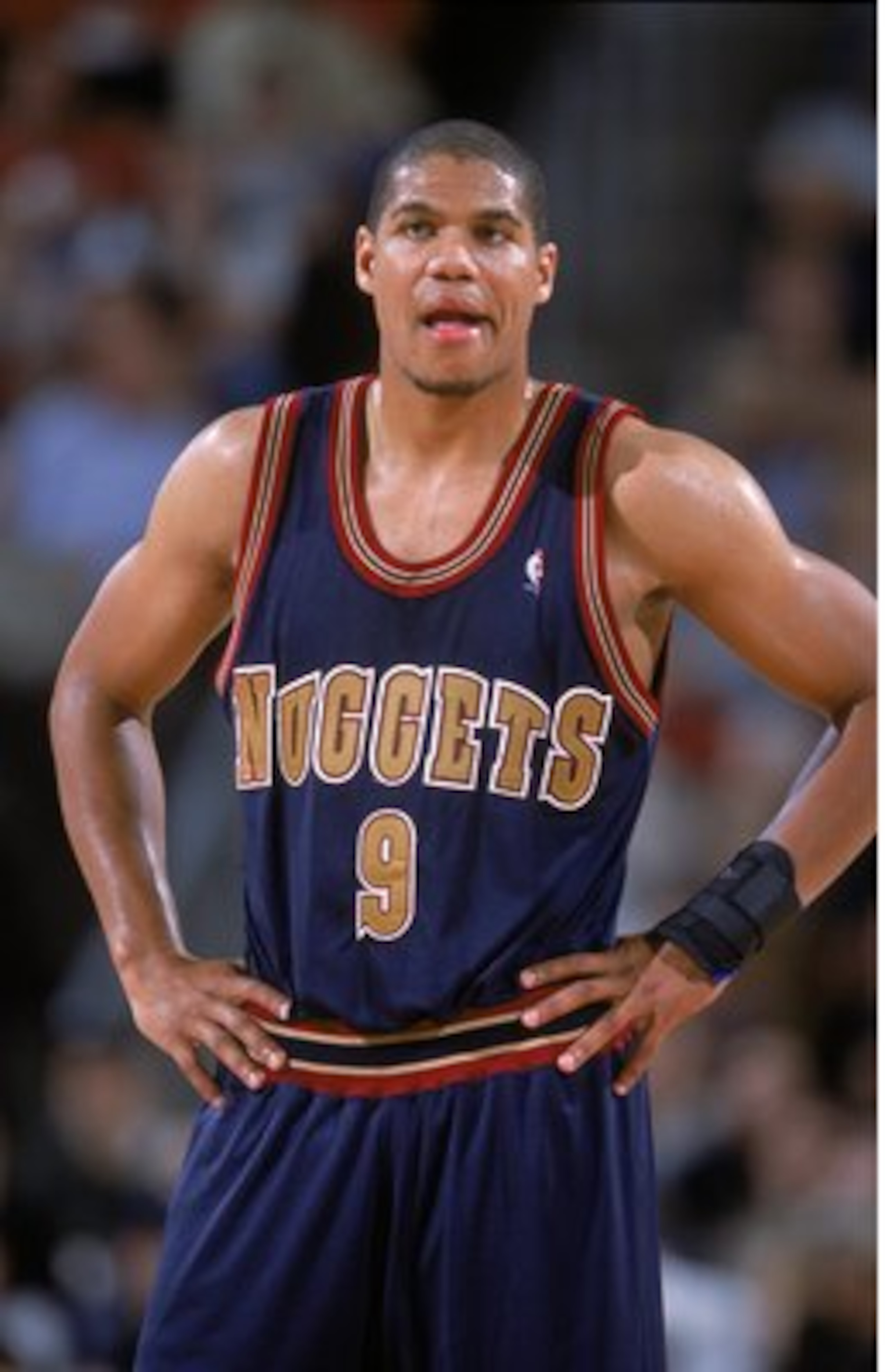
Mostly a defensive specialist after a great career with the San Jose State Spartans, Tariq Abdul-Wahad played for the Sacramento Kings for two seasons and then split time during his third season between the Orlando Magic and Denver Nuggets.
After that third season, Abdul-Wahad signed a seven-year contract extension with the Nuggets worth $43.3 million. He earned virtually none of it.
The shooting guard/small forward averaged 3.8 points and 6.8 points per game during the next two seasons, his only two spent in Denver.
Detroit Pistons: Charlie Villanueva
8 of 30
Charlie Villanueva toiled away for the first three seasons of his career playing for the Toronto Raptors and the Milwaukee Bucks. But in the fourth year of his NBA tenure, Villanueva exploded for 16.2 points, 6.7 rebounds and 1.8 assists per game for Milwaukee, all career-highs.
Of course, those numbers all came in his contract year and Villanueva was rewarded by the Detroit Pistons with a five-year contract worth $35 million. Since then, the power forward has seen his production drop back off, down to 11.5 points and 4.3 rebounds per game while wearing the Pistons uniform.
There is still time for Villanueva to justify his contract, but it does not look likely.
Golden State Warriors: Adonal Foyle
9 of 30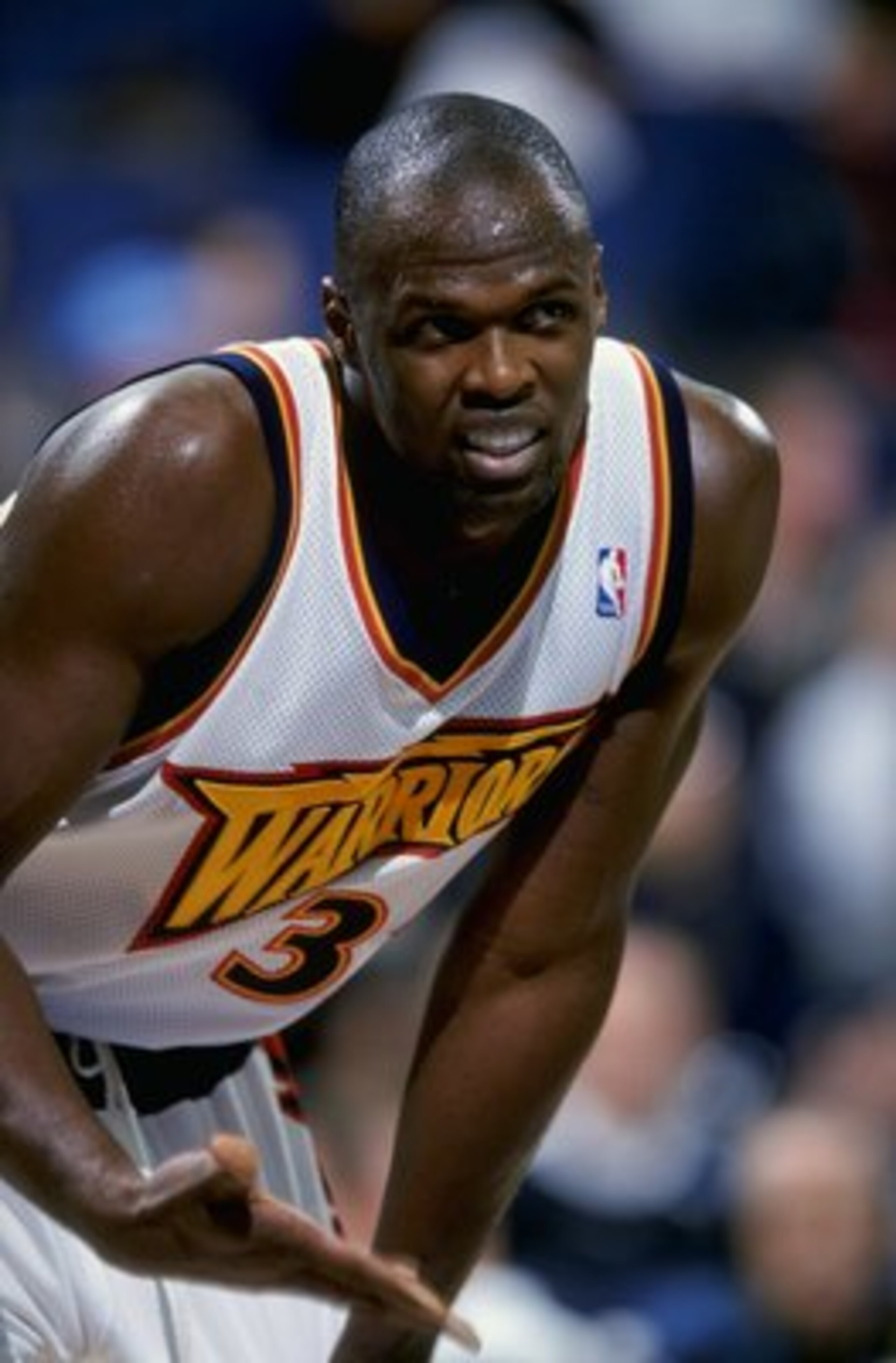
The 6'10" center from Saint Vincent and the Grenadines was drafted out of Colgate by the Golden State Warriors with the eighth pick of the 1997 NBA Draft. With the exception of blocking shots, Adonal Foyle never really did much for his team, but he still managed to convince the Warriors to extend his contract in 2004.
Foyle re-signed with Golden State for six years and $42 million that season and then immediately saw his production drop to new lows. Even his blocks tailed off as the center would never average five points per game again.
After two seasons of nothing, Foyle saw his minutes vastly decreased by Don Nelson and he was waived the next season.
Houston Rockets: Trevor Ariza
10 of 30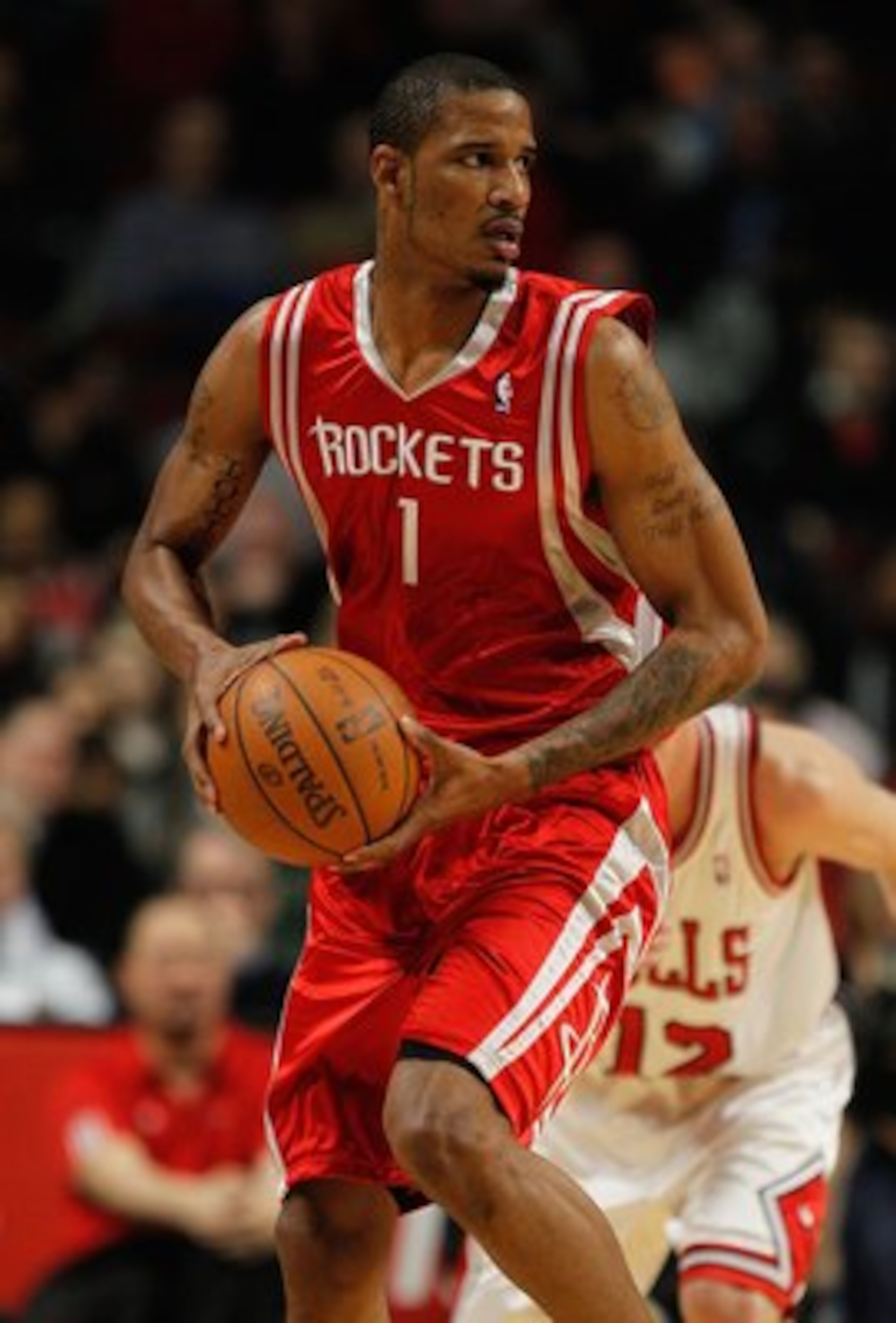
After a spectacular postseason run with the Los Angeles Lakers, Trevor Ariza became a hot free-agent commodity. I'm still not entirely sure how teams let themselves get so caught up by such a small sample size, though.
In 2009, Ariza signed with the Houston Rockets for five years and $33 million and he rewarded the Rockets by averaging 14.9 points, 5.6 rebounds, 3.8 assists, 1.8 steals and 0.6 blocks per game, all career-highs.
But Ariza would be traded to the New Orleans Hornets as part of a four-team deal the very next season, with the Rockets only getting Courtney Lee in return. Turns out, the free-agent signing didn't work out as well as they originally thought.
Indiana Pacers: Jermaine O'Neal
11 of 30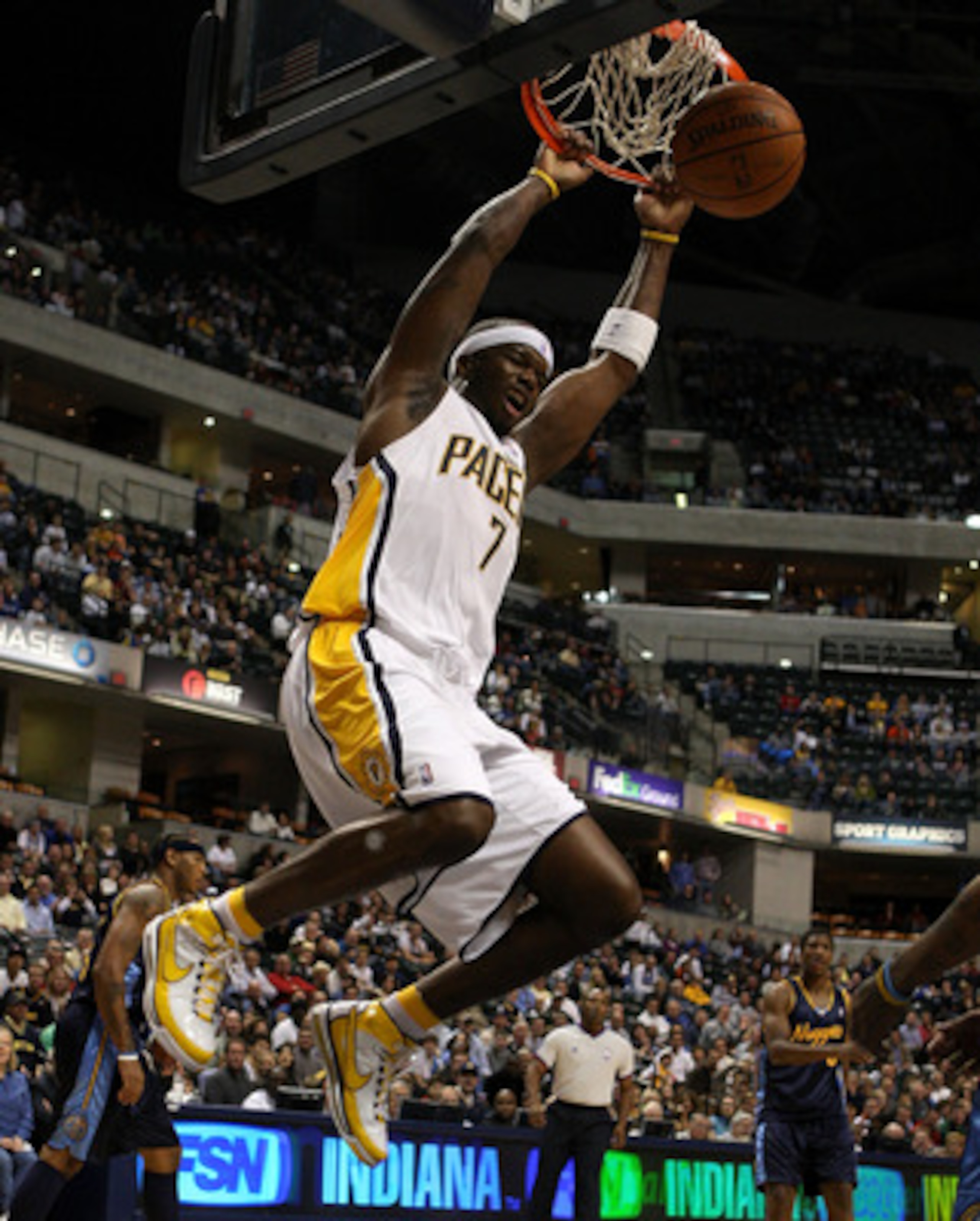
Before the 2003-'04 season, Jermaine O'Neal signed a seven-year, $126 million deal to remain with the Indiana Pacers, opting to keep his family in the same place instead of moving them to some new city like San Antonio.
O'Neal picked up where he left off as a constant double-double threat and averaged 20.1 points and 10.0 rebounds per game the very next season. The year after that, he was poised to put up even better numbers until he played a key part in the "Malice at the Palace" brawl that resulted in a 25-game suspension.
The big man then began to suffer quite a few injuries and his career went into a downward spiral, leading to his current corpse imitation for the Boston Celtics.
Los Angeles Clippers: Baron Davis
12 of 30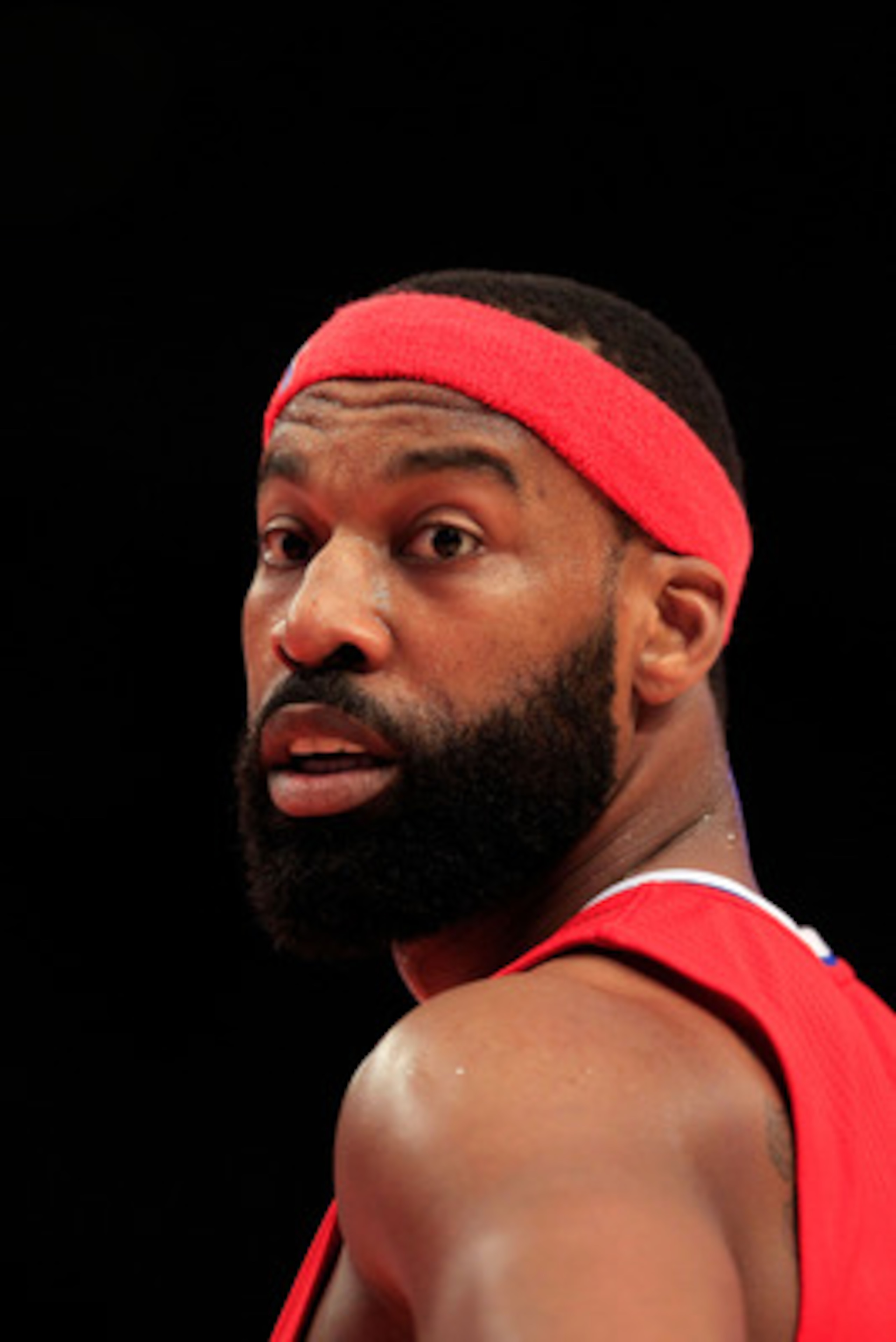
During the summer of 2008, Baron Davis decided that he had put up with enough in Golden State, so he opted out of his contract with the intention of joining Elton Brand in Los Angeles. Davis completed his end, signing a five-year deal with the Clippers worth $65 million, but Brand departed for the Philadelphia 76ers.
Then, as has happened so often with the bearded point guard, laziness and overeating habits kicked in. Davis played uninspired basketball at his new home, averaging 14.9 points and 7.7 assists per game in his first season with the Clippers. While those numbers might sound good, they were nothing like what was expected of Davis.
In an ironic twist of fate, Davis finally found a solid running-mate in Blake Griffin last season, thus propelling him to put forth some effort, but he was instead traded to the hopeless Cleveland Cavaliers halfway through the season.
Los Angeles Lakers: Elden Campbell
13 of 30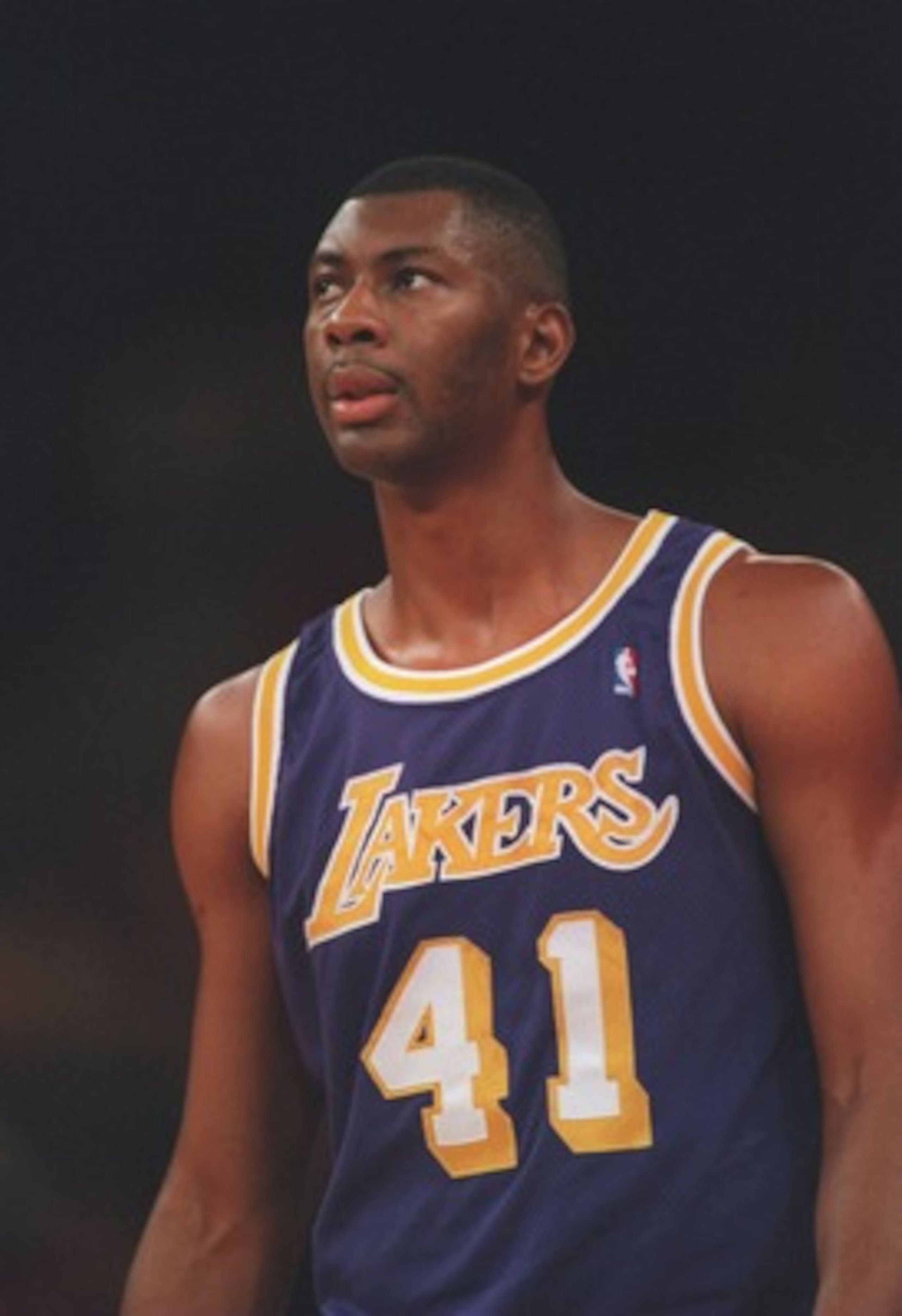
The Los Angeles Lakers have been one of the most fiscally responsible teams in the history of the NBA. It's very difficult to find even a single, terrible contract that they've allowed a player to sign.
Signing Elden Campbell to a seven-year deal worth $49 million may have been the worst decision the franchise has made in that area, and even it wasn't too bad.
Campbell, after all, was the leading scorer during the 1990s for the Lakers and was a great shot-blocking presence. He just never became the superstar that he needed to be to justify such a large contract.
Memphis Grizzlies: Bryant Reeves
14 of 30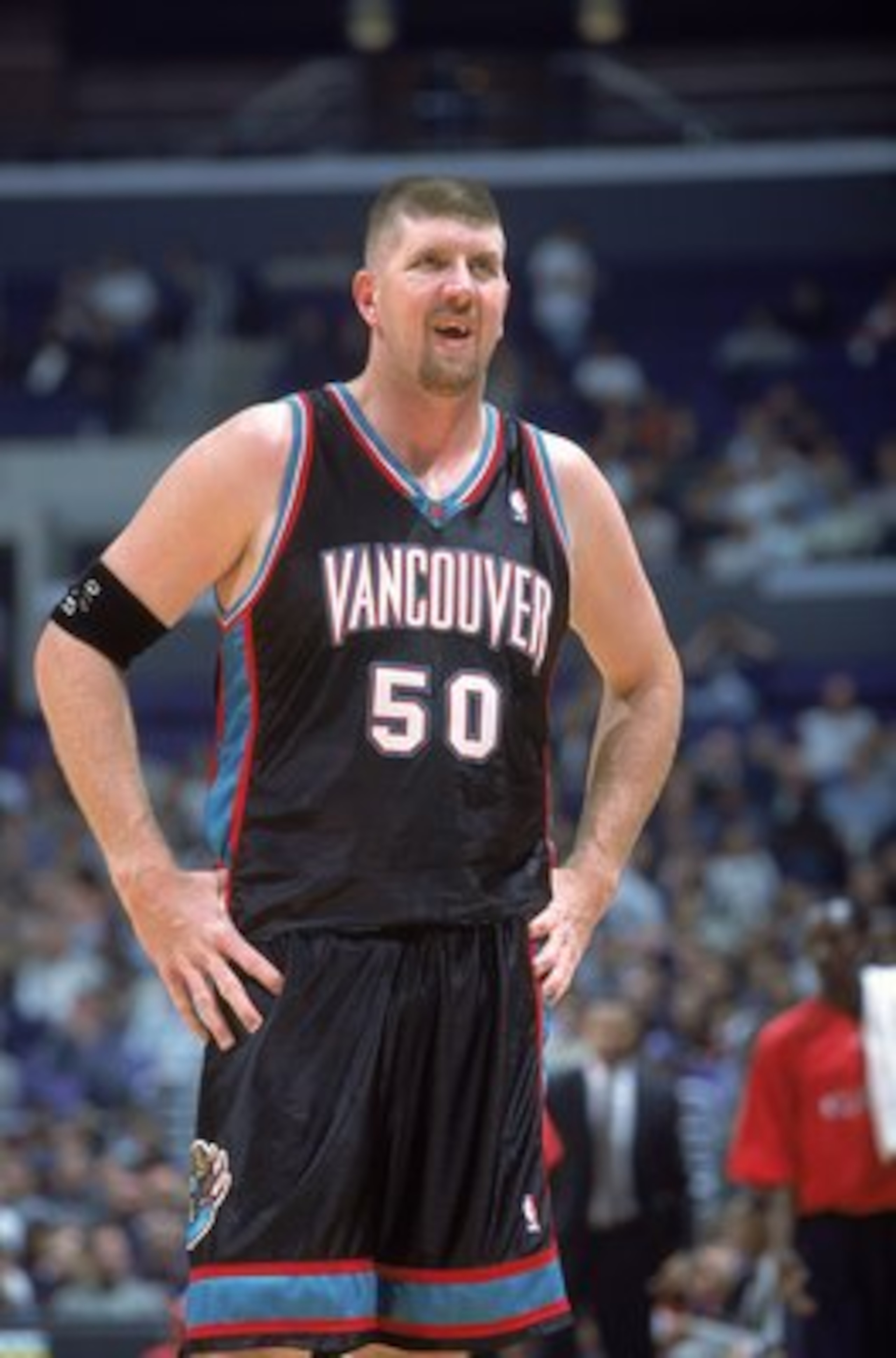
Big Country was originally drafted by the Vancouver Grizzlies in 1995 and averaged 13.3 points per game right off the bat. After the Oklahoma State Cowboy increased his scoring output to 16.2 points per game during the 1996-'97 season, the Grizzlies rewarded Bryant Reeves with a six-year, $61.8 million contract extension.
Reeves would play his best season the next year, putting up great numbers with his 16.3 points and 7.9 rebounds per game, but then he started to gain weight. The numbers produced by a scale were the only ones that ballooned the following season as injuries mounted and he finished his career averaging 10.8, 8.9 and 8.3 points per game during the next three years, his final three in the NBA.
Miami Heat: Brian Grant
15 of 30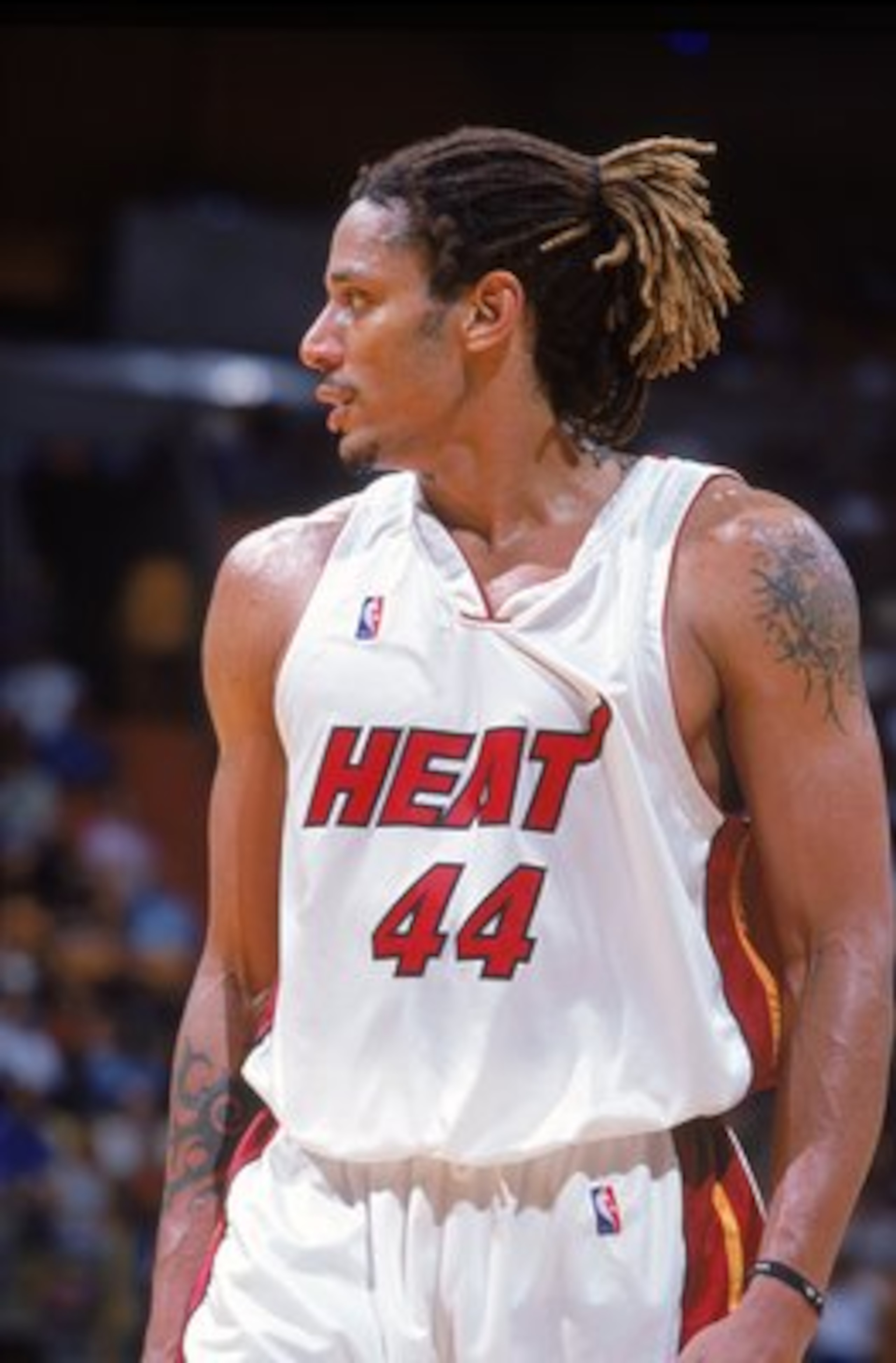
The General parlayed a successful career as a Xavier Musketeer into being drafted sixth in the 1994 NBA draft by the Sacramento Kings, where he would immediately produce and be named to the All-Rookie Team. After the 1997 season, though, Grant opted out of his contract and signed a seven-year deal with the Portland Trail Blazers worth $56 million.
After averaging 7.5 points and 5.5 rebounds per game during the 1999-00 season, the Miami Heat's general manager, Pat Riley, decided that Grant was a crucial addition to his team and signed the big man to a seven-year deal worth a whopping $86 million.
Grant remained a double-double threat throughout his four seasons in Miami, but he failed to deliver the championship he was supposed to and didn't justify his mammoth contract by any stretch of the imagination.
Milwaukee Bucks: Bobby Simmons
16 of 30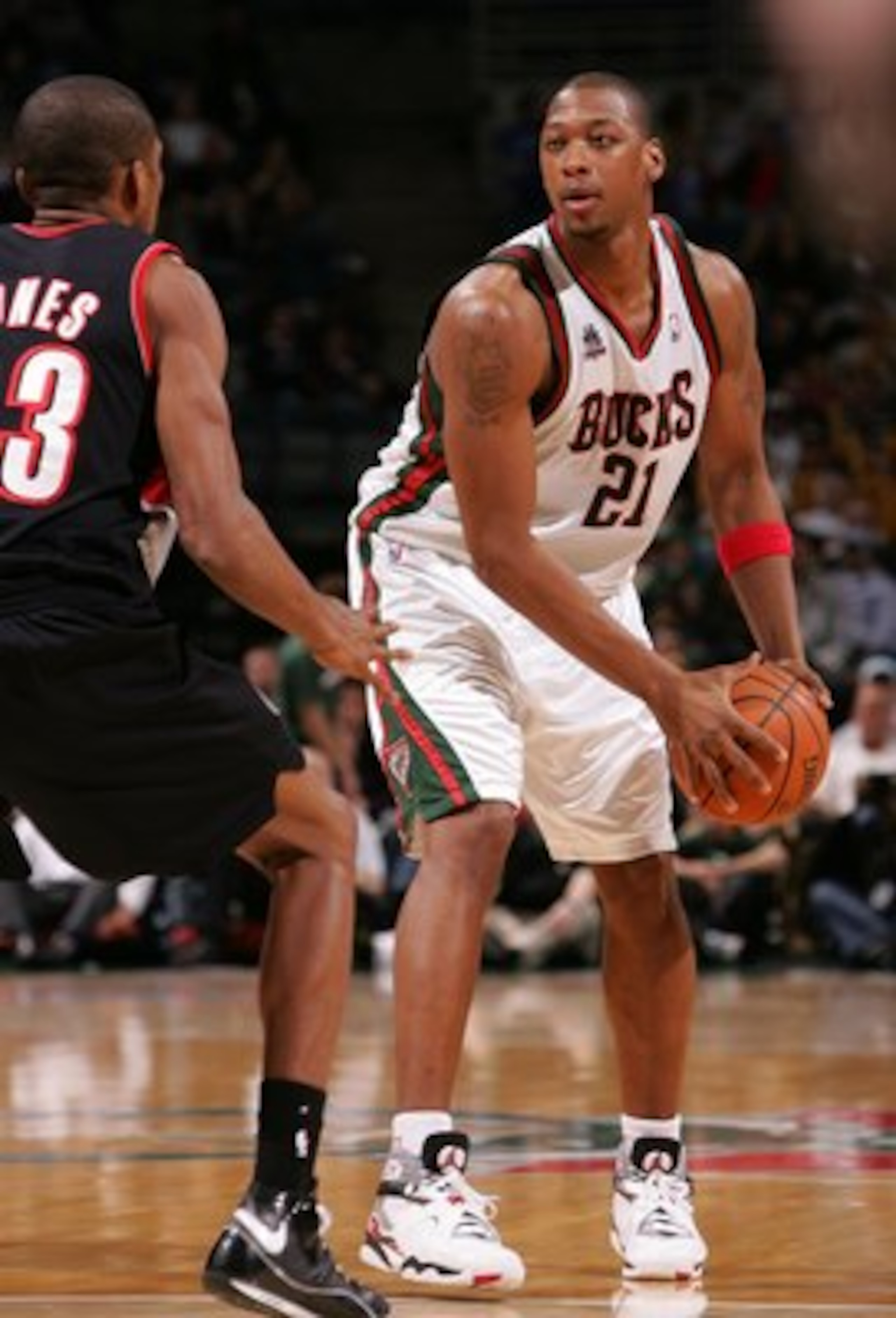
The 41st pick of the 2001 NBA Draft, Bobby Simmons didn't do much in any of his first three seasons at the professional level. That all changed when he experienced a massive breakout with the Los Angeles Clippers, averaging 16.4 points, 5.9 rebounds and 2.7 assists per game during the 2004-05 season en route to being named the league's Most Improved Player.
Not familiar with the flash-in-the-pan phenomenon, the Milwaukee Bucks signed Simmons to a five-year, $48 million deal. As was to be expected, Simmons' numbers declined in every category but blocks per game during his first season in Miami.
He then missed the entirety of the 2006-07 season with a particularly bad ankle injury, he was even more unproductive the next year and then was traded to the New Jersey Nets.
Minnesota Timberwolves: Joe Smith
17 of 30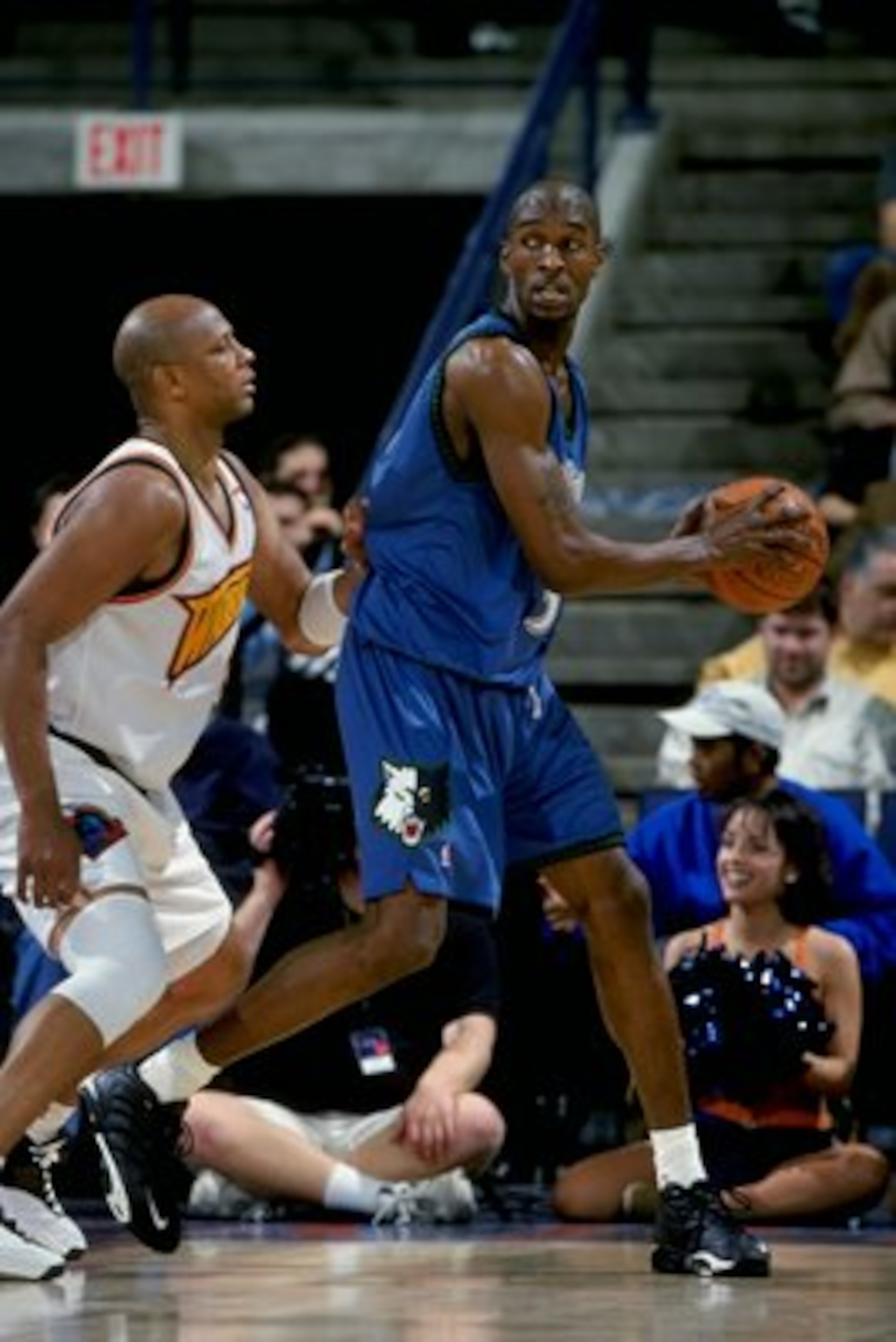
One of the million Joe Smiths that has inhabited the planet, this Joe Smith was drafted out of Maryland in 1995 with the No. 1 overall pick by the Golden State Warriors. He finished second in the Rookie of the Year voting to Damon Stoudamire after averaging 15.3 points and 8.7 rebounds per game, the latter of which still remains a career best.
Smith continued to play well for the next year-and-a-half in Golden State before he was traded to the Philadelphia 76ers. Then his production dropped off and never recovered.
Still, though, the Minnesota Timberwolves thought it would be a good idea to sign Smith to a small salary, with a secret agreement that he would receive a multi-million dollar contract after the team used the extra money on good players.
Commissioner David Stern found out about the secret contract and voided it, forcing the Timberwolves to sign Smith to a six-year, $34 million contract. Needless to say, that didn't work out well either.
New Jersey Nets: Travis Outlaw
18 of 30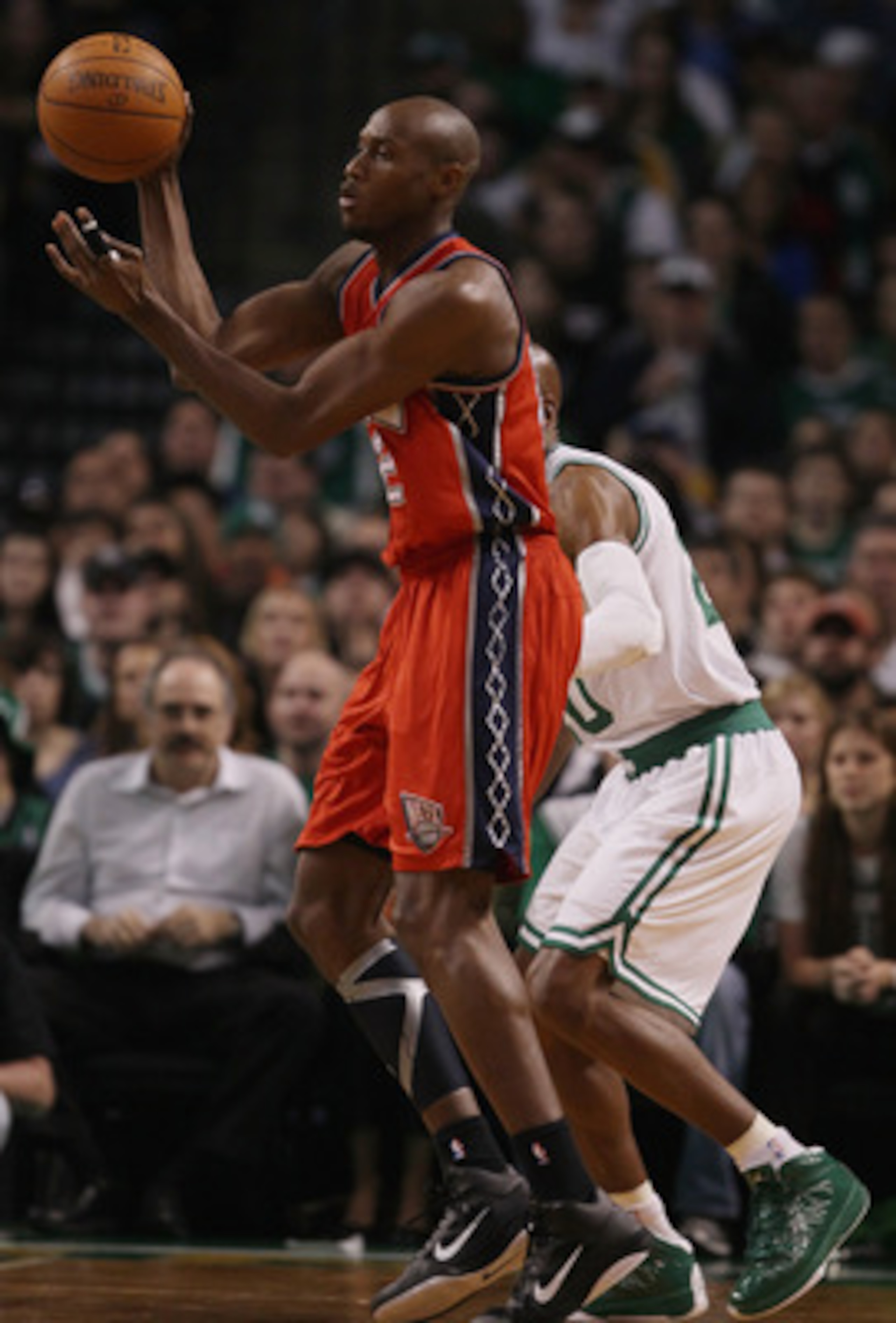
During last summer's free-agent bonanza where mediocre players were rewarded with ridiculously high contracts in fear of the future CBA, Travis Outlaw cashed in by signing a five-year deal with the New Jersey Nets worth $35 million.
He's still only played out one season of the deal, but if the 26-year-old forward's level of production is any indication, he's not worth it at all. Despite starting more games than ever before, 55, and receiving much more minutes than ever before, 28.8 per game, Outlaw's production still declined.
In fact, he averaged just 9.2 points and 4.0 rebounds per game during the 2010-11 campaign.
New Orleans Hornets: Peja Stojakovic
19 of 30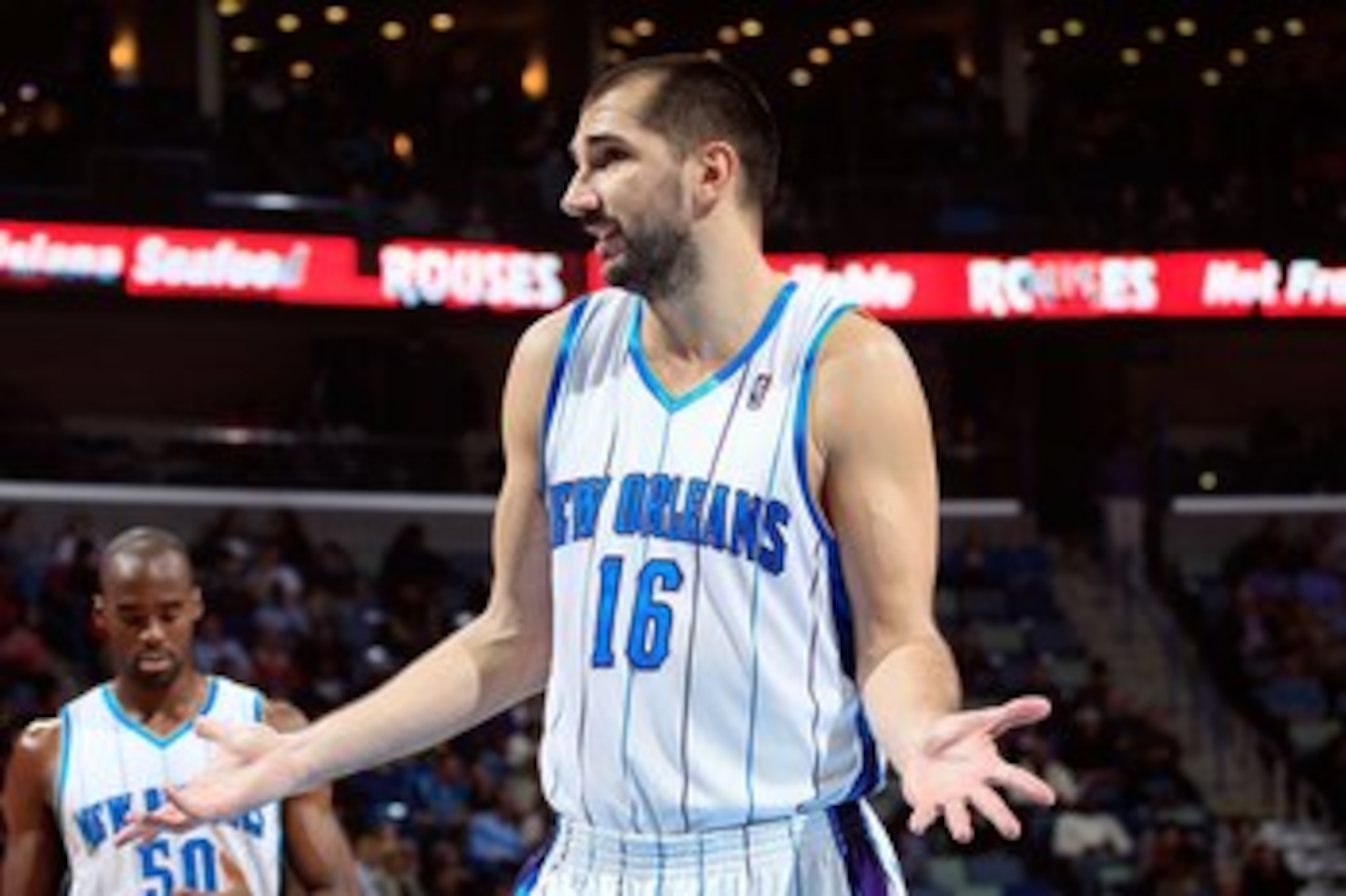
Peja has got it right in that picture. He doesn't have any idea what the New Orleans Hornets were thinking when they completed a sign-and-trade with the Indiana Pacers for him. His deal was worth $64 million over five years.
Stojakovic played fantastically for the Sacramento Kings during the early part of his career, but he entered his decline as soon as he became a member of the Hornets. All of his numbers dropped off, culminating in a season where he averaged just 12.6 points per game.
He did nothing to justify the ridiculous amount of money he was making.
New York Knicks: Jerome James
20 of 30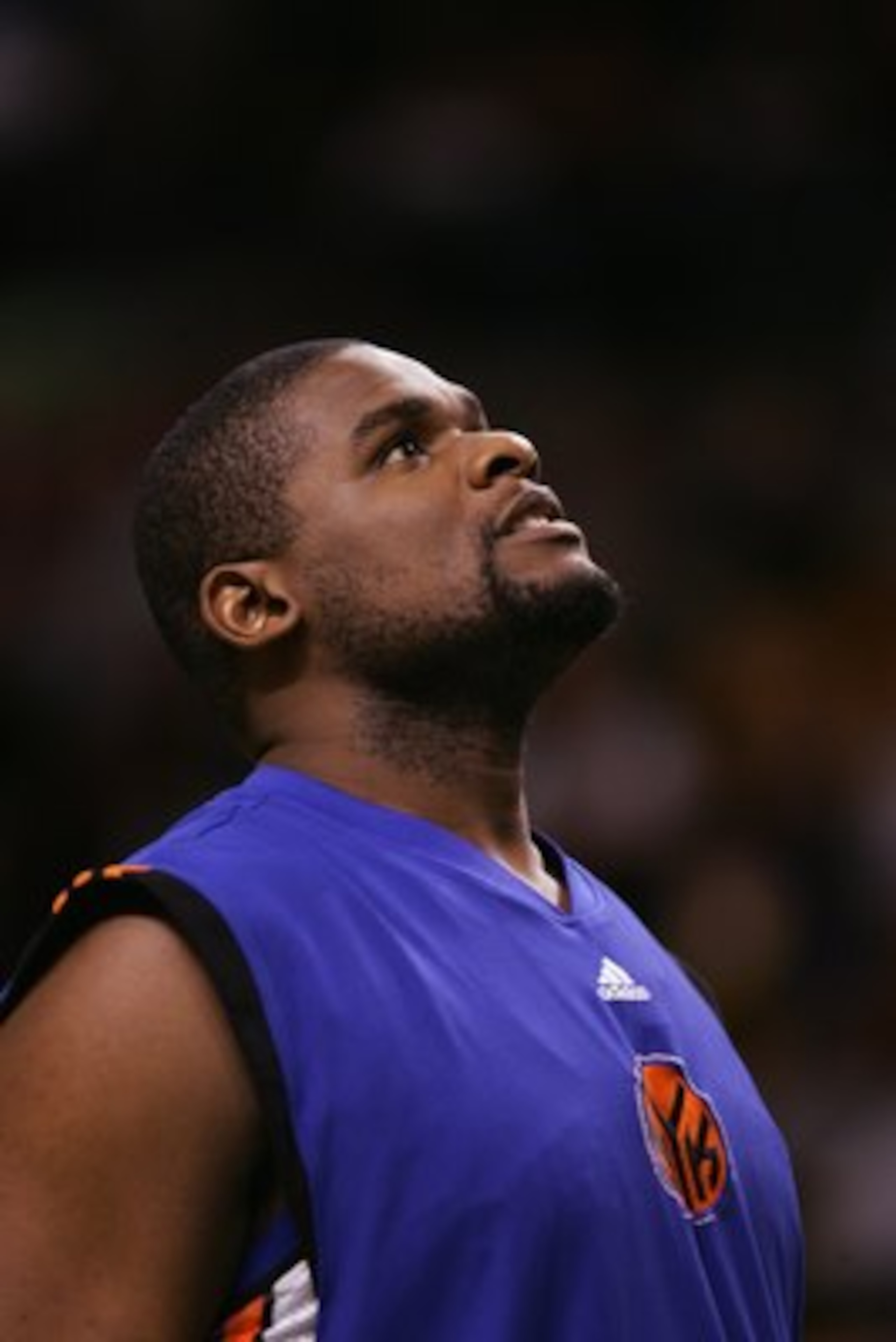
The New York Knicks have been the model franchise in recent years when it comes to making boneheaded decisions about free-agent signings and trades. In fact, they have been so inept at times that it's almost mpossible to pick just one player for this slideshow.
But since I have to, we have to go with Jerome James.
James tripled his regular-season numbers in the 2005 NBA Playoffs and saw it pay off when Isiah Thomas signed him to a five-year deal worth $30 million. The center showed up out of shape and averaged just 3.1 points and 2.1 rebounds per game before injuries and suspensions ended his time in New York.
Absolutely no one liked the decision that the Knicks made, even at the time that James was signed.
Oklahoma City Thunder: Jim McIlvaine
21 of 30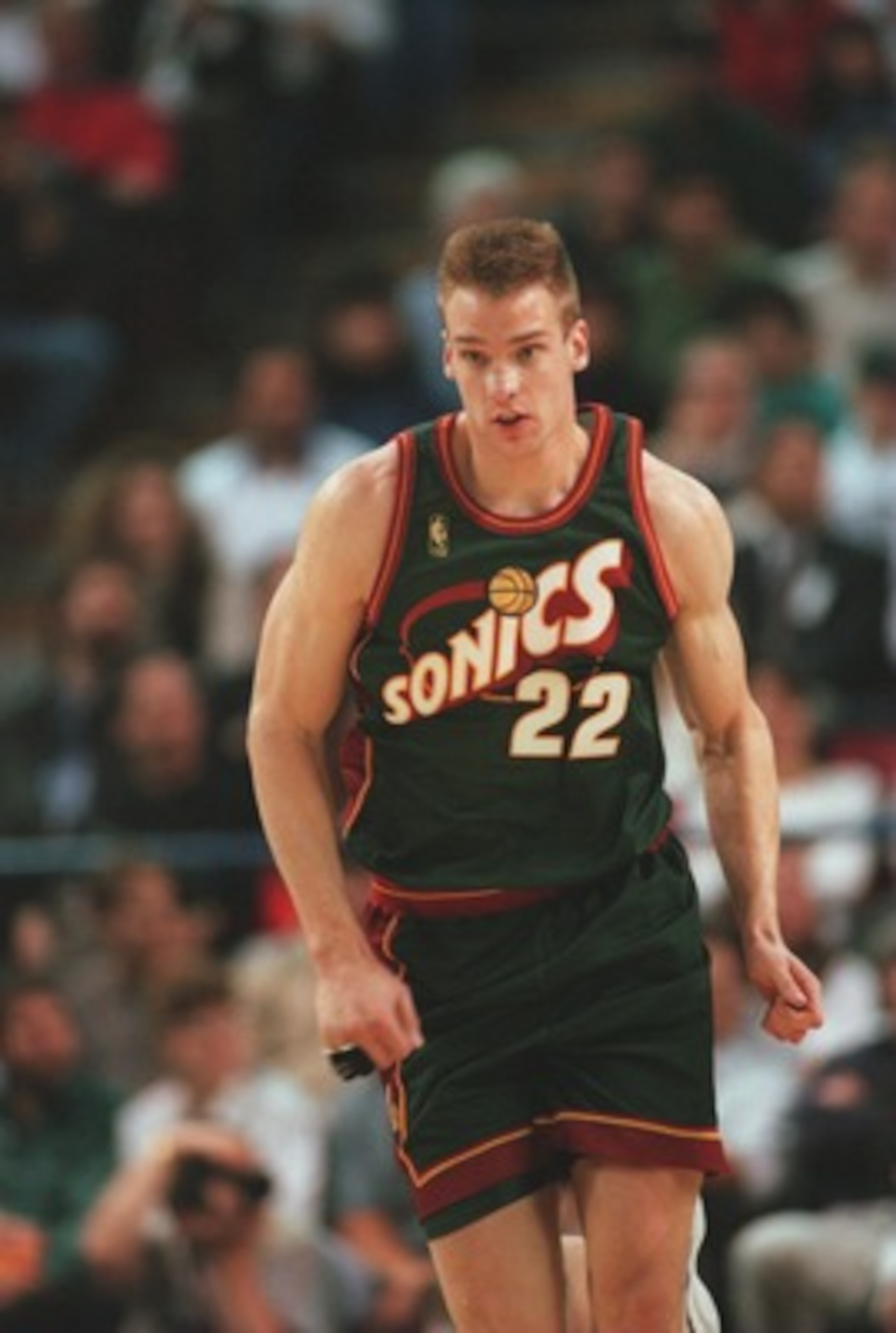
Hailed as one of the worst free-agent signings of all time, Jim McIlvaine may be the man who brought about the downfall of professional basketball in Seattle.
The 7'1" center from Marquette was supposed to be a tremendous shot-blocking presence, but he never did much with the Washington Bullets, the team that drafted him in 1994 with the fifth pick of the second round. McIlvaine supposedly "broke out" during his second year in the NBA when he averaged a whopping 2.3 points, 2.9 rebounds and 2.1 blocks per game.
For some reason, the Seattle SuperSonics decided to offer McIlvaine a contract worth $33.6 million over seven years in the hopes that he could become a defensive presence and a "Shaq stopper."
Both Seattle fans and Shawn Kemp were upset because of the latter's ongoing contract feuds with the team. Kemp, a star at the time, wasn't being given the salary increase he wanted and seeing an unproven center get what he thought of as his money didn't help things.
Chemistry issues killed the team and eventually Kemp was shipped out and Vin Baker was brought in. Baker, though, would experience an immediate decline thanks to his problems with alcohol.
Meanwhile, McIlvaine never averaged more than 3.8 points or 4.0 rebounds per game.
Orlando Magic: Grant Hill
22 of 30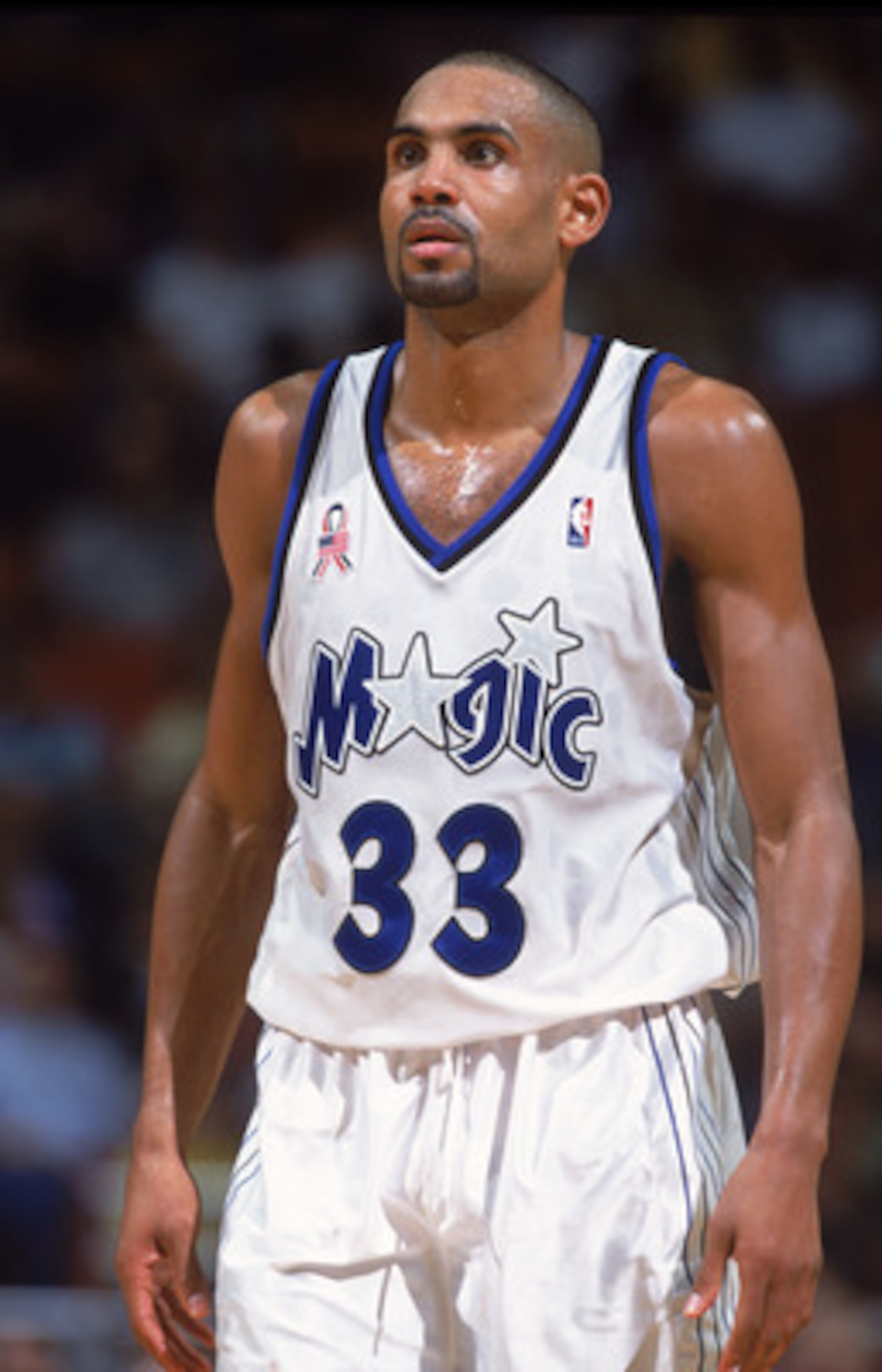
Both during his collegiate career as a Duke Blue Devil and his early years in the NBA with the Detroit Pistons, Grant Hill was universally thought of as one of the most all-around talented players in the NBA and a great bet to become one of the best ever.
At the end of his time with Detroit in 2000, Hill had put up 9,393 points, 3,417 rebounds and 2,720 assists. Only Oscar Robertson, Larry Bird and LeBron James exceeded those numbers in their first six years as professionals.
After completing a lucrative sign-and-trade to go to Orlando, Hill had three-straight successful seasons, but none of them could match what he did in Detroit. Then he suffered a brutal ankle injury that had to be fixed surgically. Unfortunately, the surgery left him with a potentially-fatal methicillin-resistant staphylococcus aureus infection that left him in the hospital and taking antibiotics for six months after he was discharged.
It was just the first of a long string of injuries that would never allow him to play another full season in Orlando.
Philadelphia 76ers: Elton Brand
23 of 30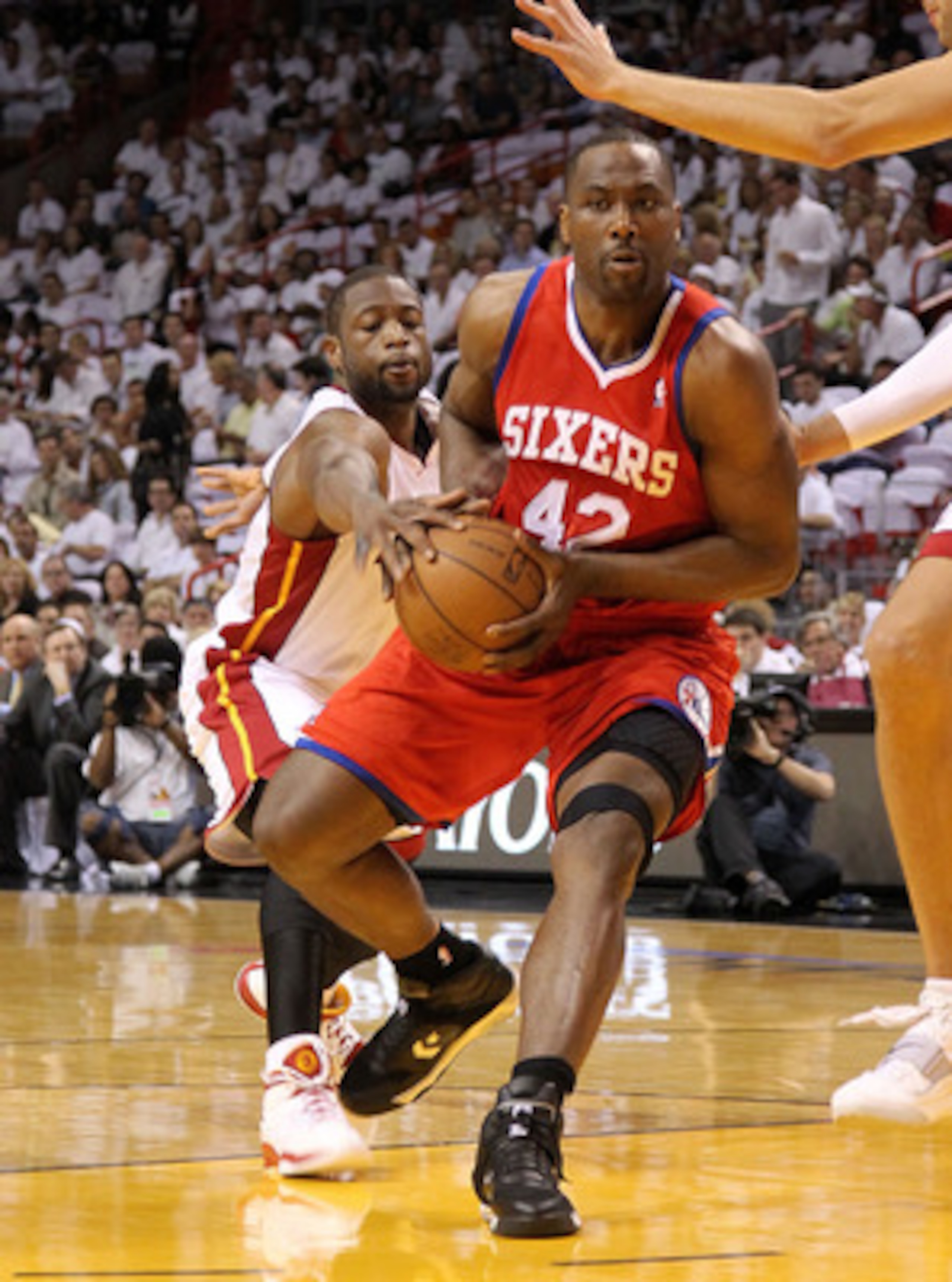
After seven seasons with the Los Angeles Clippers, Elton Brand opted out of his contract to give the team more financial flexibility in the summer of 2008. It paid off when Baron Davis was brought in to LA, but then Brand decided instead to sign a five-year deal with the Philadelphia 76ers worth $80 million.
Brand only played in 29 games during his first season with his new team, the third team he'd played for since he was drafted No. 1 overall by the Chicago Bulls in 1999. Although he appeared to have an uptick in the course of his career this past season, Brand's production is still nowhere near what the 76ers expected when they signed him to such a lucrative deal.
Phoenix Suns: Penny Hardaway
24 of 30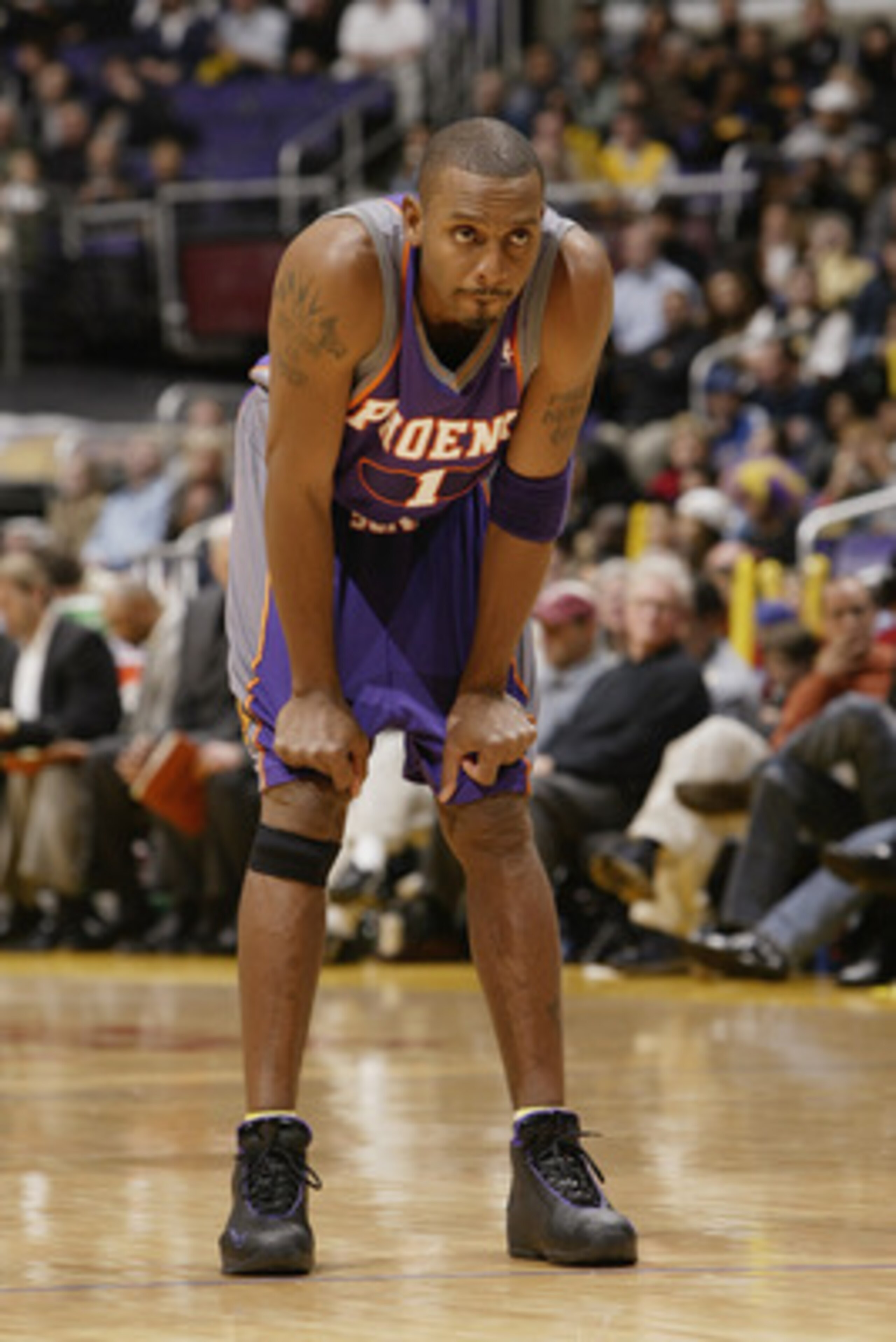
Seven years and $87.7 million were the terms of the Phoenix Suns' contract with Penny Hardaway in the summer of 1999. Hardaway had made four-straight All-Star teams with the Orlando Magic and looked like he was still one of the league's premier guards.
He averaged 16.9 points, 5.8 rebounds and 5.3 assists per game during his first season with the team, but foot injuries kept him off the court when backcourt mate Jason Kidd was actually healthy and not suffering from an ankle injury. Penny played quite well in the playoffs, but not well enough to win the championship.
The next season, Hardaway was forced to sit out the entire year after he had microfracture surgery on his left knee. When he returned, Kidd had been traded for Stephon Marbury and the new acquisition immediately failed to get along with Hardaway thanks to their differing playing styles.
Joe Johnson was then acquired and Hardaway spent the rest of his time in Phoenix alternating between coming off the bench and starting.
Portland Trail Blazers: Darius Miles
25 of 30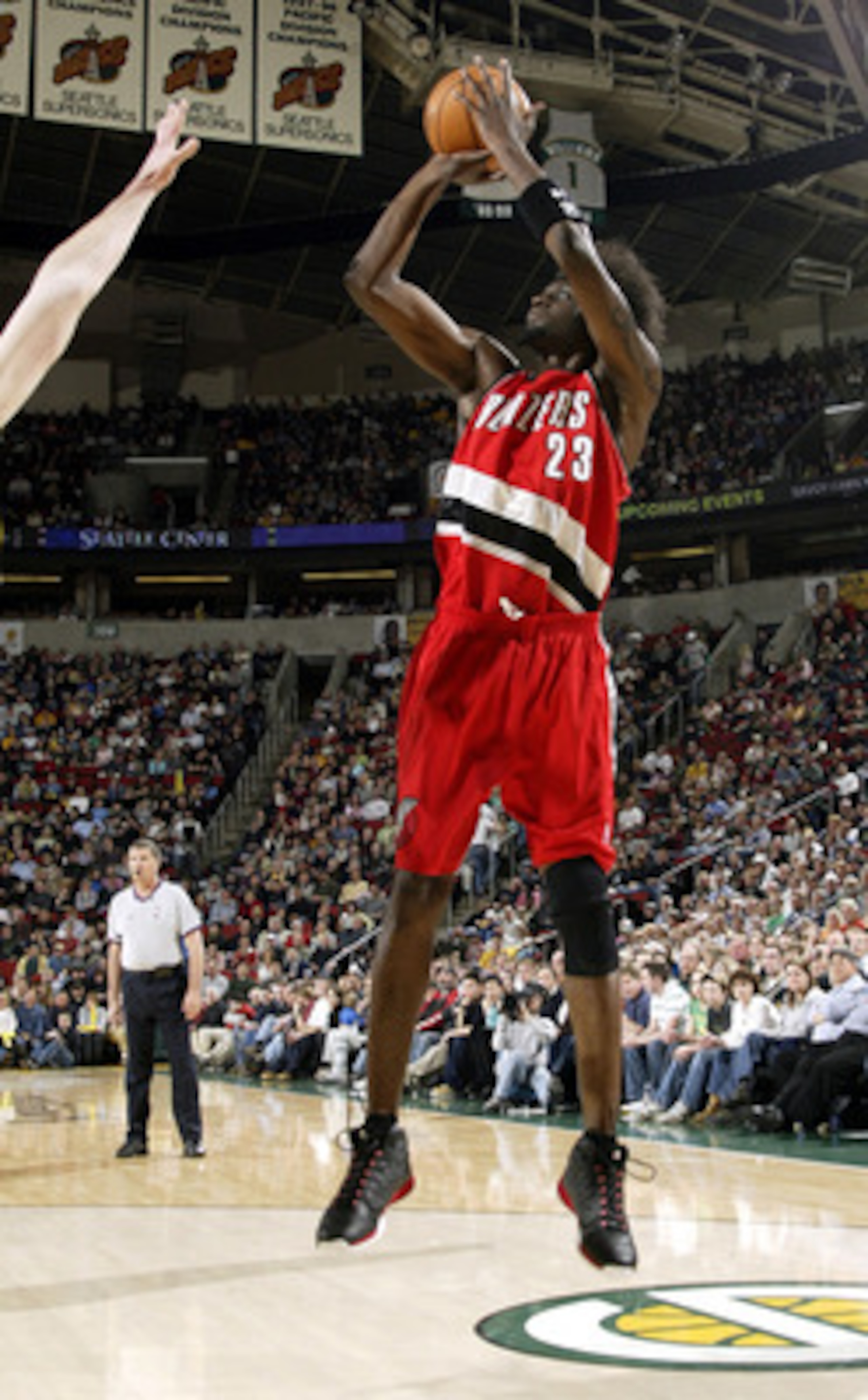
Darius Miles was traded from the Cleveland Cavaliers to the Portland Trail Blazers during the middle of the 2003-04 season. Then the No. 3 overall pick of the 2000 NBA draft was offered a six-year deal worth $48 million while he was a restricted free agent.
Miles loved the contract, but the Trail Blazers most assuredly did not.
The next year, Miles repeatedly had run-ins with head coach Maurice Cheeks, even going so far as to say that Cheeks would be fired no matter what so he "did not care if the team were to lose the next 20 games." Cheeks was also hit with racial slurs spewed out of Miles' mouth and generally was not listened to.
Meanwhile, MIles was scoring in double figures for the first time in his career, at least until microfracture surgery on his right knee kept him out of action from 2005 all the way until 2008.
Sacramento Kings: Mikki Moore
26 of 30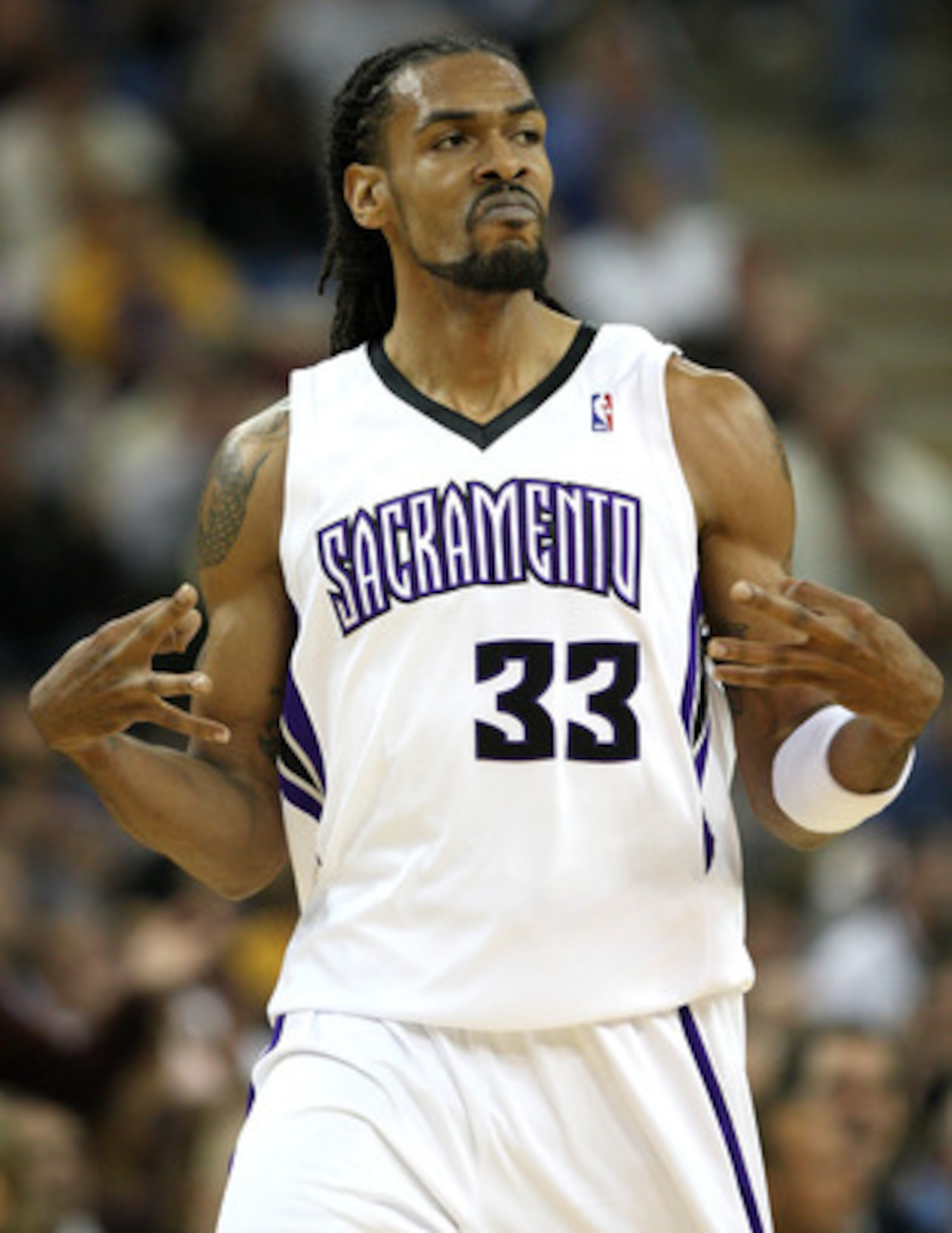
The definition of a journeyman, Mikki Moore managed to play for eight different teams during his first 11 seasons in the NBA. The final one of those 11 years was spent in New Jersey and saw Moore average his best numbers to that point: 9.8 points and 5.1 rebounds per game.
Sacramento got swept up in the belief that Moore was finally emerging and signed him to a three-year deal worth $18 million. The center started 79 games the following season, 2007-08, more than he had started in the rest of his career combined, and he responded with 8.5 points and 6.0 rebounds per game.
But then his numbers fishtailed to 3.5 points and 3.3 rebounds per game the next year and he was waived by the Kings at the end of 2009.
San Antonio Spurs: Richard Jefferson
27 of 30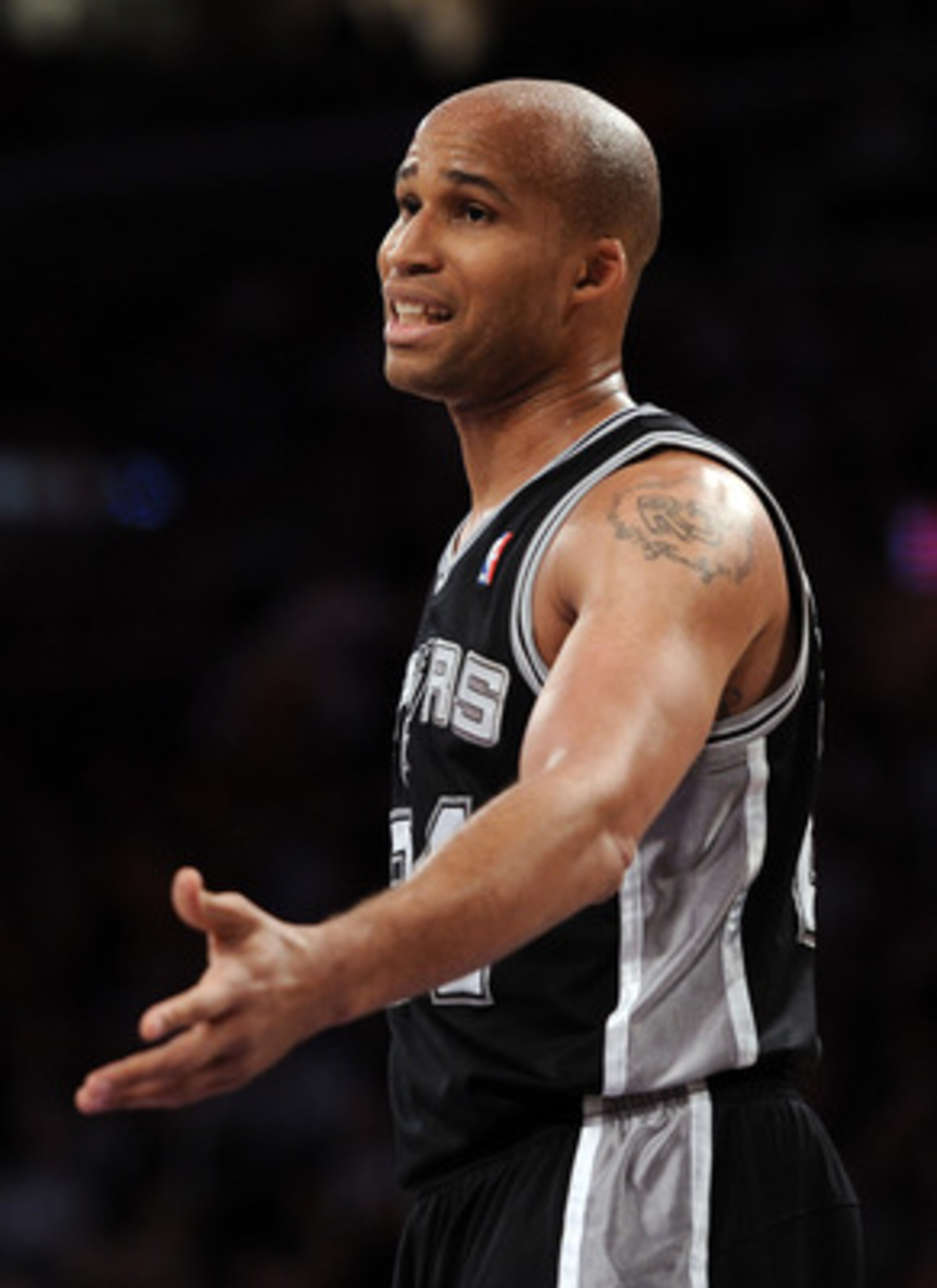
After a mediocre 2009-10 campaign with the San Antonio Spurs in which he averaged 12.3 points and 4.4, Richard Jefferson opted out of his contract to become an unrestricted free agent and was rewarded by San Antonio with a head-scratching four-year deal worth $38.8 million.
The Spurs are one of the model franchises for making level-headed decisions, but this deal made absolutely no sense. Jefferson was almost 30 years old and had seen his minutes decline for the past few seasons. He wasn't the same player.
This was proven when the forward averaged just 11 points and 3.8 rebounds per game last season. His numbers will keep going down until he decides to follow through with his player option for $11 million in the 2013-14 season, despite being nothing more than a glorified bench player at that point in his career.
Toronto Raptors: Yogi Stewart
28 of 30
A shot-blocking big man from the University of California, Michael "Yogi" Stewart went undrafted, but signed a one-year contract with the Sacramento Kings in 1997. Given the opportunity, he proved that his shot-blocking ways could carry over from the collegiate level to the professional level, just as they'd translated from high school to college.
Stewart then signed a free-agent contract with the Toronto Raptors in 1999 and averaged 1.4 points and 2.2 rebounds during the ensuing season. For some reason, the Raptors thought it would be a good idea to resign Yogi to a six-year deal worth $24 million.
That reason still remains a mystery as Stewart averaged no more than 8.5 minutes per game during the rest of his career.
Utah Jazz: Andrei Kirilenko
29 of 30
In 2004, Andrei Kirilenko signed a maximum contract extension that guaranteed him $86 million over the course of the next six years with the Utah Jazz, the team with which he has spent the entirety of his American career.
Kirilenko is a great defender and had just averaged 16.5 points per game during the time right before his contract extension, but he is worth nowhere near this amount of money. In fact, the contract became somewhat of an albatross around the neck of the Jazz franchise.
His role declined as the years rolled on, but the money he was owed didn't.
Washington Wizards: Juwan Howard
30 of 30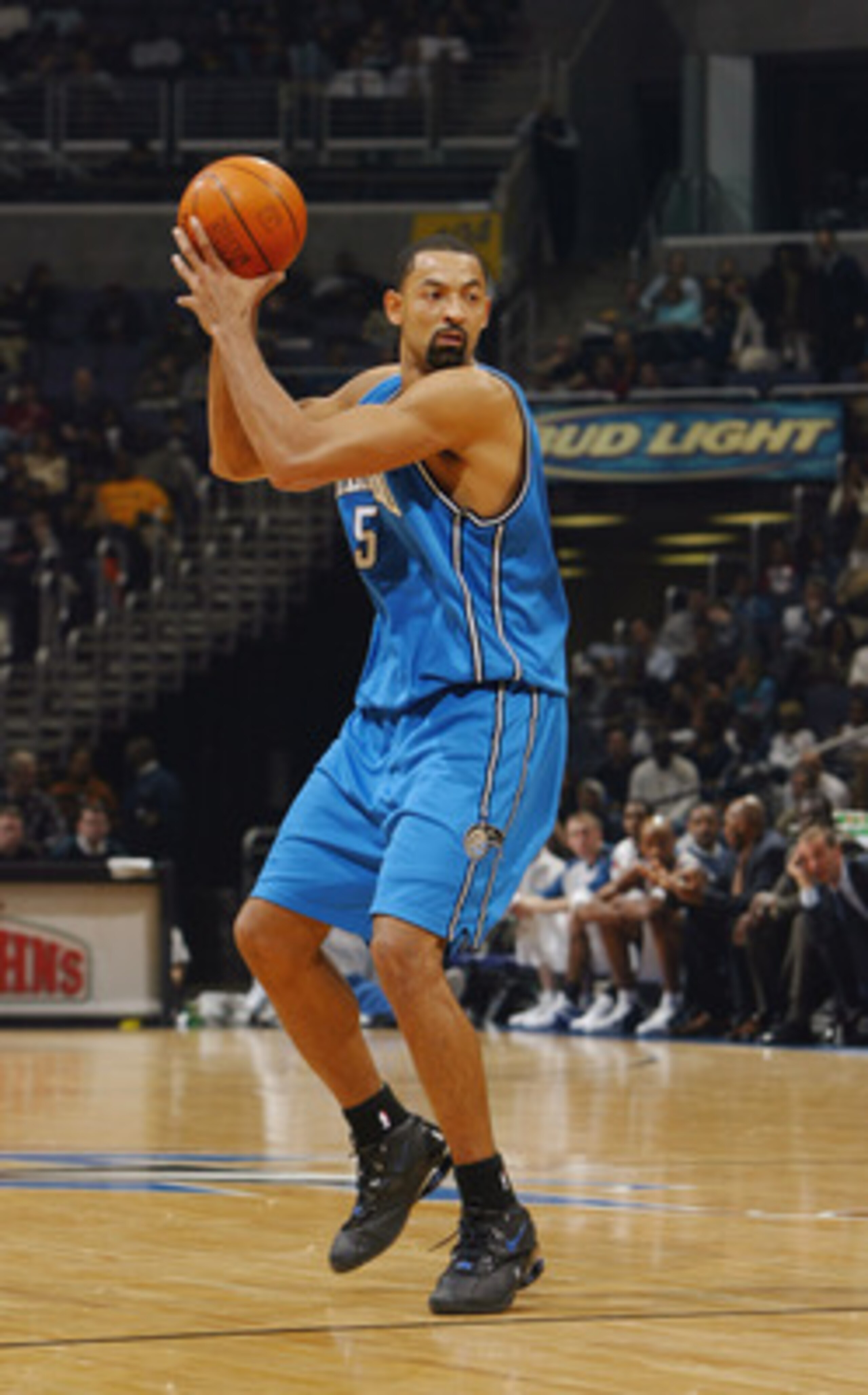
Somehow, gray-bearded Juwan Howard is still playing in the NBA as a part of the Miami Heat. By a part I do mean a very small part, but still, he is playing.
A member of the Fab Five at one point, Juwan Howard was the No. 5 pick of the 1994 NBA Draft and got off to a great start, making an All-Star squad in just his second year. After that season, Howard was up for free agency and ended up signing a seven-year deal with Washington worth $105 million.
That deal was the first nine-digit contract in NBA history and Howard responded by never making another All-Star team.

.jpg?w=2560 "Grading WWE Raw 🔠")

.jpg?w=2560 "Bijan's INSANE 1st Half 🤩")
.jpg?w=2560 "Viral Rams Coach Vid 🖕")
.jpg?w=2560 "Injury-stricken Seahawks signing veteran RB")

.jpg?w=2560 "2 NFL Officials Suspended")