
Trevor Prangley: "I'd Hate to Be Remembered as Someone That Was a Bad Influence"
 While many mixed martial artists—regardless of their age—talk of world championships, Trevor Prangley is taking a more realistic approach to his final days in the sport.
Although Prangley, who moved to the United States from his native South Africa in 1996 to pursue a career in collegiate wrestling, set out to return to his home country to once again try and attain a spot on his nation’s Olympic wrestling squad, he would soon make the United States his permanent home.
Since embracing mixed martial arts and making his professional debut over a decade ago, Prangley has notched 23 victories—including notable wins over Chael Sonnen, Travis Lutter, and Keith Jardine—and has held titles under the BodogFight, MFC, and Shark Fights banners.
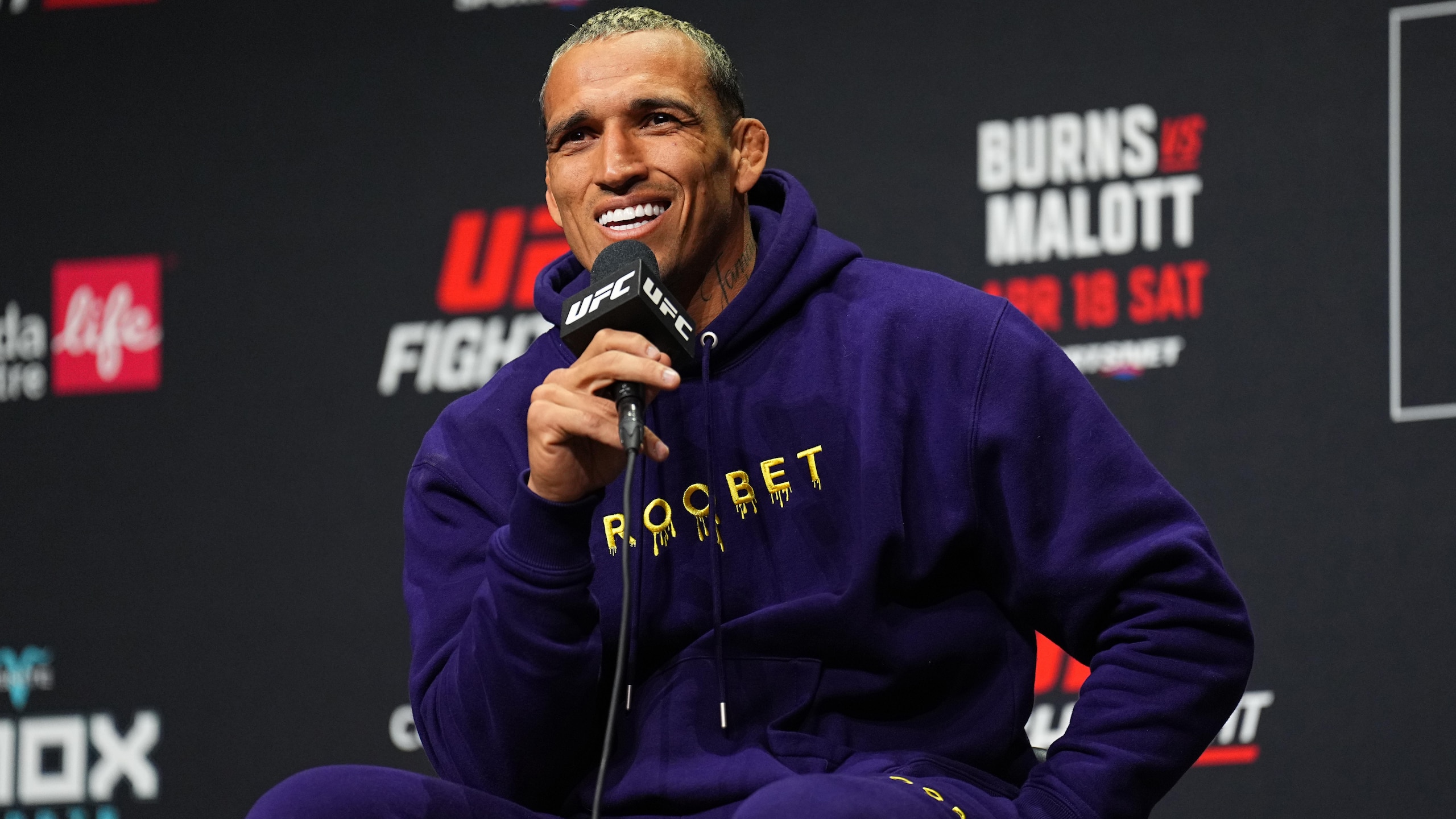


Now, as his career as a mixed martial artist draws to a close, Prangley, who is currently a free agent, doesn’t have any, as he says, delusions of grandeur and is taking a pragmatic approach to his remaining years in professional competition.
I recently had the opportunity to speak with Trevor Prangley about, among other topics, his first experience in wresting some 30 years ago, coming to America, and what he’s been able to accomplish in the sport.
Do you remember your first day of wrestling?
30 years ago?
Do you remember it?
Pretty much [laughs] ... It kind of sucked, because I had a scummy kid on the first day—you’re supposed to shake hands with your opponent in wrestling—and every time I went to shake his hand, he took me down [laughs]. It sucked.
Were you at all turned off from the sport after that rough day?
No—it got me excited to learn some stuff.
When did you realize that you had the potential to excel in wrestling?
I was a late bloomer, man; I didn’t have a great wrestling record until I was 17, 18 years old, you know? I loved the sport, but it wasn’t that important for me to win all the time. As I got older, I started to realize that losing sucks.
What brought you to America?
I was wrestling in South Africa and I almost made their Olympic team over there—I lost in double-overtime—and the place that I was living in didn’t have a great wrestling program.
I got an opportunity to come here and go to college for two years—I thought it would a good opportunity to train—because I was going to go home and try to make the Olympic team again. I wrestled in college for two years and just didn’t go back, you know?
How much of an impact did the American coaching have on you?
A lot, man. I grew up during the apartheid era when there were sanctions on the sport. We had really limited access to outside sports; technique, training—all of that stuff. When I moved over here, it was a totally different deal.
It’s black and white—as far as the coaching technique and the way practices are run and just the sport itself.
What year did you move?
And ’94 was when the apartheid era ended?
Yeah—I think it was ’93 or ’94. I don’t remember the exact year.
Did you have any culture shock coming to North America?
Nah, not really. South Africa is a pretty industrialized country; it was a first-world country for many years before the economy went bad from the sanctions. It was the same cars, same roads, same buildings—everything. There are some cultural differences among the people, but for the most part, people are people everywhere.
Do you feel that you would’ve regretted not coming to America to wrestle?
My life would’ve been so different. I wouldn’t regret it, because I wouldn’t know what I was missing. If I knew what I would be missing out on, than I would’ve regretted it. As it stands now, though, I would’ve just carried on over there and that would’ve been my life.
Do you ever think about how your life may have ended up had you not come to America?
I do—every now and then. I don’t know what I’d be doing—to be honest with you. I’ve been in athletics since I was five years, but there’s really no market for it over there. There is now—the fight scene is picking up—but I would be too old to start now, so I’m not sure what I would’ve done.
Do you have any intentions of going back?
Permanently? No—not really. I’d like to go back and visit and maybe do a few fights over there, but as far as living; people think it’s hard to find a job over here, but over there, it’s virtually impossible.
Did you think, when you first arrived in America, that you would have this much success in wrestling and then, further, in mixed martial arts?
Well, I always knew that I had the potential. I realized with the coaching that I could get here and I could go into a college gym and have 40 guys to train with, but back home, sometimes I’d be the only one at practise and would have no one to workout with.
I had motivation, too; I walked on my first semester. I made a deal with them before I came over; I said that I’d pay for my first semester, but if I made the team, the college would have to pay for the rest of my schooling—and I only had enough money to pay for that semester, so I knew that I had to damn-well make that team, you know [laughs]?
What did you study while in university?
I was just doing general studies. Like I said, I planned on going back home. I only planned on wrestling here for two years and going home, but life is a funny thing.
What inspired you to try your hand at mixed martial arts?
Well, wrestling is a seasonal sport and there was a Jiu-Jitsu school where I lived—and I just started doing some Jiu-Jitsu. I had done judo on and off growing up, so it was a natural transition—it felt good, you know?
When I got done with college—I had torn my knee in the final match of the tournament—and they were going to pay for it and I was going leave to go back; I had already got my tickets bought. I stayed for the surgery and the rehab and as I was doing the rehab, I started doing Jiu-Jitsu some more and I just fell in love with it.
I never bought new tickets to go home and I just started fighting. I had my first fight six months after my surgery.
Do you think it was, kind of, a natural progression for you to get involved with mixed martial arts?
I think so. I think it’s a natural progression for most grapplers. There’s an old saying—and not to knock on any aspect of the sport—but it’s easier for a wrestler to become a striker than it is for a striker to become a wrestler. I think it’s natural any time that you’re a grappler.
Why do you think that is?
I think the grappling and the wrestling are so much more technical than striking—not to take anything away from the striking—but wrestling is three, four, five moves ahead and it’s so much more demanding.
Once your body has been through that much wrestling, to progress into striking is much easier than trying to understand wrestling and everything that goes into it.
Do you feel wrestlers have a psychological edge, too?
I would think so. I can go into most fights—and not all of them—but for most of them, I can dictate where the fight is fought; if I’m getting beat up on my feet then I can get a takedown or if I’m beating the guy on the feet, then I get to keep it on the feet—I get to choose where I fought my fight.
I think it’s a great psychological advantage. What makes wrestlers so successful in mixed martial arts is that they decide where the fight is fought. You’ve only got two options; where the wrestler puts you.
In the beginning, did you rely on your wrestling more than anything else?
Yeah, totally. I’ve only been working my striking for the past four or five years. Before that, I just did my wrestling and ground and pound and submissions. I regret it now; striking is one of the aspects that I should’ve learned from the first day, but I just had so much success with the wrestling.
Did you ever think that you would be this successful in the sport when you started?
No—not really. I started more as a hobby. I had my first fight back in ’97 and we all know that there was no money in the sport back then. I fought 20 fights before I made a thousand dollars on a fight and my first 15 were probably for free [laughs].
There was no motivation to be successful, so I worked part-time jobs while I was fighting to get by—that was before the sport grew. I’ve exceeded the goals that I set for myself when I started.
What were your goals when you started in this sport?
I think my goal was the same as everybody’s back then; I just wanted to fight in the UFC. Back then, they were only having three or four shows a year, so it was pretty prestigious to fight in the UFC.
It wasn’t like it is now, where there are a few shows a month and a lot more people get the opportunity to fight in the UFC. When I started, there were only three or four shows a year and you had to be good to get in it, you know?
How much different do you think it is for a young mixed martial artist trying to break into the game than it was when you started in the sport?
It’s so much easier now; there are way more opportunities. It’s an actual sport now; when I started, it was still style-versus-style—there was no training curriculum. The sport was still developing when I was starting back in the day.
Plus, there’s a light at the end of the tunnel for them now; no one knew that there was this type of money to be made. Now, a kid can start training with the goal of becoming a professional fighter and making a living. I think it’s much easier for them nowadays.
Would you have worked harder if you had that, as you say, light at the end of the tunnel?
Yeah—definitely. I might not have worked harder, but I might’ve moved to a camp like AKA. I train here for my fights, but I live in Idaho, so I’ve got to come down for a four- or five-week training camp for my fight. Back then, I probably would’ve moved down here.
Had I done that—and knowing the success that could’ve been reached—I think I would’ve been a world champion. I’ve fought most of my fights on short notice, too. Even to this day; for my last three fights with Strikeforce, the longest notice that I’ve had has been three weeks.
Do you regret taking fights on short notice?
No—it’s my job, you know? I fight. My whole career has been like that and I’ve had a lot of success out of it, but it would be nice to get the notice. If you can’t, you’ve got to do your job.
Nothing ends up perfect in life; if I sit around and wait for the perfect fight with the perfect training camp—that will never come. It would’ve been nice to have time to train for a lot of these guys, but my job is to fight and to entertain. I went out there and did my job.
How do you feel about what you’ve been able to accomplish in the sport?
I’m happy. There were a couple low points, but for the most part, I’m satisfied. I feel blessed to have done what I’ve done in this sport and do be a part of the development of the sport.
Like I said, when I started, it really wasn’t mixed martial arts; it was called Vale Tudo or “ultimate fighting”—no one knew what it was.
Do you have any fights lined up now?
Not right now. I’m looking; I’ve got my name out to a few promoters and just staying in shape—I’m sure something will work out.
I’m getting to the end of my career—I’ll be 39 years old in the next couple months—so I understand that a lot of promotions don’t want to invest time and money into someone of that age; even if you are successful, they don’t want to lose you after they’ve built you up in a couple years.
Have you thought about how much longer you’d like to compete?
I’ve thought about it a lot. I’ve said a few times that this is going to be my last year, but it’s become such a big part of my life—it’s going to be hard for me to quit, you know? It’s going to be hard.
It will be difficult to retire?
Yeah—it will be. I enjoy it; I enjoy the fighting and I enjoy the training. I’ll retire when my body just can’t do it anymore. I’ve made the decision that I’m going to retire when my body is tired and I’ve got too many injuries to train.
What do you feel is the next step in your career?
You know, I don’t know about the next step in my career. I think, right now, the next step is to just find fights and fight, you know? I want to fight as much as I can before I retire and see what happens.
Are you under contract with Strikeforce at the moment?
The Roger Gracie fight was my last fight on that contract. Now that the UFC bought them, they’re not going to renew any of those—I’m not contracted with them anymore.
Would you be interested in fighting in the UFC?
Yeah—of course. Who wouldn’t [laughs]?
[Laughs] Fair enough. Do you feel that you belong in the UFC?
I feel that I have a lot to offer the UFC—but that’s neither here nor there; it’s not what I feel, it’s what I can get.
What do you feel you can accomplish in the final years of your career?
If I could win most of my remaining fights and entertain the people and have a positive impact on people’s lives—like the guys that I’m coaching at my gym—I think that will be an accomplishment.
I’m past the stage of, “Oh, I have to be a champion,” or “I want to accomplish this or that,”—I’m past that stage in my career and I realize where I am in the sport.
My role now is to finish up my career and help build up the next generation. I’ve got some very tough fighters at my gym and I enjoy training with them.
The more that I train them and the more success that they have, the less important my career becomes and the more I want to help them reach their goals.
How long have you been coaching for?
I’ve been training fighters for the past three or four years—not too much—because I’m busy with my own career, so it’s kind of hard to do ... Fighting is a selfish sport, you know? I’ve got to look after myself; I can’t help them while I’m training for a fight.
I’ve had a lot of free time, though, between my last few fights and I’ve been able to spend more time with my guys.
How would you like to be remembered when it’s all said and done?
I just want to be remembered as a guy that went out there and fought; someone that did his job and entertained the people—you know what I mean?
I don’t have any delusions of grandeur; I don’t need to be remembered for anything besides being a guy that was in the sport for some time and was a tough fighter—someone who people enjoyed watching.
Are you satisfied with what you’ve been able to accomplish in your career?
I am—I am. It would be terrible to be coming to the end of your career and not be satisfied with what you’ve accomplished.
How does that feel—knowing that you’ve exceeded your own expectations in the sport?
It’s good. Like I said, I feel blessed. I was given the opportunity—based on the genetics that I was born with and the experiences that I’ve had—to be a part of one of the most exciting sports in the world. And not just a part—but a part in the beginning.
Is there anything that you’d like to say to your fans while you have this opportunity?
Yeah, man; I just want to tell them, ‘thanks,’ you know? I appreciate them. There have been some ups and some downs in my career, but I’ve got a good group of fans that have always been good to me and who have always supported me. It’s stuff like that that kind of keeps you going through the dark times.
I’ve been given an opportunity to reach out into people’s lives. That’s why I’m always careful about what I say and do—I’d hate to be remembered as someone that was a bad influence on somebody.

.jpg?w=2560)

.jpg?w=2560 "Bijan's INSANE 1st Half 🤩")
.jpg?w=2560 "Viral Rams Coach Vid 🖕")
.jpg?w=2560 "Injury-stricken Seahawks signing veteran RB")


.jpg?w=2560 "2 NFL Officials Suspended")
