
Cal Ripken, Eddie Murray and the 10 Best Draft Picks in Orioles Team History
The Orioles have had their fair share of terrible draft selections over the past decade-and-a-half.
Chris Smith, Keith Reed, Mike Paradis and Billy Rowell have all failed to live up to expectations, while the first three have bombed out of baseball altogether.
Still, it's important to remember that this is the same organization that drafted, developed and reaped the benefits of Cal Ripken Jr., Eddie Murray and Mike Mussina.
So without further ado, I give you the 10 best draft picks in Baltimore Orioles team history.
Al Bumbry: Class of 1968
1 of 10
A longtime fan favorite in Baltimore, Bumbry played all but the final season of his career with the Orioles.
Taken in the 11th round of baseball's third-ever draft in 1968, Bumbry reached the majors four years later, in 1972, but not before putting on one of the most impressive minor-league shows ever.
In 1972, splitting time between Double-A and Triple-A, Bumbry hit .345 with 33 doubles, 19 triples, 10 home runs and 57 RBI. He posted an insane 192 hits in just 134 games and scored 109 runs. He also swiped 32 bases in 37 attempts.
Bumbry went on to be very much that same player for the Birds, racking up triples and swiping plenty of bases. He made his full-season debut in 1973 and, like Ripken and Murray, took home Rookie of the Year honors, hitting .337 with a league-leading 11 triples and 23 steals.
That would be the highest average Bumbry would ever hit for, but he still finished his career with a .281 average and 254 stolen bases.
He was a crucial part of four playoff teams and two World Series squads, one of which (1983) won the whole thing.
Eddie Murray: Class of 1973
2 of 10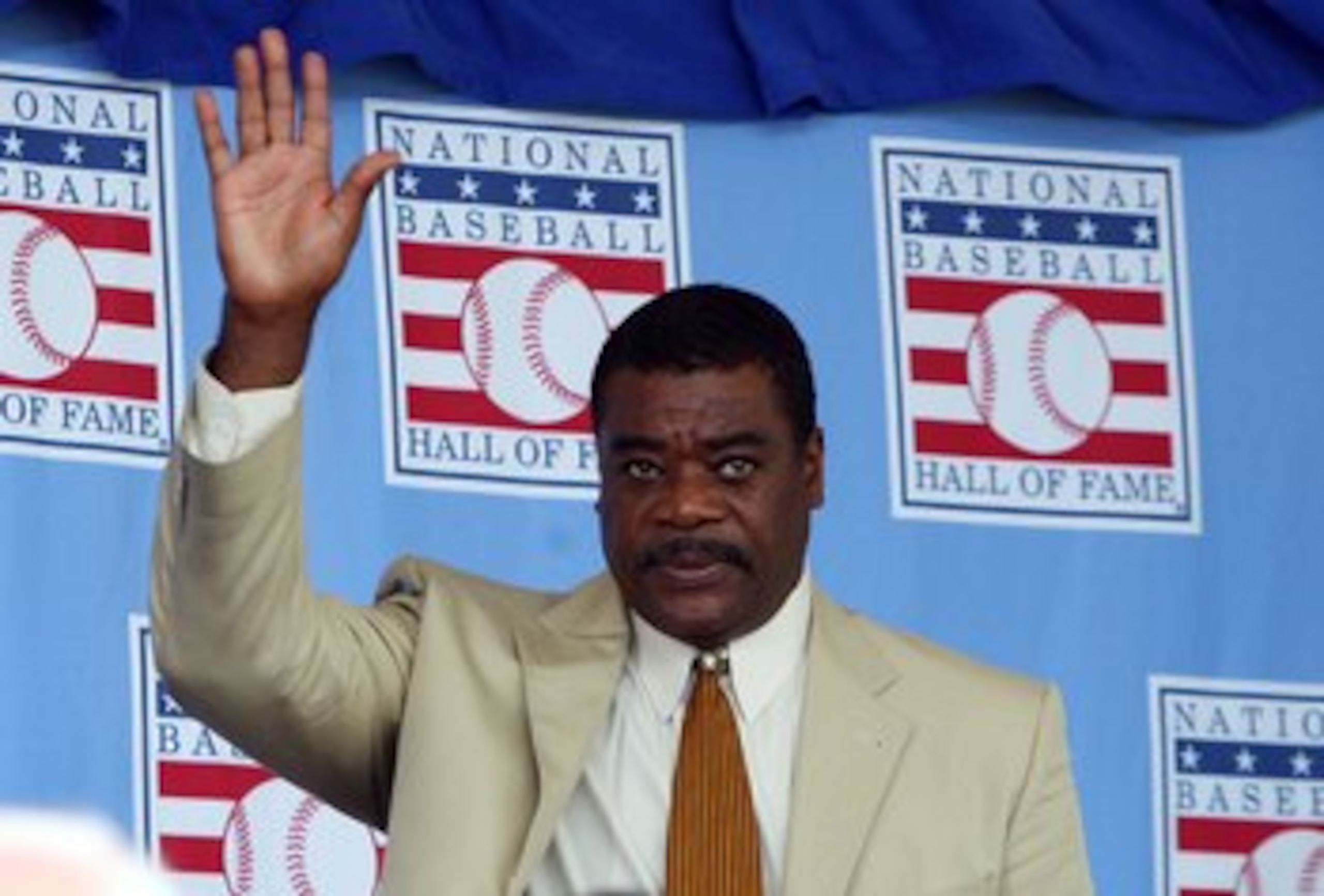
Five years before tabbing Ripken, the O's scooped up another future Hall of Famer in first baseman Eddie Murray.
Murray needed only 449 games in the minors before arriving in Baltimore in time for the 1977 season. That year he slugged 27 home runs, drove in 88, posted a .283 average and took home American League Rookie of the Year honors.
He would go on to hit at least 22 home runs for eight-consecutive seasons, finishing with 504 for his career. Close to 350 of those came during his 13 years in Baltimore, along with seven All-Star appearances, one home-run title (1981) and two MVP runner-up finishes (1982-83).
Murray entered the Hall of Fame in 2003.
Mike Flanagan: Class of 1973
3 of 10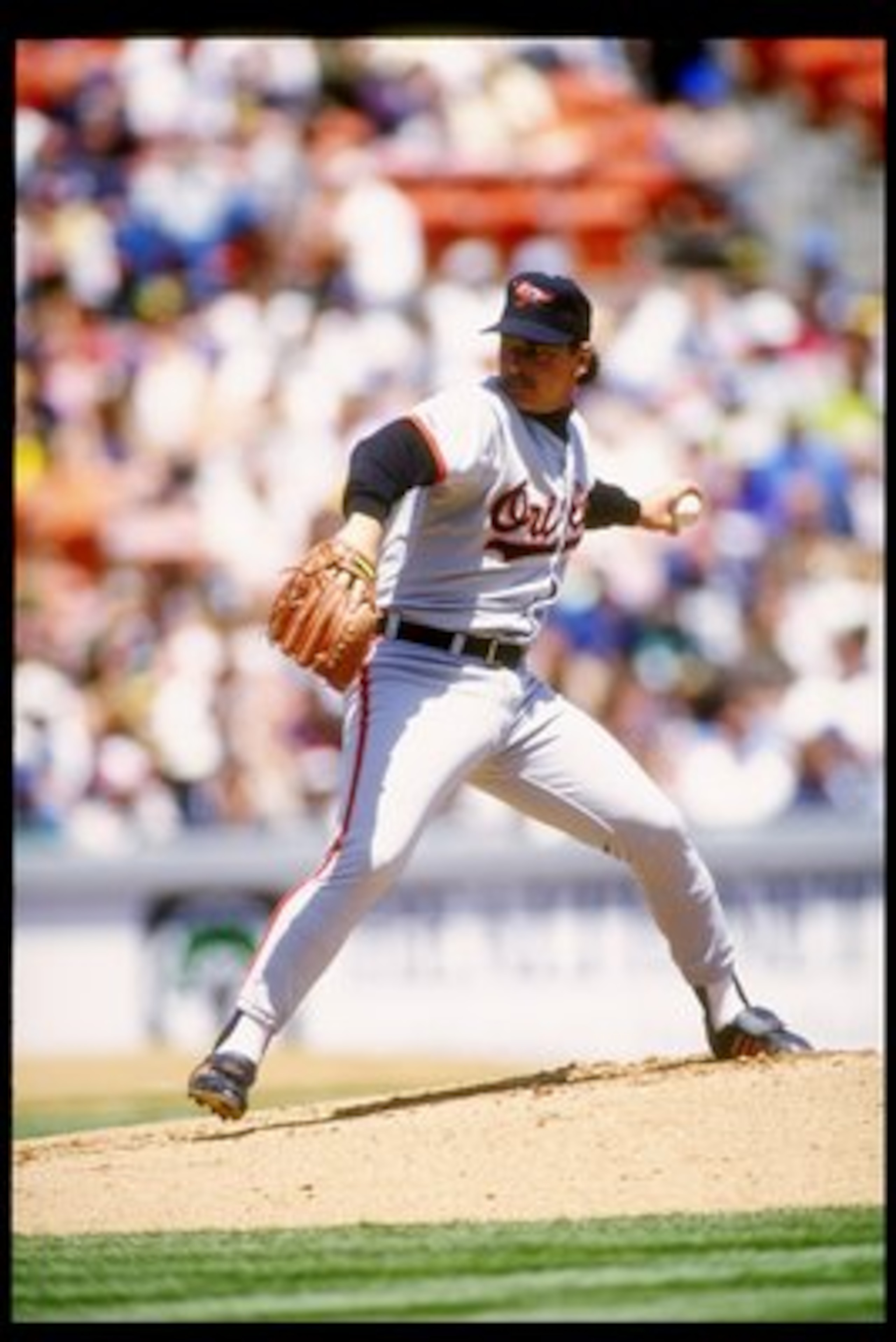
Four rounds after Murray, the O's scooped up tiny lefty Mike Flanagan, who went on to have a very successful career for Baltimore before retiring to a front-office position.
Flanagan spent all of two seasons in the minors before joining the O's rotation full-time in 1977. He won 15 games that season, tossed 15 complete games and posted a 3.64 ERA. The next year he won 19 games, was selected to his first-and-only All-Star game and made a league-high 40 starts, 17 of which resulted in complete games.
In 1979, Flanagan had a career year, posting a 23-9 record, a 3.08 ERA (the lowest of his career) and a league-high five shutouts en route to winning the American League Cy Young, besting Tommy John and Ron Guidry to give the Orioles their fourth Cy Young in seven seasons.
Flanagan went on to pitch 15 seasons with the Orioles, winning 141 games and tossing 101 complete games.


Cal Ripken Jr.: Class of 1978
4 of 10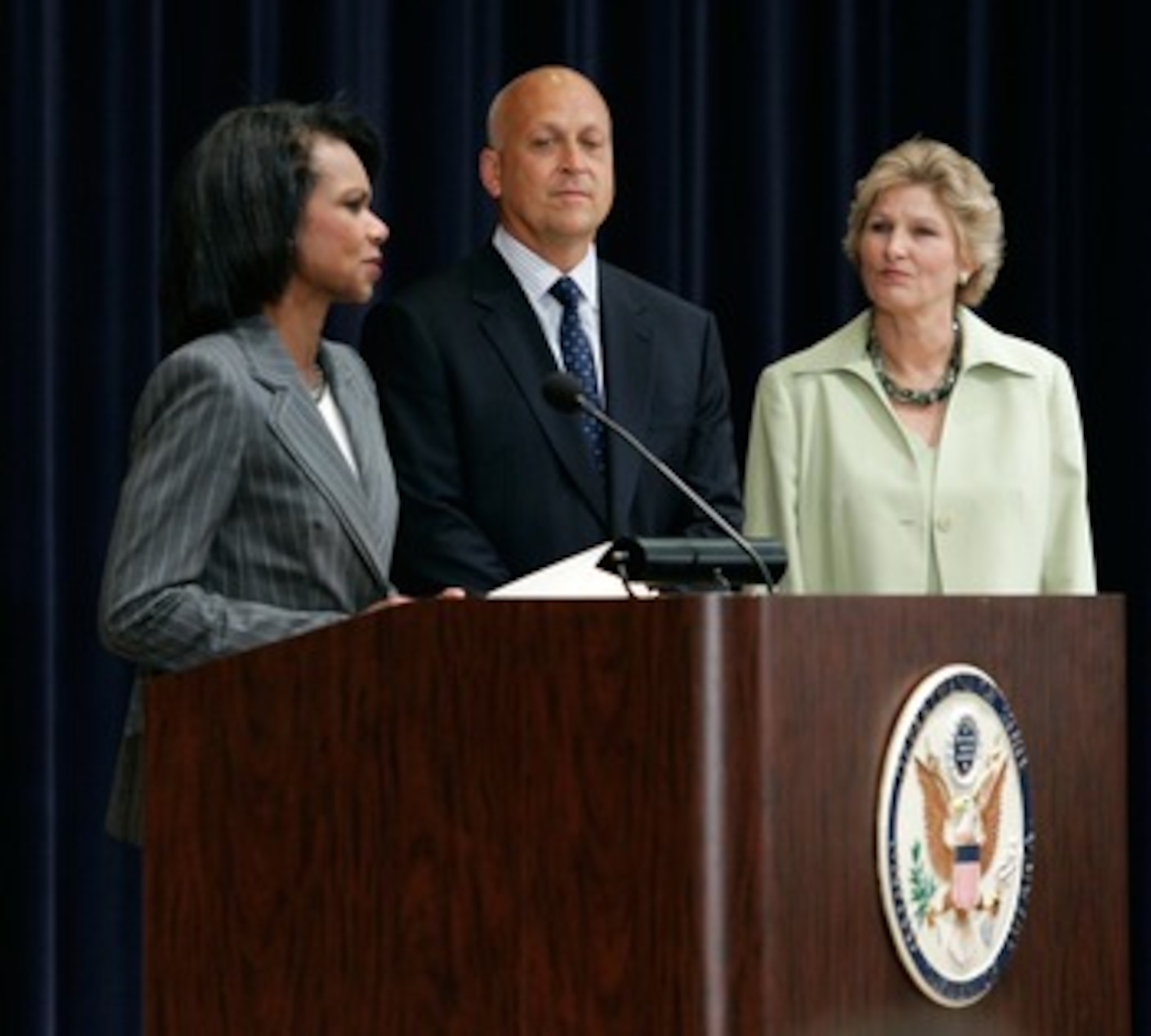
Somehow the Orioles managed to scoop up the epitome of the term "franchise player" in the second round of the 1978 amateur draft.
Ripken was a talent on the mound and in the field, and when the team gave him the choice, he chose third base because that meant he got to play every single day, not just one out of five.
He shot through the minors quickly, racking up several achievements along the way, including participating in the longest baseball game in history, before arriving in Baltimore at the end of the 1981 season. He made the permanent move to shortstop in 1982, the same season he was named Rookie of the Year after hitting 28 home runs and driving in 93 runs.
The next year Ripken led the O's to his only World Series title, winning league MVP honors with 82 percent of the vote. That year also began his streak of playing in 19 consecutive All-Star games.
Ripken won another MVP trophy in 1991, but the O's never made it back to the World Series. In fact, they struggled to even make it back to the playoffs.
Still, he broke numerous records for his position, made 19 All-Star games, notched 3,000 hits and 400 home runs and broke Lou Gehrig's record for consecutive games played.
Without a doubt, Ripken is the top overall draft pick in Orioles history. Since his retirement, not only has he remained a presence in Baltimore, but he has also established himself as one of baseball's top ambassadors.
Mike Mussina: Class of 1990
5 of 10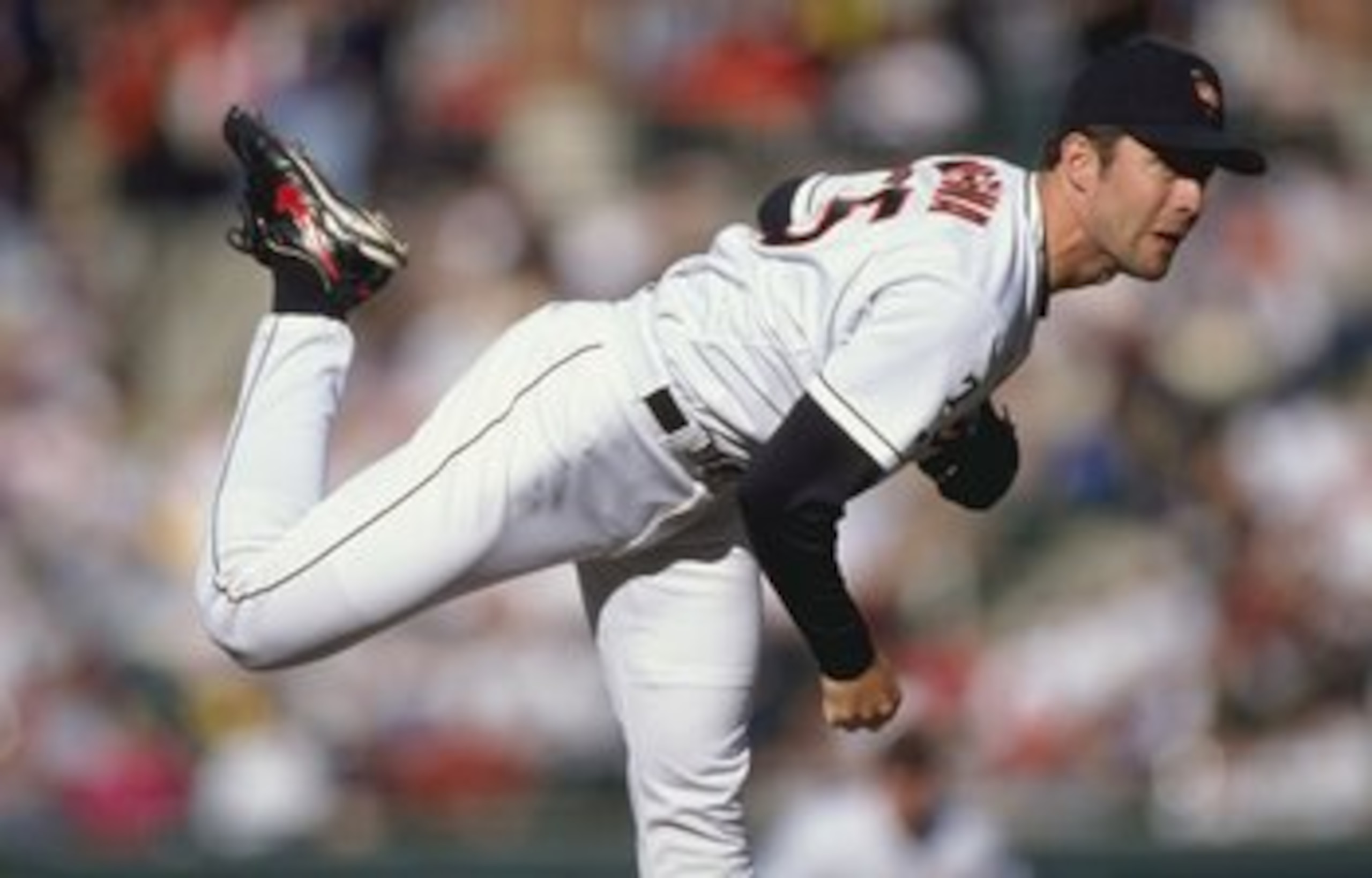
Sadly, the vision of Mussina enrobed in Yankees uniform is the last image fans ever had of the one-time Orioles ace—an unfortunate fate for one of the most underrated pitchers of his time.
The O's happily scooped up Mussina, a highly seasoned brainiac from Stanford, with the 20th pick in the 1990 draft, the same event that produced Chipper Jones as the No. 1 overall selection.
Mussina started out at Double-A and needed only 28 minor-league starts to reach Baltimore. In those outings, he went 13-4 with a 162-to-42 K-to-BB ratio.
Upon arriving in Baltimore in early August of 1991, Mussina cemented his spot in the rotation for 1992, posting a 2.87 ERA and two complete games in 12 starts.
The next year he had arguably his best season ever, posting an 18-5 record, a 2.54 ERA and eight complete games, with four shutouts, en route to a fourth-place finish in the AL Cy Young voting. He would go on to finish in the top six of the voting nine times, finishing as high as second in 1999, his second-to-last season as an Oriole. That year he went 19-9 with a 3.50 ERA.
In all, he won 147 games in 10 years in Baltimore, posted a 3.53 ERA and struck out 1,535 batters in 2,009.2 innings, all of which are more impressive numbers than he posted with New York.
Combine that with his numbers as a Yankee, and he finished with a career record of 270-153 and a 3.68 ERA.
Brian Roberts: Class of 1999
6 of 10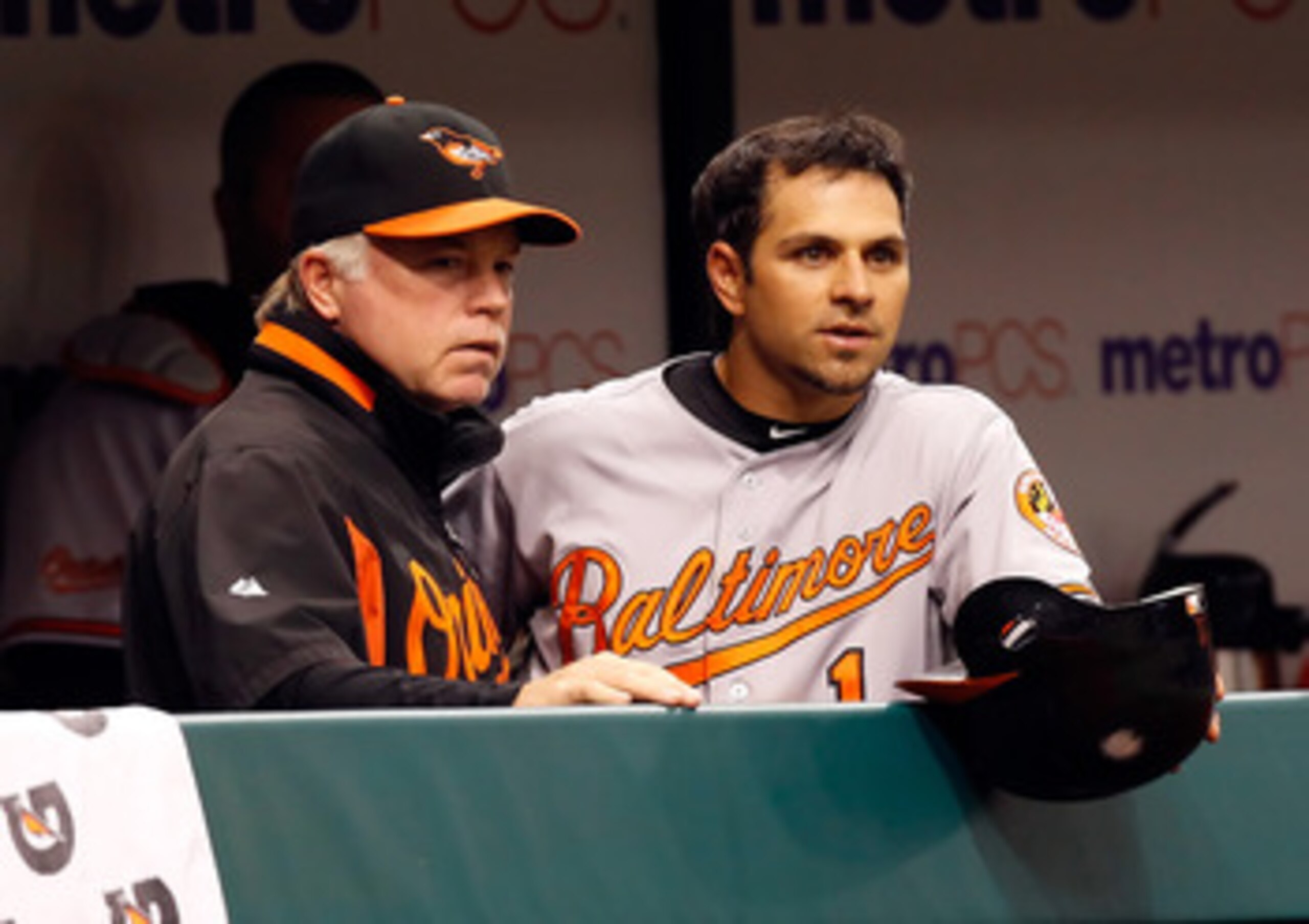
For the longest time, the Orioles' 1999 draft was known for their incredibly poor showing despite having seven of the first 50 picks.
Now that time has healed the wound created by Mike Paradis, Richard Stahl, Larry Bigbie and Keith Reed, it's easy to see that the draft bonanza wasn't a total loss. After all, it brought the team Brian Roberts, who was the last selection of those seven.
An undersized utility infielder, Roberts worked his way through the minors showing very little power, but great speed. It took five years, but he finally reached Baltimore for good in 2003, where he has been a lineup fixture at second base.
In 11 big-league seasons, he has 274 stolen bases, 339 doubles, 34 triples and 84 home runs.
His best season came in 2005, when he hit .314 with 45 doubles, seven triples and a career-high 18 home runs. He drove in 73 runs and stole 27 bases as baseball's most effective leadoff hitter.
Roberts is a two-time All-Star who is a shoo-in for the Orioles' team Hall of Fame.
Erik Bedard: Class of 1999
7 of 10
Roberts wasn't the only major building block that the Orioles picked up in 1999.
The O's scooped up Bedard in the sixth round and watched him blossom into a 15-game winner seven years and one major surgery later.
In his time in Baltimore, Bedard posted a 40-34 record and a 3.83 ERA. He averaged about one strikeout per inning and finished fifth in the 2006 Cy Young voting.
While his time in Baltimore was nice, albeit troubled, his real claim to fame is bringing a huge haul of young talent to Baltimore from Seattle.
In the Bedard deal, the O's picked up Adam Jones and Chris Tillman, who have both played a major role in the O's turnaround. They also received Kam Mickolio, who was a part of the deal that brought Mark Reynolds from Arizona to Baltimore, and George Sherrill, the lone big-leaguer included in the deal, who ended up being dealt to Los Angeles in exchange for Josh Bell, one of the O's top minor-league prospects and the potential successor to Reynolds at third or Derrek Lee at first.
The fact that the enigmatic lefty has only made 39 starts for Seattle since the deal only makes the trade all the sweeter.
Nick Markakis: Class of 2003
8 of 10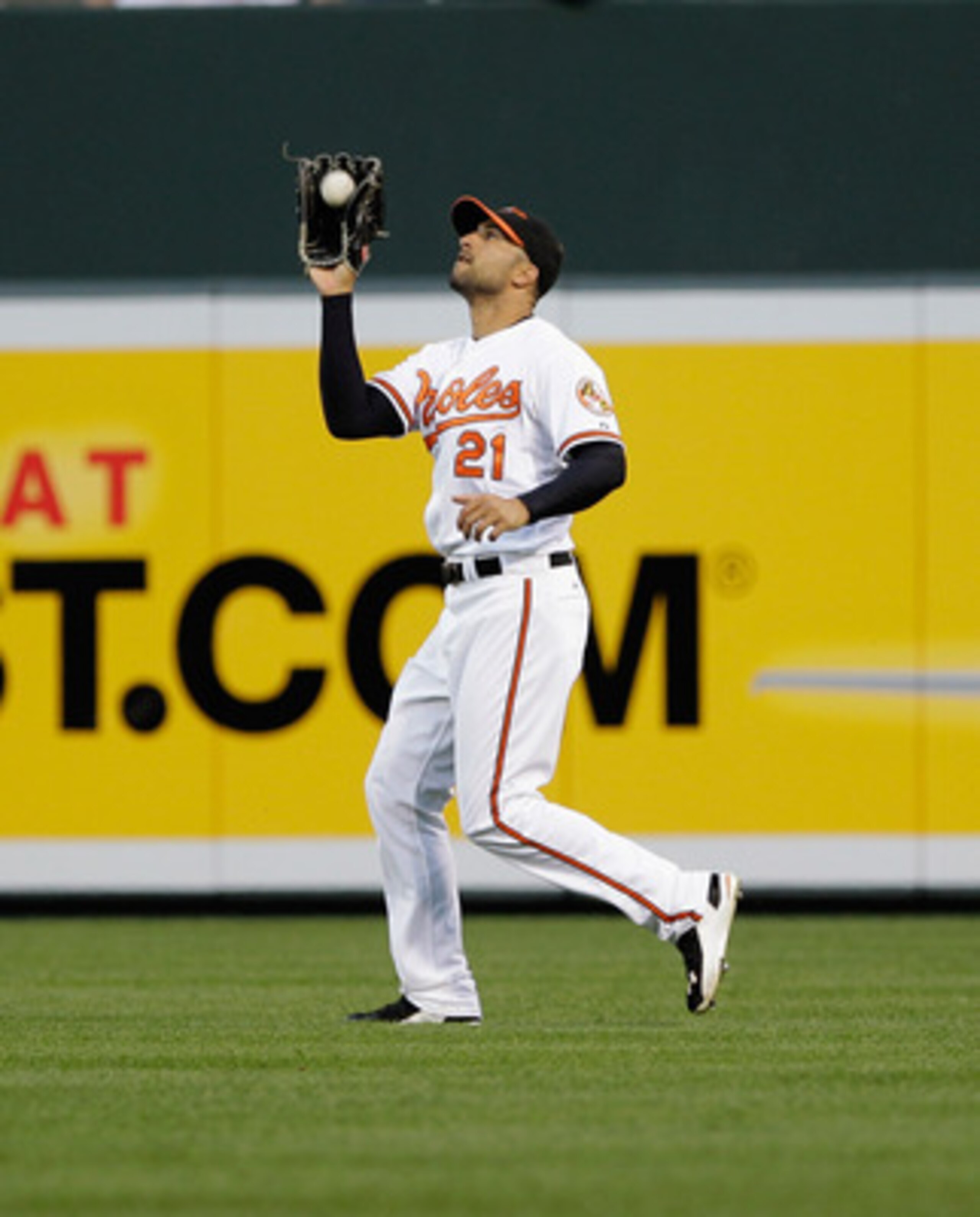
Many "experts" thought the O's were crazy for drafting Markakis as a position player, especially after he went 12-0 with a 1.68 ERA for Young Harris College.
Baltimore was one of the few teams that thought Markakis profiled better as a power-hitting corner-outfielder, and they put him on that track as soon as they signed him in 2003.
Markakis shot through the minors, hitting everywhere he went and seemingly getting better the closer he got to the big leagues. He skipped Triple-A altogether after hitting .330 in 33 Double-A contests in 2005, and wound up in Baltimore's lineup to start the 2006 season.
After four very strong years in which he averaged 20 home runs and 91 RBI, Markakis slumped in 2010, possibly feeling the pressure of playing for one of baseball's most-losing franchises since 2000.
He has struggled again this season, but remains one of Baltimore's most consistent hitters and one of baseball's best threats with his rocket arm from right field.
Zach Britton: Class of 2006
9 of 10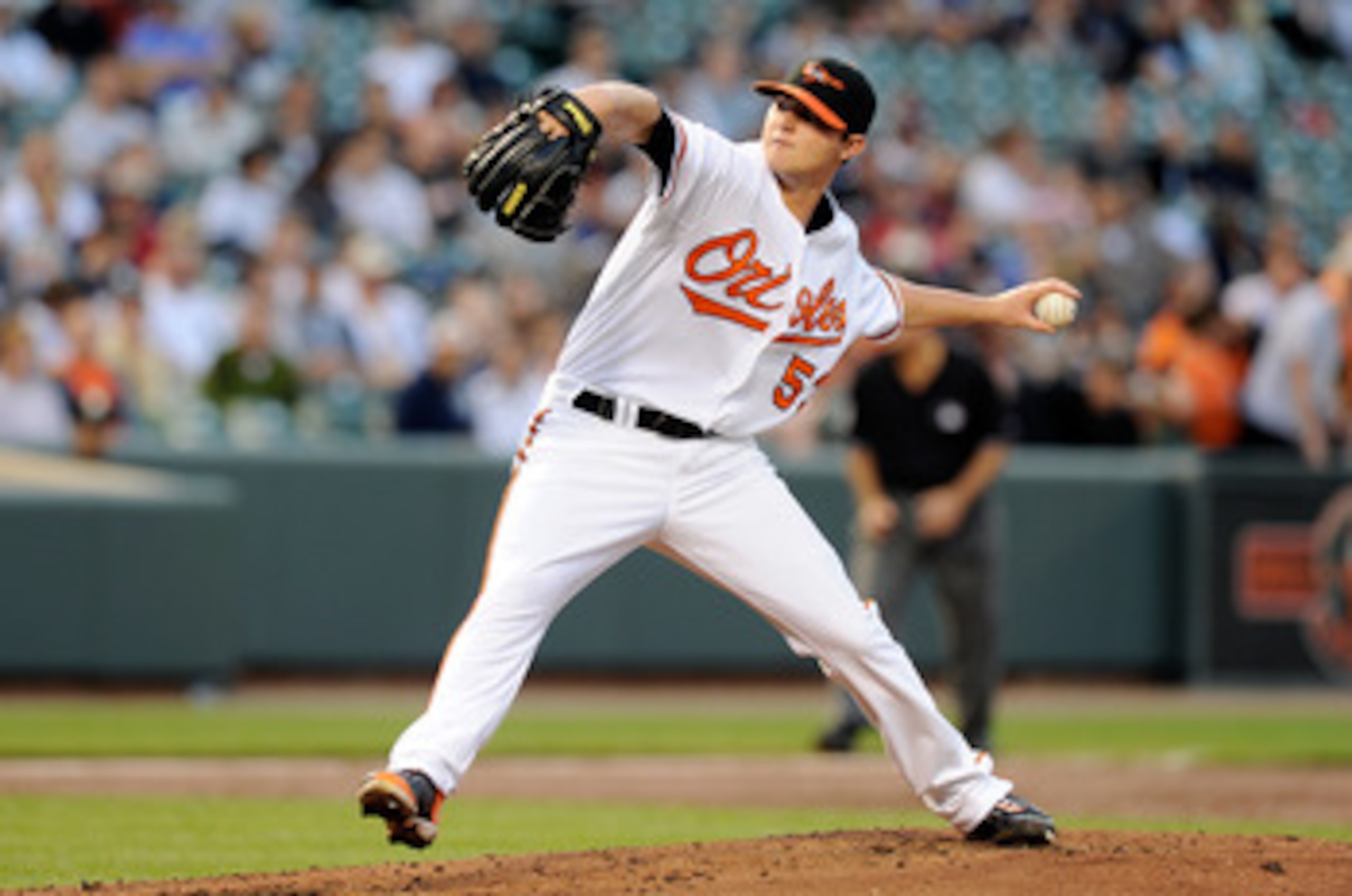
Matt Wieters' star battery-mate, Zach Britton was a much less-heralded selection out of Weatherford, Texas in the third round one season before Wieters joined the Orioles.
Britton slowly and methodically worked his way through the system, getting better at each level and earning more and more credibility as a prospect the higher he went. He officially "arrived" in 2009, showing improved velocity and dominating the High-A ranks to the tune of a 2.70 ERA and 131 strikeouts in 140 innings.
After a strong showing at Double-A and Triple-A, he made his big-league debut this April.
Ten starts into his big-league career, he has the looks of a future ace, posting quality starts in eight of his outings and firmly establishing himself as a front runner in the AL Rookie of the Year race.
Matt Wieters: Class of 2007
10 of 10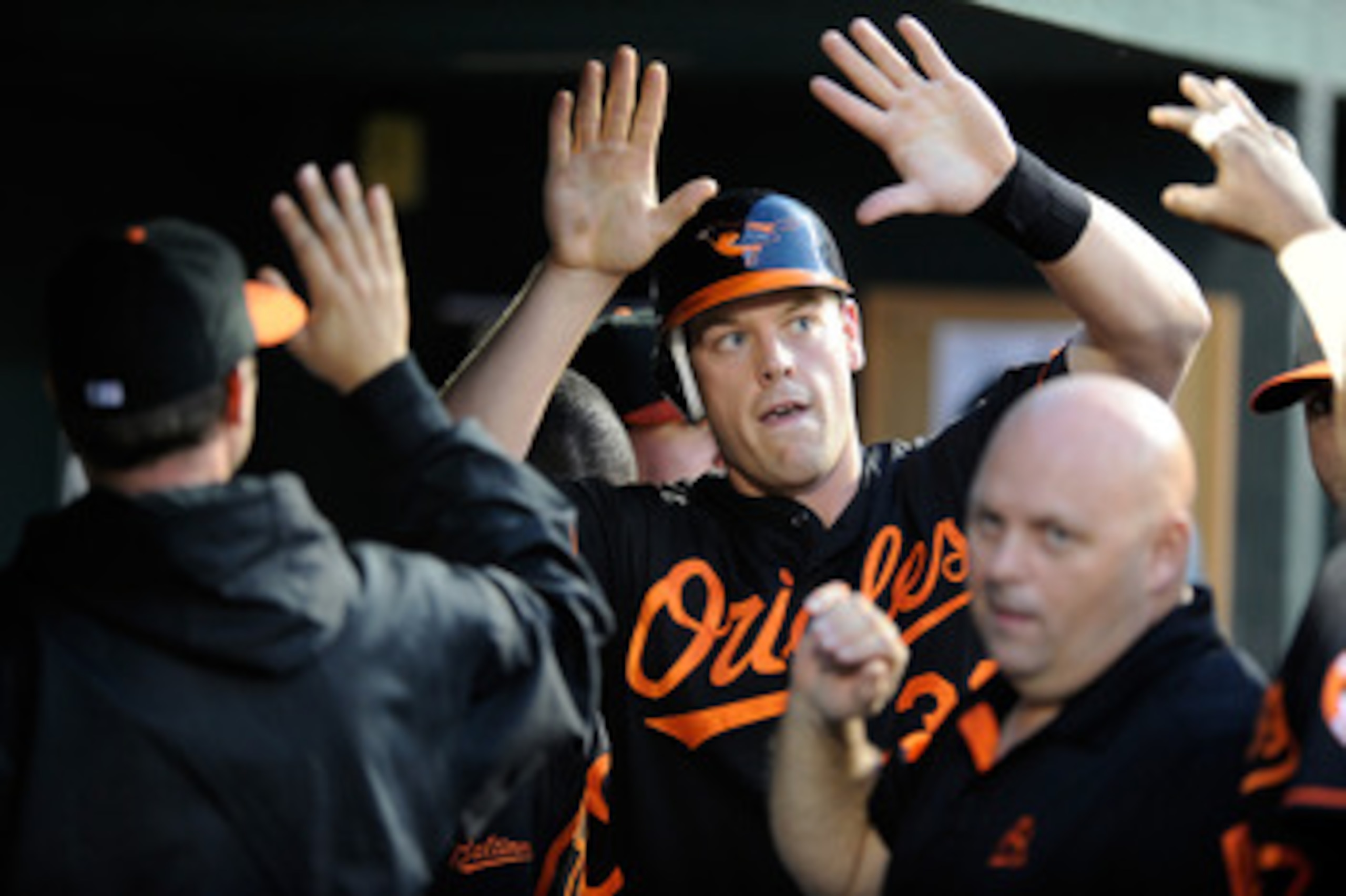
While it's taken Wieters some time to blossom into the annual All-Star that everyone expected him to, he still goes down in history as being the most hyped draft pick in team history.
When the switch-hitting catcher fell to the Orioles with the fifth overall pick, the team pounced on him despite its troubled past with Wieters' advisor Scott Boras. They managed to work out a deal, and Wieters went to work, tearing through the minors and reaching the big leagues after just 169 games of seasoning.
He was the Minor League Player of the Year in his debut season after hitting .355 with 27 home runs and 91 RBI and posting an 82-to-76 BB-to-K ratio.
He arrived in Baltimore with as much fanfare as any O's prospect ever, selling out the place on the night of his debut.
He has performed OK since his arrival, earning rave reviews for his work with a very young O's pitching staff. His showing at the plate hasn't been as explosive as predicted, but he's had a very consistent year in 2011 and could be staring at his first All-Star selection at catcher.
It should be the first of many.


.jpg?w=2560 "Chiefs, Steelers Eye WR Trades")



.jpg?w=2560 "Latest Peyton-Colts Rumors")