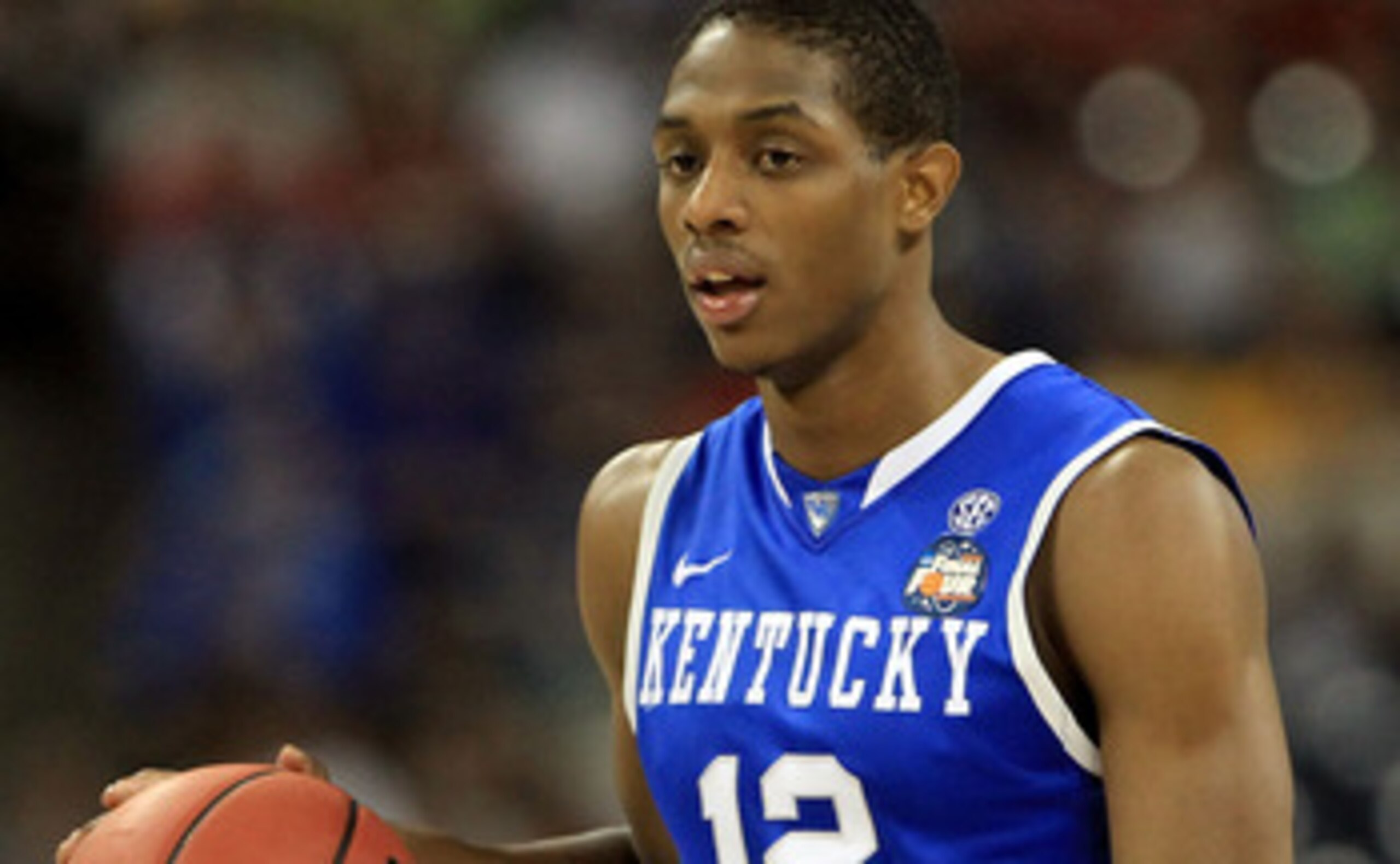

2011 NBA Mock Draft: Full First Round Picks, Will Brandon Knight Go to Pistons?
Like every other potential draft pick not named Kyrie Irving, Brandon Knight's future is very much in limbo after a surprising lottery night that saw two teams -- Cleveland and Utah -- sneak into the top 3 with picks they acquired at the trading deadline.
Three teams in the top 10 -- Toronto, Sacramento and Detroit -- need a point guard, while Minnesota (who still has no idea when Ricky Rubio might come to the US) and Charlotte (DJ Augustin has had a very up-and-down three years there) might also be looking for one.
Among draft experts, there's a big debate between Kemba Walker and Knight, while Knight is younger, bigger and has a seemingly higher ceiling, Walker is much more of a "true" point guard than Knight, who might end up being a combo guard.
The Pistons, sitting at #8, began the process of rebuilding by picking Georgetown big man Greg Monroe last year, but they're still years away from contending -- especially with the huge contracts of Rip Hamilton, Ben Gordon and Charlie Villanueva sitting on their cap.
There's a decent chance Knight makes it to them at #8, but they might be better off getting another big man to pair with Monroe up-front. Point guards are a dime-a-dozen in the modern NBA, while quality big men are worth their weight in gold.
1. Cleveland Cavaliers -- PG Kyrie Irving, Duke
1 of 30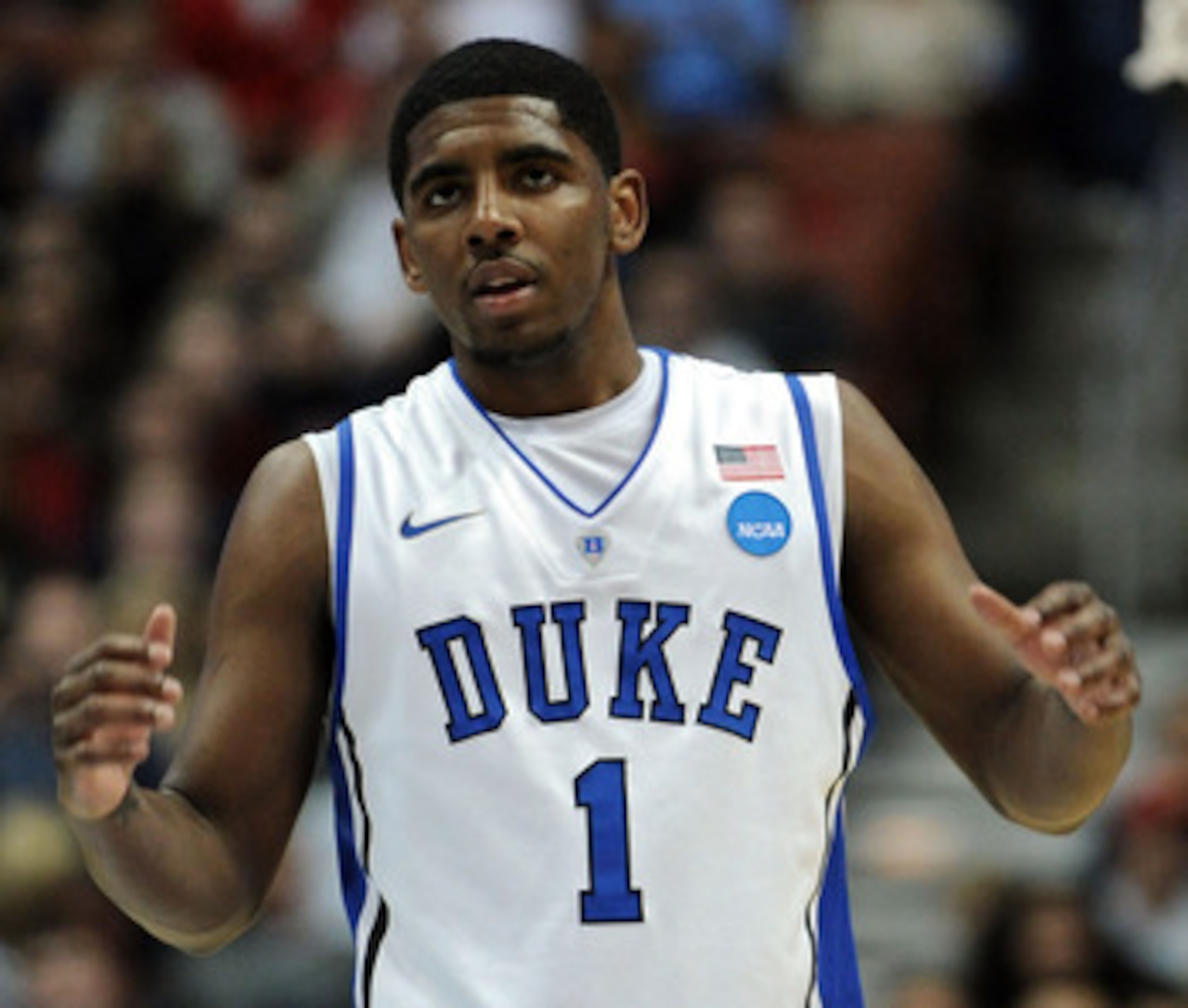
The player: One of the most unstoppable players in college basketball, Irving is a true five-tool point guard, with the ability to create his own shot, defend on the perimeter, shoot from the outside, pass and rebound. In only eight regular season games at Duke before injuring his foot, Irving dominated the competition, averaging 17/3/5 on 53% shooting.
Best case: Chris Paul
Worst case: Ray Felton
The fit: Irving is clearly the top prospect available, and he is an easy choice for a Cleveland team starting from the ground up. Right now, there might not be a single long-term keeper on the roster -- Manny Harris and Christian Eyenga had inconsistent seasons after being thrown to the wolves as rookies while JJ Hickson disappointed many with his play after LeBron's departure -- so how Irving fits with their team isn't very important.
2. Minnesota Timberwolves -- PF/C Bismack Biyombo, International
2 of 30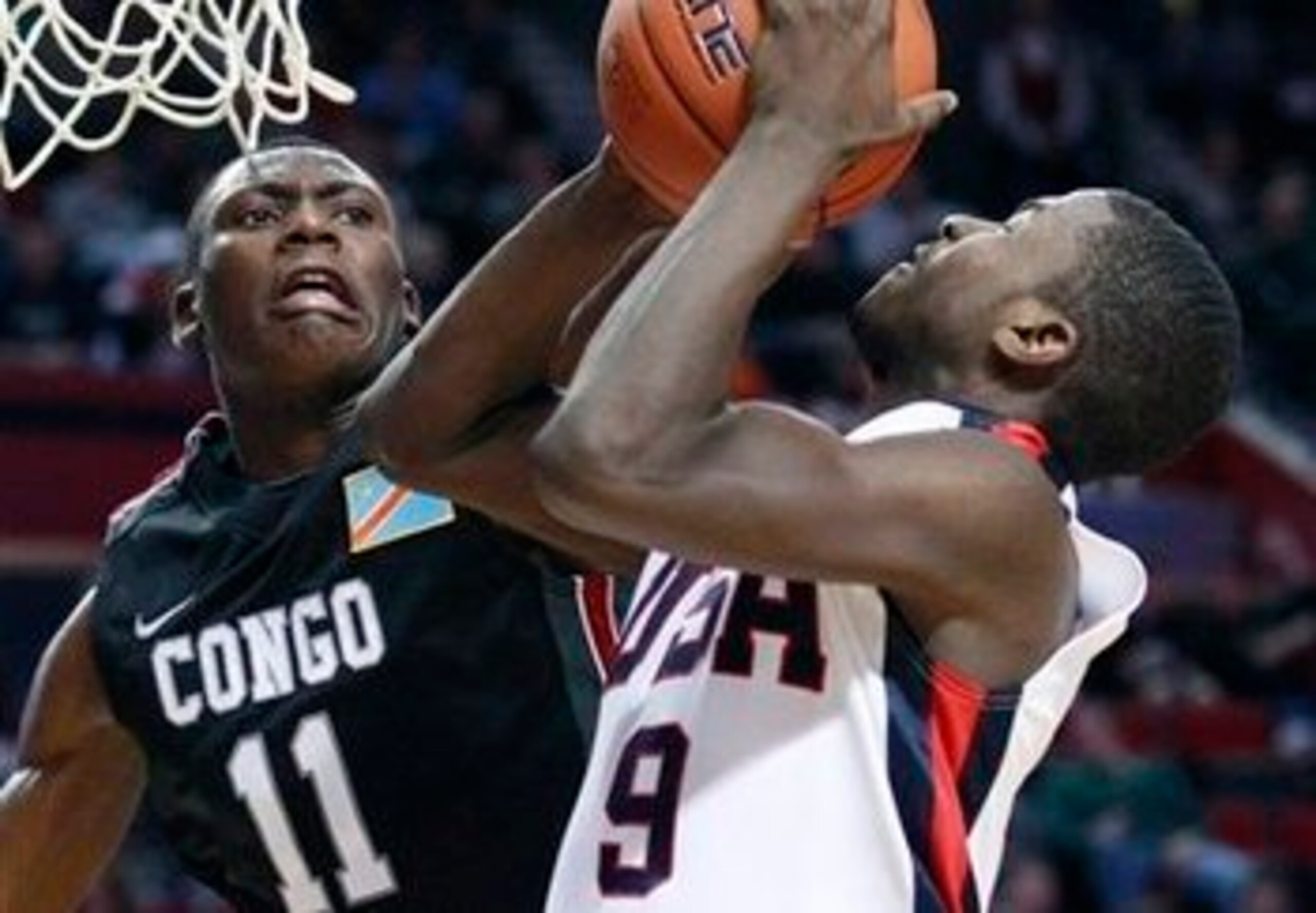
The player: The international man of mystery in this draft, Biyombo exploded onto the scene after a dominant performance at the 2011 Nike Hoop Summit. He had a triple-double going up against the top US high school prospects, including an eye-popping 10 blocks. A 6'9 245 power forward with a 7'7 wingspan and a vertical well over 30 inches, he's the best athlete in the draft. And unlike so many of recent international busts, Biyombo has been a significant contributor for his Spanish ACB team.
Best case: Ben Wallace
Worst case: Chris Wilcox
The fit: With Kevin Love and Mike Beasley in the front-court, the Timberwolves have plenty of offense. What they need is a shot-blocker to cover up their young stars mistakes, which Biyombo is perfect for. More importantly, he has the physical profile to defend both power forwards and centers, which would allow Minnesota to hide Kevin Love on the other team's weakest interior player.
3. Utah Jazz -- PF/C Enes Kanter, International
3 of 30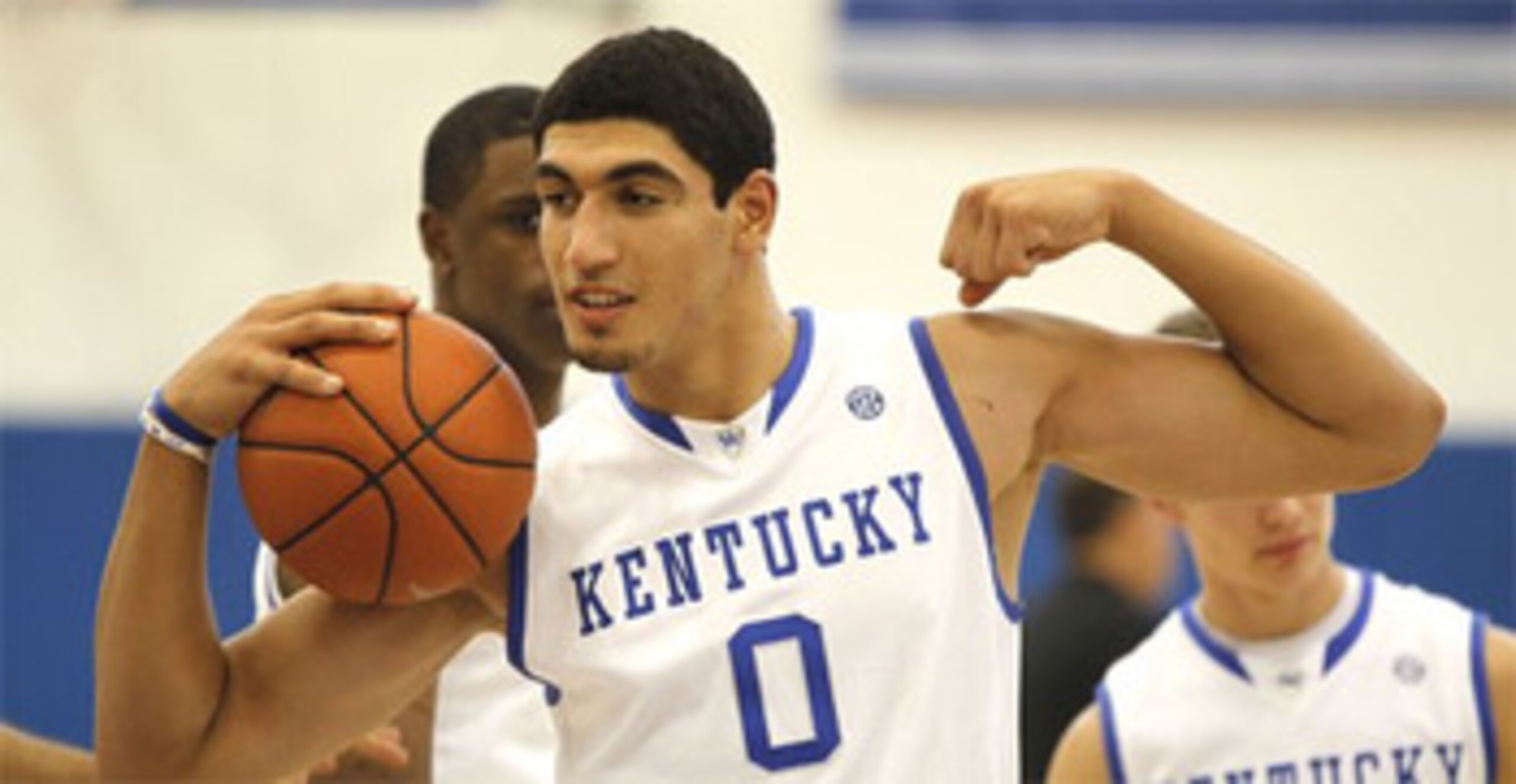
The player: Despite missing the 2011 NCAA season because of amateurism violations, Kanter is still a coveted prospect, especially after his record-breaking performance at the 2010 Nike Hoop Summit, where he broke Dirk Nowitzki's record for most points scored. At 6'10 250, he has a complete low-post game as well as the ability to step out and hit an 18-foot jumper.
Best case: Al Jefferson
Worst case: Marreese Speights
The fit: Kanter would be a great fit long-term next to Derrick Favors, the athletic young big man Utah acquired in the Deron Williams trade. Favors has the strength and athleticism to guard both 5's and 4's, which would allow Utah to hide Kanter defensively, while Kanter's all-around offensive game would make Favors still raw skill-set on offense less important.

4. Cleveland Cavaliers -- SF/PF Derrick Williams, Arizona
4 of 30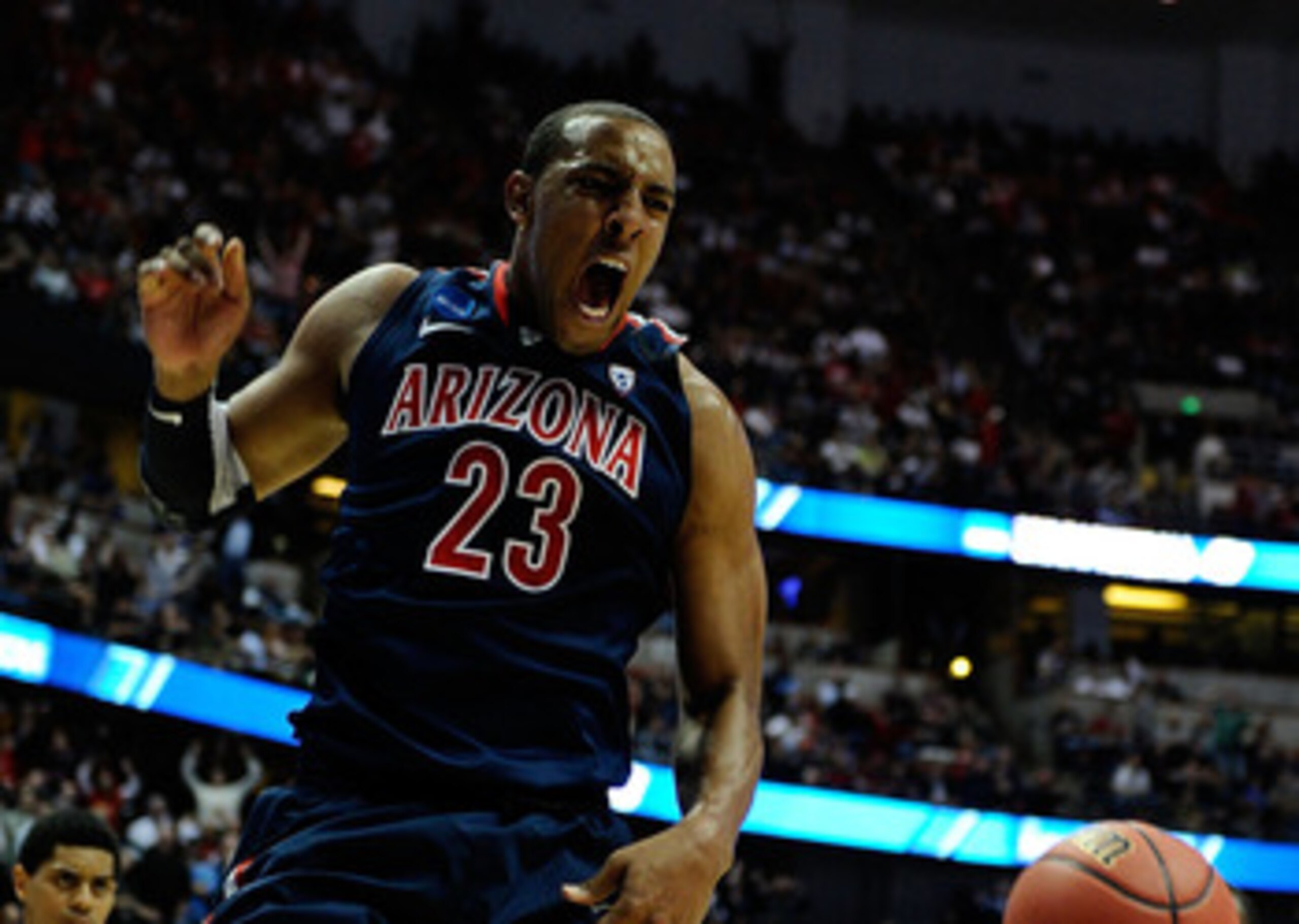
The player: The best finisher in college basketball, Williams can explode at the rim as well as shoot all the way from the three-point line (shooting 57% for the year). He scored nearly 20 points a game at Arizona, despite not having many plays run for him, and ended up shooting a phenomenal 60% from the floor.
Best case: A bigger but less quick Shawn Marion.
Worst case: Marvin Williams.
The fit: Williams would be a great complement to Irving, especially on the fast break, and they would instantly be one of the more exciting young tandems in the NBA. He's more a finisher than a shot-creator, so pairing him with a true point guard like Irving would make a lot of sense.
5. Toronto Raptors -- PG Kemba Walker, UConn
5 of 30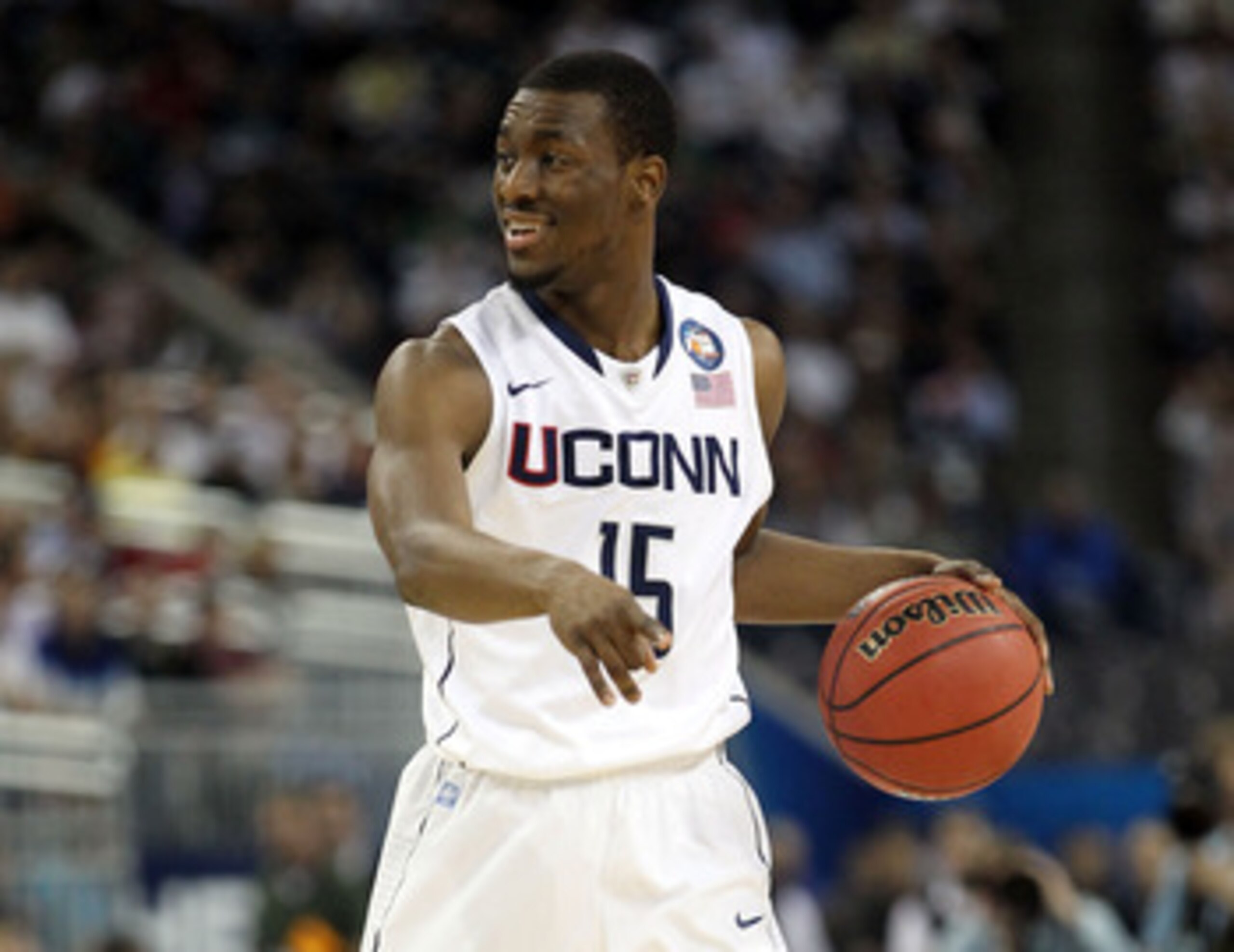
The player: One of the most indefensible players in the country, Walker just led an extremely young UConn team to a national title. His combination of blazing speed, a great handle and a smooth outside shot allow him to get a shot off at will, and his step-back jumper won more than a few games for UConn at the buzzer.
Best case: Jason Terry
Worst case: Jonny Flynn
The fit: Toronto has a young roster full of athletic players who have difficulty creating shots -- Amir Johnson, Andrea Bargnani, DeMar DeRozan and Ed Davis. While Walker isn't a "true" point guard, he's comfortable running a team, and would be able to lead a fast break and get the rest of the Raptors core easier shots, while still offering much more defensively than Jose Calderon.
6. Washington Wizards -- PF/C Jonas Valanciunas, International
6 of 30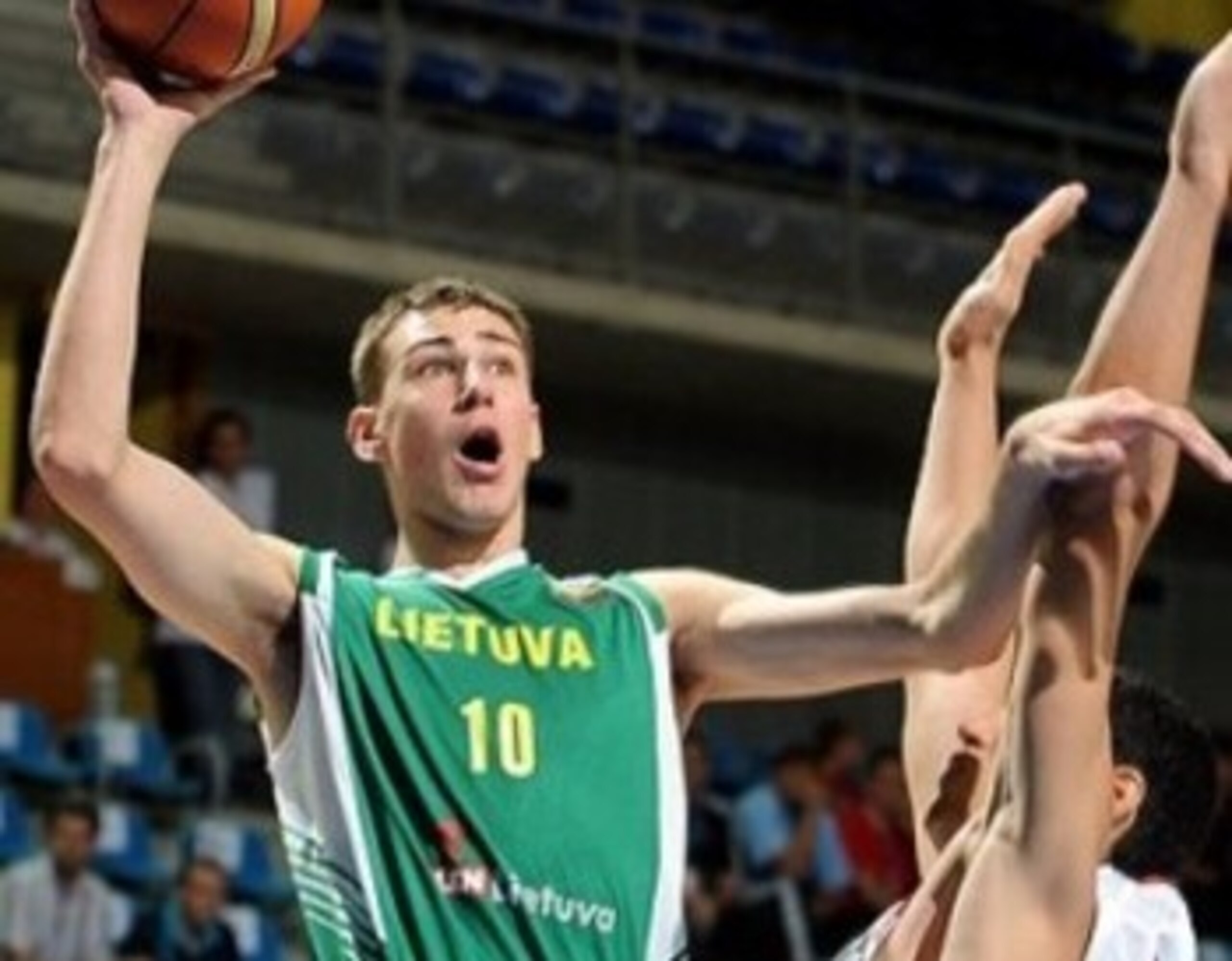
The player: An athletic 6'11 240 center out of Lithuania, Valanciunas has more than held his own playing against grown men in the Euroleague, the second best basketball league in the world. He has the size and athleticism to be a difference maker defensively in an NBA front-court, at only 18 years old he is one of the top players in per-40 minute numbers in scoring (21.4), rebounding (13.4) and blocked shots (1.8).
Best case: Pau Gasol
Worst case: Andris Biedrins
The fit: Valanciunas' length and athleticism would be a great complement to Javale McGee, giving the Wizards one of the best defensive front-courts in the NBA. And while he's still developing as an offensive player, he shoots over 90% from the free-throw line, which suggests that he has the skills to be a deadly mid-range jump-shooter, which would open up driving lanes for John Wall.
7. Sacramento Kings -- SF/PF Chris Singleton, Florida State
7 of 30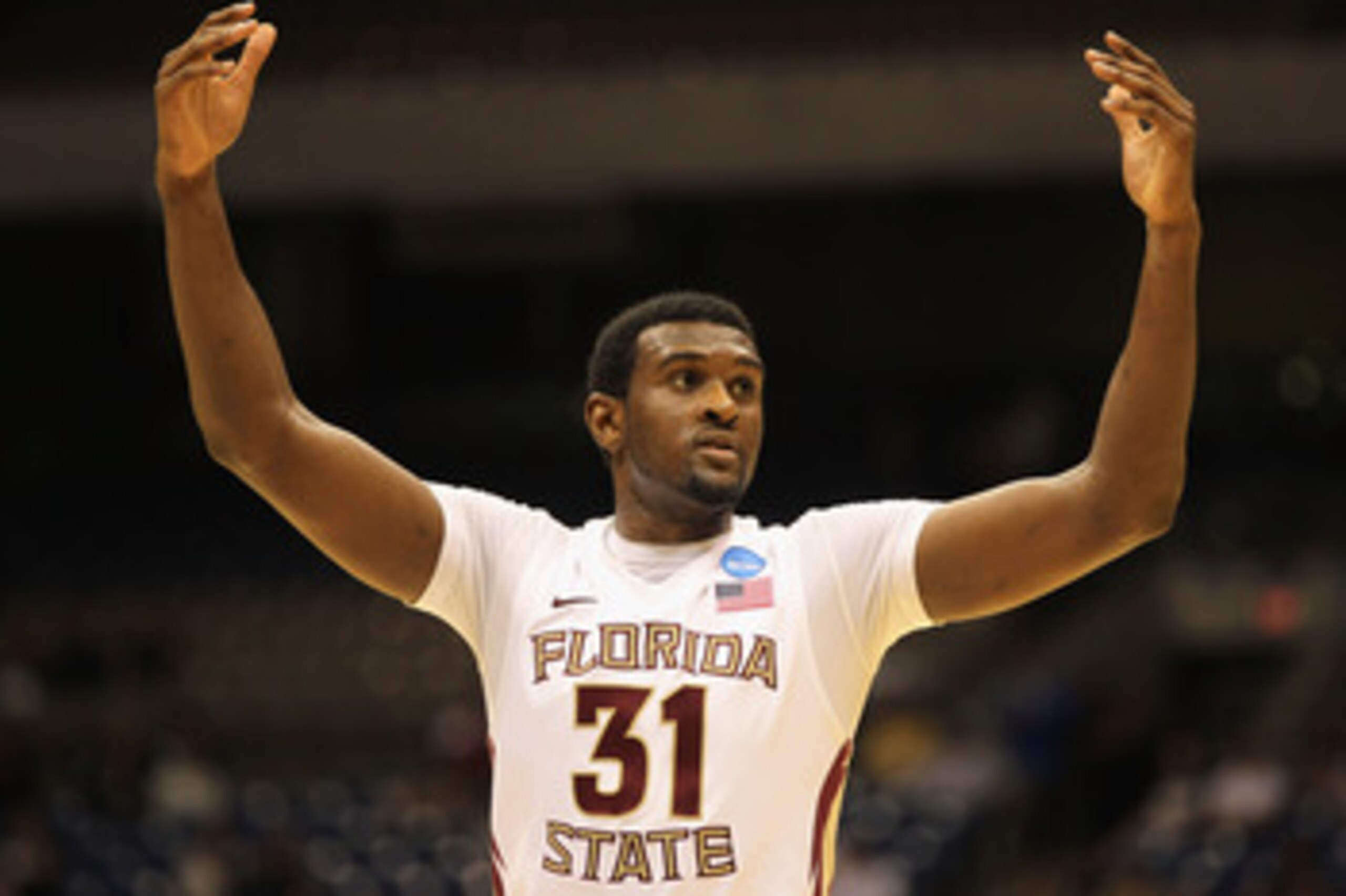
The player: One of the best defenders in college basketball, Singleton was the lynch-pin for Florida State's suffocating defense. A phenomenal athlete at 6'9 225, he has the strength to defend the low post and the foot-speed to defend the perimeter; he averaged 2 steals and 1.5 blocks a game. He's not a terribly dynamic offensive player, but his ability to shoot from long-range (37% from 3) will keep him from being an offensive liability.
Best case: Shawne Williams
Worst case: Luc Richard Mbah A Moute
The fit: Singleton's defensive versatility and shot-blocking prowess would do wonders for a young, offensive-minded Sacramento team, and his ability to space the floor without needing the ball in his hands would be a great fit next to the shot-happy trio of Tyreke Evans, Marcus Thornton and DeMarcus Cousins.
8. Detroit Pistons -- PF Tristan Thompson, Texas
8 of 30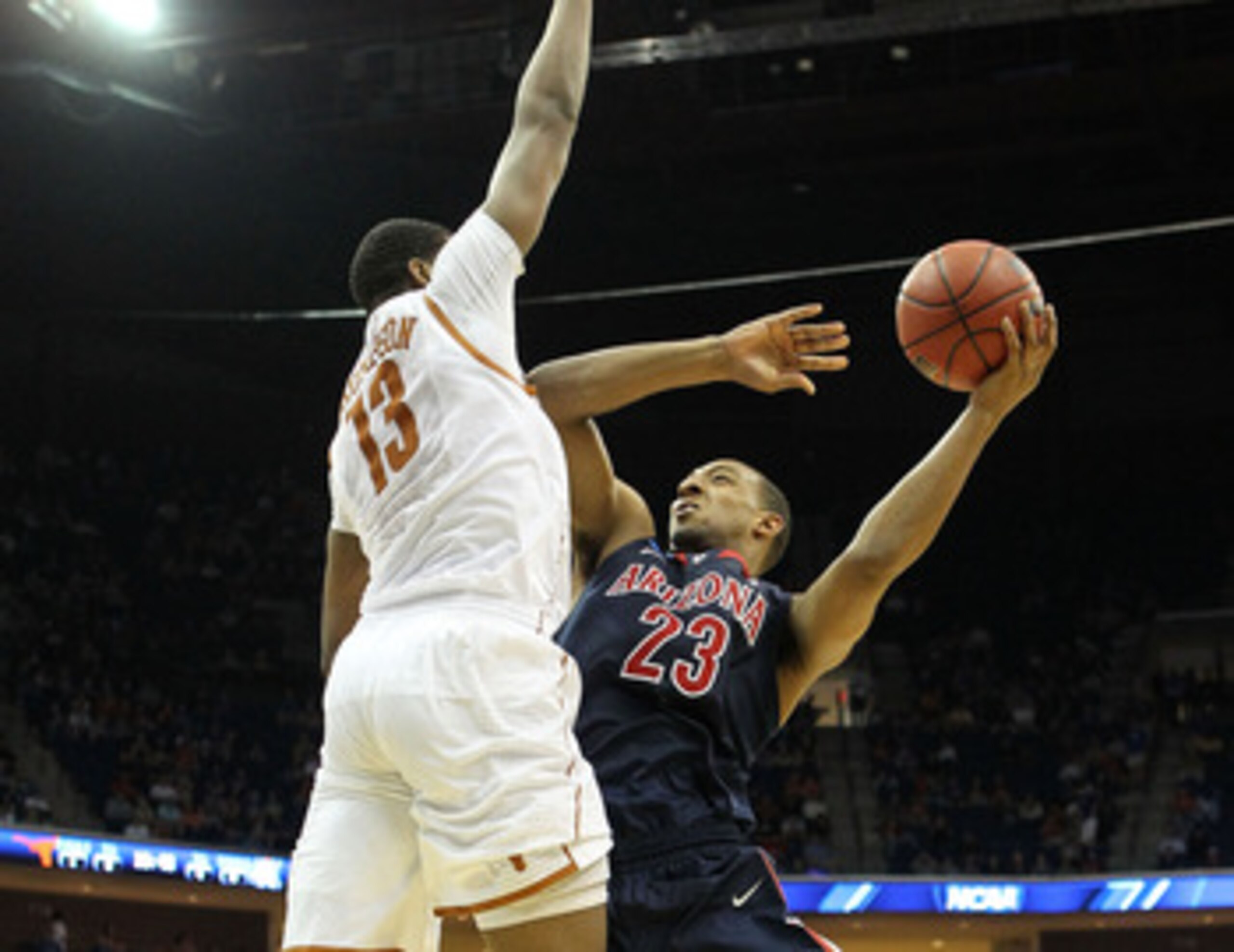
The player: Thompson makes up for his average size for a power forward (6'8 235) with a 7'2 wingspan and a vertical well over 30 inches. He was the lynchpin of an excellent Texas defense, averaging 2.5 blocks and .9 steals a game, and he played shut-down defense on fellow NBA prospects Keith Benson (Oakland) and Derrick Williams in the first two rounds of the NCAA Tournament. Offensively he's still a work in progress, but he displayed a good feel for the low post and solid mechanics on his jumper in his first year in Austin.
Best case: Josh Smith
Worst case: Amir Johnson
The fit: Detroit is still years away from contending for a playoff spot, especially with the contracts of Rip Hamilton, Ben Gordon and Charlie Villanueva still on their books. Thompson would be a great fit on the front-line next to Greg Monroe, their only true building block. Monroe is a center who prefers to play out of the high post, while Thompson is a power forward who likes to play in the low post, and he has the athleticism to protect the rim that Monroe lacks.
9. Charlotte Bobcats -- PG/SG Brandon Knight, Kentucky
9 of 30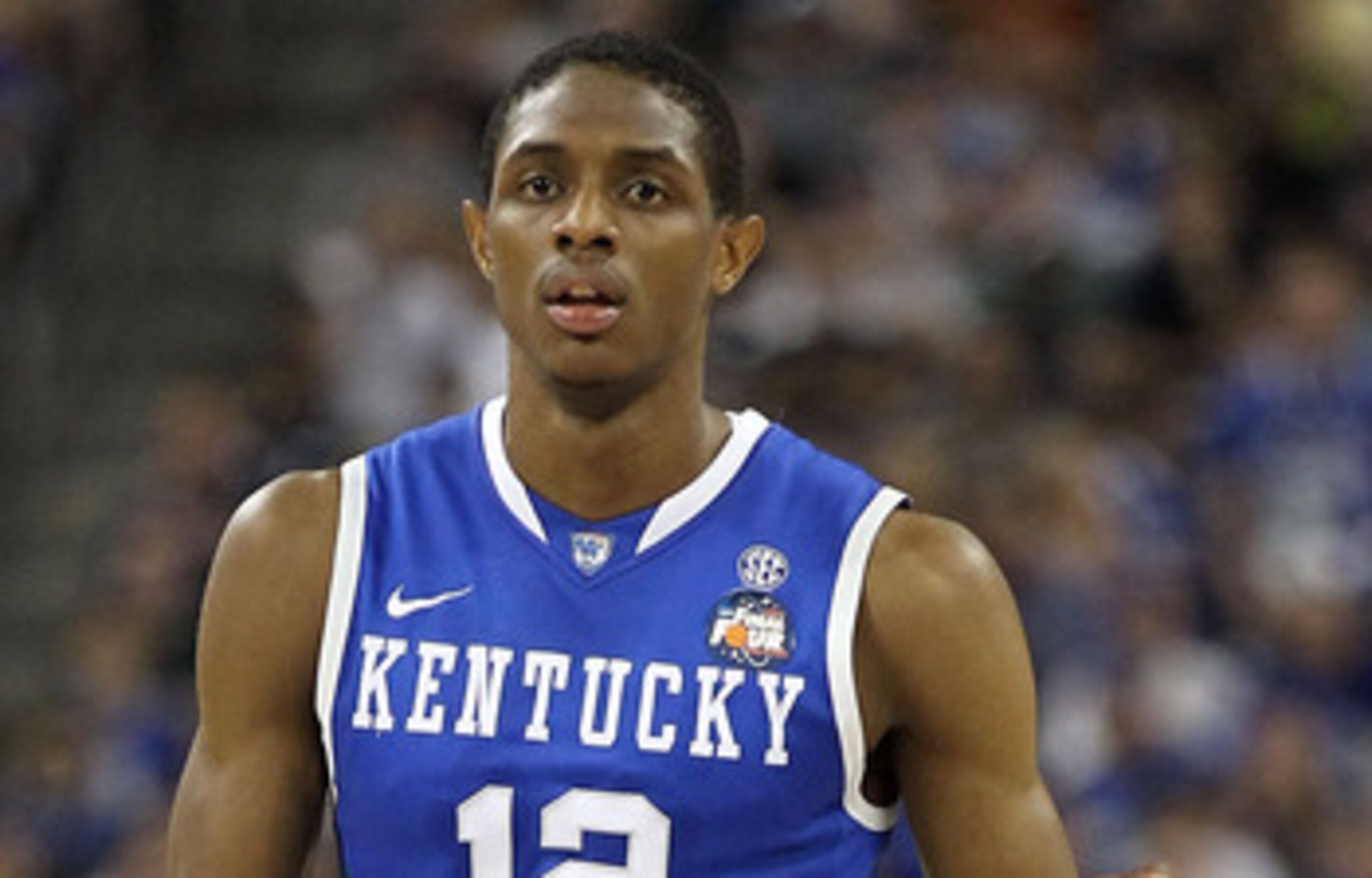
The player: The latest in an increasingly long-line of one-and-done guards for John Calipari, Knight is more in the mode of Tyreke Evans than Derrick Rose or John Wall. He's a pure scorer, who can shoot from outside, pull up for a mid-range jumper or take the ball all the way to the hole.
Best case: Leandro Barbosa
Worst case: George Hill
The fit: Charlotte is in the midst of a painful rebuilding process after dealing Gerald Wallace and Nazr Mohammed for pennies on the dollar in free agency and losing Tyson Chandler and Ray Felton for nothing last off-season. Knight, one of the youngest players in the draft, might still be in Charlotte by the time the Bobcats are ready to compete for the playoffs, while in the short-term, he has the size to play next to DJ Augustin in the back-court.
10. Milwaukee Bucks -- SF Jordan Hamilton, Texas
10 of 30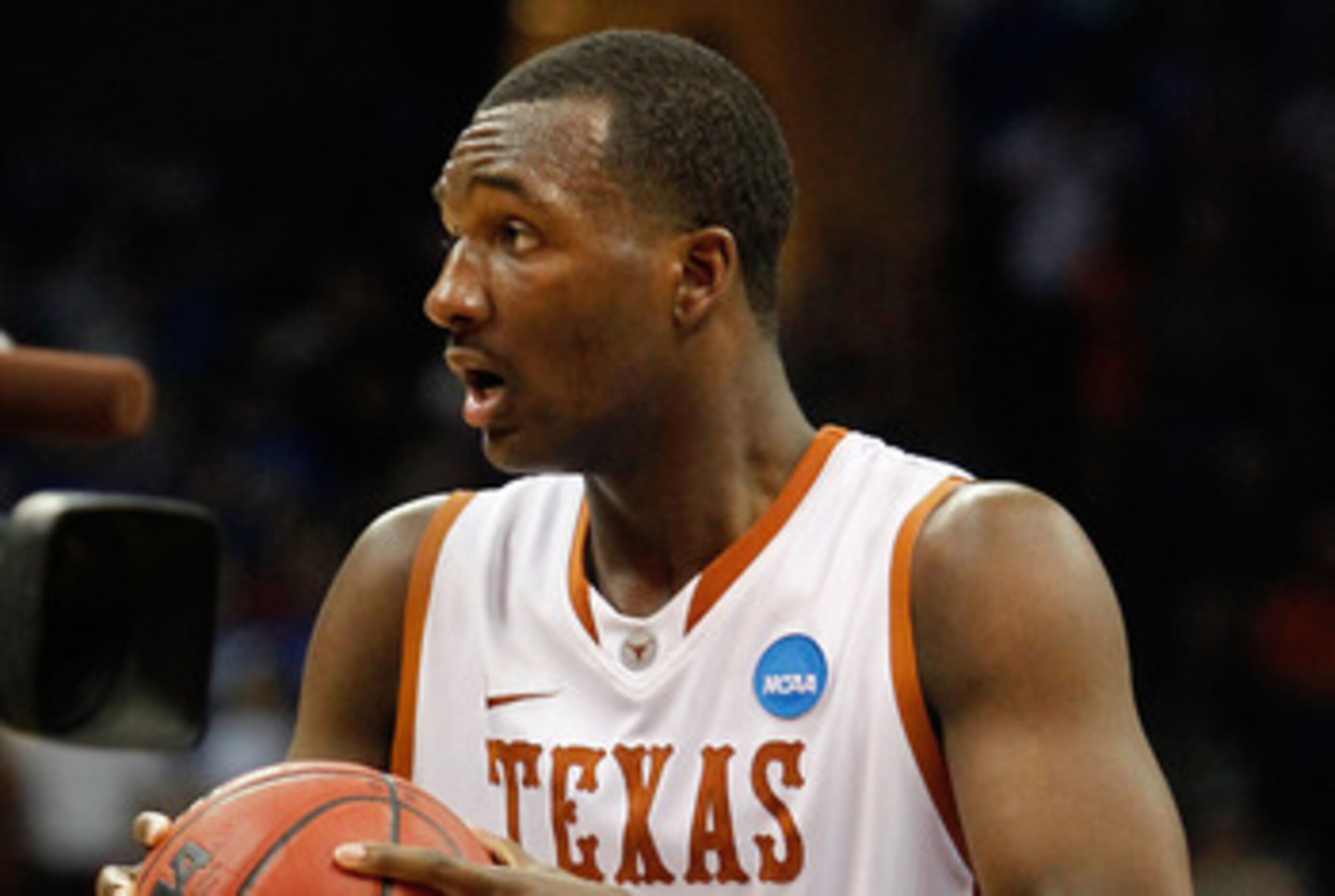
The player: A skilled 6'7 220lb. small forward, Hamilton combines a great-looking perimeter shot with advanced ball-handling skills, allowing him to create his own offense at will. In his second season at Texas, he improved his shot-selection skills tremendously, looking to set up his teammates and realizing that just because he can take a shot doesn't mean he always should.
Best case: Stephen Jackson
Worst case: Chris Douglas-Roberts
The fit: The Bucks desperately need some perimeter shot-creators to take some of the burden off of Brandon Jennings, who struggled in his second year in the NBA. Hamilton isn't known for his defense, but Milwaukee, with one of the top defenses in the league, can easily hide him on that side of the ball.
11. Golden State Warriors -- SF/PF Jan Vesely, International
11 of 30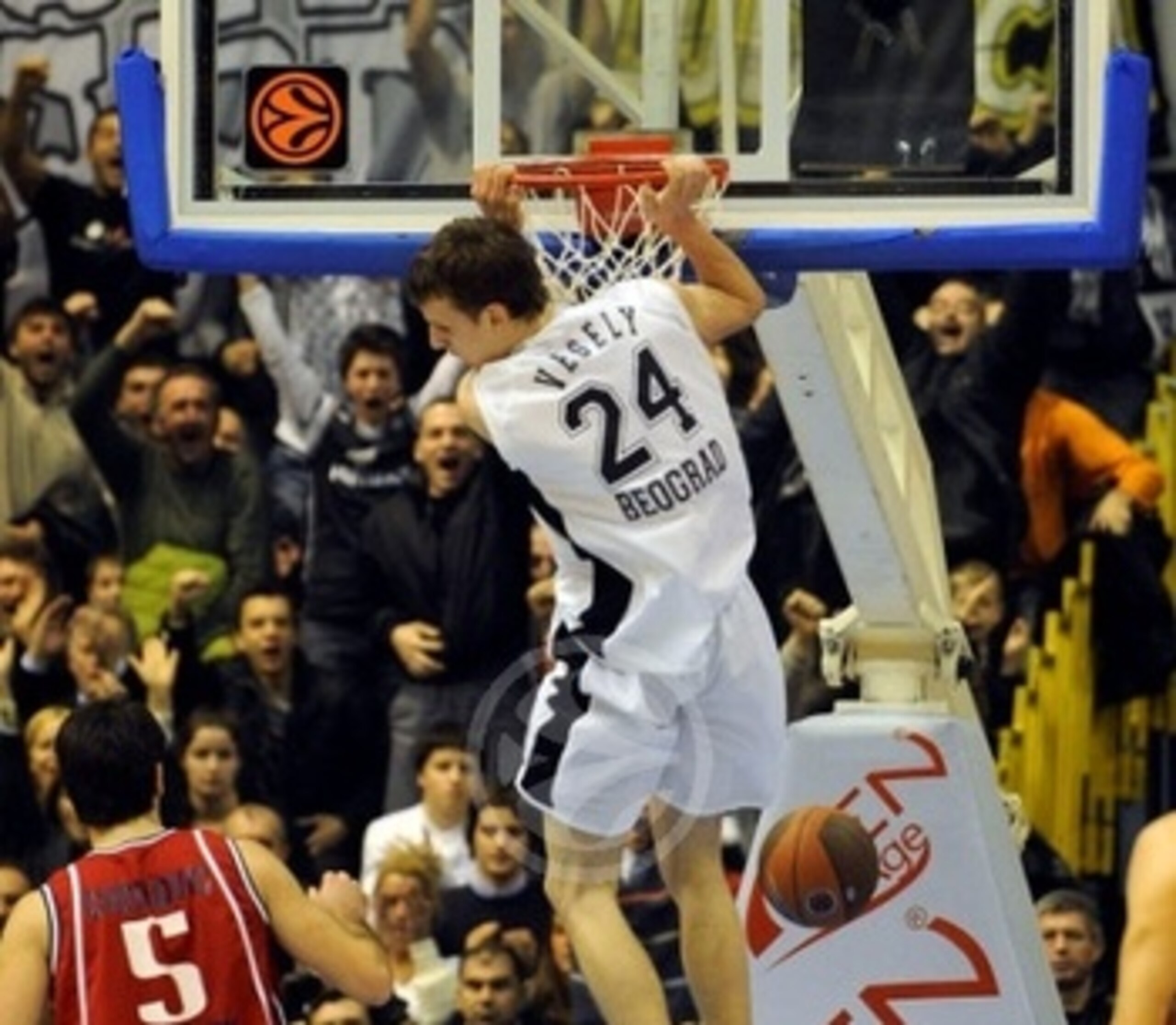
The player: An extremely athletic 6'11 240 forward, Vesely is one of the best finishers in the Euroleague and has the foot-speed and strength to be able to defend multiple front-court positions in the NBA.
Best case: Jonas Jerebko
Worst case: Hakim Warrick
The fit: Vesely, a defensive-minded and athletic forward, would be a perfect fit in Golden State's uptempo offense: he doesn't need the ball in his hands to affect the game and he'd be the beneficiary of countless alley-oops from Stephen Curry and Monta Ellis. He's not as well-suited for a half-court game, where his lack of a go-to offensive move -- he's neither a great shooter nor comfortable playing in the low post -- would be more of a problem.
12. Utah Jazz -- SF Tobias Harris, Tennessee
12 of 30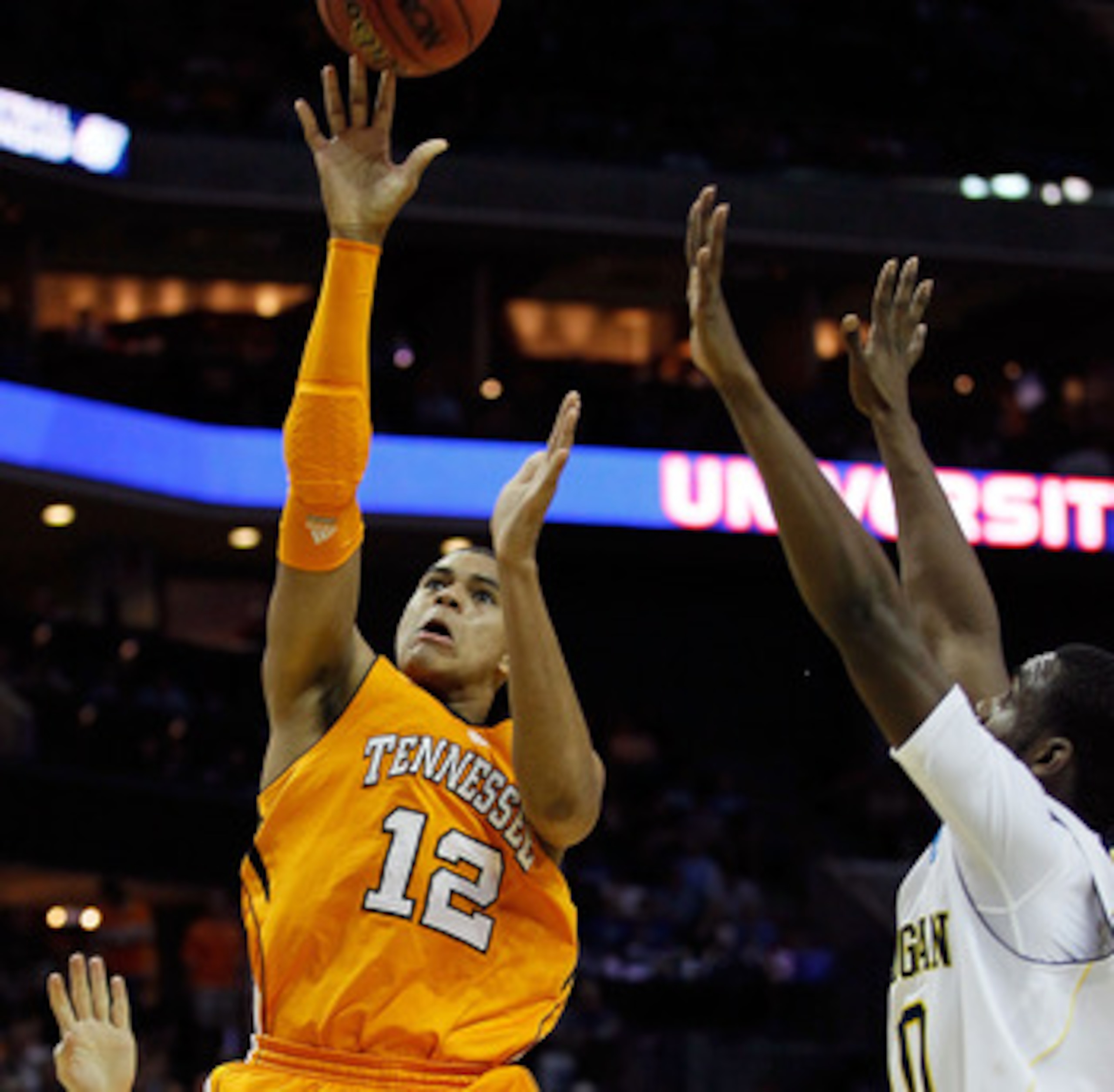
The player: Lost amidst the carnage of the Volunteers lost season, Harris had a strong freshman campaign, averaging 15 points and 7 rebounds as a do-everything small forward. The #6 ranked player in his high school class, he's far from a finished product, but he has the ceiling of a 10-year starter in the NBA.
Best case: Luol Deng
Worst case: Jared Dudley
The fit: Much of what Utah does here will be determined by who they select at #3, but Harris would fit in smoothly with a front-court of Enes Kanter and Derrick Favors, and along with Gordon Hayward and Devin Harris on the perimeter, he'd give the Jazz a promising young player at each position on the floor.
13. Phoenix Suns -- PF Donatas Motiejunas, International
13 of 30
The player: A sweet-shooting seven-footer with the ability to stroke from the outside (41% from 3) and put the ball on the floor, Motiejunas is an instant offensive-threat whenever he steps on the court.
Best case: Andrea Bargnani
Worst case: Yi Jianlian
The fit: His size and shooting ability would make him a great pick-and-pop partner for Steve Nash, while the Suns athletic seven-foot centers (Robin Lopez and Marcin Gortat) would cover up for his aversion to rebounding and defense.
14. Houston Rockets -- PF Nikola Mirotic, International
14 of 30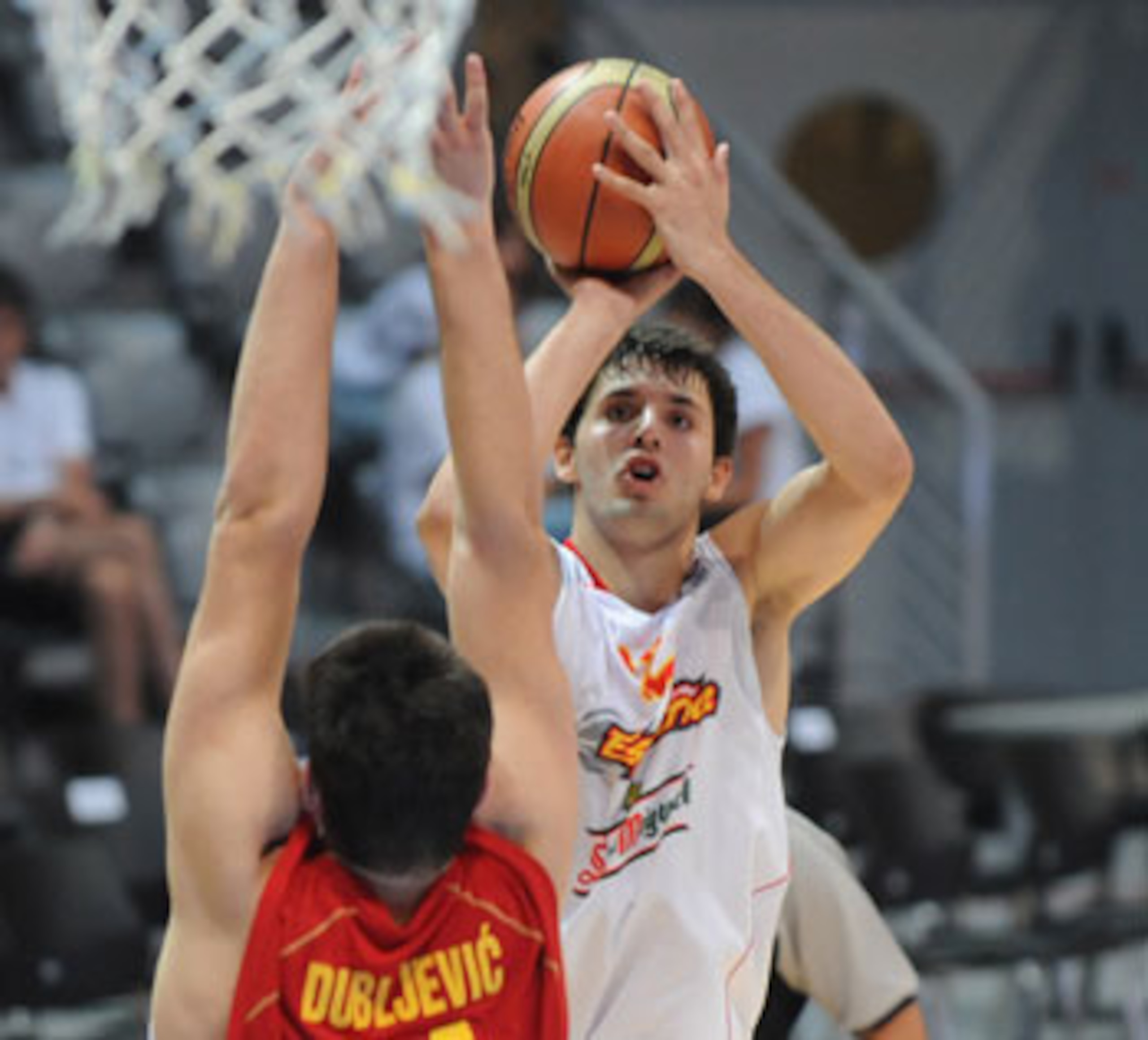
The player: Despite starting the year out on the bench, Mirotic has become the best player on Real Madrid, one of the top teams in the Euroleague, despite being only 20 years old. An athletic 6'10 210 with a 7'1 wingspan, Mirotic was one of the PER leaders in the Euroleague, due to his ability to score efficiently (56% from 2, 46% from 3), rebound the ball (9.4 boards per-40 minutes) and make plays defensively (1.4 blocks and 1.6 steals per-40 minutes.
Best case: Rashard Lewis
Worst case: Al Harrington
The fit: One of the best players in this year's international class, Mirotic would only slip this far because of the onerous new contract he signed with Real Madrid, which will prevent him from coming to the US immediately. The Rockets, a solid young team lacking All-NBA caliber players, would be a natural candidate to make a gamble on Mirotic's long-term potential, even if he isn't in the NBA for a few years.
15. Indiana Pacers -- PG/SG Iman Shumpert, Georgia Tech
15 of 30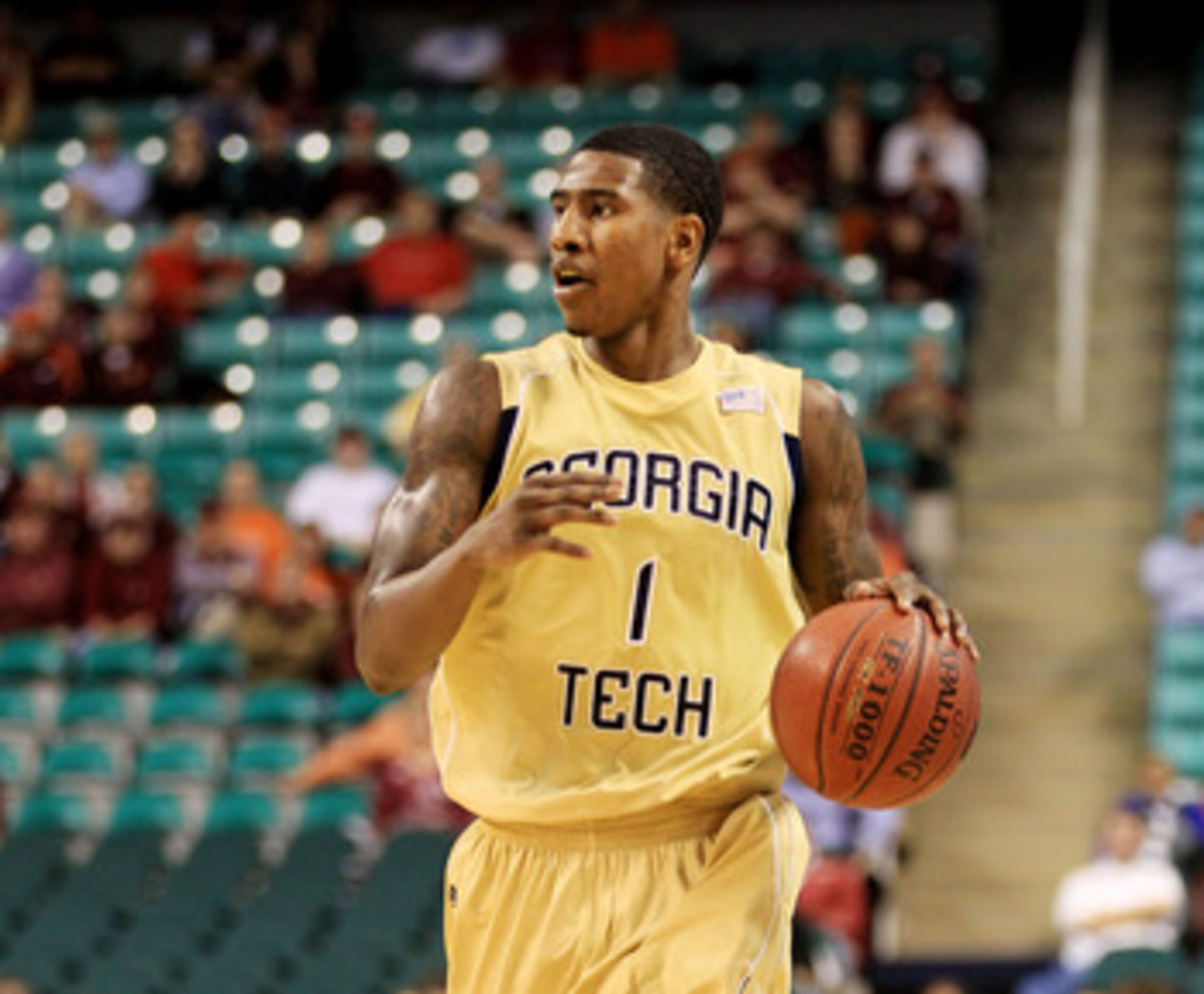
The player: One of the most underrated players in the Draft, Shumpert is an elite athlete at 6'5 210, with the quickness and wingspan to defend all three perimeter positions in the NBA. A former McDonald's All-American, he played out of position as a point guard for Georgia Tech, but his ability to see the floor makes him an extremely interesting prospect as a shooting guard. Despite playing for one of the worst teams in the ACC, Shumpert averaged 17 points and 3.5 assists for the Yellow Jackets.
Best case: Andre Iguodala
Worst case: Terrence Williams
The fit: The Pacers need a big, athletic guard who can penetrate into the lane and create shots for others; their All-Star forward, Danny Granger, is more comfortable spotting up on the three-point line. Indiana's wealth of perimeter shooters would also make up for Shumpert's spotty jump-shot, by far the weakest part of his game.
16. Philadelphia 76ers -- PF/C Trey Thompkins, Georgia
16 of 30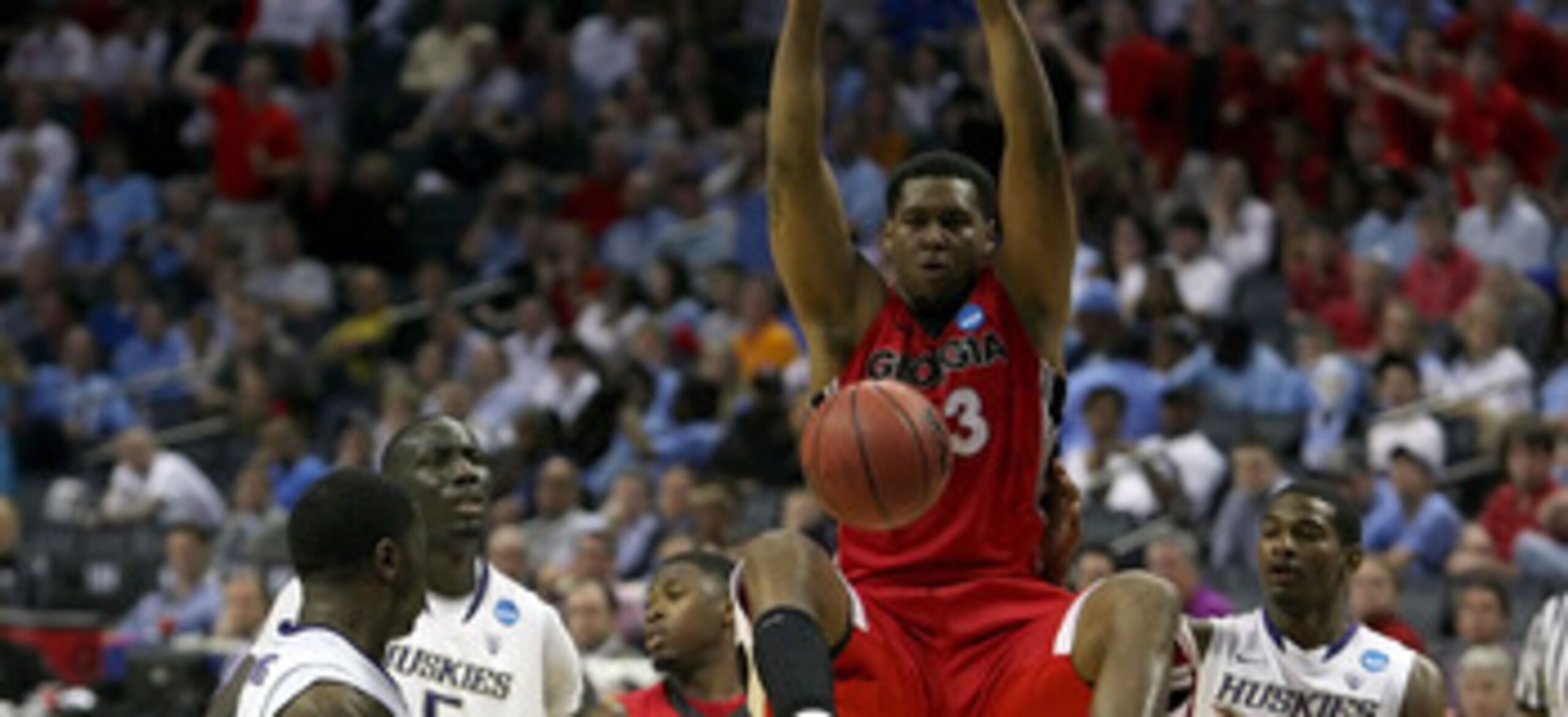
The player: A versatile 6'10 250 post player, Thompkins has a good combination of size and athletic ability, which should allow him to defend both post positions. On the offensive side of the floor, Thompkins has a decent post game as well the ability to shoot 3's, which NBA teams love 6'10+ players to have.
Best case: Jason Thompson
Worst case: Nick Collison
The fit: Philadelphia has one of the worst interior defenses in the NBA, and Thompkins should be able to step right in and give them valuable minutes up-front. Offensively, the Sixers guards will be able to take advantage of the driving lanes his shooting ability creates.
17. New York Knicks -- PF Markieff Morris, Kansas
17 of 30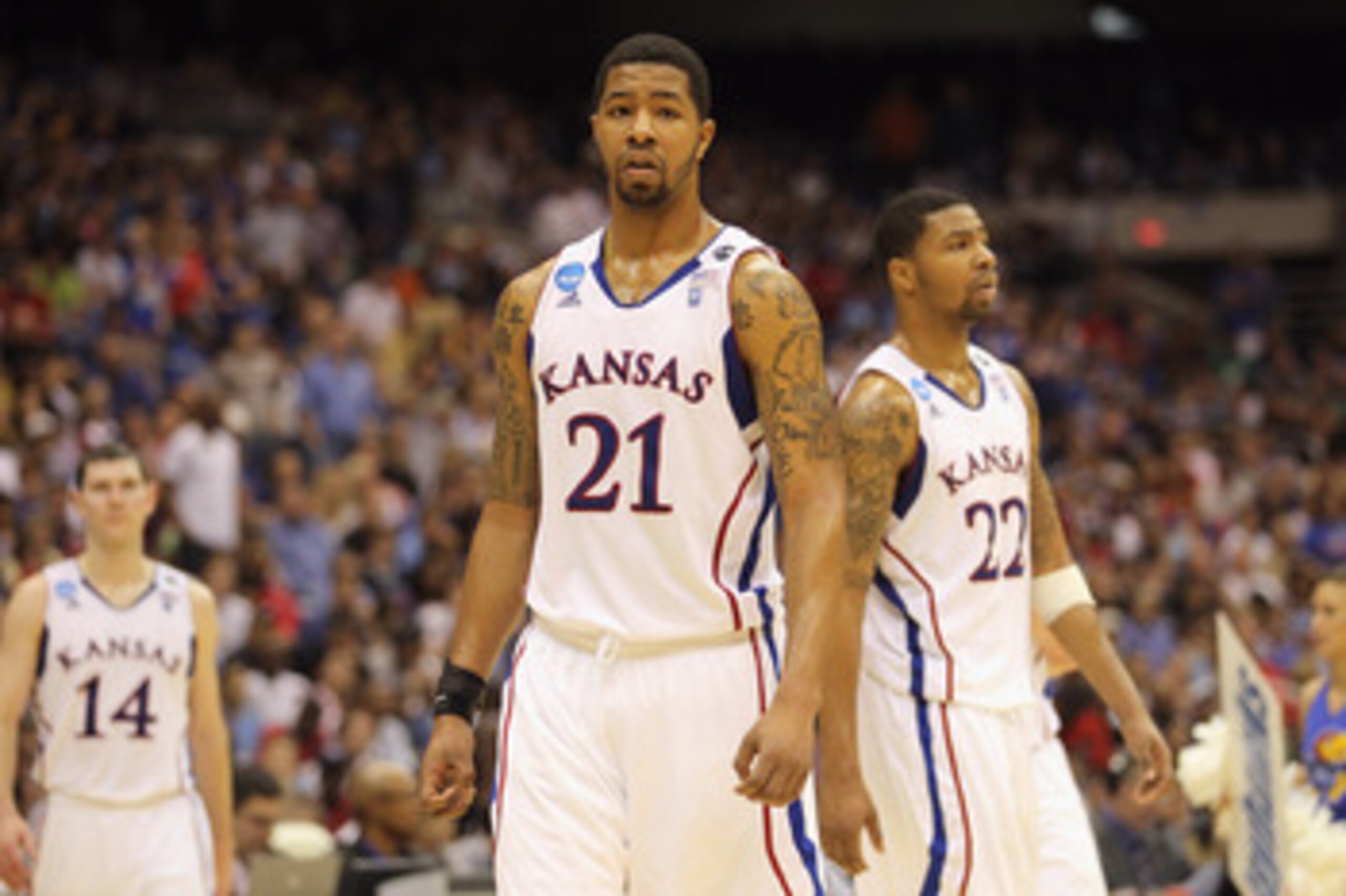
The player: The other half of the Jayhawks' twin brother combination,Markieff is more of an interior presence than Marcus, averaging 8 boards and 1 block a game. And while he doesn't have his brother's ability to create his own shot, he is the better three-point shooter (42% from down-town) which might make the transition to being a role player in the NBA easier for him.
Best case: Ryan Anderson
Worst case: Udonis Haslem
The fit: The Knicks need some rugged interior defenders to put next to Amare; they were forced to play Jared Jeffries to close out games in their first-round series against Boston. Morris could provide some rebounding and shot-blocking, while his ability to shoot 3's would make him a good fit in Mike D'Antoni's offensive system.
18. Washington Wizards -- PF Marcus Morris, Kansas
18 of 30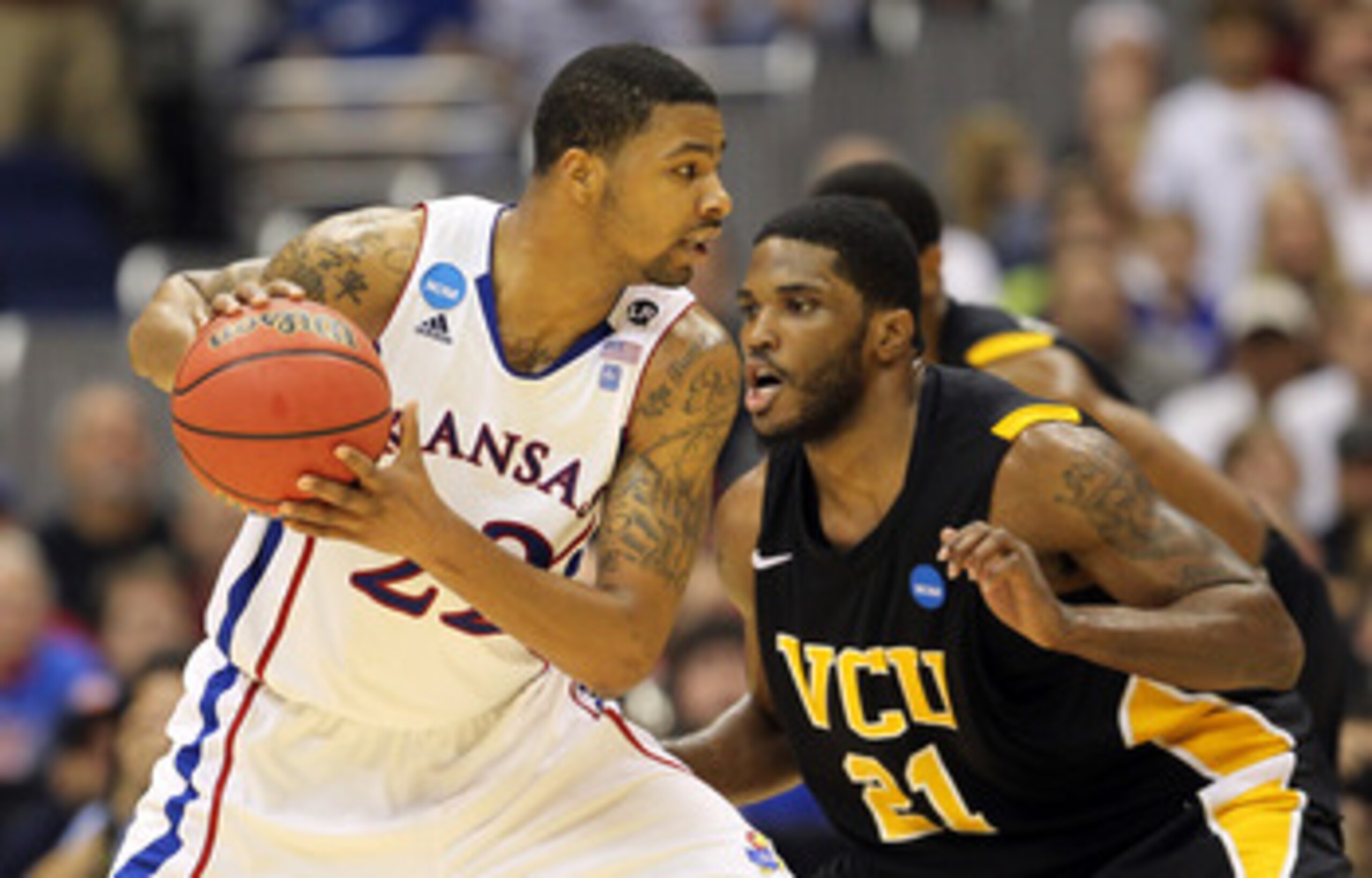
The player: One half of the twin brother tandem that led Kansas to an Elite Eight finish, Marcus is incredibly skilled for his size at 6'9 235. The Jayhawks ran much of their offense through him in both the low and high post, and he can score with his back to the basket, pass out of the double team and shoot from long-range.
Best case: Jeff Green
Worst case: Darrell Arthur
The fit: Marcus' ball-handling ability and jump-shooting prowess would give Washington another threat on the perimeter, while Javale McGee's shot-blocking ability would make up for his defensive deficincies.
19. Charlotte Bobcats -- SG/SF Scotty Hopson, Tennessee
19 of 30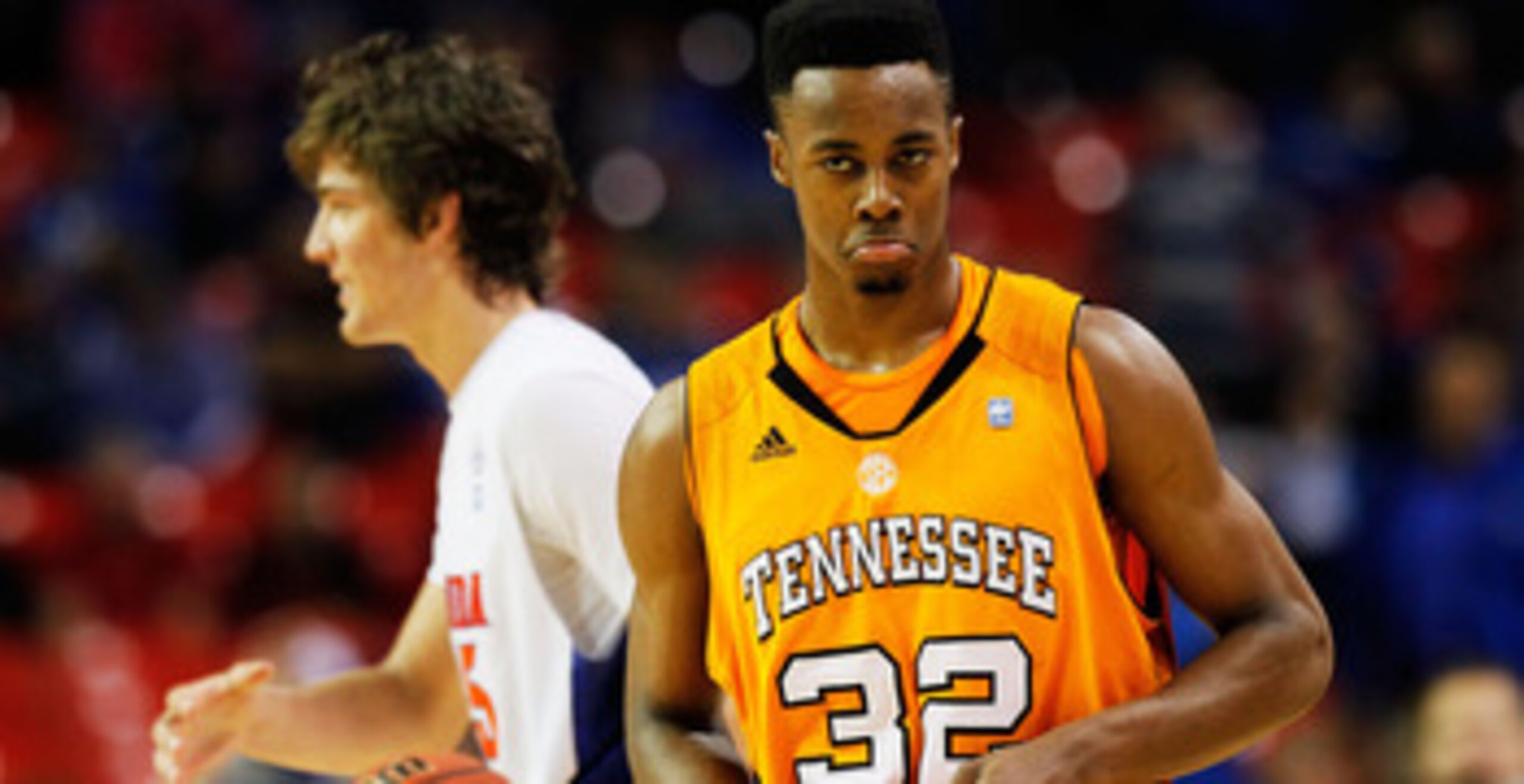
The player: A talented but inconsistent wing with NBA-caliber athleticism at 6'7 200 and an awesome hi-top fade haircut, Hopson has proven he can score at the collegiate level. He averaged 17 points a game for a Tennessee team in the midst of one of the most tumultuous seasons in recent memory, and he dropped 27 points on 10-13 shooting against Pittsburgh in their gym.
Best case: DeMar DeRozan
Worst case: Marco Bellinelli
The fit: With Stephen Jackson unlikely to stay in Charlotte long-term, the Bobcats need fire-power and athleticism at the wing positions, two things Hopson can provide in spades. Along with Brandon Knight, he'd give Charlotte two young building blocks on the wings to begin the rebuilding process.
20. Minnesota Timberwolves -- PF Kenneth Faried, Morehead State
20 of 30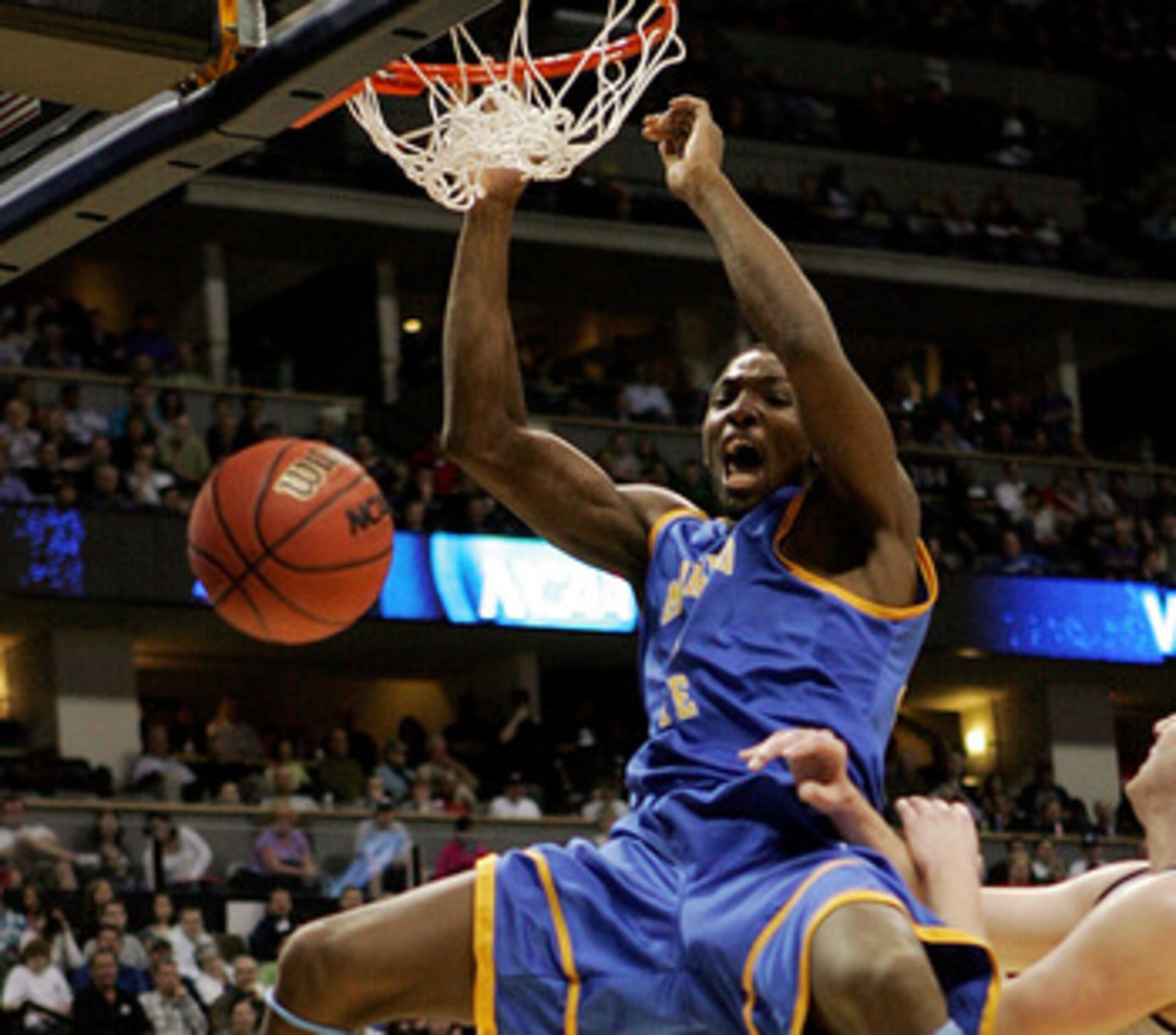
The player: One of the best low-major players in some time, Faried's athleticism and hard work made him the NCAA's best rebounder, grabbing 14.5 boards a game and being a second-team All-American. Undersized at 6'8 225 and lacking much offensive skill outside of 5 feet, Faried projects as an excellent energy big man off the bench who can change the game with his hustle and defensive chops.
Best case: Jason Maxiell
Worst case: Reggie Evans
The fit: What Minnesota does here will be determined in large part by the #2 selection, but taking both Faried and Biyombo would make them one of the best interior defensive teams in the NBA, as both young forwards would be able to balance out the offensive-minded front-court trio of Love, Beasley and Anthony Randolph.
21. Portland Trail Blazers -- SG/PG Josh Selby, Kansas
21 of 30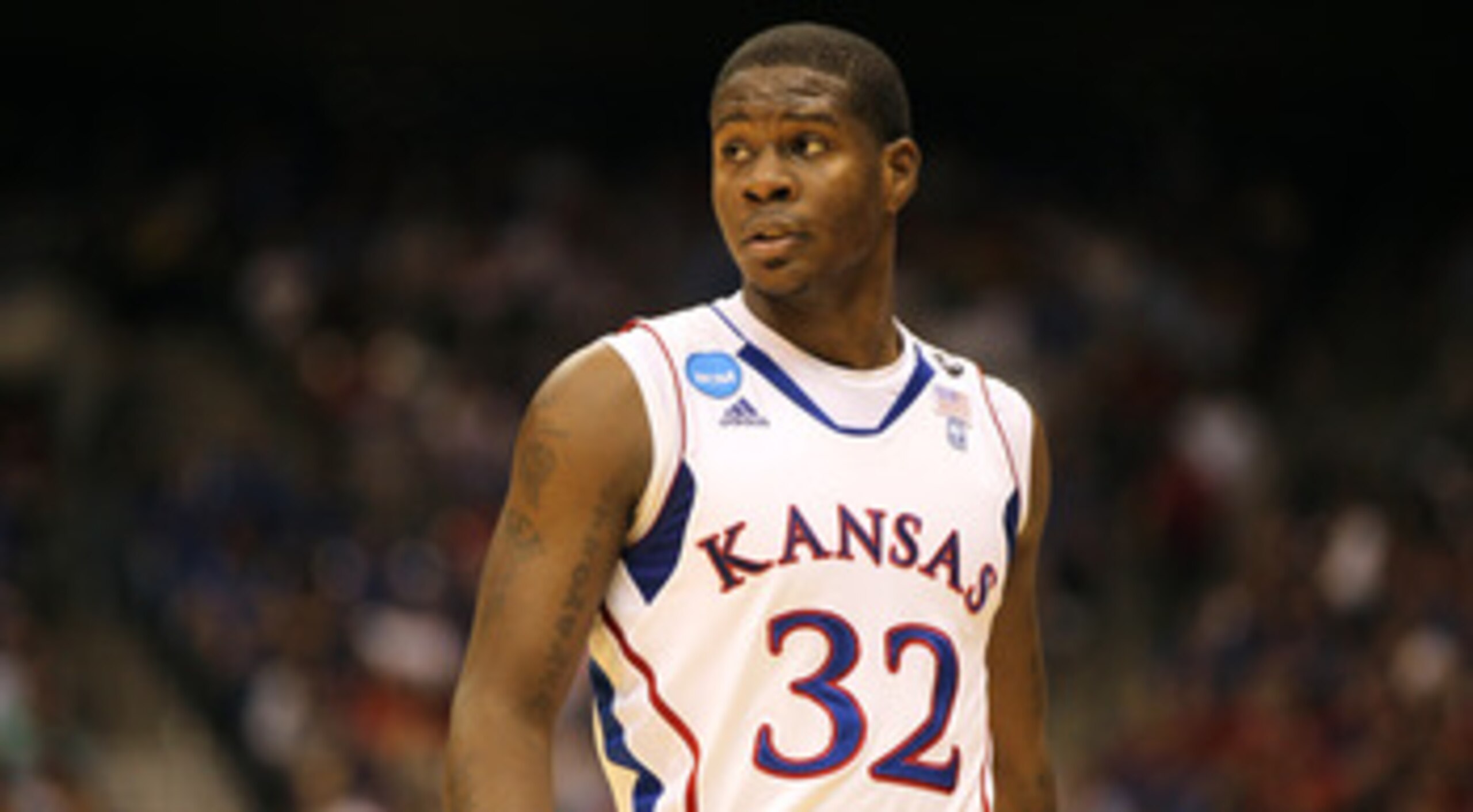
The player: One of the most athletic guards in the country, Selby did little to justify his lofty recruiting ranking in his one year at Kansas that was marred with injury and a nine-game suspension for amateurism violations. But players with his high school pedigree often out-perform their college performance in the pros, and there's no doubting Selby's talent -- he's an incredibly athletic 6'2 180 combo guard who can get to the front of the rim, distribute the ball and shoot from outside.
Best case: Eric Gordon
Worst case: Dajuan Wagner
The fit: Portland is a a great position in the Draft, since they have no real holes to fill in their starting line-up. They have a chance to take a gamble here, and with Brandon Roy unlikely to ever regain his All-Star form, Selby gives them the opportunity to replace some of his scoring in the back-court, which they will need to do to get to take the next step as a team.
22. Denver Nuggets -- SF Tyler Honeycutt, UCLA
22 of 30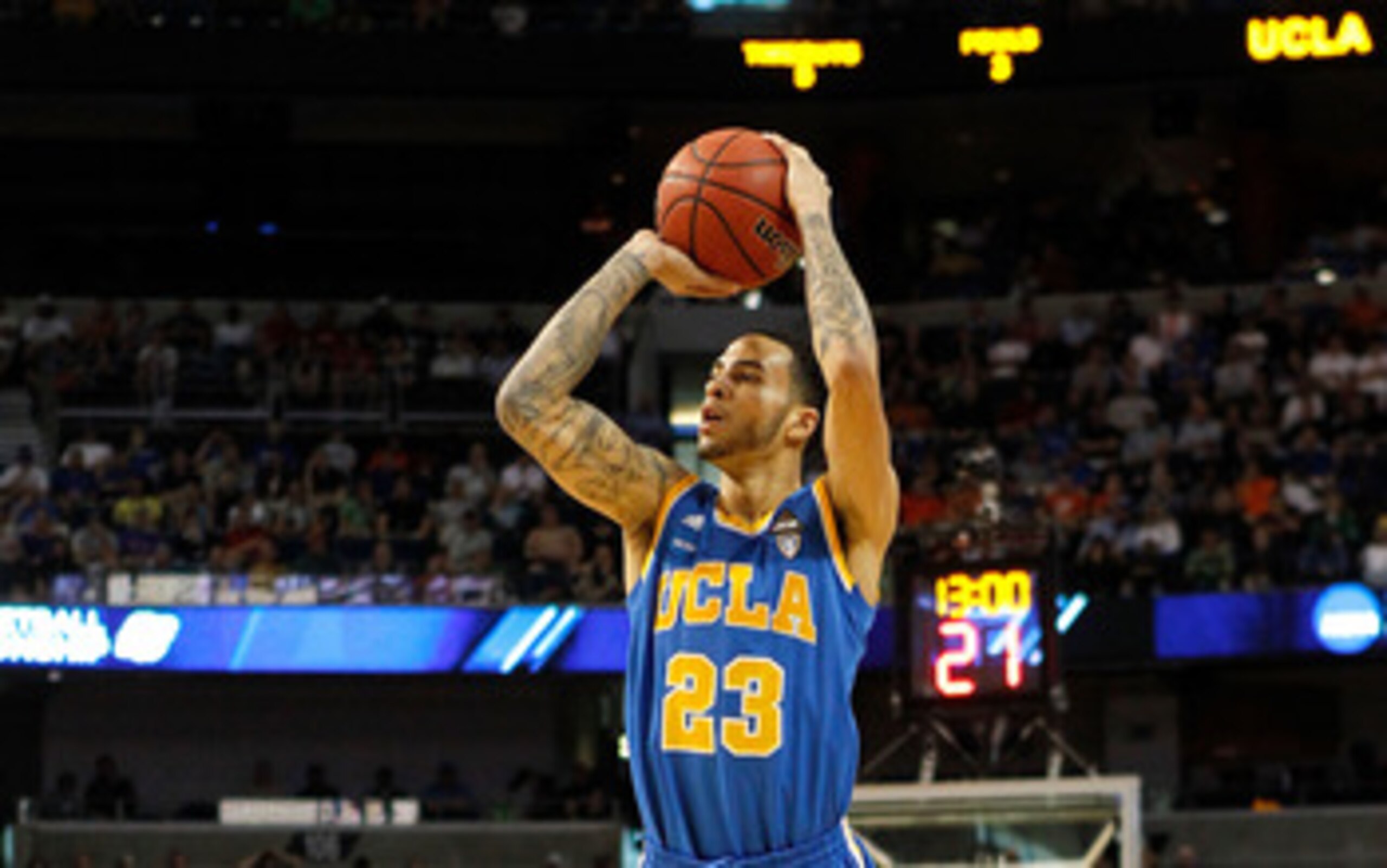
The player: A five-tool small forward, Honeycutt is a great athlete at 6'8 190 who can stretch the floor from 3 (shooting 34.5%), pass the ball to the open man (2.7 assists) and grab rebounds all over the floor (7.4 a game).
Best case: Nic Batum
Worst case: Francisco Garcia
The fit: Honeycutt should be able to step right into Denver's up-tempo system with his ability to run the court, defend multiple perimeter positions and hit from outside. It's unlikely the Nuggets will be able to keep Aaron Afflalo, Wilson Chandler and JR Smith, all of whom are entering free agency, so there should be plenty of minutes on the wings for Honeycutt.
23. Houston Rockets -- SF Kawhi Leonard, San Diego State
23 of 30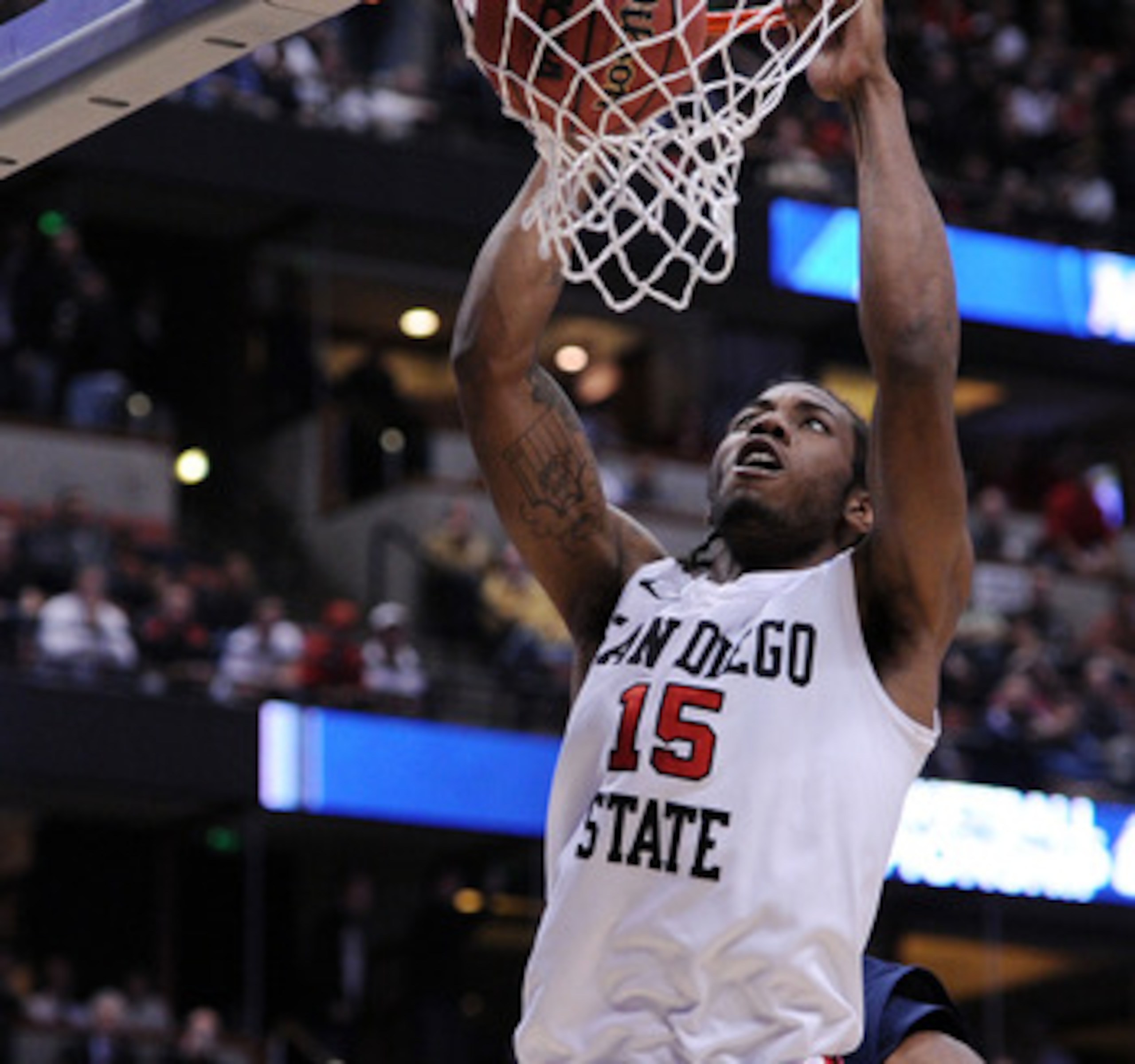
The player: A phenomenal athlete at 6'7 225, Leonard has the athletic ability to defend the wing, take the ball to the hole and dominate the defensive glass, leading his SDSU team with over ten rebounds a game. But without a consistent jumper, his offensive game is still a work in progress, despite leading the Aztecs in scoring and getting almost 3 assists a game.
Best case: Josh Childress
Worst case: Ronnie Brewer
The fit: Houston needs guys on the perimeter who can create their own shot, and they have shooting in the rest of their line-up -- Luis Scola, Kevin Martin and Chase Budinger -- to cover for Leonard's poor perimeter shooting.
24. Oklahoma City Thunder -- PF/SF Justin Harper, Richmond
24 of 30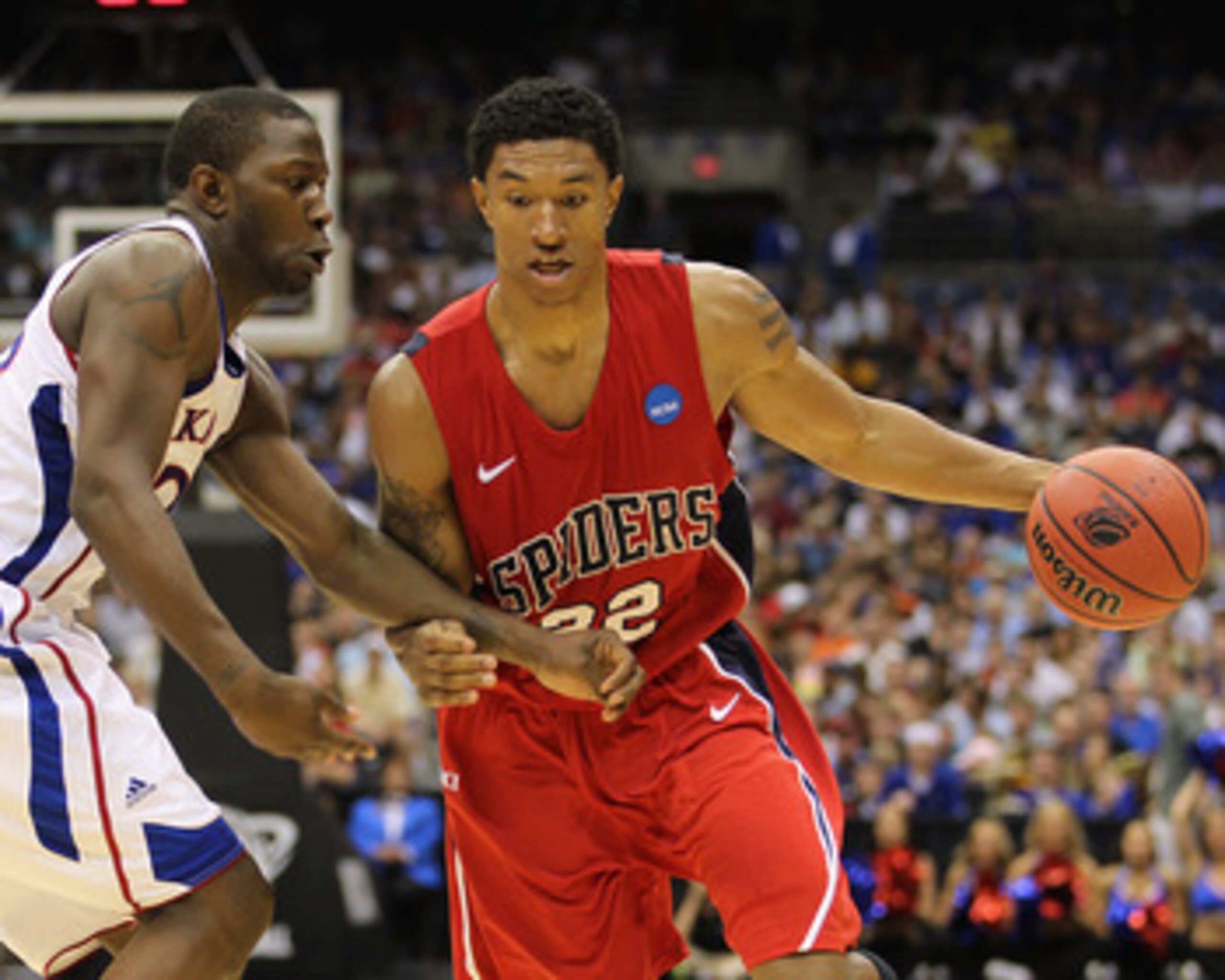
The player: A great three-point shooter for his size at 6'10 220, Harper knocks down three's at an incredible 46% rate. The threat of the shot forces defenders to crowd him, which allows him to drive as well as hit open men. And while he doesn't project to be a great defender, he has the size and speed to defend both front-court positions adequately.
Best case: Marvin Williams
Worst case: Donte Greene
The fit: After the trade of Jeff Green, the Thunder could use some shooting in the front-court to space the court for Kevin Durant and Russell Westbrook, as both Memphis and Dallas have resorted to zoning Oklahoma City's front-court players in this year's playoffs.
25. Boston Celtics -- SG Alec Burks, Colorado
25 of 30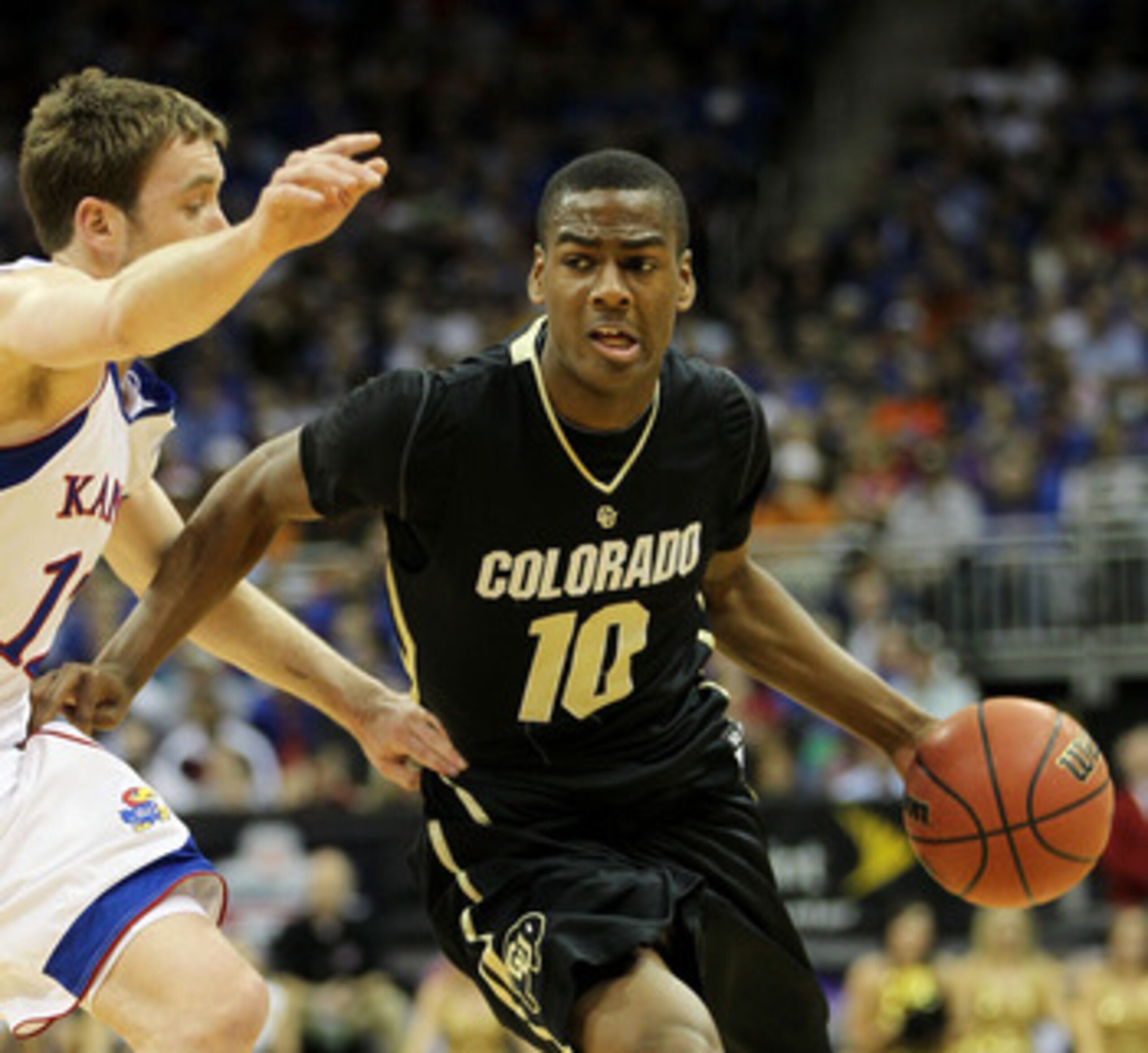
The player: Burks, one of the best shot-creators in college basketball and the best pure shooting guard in the Draft, carried a mediocre Colorado team to the brink of the NCAA bubble this year, averaging 20.5 points and 3 assists on 47% shooting.
Best case: Rodney Stuckey
Worst case: Julius Hodge
The fit: As they proved in their second-round loss to Miami, Boston needs some athleticism on the perimeter, as well as someone who can take the shot-creating burden off Rajon Rondo, now that Paul Pierce and Ray Allen have become primarily spot-up shooters.
26. Dallas Mavericks -- SG/SF David Lighty, Ohio State
26 of 30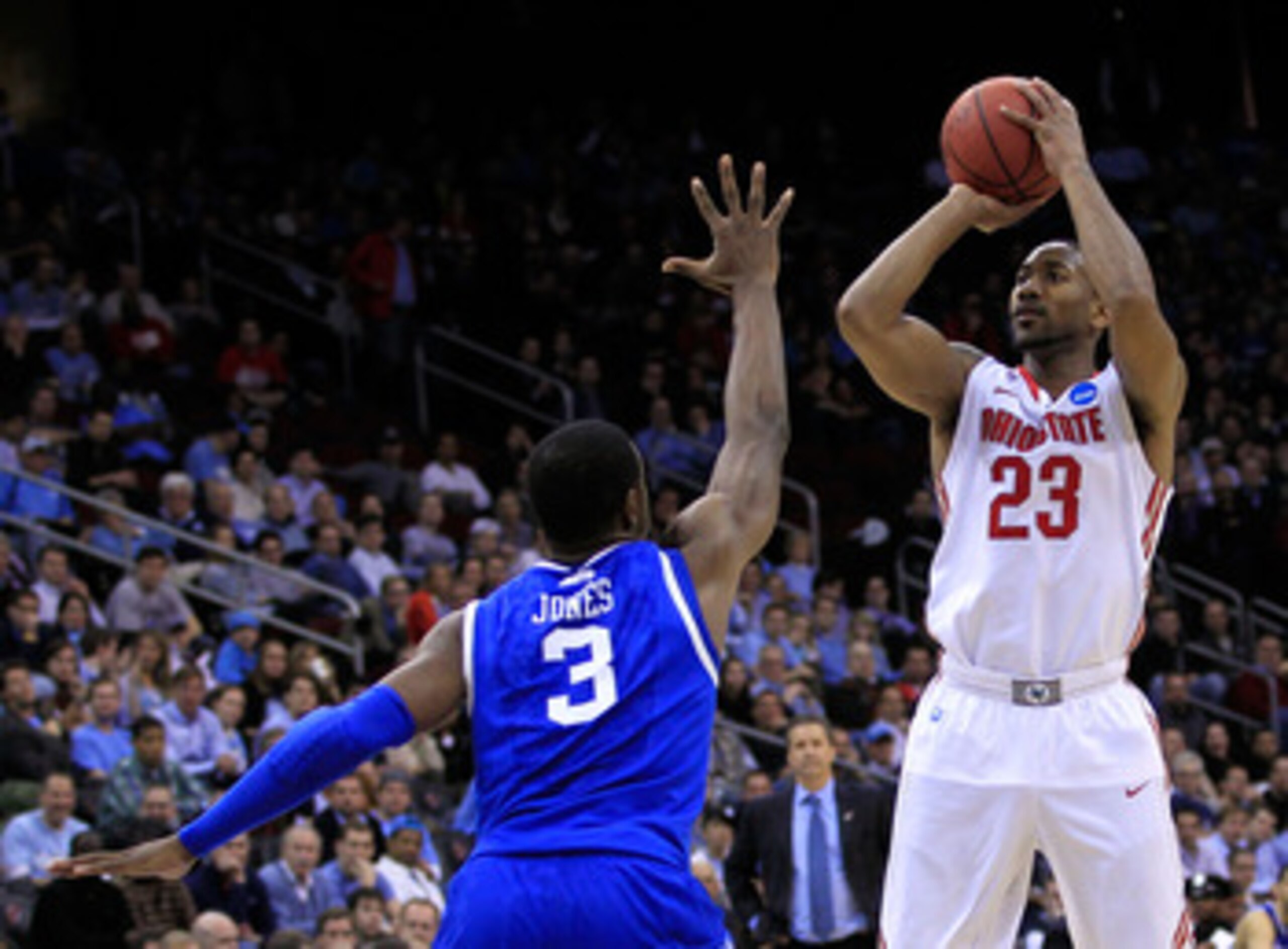
The player: A long-armed 6'5 220 perimeter player, Lighty was the Buckeyes' defensive stopper last year, and should be able to defend all three perimeter positions in the NBA. An excellent three-point shooter, knocking them down at a 43% clip last season, he also developed his ball-handling and shot-creating skills this year after the departure of Evan Turner.
Best case: Wesley Matthews
Worst case: Landry Fields
The fit: A five-year player at Ohio State, Lighty has the experience to step in and contribute immediately, a must for an aging Dallas team whose window of contention won't stay open much longer. With Shawn Marion and DeShawn Stevenson aging, he'd give them a much younger defensive stopper while also being able to spread the floor for Dirk Nowitzki, and his ability to defend both guard positions would be a great complement to the Mavs' many smaller shooting guards off the bench.
27. New Jersey Nets -- SG Klay Thompson, Washington State
27 of 30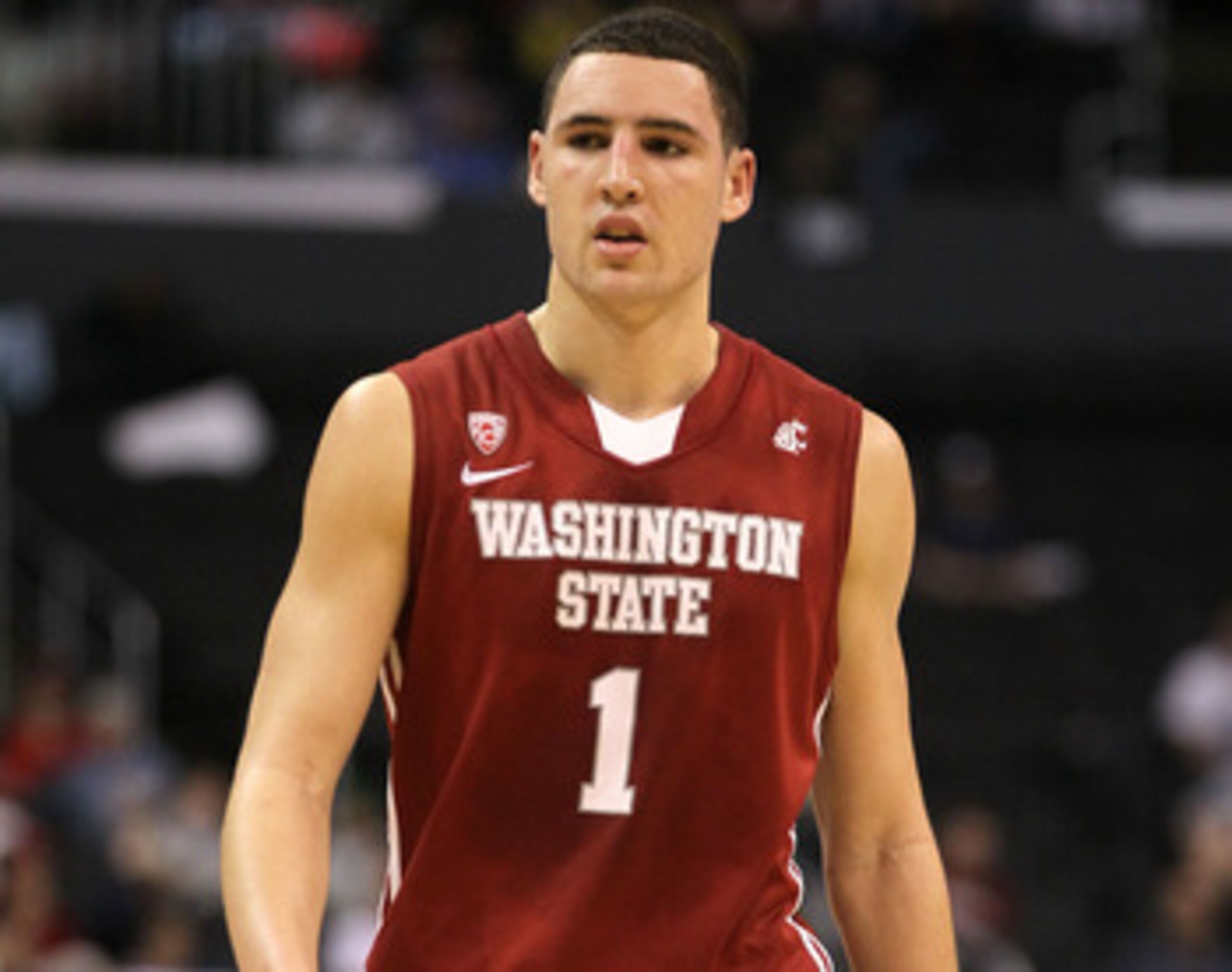
The player: The son of former #1 overall pick Mychal Thompson, Klay has all the skills you’d expect from a kid who grew up around the game of basketball. A 6’6 200 pound shooting guard, Thompson was a one-man offense for Washington State this year, averaging 21.6 points on 43% shooting and 3.7 assists.
Best case: Rudy Fernandez
Worst case: Grievis Vasquez
The fit: Outside of Deron Williams and Brook Lopez, the cupboard is pretty bare in New Jersey, as the Nets had to gut much of their roster to acquire Williams. There should be more than enough minutes on the perimeter for Thompson to grab immediately.
28. Chicago Bulls -- SG/PG Jimmer Fredette, BYU
28 of 30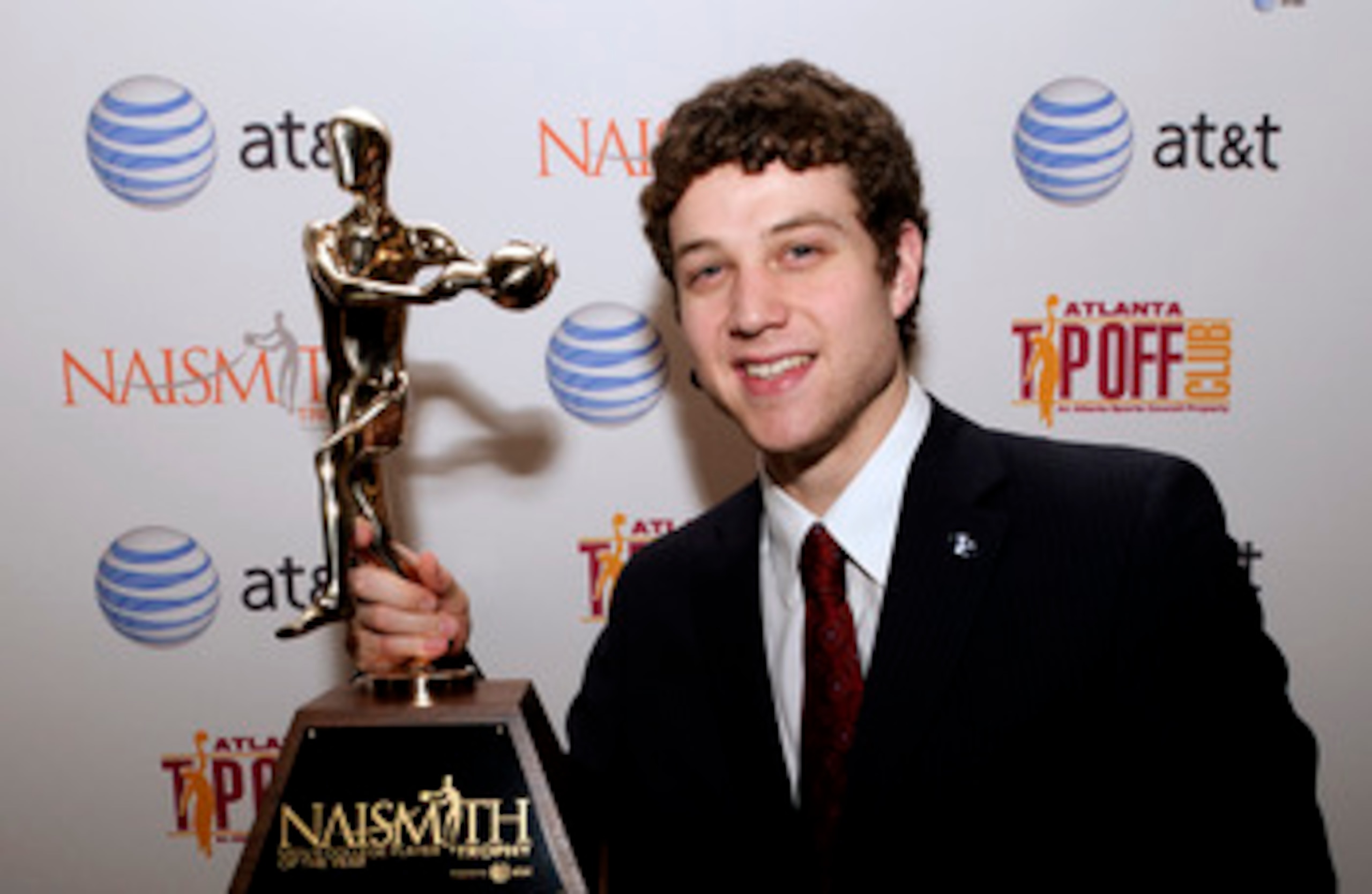
The player: A 6'2 195 combo guard with range out to the parking lot, "the Jimmer" captivated the nation, winning the national POY award and leading BYU to the Sweet 16 as a mostly one-man show of pull-up 3's, running floaters and fade-away jumpers. While no one doubts his ability to score, Fredette will most likely be a defensive liability on the next level and you would see a full-scale mutiny before you would see any NBA team let him dominate the ball like the Cougars did.
Best case: Stephen Curry
Worst case: A bigger JJ Barea
The fit: Fredette's defensive liabilities could be hidden playing on one of the best defenses in the NBA in Chicago, while his outside-shooting would be a great perimeter complement to Derrick Rose's ability to attack the basket.
29. San Antonio Spurs -- PF JaJuan Johnson, Purdue
29 of 30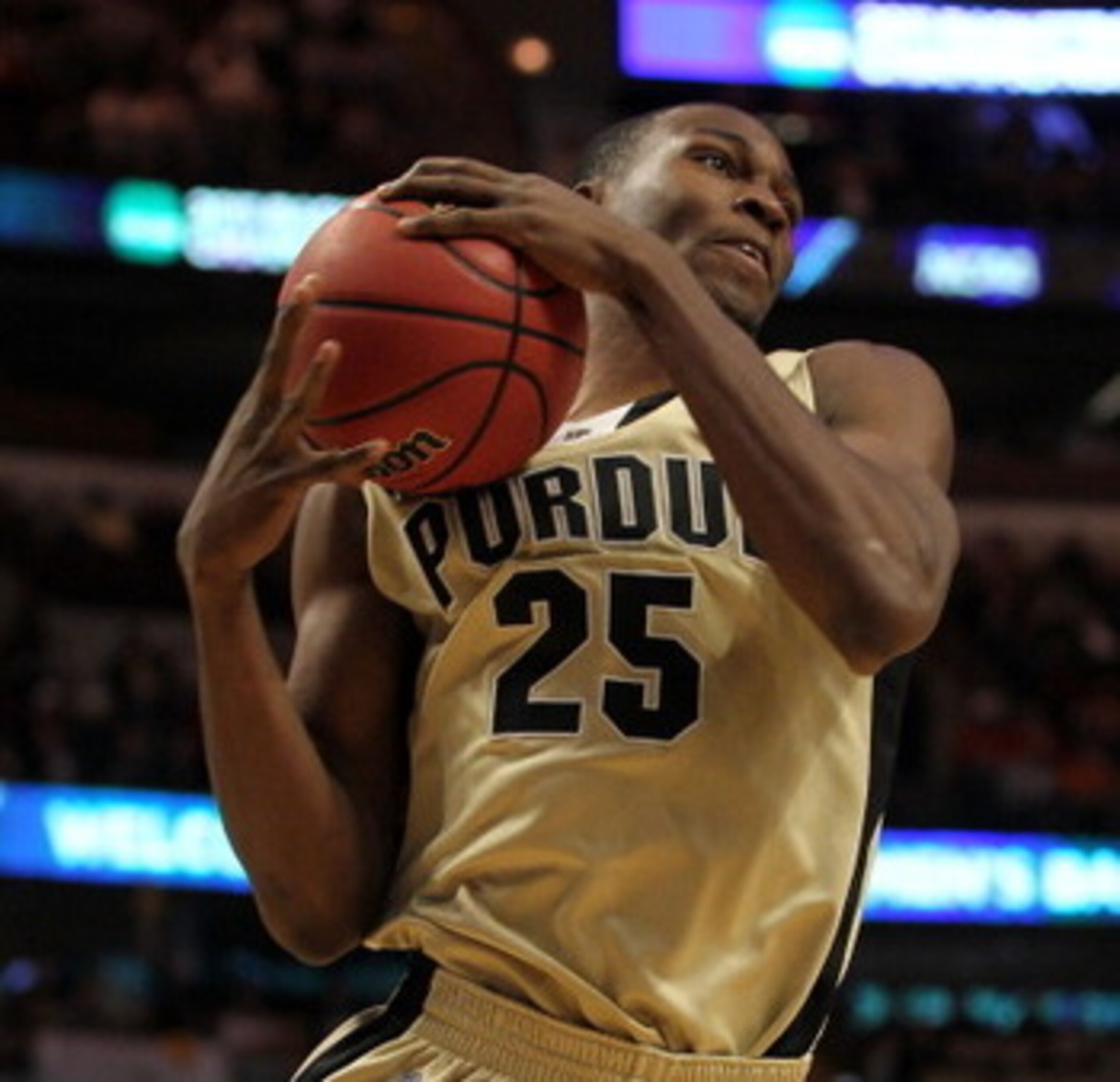
The player: An athletic 6'10 230 power forward, Johnson is a decent low-post scorer, but he projects as a face-up big man at the next level, spreading the floor and running pick-and-pops against the NBA’s slower big men. And with his steadily improving rebounding (8.2 a game) and shot-blocking (2.3 a game) ability, he’ll be able to hold his own defensively.
Best case: Channing Frye
Worst case: Dante Cunningham
The fit: The Spurs need an athletic front-court player to take some of the pressure off of Tim Duncan defensively, and Johnson has the size and foot-speed to guard the perimeter-oriented 4's the Spurs have struggled with ever since Robert Horry's retirement. Offensively, his ability to shoot from the perimeter should make him a good fit in the Spurs' system.
30. Chicago Bulls -- C Lucas Nogueira, International
30 of 30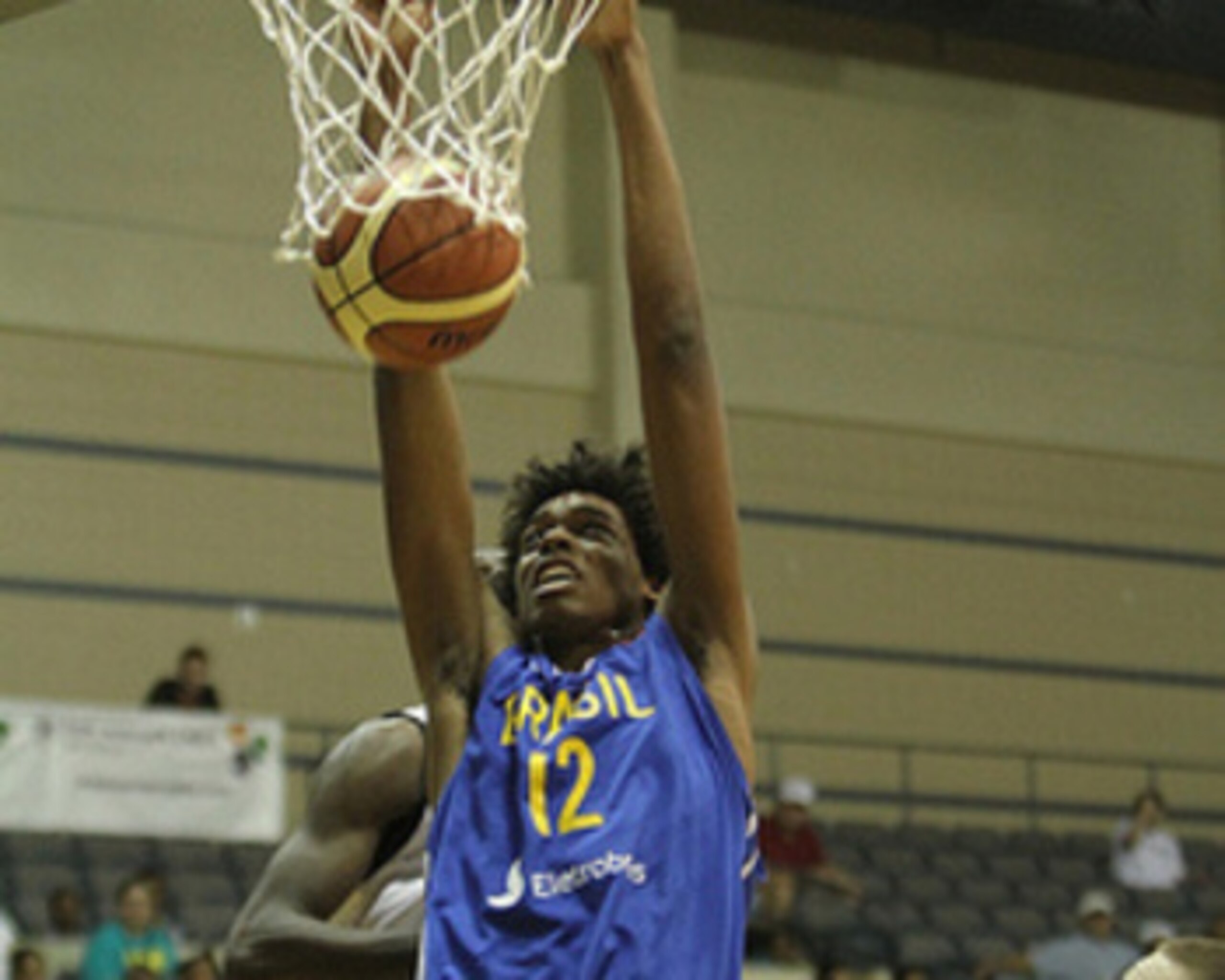
The player: An extremely raw young big man out of Brazil, Nogueira is an intriguing prospect: he's an athletic 7'0 235 center with a 7'6 wingspan. His offensive game is still very much a work in progress, and after playing for a lower-level Spanish team last season, he's nowhere near ready for the NBA.
The fit: Chicago has had a lot of success with Omer Asik, another raw young big man they found at the beginning of the second round a few years back. With the best record in the NBA and another first round pick at #28, the Bulls have little need for a second rookie next season, so they would probably be better off rolling the dice on a prospect like Nogueira and seeing whether they have anything in a few years time.



.jpg?w=2560 "Chiefs, Steelers Eye WR Trades")
.jpg?w=2560 "Latest Peyton-Colts Rumors")