
NBA Trade Rumors: Gilbert Arenas and Toughest Contracts to Move from Each Team
Like the Orlando Magic and Gilbert Arenas, each NBA team has at least one skeleton contract that they'd like out of their financial closet.
These bloated deals are especially troubling as the NBA prepares to enter a brave new world this offseaon when redrawing their Collective Bargaining Agreement.
If teams had worked feverishly to rid themselves of too long, too expensive or luxury tax-inducing contracts in the past, how much more urgent will they become when the salary cap allowance decreases?
It's unclear whether current "cap-killer" contracts might be somehow grandfathered in to a lower allowance, just as it's also still uncertain what the threshold number will actually drop to.
Moving disproportionate deals like these would be difficult, though, given that the dollars and commitment probably look just as unappetizing to a potential trade partner as they do to the owner.
Here are the contracts, (listed alphabetically and by conference), that each team may want to ditch badly, but will have a hard time finding a taker for...
DISCLAIMER: In some cases, these teams would still like to keep the player, but they'd love to alter the contract itself.
Atlanta Hawks: Joe Johnson
1 of 30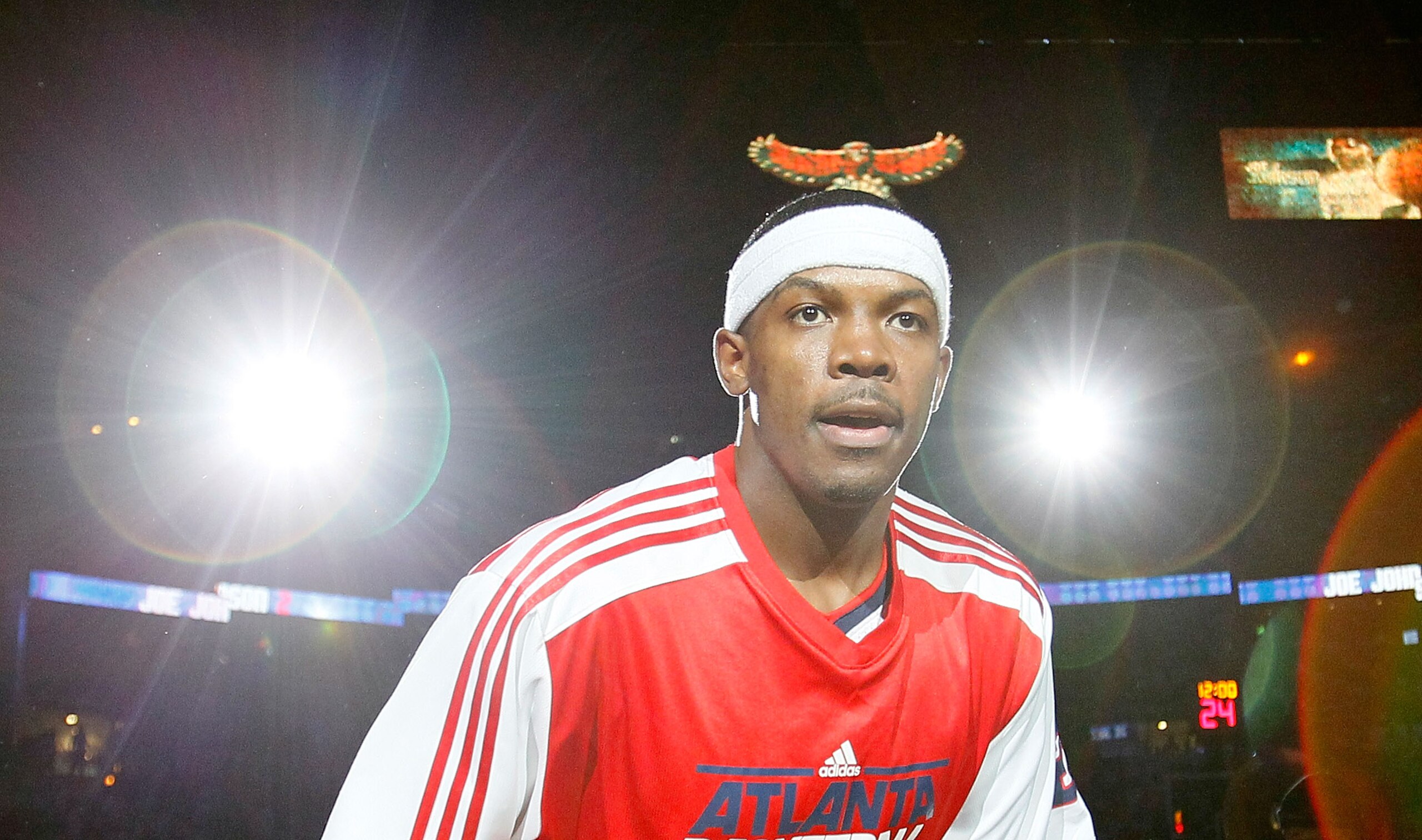
Joe Johnson is a fine enough player in his own right, but there were a lot of raised eyebrows when the Atlanta Hawks re-signed him to a six-year "max" deal this past summer.
For a guy who may or may not actually be a lead player, much less a top-tier superstar, this was certainly curious, especially when it didn't appear that Atlanta was seriously bidding against anyone else.
Maybe they were gun-shy from the LeBron James/Chris Bosh saga.
Johnson made $16.3 million this year for a team that was better, but still no closer to getting out of the second round than in the past.
Oh, and the deal balloons with each passing year...
Boston Celtics: Jermaine O'Neal
2 of 30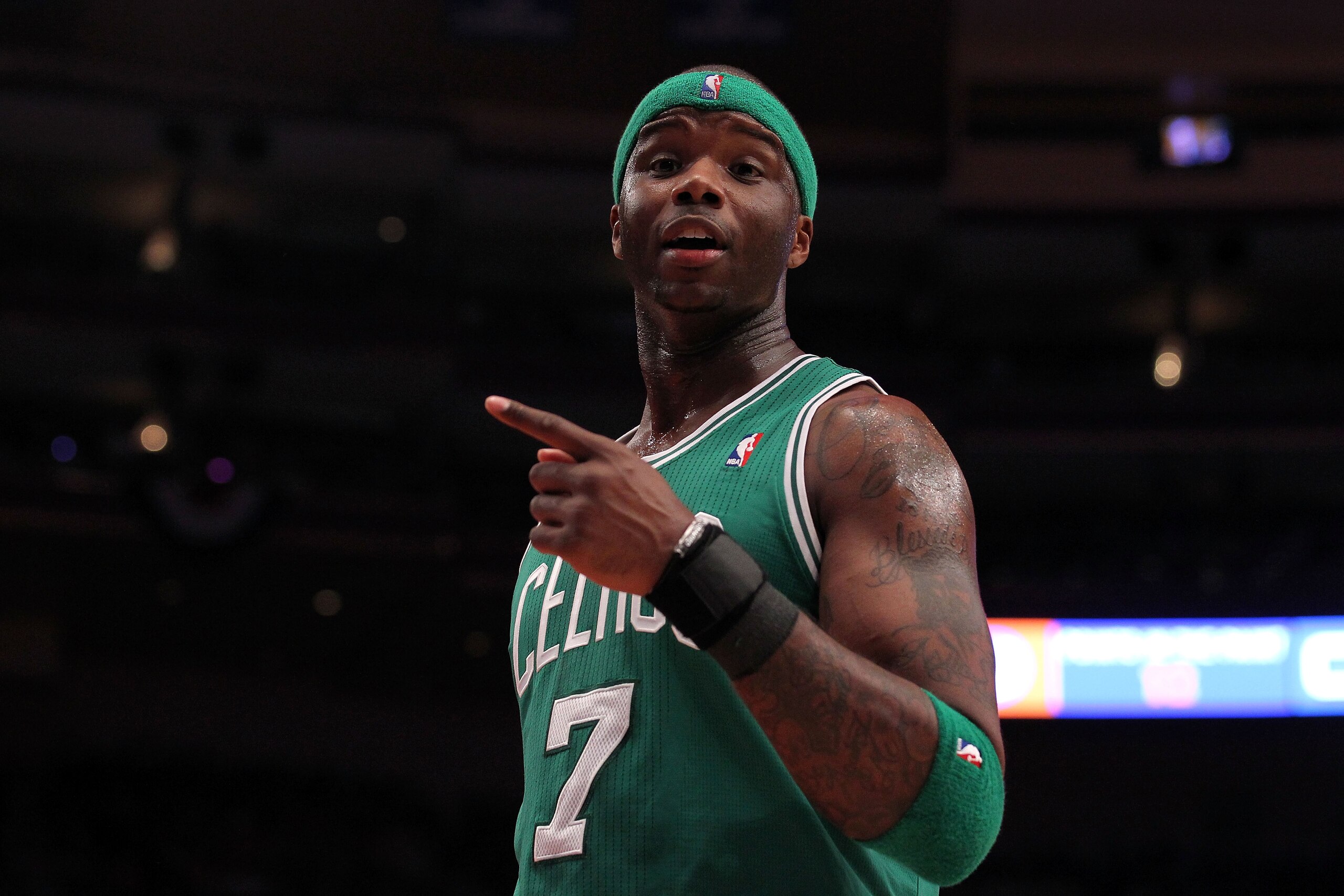
You may think that Shaquille O'Neal's contract should be on here instead, but Shaq is more likely to retire at this point, and his $1.3 million deal is roughly a quarter of Jermaine O'Neal's remaining contract.
Both players are on the hook for one more year, and Jermaine held down the Boston Celtics' center spot admirably enough, but there's no way his meager production is worth $5.7 million per year.
His signing this past season was especially questionable when one considered that he was expected to be Boston's third center (behind Shaq and Kendrick Perkins).
Instead, Jermaine was paid as a key role player. Just because it turned out that he had to be relied on as one doesn't make this injury-risky deal look any more attractive.
Charlotte Bobcats: DeSagana Diop & Matt Carroll
3 of 30
It's just too hard to pick one here.
DeSagana Diop and Matt Carroll both have two years remaining on their roughly $6.4 million and $4.3 million per year deals, respectively.
Both cashed in on competent half-seasons from a few years ago (Diop got over-signed by the Dallas Mavericks, Carroll by the Bobcats). They have since clogged up one-sixth of Charlotte's cap space while hardly ever playing, and not competently when doing so.
One is hard pressed to even find pictures of Matt Carroll or DaSagana Diop on the floor during the past season, much less to remember the time either were relevant.


Chicago Bulls: Luol Deng
4 of 30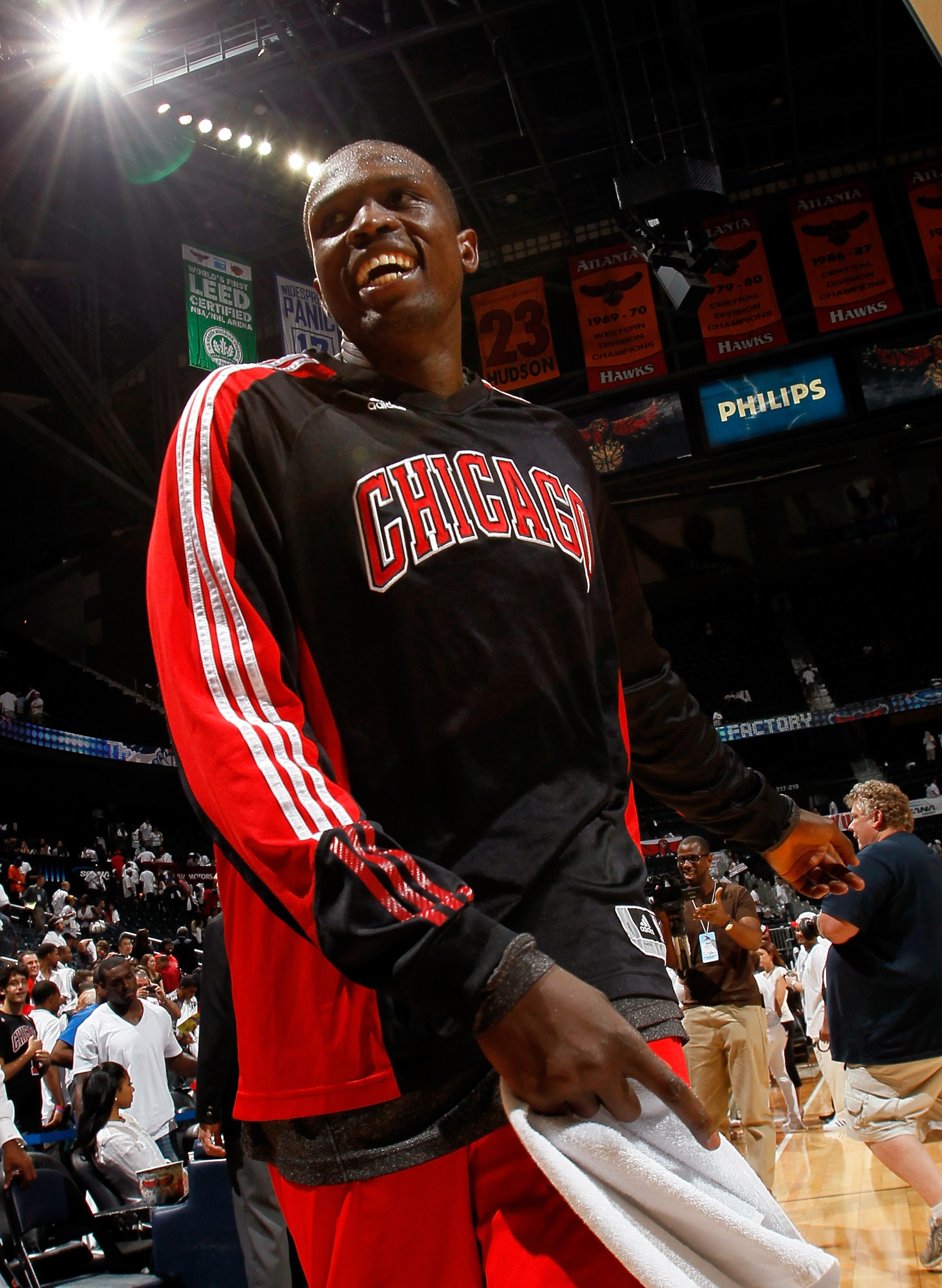
Chicago Bulls fans are going to get mad at me for this one, but let me explain myself.
Luol Deng does a lot of great things for the Bulls. One might even call him their subconcious "glue" guy. I'm not suggesting that the Bulls should ditch Deng. He fits in Chicago just fine.
That's good, because Deng's Player Efficiency Rating is only a point or so higher than doppelganger teammate Ronnie Brewer. Yet, Luol's $11.3 million per year contract is nearly three times bigger with another three years remaining.
Let's not read too far into something like the PER, but the fact remains that the Chicago Bulls would and have had difficulty in trying to find takers for Luol Deng's contract. The dollars just don't make sense when nearly equal amounts of production are available at a fraction of the price.
Cleveland Cavaliers: Baron Davis
5 of 30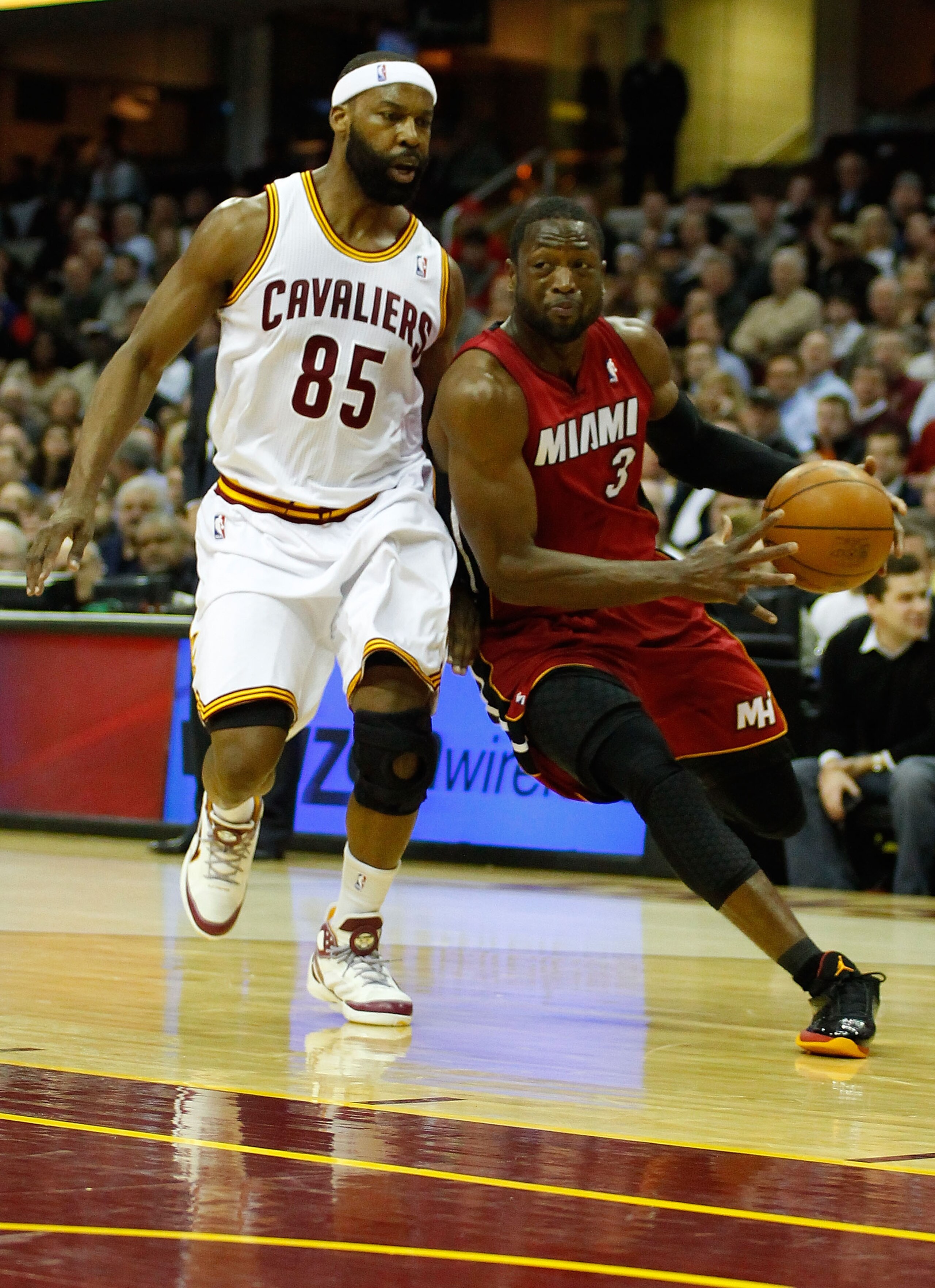
One could make the case that Antawn Jamison is nearly as untradeable, but that's not true.
Jamison's $13.4 million per year contract is an expiring one this next year. That, and the fact that he's always been seen as a high "character" guy, make him infinitely more movable than Baron Davis.
Davis has a "near-max" $14 million per year deal remaining for the next two seasons, is widely considered a giant distraction when not motivated, and is no longer anything close to resembling a superstar.
The only reason a team would even think about trading for Baron Davis would be to buy him out in exchange for ditching a horrible deal of their own.
Detroit Pistons: Richard Hamilton
6 of 30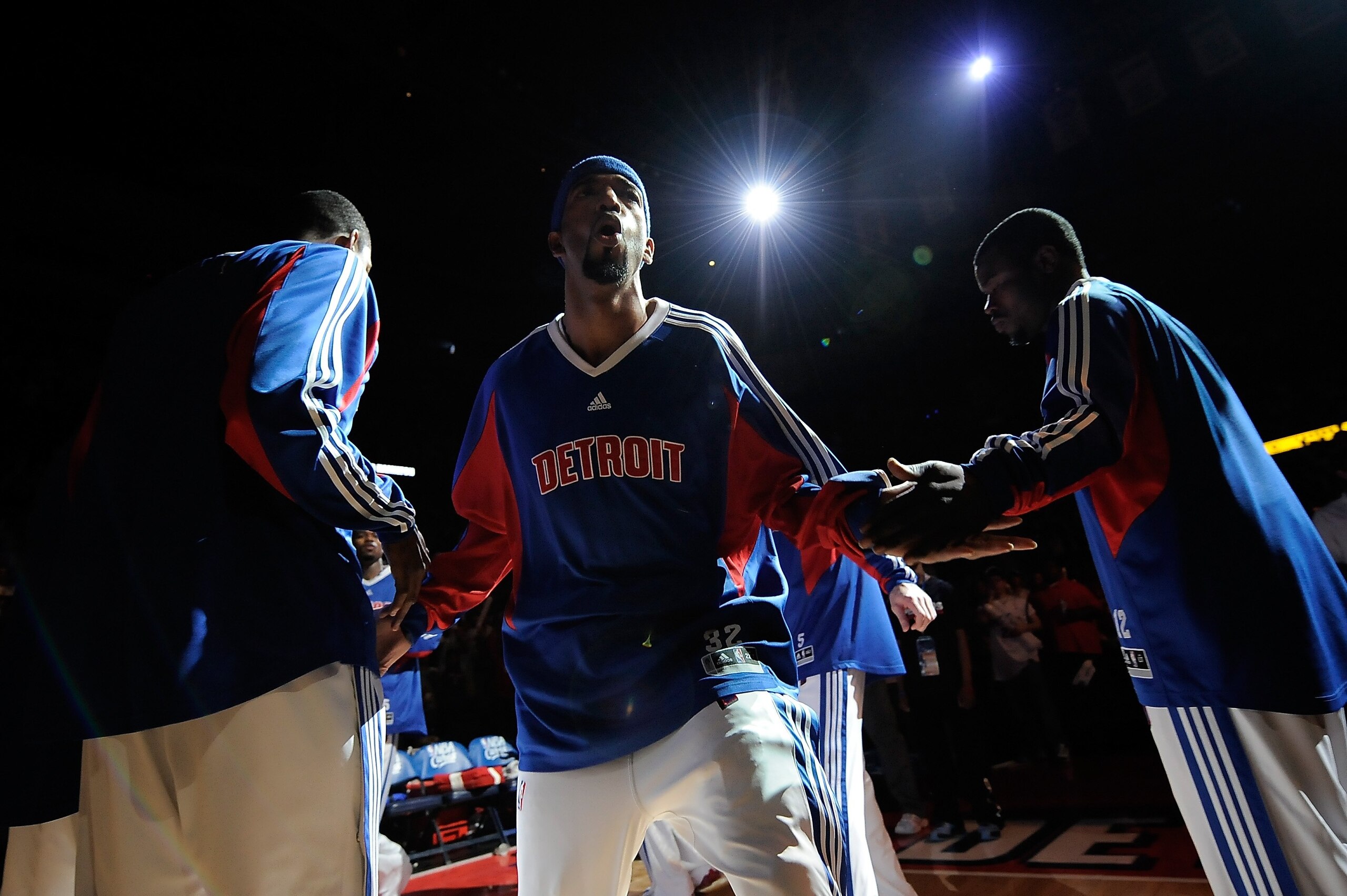
He's a part of the Detroit Pistons' lore, but yes, Richard Hamilton is a bigger liability than fellow cap-cloggers Ben Gordon and Charlie Villaneuva.
Gordon and Villaneuva are both under contract for three more seasons, at $10.8 and $7 million per year respectively, but they are still within their prime years.
A foolish GM might perceive them as having some upside left, with a change of scenery.
Richard Hamilton's $12.5 million per year deal doesn't expire for two more seasons, he's openly clashed with a string of head coaches in Detroit, his production has been dipping for years, and he's viewed as being on the downside of his career.
Indiana Pacers: James Posey
7 of 30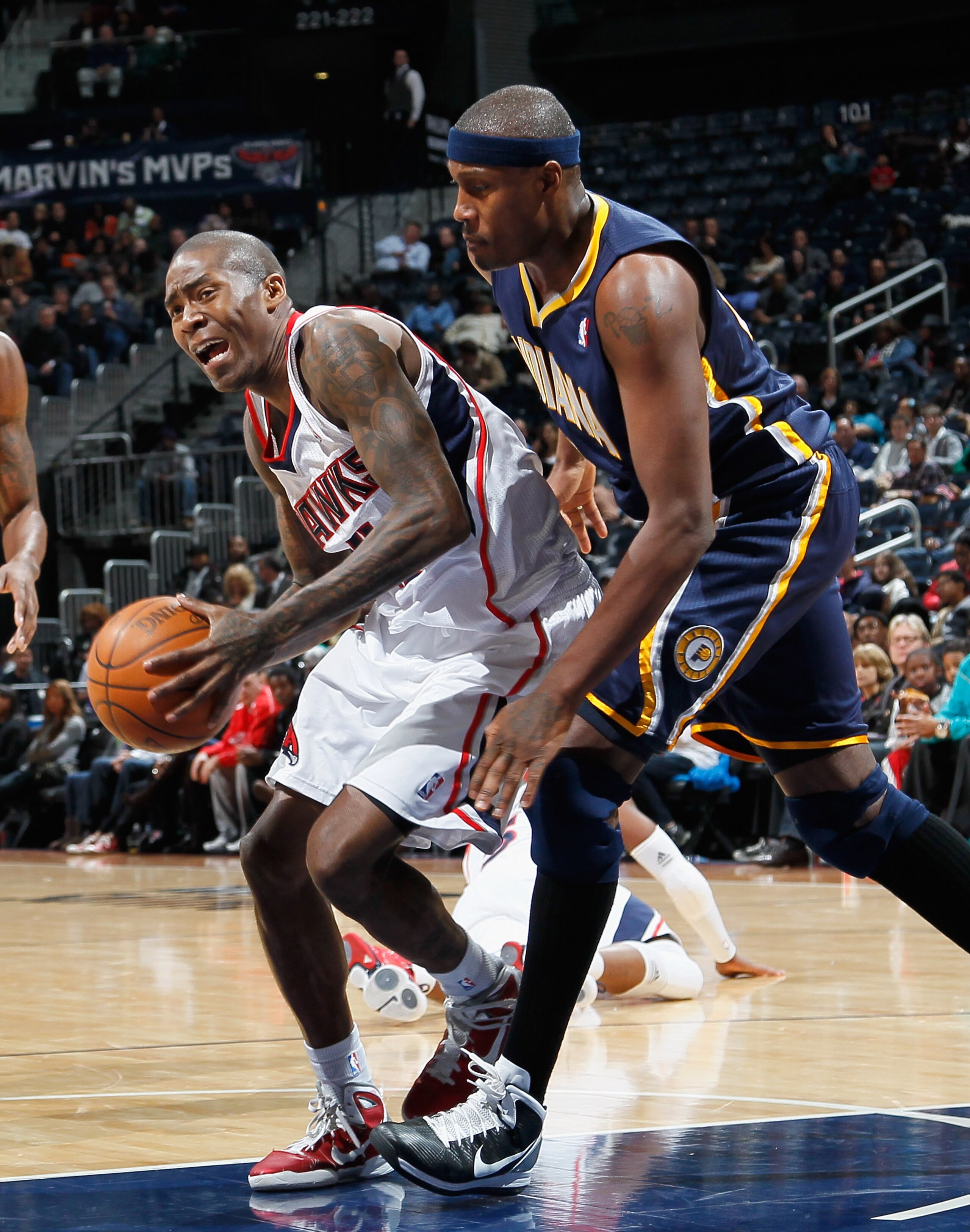
The Indiana Pacers are actually in pretty good shape this offseason. Mike Dunleavy, T.J. Ford and Jeff Foster's bloated contracts are all expiring.
The only unmovable deal is James Posey's $7.1 million. The good news is that it's now an expiring contract and might actually become usable.
It would be the first time one could say that about James Posey in a while.
Posey's four-year, $25 million deal was widely panned the minute he was signed after his crucial role in the Boston Celtics' 2008 title. His production has plummeted ever since.
The Pacers took him on as part of their Darren Collison acquisition from the New Orleans Hornets last offseason, and have been unable to find a role for him at all.
Miami Heat: Mike Miller
8 of 30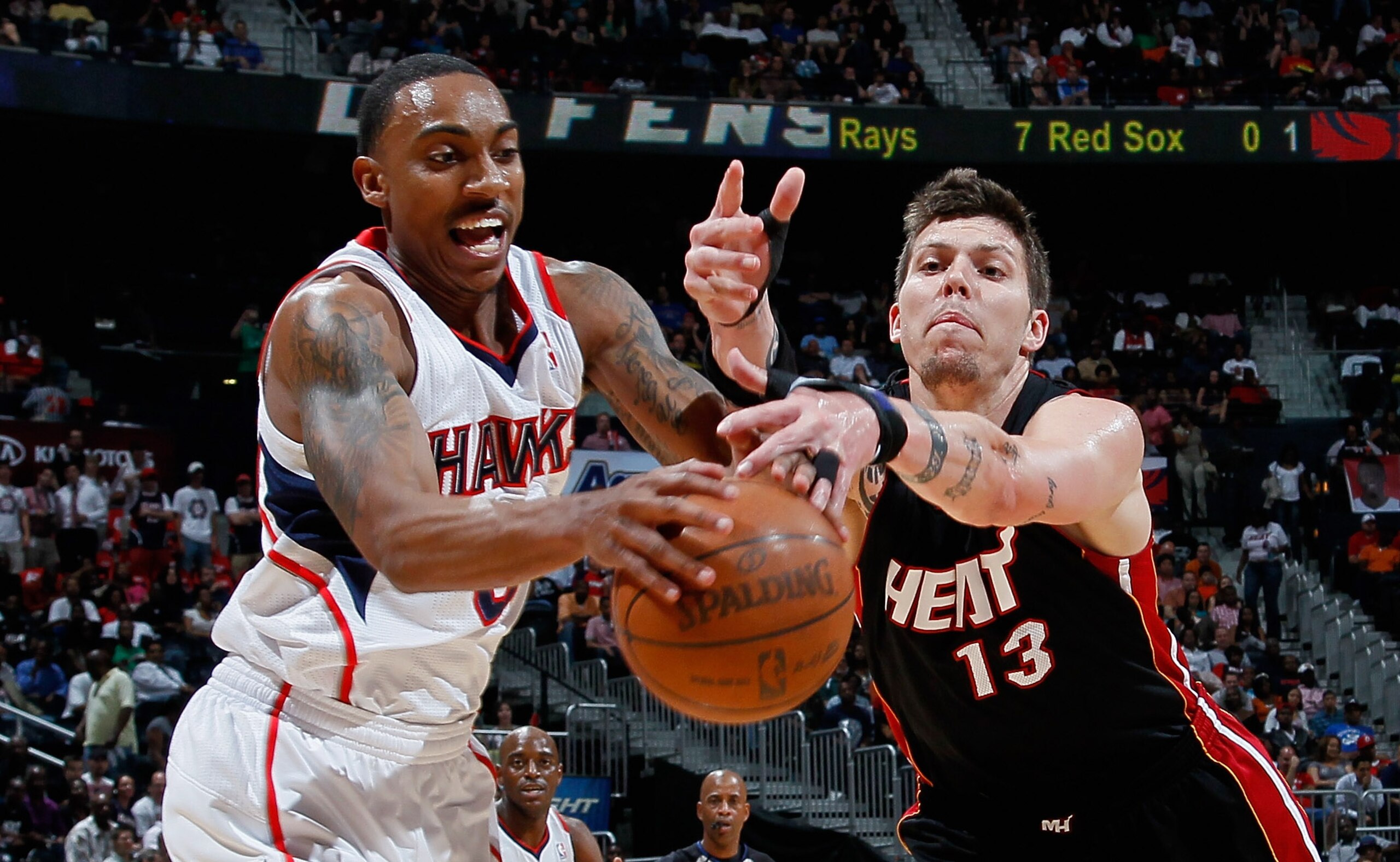
Mike Miller was widely seen as the final piece to the Miami Heat's championship puzzle when he signed a five-year, $25 million deal this past offseason.
The Heat may still win a championship this year, but it won't be because of Mike Miller.
He's struggled with injuries, with horrible three-point shooting droughts and with an inability to fit into the Heat's system.
The 10-year veteran has been a much more productive player in the past. The Heat are going to have to hope that he rediscovers his mojo with them in the future, because no one is going to be inquiring about the 31-year-old any time soon.
Milwaukee Bucks: John Salmons
9 of 30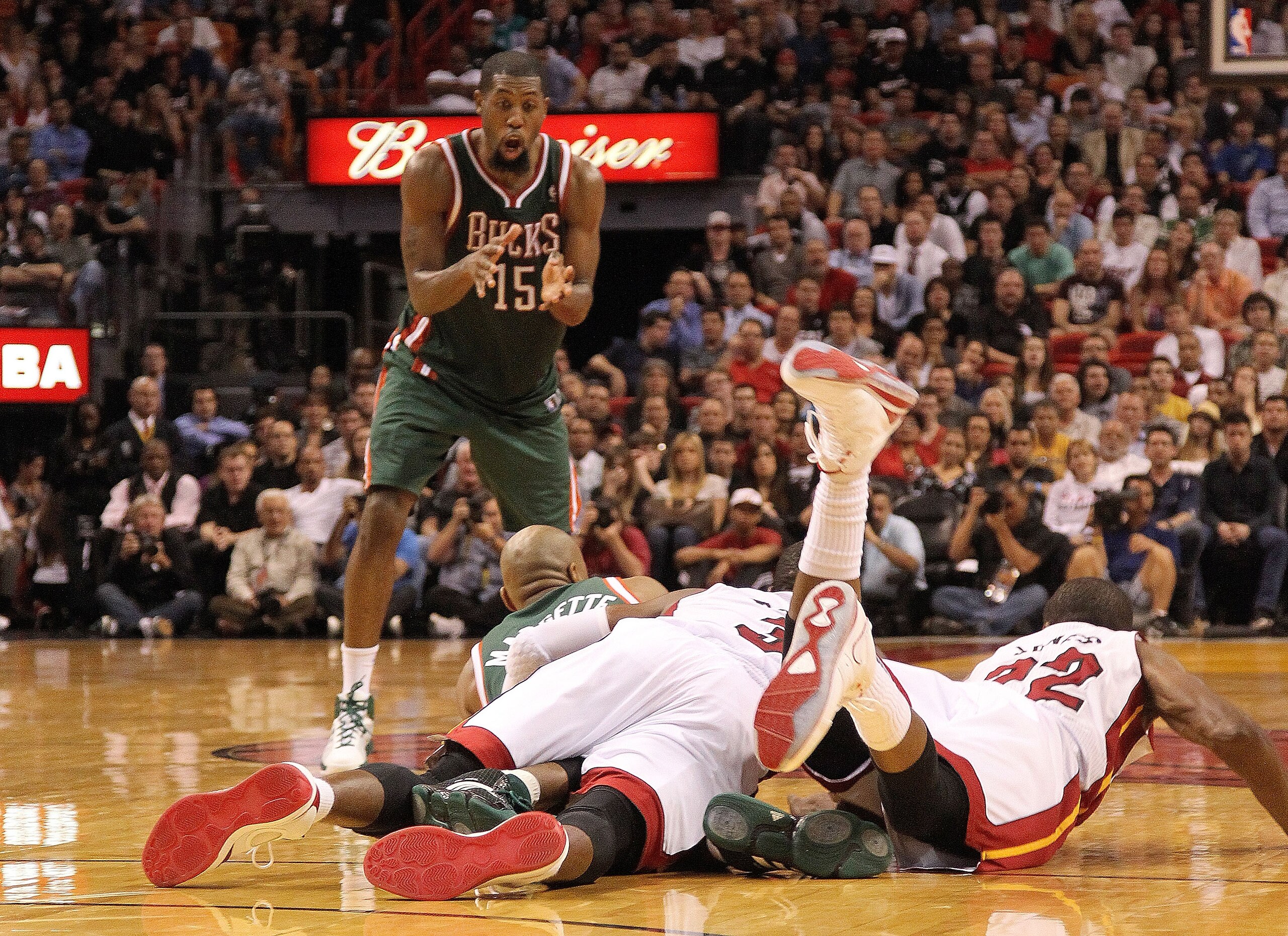
Corey Maggette's might be bigger and Drew Gooden's might be longer, but John Salmons' remaining four-year, $32 million contract is still going to be harder to move.
Maggette and Gooden were both overpaid this past offseason and both eventually played their way to the end of Scott Skiles' bench.
On the other hand, John Salmons largely played starter's minutes and had a worse Player Efficiency Rating than both.
He's also on the wrong side of 30 and is perceived as merely a "contract year" wonder. The Milwaukee Bucks are going to have to wait until he's 34 before that opportunity rolls around again.
New Jersey Nets: Travis Outlaw
10 of 30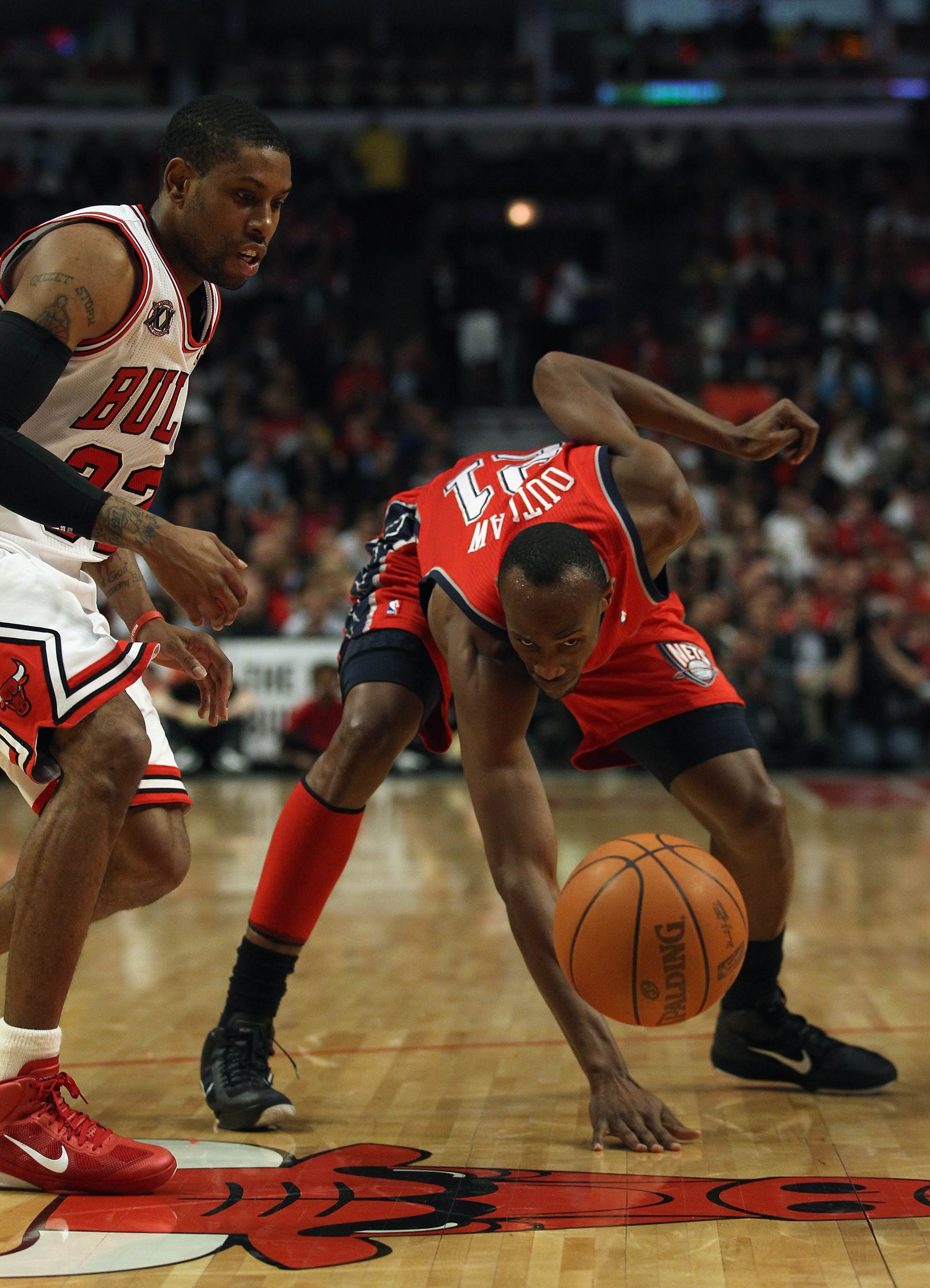
Locking Travis Outlaw up to a long-term contract seemed like a pretty good idea. He was just 26 years old, yet already a seven-year veteran.
He had shown promise as a finisher and long-range shooter, while also possessing the rangy length to be a defensive nuisance.
Signing him to $7 million per year was roundly criticized, though, and for good reason. Outlaw had only averaged double figures twice during his career, and had already been around long enough to suggest that his upside was at a plateau.
Outlaw quickly played himself right out of the New Jersey Nets' starting lineup. Though he was respectable enough once coming off the bench, this price tag is going to haunt them for the next four years.
New York Knicks: Ronny Turiaf
11 of 30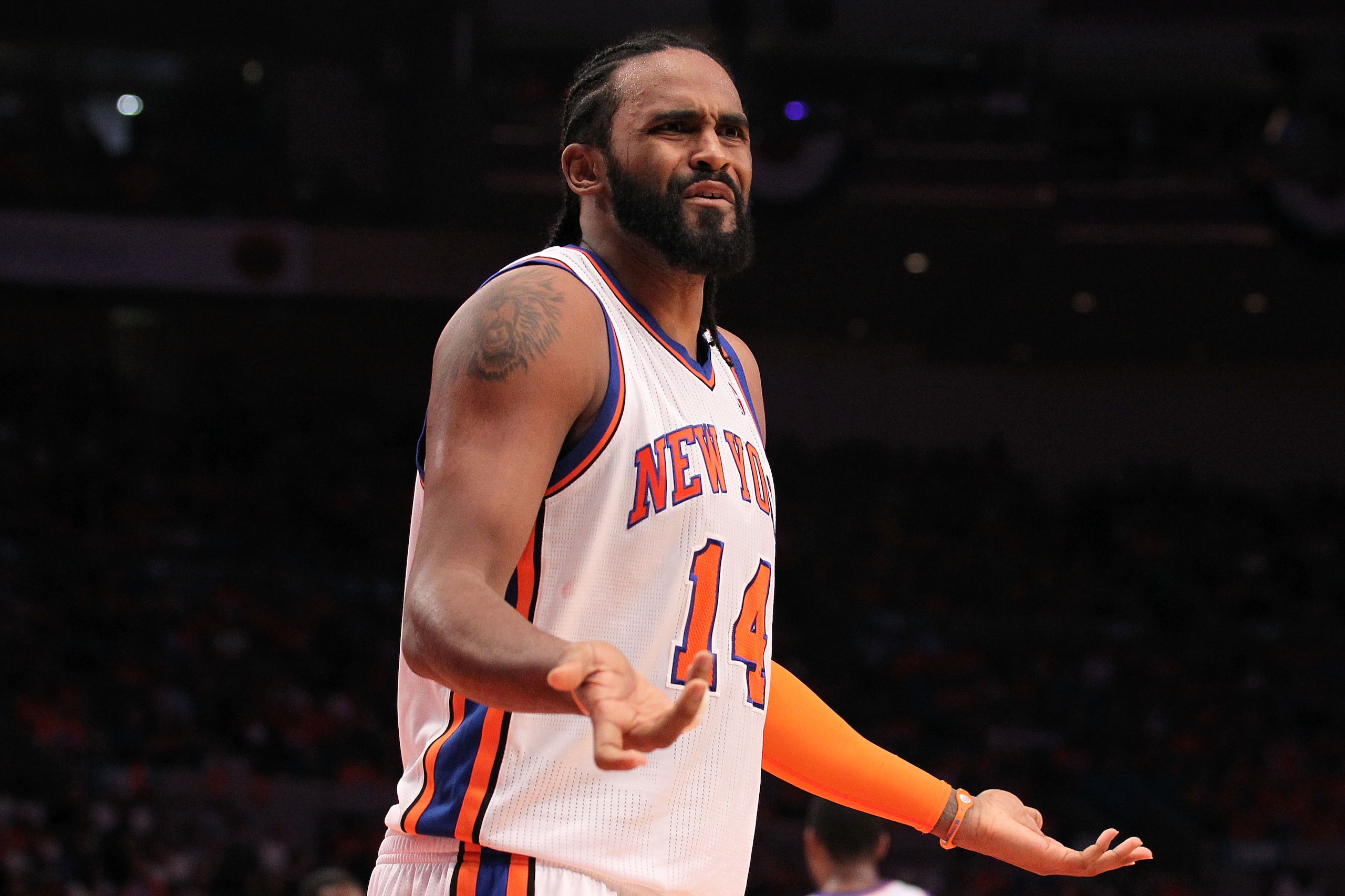
Ronny Turiaf's $4 million per year contract is actually reasonable enough. It even expires next season too.
So, why is he on this list?
With three-quarters of the Knicks' cap space tied up between Amar'e Stoudemire, Carmelo Anthony and Chauncey Billups, New York has to round out the rest of the roster with minimum and exception-sized contracts.
Ronny Turiaf has proven to be an adequate banger, but he's injury-prone, not a starter-caliber player and his production isn't that much better than the Knicks' minimum-salaried big men.
His contract may be movable enough, but the Knicks really need to be able to split it among two or three better players. They will have a hard time upgrading his center position via trade or signing at this point.
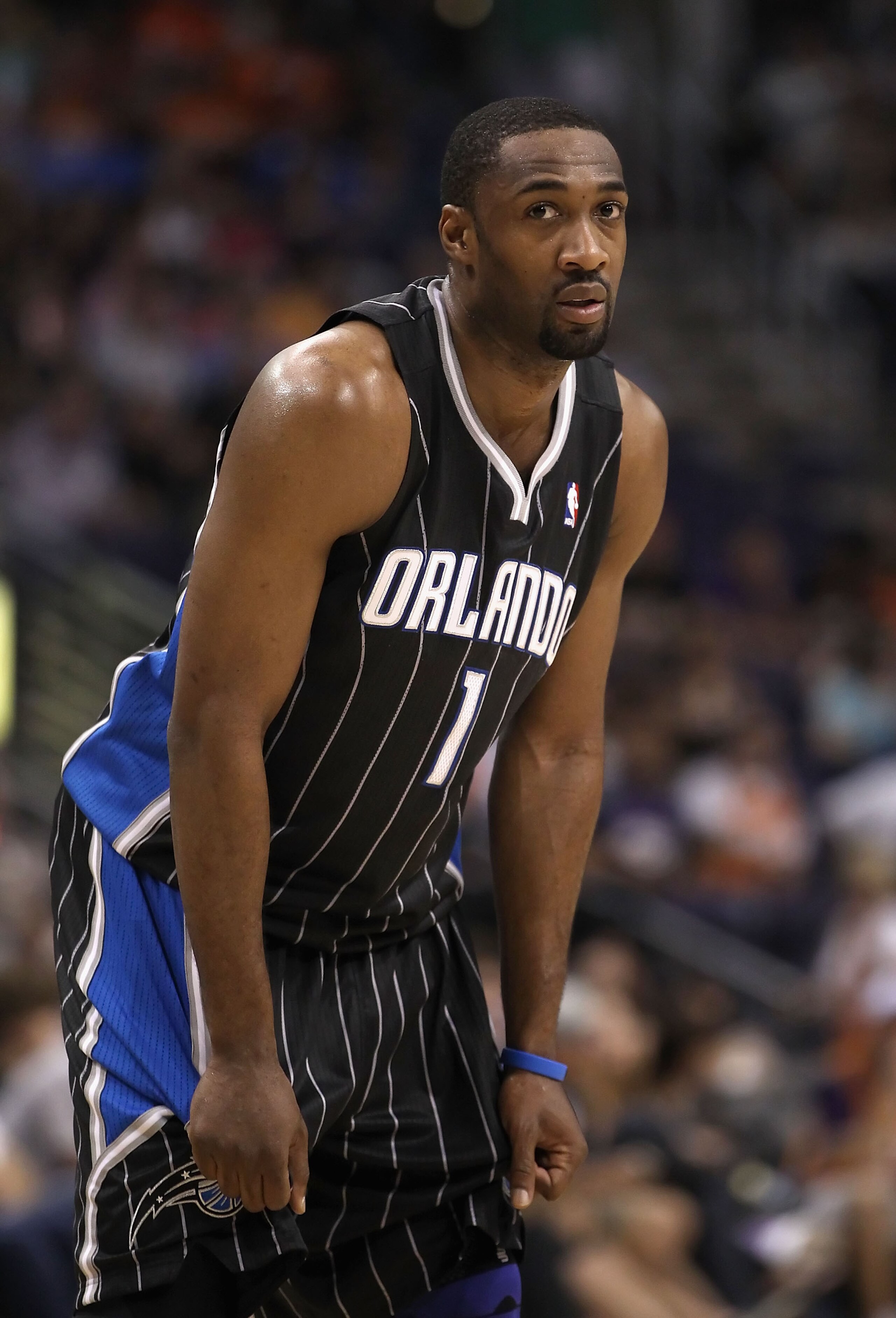
Orlando Magic: Gilbert Arenas
12 of 30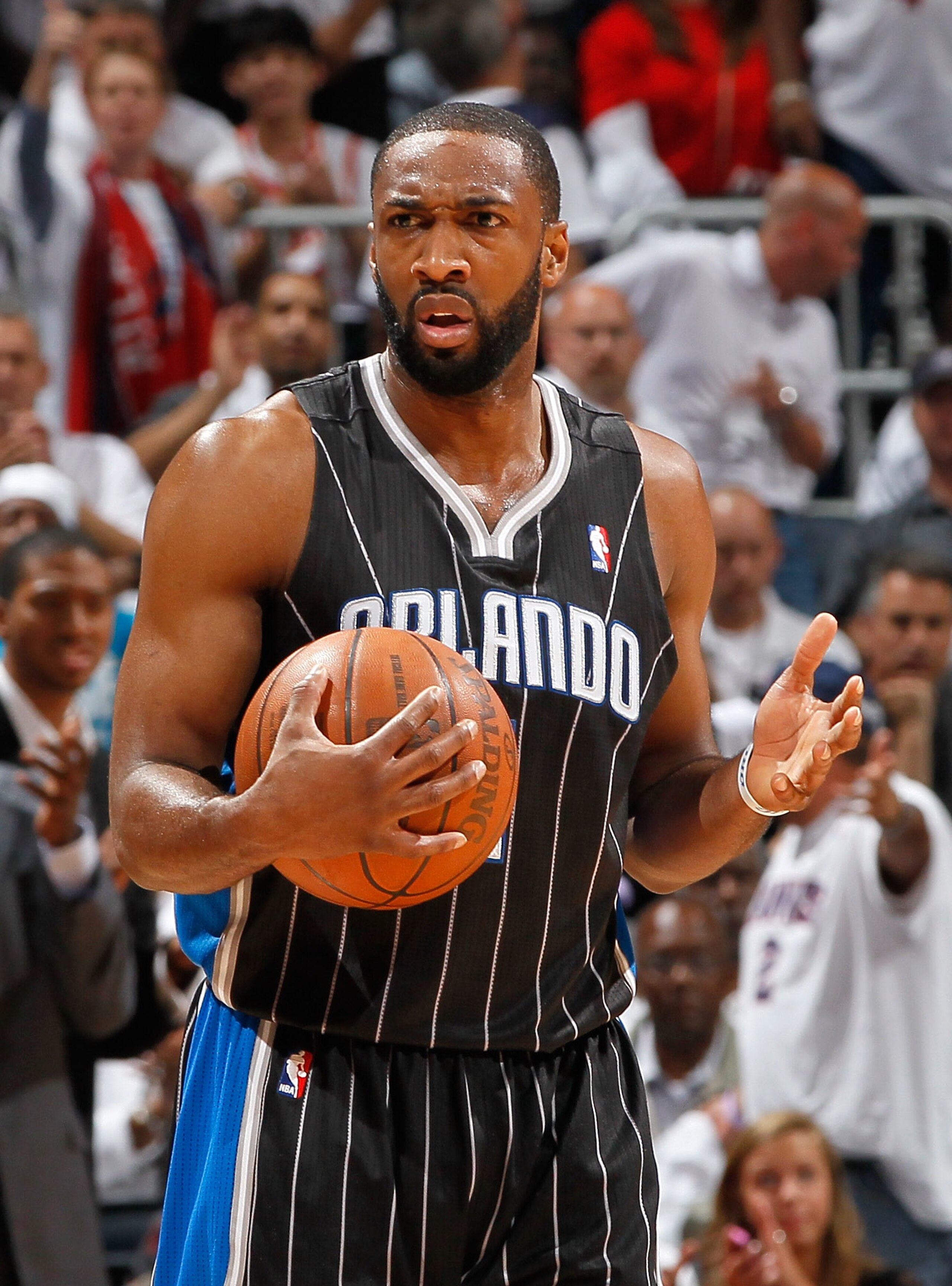
The Orlando Magic were trading one bloated deal for another when they acquired Gilbert Arenas and his $17.7 million per year contract from the Washington Wizards for Rashard Lewis.
Both sides were hoping that a change of scenery would allow their new acquisitions to rediscover what earned them that money in the first place.
Arenas wasn't a headache this past year in Orlando, but he was just an average backup point guard. His explosiveness seems eroded, and he was never a great jump shooter to begin with.
At only 29 years old, there's still time for Gilbert Arenas to bounce back. The Orlando Magic are going to spend the next three years and nearly one-third of their cap space hoping that he does.
Philadelphia 76ers: Andres Nocioni
13 of 30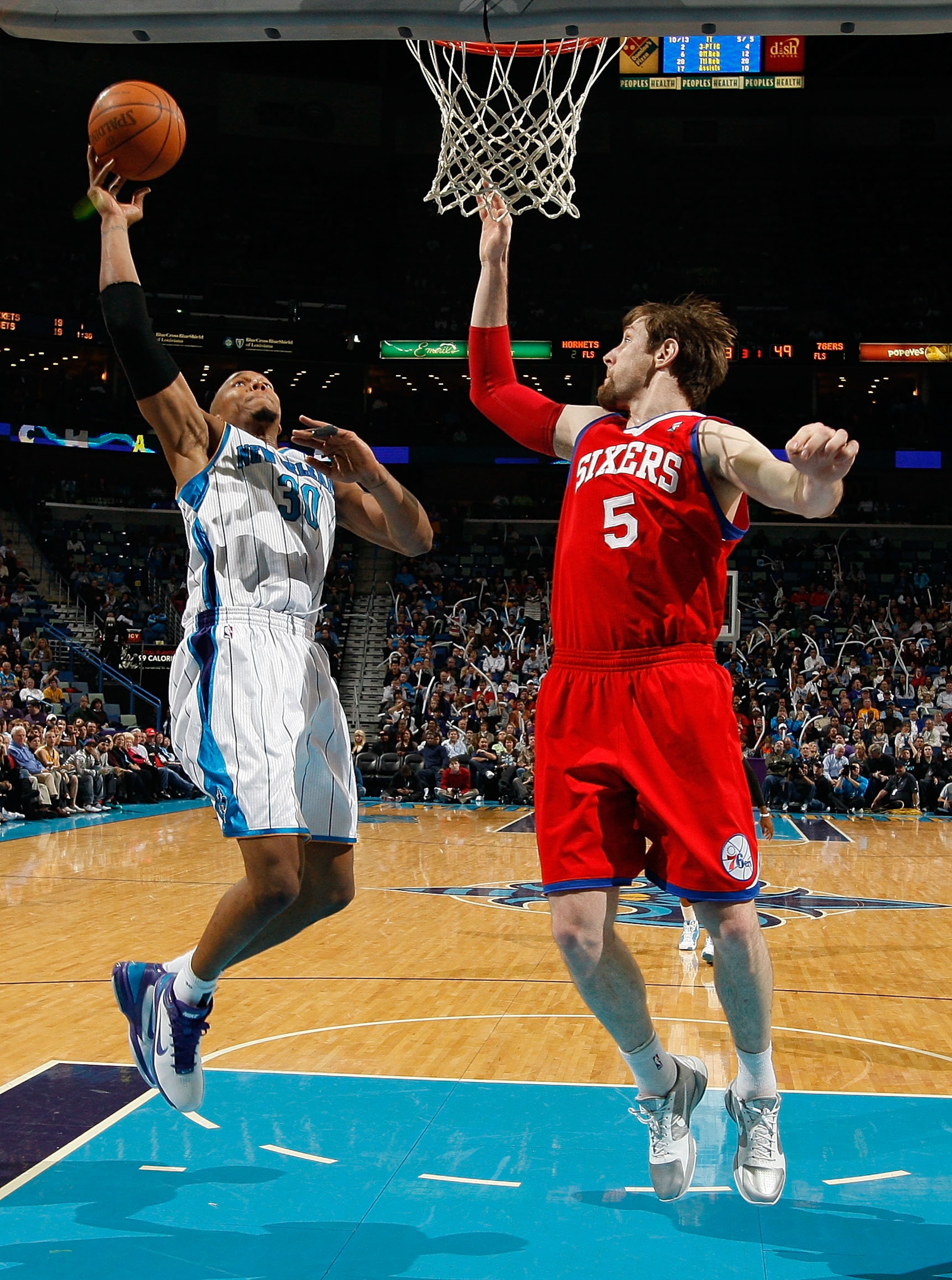
HOW COULD YOU NOT HAVE ELTON BRAND ON THIS LIST?!?!?
Actually, Brand had a fine bounce-back season, staying injury free, increasing his averages in nearly every category, and doubling as the Philadelphia 76ers' second most efficient player.
He's still not back to "pre-injury" Brand, and his contract remains basically immovable, but at least he was a solid contributor once more.
Andres Nocioni has two years and nearly $14 million left on his deal. He's the third-highest paid player on the 76ers, but he only saw the court because Doug Collins felt strangely compelled to give him 17 minutes per game.
He was once a reckless "tough guy" who made things happen. Now, he just seems freakishly uncoordinated. The Sixers couldn't trade him today if they tried.
Toronto Raptors: Jose Calderon
14 of 30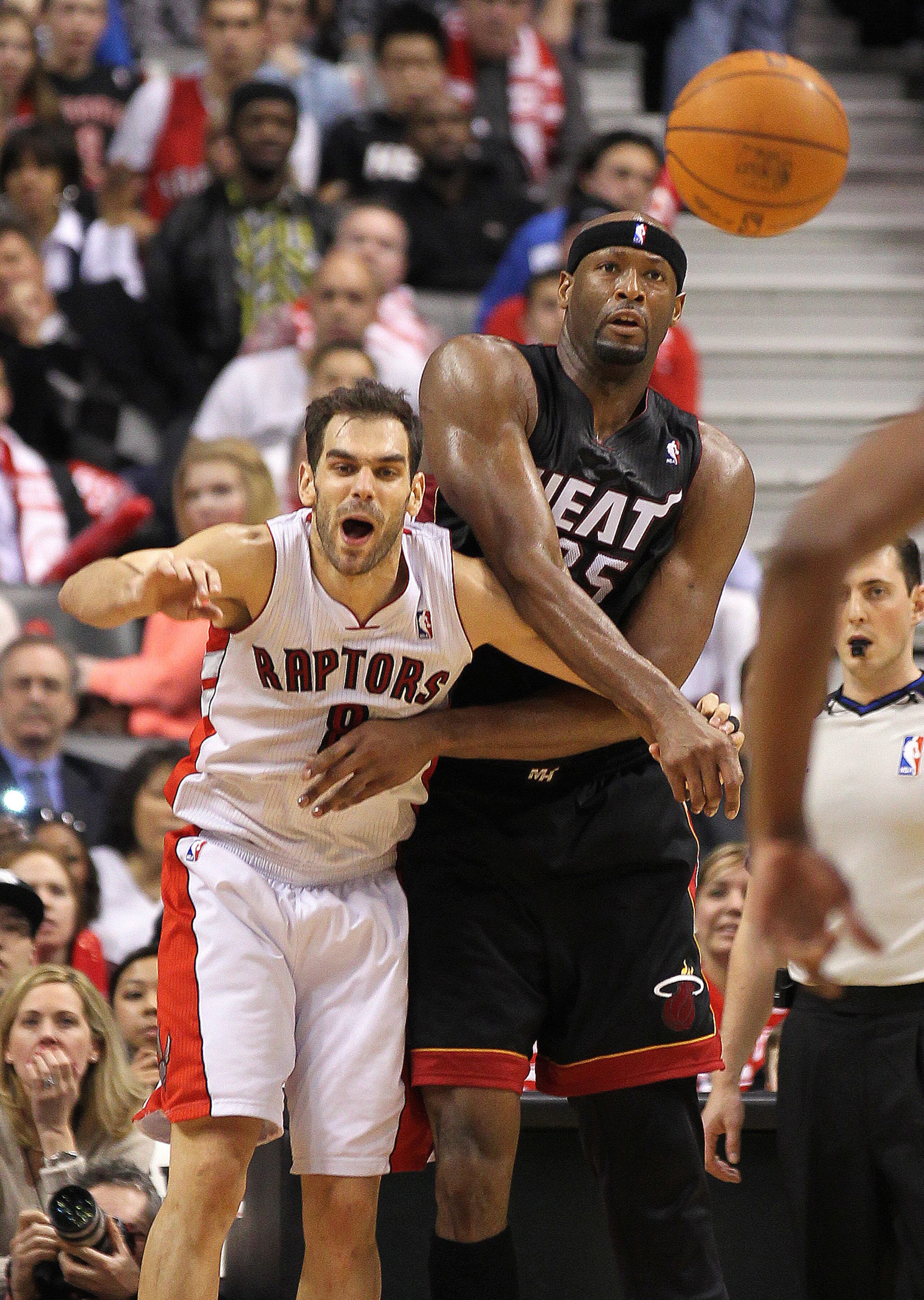
Linas Kleiza gets dishonorable mention for having been signed by the Toronto Raptors to a ridiculous four-year, nearly $20 million deal.
Yet, this could have gone to no one other than Jose Calderon.
He is the highest paid Raptor at $9 million per year and is an admirable passer. However, his defense was never good and he's recently been unable to hit the broad side of a barn with his shooting.
Toronto has fruitlessly tried to move him numerous times. Where they formerly tried promoting T.J. Ford, they're now grooming Jerryd Bayless as Calderon's replacement.
Jose Calderon is not a bad player, but not at this price.
Washington Wizards: Rashard Lewis
15 of 30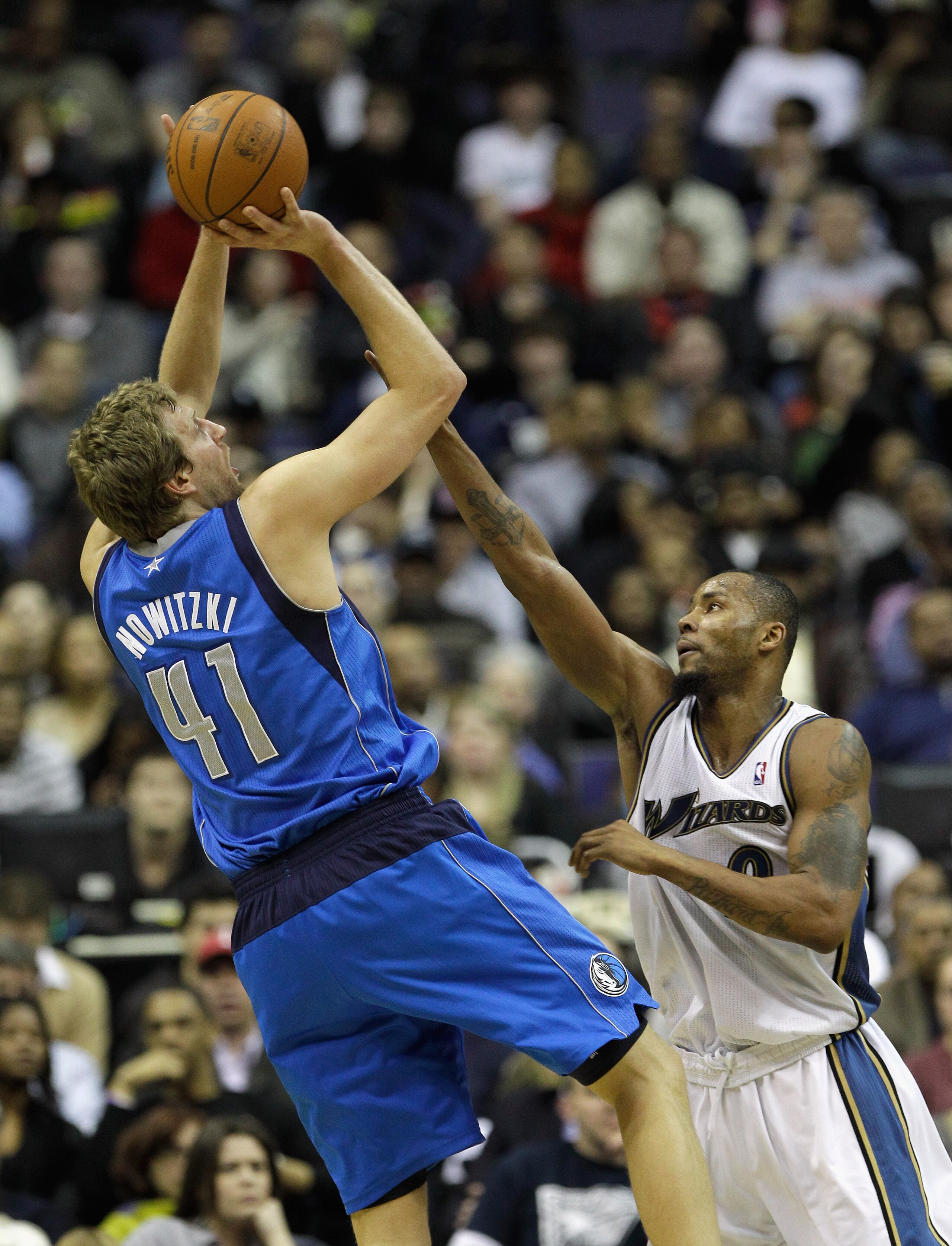
Rashard Lewis was suspended for 10 games in 2009, due to failing the league's steroid policy.
He's never been the same since.
Suddenly, his $19.5 million a year contract went from being highly questionable to downright horrifying.
The Orlando Magic watched him backslide for nearly a season and a half before trading the 31-year-old to the Washington Wizards for an equally tarnished Gilbert Arenas.
Lewis played like an average "tweener" forward in his 32 games with the Wizards, not like a guy who has one of the 10 most expensive contracts in the league.
He'll be in Washington for two more years.
Dallas Mavericks: Brendan Haywood
16 of 30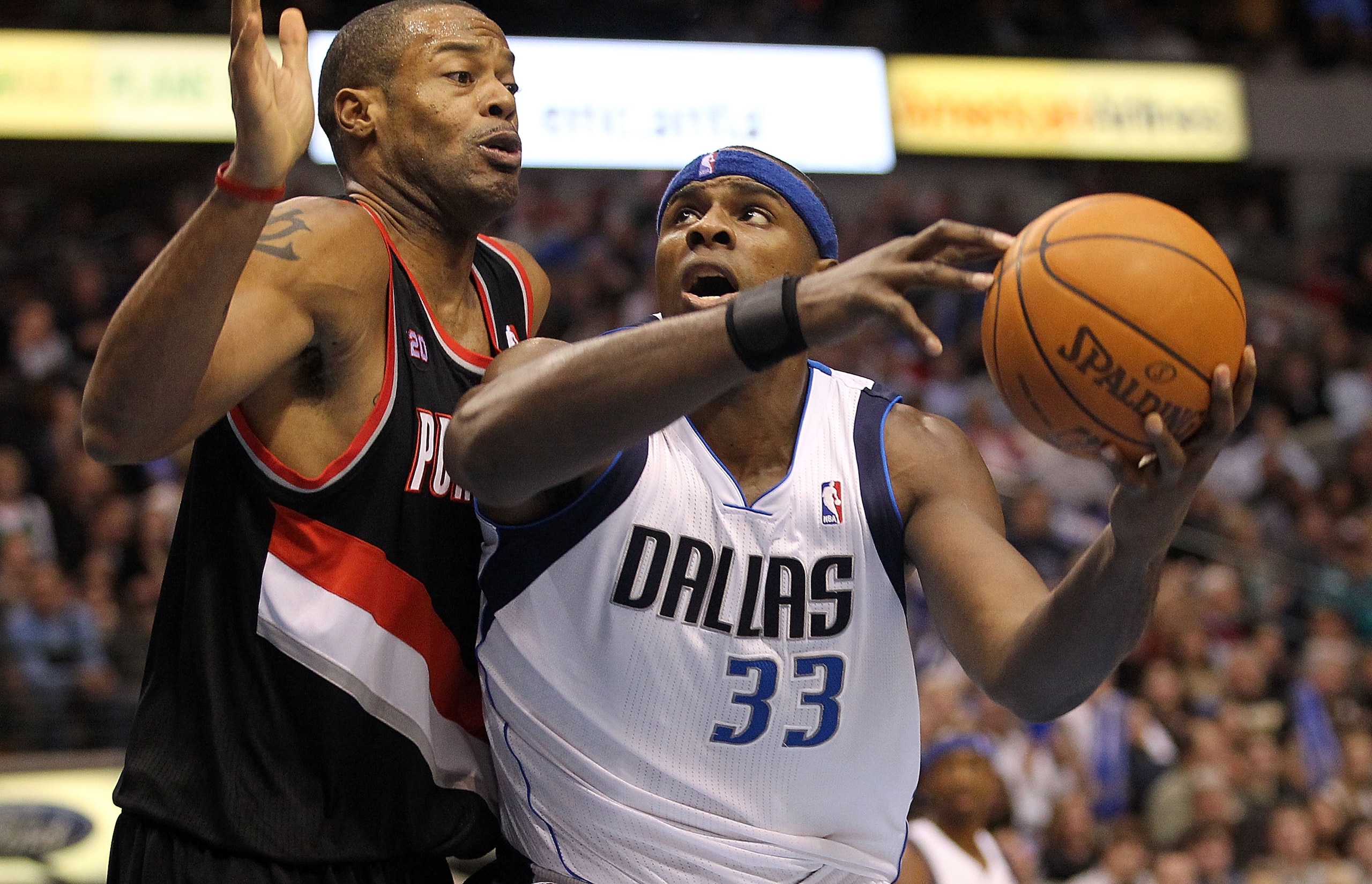
Mark Cuban must have a thing for NBA big men.
Why else would he allow Brendan Haywood to join the likes of Raef Lafrentz, Shawn Bradley and DeSagana Diop by signing him to a six-year, $55 million monstrosity after last season?
Haywood has only started 27 games in a year and a half with the Dallas Mavericks, losing his gig this year to Tyson Chandler (who must be licking his chops in a contract year now too).
Brendan Haywood is a decent defender and a legit seven-footer, but his stats never once suggested that the nine-year veteran was anything more than a competent role player.
Haywood's contract with the Mavs won't expire until he's 36.
Denver Nuggets: Al Harrington
17 of 30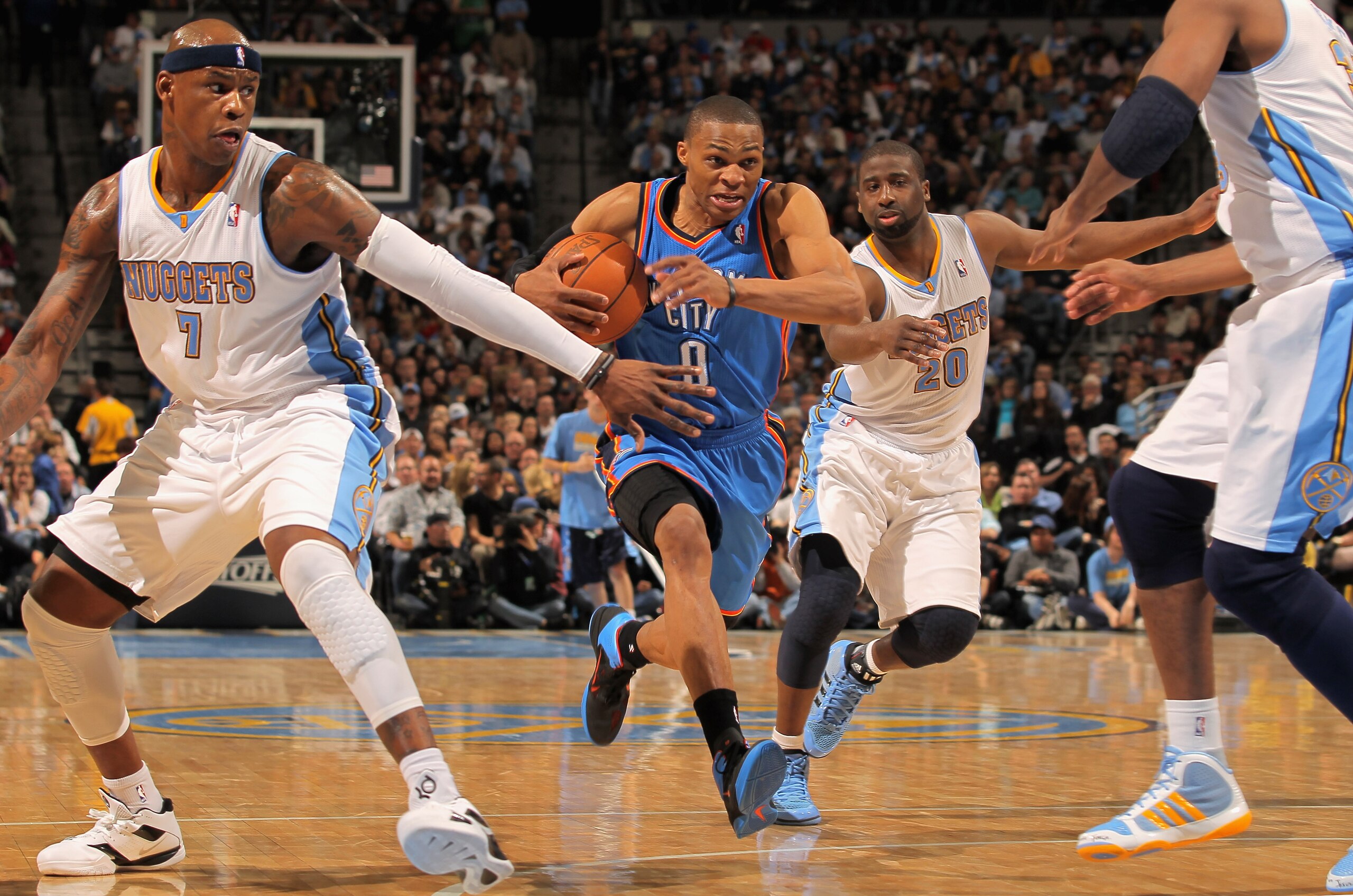
With Kenyon Martin's enormous contract finally expiring, the Denver Nuggets actually have one of the most proportionately salaried rosters in the NBA.
They did make a serious gaffe last season however, signing Al Harrington to a five year, $33.4 million deal.
Harrington still hasn't found a solid fit within the Nuggets' lineup. Worse yet, his scoring ability took a horrendous nosedive now that the Nuggets don't give him all the shots he wants (like he got with the New York Knicks).
The Nuggets, who need cash to re-sign Nene Hilario, J.R. Smith and their promising youngsters, desperately tried to move Harrington almost immediately after they signed him.
Unfortunately, it doesn't look like any team is willing to provide them with a "reset button" on this one.
Golden State Warriors: Andris Biedrins
18 of 30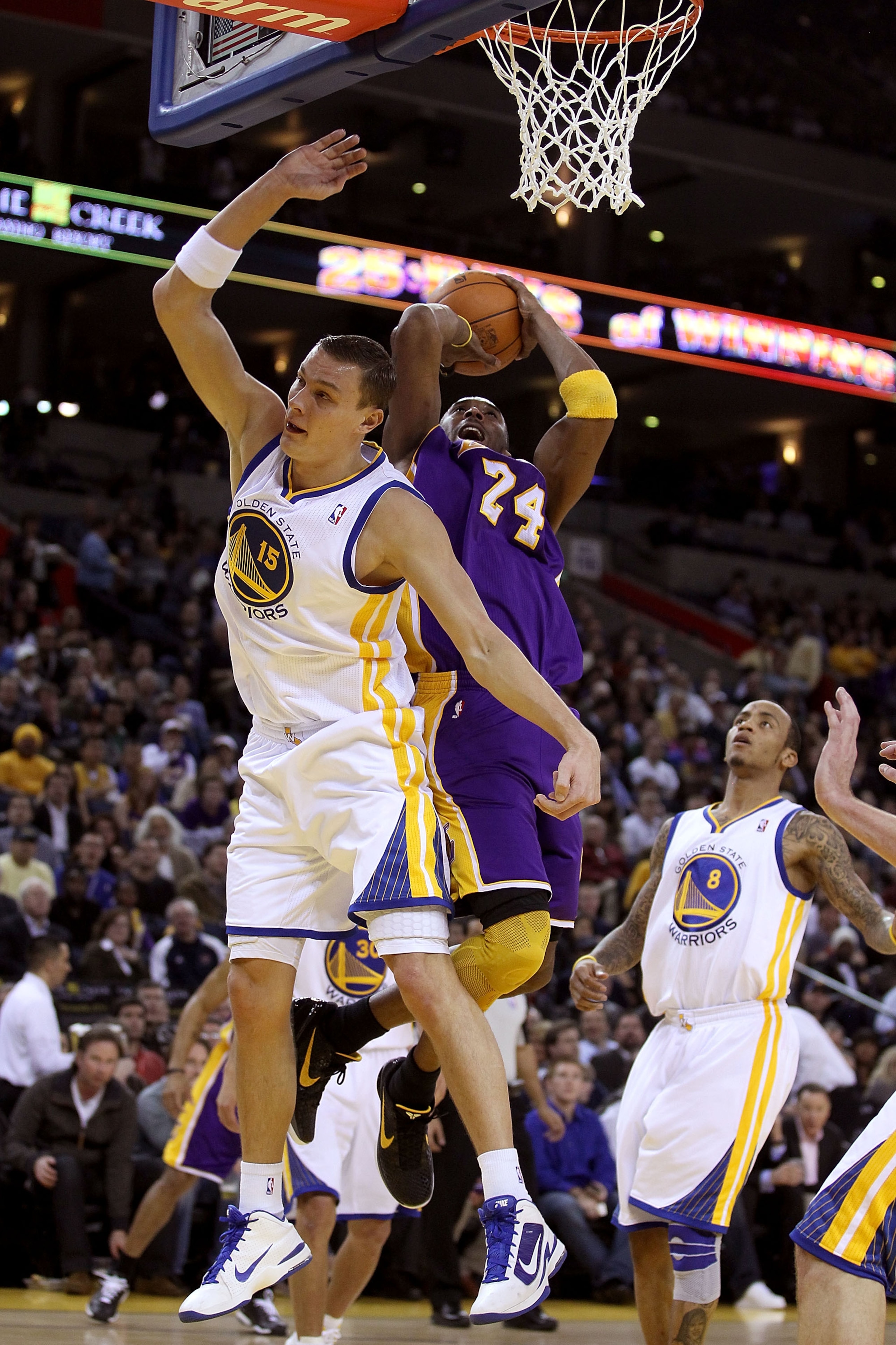
Andris Biedrins should have been the perfect center for the Golden State Warriors.
Here was a mobile shot-blocker who pulled down double-digit rebounds, was a ferocious finisher, and didn't need a single play called for him. He could protect the paint and clean the garbage for the Warriors' guard-happy system.
Then, Biedrins got signed to a huge contract and has since turned in two nearly identical, injury-plagued seasons.
He can't stay healthy, he suddenly can't rebound and he sure as heck can't put the ball in the basket, especially when it comes to free throws. (Seriously, go back to the link above and check out his numbers from the stripe.)
Biedrins will be the third-highest paid Warrior for the next three seasons with $27 million remaining on his contract.
Houston Rockets: Hasheem Thabeet
19 of 30
Hasheem Thabeet's $4.8 million per year contract is mostly a product of him being chosen as the No. 2 pick by the Memphis Grizzlies in 2009.
Thabeet has been downright unplayable during his first two seasons in the league, and a quickly developing reputation of stubbornness hasn't helped either.
At the same time, he's still so young, and was such an effective collegiate player, that few faulted the Houston Rockets for taking a peek at him, even if it did cost them Shane Battier in the process.
The Rockets are another team that doles out their money pretty wisely, but Thabeet being the fifth-highest paid player on this team, while hardly ever even seeing the court, is certainly the definition of a bad contract.
Los Angeles Clippers: Ryan Gomes
20 of 30
It's hard not to put Chris Kaman's $11.8 million per year contract on this list. At the same time, while he has been a career-long injury risk, Kaman's numbers are very solid as far as second-tier centers go.
His contract still might be paying him as if he was a top-tier guy, but at least it's expiring this year, and therefore becomes more of an asset than a liability.
I like Ryan Gomes as a person and player a lot, but he's had more than five seasons now to prove that he's an NBA starter. His pedestrian numbers, shooting and athleticism suggest that he's better suited off the bench.
His remaining two years and $8 million aren't bad if he's a starter, but his stats simply don't support that. As a bench player, he may be hard to move for a price that simply doesn't match production.
Los Angeles Lakers: Ron Artest and Luke Walton
21 of 30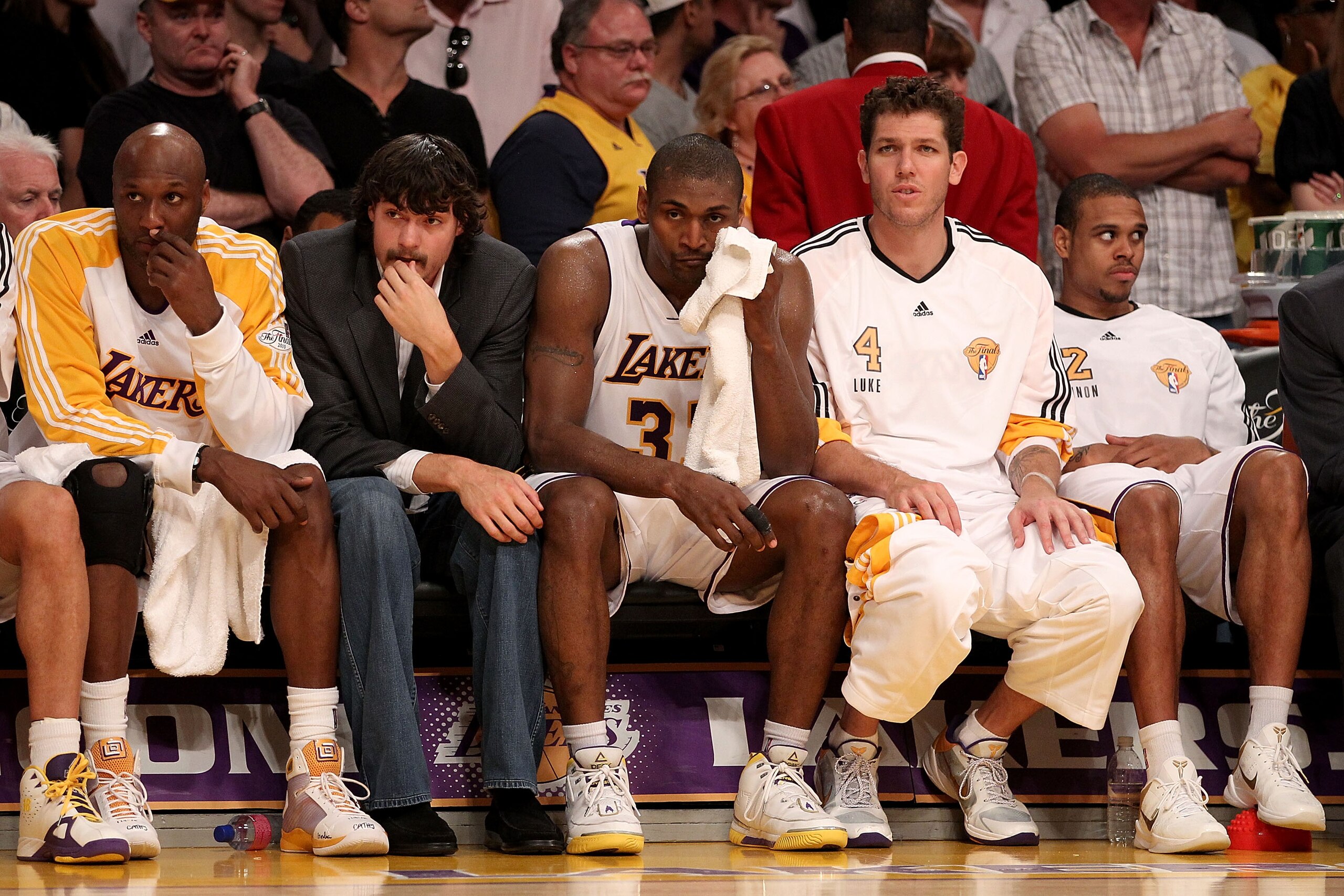
Pau Gasol's playoff implosion made him temporarily untradeable, but you know that he will bounce back.
Kobe Bryant's aging $24 million per year contract is now too much, but he's still the face of the franchise and isn't going anywhere anyway.
Luke Walton and Ron Artest were supposed to be major pieces of the Lakers' championship designs. They've both had their moments, but not enough to justify the deals' money, and certainly not the length.
Artest is badly aging and still can't shoot, while Walton has barely played in the past few seasons due to injury. Walton is around for two more years at $5.2 million apiece, while Artest is still under contract for a stunning three years and $6.3 million per.
The Lakers will have a hard time finding takers for either.
Memphis Grizzlies: Zach Randolph
22 of 30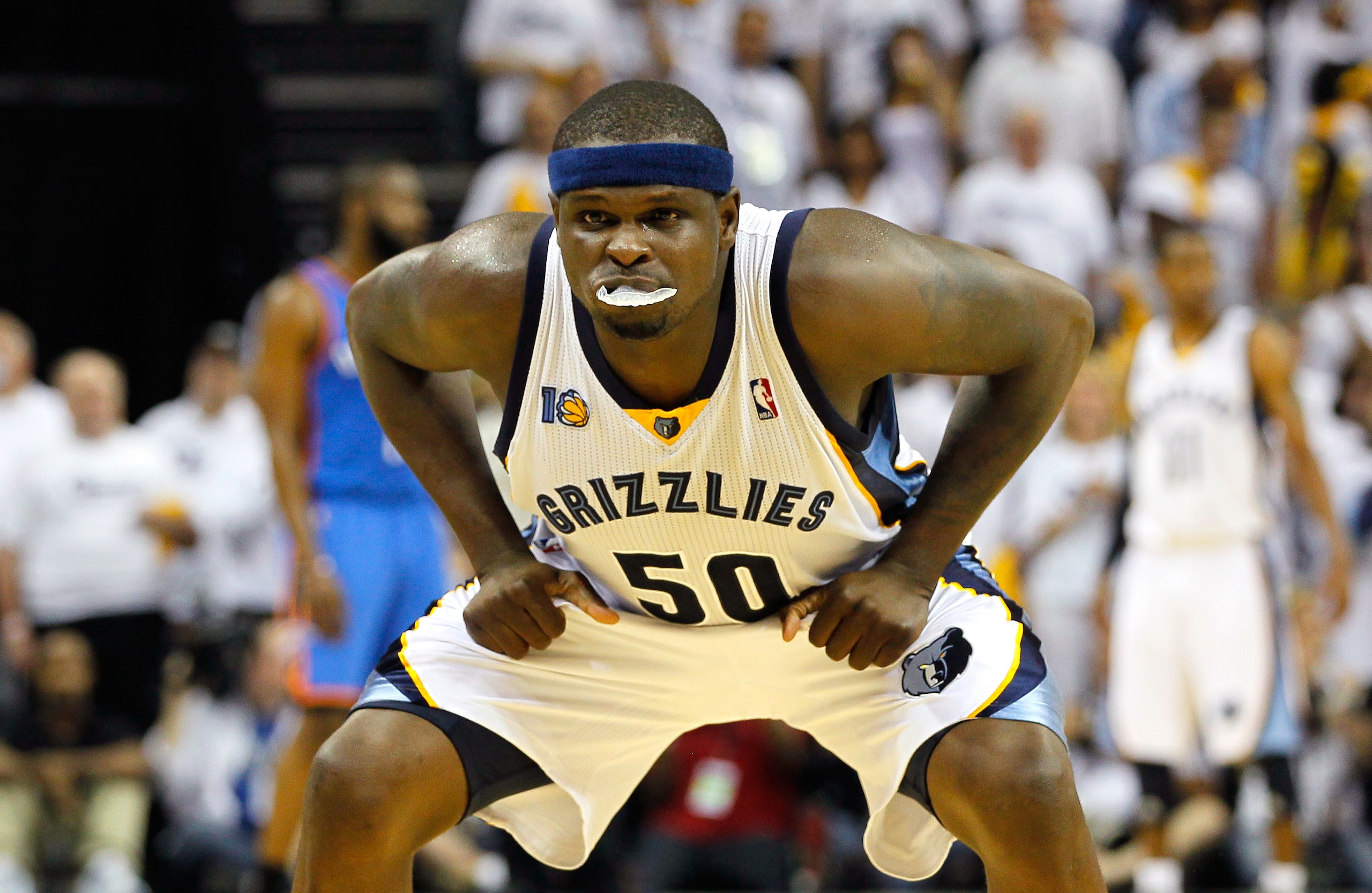
Before you shoot me, let me get the disclaimers out post-haste.
We've given Memphis Grizzlies GM Chris Wallace a lot of crap, but his roster is obviously built right for the playoffs, and it's proportionately paid too.
Zach Randolph had the playoffs of his life. The Grizzlies WISELY re-signed him, because any team in the league would be lucky to have a motivated "20-and-10" war horse like Zach Randolph right now.
The only reason Randolph's new, four-year, $71 million contract extension even makes this list is because of its length and his age. Randolph will turn 30 this summer, has over 10 seasons of mileage already on his body and actually played about the same this year as he has in the past.
This deal looks fine today, but it might not seem so when Randolph is 34. To the Grizzlies' credit, there just aren't any other contracts to complain about, and this one is certainly minor.
Minnesota Timberwolves: Luke Ridnour
23 of 30
Yes, Darko Milcic's $4.3 million per year contract is a little steep, especially with three years remaining. But, his shot blocking actually pairs quite well with Kevin Love, and he's somehow still only 25 years old.
Luke Ridnour is already 30, was never an upside guy, never more than a spot starter and was overpaid by the Minnesota Timberwolves even though he was to be playing behind Jonny Flynn AND Ricky Rubio.
Ridnour did his best last season, but he's clearly not starting material, even on one of the worst teams in the league.
Potential trade partners won't hesitate to remind GM David Kahn that Ridnour's contract is a year too long and twice as expensive as it should be.
New Orleans Hornets: Trevor Ariza
24 of 30
Emeka Okafor's $11.4 million per year deal gets dishonorable mention, but if I gave Chris Kaman a pass, then I have to do the same for Okafor.
Fringe first- and second-tier big men simply do get overpaid, and while Okafor's contract runs for three more years, he's still one of the best post defenders in the league.
On the other hand, Trevor Ariza's five-year, $33 million contract was questionable the moment he signed it with the Houston Rockets in 2009.
The Rockets quickly realized that Ariza is a very solid, but middling, player, and shipped him away to the New Orleans Hornets the following season.
Ariza has started there by default, as much due to necessity as to justifying a now immovable contract.
Oklahoma City Thunder: Nate Robinson
25 of 30
The fingerprints of wisdom are all over this roster.
Yes, Nick Collison's whopping $13.2 million deal this year screams "mismanagement," but it actually was a stroke of sheer genius.
Plus, when you consider that Kevin Durant, Russell Westbrook, James Harden and Serge Ibaka TOGETHER got paid about 65 percent of what Kobe Bryant made alone (or roughly 33 percent of what Miami's "Big Three" made collectively), you realize GM Sam Presti knows how to make the dollars work.
Kendrick Perkins' five-year deal is a little too long for an injury risk, but Oklahoma City clearly wanted him around for a title push.
Nate Robinson makes this list by default then. He got paid more than Russell Westbrook, is duplicitous to Daequan Cook, has just about run out of "upside" factor, and it's still unclear what position he plays or in what system he'd thrive.
His deal is done next season, and he's still amazingly the closest thing the Thunder have to a bad deal.
Phoenix Suns: Josh Childress
26 of 30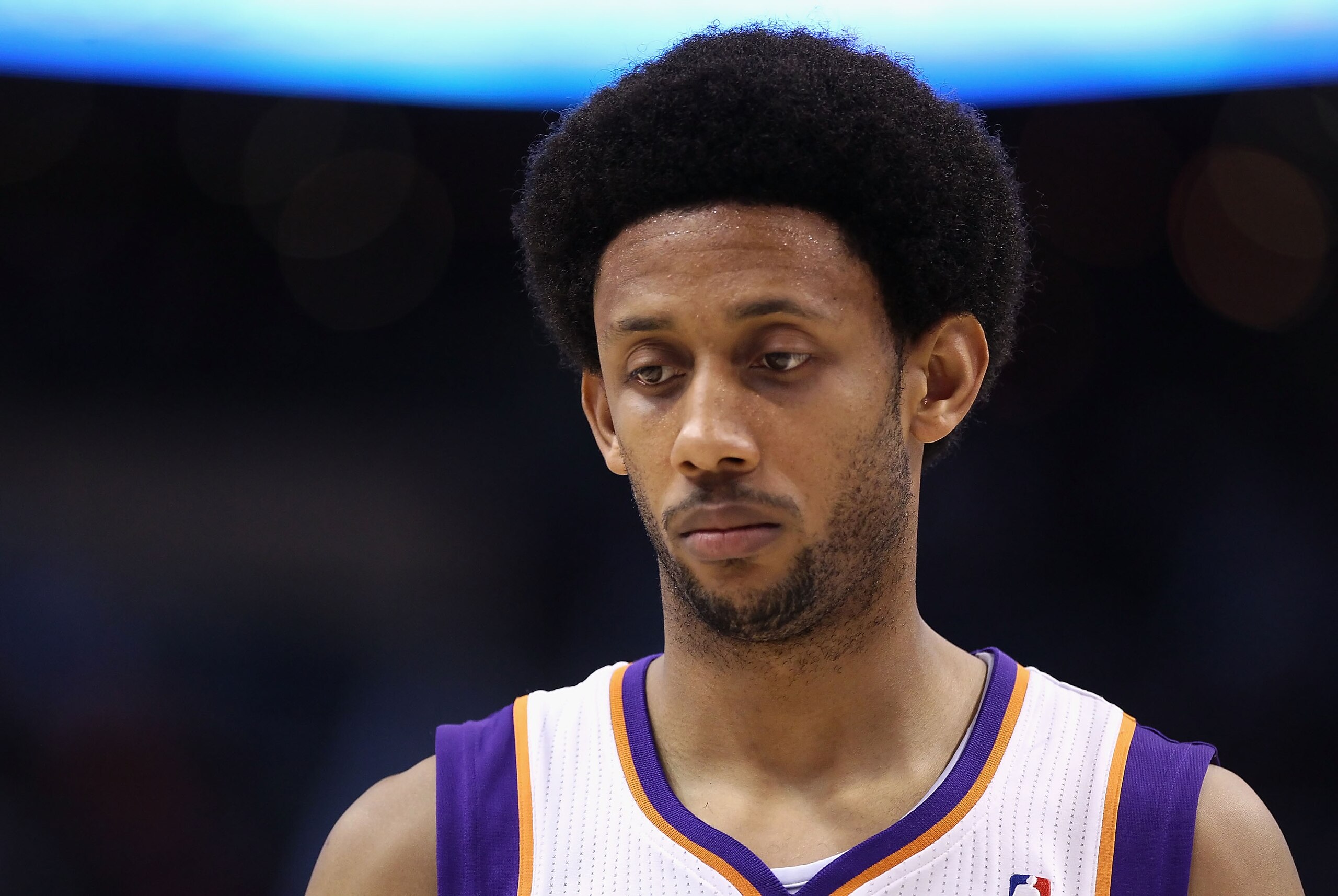
Vince Carter makes $17.5 million per year. He's an absolute shadow of his already questionably motivated self.
But, he was swapped for another mistaken contract, (Hedo Turkoglu), and his money is expiring this year.
On the other hand, Josh Childress was a competent backup who hadn't played in the NBA for two seasons. Though the Phoenix Suns had plenty of other options already at his wing position, they locked Childress up as if he was a starter, handing him a horrifying five-year, $34 million contract.
Childress responded by turning in the worst season of his pro career and only appearing in 54 games, even though he was healthy for most of that span.
He'll be under contract for four more years.
Portland Trail Blazers: Brandon Roy
27 of 30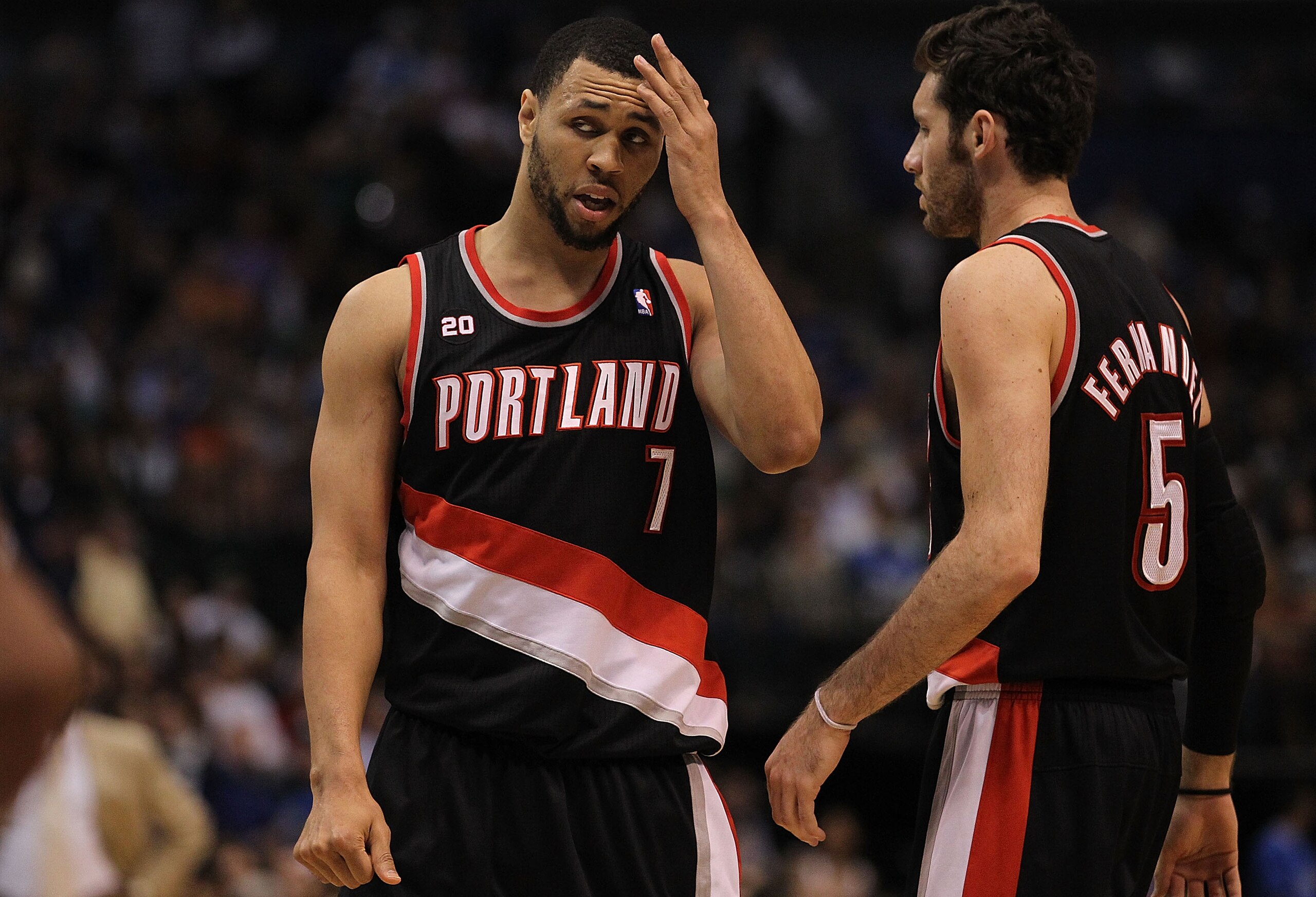
Brandon Roy signed a five-year, max level contract extension two years ago, only to have his body immediately and absolutely betray him.
Roy logged a season's worth of rehab across the past two years, and did return to gut out a credible backup role for the Portland Trail Blazers during 2011.
Even if he is a shadow of himself, Roy is a hard enough worker to reinvent his game as a second unit contributor.
The problem is that Brandon Roy will be paid for the next four years as if he's still the cornerstone of this franchise. The contract is immovable, and the cap strain is going to be prohibitive.
Sacramento Kings: Francisco Garcia
28 of 30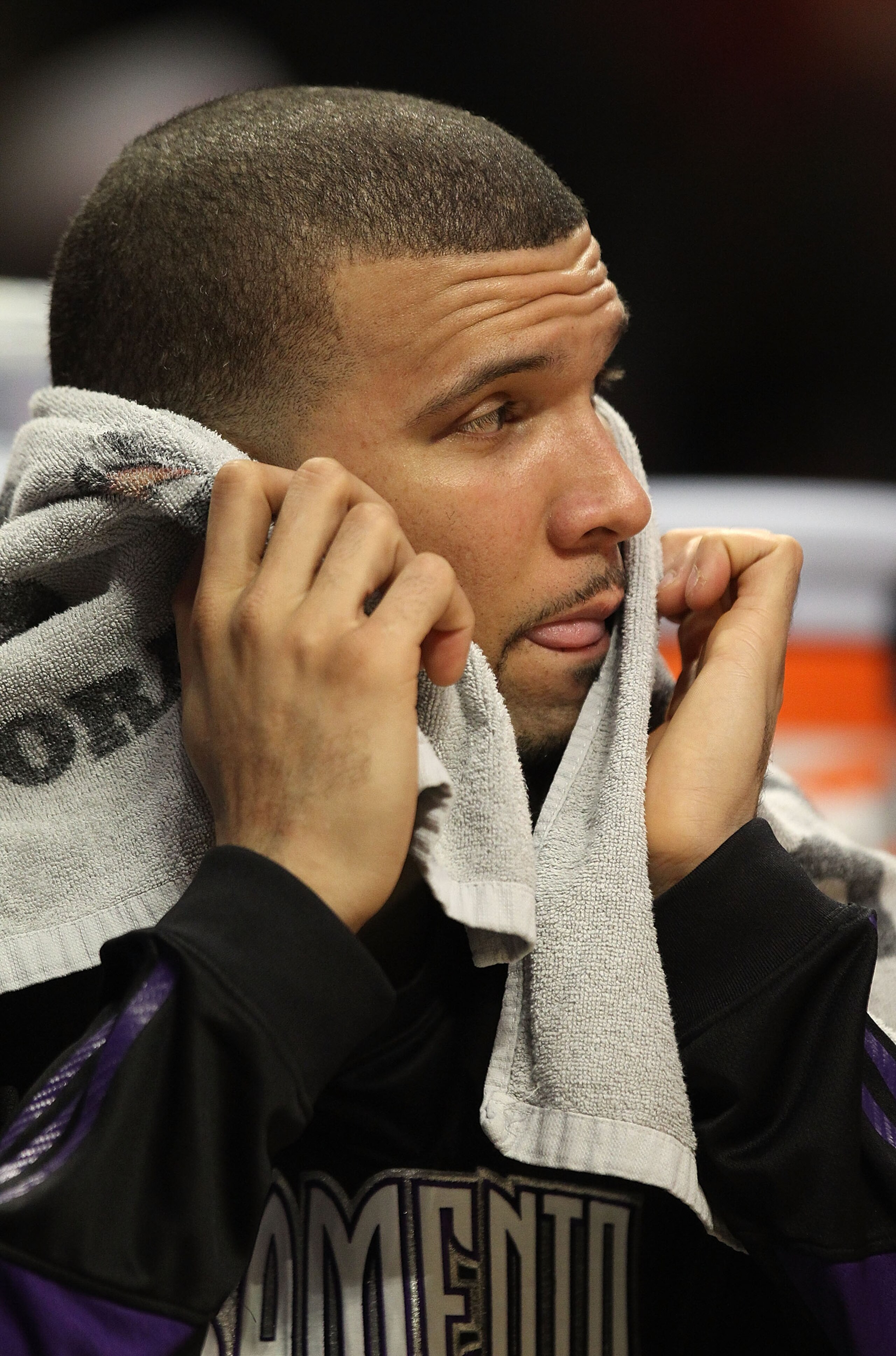
Beno Udrih's five-year, $32.4 million deal was highly questionable when he signed it a few seasons ago, but he's at least averaged double figures all four years as a Sacramento King. He's also only 28.
Freddy Garcia's $5.5 million deal is a little cheaper, but he's on the hook for the next three seasons, despite already being 30, and despite only averaging double figures twice during his six year career.
A Kings lifer, Garcia seems to be well liked by the fans, but his shooting percentages are a bit shaky, and he doesn't have a truly redeemable quality other than being a decent defender.
He's a solid enough rotation player, but the Kings have locked him up as if he's a sure-fire starter. Few other teams would be fooled.
San Antonio Spurs: Richard Jefferson
29 of 30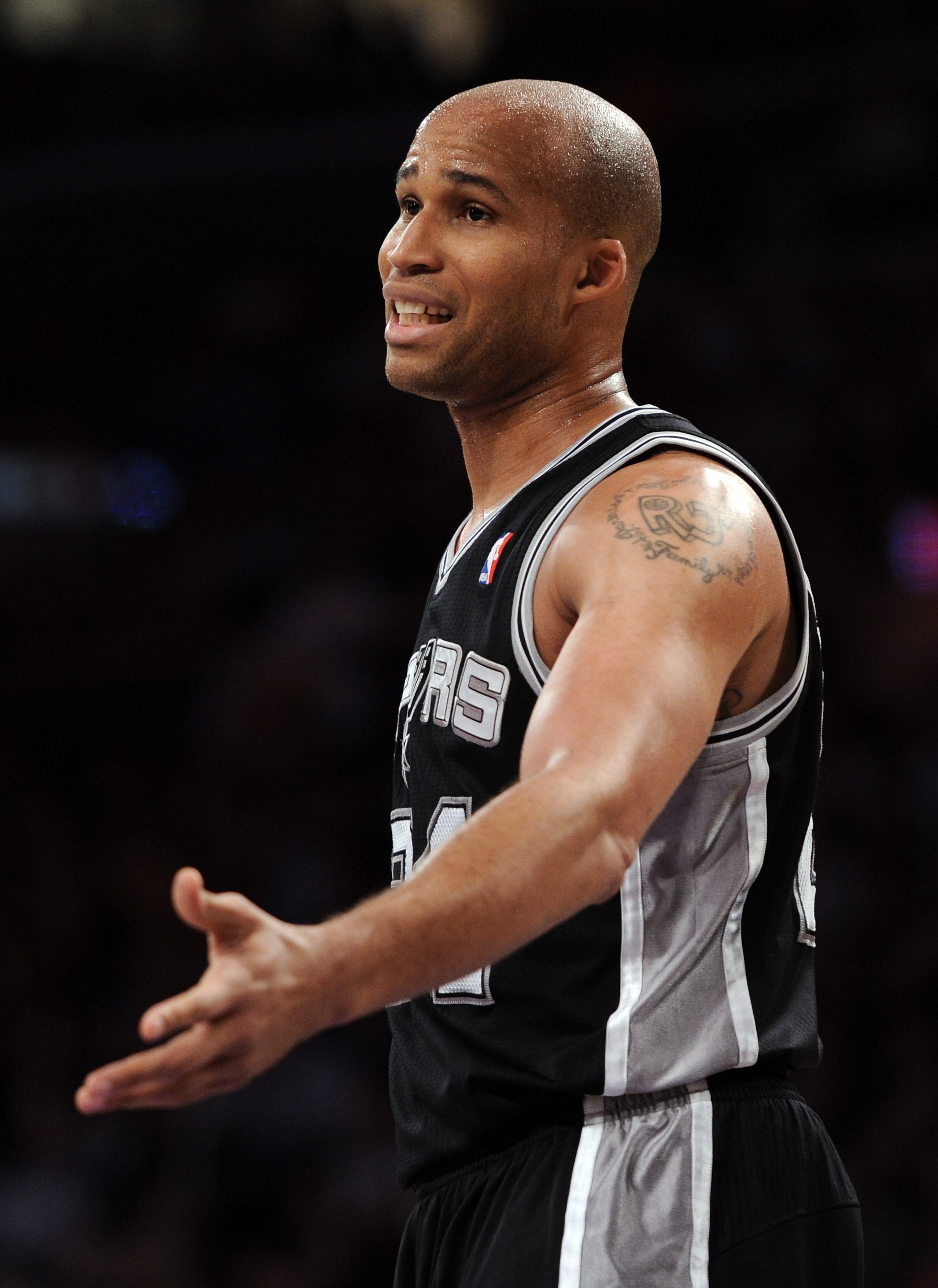
Tim Duncan is on the hook for one more year and $18.8 million, but don't be surprised if he actually opts out of his contract and takes a pay cut. That's just the San Antonio Spurs' way.
Richard Jefferson mercifully did the same thing this past year, leaving $15 million on the table to sign a cheaper, four-year deal with the Spurs. Both sides did each other a favor.
Or did they?
Jefferson hardly improved this season; my recent assessment of him is quite apt.
His $8.4 million per year over the next three seasons is going to haunt San Antonio unless they eventually buy the 30-year-old out.
But that's not the Spurs' way.
Utah Jazz: Al Jefferson
30 of 30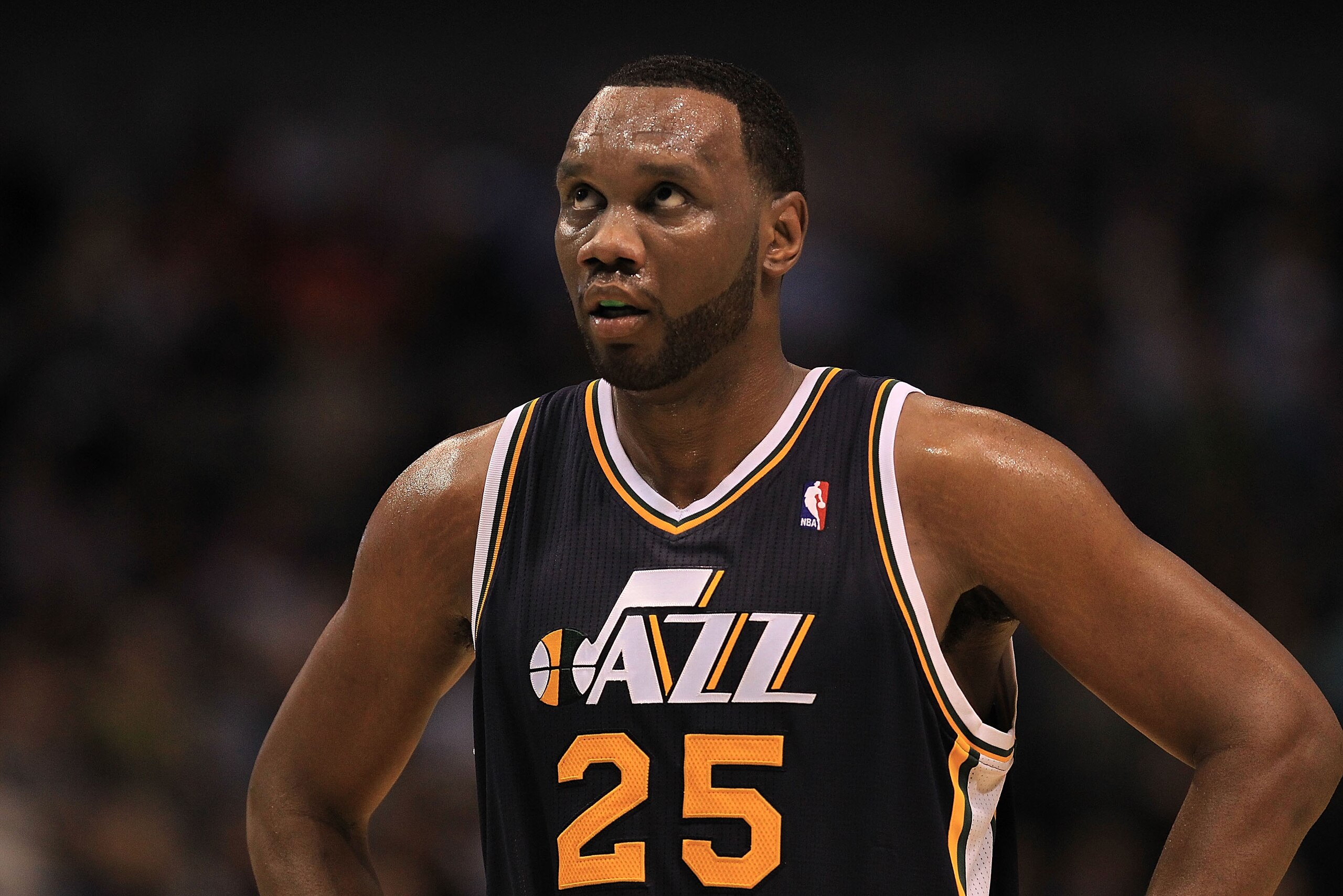
Al Jefferson is a low-block scoring machine. Unfortunately, it's turning out that's all he is.
Jefferson's $13 million per year contract can't protect the rim, doesn't play good one-on-one defense and was a horrible fit alongside Utah's front line personnel, whether Paul Millsap or Memo Okur, (if he had been healthy).
Now, his contract is clogging cap space and a roster spot for two more years, even though the Jazz would rather play Millsap or Derrick Favors at power forward.
Jefferson needs to play next to a mobile shot blocker who can hit a jump shot, but it's going to be difficult finding him such a home now. He's put up nice numbers for three different franchises without helping them in the win column.



.jpg?w=2560 "Latest Peyton-Colts Rumors")