
NBA Draft 2011: Darko Milicic and Every Team's Biggest Draft Bust
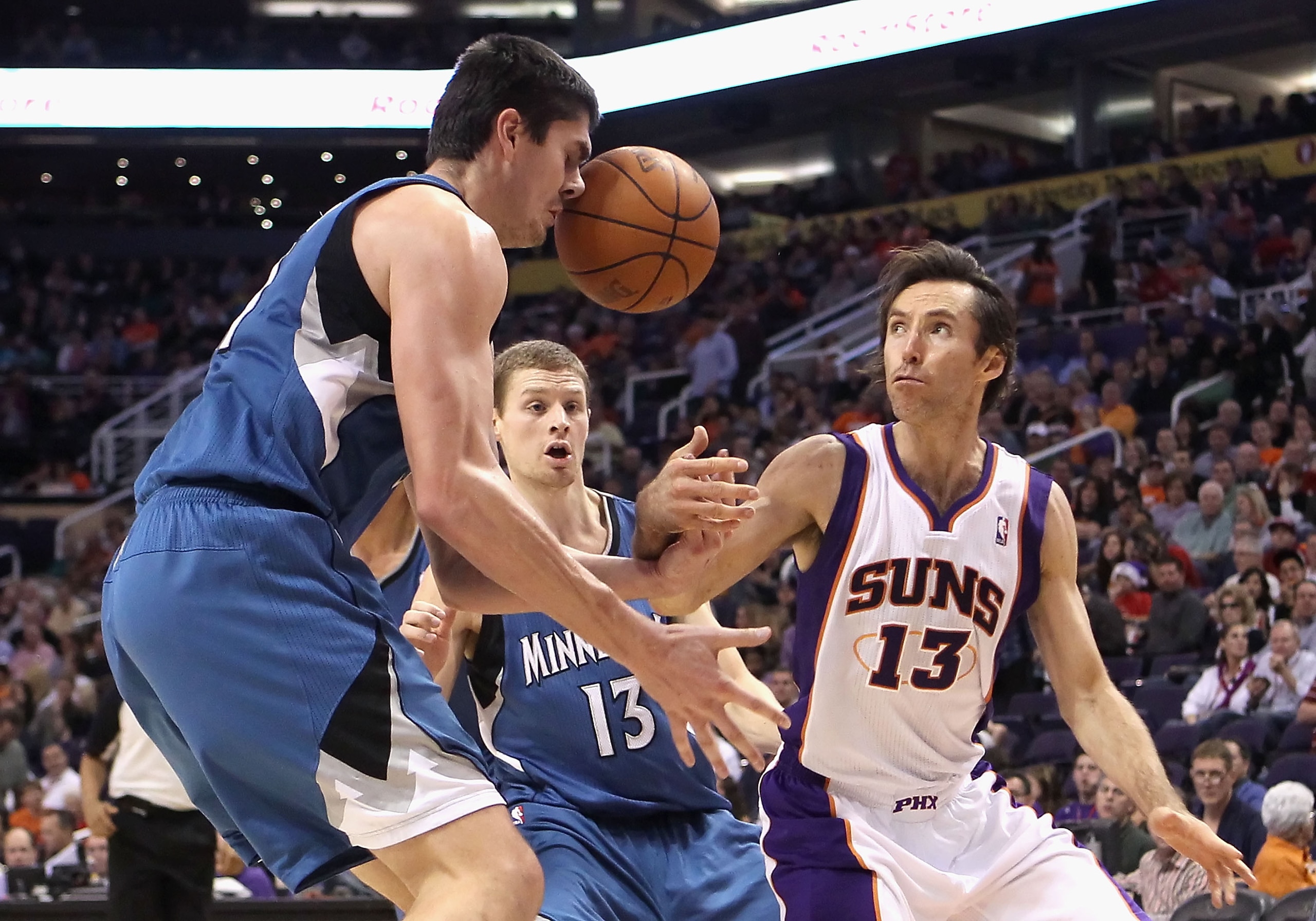
It's unfortunate that Bleacher Report's slideshow-writing mechanism forces scribes to write at least 300 characters in the opening slide. The above picture does more in one still image than I can do in 1,000 words to represent the plight of an NBA draft bust.
Men thought to have the physicality of Greek gods and others touted as the next coming of (insert your favorite NBA legend here) are relegated to moments like this when they acquire a GPS and actually find the basketball court.
Here are 30 of those men, representing each team.
Atlanta Hawks: Shelden Williams (6'9", 250-Pound PF)
1 of 30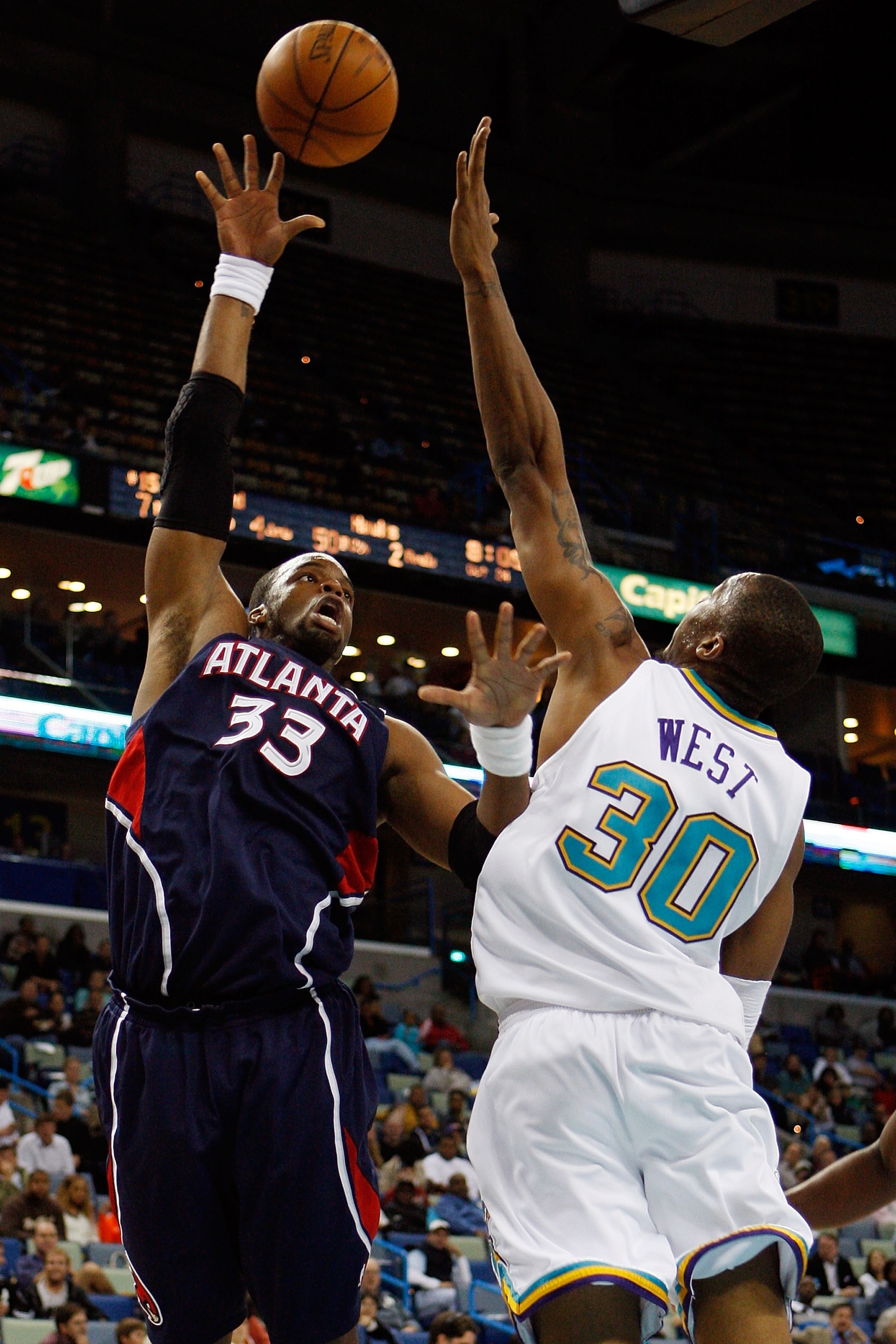
Draft Selection
fifth pick, 2006 draft
Career Stats
2006–Present: 4.5 PPG, 4.0 RPG, 45.9 FG%, 0.5 BPG, 15.7 MPG
Why Williams?
Currently on team number six, Shelden Williams lasted only one-and-a-half seasons and 117 games in Atlanta. "The Landlord" was primarily a defensive stopper at Duke, but did not have a refined offensive game in school, which killed his NBA chances. It also didn't help that he was shorter and had less length than most other NBA power forwards. Hence, he was a reach at five.
For as much publicity as the J.J. Redick/Shelden Williams Duke teams received though, his downfall was sad and surprising.
Boston Celtics: Michael Smith (6'10", 225-Pound PF)
2 of 30Draft Selection
13th pick, 1989 draft
Career Stats
1989–1991, 1994–1995: 5.0 PPG, 1.5 RPG, 47.0 FG%, 0.0 BPG, 9.4 MPG
Why Smith?
Smith averaged over 26 points and eight rebounds for BYU, but was in a long line of bad picks the Celtics made in the draft in the late 1980s and early 1990s that derailed the team. He was waived after two seasons, picked up by Milwaukee, waived before the 1992-93 season and had a cup of coffee with the Los Angeles Clippers in 1994-95.
Photo courtesy of celticslife.com.
Charlotte Bobcats: Adam Morrison (6'8", 205-Pound SF)
3 of 30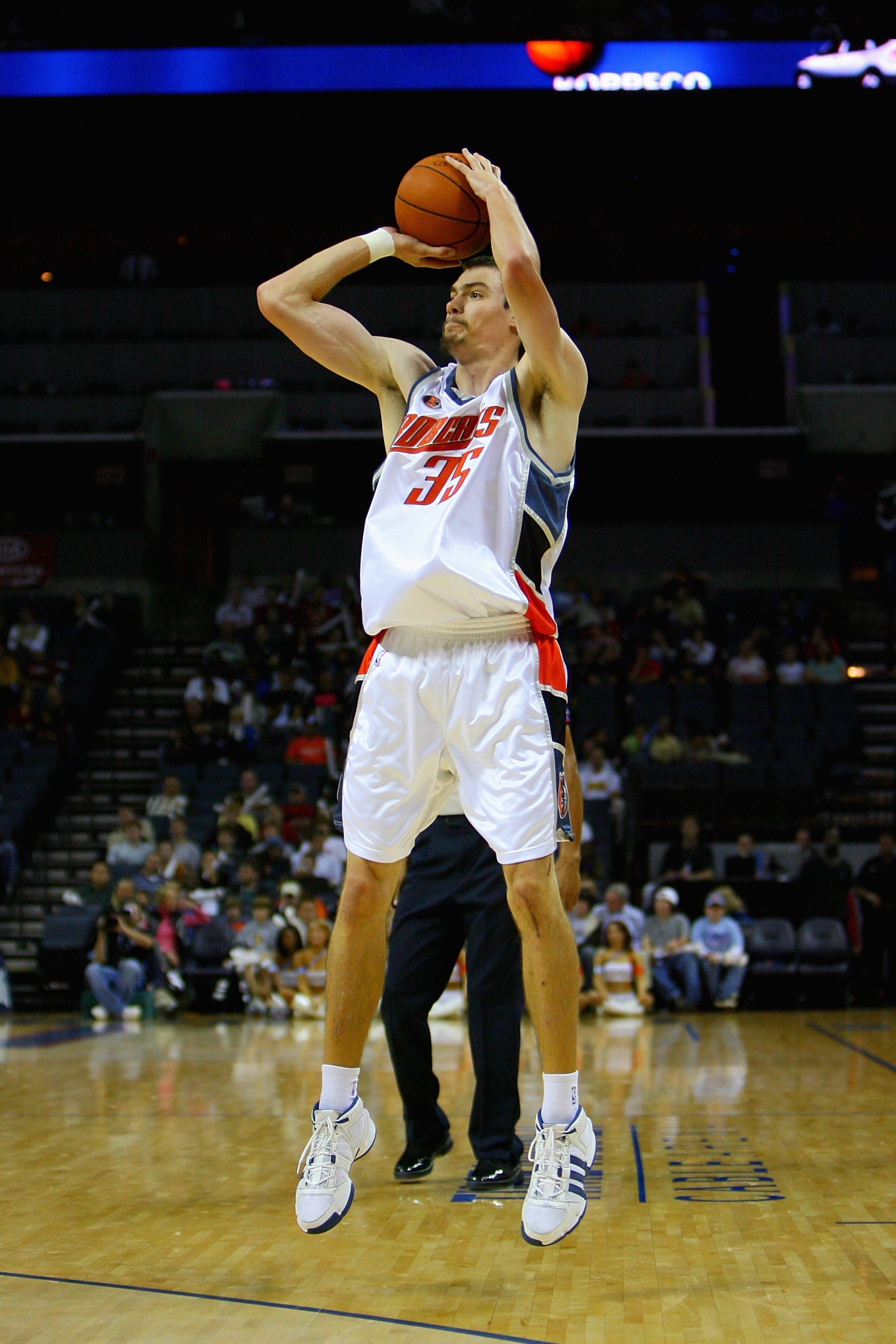
Draft Selection
third pick, 2006 draft
Career Stats
2006–Present: 7.5 PPG, 2.1 RPG, 37.3 FG%, 33.1 3FG%
Why Morrison?
Morrison will be most remembered for getting as much time as Lakers cheerleaders during L.A.'s 2010 title run last season, a shaggy beard/hair look and crying during the Sweet 16 in 2006 after Gonzaga blew a double-digit lead to UCLA.
His first season was poor (11.8 PPG, 3.0 RPG, 37.6 FG%, 33.7 3FG%) and his second season was derailed by injury. After an even more disappointing third season, Morrison was shipped out of town. He is now on the Washington Wizards roster.
Ultimately, Morrison can say one thing that LeBron James can't: He's an NBA champion.



Chicago Bulls: Eddy Curry (7'0", 295-Lb. C) Tyson Chandler (7'1", 235-Lb. PF)
4 of 30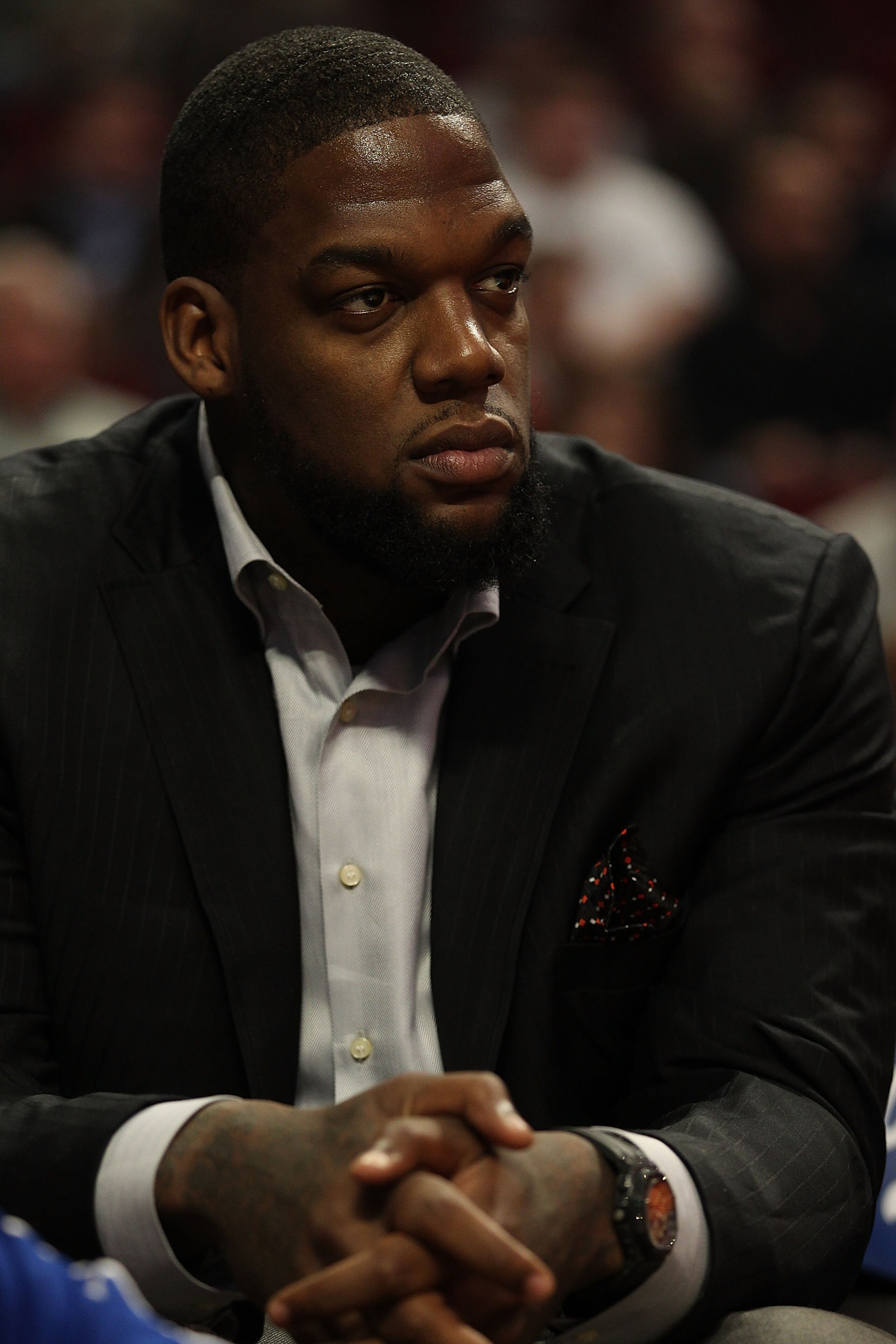
Draft Selection
Chandler: second pick, 2001 draft
Curry: fourth pick, 2001 draft
Career Stats
Chandler (2001–Present): 8.3 PPG, 8.8 RPG, 56.8 FG%, 1.3 BPG
Curry (2001–2009): 13.3 PPG, 5.3 RPG, 54.5 FG%, 0.7 BPG
Why Curry and Chandler?
I'm cheating here, but the Curry/Chandler combination highlighted a series of awful moves that damned the Bulls for a decade. The "Baby Bulls" were supposed to be the next big thing in a weak Eastern Conference, but turned out to be sub-mediocre at best.
Cleveland Cavaliers: Dajuan Wagner (6'2", 200-Pound PG)
5 of 30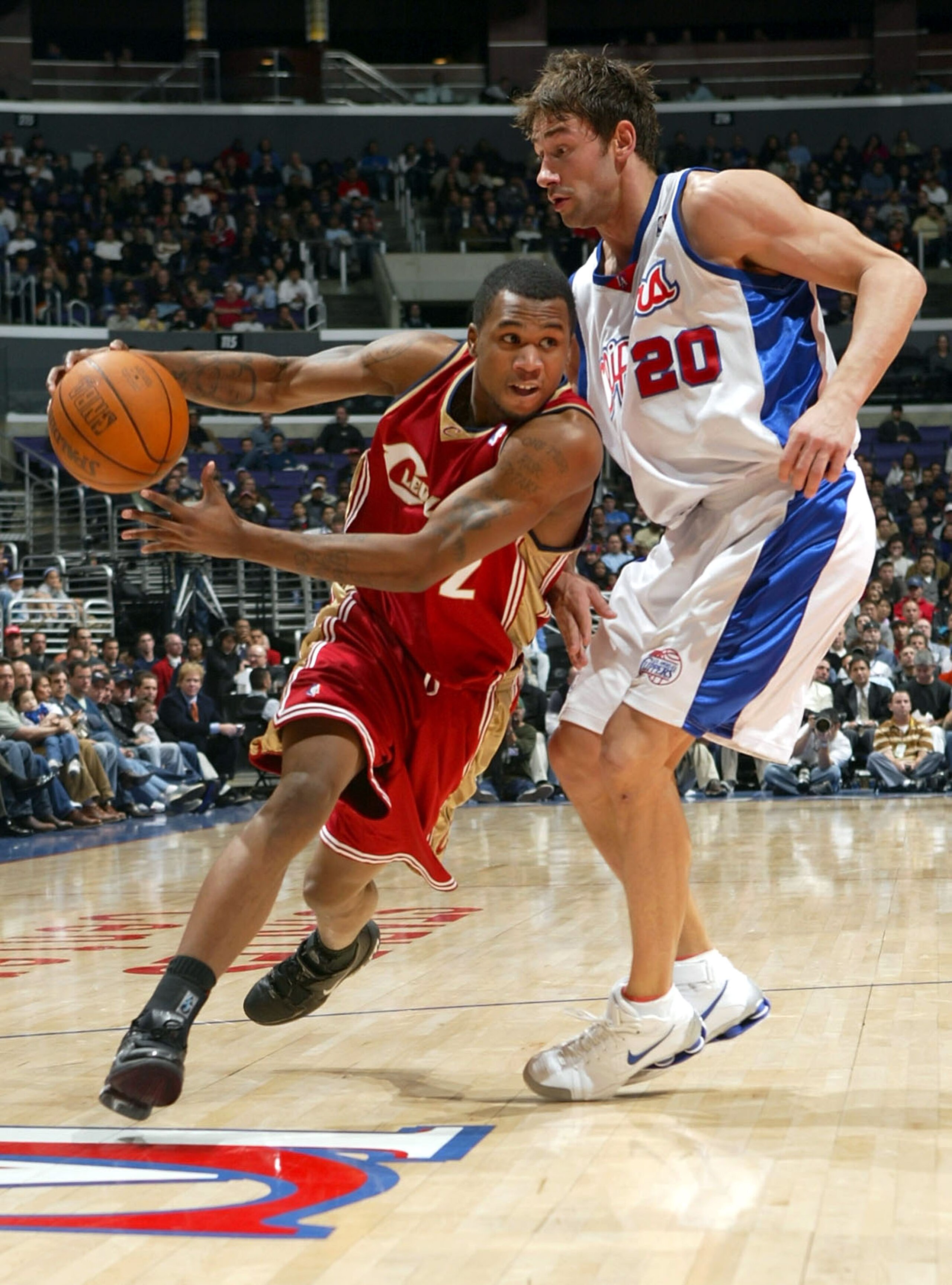
Draft Selection
sixth pick, 2002 draft
Career Stats
2003–2007: 9.4 PPG, 1.4 RPG, 1.9 APG, 36.6 FG%, 32.1 3FG%
Why Wagner?
Wagner is most famous for scoring 100 points in a high-school game, or just three fewer points than games he eventually played in the NBA. Wagner could have been a great player, but fell into what was then a terrible Cleveland Cavaliers system and team, and also succumbed to injuries.
Dallas Mavericks: Samaki Walker (6'9", 240-Pound Power Forward)
6 of 30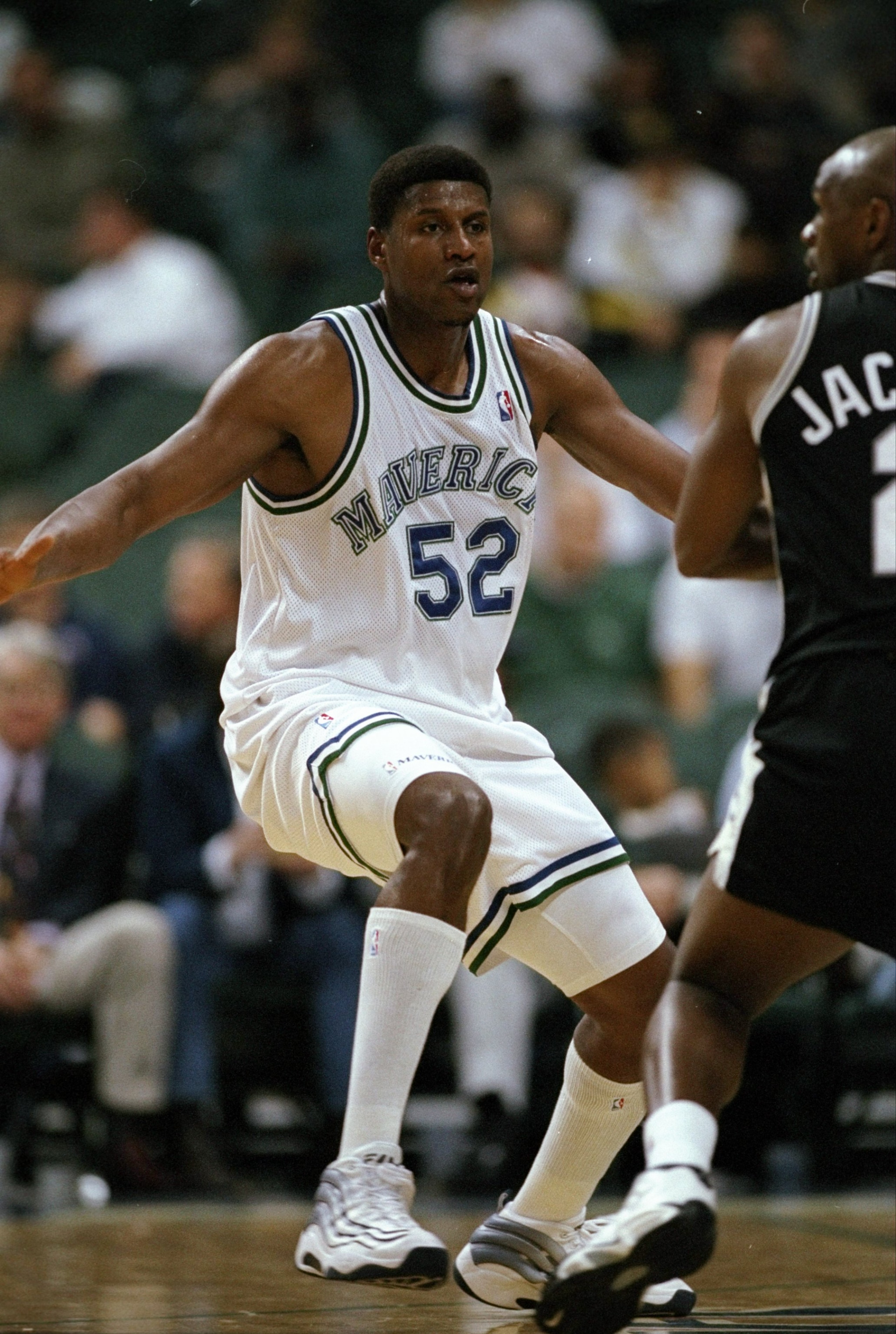
Draft Selection
ninth pick, 1996 draft
Career Stats
1996–2006: 5.3 PPG, 4.7 RPG, 46.2 FG%
Why Walker?
Walker played only three seasons (123 games) for the cowboy-hat Mavs until the angry-horse Mavs galloped into town, led by jockeys Mark Cuban, Dirk Nowitzki and Steve Nash. Walker stands as the last image of the long-since forgotten era of Mavs ineptitude.
Denver Nuggets: Nikoloz Tskitishvili (7'0", 225-Pound PF/C)
7 of 30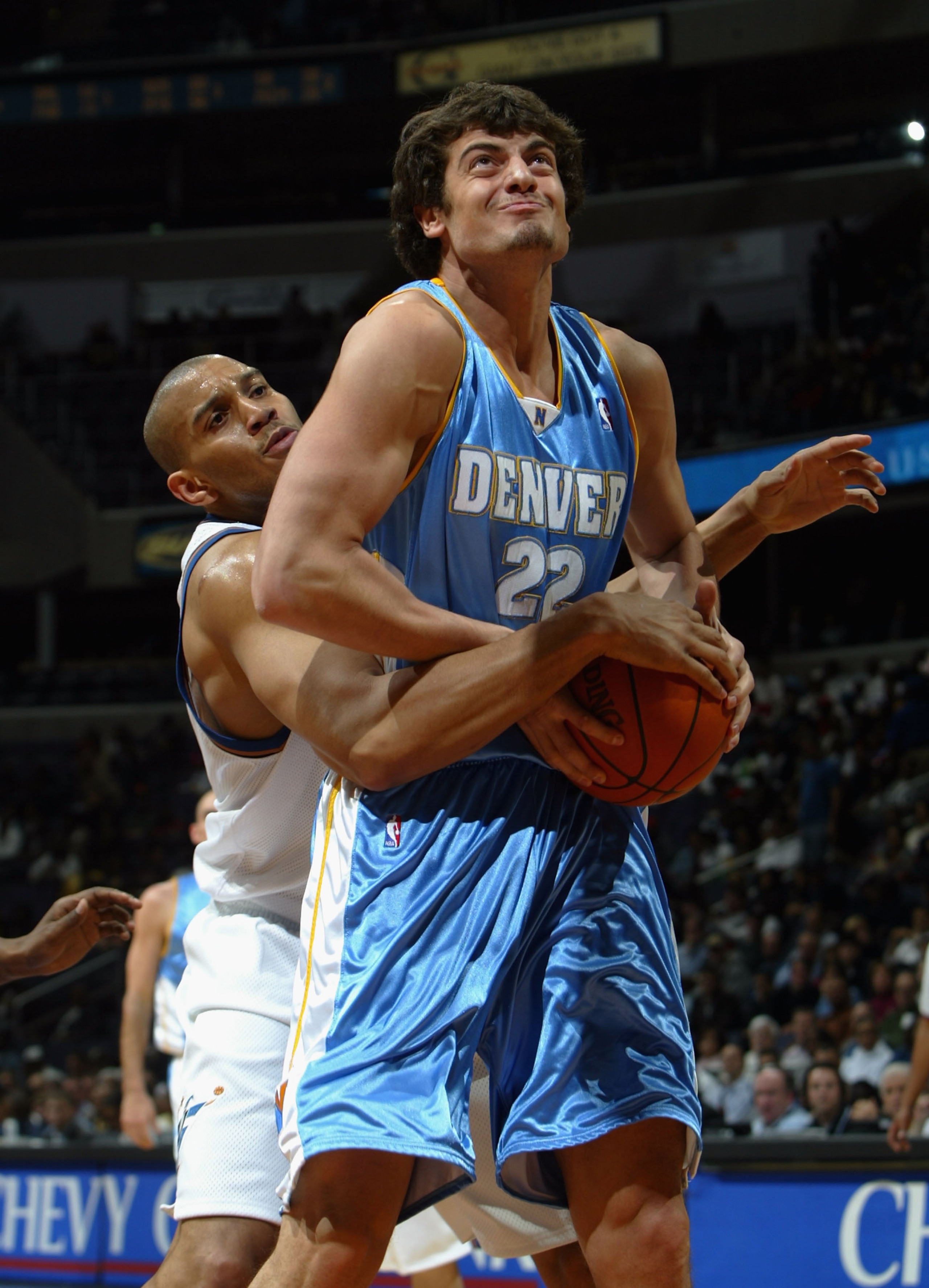
Draft Selection
fifth pick, 2002 draft
Career Stats
2002–2006: 2.9 PPG, 1.8 RPG, 30.4 FG%, 0.3 BPG
Why Tskitishvili?
Don't listen to me. Talk to ESPN's Chad Ford (from May 2002):
"After a 30-minute workout, it's clear Tskitishvili has the speed, the hops, the outside-shooting touch and the ball-handling skills to rival anyone in the draft. He hit 10 NBA threes in a row at one point. His crossover would be phenomenal even for a smaller player. There is no stiff in this European."
Everyone deserves a mulligan.
Detroit Pistons: Darko Milicic (7'0", 250-Pound C)
8 of 30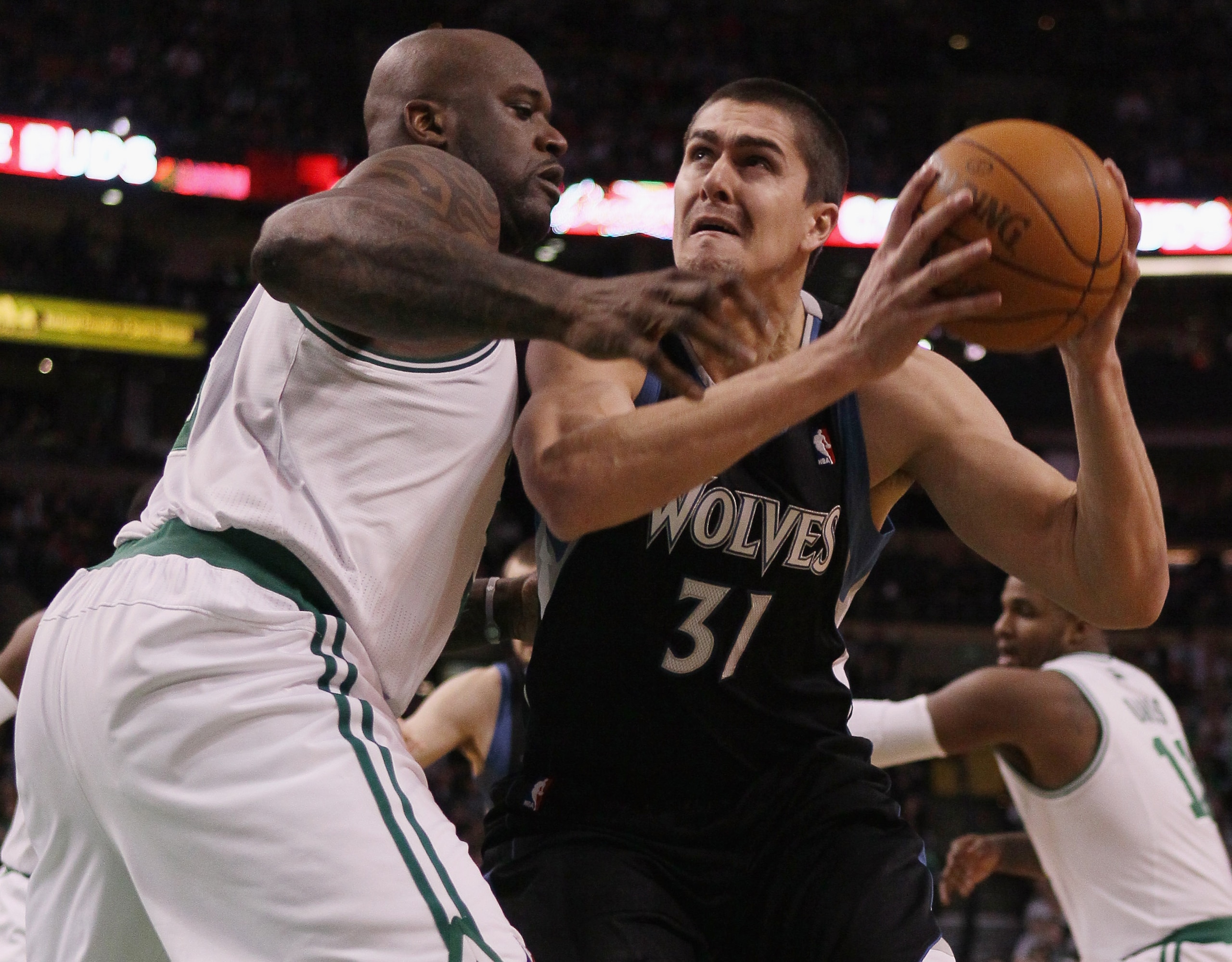
Draft Selection
second pick, 2003 draft
Career Stats
2003–Present: 6.1 PPG, 4.3 RPG, 46.0 FG%, 1.3 BPG
Why Milicic?
No explanation needed.
Read this for over 10 quotes about Milicic from major sports outlets in 2003. Someone compared him to a young Wilt Chamberlain!
However, this one is the best.
"We think that Darko can actually get to sort of a near All-Star if not All-Star level. There's not a lot of quality centers in our sport. There's no reason to think that a year from now if Darko were to continue his trajectory upwards, he couldn't be in the mix about a year from now for the All-Star game."
Yet another...oh wait, that's a David Kahn quote from 2011.
Golden State Warriors: Chris Washburn (6'11", 225-Pound PF)
9 of 30Draft Selection
third pick, 1986 draft
Career Stats
1986–1988: 3.1 PPG, 2.4 RPG, 41.2 FG%, 43.9 FT%, 0.2 BPG
Why Washburn?
Fun fact: He got a 470 on his SAT! You can't even get a score that low on the new SAT. Back when the test was out of 1,600 points, the minimum was 400 points. He also stole a stereo in college.
Still, Golden State decided to take a chance on Washburn, and it was rewarded with less than two seasons of awful, apathetic, drug-addled basketball. Washburn was out of the league in 1989 after failing his third drug test.
Photo Courtesy of si.com.
Houston Rockets: Eddie Griffin (6'10", 220-Pound PF)
10 of 30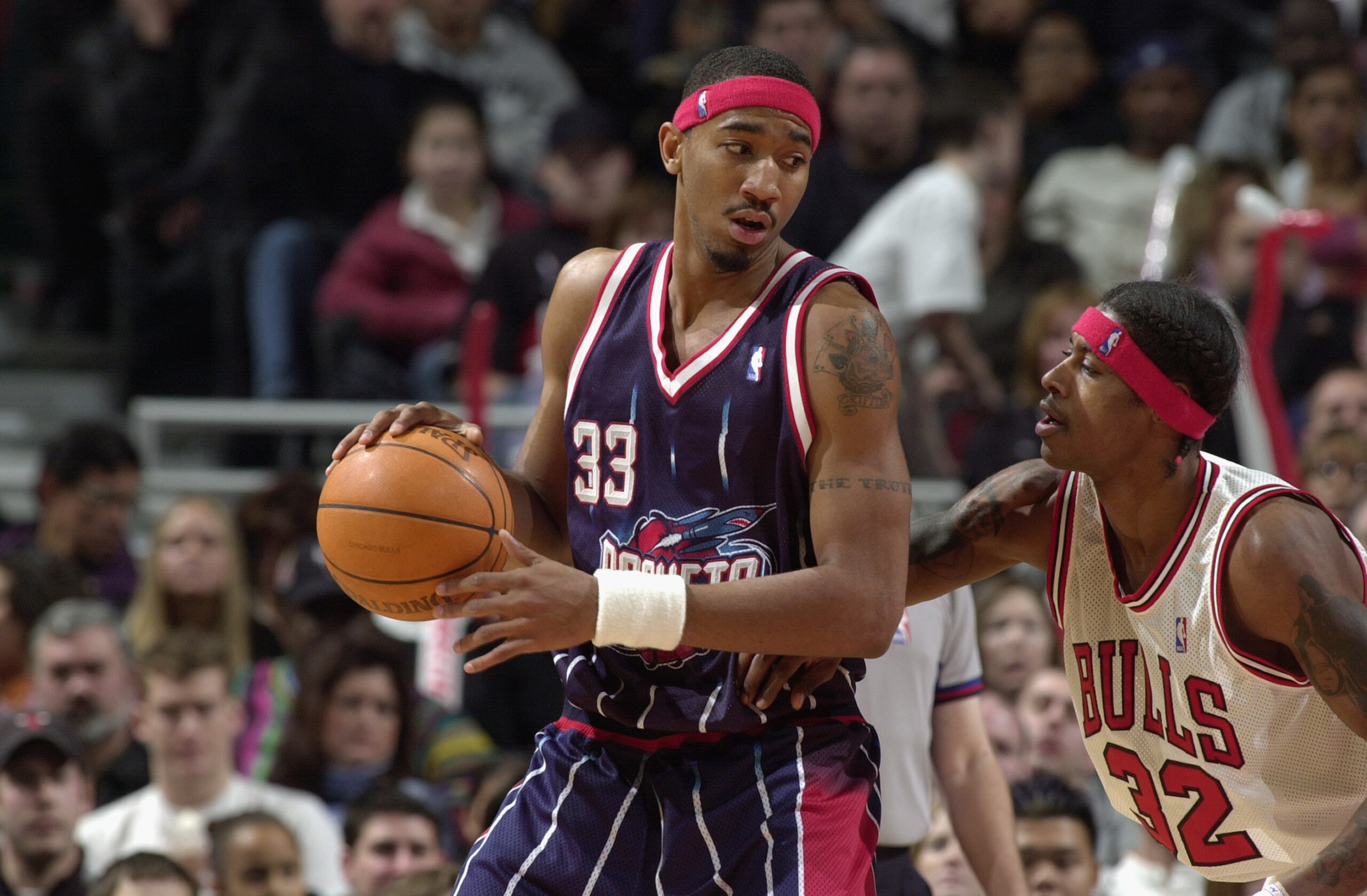
Draft Selection
seventh pick, 2001 draft
Career Stats
2001–2007: 7.2 PPG, 5.8 RPG, 37.7 FG%, 31.5 3FG%, 1.7 BPG
Why Griffin?
Originally picked by the Nets before being traded to the Rockets for a package that included Richard Jefferson, Griffin spent one year at Seton Hall, where he averaged 18 points and 11 rebounds per game.
Two seasons later, he was waived, having dealt with alcoholism. After three seasons with Minnesota, Griffin tragically died in a car accident.
Indiana Pacers: George McCloud (6'6", 205-Pound G/F)
11 of 30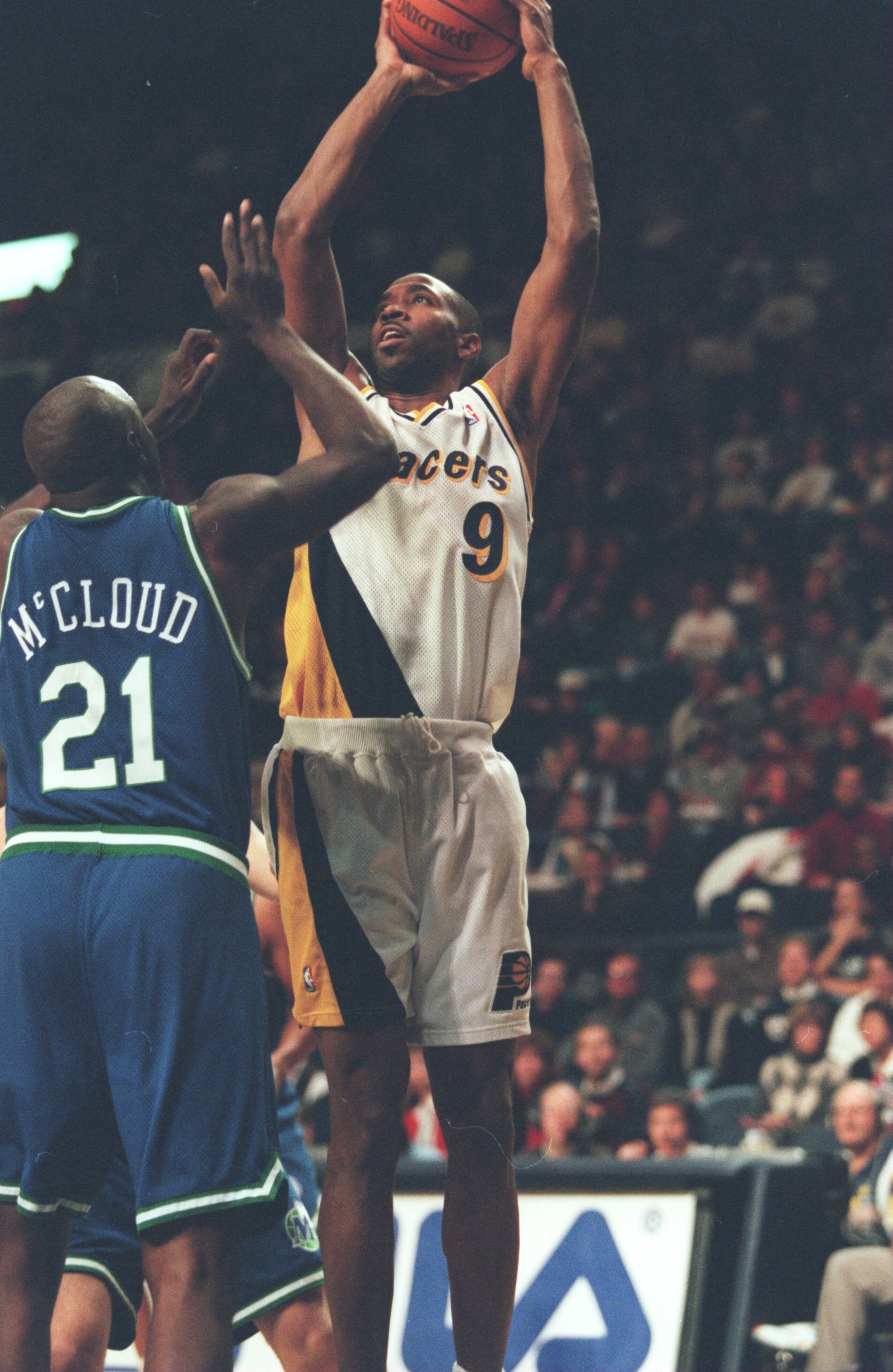
Draft Selection
seventh pick, 1989 draft
Career Stats
1989–2002: 9.0 PPG, 3.1 RPG, 40.2 FG%, 35.8 3FG%
Why McCloud?
The Pacers haven't drafted and retained any top picks who have turned into complete busts. George McCloud is the pick only because he was bad in his four years in Indiana (never eclipsing highs of 7.2 PPG and 2.6 RPG).
He still managed to become a serviceable role player and even averaged over 18 PPG as a starter for the Mavericks in 1995-96.
L.A. Clippers: Bo Kimble (6'4", 190-Pound SG)
12 of 30
Draft Selection
eighth pick, 1990 draft
Career Stats
1990–1993: 5.5 PPG, 1.5 RPG, 38.6 FG%, 29.1 3FG%, 12.7 MPG
Why Kimble?
Kimble could not adjust to an NBA system after thriving in Paul Westhead's run-and-gun offensive system at Loyola Marymount (he averaged 35.3 PPG and 7.7 RPG his senior year).
He played only two seasons for the Clippers before finishing as a bench player with the Knicks.
L.A. Lakers: Roger Strickland (6'5", 200-Pound SF)
13 of 30Draft Selection
seventh pick, 1963 draft
Career Stats
1963: Two points on one-of-three shooting, along with a foul, in four minutes of play.
Why Strickland?
He was waived by the Lakers before the season started and picked up by the Baltimore Bullets. The Lakers' draft history is excellent, but the mystery surrounding this man remains.
Photo courtesy of thedraftreview.com.
Milwaukee Bucks: Kent Benson (6'10", 235-Pound Center)
14 of 30Draft Selection
first pick, 1976 draft
Career Stats
1976–1988: 9.1 PPG, 5.7 RPG, 49.3 FG%, 75.7 FT%, 0.9 BPG
Why Benson?
No. 1 picks should last more than three seasons with their original team, right? Benson did not make it that far.
Larry Bird complained about Benson in his book, Drive, saying that Benson treated him horribly because he was a freshman at Indiana University. Bird eventually transferred to Indiana State, and we know who got the last laugh.
Memphis Grizzlies: Stromile Swift (6'9", 225-Pound F)
15 of 30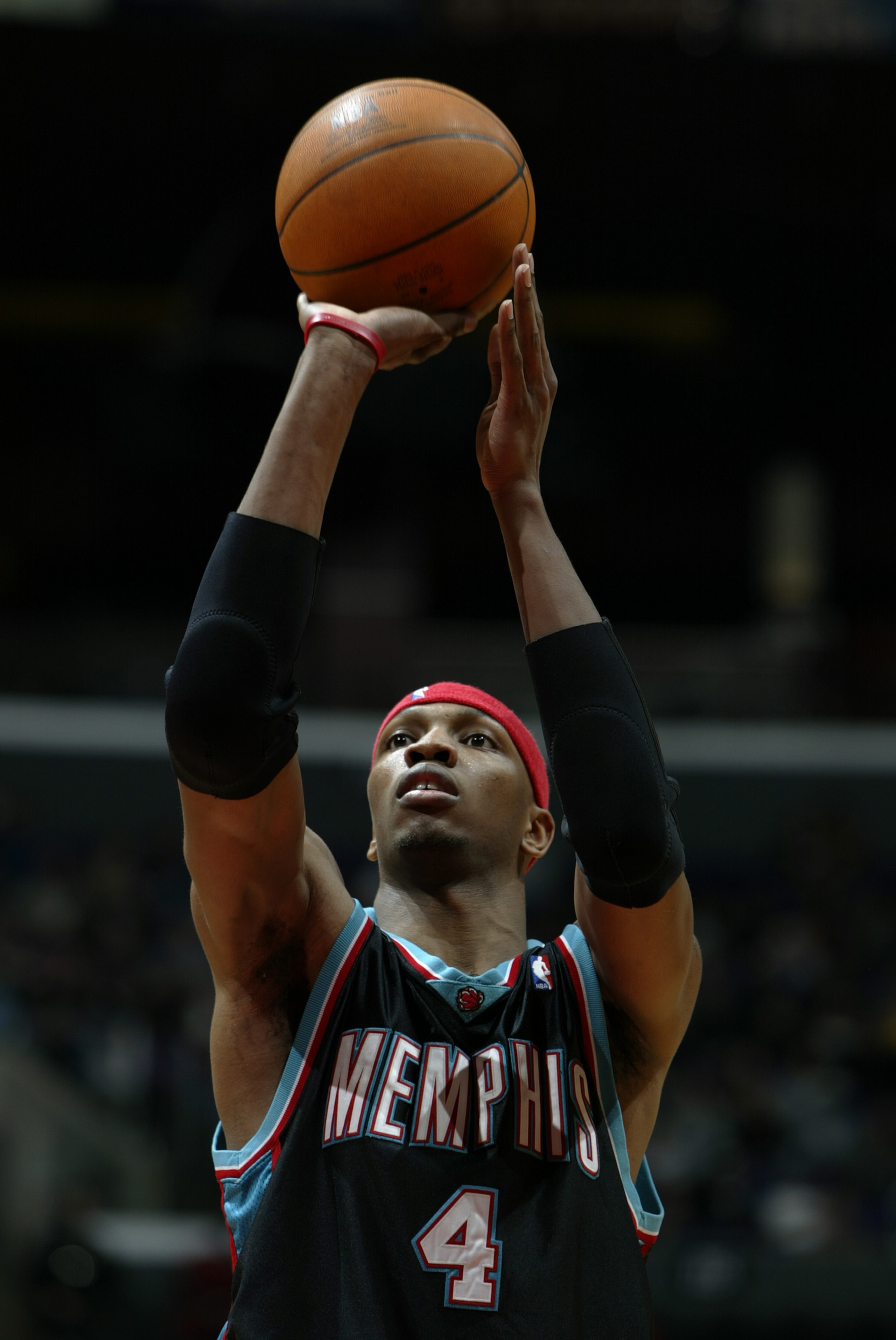
Draft Selection
second pick, 2000 draft
Career Stats
2000–2009: 8.4 PPG, 4.6 RPG, 47.3 FG%, 7.4 3FG%, 1.2 BPG
Why Swift?
Despite how bad the Grizzlies' history has been, they have never made a high pick that has been an abject failure. I'm not even sure one can call Swift a big bust, because he was just the best choice available at No. 2 in an incredibly weak draft.
Swift was a protective role player as a good defender from the forward position for eight years, but he never was able to be a full-time starter in any of those seasons.
Miami Heat: Khalid Reeves (6'3", 199-Pound SG)
16 of 30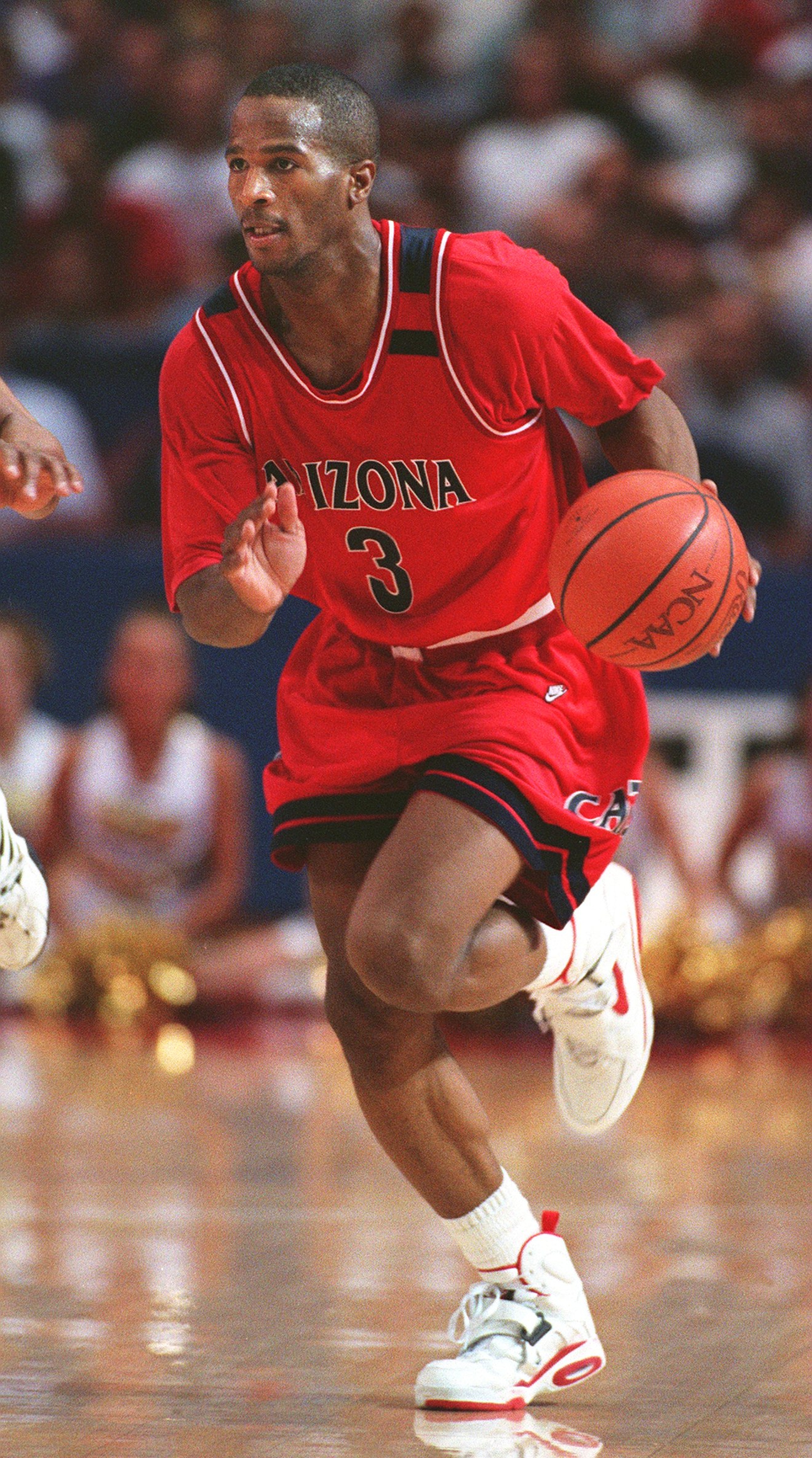
Draft Selection
12th pick, 1994 draft
Career Stats
1994–2000: 7.8 PPG, 3.2 APG, 2.1 RPG, 41.6 FG%, 36.3 3FG%, 0.8 SPG
Why Reeves?
This is another player who can't be considered a huge bust, since Reeves was part of a package that sent Alonzo Mourning from Charlotte to Miami. He only started more than half of the games in a season once (with Dallas in 1997-98) and never became the breakout scorer he was during his senior year at Arizona, when he had 24.2 PPG.
Minnesota Timberwolves: Isaiah Rider (6'5", 215-Pound SF)
17 of 30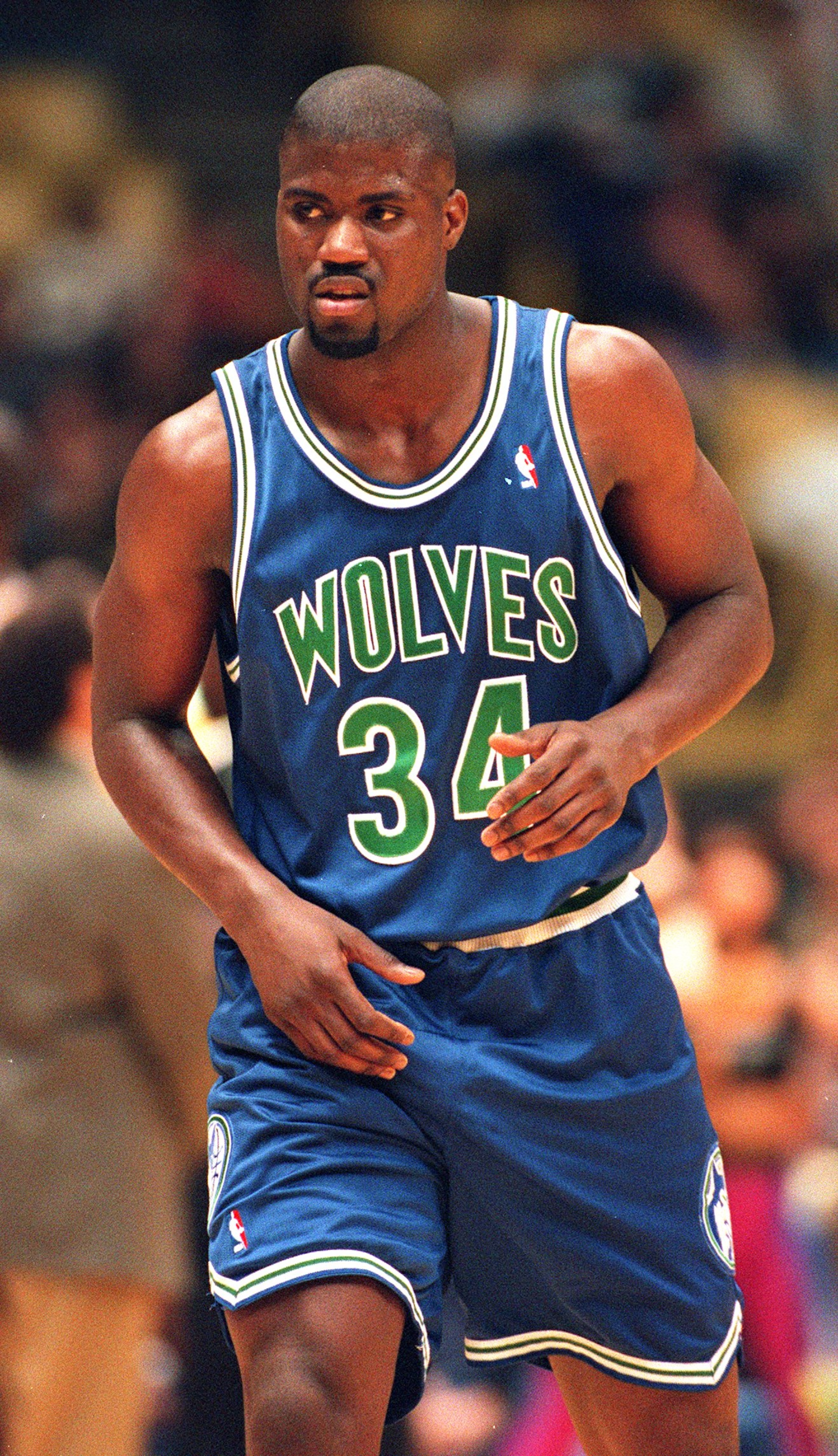
Draft Selection
fifth pick, 1993 draft
Career Stats
1993–2002: 16.7 PPG, 3.8 RPG, 2.7 APG, 0.7 SPG, 44.3 FG%, 35.2 3FG%
Why Rider?
Because Rider has probably committed more than half of the offenses an American citizen can commit in his or her lifetime.
He lasted only three seasons in Minnesota because he kept getting into trouble, and when the NBA gained the reputation of being a league with a bunch of bad characters in the 1990s, Rider was one of the poster children.
He's been charged with marijuana possession, kidnapping and assault and frequently got in trouble with team officials.
New Jersey Nets: Dennis Hopson (6'5", 200-Pound SG)
18 of 30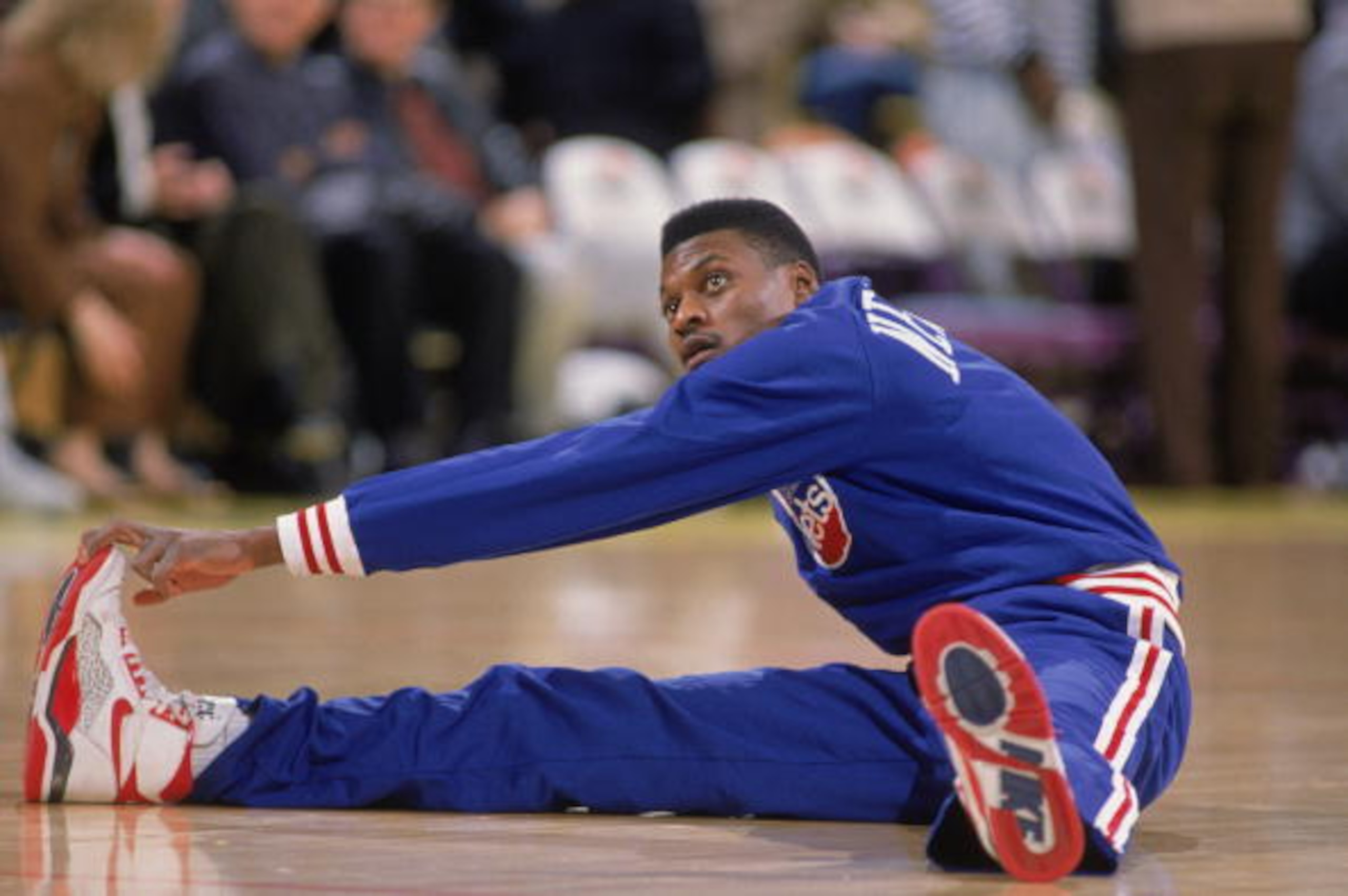
Draft Selection
third pick, 1987 draft
Career Stats
1987–1992: 10.9 PPG, 2.8 RPG, 1.6 APG, 43.1 FG%, 27.1 3FG%, 1.0 SPG
Why Hopson?
Hopson averaged over 29 points, eight rebounds and three assists for Ohio State in his senior season, but was only a full-time starter for one season in the NBA, when he averaged 15.8 PPG in a moribund 1989-90 season for the Nets. He was gone after three seasons.
Charlotte/New Orleans Hornets: Kirk Haston (6'9", 242-Pound PF)
19 of 30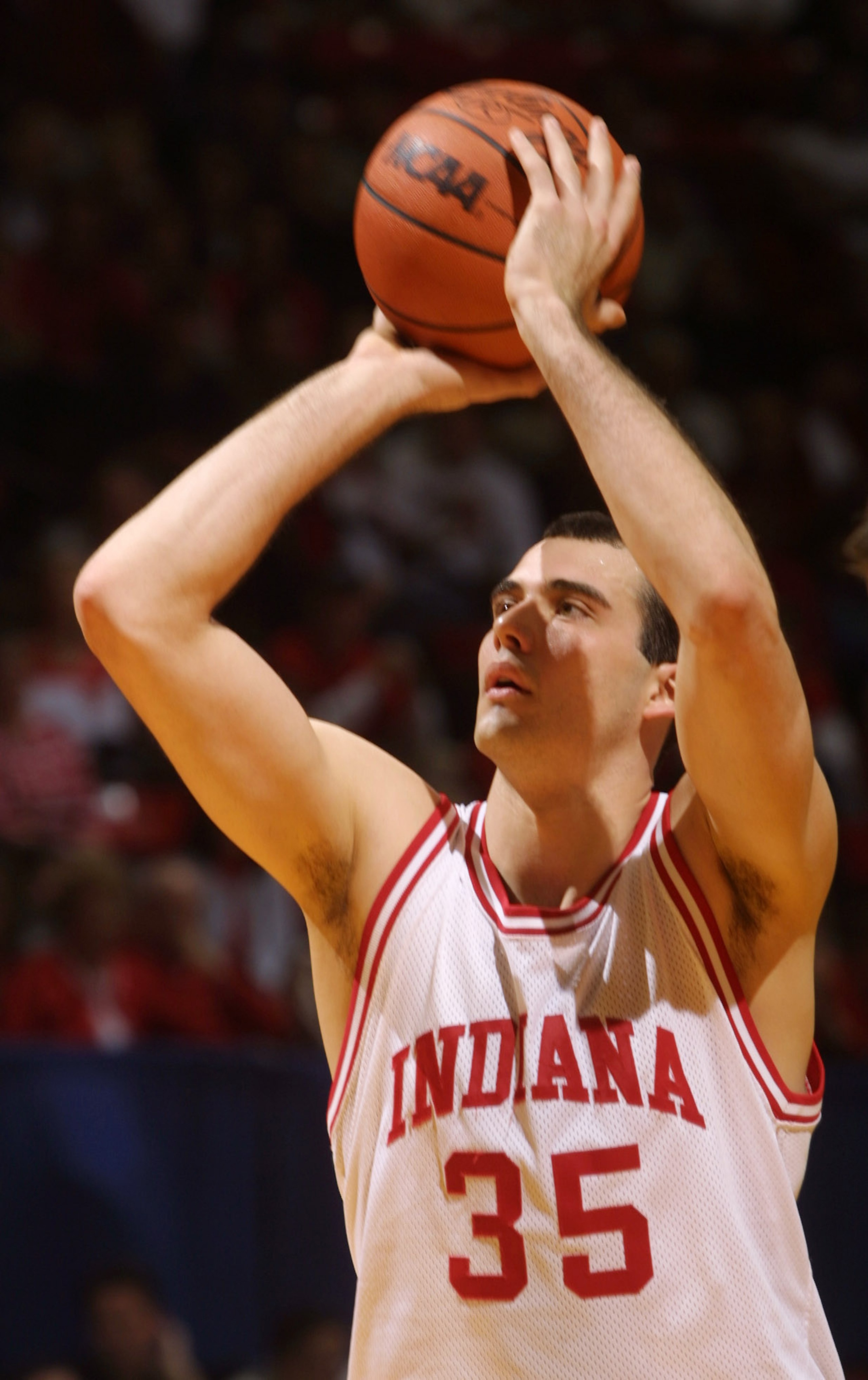
Draft Selection
16th pick, 2001 draft
Career Stats
2001–2003: 1.2 PPG, 1.0 RPG, 0.3 APG, 23.3 FG%.
Why Haston?
You know a player is a bust when he doesn't even have a picture from his time on his original team in a huge photo database like this one. He played only 27 games for the Hornets before leaving the NBA.
New York Knicks: Art Heyman (6'5", 205-Pound G/F)
20 of 30Draft Selection
first pick, 1963 draft
Career Stats
1963–1966: 10.3 PPG, 42.7 FG%
Why Heyman?
Art Heyman averaged 25.1 PPG at Duke and was the college basketball player of the year in 1962-63. He was named All-ACC three times.
Why did he only last two seasons with the Knicks?
He was supposed to be an NBA star, but his ego and bad attitude got in the way. Heyman averaged 15.4 PPG in his rookie campaign before falling to 5.7 PPG in 12.1 MPG in year two. Heyman was gone after that season.
Hey, Frederic Weis was a pretty big bust, but he didn't have great expectations.
Photo Courtesy of si.com.
Oklahoma City Thunder/Seattle SuperSonics: Robert Swift (7'0", 245-Pound C)
21 of 30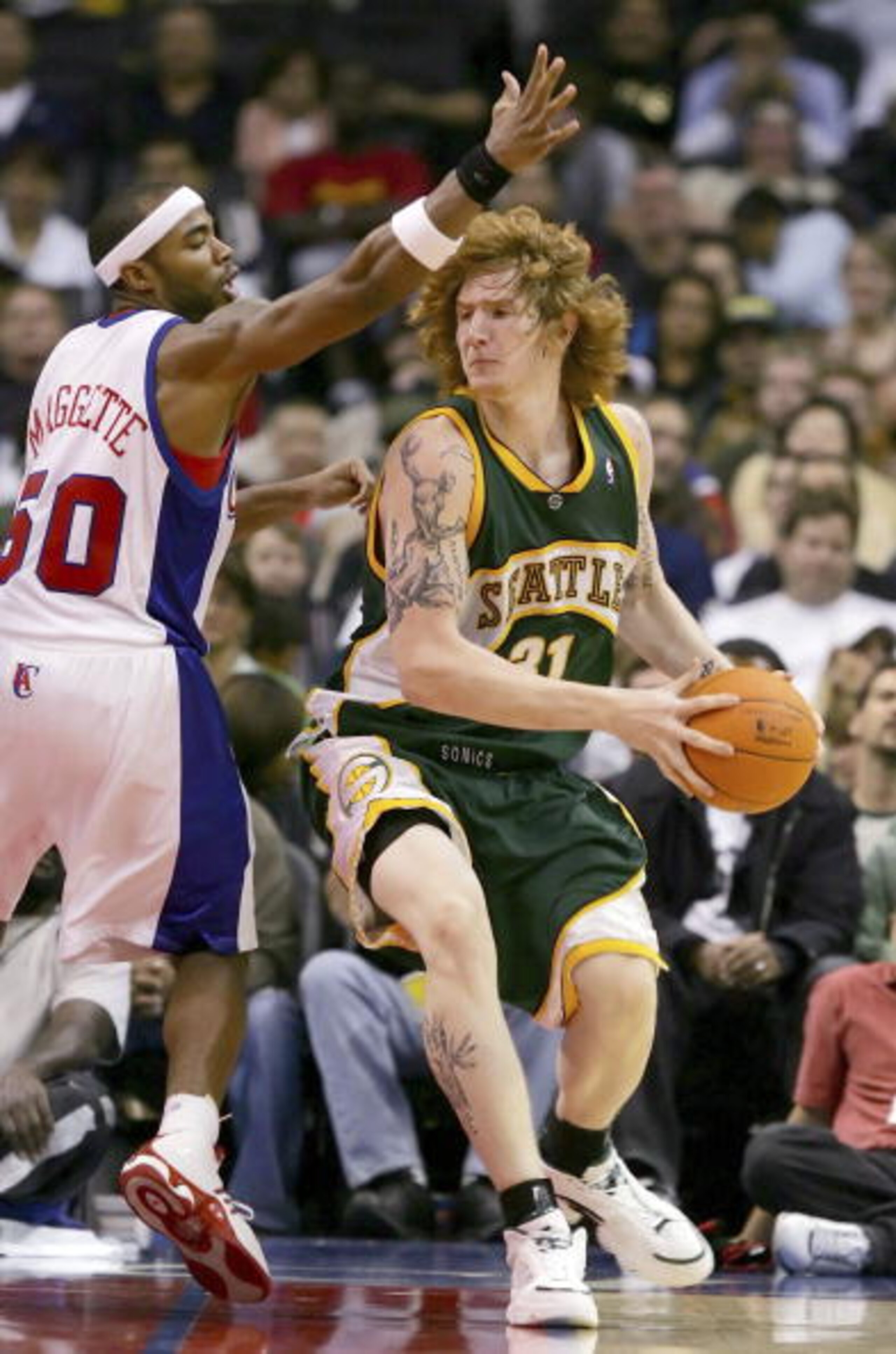
Draft Selection
12th pick, 2004 draft
Career Stats
2004–2009: 4.3 PPG, 3.9 RPG, 50.6 FG%, 0.9 BPG
Why Swift?
He played only 97 games spread across four seasons. He's one of the poster children for players who should have gone to college before the mandatory one-year rule was implemented.
Orlando Magic: Michael Doleac (6'1", 262-Pound PF/C)
22 of 30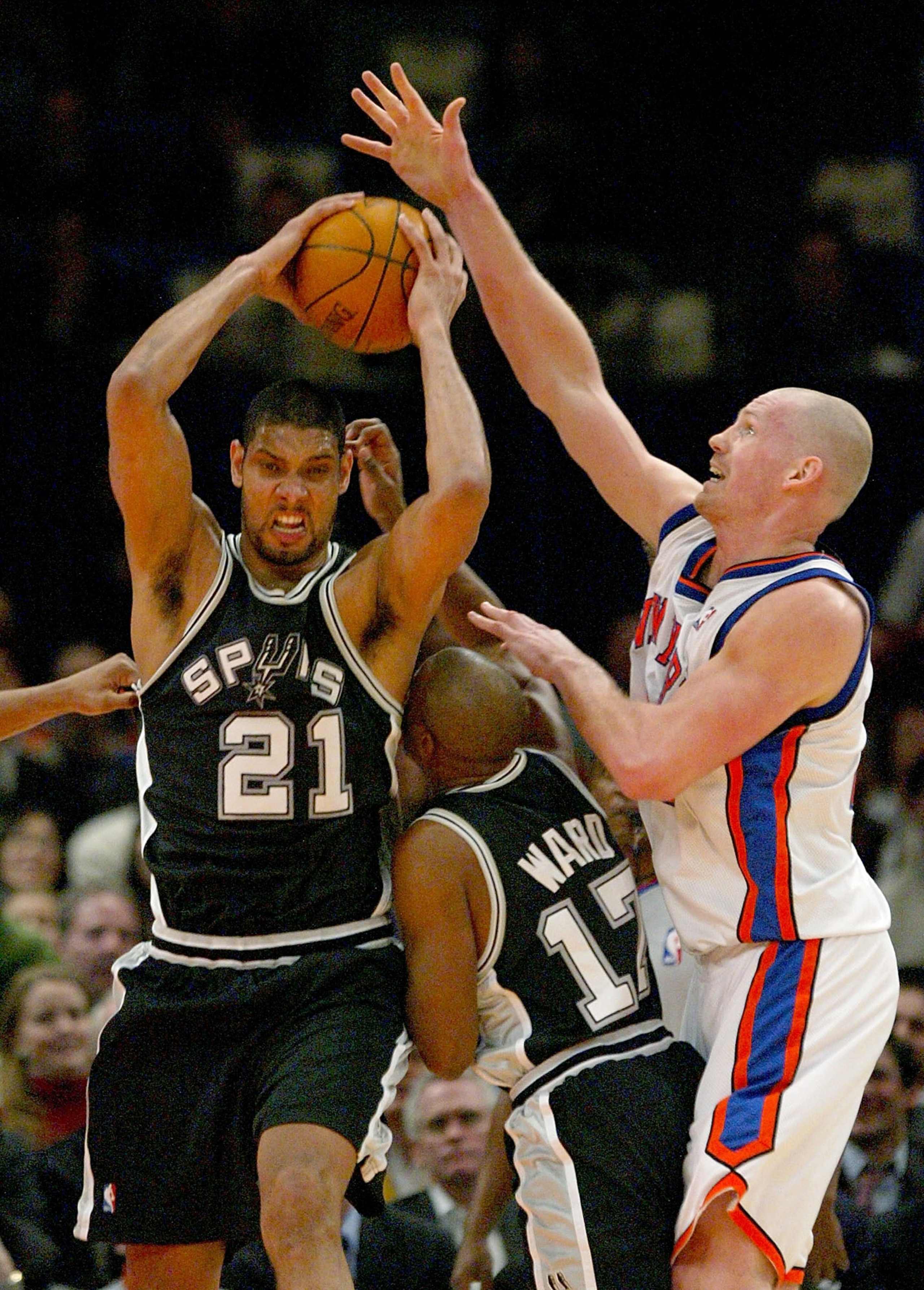
Draft Selection
12th pick, 1998 draft
Career Stats
1998–2008: 4.9 PPG, 3.3 RPG, 43.9 FG%, 0.4 BPG
Why Doleac?
Again, he's not a real bust, but was the best option presented by the Magic since they have a good draft history.
Doleac didn't come in with great expectations, but he never held down a job as a full-time starter in the league, partially because he preferred to do his scoring over 15 feet from the basket.
He had a consistent outside shot and won a championship with Miami in 2006.
Philadelphia 76ers: Shawn Bradley (7'6", 235-Pound C)
23 of 30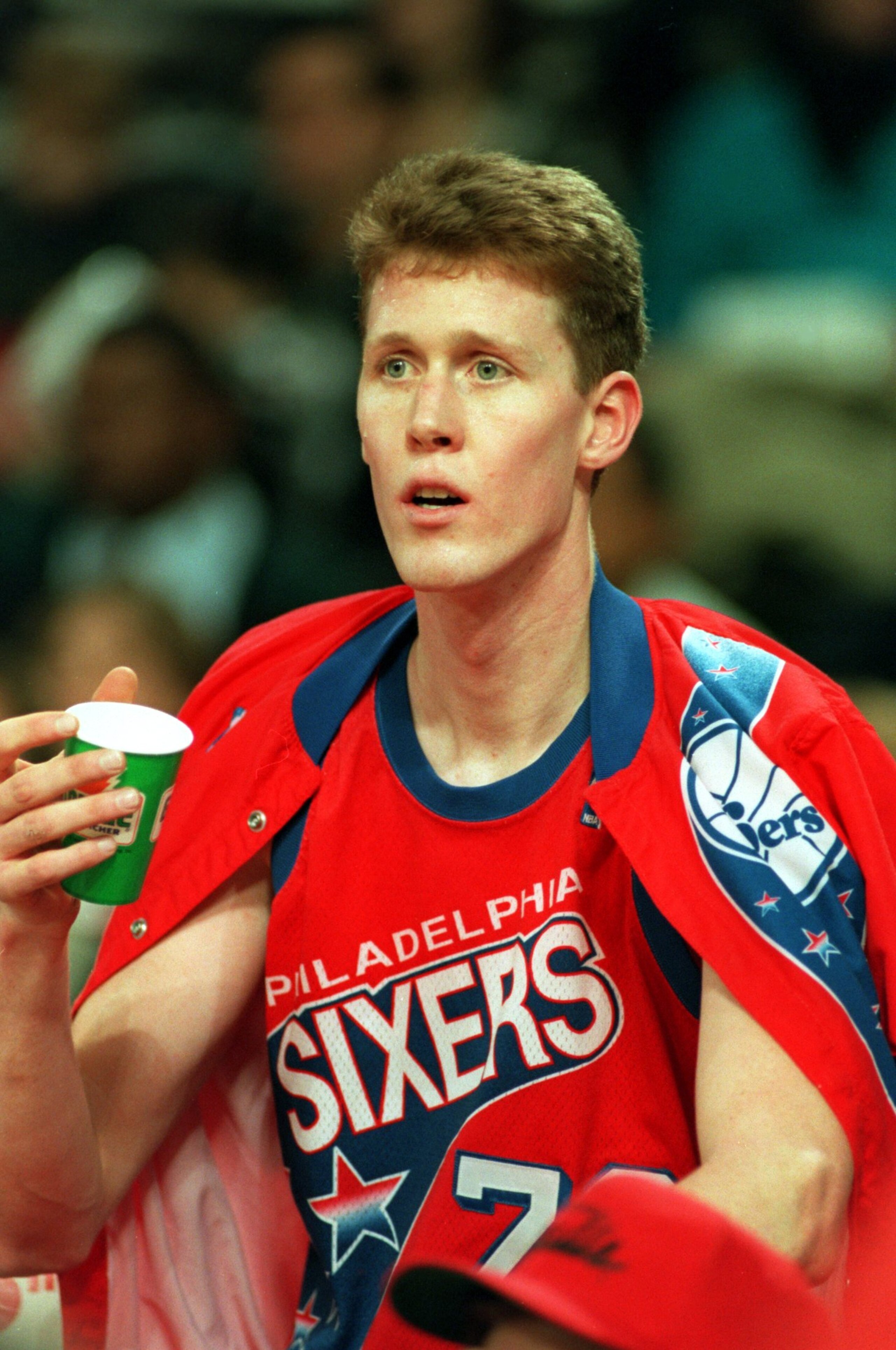
Draft Selection
second pick, 1993 draft
Career Stats
1993–2005: 8.1 PPG, 6.3 RPG, 45.7 FG%, 2.5 BPG
Why Bradley?
I stood next to Shawn Bradley once in 1996, when John Calipari was coaching the Nets. I went to some basketball camp at Ramapo College in New Jersey, and the Nets were practicing there. Kerry Kittles played one-on-one with a camper, and I saw a man who looked like he was 17' tall.
These were your New Jersey Nets in 1996, with Shawn Bradley being the main attraction, even though he lasted only two seasons in Philadelphia. He stayed in the NBA as a role player thanks to his ability to re-direct shots from anyone in the league.
Phoenix Suns: William Bedford (7'0", 225-Pound C)
24 of 30Draft Selection
sixth pick, 1986 draft
Career Stats
1986–1993: 4.1 PPG, 2.4 RPG, 41.6 FG%, 0.5 BPG
Why Bedford?
He lasted only one season in Phoenix and was traded after the season for Randolph Keys. He was part of the infamous 1986 draft class, which is one of the two worst draft classes in the last 25 years, along with the one from 2000.
Photo courtesy of need4sheed.com.
Portland Trail Blazers: LaRue Martin (6'11", 208-Pound C)
25 of 30Draft Selection
first pick, 1972 draft
Career Stats
1972–1976: 5.3 PPG, 4.6 RPG, 41.6 FG%, 0.5 BPG
Why Martin?
Sam Bowie isn't the biggest bust in Blazers history. Neither is Greg Oden (yet). They're just the most famous ones.
LaRue Martin takes that infamous prize for now with four lackluster seasons for the Blazers. He had a healthy third season, but managed only 7.0 PPG and 4.9 RPG in 16.9 MPG. He was traded for "future considerations" to Seattle in 1976 and never played another NBA game.
Nice Afro, though.
Photo Courtesy of hoopedia.nba.com.
Sacramento Kings: Pervis Ellison (6'9", 210-Pound PF)
26 of 30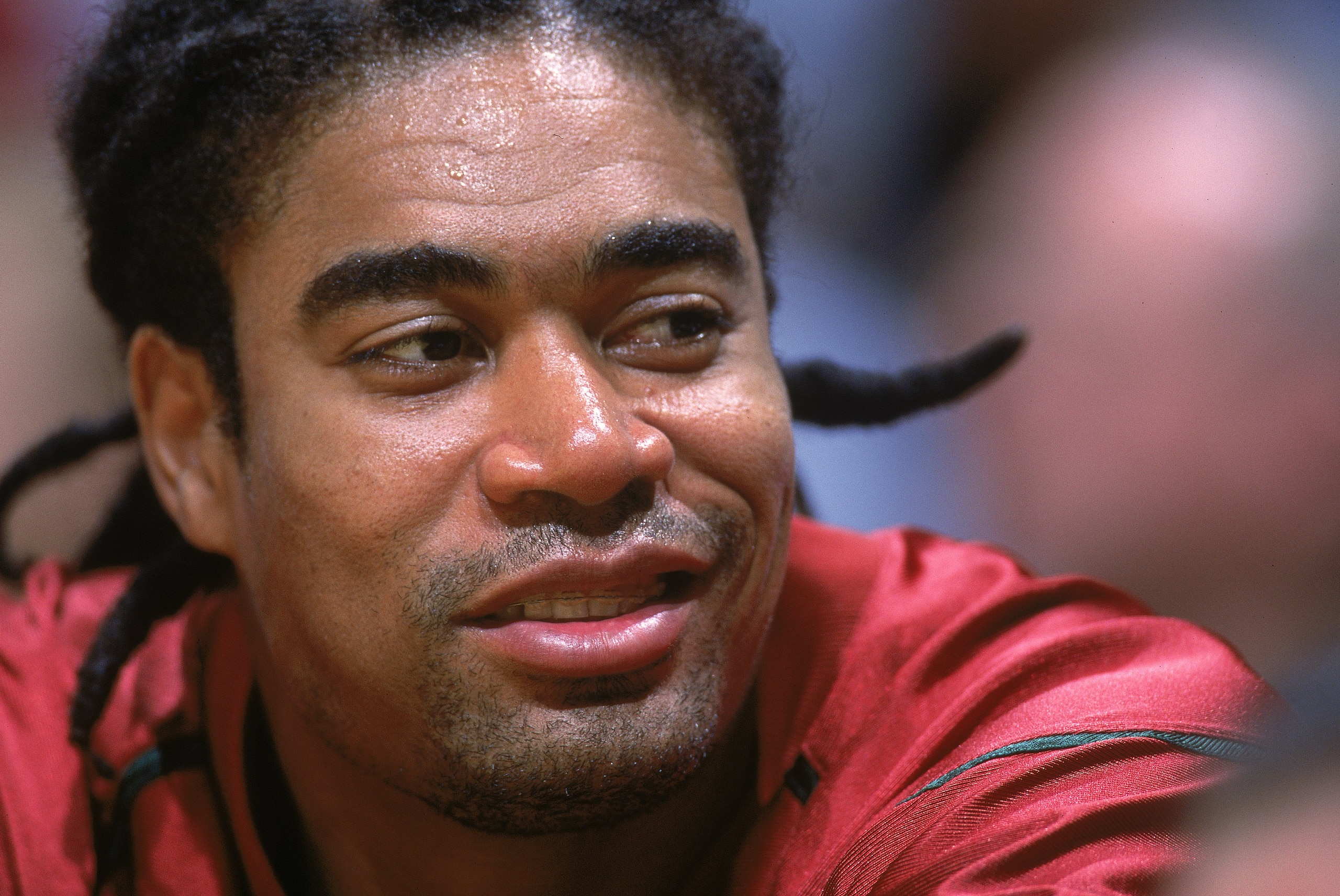
Draft Selection
first pick, 1989 draft
Career Stats
1989-2001: 9.5 PPG, 6.7 RPG, 51.0 FG%, 1.6 BPG
Why Ellison?
"Never Nervous" Pervis was a college star, winning the national title in 1986 and being named the Most Outstanding Player of the Final Four. He played one season for the Kings and was deemed unworthy of Sacramento, so he was traded in a three-team deal for quarters on the dollar.
He did well for Washington in 1991-92 (20-plus PPG, 11-plus RPG) but was never a winner until his last season, when he played nine games for a 44-38 Sonics team in 2000-2001.
San Antonio Spurs: Alfredrick Hughes (6'5", 215-Pound SG)
27 of 30Draft Selection
14th pick, 1985 draft
Career Stats
1985-1986: 5.2 PPG, 1.7 RPG, 0.9 APG, 40.9 FG%, 17.6 3FG%, 12.7 MPG
Why Hughes?
He played 68 games and was waived, never to return to the NBA. Simple as that.
Photo Courtesy of draftreview.com.
Toronto Raptors: Rafael Araujo (6'11", 280-Pound C)
28 of 30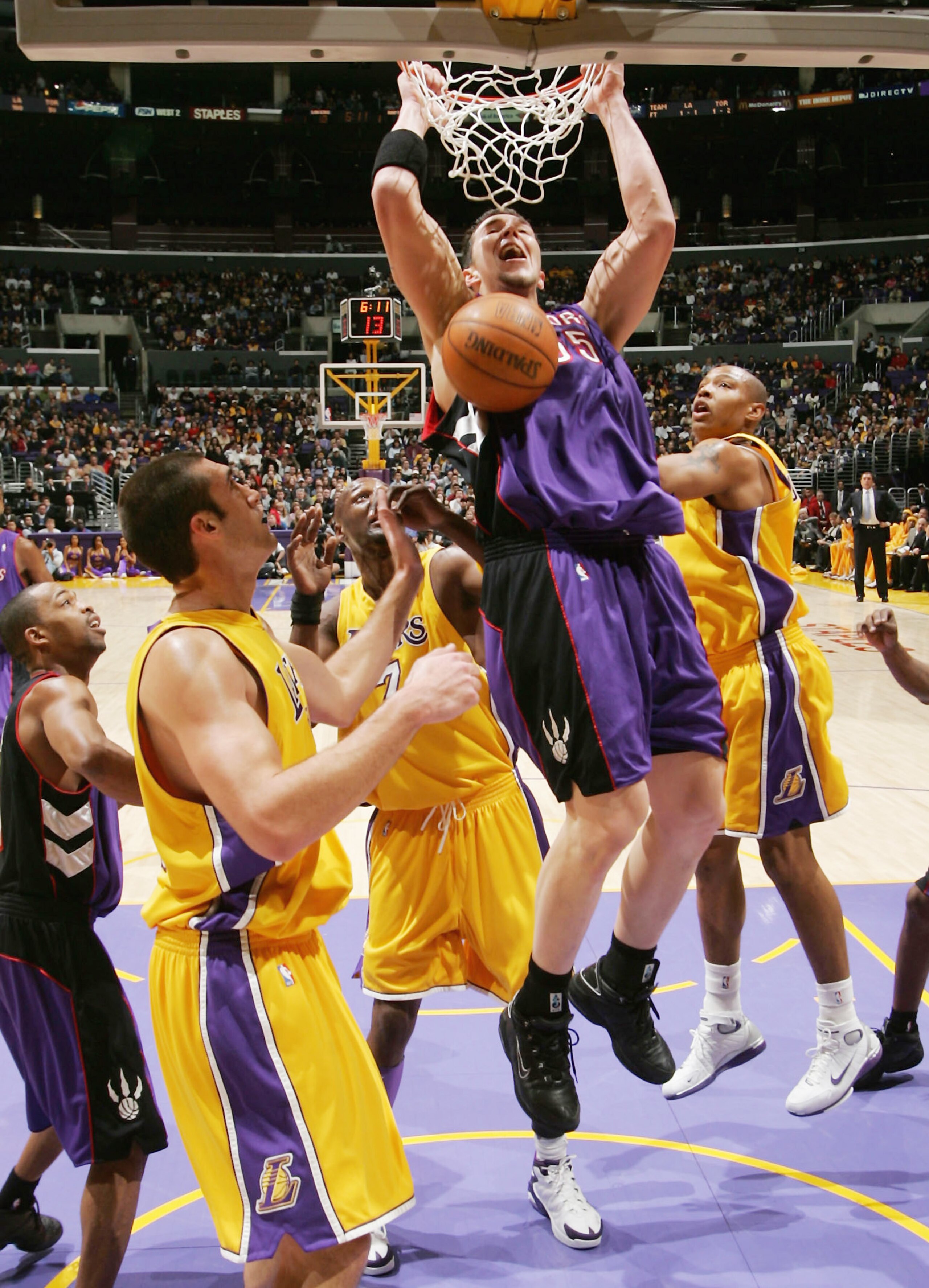
Draft Selection
eighth pick, 2004 draft
Career Stats
2004–2007: 2.8 PPG, 2.8 RPG, 40.5 FG%, 0.1 BPG, 11.4 MPG
Why Araujo?
He entered the league as a sophomore after coming off an 18-point, 10-rebound season at BYU, but never adjusted to the speed of the NBA game. That, plus injuries, forced Araujo to end a three-year career.
Utah Jazz: Jose Ortiz (6'10", 225-Pound PF)
29 of 30Draft Selection
15th pick, 1987 draft
Career Stats
1988–1990: 2.9 PPG, 1.1 RPG, 44.3 FG%, 0.1 BPG, 6.1 MPG
Why Morrison?
It's a rule that if the images database doesn't have a picture of a player who entered the league past 1980, he was most likely a bust.
Ortiz falls into this category after playing only 64 games spread over two seasons. He somehow managed only eight blocks in 391 minutes played.
Photo Courtesy of myutahjazz.blogspot.com.
Washington Wizards: Kwame Brown (6'11", 270-Pound C)
30 of 30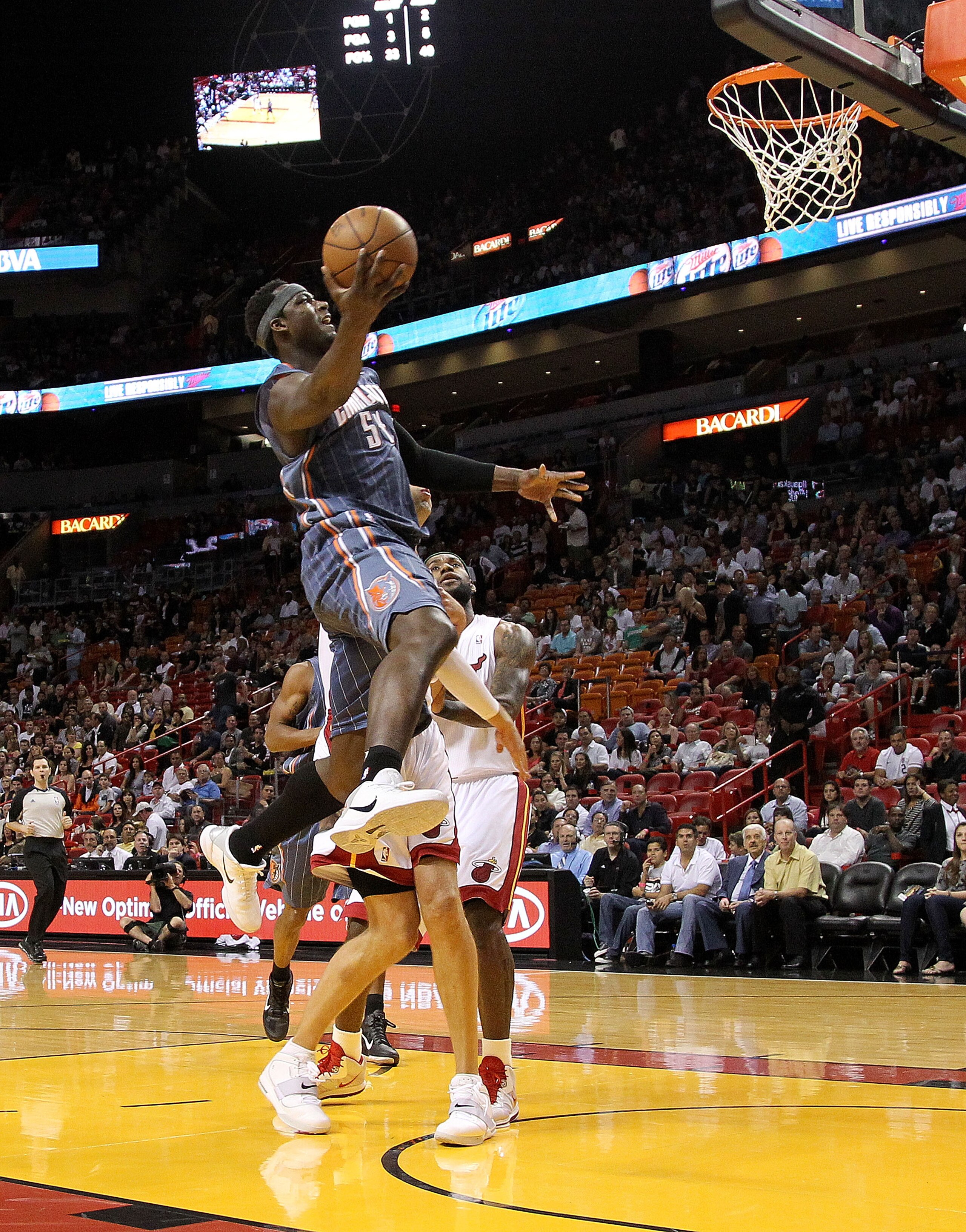
Draft Selection
first pick, 2001 draft
Career Stats
2001–Present: 6.8 PPG, 5.6 RPG, 49.1 FG%, 0.6 BPG, 22.4 MPG
Why Brown?
Scoop Jackson's ESPN article from 2005 pretty much explains it all.
Brown played only four seasons in Washington (well, he was suspended by the team in 2004-05 and did not finish the season). He averaged about 11 points and seven rebounds for the Wizards in 2003-04, but was never close to the franchise savior he should have been.
Still, he's been able to carve out a 10-year career...and he's still going.
.jpg?w=2560 "NFL investigating 2 referees for separate viral exchanges")
.jpg?w=2560 "OBJ Calls Out Giants After Release")



.jpg?w=2560 "Another Cryptic Tyreek Post 🤨")