
John Wall and the Washington Wizards 10 Greatest NBA Draft Picks
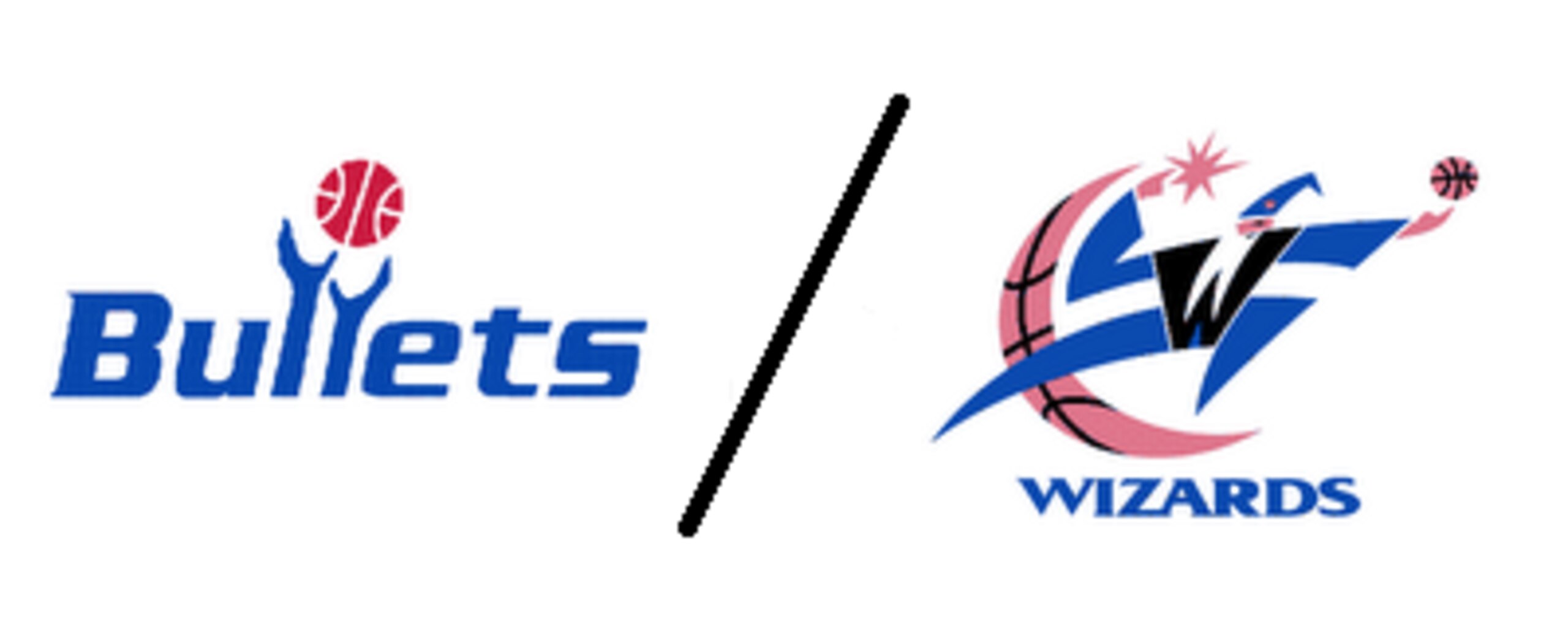
In 1963 the Chicago Zephyrs made their move to Baltimore where the team was renamed the “Bullets”. Since then, they have moved one more time (in 1973 to Washington, DC) and undergone another mascot change (“Wizards”), but the franchise is one of the most storied in NBA history.
With the team mired at the bottom of the league for a second consecutive season, they figure to add another top talent. Whether it’s Jared Sullinger, Harrison Barnes, Enes Kaner or Perry Jones, will the Wizards be able to make a franchise altering draft pick?
This list is compiled of former Washington/Baltimore draft picks who made the biggest impact on the franchise: whether it be putting up ridiculous stats, winning titles, or giving new hope to a downtrodden roster.
Here is a look at the best draft decisions in franchise history, in the hopes that we’ll see another player on this list after next season.
No. 10: Juwan Howard (5th pick, 1994 draft)
1 of 11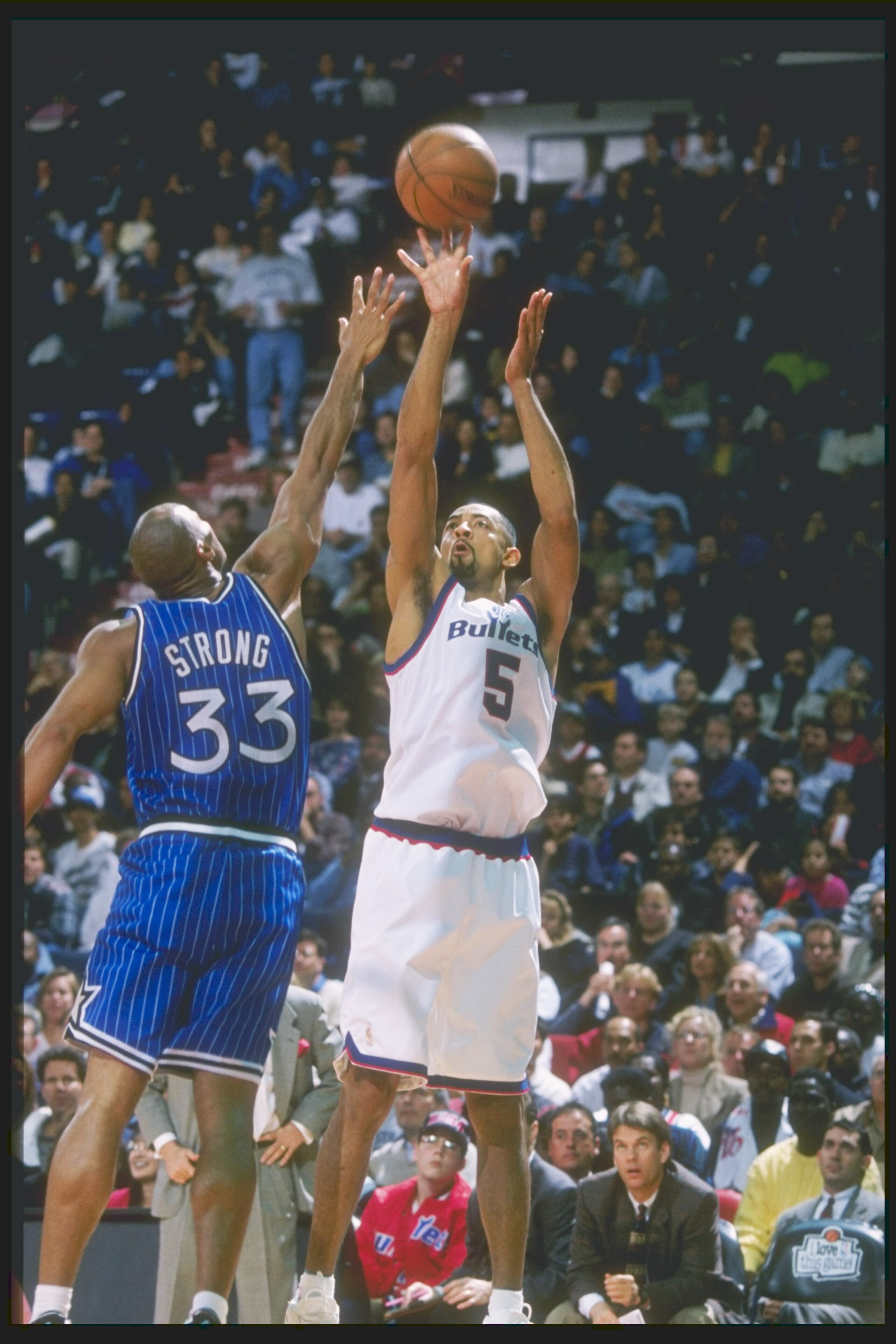
Howard played seven seasons with the Bullets/Wizards, but continues to play with the NBA’s Miami Heat in his 17th season. These were some lean years for the franchise, with Howard as the only inclusion from the 1990’s.
He was an early headache for the Bullets, becoming the last player in his draft class to sign after missing a month of the season. His 10-year contract was an enormous one by NBA standards, and later his voided free-agent deal to the Miami Heat in 1996.
However, Howard averaged at least 17 points in five of his seven seasons in Washington, and at least seven rebounds in six of seven. He was the most recognizeable face on the team during that era, though they were only able to make the playoffs in 1997 and were swept in three games.
No. 9: Greg Ballard (4th picks, 1977 draft)
2 of 11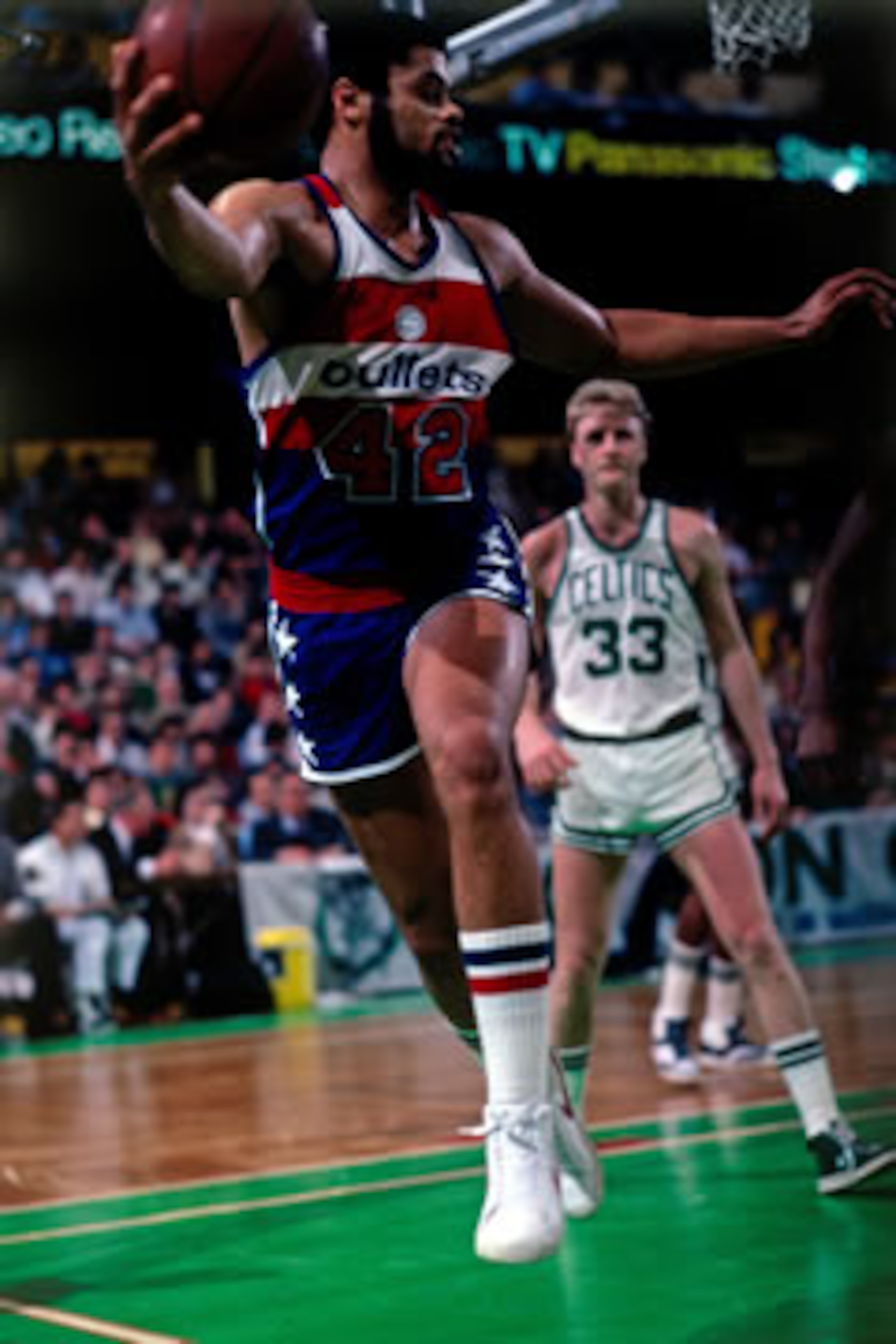
Drafted of the University of Oregon, Ballard played eight seasons with the Bullets before finishing his career with the Golden State Warriors and Seattle Supersonics. He also won a title with the Washington franchise in 1978.
Ballard averaged 18.8 points and eight rebounds in 1981-82, and averaged 16 points per game over one six year span with the team. He was an above-average rebounder and played good defense for six Bullets playoff teams.
Ballard isn’t a household name but his consistent production for the Wizards makes him one of their best draft day pickups.
No. 8: Andray Blatche (47th pick, 2005 draft)
3 of 11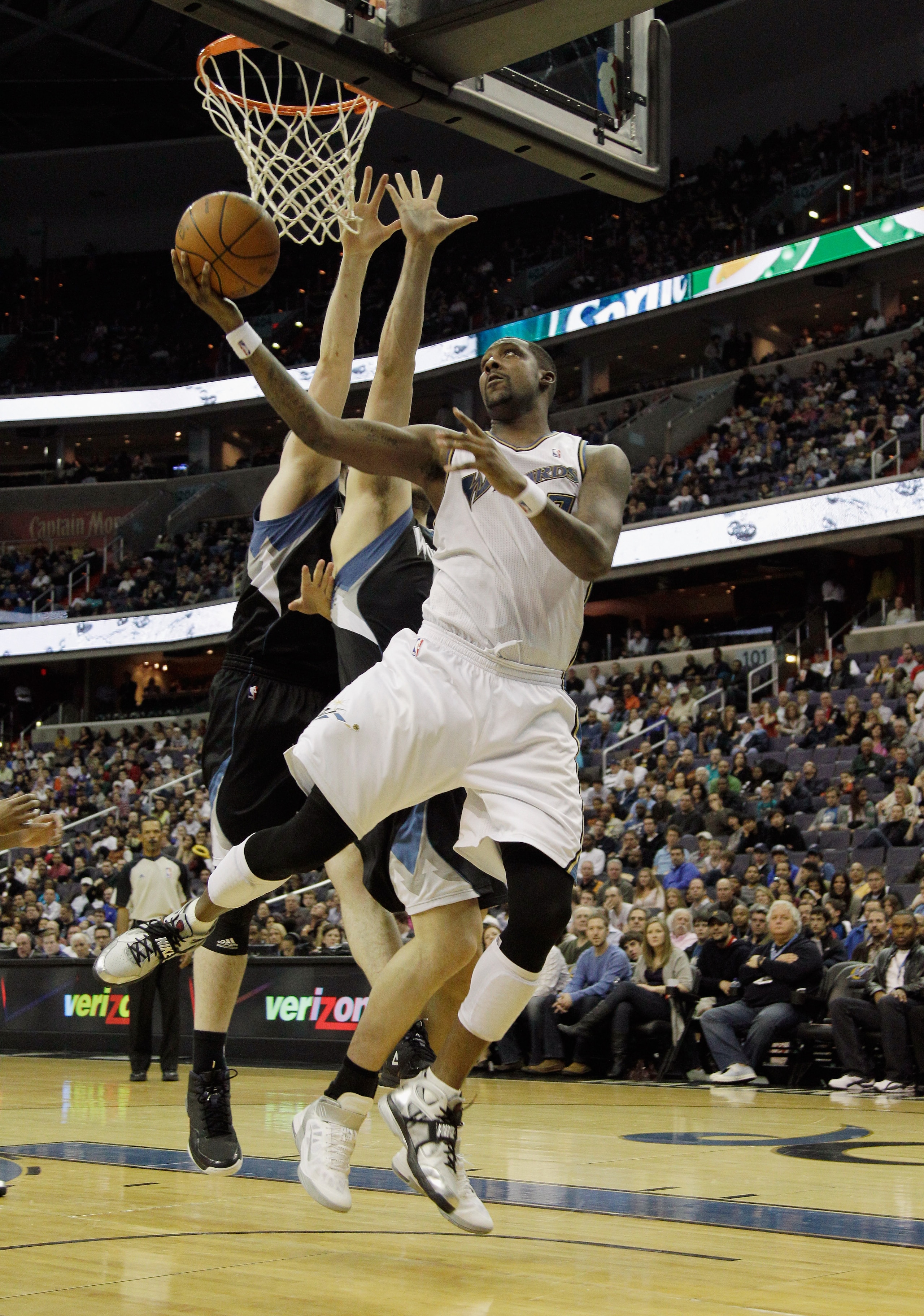
Blatche is lowest pick in this list, and it stands as part of the reason for how highly he is ranked. Despite missing part of his first season after being shot in a botched carjacking attempt, he’s shown flashes of greatness—and, at 25, he still has time to grow. The Wizards signed him through the 2015 season expecting him to develop into an All-Star talent.
The results have been a mixed bag. There was the 20 point, 13 assist, nine rebound game against the New Jersey Nets last season when thrust into the starting role. He’s got a good jump shot and a soft touch around the basket, and is an elite interior passer from the post.
Then there are the constant defensive let downs and sub-par rebounding totals for a 6’10” power forward. He’s often content dribbling around and firing a mid-range jumper at the end of the shot clock.
Blatche is a work in progress, but has proven to be a great value for the Wizards as a first-round talent that fell mid-way through the second round. In his five years with the team he’s earned a reputation as a solid starting big man, and the team hope he can improve on that in the future.


No. 7: Walt Bellamy (1st Pick, 1961 draft)
4 of 11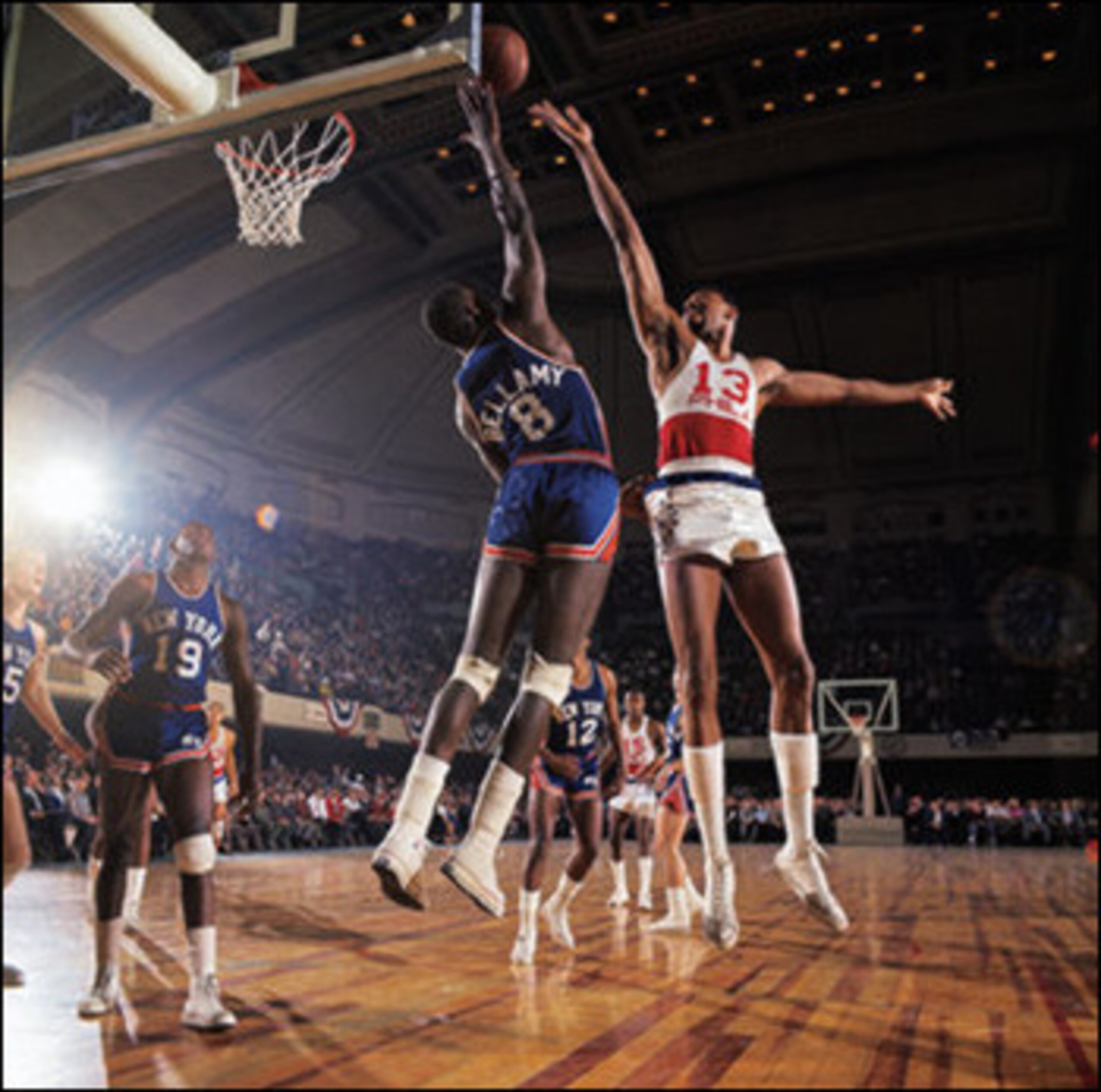
Bellamy racked up some impressive stats in his short four year tenure with the Zephyrs/Bullets. He averaged 31.6 points and 19 rebounds in one of the greatest rookie seasons ever (the second and third highest averages in history), earning him runaway ROY honors.
At 6’11” he was one of his generation’s greatest interior forces. He’d average over 22 points and 14 rebounds every season with the franchise, and continue to produce for many years with the New York Knicks, Detroit Pistons and Atlanta Hawks.
While with the Zephyrs/Bullets he made four all-star teams. He is also in the Hall of Fame.
No. 6: Jeff Malone (10th pick, 1983 draft)
5 of 11In seven seasons with the Washington Bullets, Malone averaged over 20 points per game five times. He was a two time All-Star and made the All-Rookie team in 1984.
Malone also hit one of the NBA’s most incredible game-winning shots in 1984, making an over-the-backboard prayer as he was falling out of bounds to give the Bullets a 103-102 victory over the Detroit Pistons (see video above).
Malone came to the Bullets the year after their most recent franchise title, and would go on to have six more seasons in the NBA with the Jazz, 76ers and Heat.
No. 5: John Wall (1st Pick, 2010 Draft)
6 of 11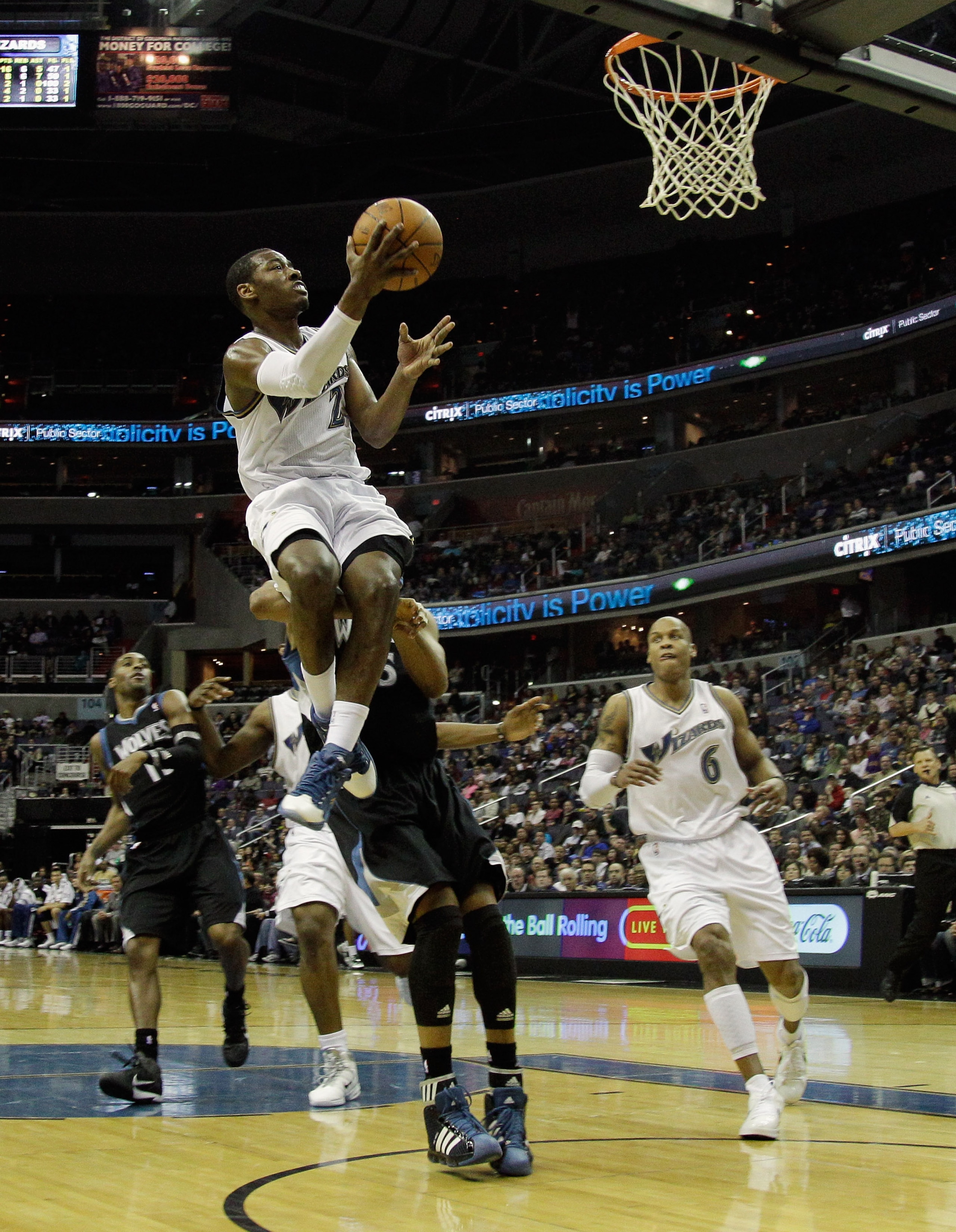
While we’re only one season into the John Wall-era in Washington, it’s clear he’s as-good-as-advertised. I’ve gone over this here, here and here, but we’re witnessing a very special rookie-season—even though it won’t earn him a Rookie-of-the-Year trophy.
In this era where teams are given advantages in resigning their own players, the Wizards plan to lock Wall up long-term. The new CBA will have some say in how easily that will be done, but Ted Leonsis and Ernie Grunfeld have handed the keys to the franchise over to this 20-year-old phenom. For that reason, and his to-date production, Wall deserves to be on this list.
Wall has lightning speed with the ball, which has been both a blessing and a curse in his first season. He’s on pace for one of the five best rookie seasons for a PG, and is dishing out Oscar Robertson-like assist totals on a team with, well, not much established talent.
If the Wizards can develop and continue their rebuilding process—hitting on the high draft picks they will have the next couple of seasons—Wall will be a constant threat for the assist title. He is already making people mention his name in discussions of the best pure point guards in the NBA.
No. 4: Phil Chenier (4th Pick, 1971 Draft)
7 of 11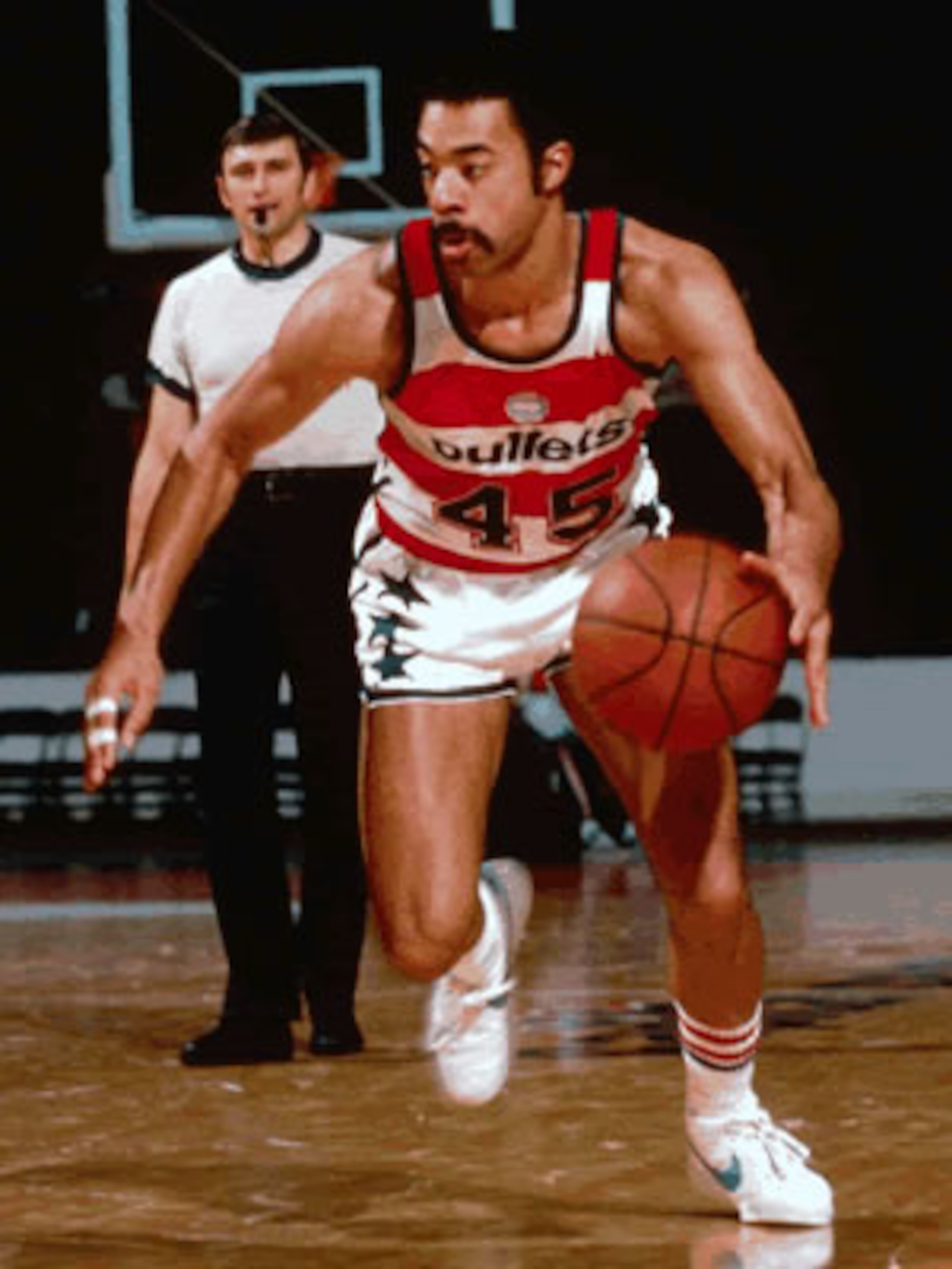
A three time All-Star selection, Chenier played for the Bullets eight seasons, and won an NBA Championship with the team in 1978. He also won All-Rookie First Team in 1972, and All-NBA Second Team in 1975.
From 1972 to 1977 he averaged 20.7 points while shooting over 80 percent on FTs. He would also average more than two steals a game for three consecutive seasons during that span.
Most know Chenier from his current gig as an announcer for Wizards games on CSN, so there is no question what he has meant to the Baltimore/Washington franchise.
No. 3: Gus Johnson (10th pick, 1963 draft by Chicago Zephyrs)
8 of 11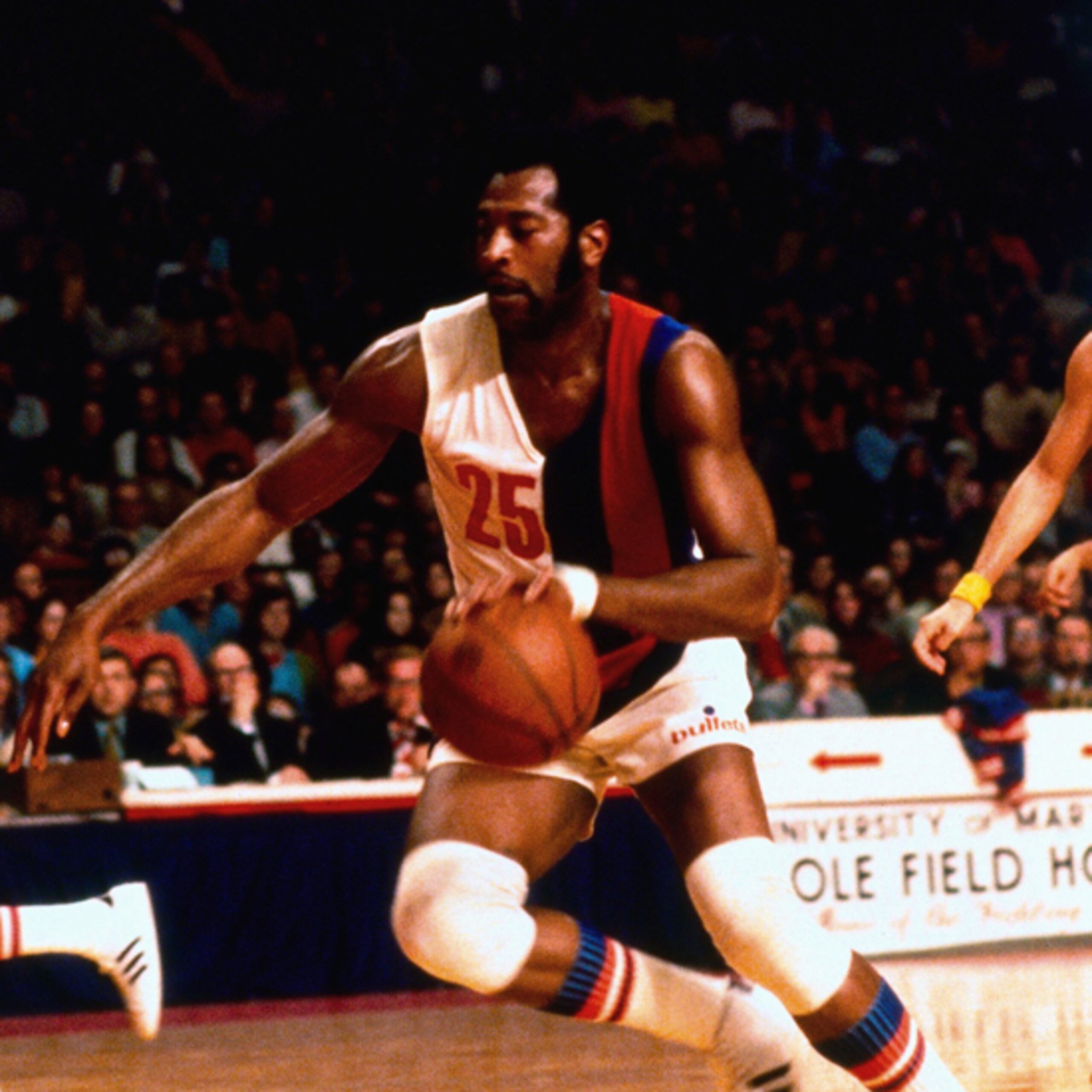
In his rookie season Johnson put up 17.3 points and 13.6 rebounds per game, earning ROY runner-up to another Hall of Famer, Jerry Lucas.
He played eight seasons for the Baltimore Bullets, becoming their first drafted All-Star. He would be selected five times in his career. He also helped lead the Bullets to the NBA Finals in 1971.
A great defender and rebounder, he was often compared to NBA legend Elgin Baylor, and was frequently tasked with guarding Oscar Robertson in their matchups.
Former owner Abe Pollin once called Johnson “the Dr. J of his time”. Johnson was inducted into the Hall of Fame posthumously last year after a long, and undeserved, wait.
No.2: Earl Monroe (2nd Pick, 1967 Draft)
9 of 11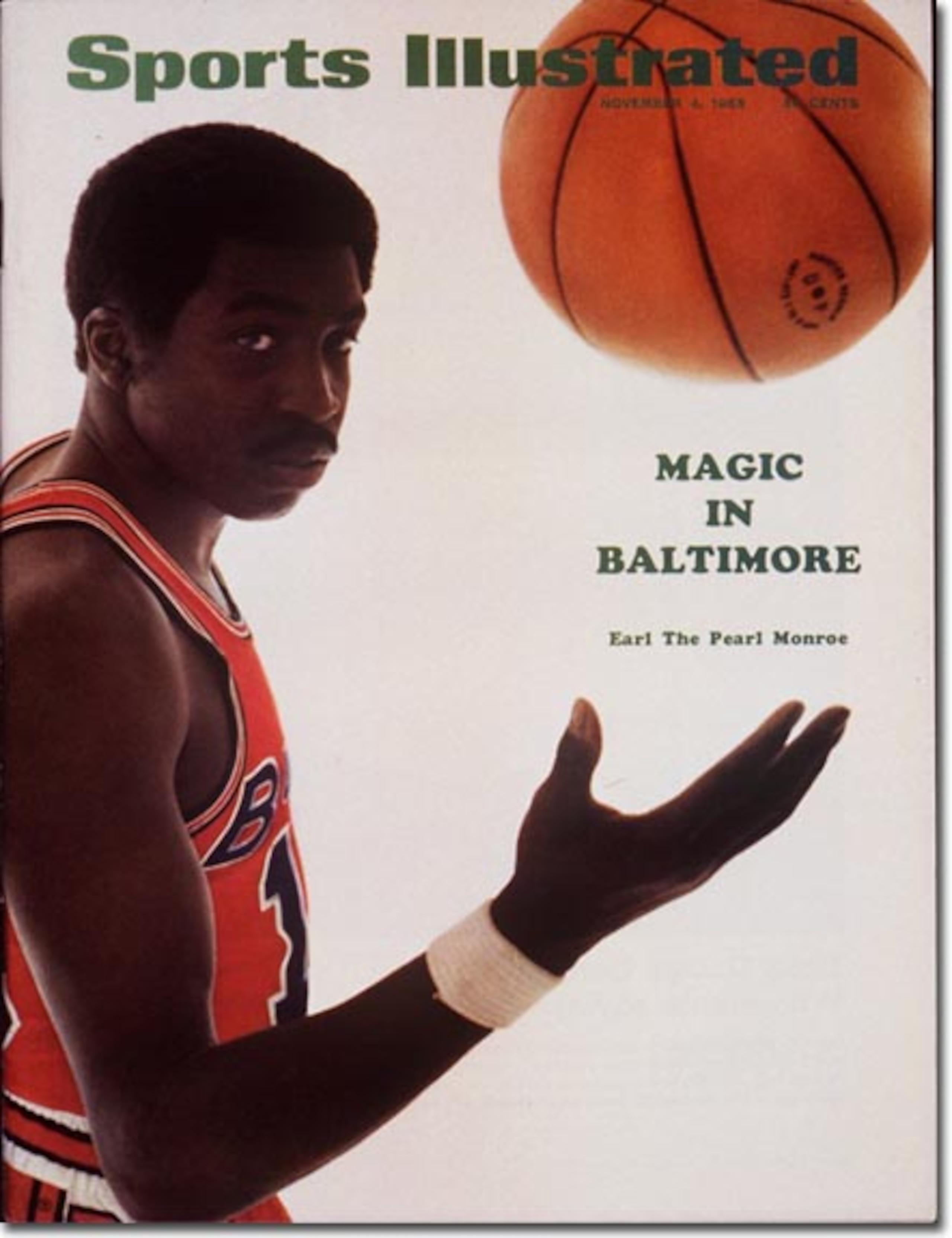
“Earl the Pearl” aka “Black Magic” aka “Jesus” was a playground legend in Philadelphia before ever joining the Bullets. He averaged 41.5 points his senior year at Winston-Salem State University, earning NCAA Player of the Year honors.
He would go on to win NBA ROY honors after averaging 24.3 points per game—and scoring 56 points against the LA Lakers, the third-highest total for a rookie in NBA history and a franchise record until Gilbert Arenas broke it in 2006. He also was selected for the NBA All-Star team in 1969.
Monroe is better known for his time with the New York Knicks, where he and Walt Frazier would win an NBA title in 1973.
His pre-“Showtime” flair for dramatic aesthetics on the court was a draw for fans around the league until his retirement in 1980. He would be inducted into the Hall of Fame in short order when he became eligible.
Famous Monroe quote: "The thing is, I don't know what I'm going to do with the ball, and if I don't know, I'm quite sure the guy guarding me doesn't know either."
No. 1: Wes Unseld (2nd pick, 1968 draft)
10 of 11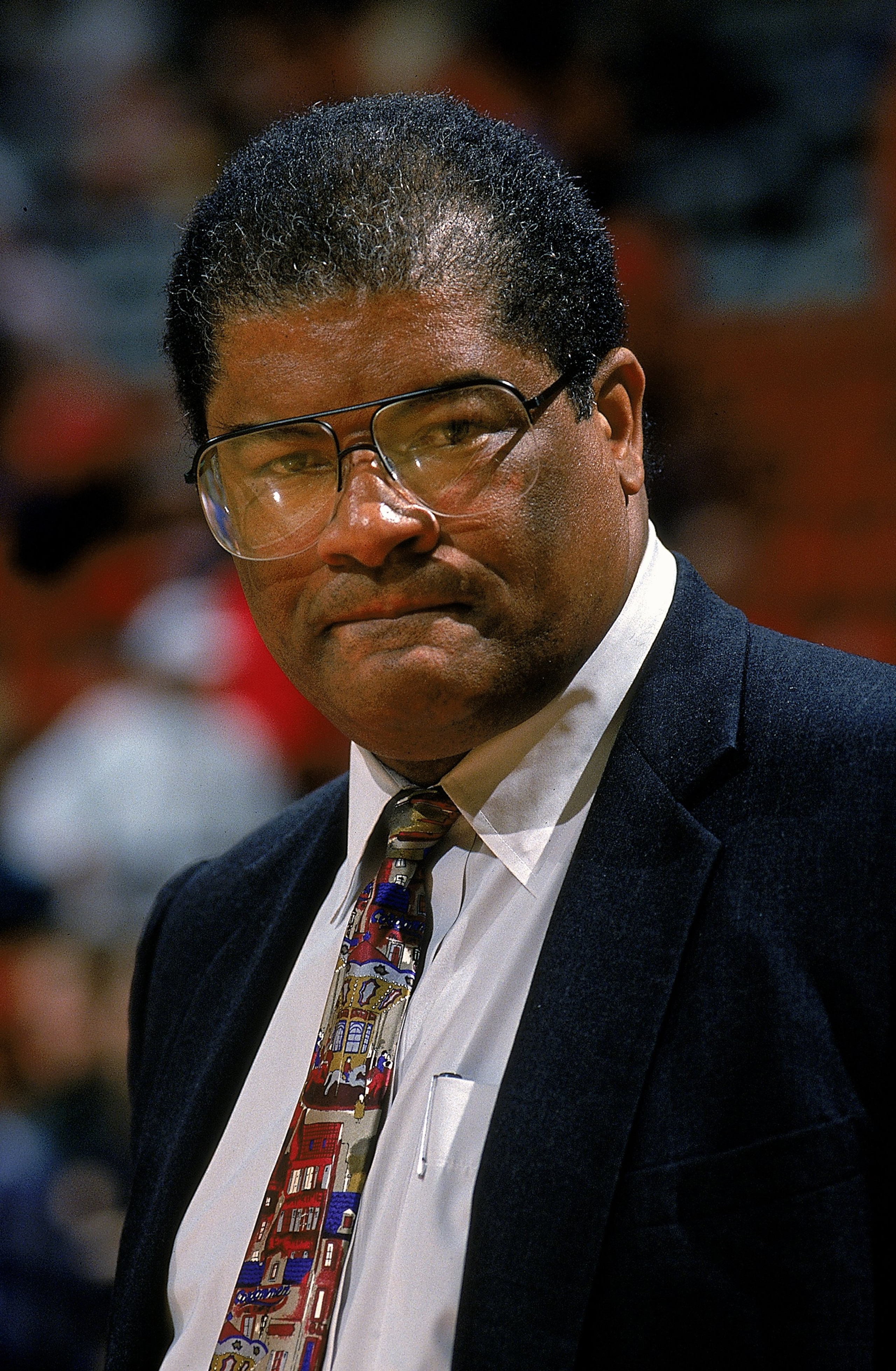
One of two players to ever win Rookie-of-the-Year and league MVP in the same season, he helped lead the Bullets to their first NBA Eastern Division title that same year—taking the team from worst-to-first in the span of a single season.
Unseld averaged 18.2 rebounds his first year in the league, and would lead the NBA in rebounding in 1975 and in FG percentage in 1976.
The consummate “tweener,” Unseld stood only 6’7” but was tenacious on the glass and playing defense. These less-heralded traits helped him lead the Bullets to four NBA Finals, winning one in 1978 when he also took home the Finals MVP award.
The five-time All-Star spent his entire career with the Bullets, even returning as coach from 1987-1994. His legendary rebounding, defense, desire to win and Hall of Fame credentials make him the easy choice for the top spot on our list.
HONORABLE MENTIONS:
11 of 11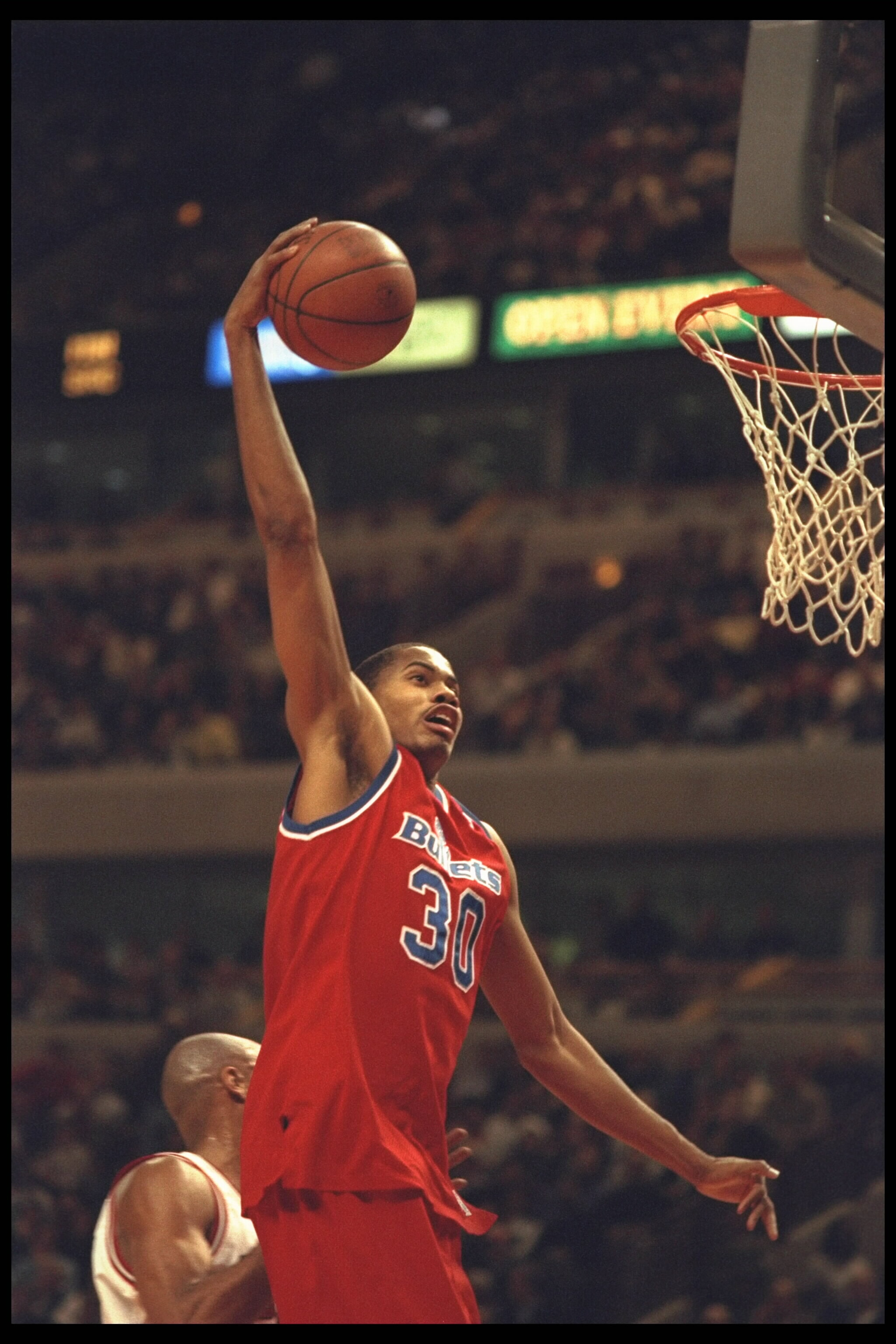
Rasheed Wallace (4th pick, 1995 draft)—Only played one season with the Bullets. Turned him into Rod Strickland via trade, who spent four solid seasons with the club, culminating in 1997-98 when he put up 17.8 poing, 10.5 assists, and five rebounds a game.
Richard Hamilton (7th pick, 1999 draft)—Hamilton played three seasons with the Wizards, but didn’t make an All-Star game until 2006 and won his only NBA Finals in 2004 with the Detroit Pistons.




.jpg?w=2560 "Latest Peyton-Colts Rumors")